Duskfade – The PS2 Era Returns With All Its Strengths and Weaknesses
Duskfade is worth considering for players who miss colourful PS2-style action-platformers and can tolerate basic combat, floaty movement and backtracking.


If you enjoy independent indie game coverage, consider supporting Indie-Games.eu on Patreon. It helps keep the site independent.
Crimson Desert is one of those games that almost forces you to take a definitive stance, even though it’s hard to do so. Everything depends on the moment you’re playing it and the level of patience you’re willing to invest. At one moment it can feel like complete chaos, the next like a potential masterpiece, and most often like something stubbornly stuck somewhere between those two extremes. Writing about it is also tricky, as Pearl Abyss constantly reshapes the experience through ongoing patches. What was broken yesterday might not even exist today… only to be replaced by a new issue that disrupts the experience just as much.
Still, despite its unpredictable nature, it’s hard to put Crimson Desert aside and that ultimately says more than any numerical score ever could. You might easily get the feeling of being trapped in a vast world typically associated with MMORPGs, a space you realistically may never fully exhaust. In that regard, even Ubisoft’s open worlds don’t come close to what Crimson Desert is trying to achieve. Yet, despite this impressive ambition, it’s clear the game simply isn’t for everyone.
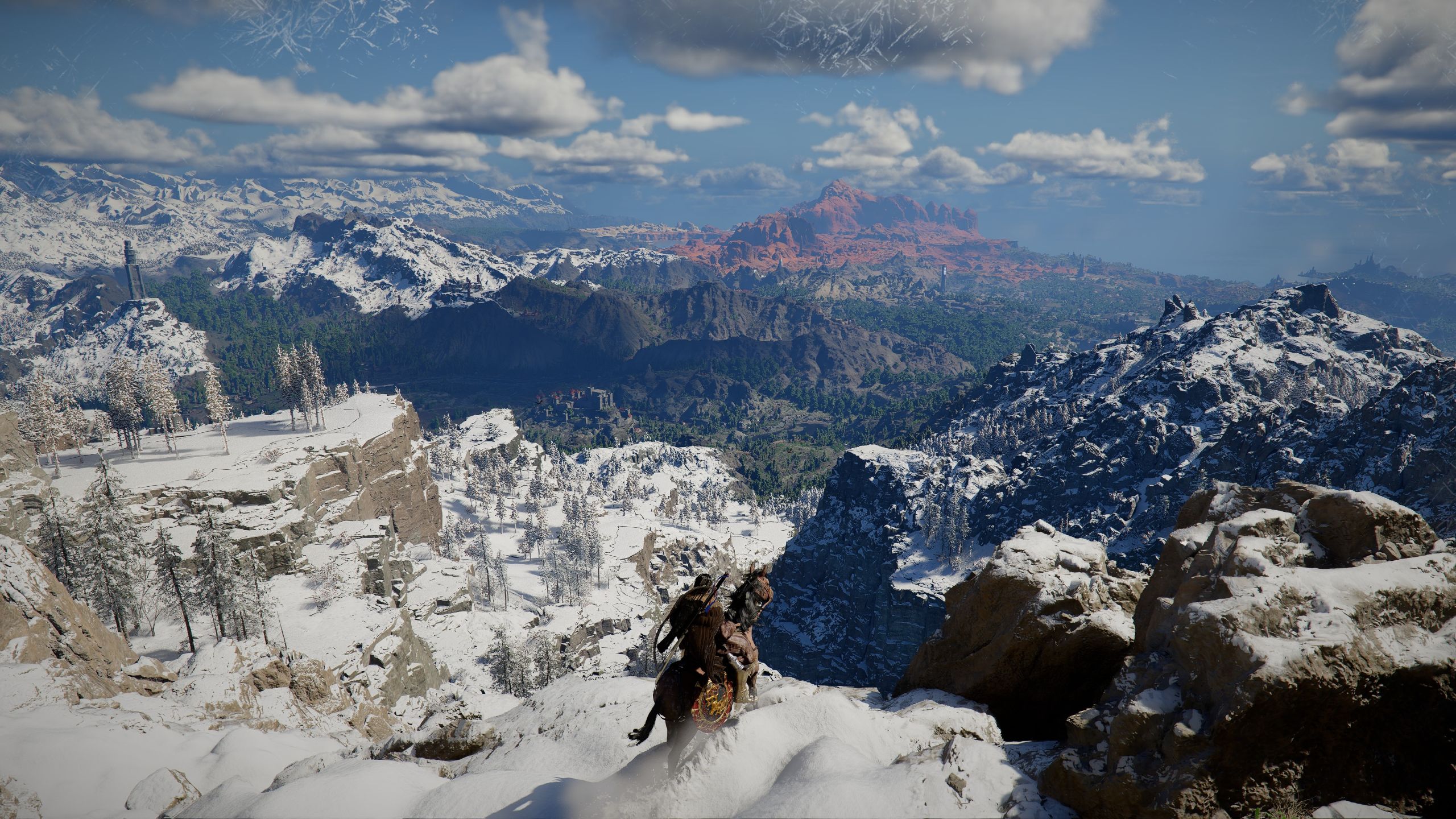
The opening hours don’t do the game any favors. In fact, they border on tedious. You spend a long time wandering through unclear tutorials, clumsy controls, and a story that throws you into the middle of events without giving you a real reason to care. Kliff, our protagonist, is introduced, killed, resurrected, and sent on a world-saving mission in such a rushed and disjointed way that it feels like entire chapters are missing.
I kept waiting for the story to “click,” for the characters to develop, for the stakes to matter, but that never really happens. Eventually, I stopped expecting anything from the narrative, and oddly enough, that’s when the game started to work. Because Crimson Desert isn’t at its best when it tries to tell a story. It’s at its best when it forgets about it entirely.
Once the world finally opens up, and it takes time, the game transforms. What initially feels like a clumsy, overcomplicated RPG gradually turns into a true playground of systems, mechanics, and constant distractions. One moment you’re cooking, the next you’re mining ore, then suddenly rescuing a sheep, only to find yourself in a fight with bandits minutes later. None of it flows particularly smoothly, but that’s exactly the point. The game feeds on its own unpredictability, constantly throwing new activities, mechanics, and surprises at you, often without proper explanation, and expects you to figure things out on the fly.
That lack of clarity is both one of its biggest flaws and part of its unusual charm. You’ll often dig through menus trying to understand what the game just told you. But when something finally “clicks,” whether it’s a combat technique or a movement mechanic, the feeling is incredibly rewarding. It’s as if the game is built around that very moment.
Combat is the segment where things most often fall into place. It’s fast, chaotic, and clearly designed for fighting multiple enemies at once, supported by a sufficiently deep skill system. The sense of progression is tangible as you unlock new abilities and enter battles with increasing confidence, even when difficulty spikes suddenly. It’s not fully polished, but it delivers the kind of fun that carries extra weight in such an uneven experience. Additionally, Crimson Desert features a faction system involving, for example, mercenaries and noble houses, where your reputation directly affects trade and ally support. All of this ties into combat in a way that reinforces the idea that you’ll rarely be bored.
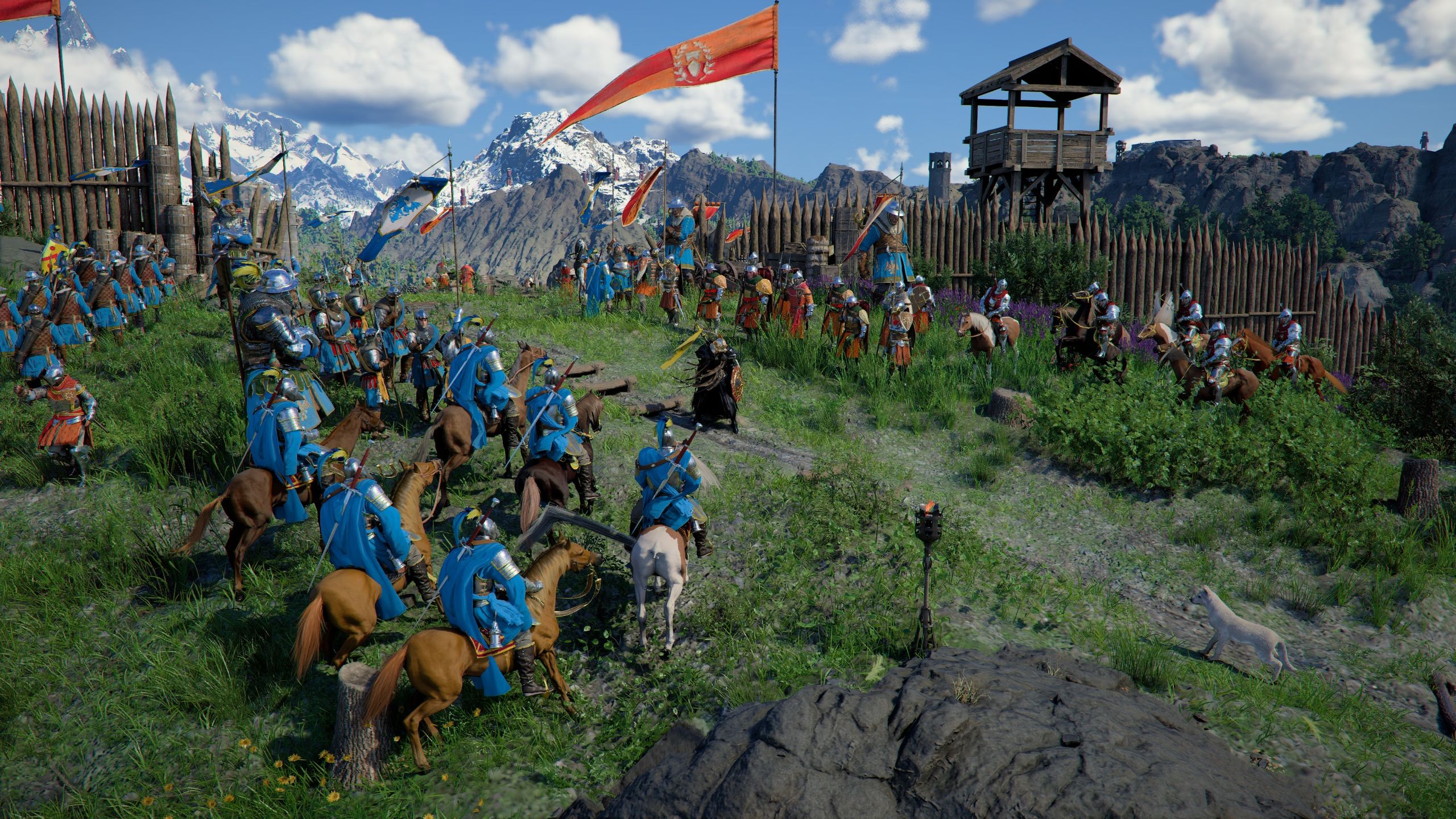
The real strength of Crimson Desert is its world. This is where the game truly lives up to its ambitions. It’s vast, diverse, and gives off a sense of life that many open-world games only attempt to imitate. Cities are bustling with activity, NPCs follow their own routines, and the landscape constantly tempts you to stray from your path and explore just a little further.
It perfectly captures the core essence of an open world, the feeling of setting out toward one goal and ending up completely lost somewhere else. Some of my favorite moments weren’t tied to quests or rewards at all, but simply to riding a dragon across different landscapes, watching weather changes, or encountering spontaneous, unexpected events.
Visually, the game can look stunning. There are moments, especially early on, that genuinely feel “next-gen” in a way we rarely see. Lighting, weather effects, and environmental detail carry the presentation, even if character models sometimes fall short. The sound design supports it all nicely, with a strong soundtrack and solid voice acting, although the dialogue ranges from genuinely entertaining to unintentionally funny.
It’s also worth noting how well Crimson Desert is optimized for different PC configurations. On my system (Ryzen 5 5600 and RX 6650 XT), targeting 1440p, the game ran smoothly most of the time. There were occasional technical hiccups and FPS drops below the desired 60, but I never felt like performance was seriously suffering or that optimization was a major issue.
Of course, it wouldn’t be Crimson Desert without the inevitable “jank.” Bugs are present at every turn, though they’re more often bizarre than truly game-breaking. Issues with fishing, awkward movement animations, or systems breaking while others are simultaneously being fixed, it’s all part of the package. The game is clearly in a constant state of evolution, and that’s easy to feel. Still, unlike many unfinished releases, there’s a sense that the developers are actively keeping track of things.
Because of this constant evolution, it’s actually hard to rate Crimson Desert. If you had asked me after the first four hours, I probably would have written it off completely. After ten hours, I was cautiously interested. After fifty hours, I didn’t want to stop. That’s the definition of a “slow burn” game, one that demands patience and a willingness to meet it on its own terms. Not everyone will have the patience for that, and honestly, I can’t blame them.
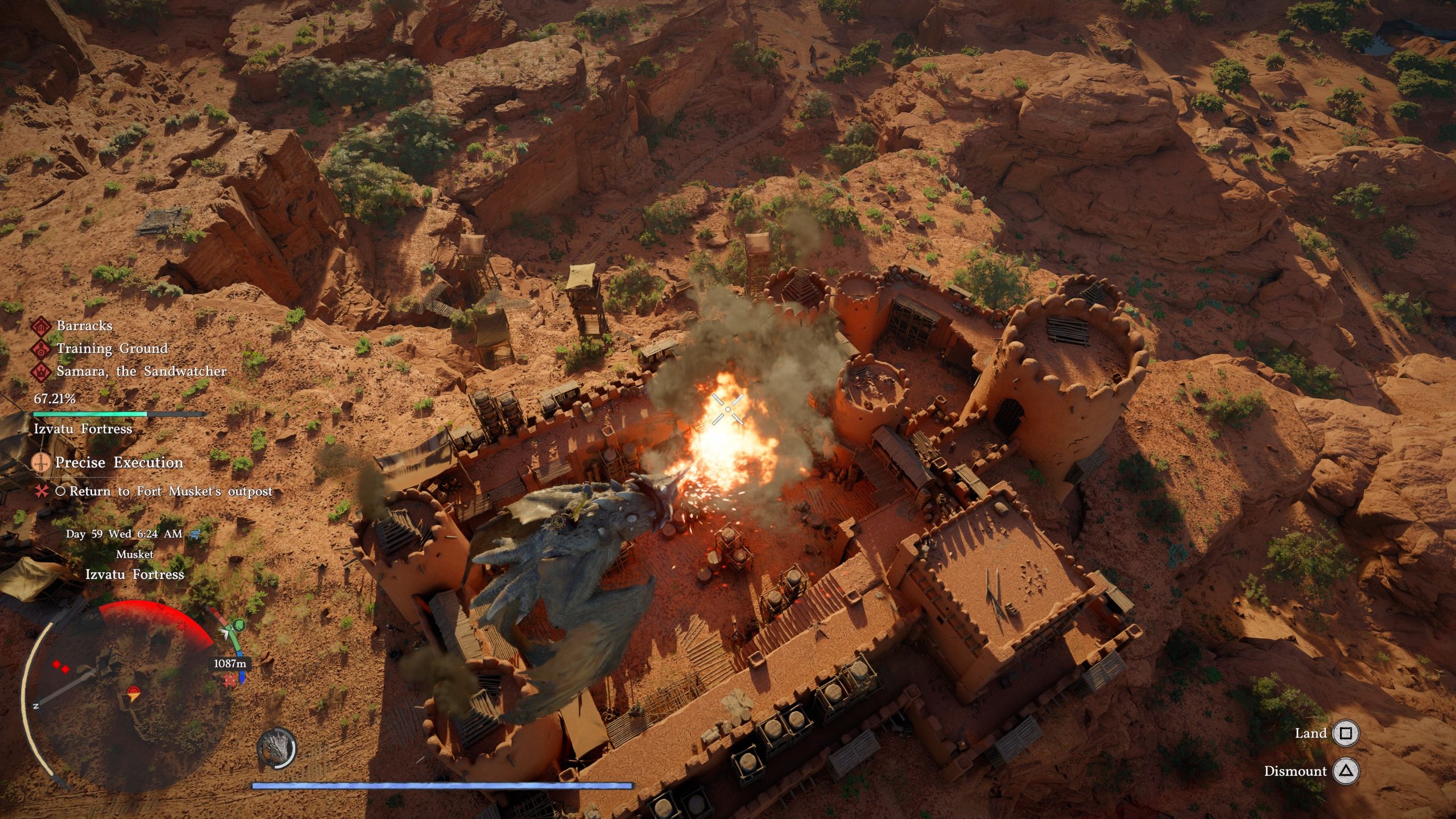
What I can say is that you likely won’t regret giving Crimson Desert a chance, because there really is something special here. However, it’s important to accept the context: this is a game that was originally conceived as an MMORPG before shifting toward a single-player experience. Only once you come to terms with that, and with the fact that you’re facing a massive amount of content and roughly ten hours of wandering before things truly “click”, can you decide whether it’s for you.
In the end, this isn’t a tightly structured, story-driven RPG, but a chaotic and ambitious sandbox that constantly surprises you, even when it frustrates you. It’s full of questionable decisions, unfinished systems, and rough edges, yet somehow, despite everything, it works. Crimson Desert isn’t a masterpiece, nor is it consistently great, but it is compelling, unpredictable, and surprisingly hard to put down. That feeling, that something interesting is waiting just beyond the next hill, is something you won’t find in any other game.
Crimson Desert is a game of contradictions: complete chaos one moment, a potential masterpiece the next. It’s a “slow burn” that demands roughly ten hours of wandering before things truly click, with tedious opening hours, a rushed and disjointed narrative, lack of clarity, and constant jank. Yet somehow, despite everything, it works. Crimson Desert isn’t a masterpiece, nor is it consistently great, but it is compelling, unpredictable, and surprisingly hard to put down.
Ending Thoughts
Review copy provided by the publisher
Duskfade is worth considering for players who miss colourful PS2-style action-platformers and can tolerate basic combat, floaty movement and backtracking.
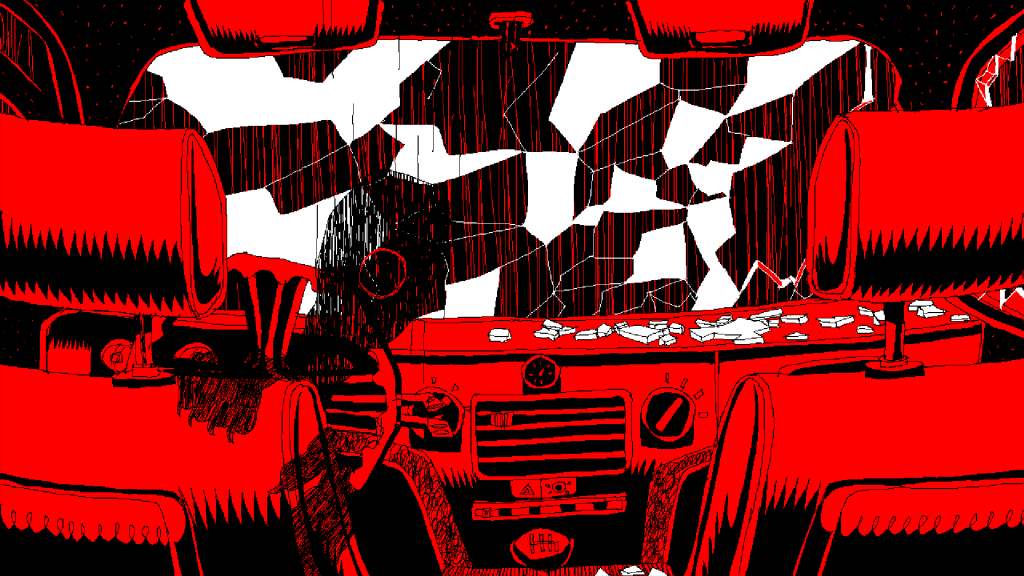
Man I Just Wanna Go Home is a noir crime story with visuals from MS Paint and life-or-death choices.
![[GAMESCOM 2026] Vikings Dynasty Preview – Expands the Dynasty Formula](https://www.indie-games.eu/wp-content/uploads/2026/09/Viking-Dynasty-09-21-26-2-1024x576.jpg)
After showing me Prospera at Gamescom 2026, Toplitz Productions' Mathias Oertel moved to a very different kind of settlement builder.…
![[GAMESCOM 2026] Prospera Preview – Production, Prosperity and Victorian Industry](https://www.indie-games.eu/wp-content/uploads/2026/09/Prospera-09-21-26-5-1024x576.jpg)
At Gamescom 2026, I met with Toplitz Productions' Mathias Oertel for a guided presentation of two upcoming games. One of…
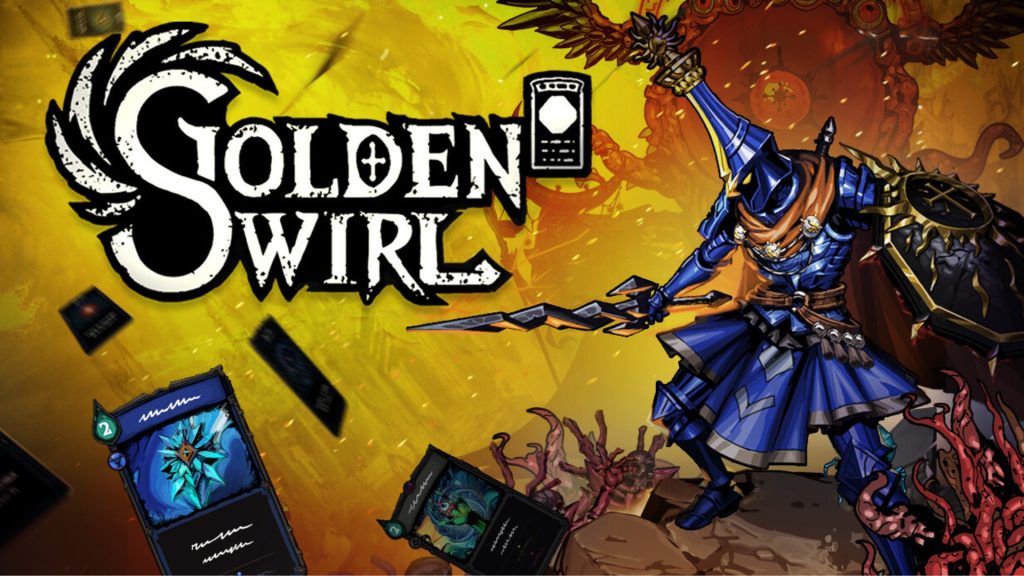
Golden Swirl inventive card combat carries the experience, but repetitive rooms, weak upgrades and excessive dialogue hold it back.
![[GAMESCOM 2026] Wilderdark Preview – Ambitious Dinosaur Horror Game That Still Has Plenty to Prove](https://www.indie-games.eu/wp-content/uploads/2026/09/Wilderdark-1024x576.jpg)
Dinosaur survival horror game Wilderdark has one of those premises that immediately makes you wonder why more games have not…
![[PREVIEW] Tiny Metal 2 – Strategy Game That Wants You to Learn From Every Mistake](https://www.indie-games.eu/wp-content/uploads/2026/09/Tiny-Metal-2-1024x576.jpg)
I rarely enjoy discovering that my opening strategy was completely wrong, but Tiny Metal 2 made that process one of…
![[PREVIEW] Remothered: Red Nun’s Legacy – Ambitious Survival Horror That Needs More Polish](https://www.indie-games.eu/wp-content/uploads/2026/09/Remothered-Red-Nuns-Legacy-4-1024x576.jpg)
Remothered: Red Nun’s Legacy has a gripping atmosphere and promising survival tools, but its repetitive hiding and rough visuals need…
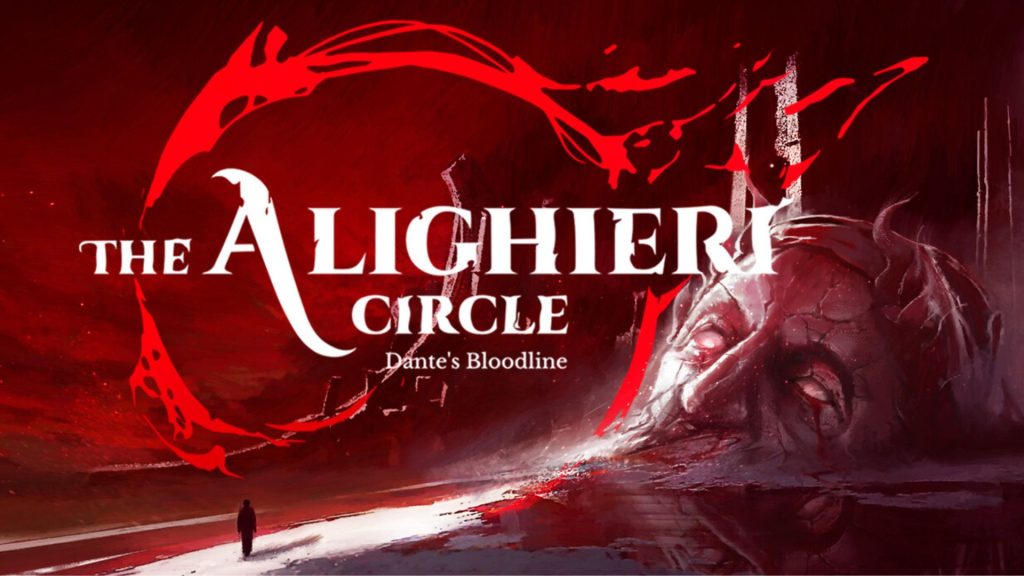
The Alighieri Circle: Dante’s Bloodline is difficult to recommend beyond players who are especially interested in Dante or enjoy solving…
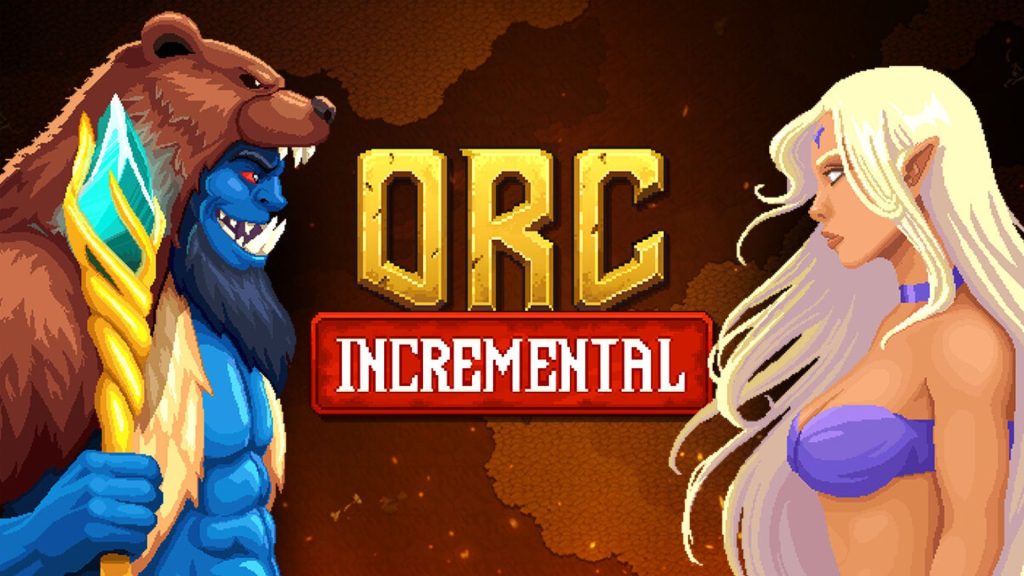
Orc Incremental offers satisfying progression, entertaining totem combinations and enough content to justify its affordable price.
![[GAMESCOM 2026] Chronoscript: The Endless End Preview – Beautiful Pages Hide Deliberate Combat](https://www.indie-games.eu/wp-content/uploads/2026/09/Chronoscript-The-Endless-End-1-1024x576.jpg)
Chronoscript: The Endless End stands out from other Metroidvanias by blending 2D manuscript worlds with exploration inside a 3D manor.
![[GAMESCOM 2026] MegaGum Preview – Combat Hits Hard in This Sticky Platforming Adventure](https://www.indie-games.eu/wp-content/uploads/2026/09/MegaGum-09-09-26-5-1024x576.jpg)
MegaGum combines hard-hitting combat, varied weapons and Gum-powered platforming in a promising Gamescom 2026 demo.
![[GAMESCOM 2026] Delphinium Preview – Cozy Routine Mixed With Enjoyable Minigames](https://www.indie-games.eu/wp-content/uploads/2026/03/Delphinium--1024x665.jpg)
Delphinium mixes cozy farming, exploration and relationships with enjoyable fishing, cooking and forging minigames in its Gamescom 2026 demo.
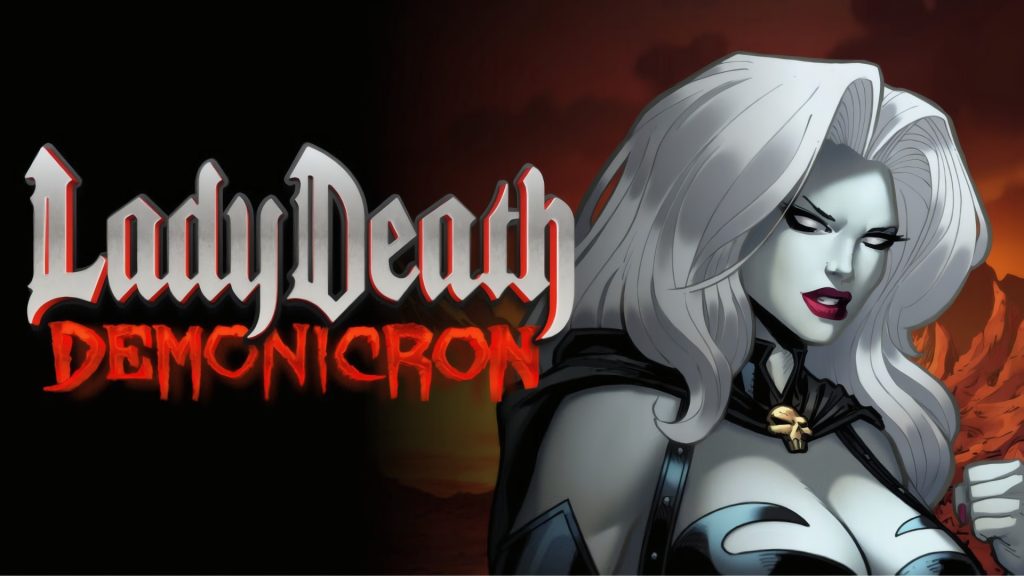
Lady Death: Demonicron looks the part, but underneath its excellent comic-book exterior is a clunky and painfully short brawler.
![[GAMESCOM 2026] Tomb Raider: Legacy of Atlantis Preview – Expands the Original Without Losing Its Identity](https://www.indie-games.eu/wp-content/uploads/2026/09/tomb-raider-legacy-of-atlantis-06-02-26-1-1024x576.jpg)
Tomb Raider: Legacy of Atlantis brings Lara back to her roots, but its Gamescom 2026 showing proved this is far…
![[GAMESCOM 2026] Clive Barker’s Hellraiser: Revival Preview – Ready to Open the Box](https://www.indie-games.eu/wp-content/uploads/2026/09/Clive-Barkers-Hellraiser-Revival-08-30-26-1-1024x576.jpg)
Hellraiser: Revival preserves the franchise’s sex, gore and psychological horror while delivering approachable survival-horror gameplay.

Swan Song creates a peaceful and forgiving puzzle space without removing the challenge that makes solving a difficult puzzle rewarding.
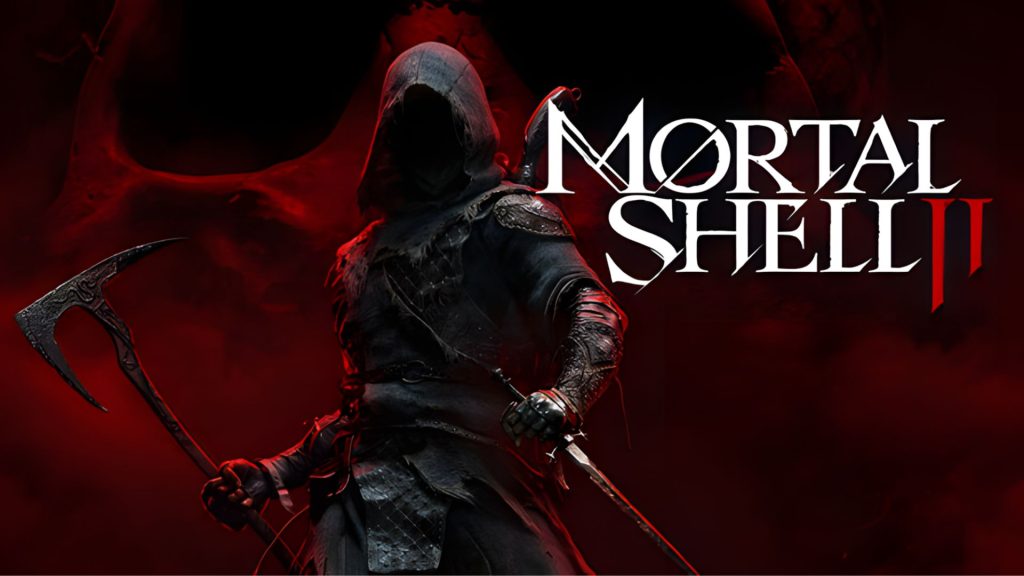
Mortal Shell II starts brilliantly but grows repetitive and exhausting, while remaining a rewarding and ambitious Soulslike sequel.
![[GAMESCOM 2026] Terranigma Preview – A Lost SNES Classic Returns in 2027](https://www.indie-games.eu/wp-content/uploads/2026/08/Terranigma-1-1024x576.jpg)
After more than three decades of limited availability, Terranigma is returning in 2027. We played its enhanced re-release at Gamescom…
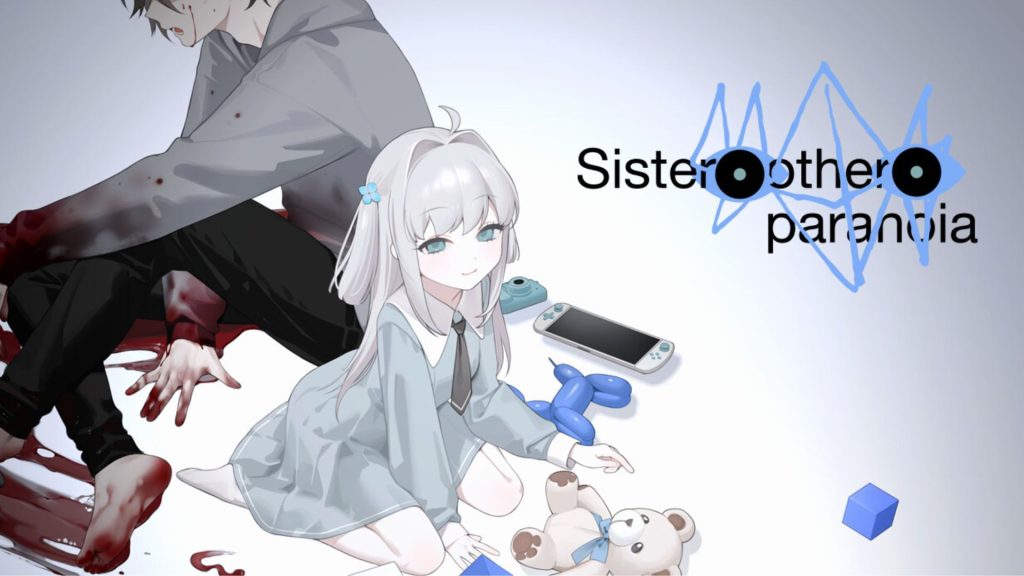
Reading another person’s mind is often presented as a desirable superpower, but Sister Other Paranoia immediately understands why it could…
