Games as Art and Content – Interview with Prince de Guzman
We spoke with cosplayer Prince de Guzman, who is known for his transformations inspired by horror, anime, and video games.

If you enjoy independent indie game coverage, consider supporting Indie-Games.eu on Patreon. It helps keep the site independent.
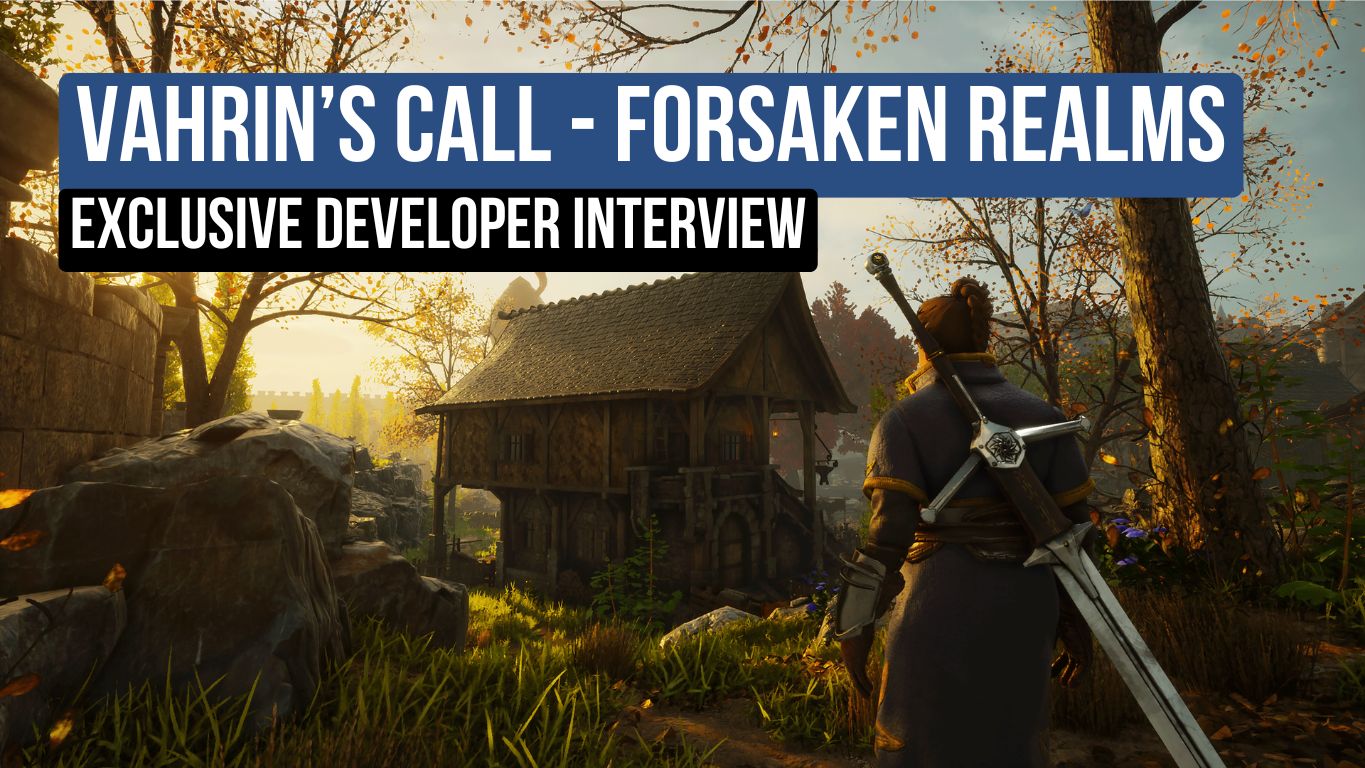
Developing an expansive fantasy RPG is challenging even for a large studio, but Vahrin’s Call is being created by a self-funded team of just seven people. What began as a smaller isometric base-building project gradually evolved into an ambitious third-person action RPG inspired by Fable, The Elder Scrolls, and The Lord of the Rings.
Featuring a fully voiced world, classless character progression, flexible difficulty options, and combat built around weapons and elemental magic, Vahrin’s Call aims to give players the freedom to shape their own mercenary. We spoke with the game’s director from Forsaken Realms about the project’s lengthy production, its approach to exploration and combat, the decision to avoid generative AI, and what the studio hopes to achieve after launch.
We were supposed to work our way up to creating a third-person co-op action-rpg. The original design was supposed to be an isometric base-builder style action-RPG.
I had all the best intentions of starting small and doing everything the ‘right way’. I’d planned to build out the universe, the lore, the factions and races etc over a few games with the hope of eventually telling a story and building a game within a universe that rivals the greats.
Fortunately, or unfortunately depending on how you look at it, other people joined the project in those first couple of years and as they did, we got carried away changing the game’s scope. This is pretty much the sole reason the game has taken us so long to create.
The game has been in development for many years. Looking back, what were the biggest challenges you faced as a self-funded team of seven people?
Without a doubt, the most difficult part has been wearing so many hats. Constantly having to jump from task to task means things have taken a lot longer than they would have if you just had people with the correct skills for each role working together all week. In a fully funded project, you would just have a VFX artist get to work. They’d carry out some research and pre-production to ensure they can achieve the intended art style or outcome and before long professional quality VFX are going into the game.
With us however, we don’t have a trained VFX artist and so someone in the team needs to learn it. The person that signs up for it might have a lot of transferrable skills that work in the VFX pipeline, but they still essentially have no experience and they’re already doing another role or in some cases multiple within the project.
The VFX work also needs to be produced at the same quality level as the rest of the art in the game and so on top of working their other job to pay the bills, and the work they’re already doing on the game, they then need to learn this entire skillset… which is a specialized job role for a reason.
Even with all the best intentions, that all unfortunately takes a lot of time.
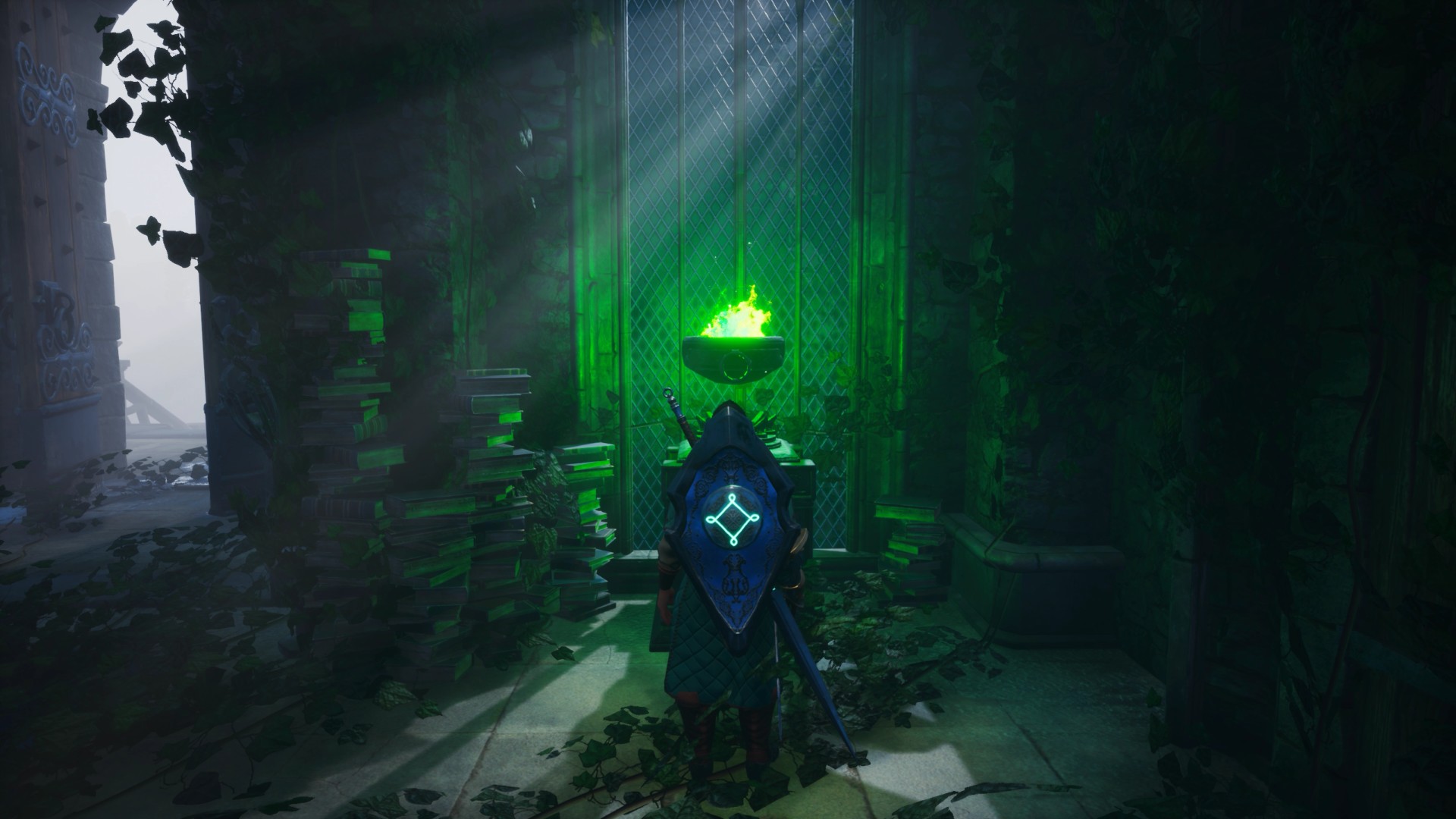
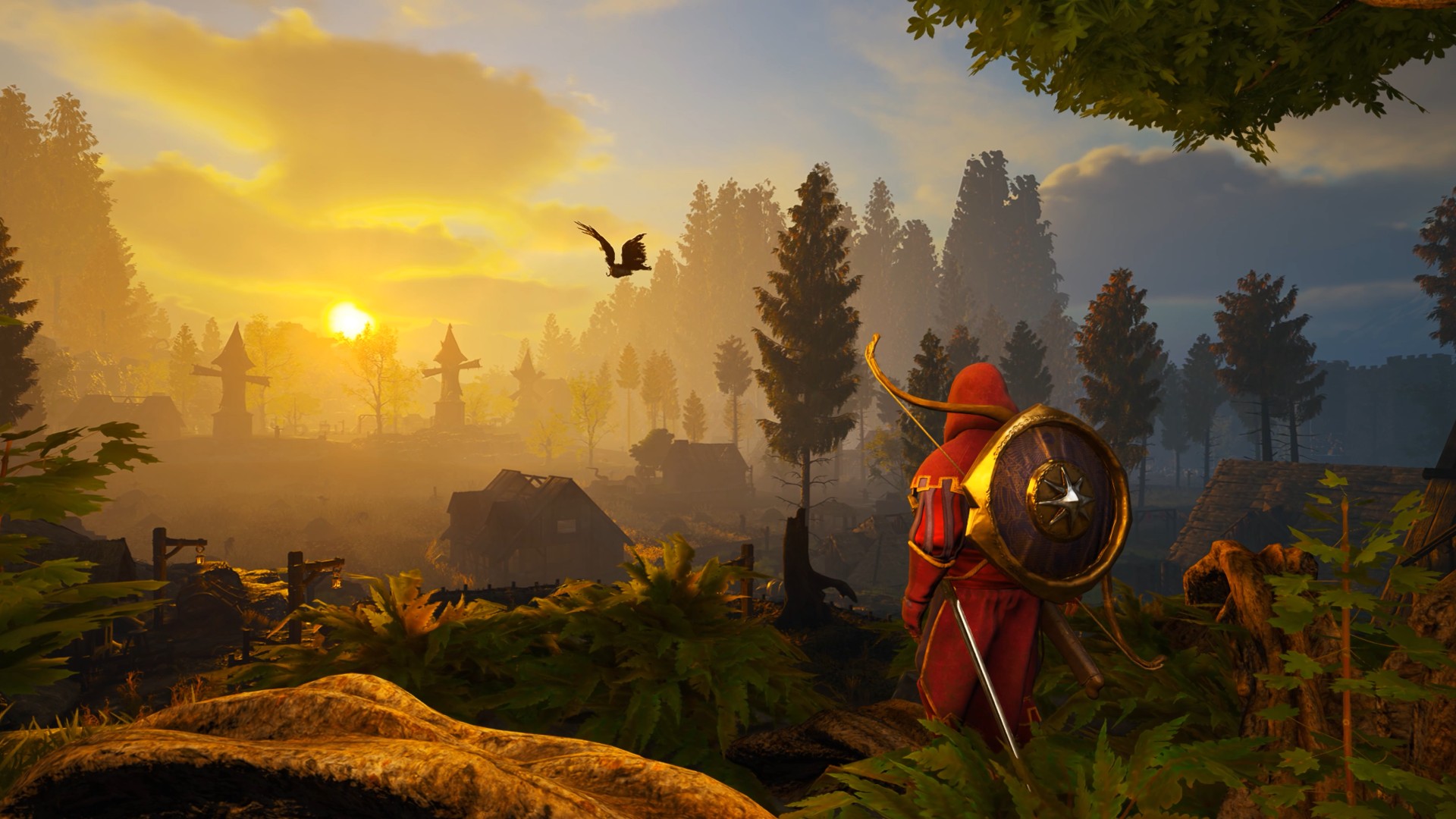
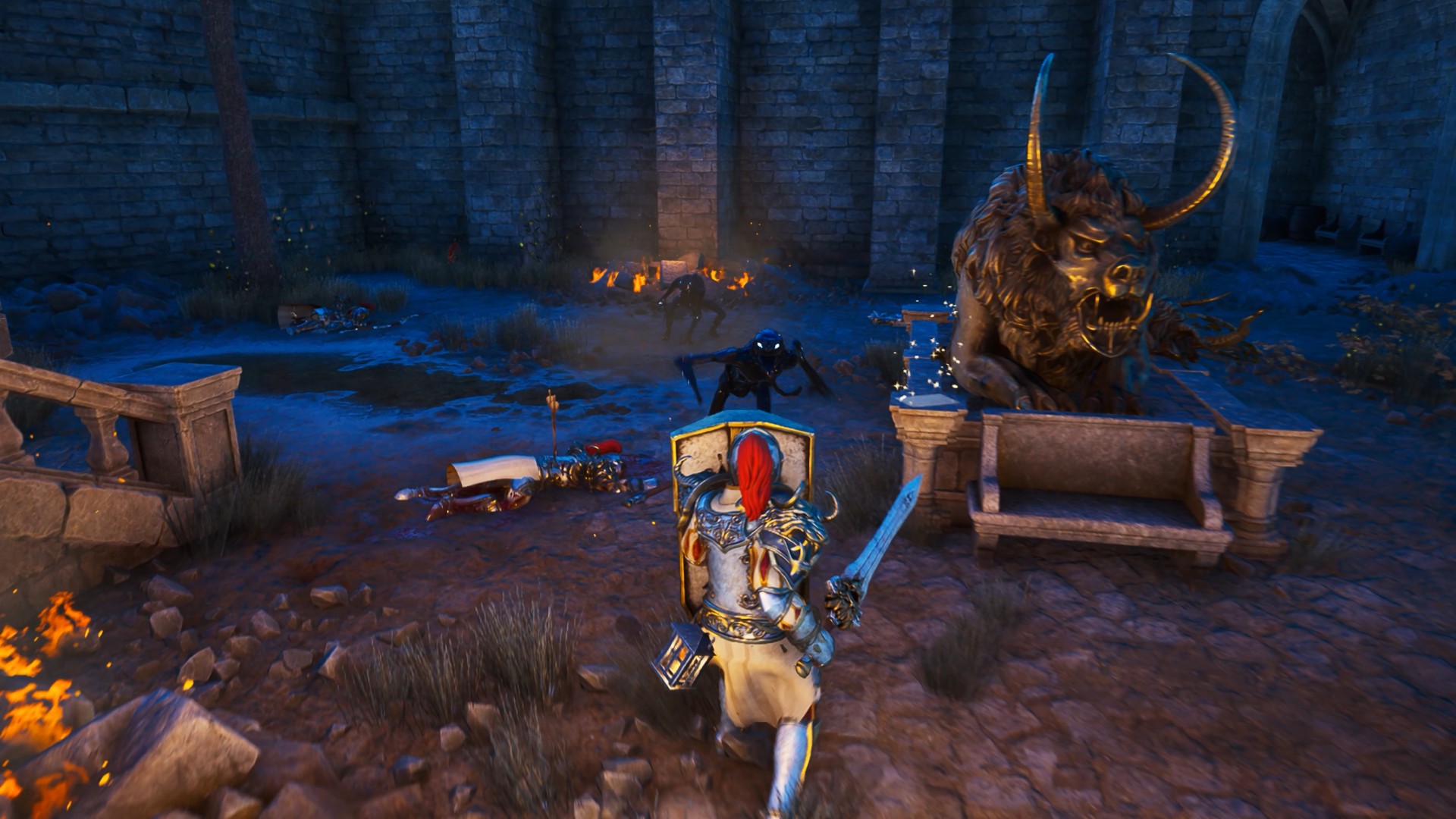
Great question, so, our vision was to kinda blend those three things together. We wanted the art style and charm of Fable, the depth and character customization from Elder Scrolls with an epic multi game spanning narrative to rival the depth of world in The Lord of the Rings. Easy to achieve right?
We never had any intention of using AI and certainly still don’t. AI is great for automating boring tasks but it’s not intelligent. It’s not critical or creative, it can’t think for itself. We’ve spent over a decade creating a fantasy universe and a video game because we love those things, I just can’t imagine ever wanting to outsource that to a computer. People create experiences. There’s just something that comes from speaking with your team and hashing out feedback from a playtest or having a voice actor work their magic into really bringing a character to life.
Bigger than a Souls game, not so big as say new Fable or Elder Scrolls. We bit off more than we should have creating Vahrin’s Call, but the game is much smaller in scope than something like Starfield or Skyrim. The entire game is fully voiced. There’s no generic NPC’s that walk around not saying anything. This was really important for us.
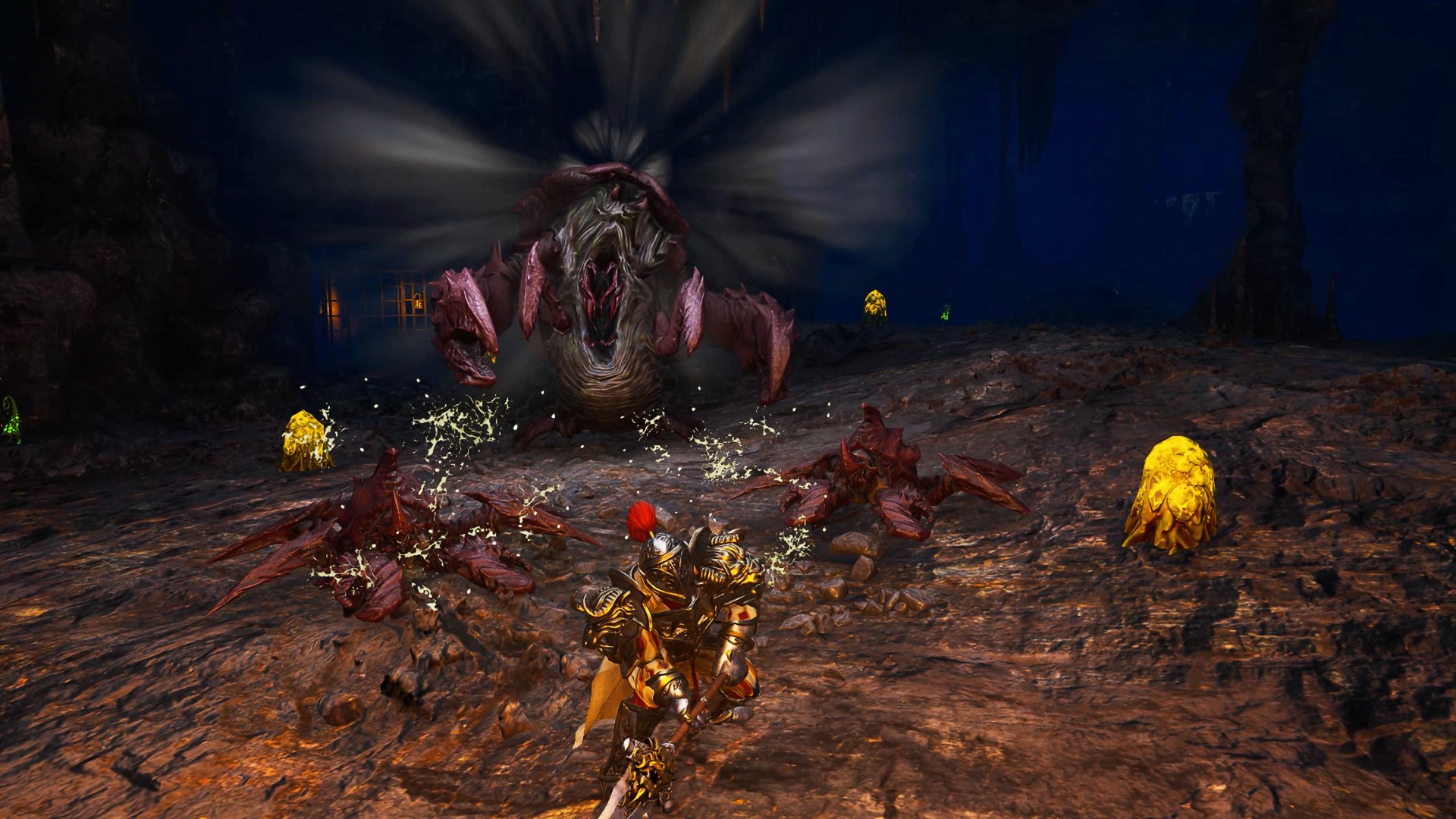
Based on our playtests it’s a bit of a mixed bag. The bosses are the biggest hurdle in the game so it somewhat feels like a Souls game from that aspect and so playing on Suicidal, enemies are extremely aggressive and you really have to stay on your toes. But we have a variety of difficulties and want everyone to enjoy the game. There’s even a harmless difficulty that prevents death if you just want to enjoy the story.
In terms of variety, Vahrin’s Call is full of puzzles, abilities, treasures, skills etc to find and they’re all hidden around the world in a variety of different ways. There are quests that have you solving riddles, there’s others that you stumble across in the world. Some start by finding NPC’s locked away in dungeon cells and others are right in your face.
We also allow for both quest markers and no quest markers and we’ve worked really hard to ensure all quests can be completed just using the information you’re given in your journal for those that prefer a more immersive experience.
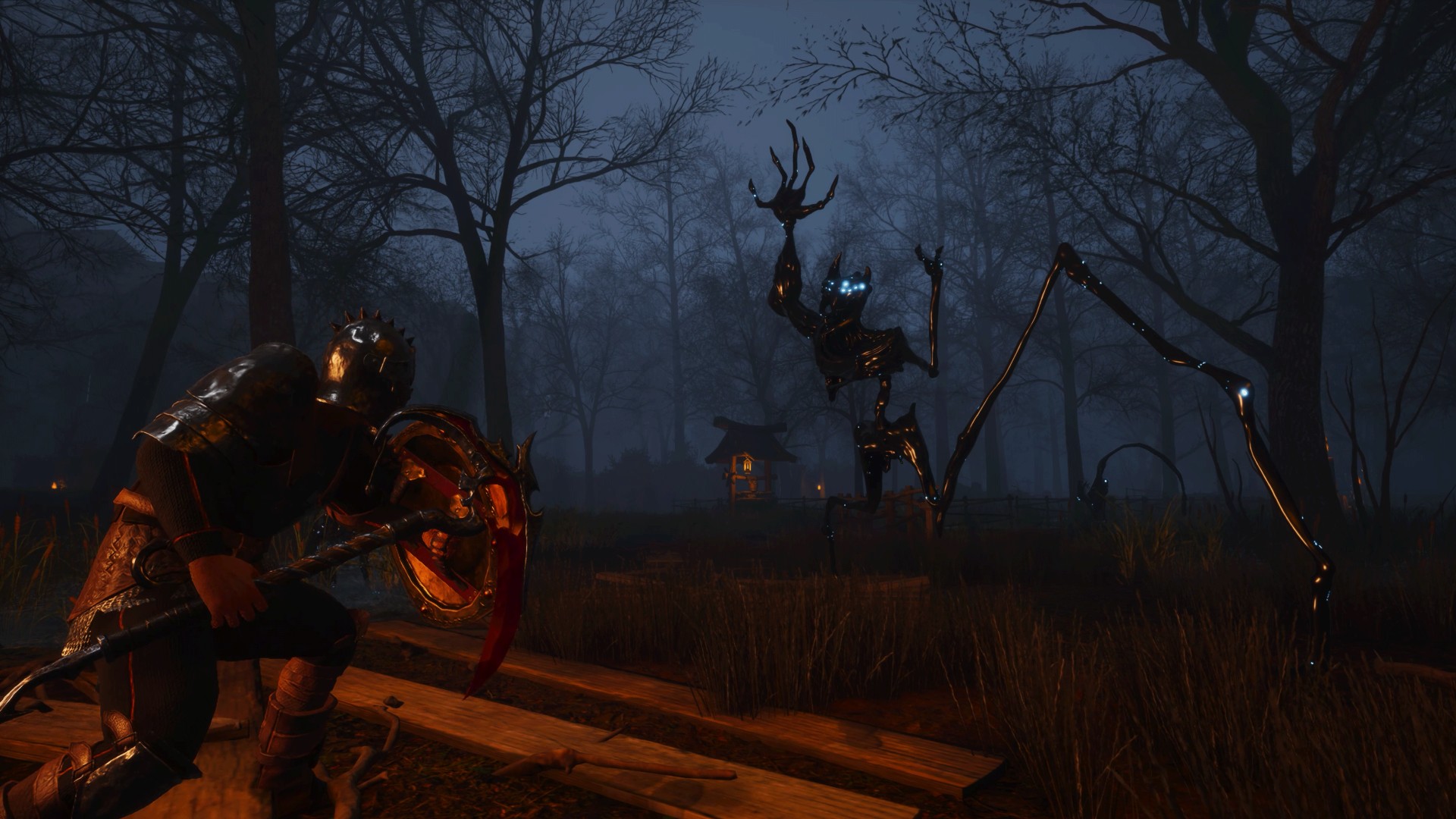
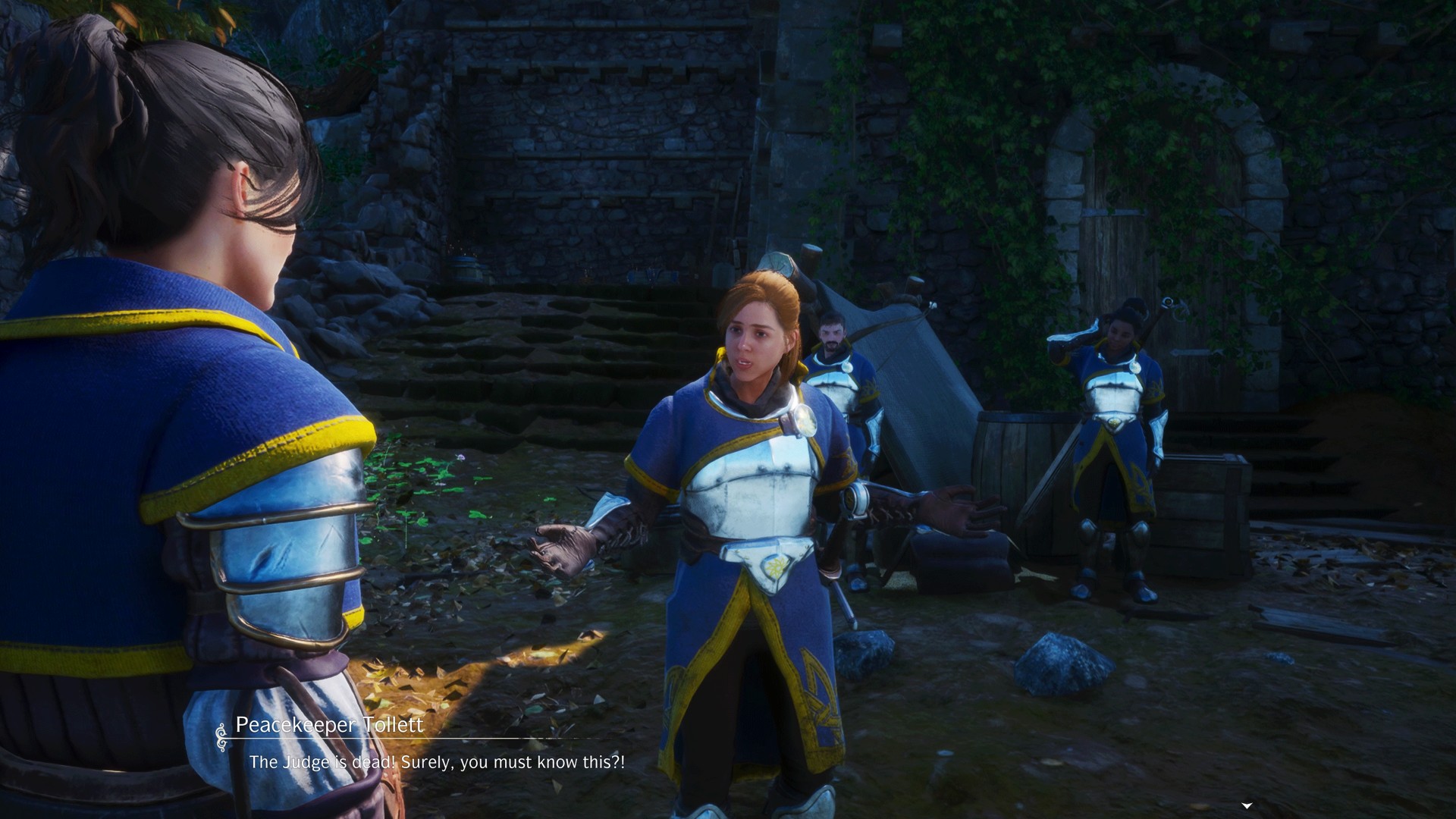

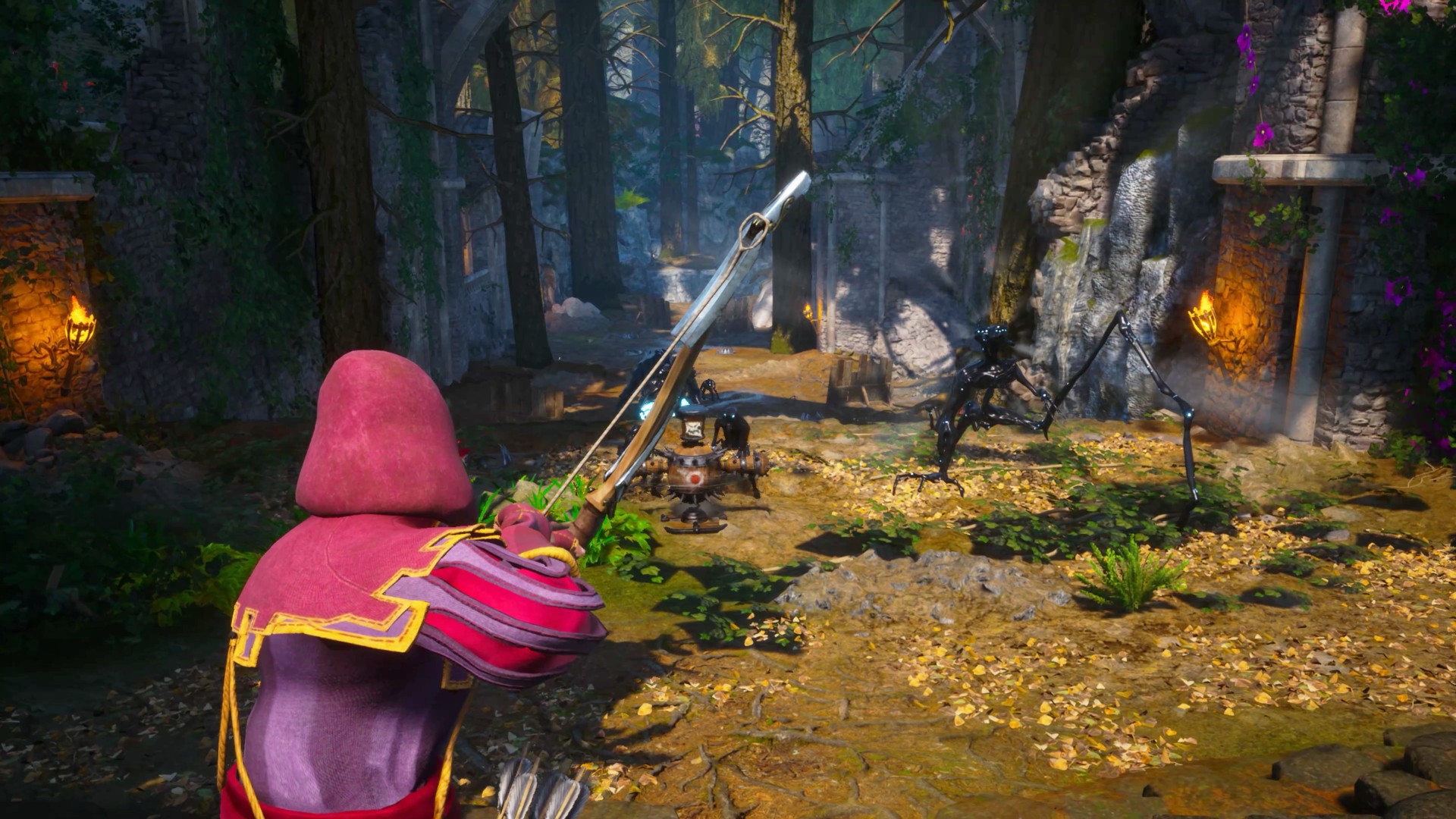
There are factions but the player won’t have a choice in how they engage with them really. Certainly not in a way like guilds in Elder Scrolls or a DragonAge game etc. There’s the main narrative that follows the Combined Order and the other defenders of Vahrin trying to liberate it from that what threatens it. There are also other factions that make up side content throughout the game.
That’s one of our game design pillars funnily enough. We wanted to create a progression and customization system that allows players to play as whatever they want to play. I personally hate in RPG’s when I’m forced to play a class. It could be that I like the look of the Paladin armour but that I want to roleplay as evil or that I really like using a two-handed sword but then I’m locked out of using magic because of game/class restrictions.
With our Specialisms structure we’ve tried to address that. A new character will be able to do the basics of everything; they’ll have access to all skill specialisms, so they can swing a sword, shoot a bow, cast a fireball spell etc. As they use these things, they level up the relevant specialism and throughout the world they can find abilities, ingredients, skill books etc that allow them access to ever stronger mechanics and stats.
Because each specialism is designed from the ground up to be its own thing, we can start from scratch and build a unique playstyle with each one. Sword and Shield for example is incredibly defensive, offering lots of bonuses to guarding whilst the Great Sword specialism offers lots of wide sweeping attacks that help when trying to fight multiple enemies at once.
Our vision for this, is that we can carry forward the things that really work and then remove, replace, or revamp the things that maybe aren’t received as strongly. As we grow the franchise and expand the world with each game, we could even have race or faction-specific specialisms.
Imagine an order of zealous knights that only allow you access to their specialism by devoting yourself to their god, Sol? What about a warband of angry orc-like folk that have a rage mechanic specialism or dwarves that fire magical guns. The hardest part is certainly making each one feel useful and worthwhile, and we truly hope we’ve done that with Vahrin’s Call.
Everything will depend on how you spec your character. If you equip standard armour, you’ll do a traditional dodge roll. Equip heavy armour and you’ll get more resistances but will only be able to step dodge. Specialise with the bow and you’ll have access to different arrow types. Hunt down alchemy materials throughout the world and you’ll be able to craft more unique potions.
Magic throughout the world of Leyda is finite and is consumed like any other resource. Because of this it’s used by different races in a whole host of different ways, such as magical guns that require little training to use or magical tattoos that allow magic to be carried directly in the skin.
The most direct way to use magic, and what we’ve included in Vahrin’s Call, is to simply hold an aeternyte, which is the name given to crystals that store magical energy, and practice casting spells with nothing but focus and willpower. The spells within Vahrin’s Call are split amongst four different specialisms, fire, ice, earth and alteration. Each offering different ways to enjoy combat.
I couldn’t agree more. Combat has been a major focus from the beginning for us. I think the most difficult part about getting combat right when it comes to ARGs, is that the more creativity you add into them, the harder it is to make it feel good.
You could spend a couple of months concepting, modelling and animating an enemy, only to get it into the game and a certain spell just completely trivializes the entire experience. As we’ve been through each playtest we’ve tried to be realistic about what works, what doesn’t and in many cases stripped out certain things that were just ruining the overall challenge of the game.
We’re hoping what we’ve ended up with is a good middle ground between lots of player creativity and fun toys that still require skill to use effectively.
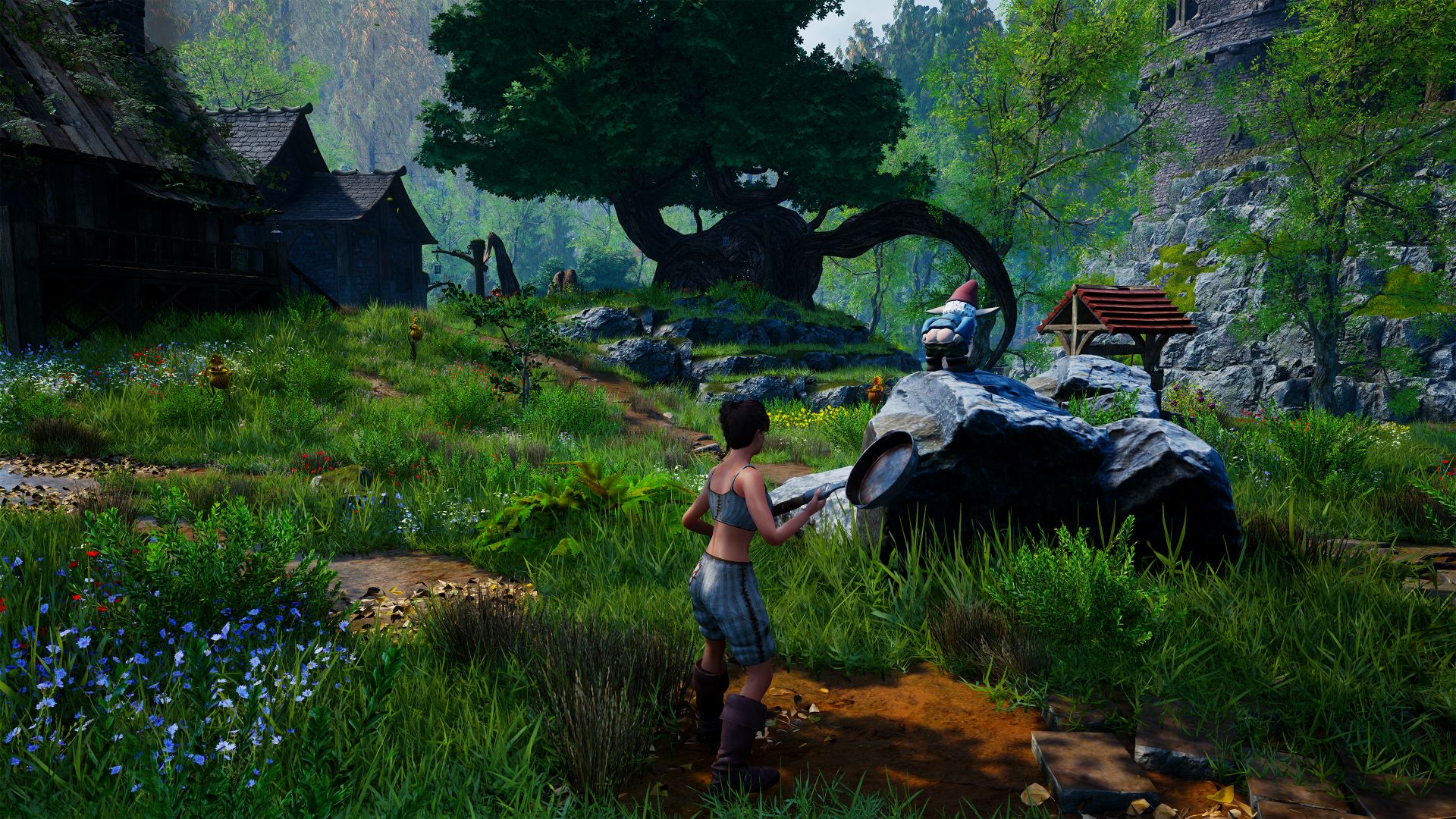
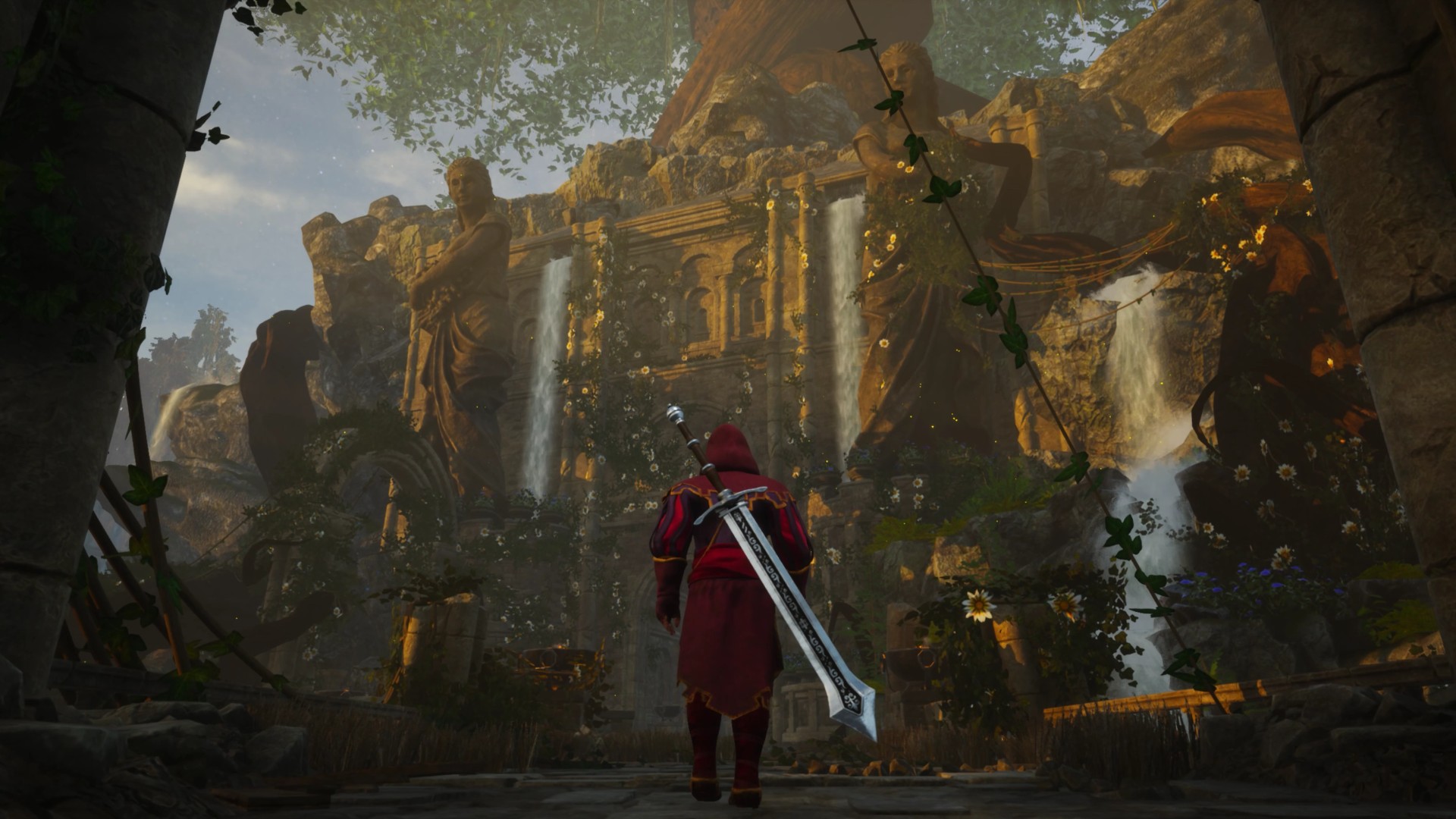
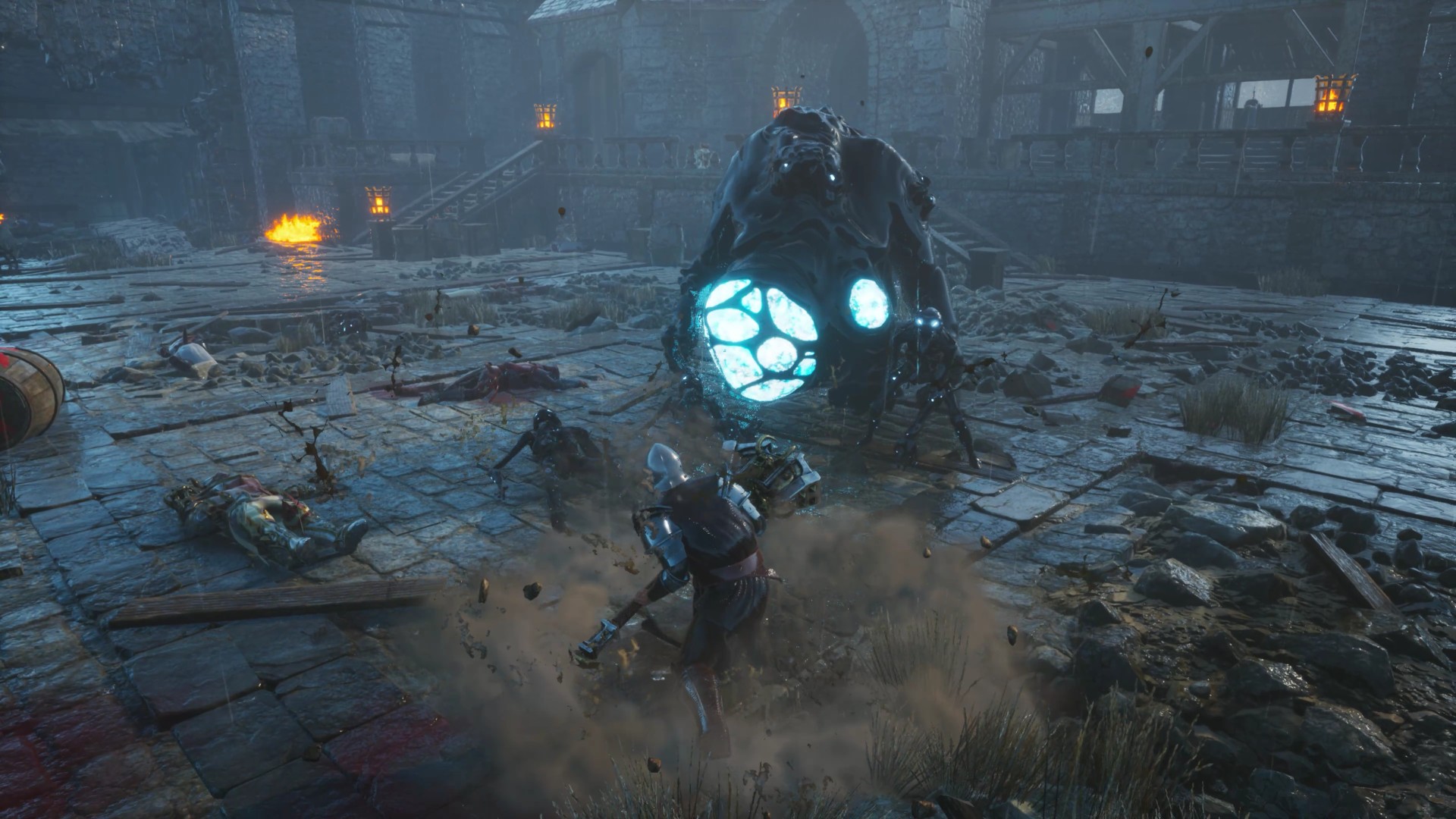

Enemies change as you progress through the game and range from your standard bandits and mercenaries early on to undead and monstrous creatures with unique mechanics later in the story. Most main narrative chapters end in a boss fight. We’ve spent a lot of time making sure these, along with other side quest bosses act as the way to really test your mercenary skills.
100% ARPG. There’s no base building or survival mechanics here. Old Fable is much closer to what players should expect when picking up Vahrin’s Call.
We have a roadmap for roughly 6 months after release that includes an FLC alongside console porting, and wider language localisation. After this, we will need to be realistic about what the future holds for us as a team and a studio and that really is down to how well Vahrin’s Call does scarily.
We spoke with cosplayer Prince de Guzman, who is known for his transformations inspired by horror, anime, and video games.
Unless you’re deep in the indie gaming scene, Naphtali Faulkner might be a new name to you. But as the…
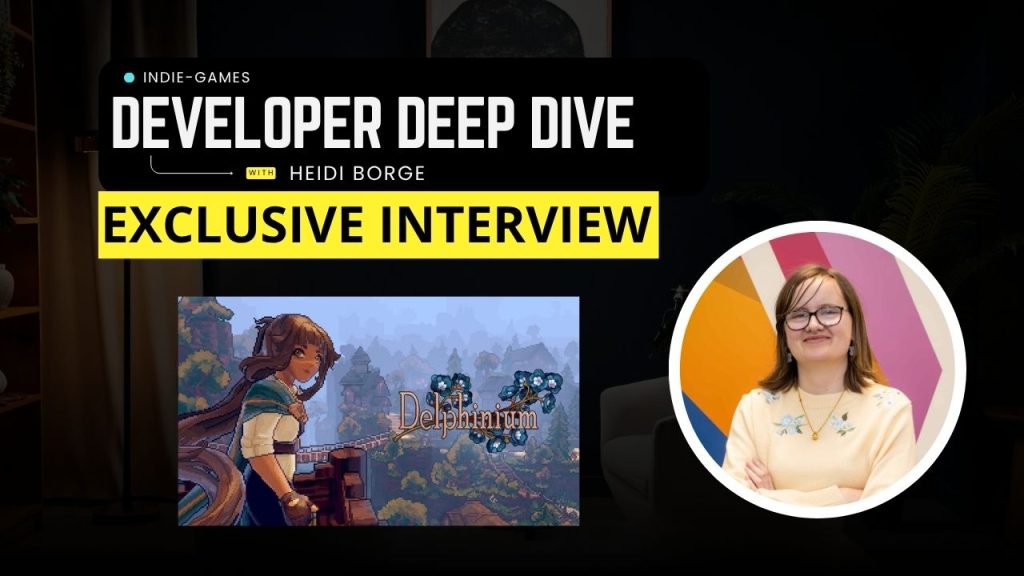
We had a chance to catch up with Heidi Borge, the developer behind narrative-driven cozy Delphinium to learn more about…
We had the opportunity to speak with Damian Czajka from MOUSE: P.I. For Hire Team.
We had the opportunity to talk with Piotr Nowakowski from Bloober Team about his work on Cronos: The New Dawn.
![[INTERVIEW] Manafinder II Is a Big Step Up – Here’s What the Developer Told Us](https://www.indie-games.eu/wp-content/uploads/2026/04/Manafinder-II-interview-1024x683.jpg)
In the interview, we discussed the game’s mechanics in greater detail, what players can expect from the sequel, and the…
We had the opportunity to sit down with the brilliant minds behind Business Goose Studios: Beau Vankemenade, Sander Ambroos, and…
![[EXCLUSIVE] Like a Bloody Storm – Interview with Kazusou Oda (Coda)](https://www.indie-games.eu/wp-content/uploads/2025/12/Oda-Kazusou-Interview-1024x576.jpg)
We had an opportunity to talk with Oda Kazusou, a theme song artist for JoJo's Bizarre Adventure.
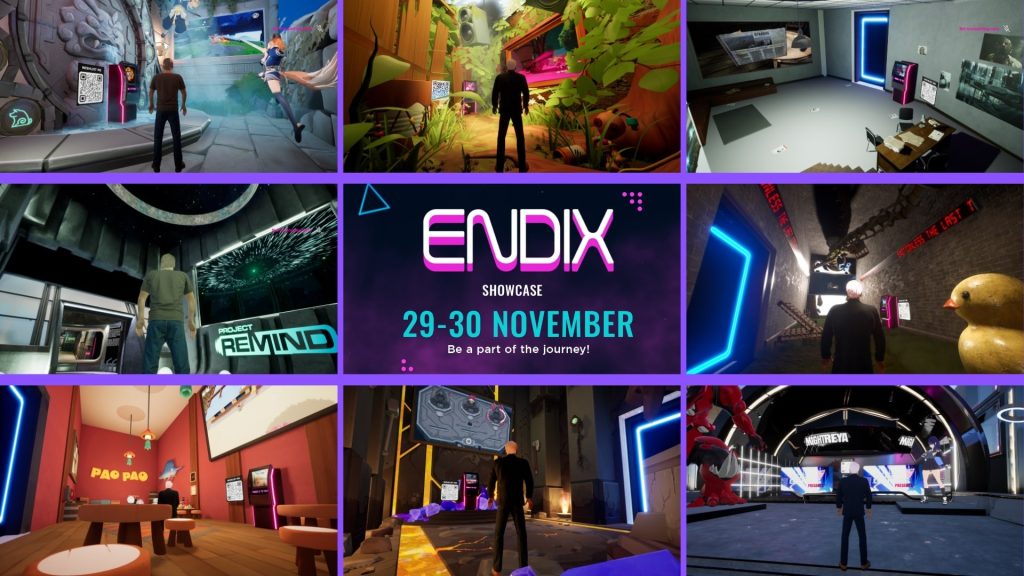
Once inside, visitors will find a fully immersive world where exhibitor booths are crafted using real in-game assets.
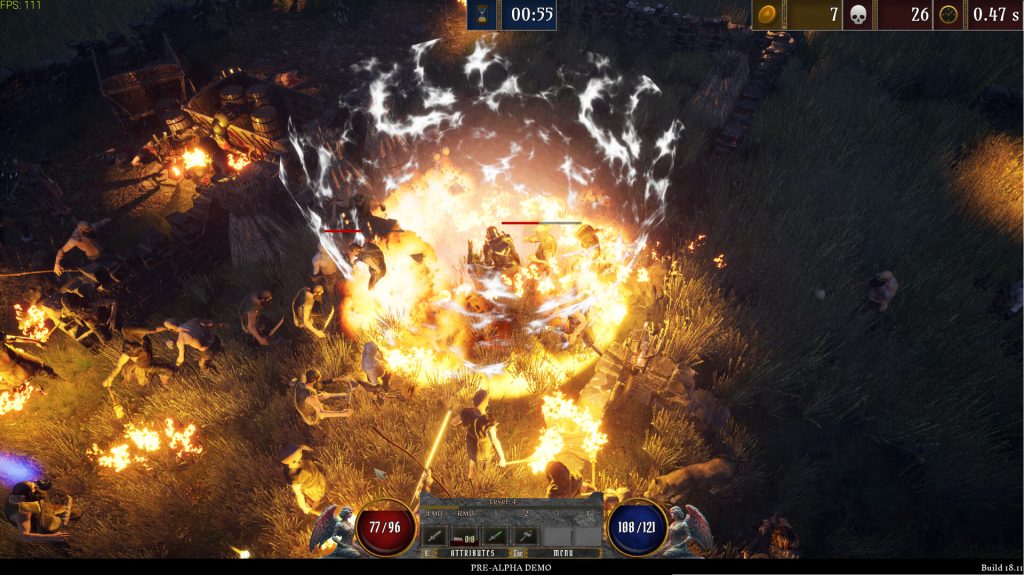
We talked to Tomasz Janicki about the details regarding Cult of Shadows.
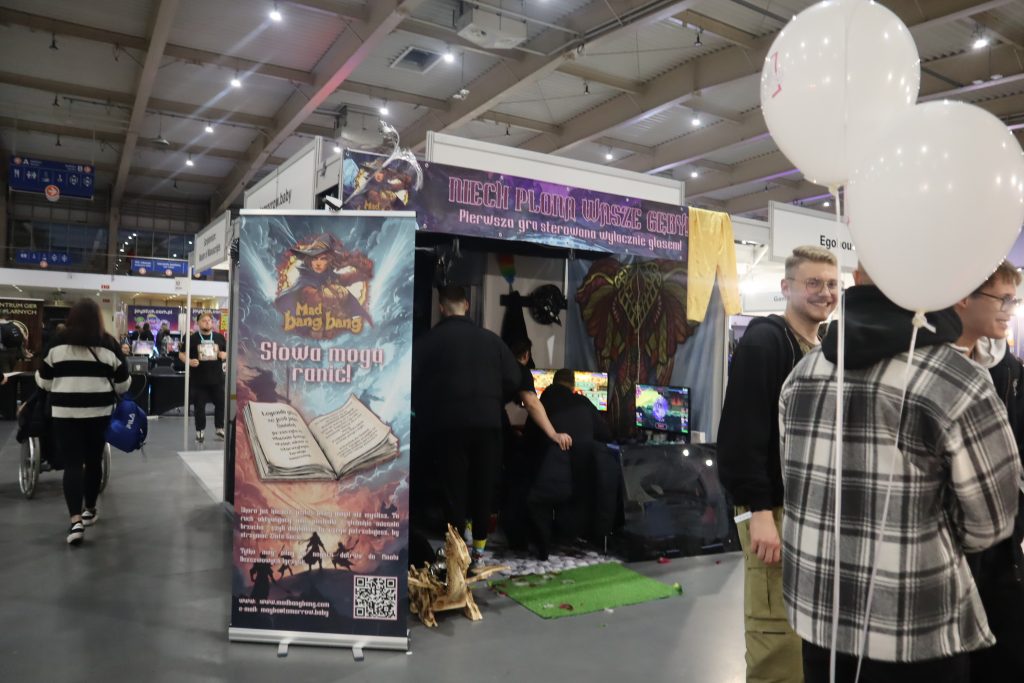
We talked to Piotr Ruszczak, one of the creators of Mad Bang Bang, about the details of this production.
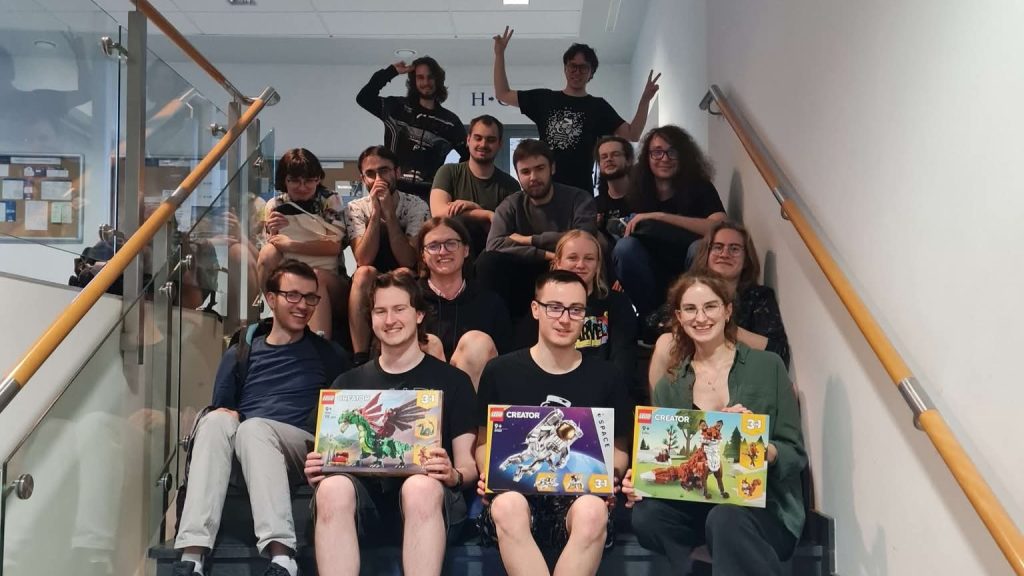
We asked Kiryl, Marek, and Jakub to reveal the secrets of their work to us.
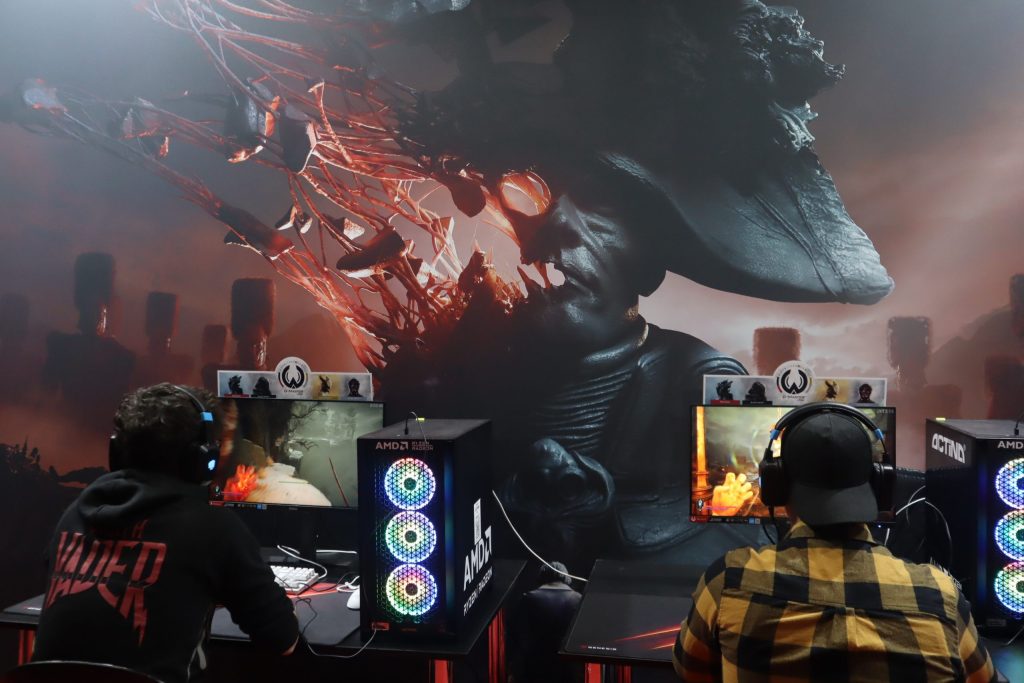
Will Valor Mortis become the hit of 2026?

We had the chance to ask Yannick Audéoud, developer behind Orbyss, some questions about the game.
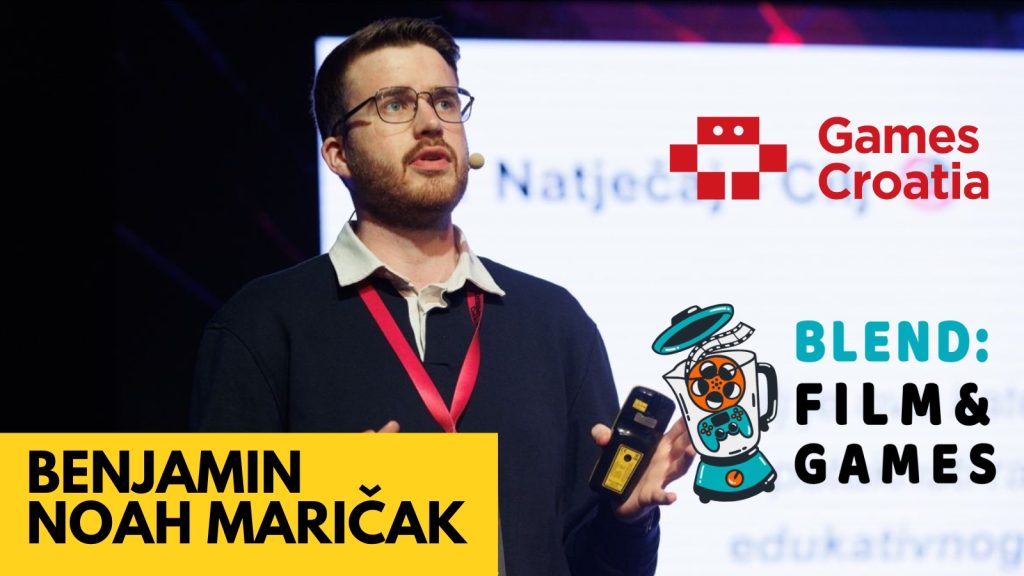
Maričak actively works to grow and promote the Croatian gaming industry while simultaneously fostering collaboration with the film industry.
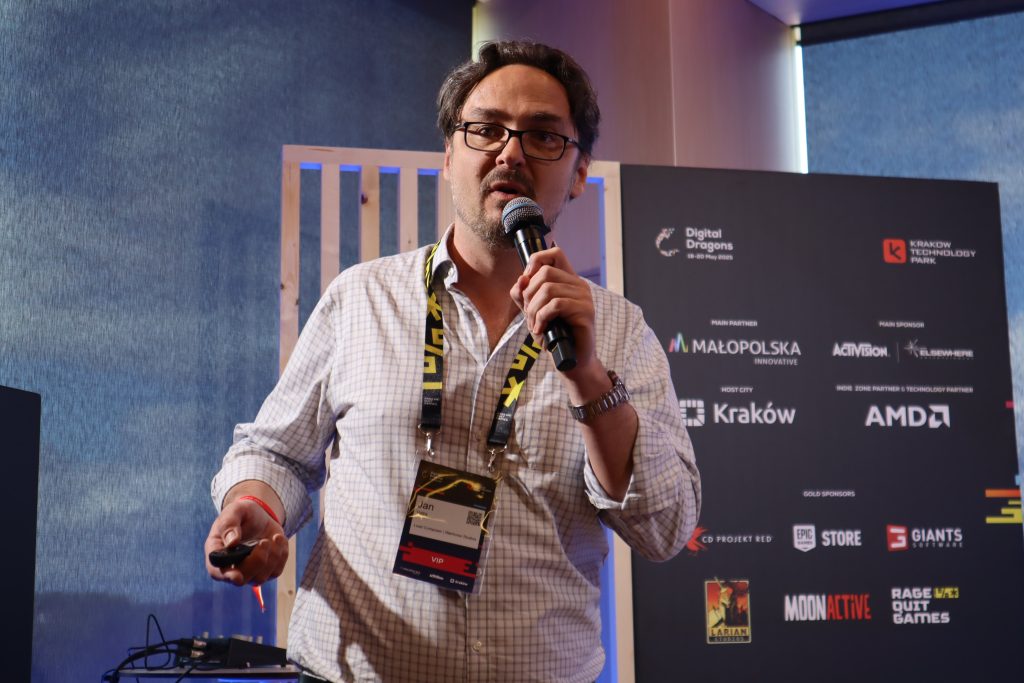
During our interview, Jan revealed the secrets of composing music for both KCD games.
In this interview, we asked Paweł Charzyński about his experience working on Frostpunk 2 as VFX coordinator.
![[A BIG INTERVIEW] Toukana Interactive Co-Founder Zwi Zausch on the Gaming Industry](https://www.indie-games.eu/wp-content/uploads/2025/09/Dizajn-bez-naslova-2-1024x576.jpg)
Zwi Zausch provided a deep dive into the gaming industry from an indie developer's perspective.
![[A BIG INTERVIEW] Deep Dive into Star Birds with Toukana Interactive’s Co-Founder](https://www.indie-games.eu/wp-content/uploads/2025/09/star-birds-1024x576.jpg)
Ever wondered what it takes to build a relaxing base on an asteroid? We spoke with Zwi Zausch, who gave…
Playtonic has upgraded every aspect of the game, not just the visuals, also the core gameplay experience.
