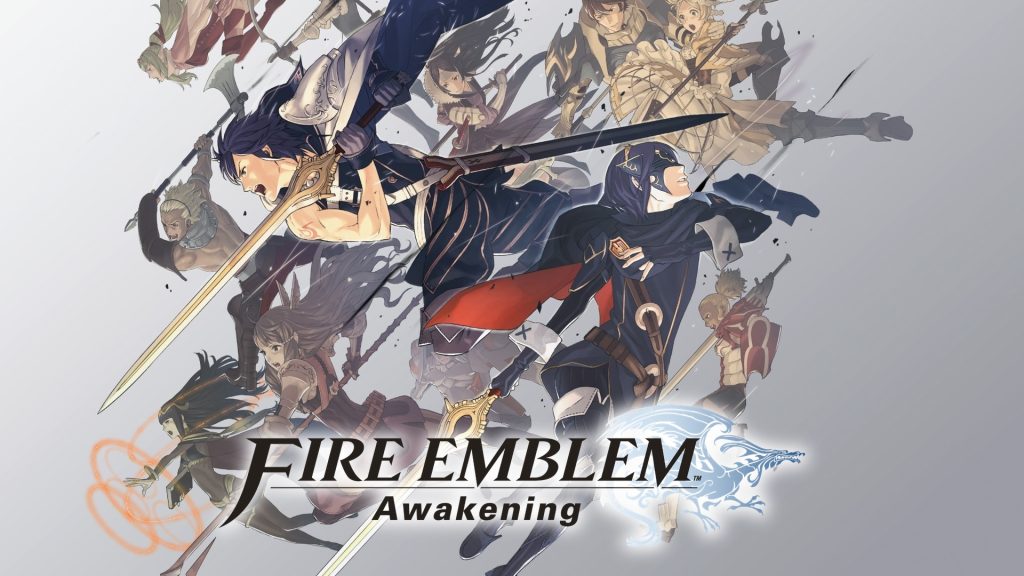
Fire Emblem Awakening Retro Review – Unfulfilled Potential
Awakening is worth playing if you enjoy developing characters, experimenting with tactical partnerships, and shaping an army over a massive…

If you enjoy independent indie game coverage, consider supporting Indie-Games.eu on Patreon. It helps keep the site independent.
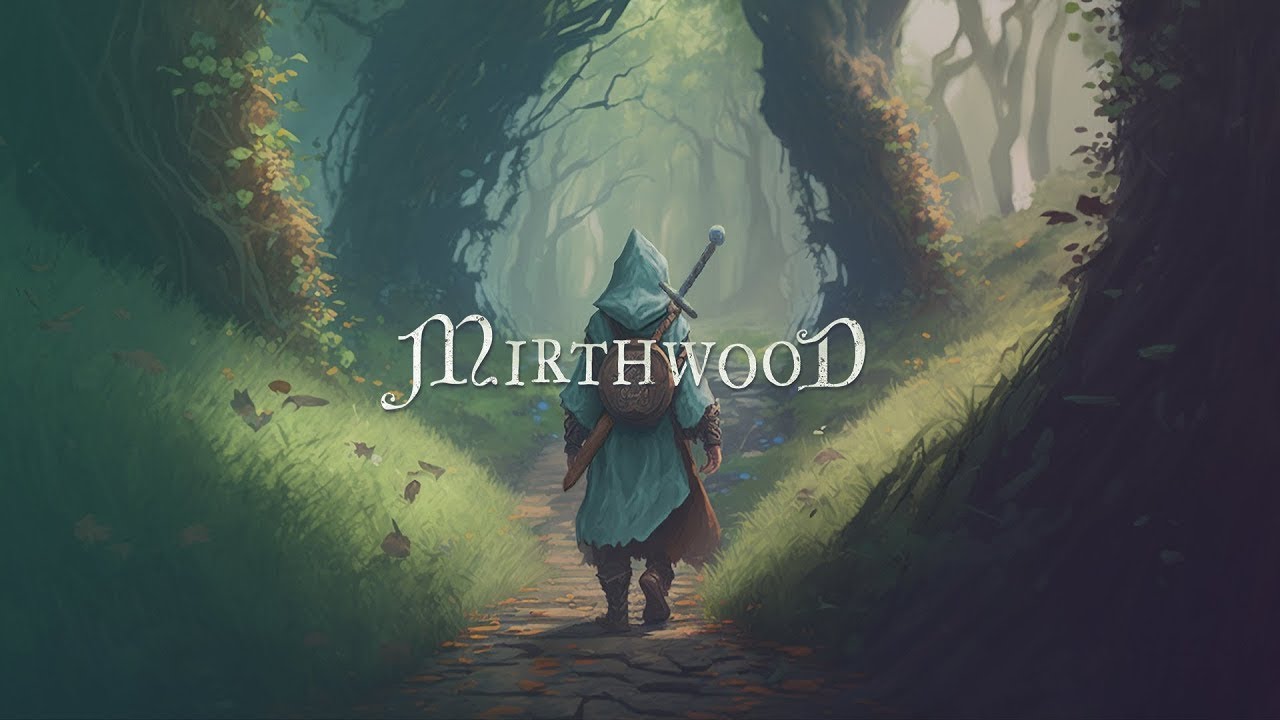
Long ago, in the fantasy world of Mirthwood, cozy meets simulation, and your life unfolds according to your own choices. When I first played it last year, it was disappointing; some aspects were brilliantly made, others not so much. The medieval setting immediately appealed to me and offered a relaxed atmosphere where you can manage your home, farm, and animals. Still, the clunky combat and the feeling that it’s still in an Early Access version, despite Steam stating that the game is not in early access, might still surprise you.
Mirthwood begins with a short tutorial and character customization, and the story is easy to follow and engaging throughout the game. The graphics are still solid, but the optimization is still poor in certain sections, with frequent freezes and FPS drops. Bugs are present, but they are not game-breaking, and most of the irritating ones have finally been removed. On the other hand, the mission of uncovering the secrets of an ancient civilization, visiting shrines and monuments across the vast land, along with a deep mythology, make exploration very motivating and meaningful.
Numerous patches, updates, and bug fixes have made the gameplay noticeably smoother. Given that June has arrived and the co-op update is approaching, it’s the perfect time to return to the game and re-explore this world in detail.

I will immediately address what I found most frustrating, which is the combat—it is also the weakest part of the game. You have a light attack, a heavy attack, a step-back move, and a roll at your disposal. On paper, all of this sounds promising, but in practice, it is pure chaos. Light attack animations are too slow, blocking heavy attacks is not possible, and you often don’t have enough time to dodge them. Because of this, you mostly have to predict enemy attacks in advance. However, the main problem lies in the poor enemy AI. Enemies seem to neither aim correctly nor attack strategically. Instead, they often jump to avoid your attacks, swing at thin air, or use heavy attacks non-stop. All of this makes the combat clumsy and utterly frustrating.
The variety of weapons is also lacking. Initially, you are limited to a sword and a bow. The bow, unfortunately, is almost useless; it deals ridiculously low damage and can be easily blocked. Blocking is generally too powerful; you can block almost everything except heavy attacks. Once you get used to the combat, enemies become predictable, repeating the same attack patterns over and over. This makes combat more of a chore than a rewarding experience, even when facing larger enemies like monsters or bears.
There isn’t much room for experimenting with different weapons. The trading system is a solid aspect of the game, but surprisingly, there are no powerful items to buy. You cannot purchase strong armor until you unlock it yourself, and you won’t find better weapons or bows unless you craft them first. Although shops restock from time to time, you don’t have a single option to hire a companion to assist you during your adventure.
The inclusion of fantasy creatures adds a great element to the game. Discovering and fighting them, whether they are ghosts, werewolves, strange creatures, or common bandits, was genuinely fun. The enemy variety keeps the game interesting, and each new encounter offers a chance for unique loot, which can also yield valuable perks.

Another frustrating aspect of this game is its progression system. Everything is incredibly expensive, forcing you into endless grinding. For instance, to find iron, you must travel to the southern part of the map, and then collect enough to smelt iron bars – five iron ingots just to make one iron bar. An upgraded iron sword costs 12 iron bars, and the upgrade requires an additional upgrade tool that costs about 750 coins. Acquiring animals, a horse, or decent equipment? That demands even more money. And building anything requires a huge amount of resources, which means even more grinding.
Why are basic chests so expensive? Why is building a stable so exorbitantly priced? The sheer amount of resources you have to expend becomes exhausting. Only when you finally acquire better equipment does resource gathering become easier, and the game begins to look more tolerable. For example, upgrading to iron gear makes collecting steel easier, but even these upgrades feel mediocre. When you get an iron axe, you’ll be able to cut harder types of wood, but you still won’t be able to chop down ordinary trees. This pattern repeats with other tools: they demand huge amounts of resources to progress but impose frustrating limitations.
Furthermore, you lose an enormous number of in-game days trying to achieve basic goals. Resources are scarce, whether you are looking for herbs to craft potions or hunting animals that rarely drop meat, often leaving only hide for crafting or selling. The game is full of chests, but in about 70% of cases, they contain useless items you can already find in the world. Progress eventually improves, but the effort to reach that point feels excessive and takes the fun out of the game.


Once you settle into your home, which you can eventually upgrade and furnish, you will meet many new NPCs, take on quests, and explore the large map to progress the main story. You can interact with NPCs, compliment them, insult them, flirt with them, or motivate them. Each NPC has a detailed profile showing their mood, family members, and the quests they offer.
It was pleasant to see the diversity of unique characters in the game world. Yet, despite winning hearts, the measure of friendship and romance rarely changed, always remaining static regardless of my actions. NPCs interact with each other, which adds a sense of life to the game world, and each has their own role, such as a blacksmith, herbalist, or soldier. They are also divided into different social classes, from peasants to nobles, which contributes to the world’s depth.
The map is vast and varied, with regions like swamps, forests, and hills, and each is inhabited by unique enemies and offers specific quests. While quests grant reputation and occasional bonuses, their impact depends on how others see you – as a good or bad character. You can steal or make decisions that affect your reputation, but the rewards feel insufficient. Why not offer gold or more significant rewards instead of just reputation? Building relationships with NPCs is also disappointing. Side quests rarely open up new interactions, and although there are many of them, most feel like tedious chores instead of interesting challenges. This feeling of stagnation makes progression less satisfying, despite the rich and detailed world.
For example, I helped a noble family deal with wine theft and repel wolves attacking their estate. But when it was all over, I received absolutely nothing in return. Navigating the map is simple; areas are not too far from each other and are easy to find. However, it would be great if the map had more detail, allowing us to mark spots and add notes for key locations. There were, for instance, decent caves to explore, but you couldn’t mark them, nor did the game mark them.

In this game, you can also enjoy the life of a farmer, taking care of animals such as cows, chickens, horses, and even a unicorn. Farming is simple: you plant seeds in plowed soil and water them using an endless watering can, with occasional help from the rain. What makes farming interesting are the changing seasons and challenges like crop diseases and potential destruction. Animals are an important part of the game as they provide resources like eggs, milk, meat, and animal fat, which you can use for cooking and crafting. To keep the animals healthy, you will have to build shelters and actively take care of them as you progress.
The game offers a wide selection of decorations and useful additions, allowing you to organize your space so it feels like home. With the ability to design your own environment, the game creates a cozy atmosphere and does not force you into tedious tasks unless you want to. Crafting is simple: you collect materials and use various stations, such as a butter churn, an anvil for crafting weapons and armor, and a loom for processing leather.
Hunting and fishing are also available, which further enrich the world of Mirthwood. However, fishing is only possible in certain spots, so not all lakes and ponds are available for fishing, and some of them are not even marked on the map. Hunting is quite straightforward; you can hunt animals like deer and rabbits to collect their meat. In addition, you can make your own beer and juice, with each drink offering unique side effects.
As for the story, there is a lot to discover through letters and books scattered around the world, which provide clues and encourage exploration. Exploration is quite fun; you can visit new villages, find better gear, and slowly delve into quests. While I would have liked the quest instructions to be clearer, it wasn’t too difficult to navigate. The game also offers options for simplified survival and combat, which allow you to skip some mechanics if they become frustrating. Honestly, though, I’m not sure how much these simplified options truly contribute to the overall experience.

In the end, Mirthwood is a solidly made game with its own strengths and weaknesses. Some players will appreciate the grind, but it is definitely not a game for everyone. The graphics are appealing, and while the combat and reward system could be better, the farming elements and relaxed atmosphere add a lot of charm. The skill system, which uses cards to unlock perks like increased health or better resource gathering, also introduces additional depth and makes the gameplay easier.
This is by no means a bad game, but it needs additional polish, especially in optimization and making the grind feel rewarding. The story is present, and the classic RPG elements work well, even if some aspects are frustrating. I will definitely continue playing, aiming to finish the game and perhaps discover new ways to enjoy it. It is fun, although it is a shame that certain parts detract from the overall impression.
Review copy provided by the publisher
Awakening is worth playing if you enjoy developing characters, experimenting with tactical partnerships, and shaping an army over a massive…
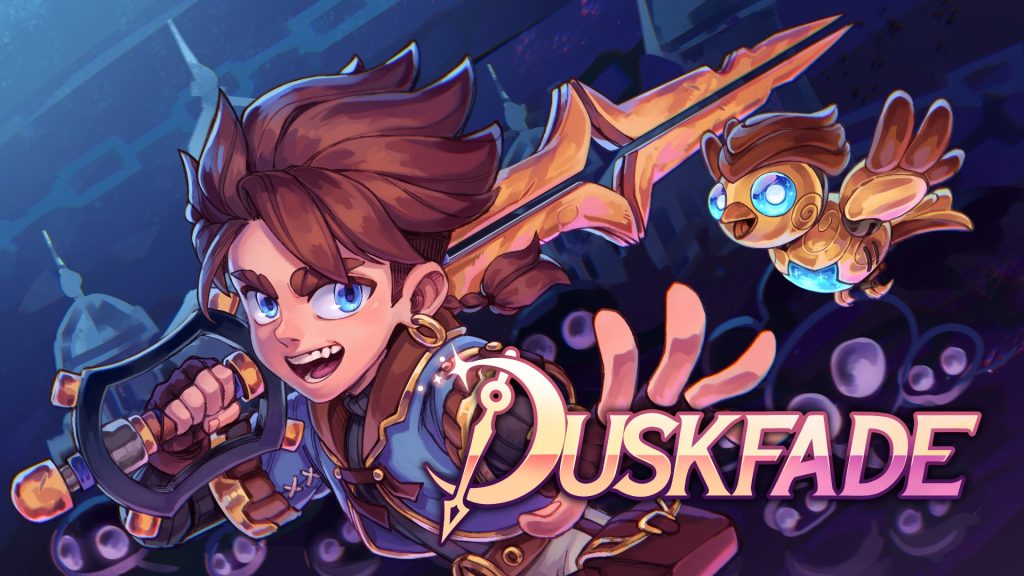
Duskfade is worth considering for players who miss colourful PS2-style action-platformers and can tolerate basic combat, floaty movement and backtracking.

Man I Just Wanna Go Home is a noir crime story with visuals from MS Paint and life-or-death choices.
![[GAMESCOM 2026] Vikings Dynasty Preview – Expands the Dynasty Formula](https://www.indie-games.eu/wp-content/uploads/2026/09/Viking-Dynasty-09-21-26-2-1024x576.jpg)
After showing me Prospera at Gamescom 2026, Toplitz Productions' Mathias Oertel moved to a very different kind of settlement builder.…
![[GAMESCOM 2026] Prospera Preview – Production, Prosperity and Victorian Industry](https://www.indie-games.eu/wp-content/uploads/2026/09/Prospera-09-21-26-5-1024x576.jpg)
At Gamescom 2026, I met with Toplitz Productions' Mathias Oertel for a guided presentation of two upcoming games. One of…
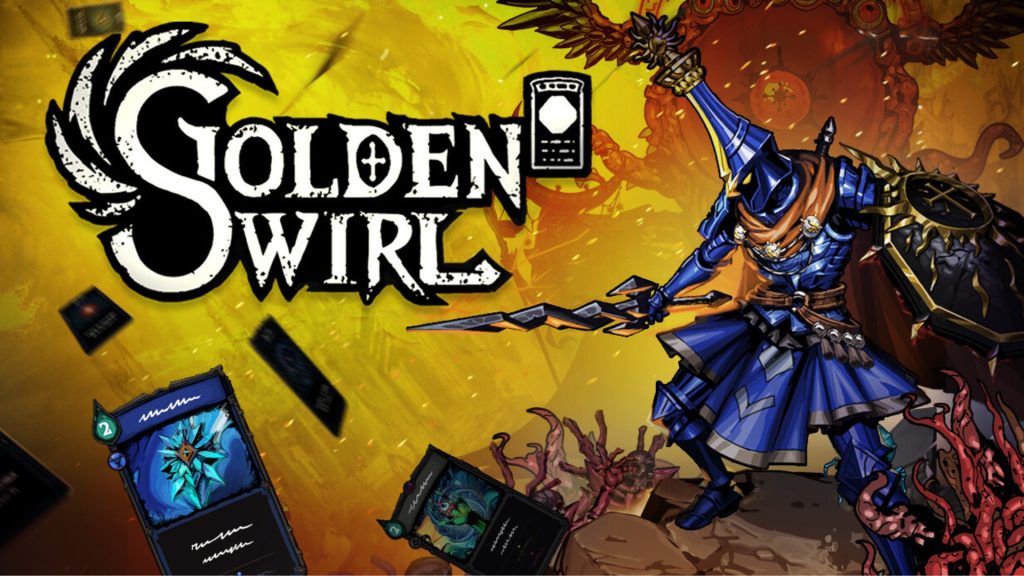
Golden Swirl inventive card combat carries the experience, but repetitive rooms, weak upgrades and excessive dialogue hold it back.
![[GAMESCOM 2026] Wilderdark Preview – Ambitious Dinosaur Horror Game That Still Has Plenty to Prove](https://www.indie-games.eu/wp-content/uploads/2026/09/Wilderdark-1024x576.jpg)
Dinosaur survival horror game Wilderdark has one of those premises that immediately makes you wonder why more games have not…
![[PREVIEW] Tiny Metal 2 – Strategy Game That Wants You to Learn From Every Mistake](https://www.indie-games.eu/wp-content/uploads/2026/09/Tiny-Metal-2-1024x576.jpg)
I rarely enjoy discovering that my opening strategy was completely wrong, but Tiny Metal 2 made that process one of…
![[PREVIEW] Remothered: Red Nun’s Legacy – Ambitious Survival Horror That Needs More Polish](https://www.indie-games.eu/wp-content/uploads/2026/09/Remothered-Red-Nuns-Legacy-4-1024x576.jpg)
Remothered: Red Nun’s Legacy has a gripping atmosphere and promising survival tools, but its repetitive hiding and rough visuals need…
The Alighieri Circle: Dante’s Bloodline is difficult to recommend beyond players who are especially interested in Dante or enjoy solving…
Orc Incremental offers satisfying progression, entertaining totem combinations and enough content to justify its affordable price.
![[GAMESCOM 2026] Chronoscript: The Endless End Preview – Beautiful Pages Hide Deliberate Combat](https://www.indie-games.eu/wp-content/uploads/2026/09/Chronoscript-The-Endless-End-1-1024x576.jpg)
Chronoscript: The Endless End stands out from other Metroidvanias by blending 2D manuscript worlds with exploration inside a 3D manor.
![[GAMESCOM 2026] MegaGum Preview – Combat Hits Hard in This Sticky Platforming Adventure](https://www.indie-games.eu/wp-content/uploads/2026/09/MegaGum-09-09-26-5-1024x576.jpg)
MegaGum combines hard-hitting combat, varied weapons and Gum-powered platforming in a promising Gamescom 2026 demo.
![[GAMESCOM 2026] Delphinium Preview – Cozy Routine Mixed With Enjoyable Minigames](https://www.indie-games.eu/wp-content/uploads/2026/03/Delphinium--1024x665.jpg)
Delphinium mixes cozy farming, exploration and relationships with enjoyable fishing, cooking and forging minigames in its Gamescom 2026 demo.
Lady Death: Demonicron looks the part, but underneath its excellent comic-book exterior is a clunky and painfully short brawler.
![[GAMESCOM 2026] Tomb Raider: Legacy of Atlantis Preview – Expands the Original Without Losing Its Identity](https://www.indie-games.eu/wp-content/uploads/2026/09/tomb-raider-legacy-of-atlantis-06-02-26-1-1024x576.jpg)
Tomb Raider: Legacy of Atlantis brings Lara back to her roots, but its Gamescom 2026 showing proved this is far…
![[GAMESCOM 2026] Clive Barker’s Hellraiser: Revival Preview – Ready to Open the Box](https://www.indie-games.eu/wp-content/uploads/2026/09/Clive-Barkers-Hellraiser-Revival-08-30-26-1-1024x576.jpg)
Hellraiser: Revival preserves the franchise’s sex, gore and psychological horror while delivering approachable survival-horror gameplay.

Swan Song creates a peaceful and forgiving puzzle space without removing the challenge that makes solving a difficult puzzle rewarding.
Mortal Shell II starts brilliantly but grows repetitive and exhausting, while remaining a rewarding and ambitious Soulslike sequel.
![[GAMESCOM 2026] Terranigma Preview – A Lost SNES Classic Returns in 2027](https://www.indie-games.eu/wp-content/uploads/2026/08/Terranigma-1-1024x576.jpg)
After more than three decades of limited availability, Terranigma is returning in 2027. We played its enhanced re-release at Gamescom…
