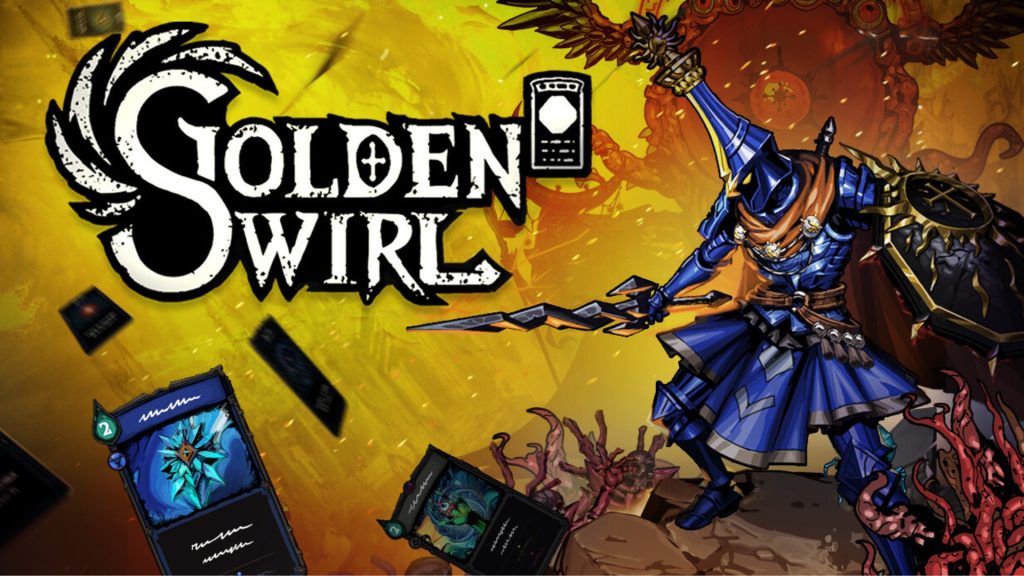
Golden Swirl – Brilliant Deckbuilding Buried Under Endless Dialogue
Golden Swirl inventive card combat carries the experience, but repetitive rooms, weak upgrades and excessive dialogue hold it back.


If you enjoy independent indie game coverage, consider supporting Indie-Games.eu on Patreon. It helps keep the site independent.
Status One introduces an intriguing concept. You lead your own counter-terrorism unit from the ground up, acting as both the leader and the operative on the field. Although the graphics are reminiscent of mobile game ads and might not impress at first, they become easy to overlook once you delve into the gameplay. The core gameplay loop is simple and well-thought-out: you train your team, buy better gear, build a reputation, and fight various criminal factions.
One of the game’s standout features is the need for careful planning and infiltration of enemy hideouts. If you’ve ever watched TV shows like S.W.A.T., you’ll feel right at home. Missions begin with your team arriving at a procedurally generated location, and objectives include neutralizing or arresting criminals and rescuing hostages and victims. You choose which locations on the map to visit, with each tied to a specific faction. Locations vary in terms of rewards, difficulty, and XP.
At the start of the game, you are introduced to the mechanics of commanding units, their positioning, and issuing orders. While these mechanics might seem unnecessary initially, they become crucial as you unlock more factions and face tougher challenges. Your team members can use all available gear, and customization is highly detailed. This includes upgrading their armor and weapons, which come in different rarities and power levels (up to tier five). Although there is good variety to experiment with, you’ll often rely on the equipment that offers the best accuracy.

In addition to weapons and armor, the game features various gadgets and grenades, each designed for specific situations. My favorites were the shield and the gas grenade. For instance, the gas grenade can flush criminals out of rooms, making them easier to arrest. It’s satisfying to toss a grenade, wait for it to detonate, and then breach the room. Gadgets add even more strategic depth, including tools like door cams, medkits, ammo crates, thermal vision, and adrenaline shots. These tools allow you to customize your approach, whether you prefer a methodical or an aggressive playstyle.
The game also includes a stealth element: if you manage to approach criminals unnoticed, you can arrest them instead of shooting them. However, the shooting mechanic is well-executed. A large reticle on the screen indicates your accuracy, and while mistakes aren’t too harshly punished, some shots can be missed, emphasizing the importance of using precise weapons.
One aspect I particularly appreciated is that the game is not too easy. You can’t just mindlessly rush through doors, as a stronger enemy with a shotgun might be waiting behind them. Injured team members need time to recover, temporarily making them unavailable and depleting your valuable resources. If you die during a mission, your comrades can take over the task and try to complete it.

A useful feature is the map, which shows the number of remaining criminals and hostages. I also liked the “fog-of-war” mechanic, where rooms are invisible until you enter them or gain a line of sight. However, you can see enemies opening doors, which seems a bit odd. The game forces you to step into the field of view to fully assess the situation.
Unfortunately, the enemy AI is not well-developed, as criminals often fail to react intelligently, ignoring gunshots from behind or failing to investigate suspicious activity. Still, facing larger groups of enemies, such as the disco club mission, introduces an exciting layer of tension because you have to watch out for a multitude of people moving around. Each faction brings unique weapons and strengths, which makes the initial stages of the game interesting.
However, Status One struggles with long-term engagement. You can finish the game in five hours, and once you’ve unlocked all the factions, the fun wears off. The main problem is the lack of content variety. While the core gameplay loop is solid, there aren’t enough elements to keep you engaged long-term. Experimenting with better gear is fun but reaches its limits. I expected more variety, such as special missions where you protect a VIP or infiltrate larger and more complex bases. Instead, the game’s small, simple scenarios quickly lose their appeal.

In terms of graphics, Status One isn’t the most impressive game, but it gets the job done. While there are some nice details in the map design, the visuals are just good enough to avoid being off-putting. The top-down view is well-executed, but it does take away from the intensity of the action. It gives you more control than you might expect, making it easier to spot and track enemies, which can reduce the gameplay challenge. On the bright side, the user interface is clean, clear, and easy to navigate.
In conclusion, Status One is a solid game that is worth the price if you enjoy this genre. It doesn’t get boring too quickly, and you’ll likely enjoy it more than you anticipate. However, as an indie title, it’s important to set realistic expectations. If you do that, you’ll find something worthwhile in this title.
| Pros | Cons |
|---|---|
| Fun tactical gameplay. | Not so impressive AI. |
| Various equipment customization. | Repetitive content. |
| Procedurally generated missions. | Mediocre graphics. |
| Balanced difficulty. | Limited replay value. |
Review copy provided by the publisher
Golden Swirl inventive card combat carries the experience, but repetitive rooms, weak upgrades and excessive dialogue hold it back.
![[GAMESCOM 2026] Wilderdark Preview – Ambitious Dinosaur Horror Game That Still Has Plenty to Prove](https://www.indie-games.eu/wp-content/uploads/2026/09/Wilderdark-1024x576.jpg)
Dinosaur survival horror game Wilderdark has one of those premises that immediately makes you wonder why more games have not…
![[PREVIEW] Tiny Metal 2 – Strategy Game That Wants You to Learn From Every Mistake](https://www.indie-games.eu/wp-content/uploads/2026/09/Tiny-Metal-2-1024x576.jpg)
I rarely enjoy discovering that my opening strategy was completely wrong, but Tiny Metal 2 made that process one of…
![[PREVIEW] Remothered: Red Nun’s Legacy – Ambitious Survival Horror That Needs More Polish](https://www.indie-games.eu/wp-content/uploads/2026/09/Remothered-Red-Nuns-Legacy-4-1024x576.jpg)
Remothered: Red Nun’s Legacy has a gripping atmosphere and promising survival tools, but its repetitive hiding and rough visuals need…
The Alighieri Circle: Dante’s Bloodline is difficult to recommend beyond players who are especially interested in Dante or enjoy solving…
Orc Incremental offers satisfying progression, entertaining totem combinations and enough content to justify its affordable price.
![[GAMESCOM 2026] Chronoscript: The Endless End Preview – Beautiful Pages Hide Deliberate Combat](https://www.indie-games.eu/wp-content/uploads/2026/09/Chronoscript-The-Endless-End-1-1024x576.jpg)
Chronoscript: The Endless End stands out from other Metroidvanias by blending 2D manuscript worlds with exploration inside a 3D manor.
![[GAMESCOM 2026] MegaGum Preview – Combat Hits Hard in This Sticky Platforming Adventure](https://www.indie-games.eu/wp-content/uploads/2026/09/MegaGum-09-09-26-5-1024x576.jpg)
MegaGum combines hard-hitting combat, varied weapons and Gum-powered platforming in a promising Gamescom 2026 demo.
![[GAMESCOM 2026] Delphinium Preview – Cozy Routine Mixed With Enjoyable Minigames](https://www.indie-games.eu/wp-content/uploads/2026/03/Delphinium--1024x665.jpg)
Delphinium mixes cozy farming, exploration and relationships with enjoyable fishing, cooking and forging minigames in its Gamescom 2026 demo.
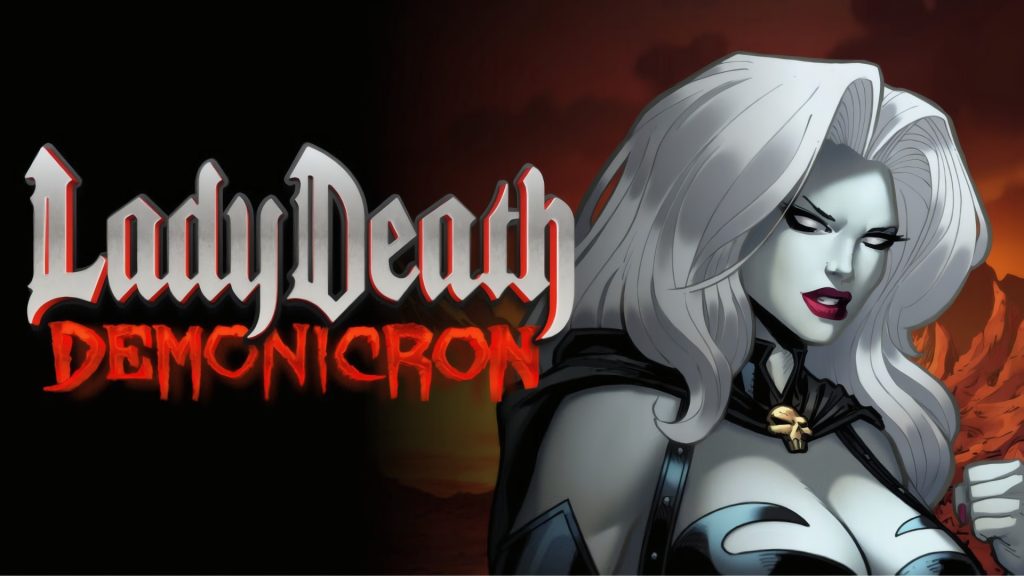
Lady Death: Demonicron looks the part, but underneath its excellent comic-book exterior is a clunky and painfully short brawler.
![[GAMESCOM 2026] Tomb Raider: Legacy of Atlantis Preview – Expands the Original Without Losing Its Identity](https://www.indie-games.eu/wp-content/uploads/2026/09/tomb-raider-legacy-of-atlantis-06-02-26-1-1024x576.jpg)
Tomb Raider: Legacy of Atlantis brings Lara back to her roots, but its Gamescom 2026 showing proved this is far…
![[GAMESCOM 2026] Clive Barker’s Hellraiser: Revival Preview – Ready to Open the Box](https://www.indie-games.eu/wp-content/uploads/2026/09/Clive-Barkers-Hellraiser-Revival-08-30-26-1-1024x576.jpg)
Hellraiser: Revival preserves the franchise’s sex, gore and psychological horror while delivering approachable survival-horror gameplay.

Swan Song creates a peaceful and forgiving puzzle space without removing the challenge that makes solving a difficult puzzle rewarding.
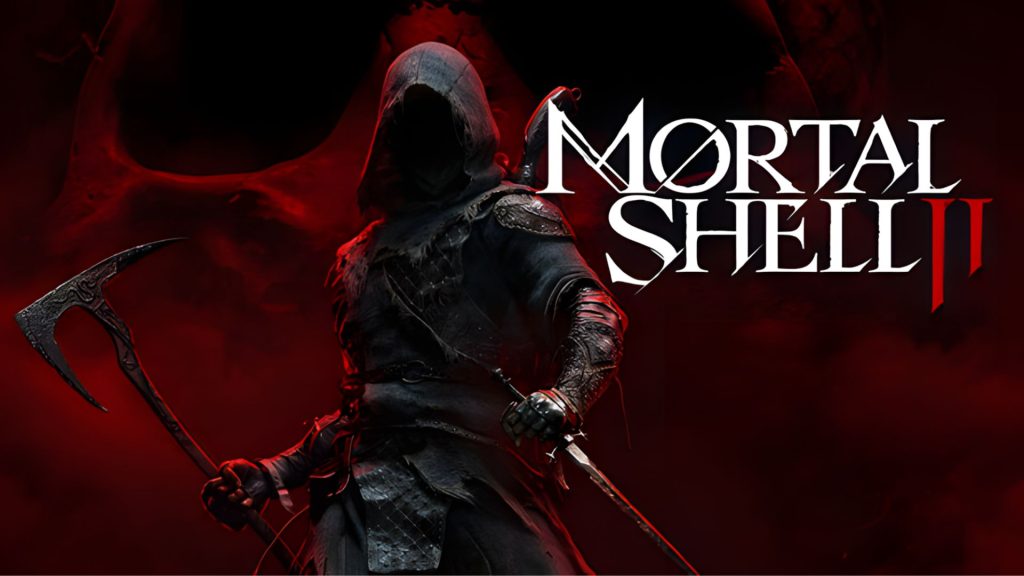
Mortal Shell II starts brilliantly but grows repetitive and exhausting, while remaining a rewarding and ambitious Soulslike sequel.
![[GAMESCOM 2026] Terranigma Preview – A Lost SNES Classic Returns in 2027](https://www.indie-games.eu/wp-content/uploads/2026/08/Terranigma-1-1024x576.jpg)
After more than three decades of limited availability, Terranigma is returning in 2027. We played its enhanced re-release at Gamescom…

Reading another person’s mind is often presented as a desirable superpower, but Sister Other Paranoia immediately understands why it could…
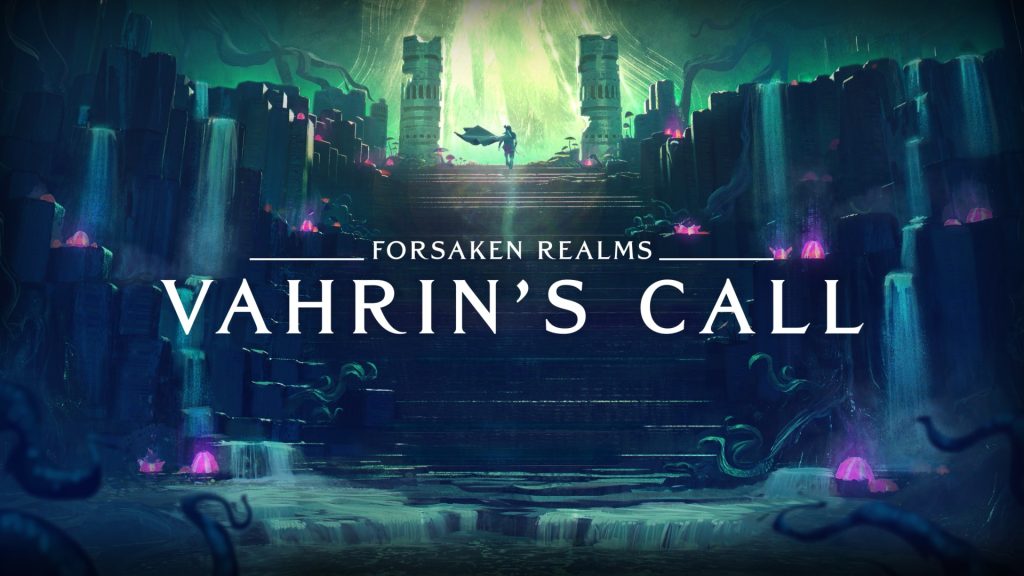
Forsaken Realms: Vahrin’s Call is exactly the kind of ambitious, slightly clumsy fantasy RPG that used to be far more…
![[Early Access] 2nd EVE – Sci-Fi Action RPG That Lacks a Sense of Stakes](https://www.indie-games.eu/wp-content/uploads/2026/08/2ND-EVE-1024x576.jpg)
2nd Eve is a space-set action RPG in which we strive to save humanity.
![[PREVIEW] Dreamcards – Strategic Exploration of Consciousness](https://www.indie-games.eu/wp-content/uploads/2026/08/Dreamcards_20260810_233631_0000-1024x576.jpg)
Dreamcards is a roguelike deckbuilder centered around dreams and nightmares.
![[Early Access] OFFBEAT – Incredibly Fun Way to Start a Music Career](https://www.indie-games.eu/wp-content/uploads/2026/08/Offbeat_20260808_201446_0000-1024x576.jpg)
In OFFBEAT, we play the role of a jobbing composer who is launching their music career.
