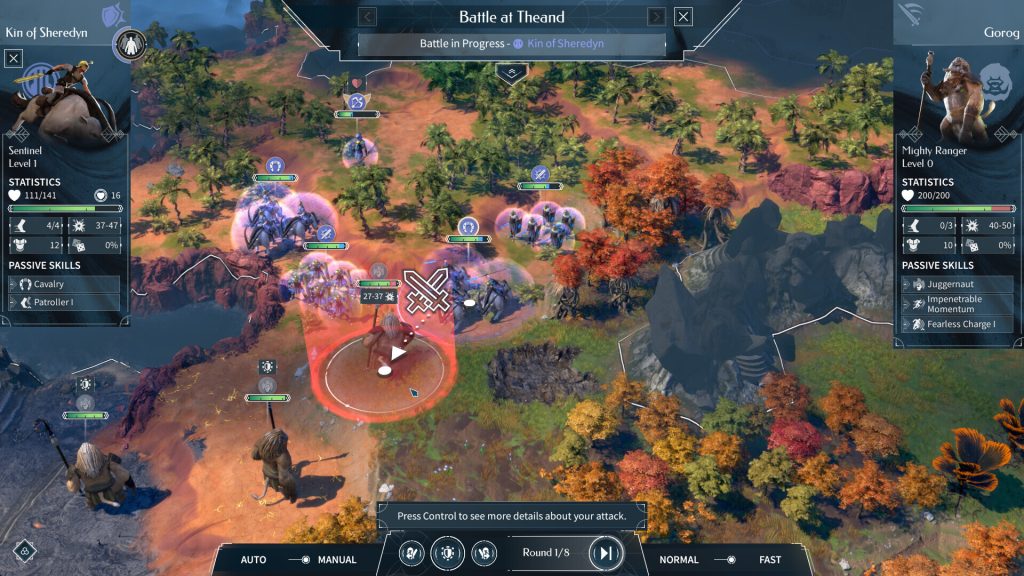
Endless Legend 2 Leaves Early Access in September, Adds Console Versions
Endless Legend 2 leaves Early Access in September as version 1.0 rolls out, bringing console versions to PlayStation 5 and…

![[OPINION] Tales of the Shire: A The Lord of the Rings Game Will Be a Disaster](https://www.indie-games.eu/wp-content/uploads/2025/04/Tales-of-the-shire-1-1-scaled.jpg)
If you enjoy independent indie game coverage, consider supporting Indie-Games.eu on Patreon. It helps keep the site independent.
Tales of the Shire: A The Lord of the Rings Game risks becoming a missed opportunity with one of the most revered IPs in the history of fiction. While the cozy life simulator from Wētā Workshop and Private Division offers a charming premise of Hobbit life in Middle-earth, early indications suggest it might fall short of the franchise’s legendary reputation. The game is set to release on July 29, 2025, for PS5, Xbox Series X/S, Nintendo Switch, and PC via Steam.
First and foremost, the game’s core idea, a cozy life simulator focused on the everyday life of a Hobbit, feels like a confusingly misplaced use of The Lord of the Rings IP. Tolkien’s world is known for epic tales of heroism, complex mythology, and the struggle between good and evil. Yet, instead of leveraging that richness for an ambitious RPG or a tense action-adventure, we’ve been given a game about farming, cooking, and decorating Hobbit holes.
It’s as if the developers took the idyllic charm of the Shire and decided it was the only part of Middle-earth worth exploring, completely neglecting the immense potential for something more ambitious. Fans longing for a significant return to Middle-earth after disappointments like The Lord of the Rings: Gollum are left with a superficial and niche experience that doesn’t even try to convey the depth or gravitas of Tolkien’s world.
The gameplay loop, which revolves around gardening, resource gathering, fishing, and cooking, sounds promising on paper but feels dull and uninspired in practice. The mechanics are shallow and lack innovation, and the game fails to stand out in the already overcrowded life simulator genre, which is dominated by titles like Stardew Valley and Animal Crossing. If Tales of the Shire cannot compete with already established cozy games, what is the point of putting The Lord of the Rings brand on it?


The visuals and technical aspects also don’t help. Gameplay footage has been criticized for outdated graphics, featuring flat textures, minimal shadows, and an art style some describe as creepy or childish rather than warm and inviting. The design of the Hobbits, with their tiny eyes and awkward proportions, has been more unsettling than endearing to players. For a game that has been delayed multiple times, from 2024 into 2025, supposedly for refinement, these persistent issues suggest either a lack of vision or resources.
The narrative also feels shaky. We play as a Hobbit tasked with helping Bywater achieve official village status, but the story lacks both stakes and emotional weight. Endless fetch quests and bland NPC interactions fail to capture the sense of community and richness of Tolkien’s Shire. The characters are featureless, lacking any traits that would make them memorable, causing what could have been a warm community-building experience to become a tiresome chore. Compared to the deep bonds between Frodo, Sam, Merry, and Pippin, it is clear that Tales of the Shire misses the heart of the source material.
After a series of disappointing Lord of the Rings games, Tales of the Shire threatens to leave the impression of a cynical cash-grab, a lukewarm piggybacking on the “cozy game” trend while relying on the franchise’s prestige as a substitute for real ambition. Wētā Workshop, known for its iconic work on the films, should be in a unique position to honor Tolkien’s legacy. Instead, this project reeks of corporate compromise, likely pressured by rights holder Embracer Group, which needs a safe revenue stream.
There is one more problem: “cozy” game fans demand quality, and Tolkien fans are extremely demanding. Good life simulators need excellent gameplay, plenty of content, and charm that keeps players engaged. Tales of the Shire risks disappointing both groups. Games set in Middle-earth should be magical, not boring. If the game doesn’t significantly improve before release, it could become just another forgettable Lord of the Rings title, confirming that even great stories can fail when the development team doesn’t aim high enough.
Endless Legend 2 leaves Early Access in September as version 1.0 rolls out, bringing console versions to PlayStation 5 and…
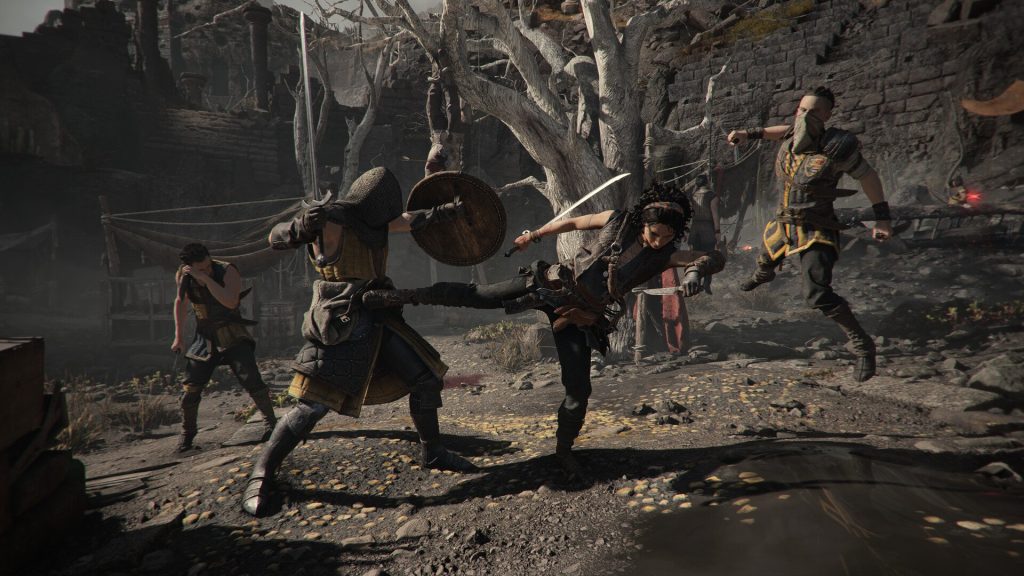
A new Resonance: A Plague Tale Legacy featurette shows how Sophia can use light to navigate dangerous environments and overcome…
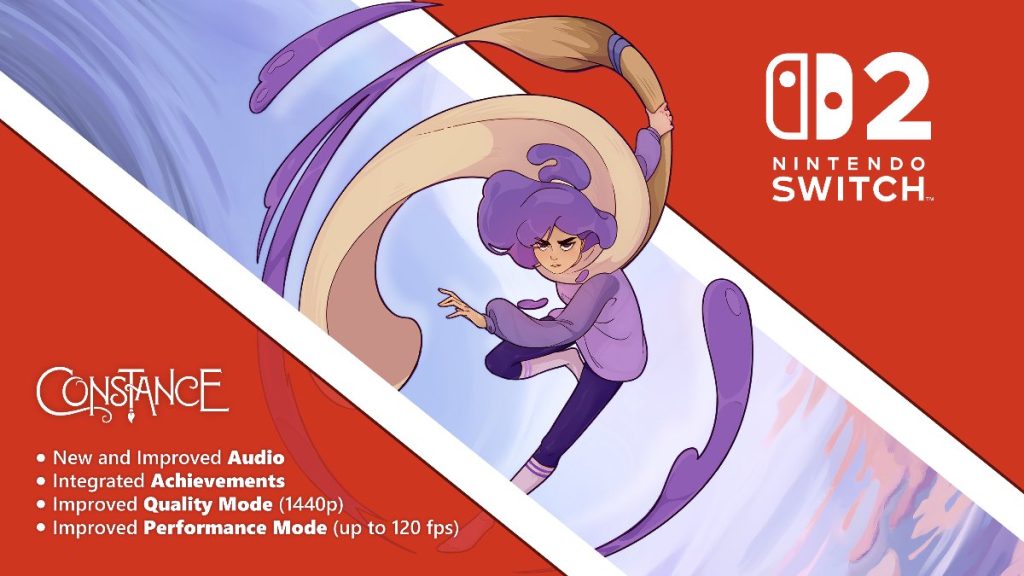
The nonlinear world contains six biomes, each representing a different part of the protagonist’s psyche and history.
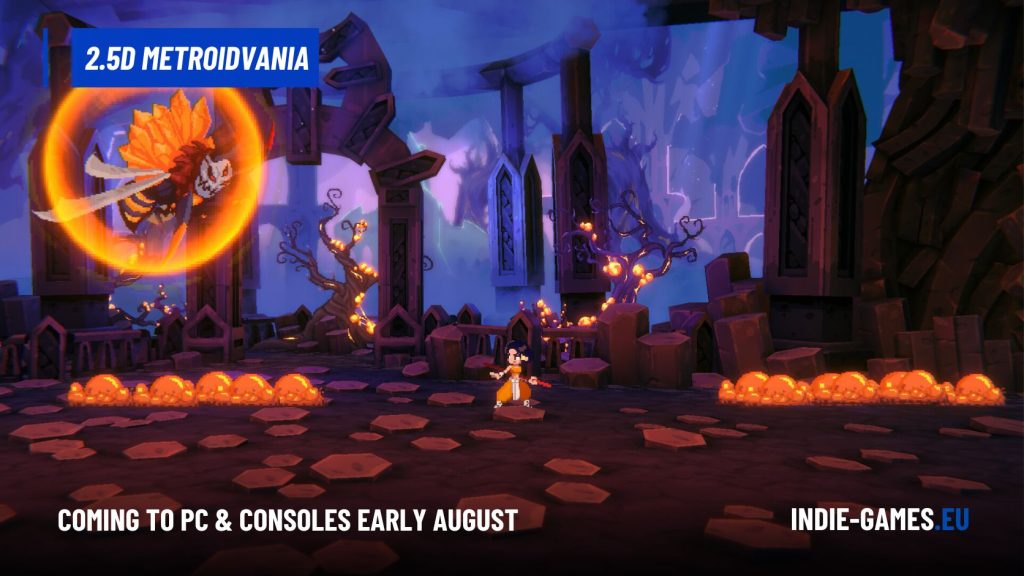
Akatori launches early August on PC and PlayStation and Xbox, featuring 2.5D Metroidvania action, parkour and staff-based combat.
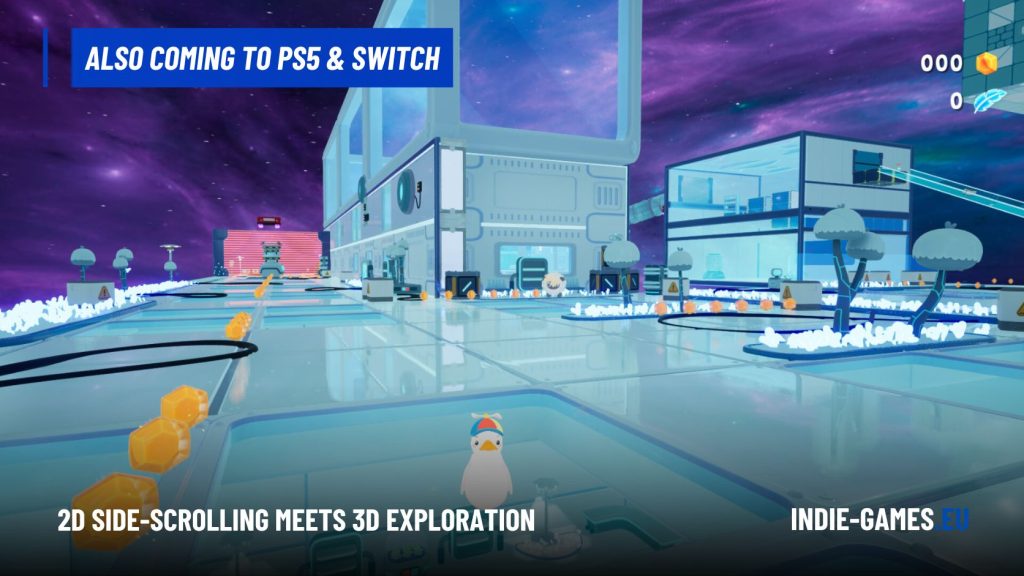
Dodo Duckie! launches on PC and Xbox today, with PS5 and Switch versions arriving later in 2026, featuring unique 2D…
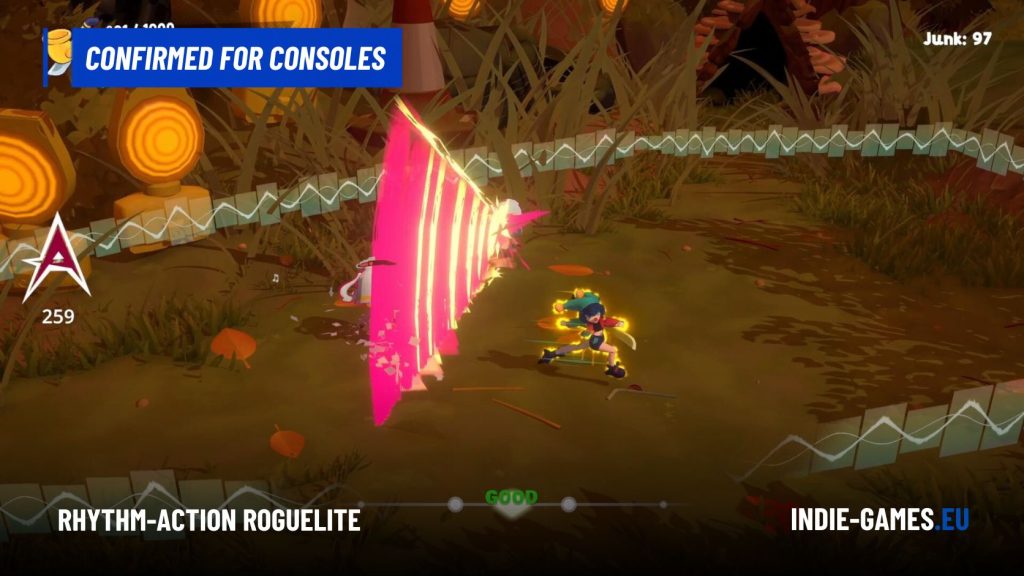
Alpha Nomos launches on PlayStation 5, Xbox Series and PC in 2026, featuring rhythm-based roguelite combat, live-recorded weapons and a…
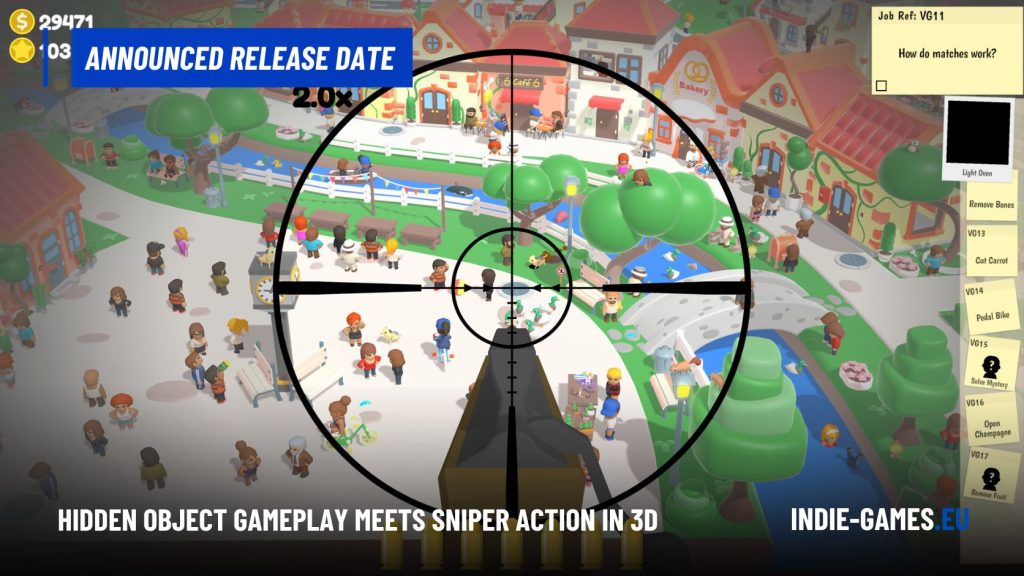
Sniper Dan launches in September for PlayStation 5, Xbox, Switch and PC, blending hidden object gameplay, puzzles and family-friendly sniper…

In ReStory, you will repair a wide range of early-2000s technology, including mobile phones, handheld gaming systems, digital pets, music…
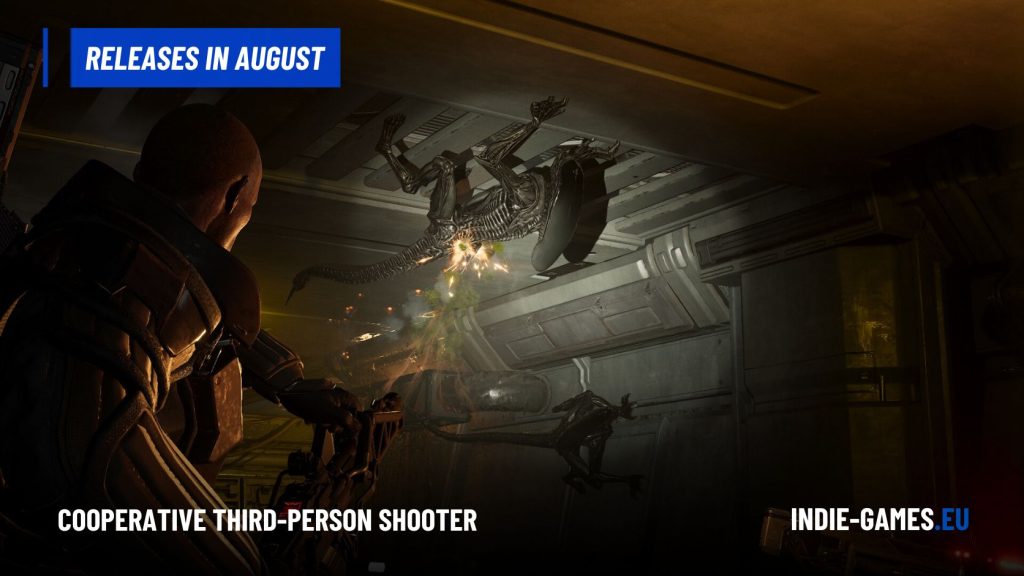
Aliens: Fireteam Elite 2 expands its fireteams to four players, who take control of Colonial Marines deployed across hostile locations…
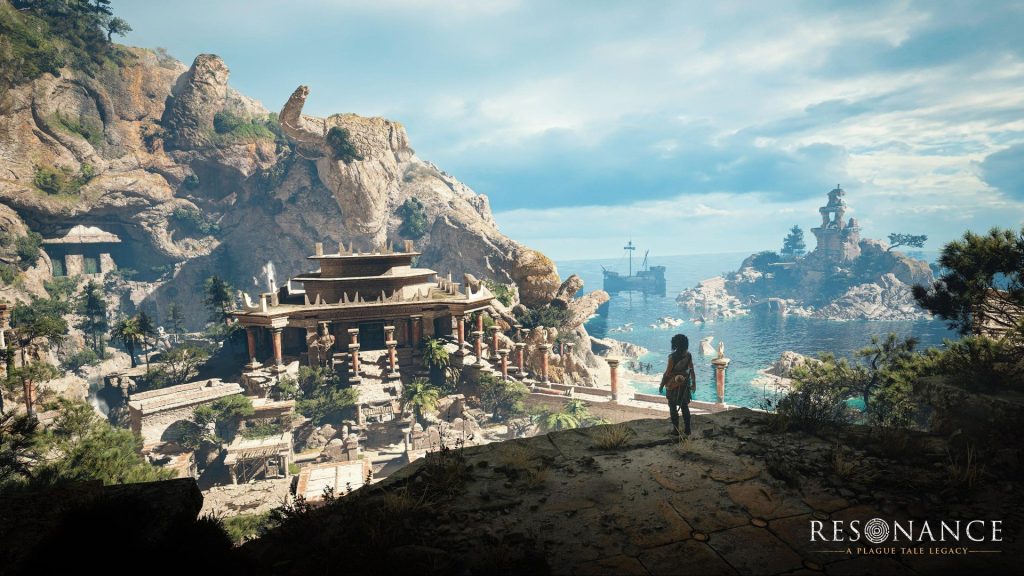
Asobo Studio has released a short scenic clip for Resonance: A Plague Tale Legacy, showcasing its Mediterranean-inspired locations.
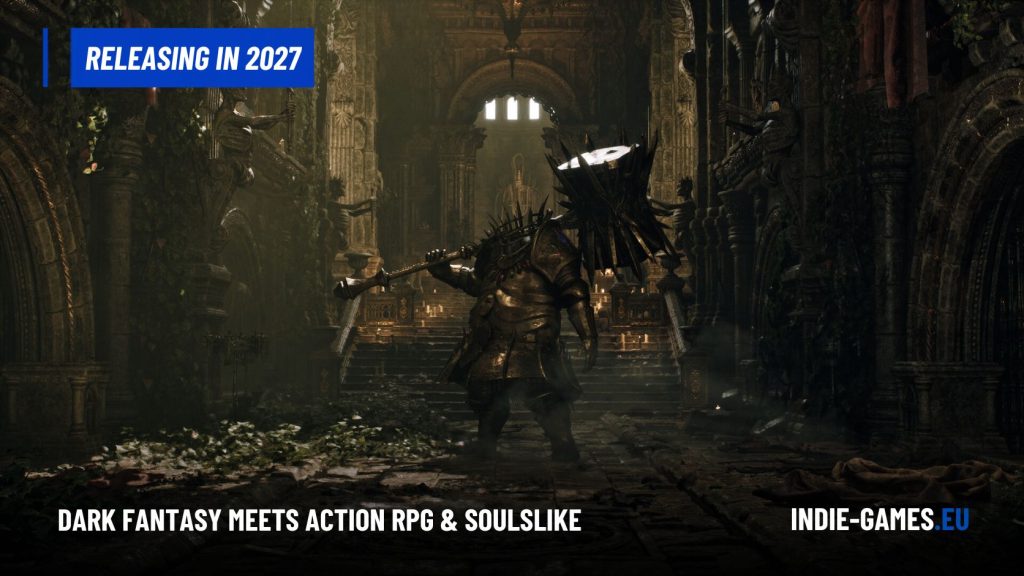
Turkish solo developer Celal Sahin has announced Godless Dawn, a dark fantasy action RPG targeting a Q1 2027 release on…
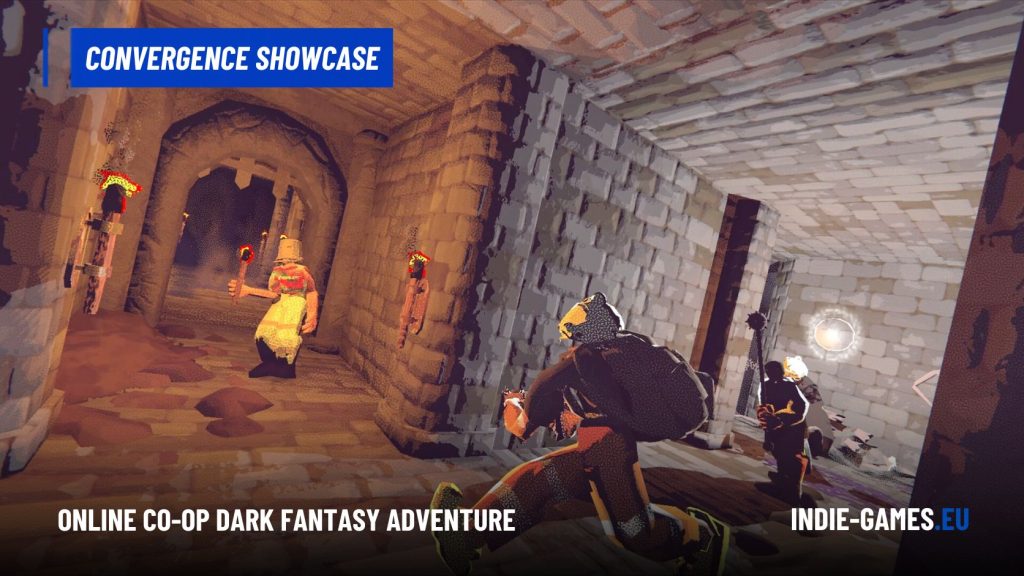
Vision Quench, an online co-op dark fantasy adventure from developer WizMUD Games and Pocketpair Publishing, is targeting an early 2027…

Named “The Bud Trial,” the playable preview offers an early look at the game ahead of its planned PC release…
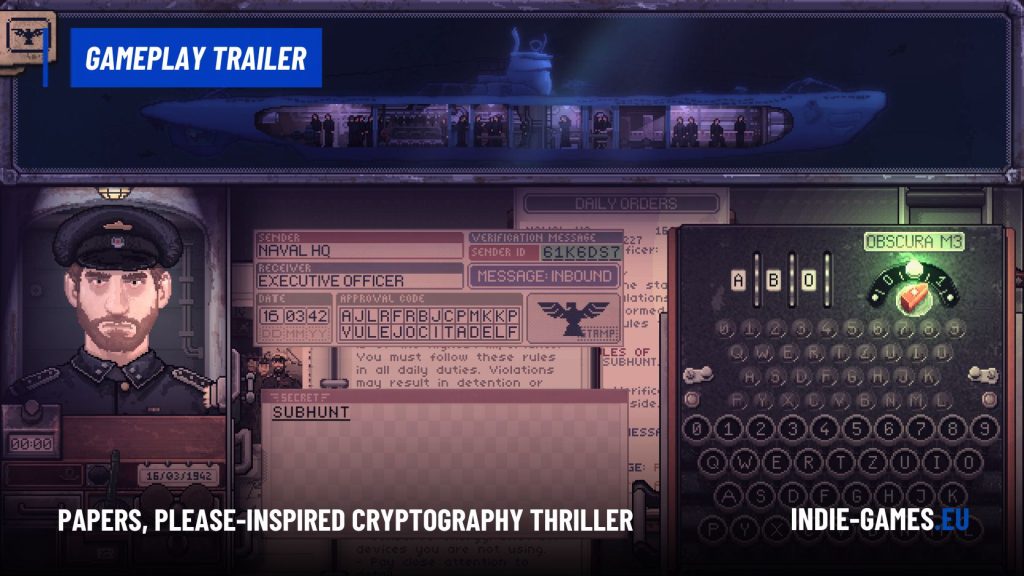
Serbian independent studio Retromagine has revealed False Echo, a narrative cryptography thriller inspired by Papers, Please and classic submarine dramas.

Surreal adventure Roman Sands RE:Build launches in September of this year on PC and consoles alongside the expanded Paratopic: Overdub.
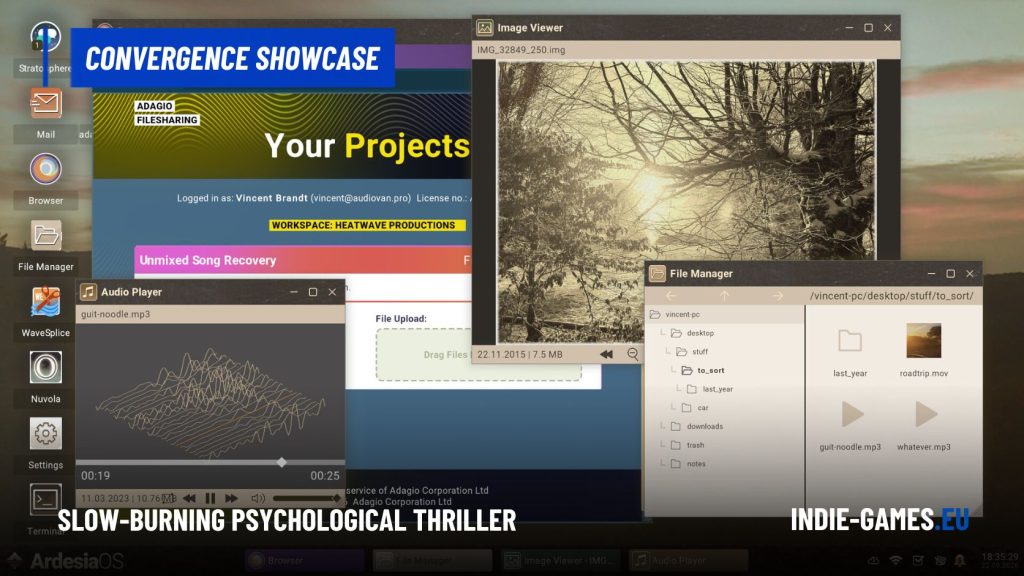
German indie studio Cobalt Lane has released a new trailer and Steam demo for Imprinted, a slow-burning psychological thriller.
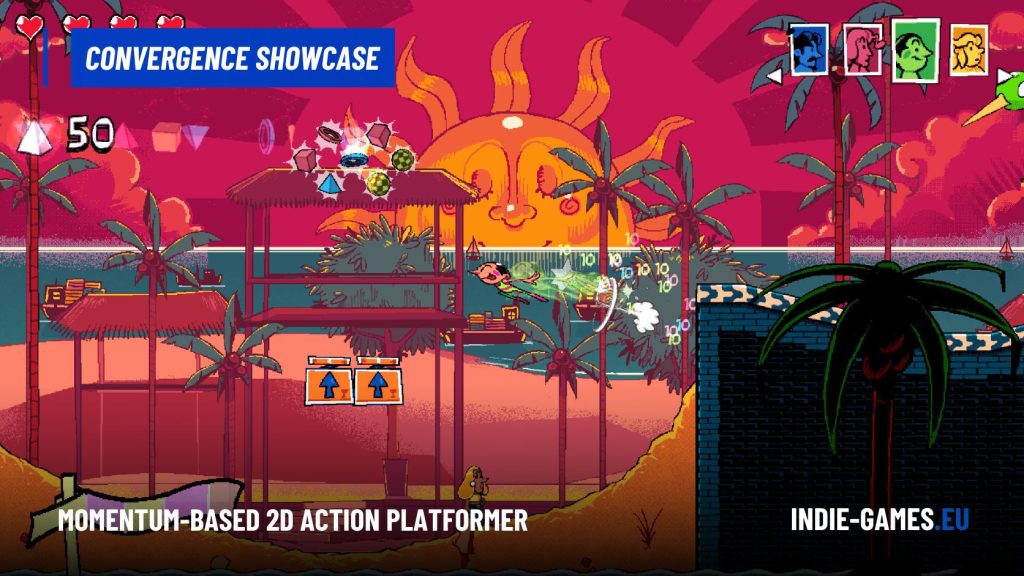
IndieArk and developer PVic Games have announced that momentum-based 2D action platformer ARTIUS: Pure Imagination will launch for PC via…
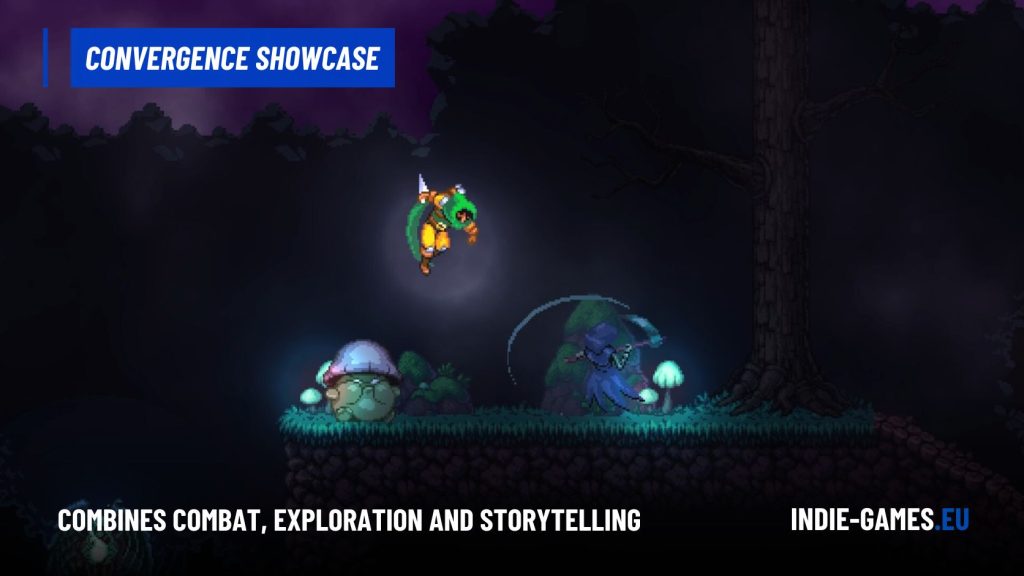
Decemberborn Interactive has released a new gameplay trailer for Cathedral: Crow’s Curse, an action-adventure prequel set in the world of…
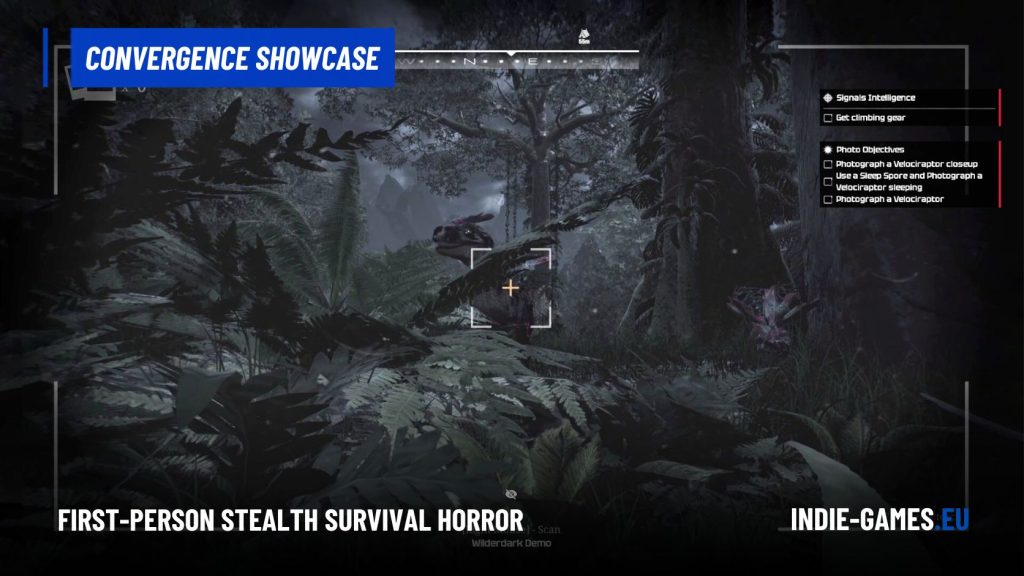
Wilderdark begins with the player crash-landing on an unnatural island overrun by hostile wildlife.
Independent French developer Ars Goetia and publisher Dear Villagers have announced that HellSlave II: Judgment of the Archon will launch…
