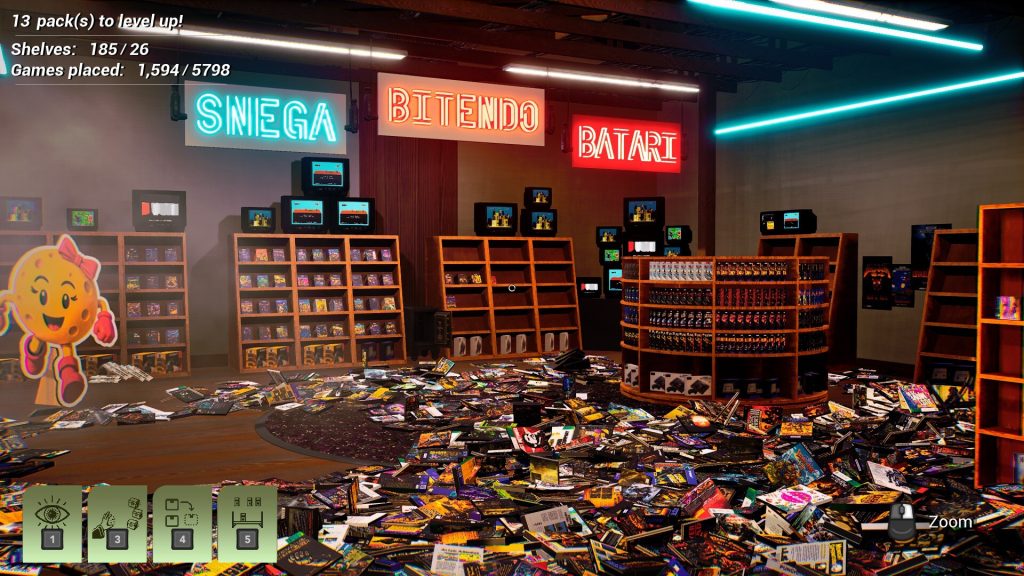
A Cat Scattered 5,798 Games Across This Cozy Supermarket Simulator
MY CAT SCATTERED GAMES asks players to organize 5,798 games and consoles before rescuing a cat trapped inside a claw…

If you enjoy independent indie game coverage, consider supporting Indie-Games.eu on Patreon. It helps keep the site independent.
Microsoft is reportedly exploring major structural changes for Xbox, including the possibility of turning the gaming division into a separate company or reorganizing it as a wholly owned subsidiary. While that might sound like corporate jargon, the real question for players is much simpler: what would actually change for Xbox gamers?
According to reports, Microsoft hasn’t made any final decisions and no immediate restructuring is planned. Still, the discussions come at a time when Xbox is facing some of its biggest challenges in years, from declining hardware sales and shrinking revenue to growing development costs and an increasingly competitive gaming market.
Why This Matters
Most gamers don’t care whether Xbox sits inside Microsoft as a division, subsidiary, or separate company. What they care about is whether their favorite games get delayed, whether Game Pass becomes more expensive, and whether Xbox remains committed to making consoles.
With Xbox reportedly preparing for significant layoffs while also investing heavily in franchises like Halo, Fallout, and The Elder Scrolls, the decisions made over the next year could shape the future of the brand for the rest of the decade.
In a memo to employees, Asha Sharma reportedly described the current state of the business as unsustainable. Xbox’s profit margins are said to be hovering around 3%, gaming revenue has declined, hardware sales have fallen sharply, and development costs continue to rise.
At the same time, Microsoft has spent tens of billions of dollars building one of the largest gaming portfolios in the industry through acquisitions. Managing that growing collection of studios while keeping projects on schedule has become increasingly difficult. The result is a company looking for ways to make Xbox more efficient, more profitable, and potentially more flexible.
One of the options reportedly being discussed would see Xbox operate similarly to LinkedIn or GitHub, both of which are owned by Microsoft but run with significant independence. For players, this probably wouldn’t create any immediate visible changes. Xbox consoles would still exist, Game Pass would continue operating, and Microsoft’s gaming studios would remain part of the ecosystem.
The biggest difference would happen behind the scenes. Xbox leadership could gain more control over budgets, partnerships, acquisitions, and long-term planning without needing the same level of oversight from Microsoft’s broader corporate structure. In theory, that could allow the gaming division to move faster and react more quickly to industry trends.
Right now, there is no indication that exclusives would suddenly disappear because of a restructuring. However, the discussions come at an interesting time. Microsoft has already shown a willingness to bring some first-party games to competing platforms, and Sharma has reportedly been reviewing the balance between exclusives and wider releases.
If Xbox becomes more focused on profitability, executives may increasingly evaluate whether selling games on multiple platforms generates more revenue than keeping them exclusive. That doesn’t mean Halo, Fallout, or The Elder Scrolls are heading everywhere tomorrow. It does mean the debate over exclusives is likely far from over.
For many players, Game Pass is the most important part of the Xbox ecosystem. At the moment, there is no evidence that restructuring would directly impact the service. In fact, Xbox leadership continues to describe subscriptions as a key pillar of future growth.
A more independent Xbox could even double down on Game Pass as it looks for recurring revenue streams that are less dependent on console sales. The bigger question is whether future pricing, content investments, or platform availability evolve as Xbox searches for stronger profit margins.
Technically, yes. One reason companies create subsidiaries is because it makes future transactions simpler. A separate corporate structure can make it easier to bring in partners, form joint ventures, attract outside investment, or even sell a business outright.
However, it’s important to separate possibility from probability. Reports suggest Microsoft is examining multiple options, not actively preparing a sale. The company continues to highlight the scale of its gaming business, which reportedly reaches more than 500 million players worldwide. At this stage, restructuring appears focused on improving operations rather than putting Xbox on the market.
For now, Xbox players shouldn’t expect immediate changes. No restructuring has been approved, and Microsoft continues to invest heavily in major franchises and Game Pass.
What the reports do reveal is that Xbox is entering a new phase under Asha Sharma’s leadership. Whether the division remains fully integrated within Microsoft or gains greater independence, the goal appears to be the same: making Xbox a more sustainable business in a gaming industry that is becoming increasingly expensive and competitive.
The corporate structure may change. The bigger story is why Microsoft believes something needs to change at all.
MY CAT SCATTERED GAMES asks players to organize 5,798 games and consoles before rescuing a cat trapped inside a claw…
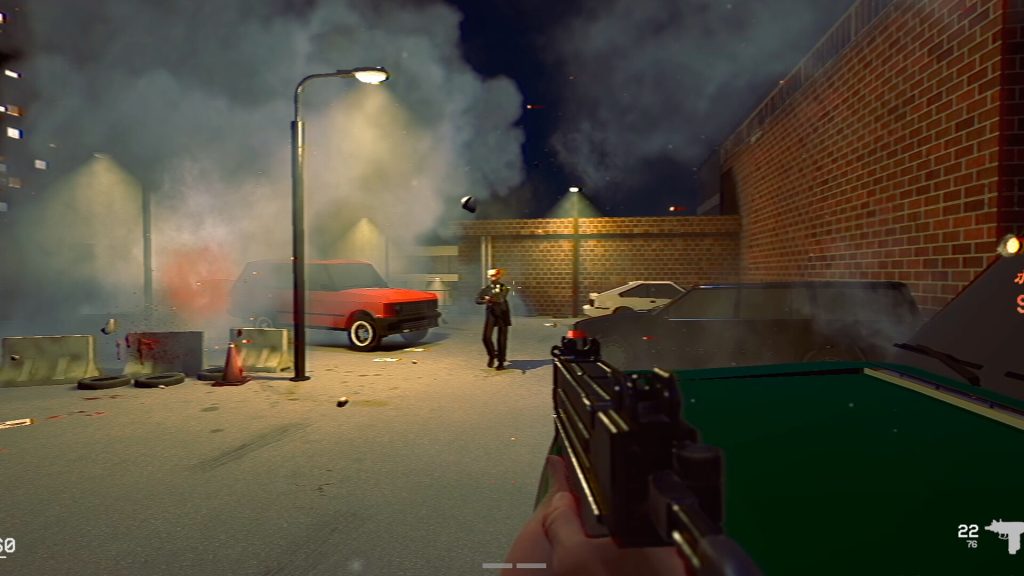
Retro corridor shooter Cop Bastard has partnered with Retrovibe for an October release, accompanied by a faster and more polished…
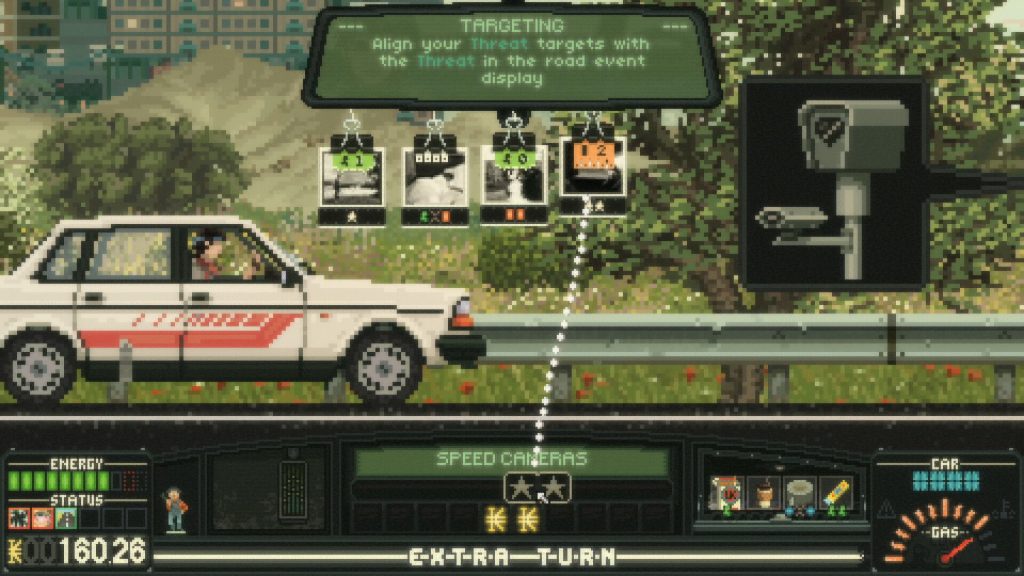
Keep Driving launches on Switch, PS5 and Xbox Series X|S on September 28 as its PC edition receives official Steam…
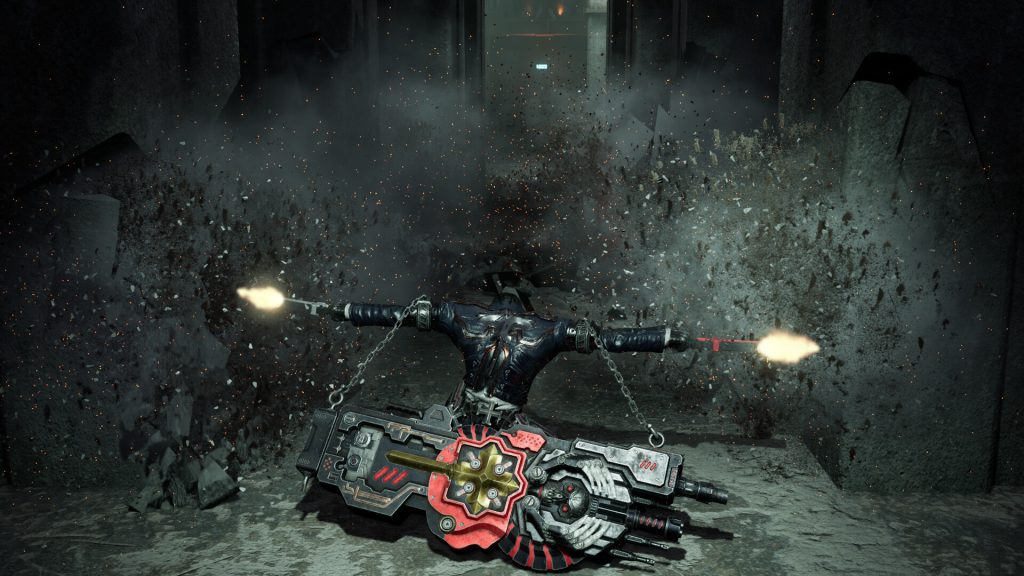
Gungrave G.O.R.E: Blood Heat shows its rebuilt combat, including parries, close-range attacks and faster 360-degree movement.
Sugar Lies follows a young man who hates dishonesty and a girl living behind a perfect persona when it launches…
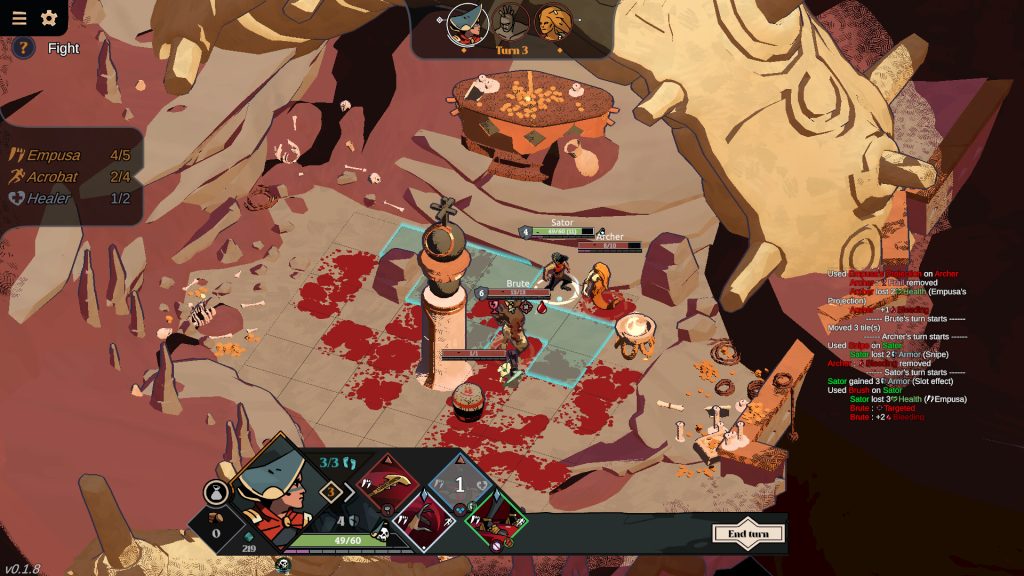
Deified leaves Steam Early Access on September 21 with its narrative ending, final boss floor, balance improvements and hidden content.
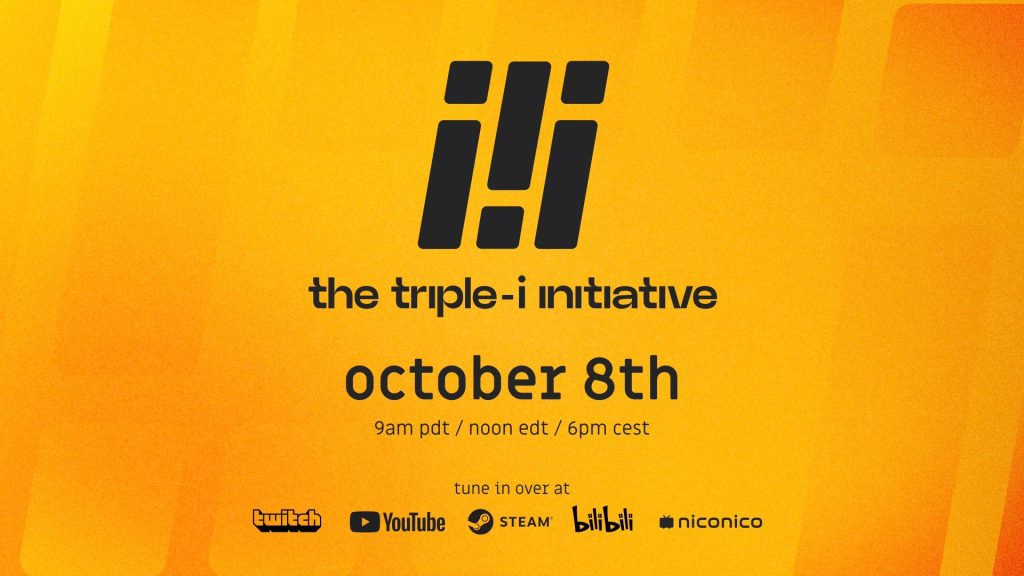
Triple-i Initiative returns October 8 with 40 games, eight world premieres and 45 minutes of trailers, release dates and reveals.
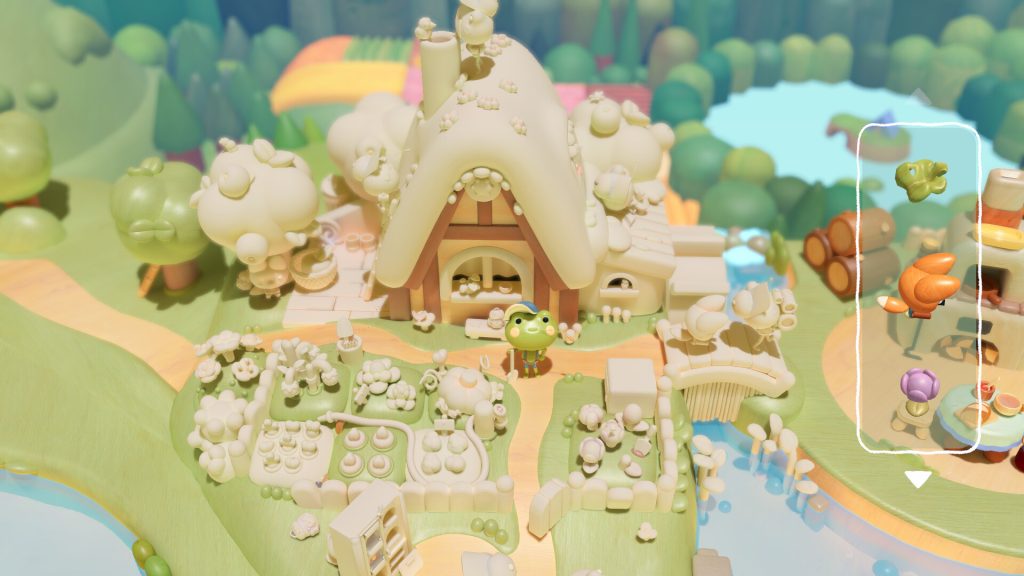
Woodo launches September 16, inviting players to rebuild childhood memories through cozy, handcrafted wooden dioramas.
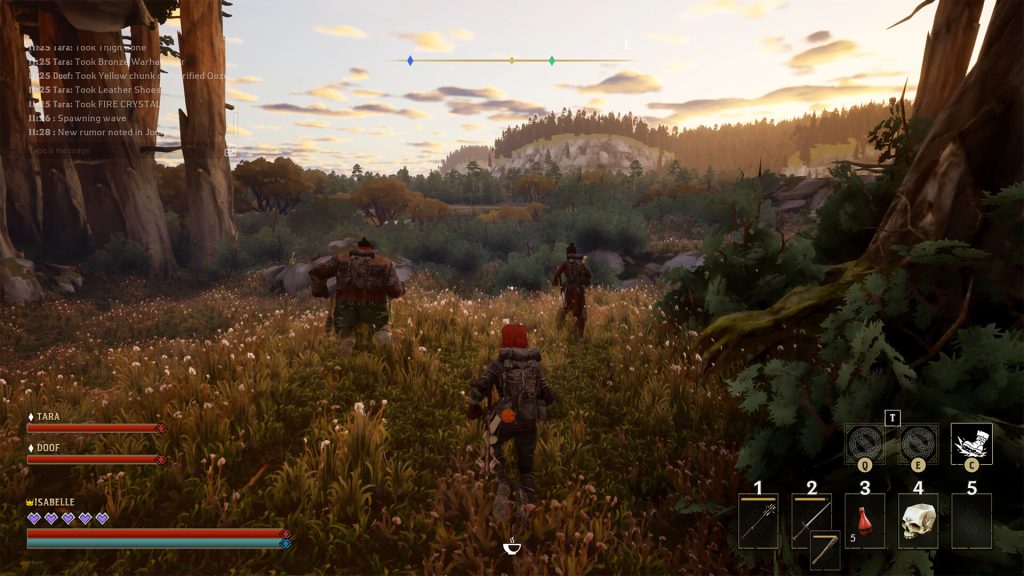
Curve Games signs Wyldheart in one of its biggest recent investments after the co-op RPG surpasses 375,000 Steam wishlists.
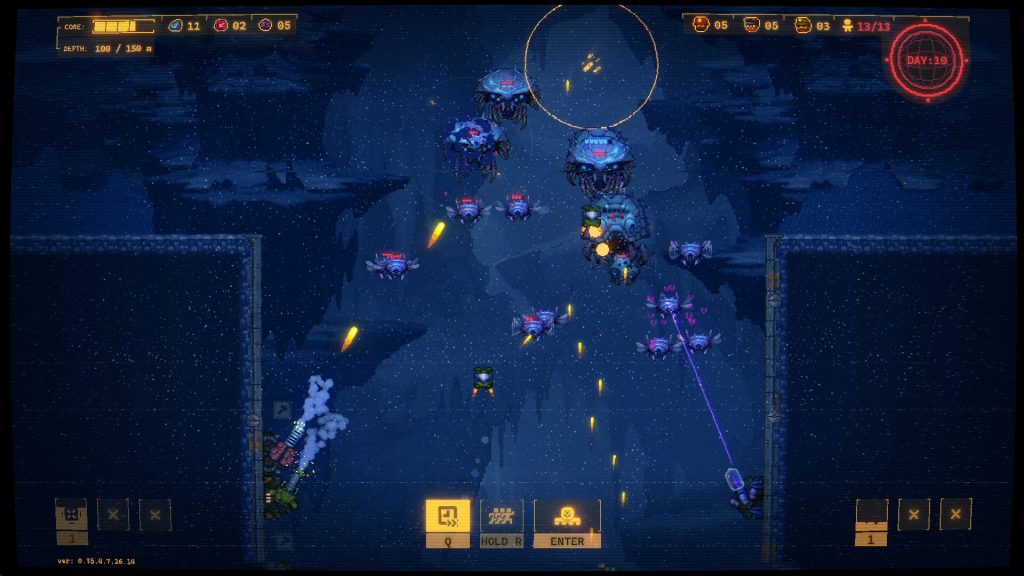
Drill Core’s free Anniversary Update adds Relaxed Mode, new bounties, specialists, platform skins and several quality-of-life improvements.
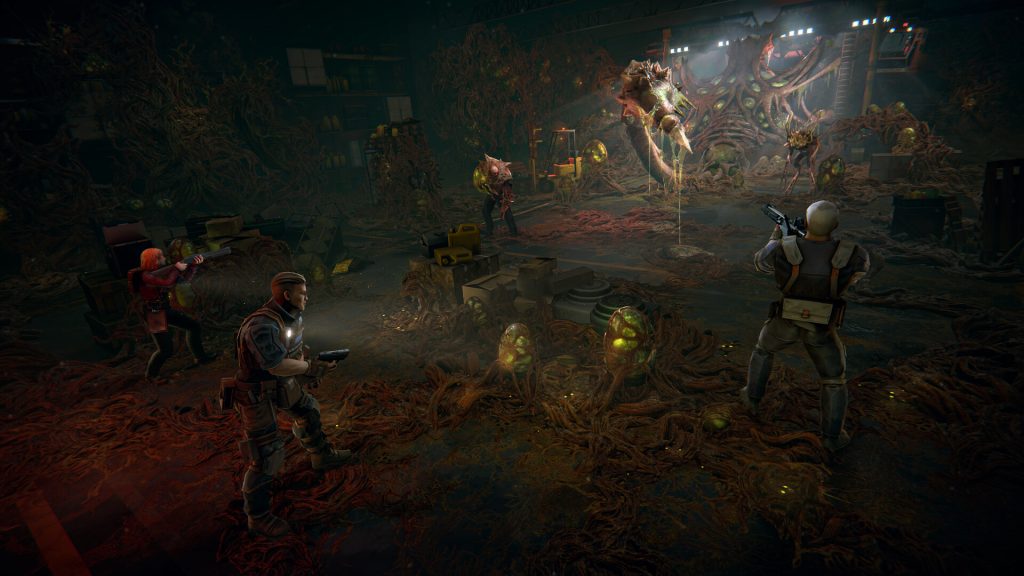
Critical Shift’s free two-hour demo combines real-time exploration with tactical combat inside a compromised Antarctic facility.
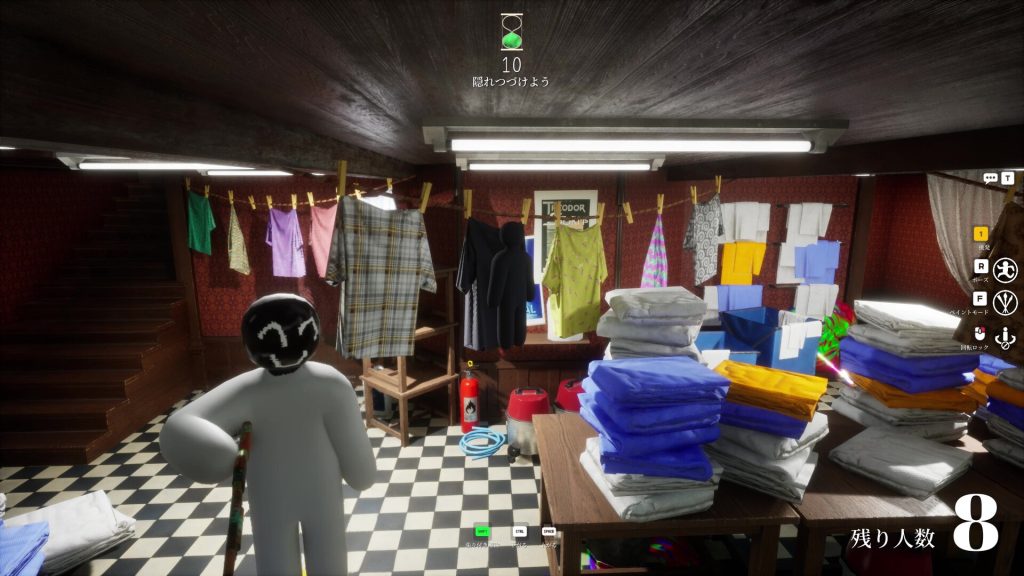
Meccha Chameleon brings its paint-based multiplayer hide-and-seek matches to Nintendo Switch 2 with a temporary $4.79 launch price.
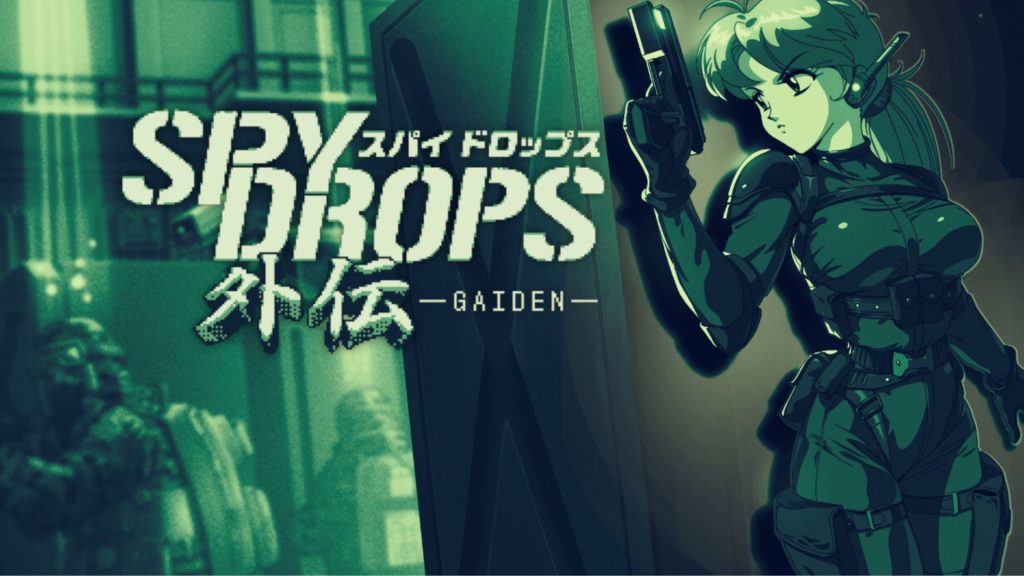
Spy Drops Gaiden brings Game Boy-style stealth, eight covert missions and intel extraction to Steam on October 12 for €4.99.
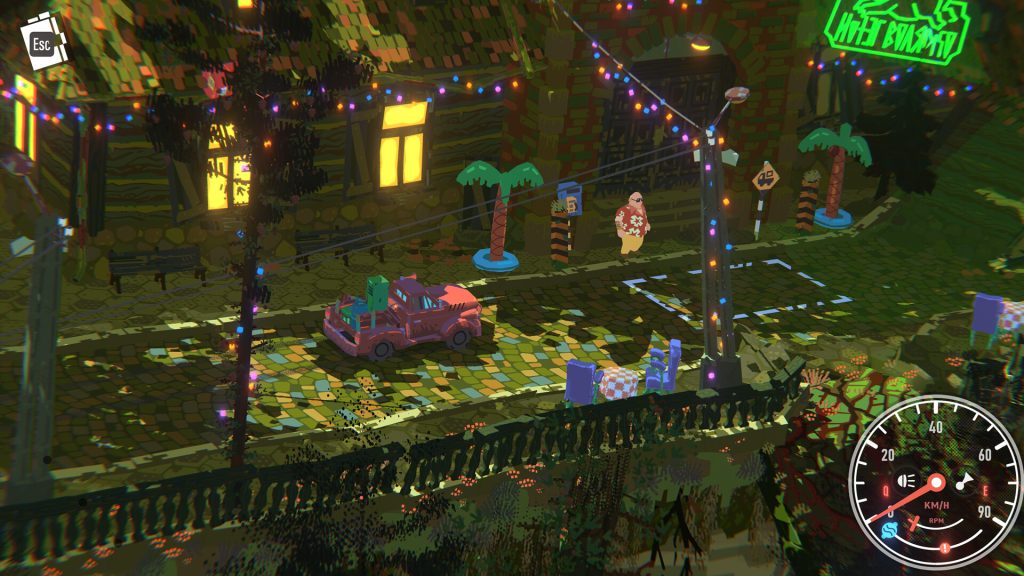
Truckful launches October 9 on Steam and Android, combining physics-based deliveries with vehicle upgrades and a mystery inside an ancient…
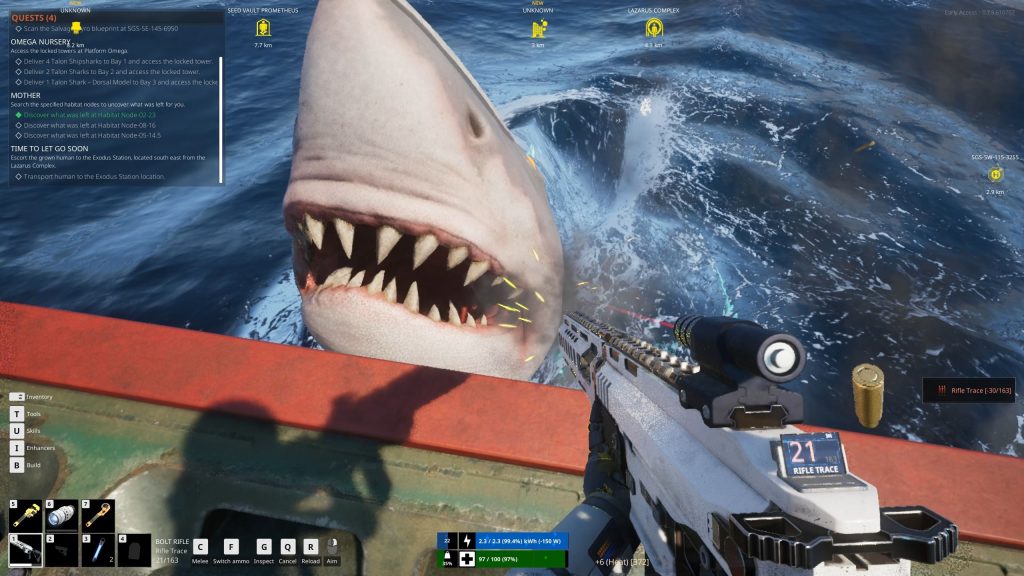
The Last Caretaker reaches version 1.0 in spring 2027 and joins Xbox Game Pass on day one after selling over…
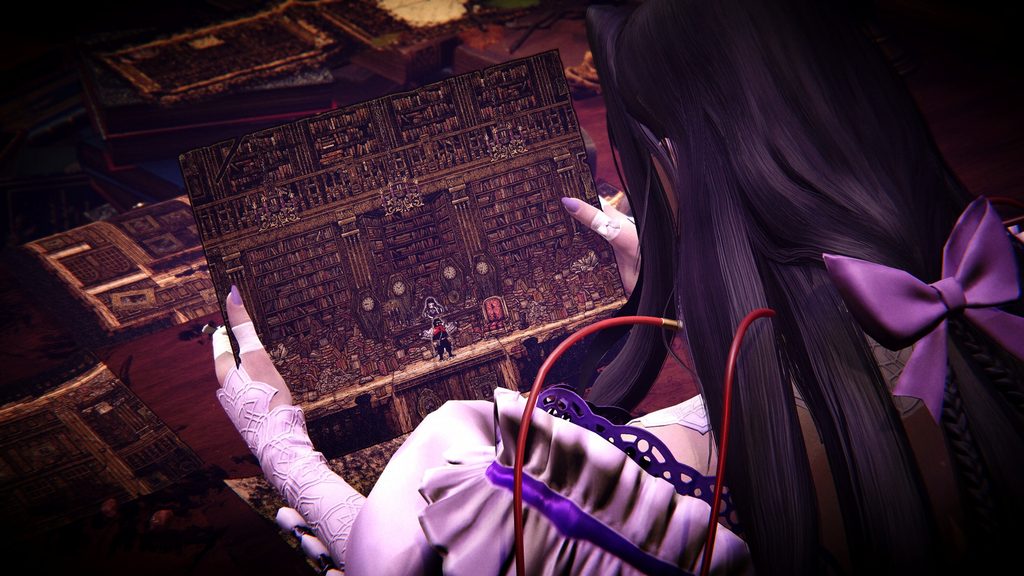
Chronoscript: The Endless End moves to early summer 2027 as DeskWorks! improves combat responsiveness, menus and visual readability.
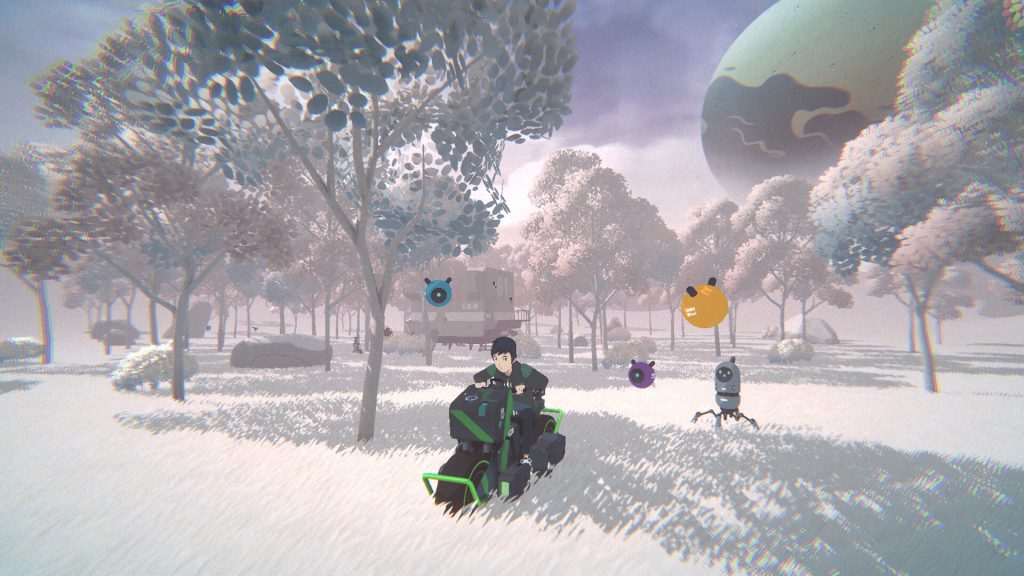
HEIMA is a parallel-world puzzle adventure from former Terra Battle developers, coming to PC in 2028 with SHIFT and HOLD…
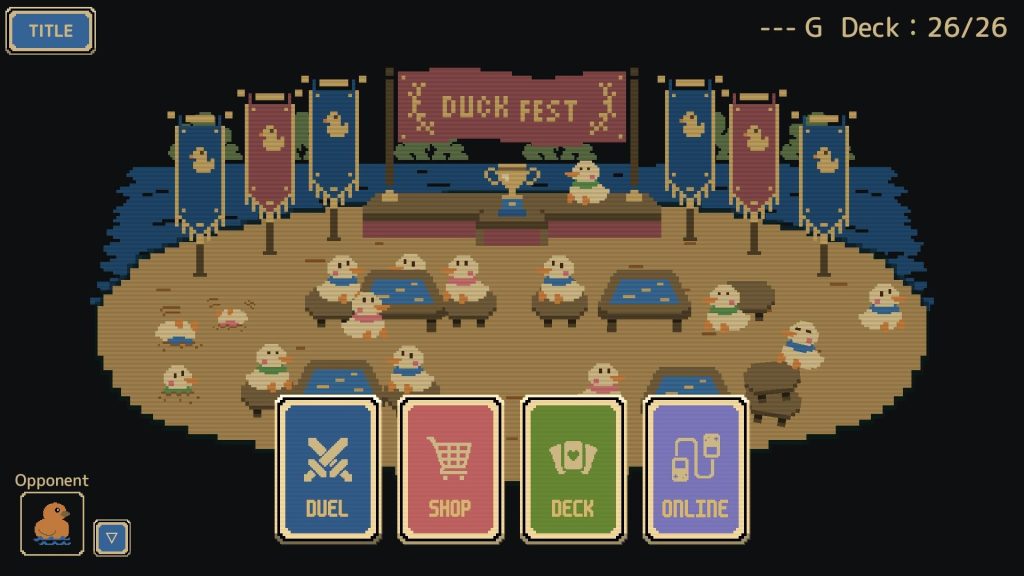
Duck Fest combines deck building and 1v1 battles with collectible cards that players can trade through the Steam Community Market.
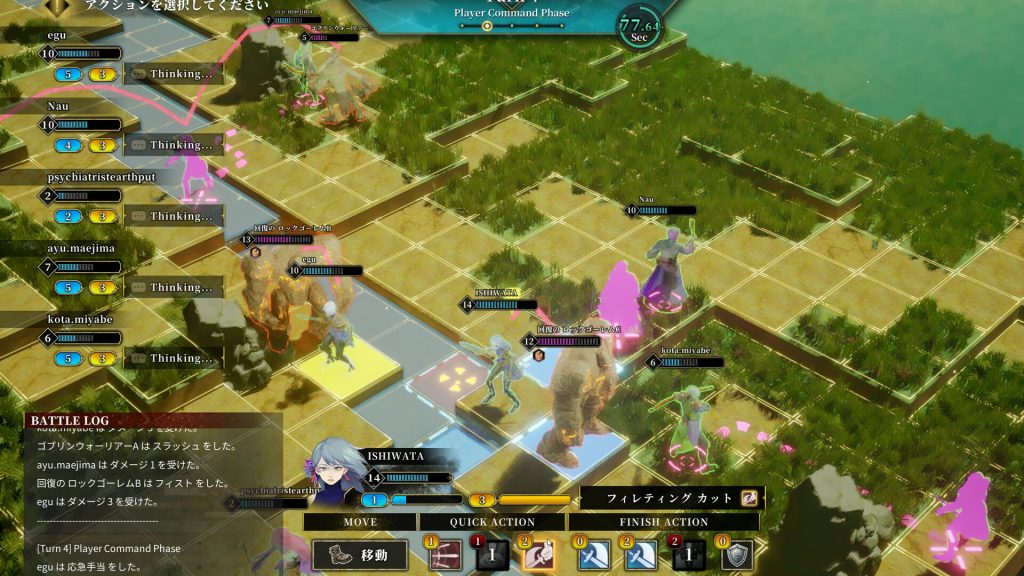
Tactful Tactics is a 1–6-player cooperative RPG where everyone plans and executes their actions simultaneously.
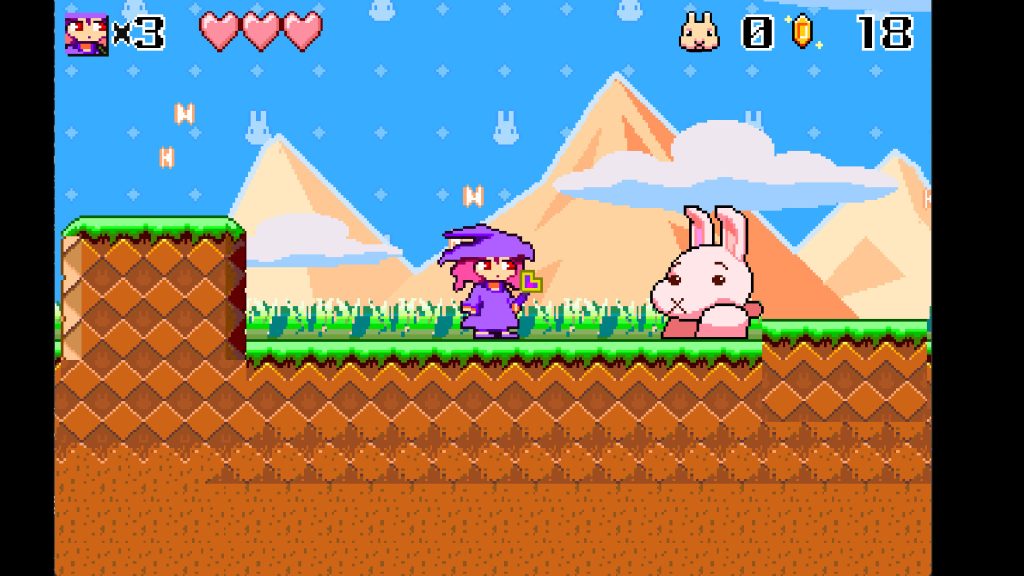
SakuSaku Witch is a retro-inspired 2D platformer about magic, bunny monsters and a suspicious toy company, coming to Steam in…
