Meccha Chameleon Brings Multiplayer Camouflage to Switch 2
Meccha Chameleon brings its paint-based multiplayer hide-and-seek matches to Nintendo Switch 2 with a temporary $4.79 launch price.

If you enjoy independent indie game coverage, consider supporting Indie-Games.eu on Patreon. It helps keep the site independent.
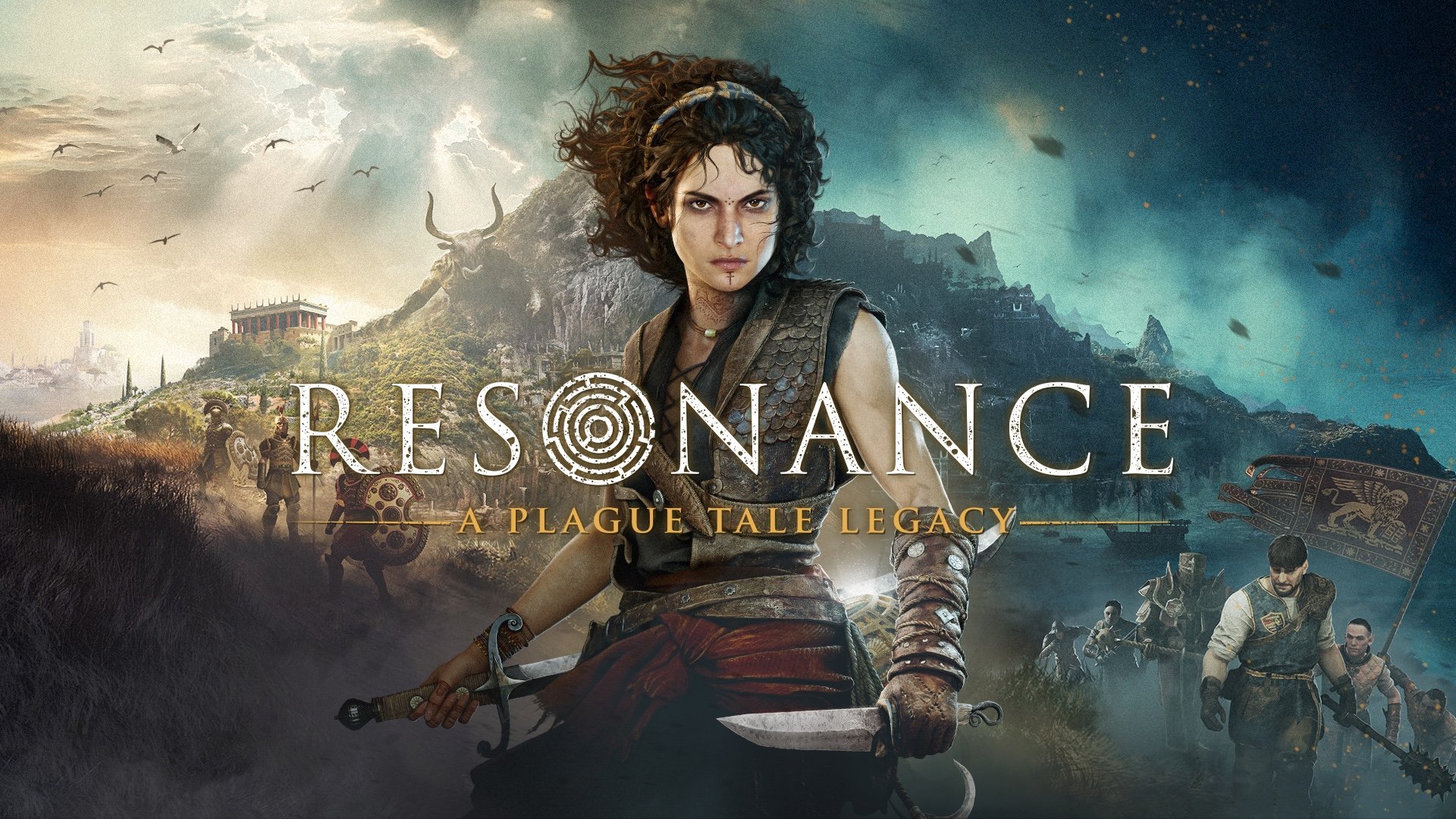
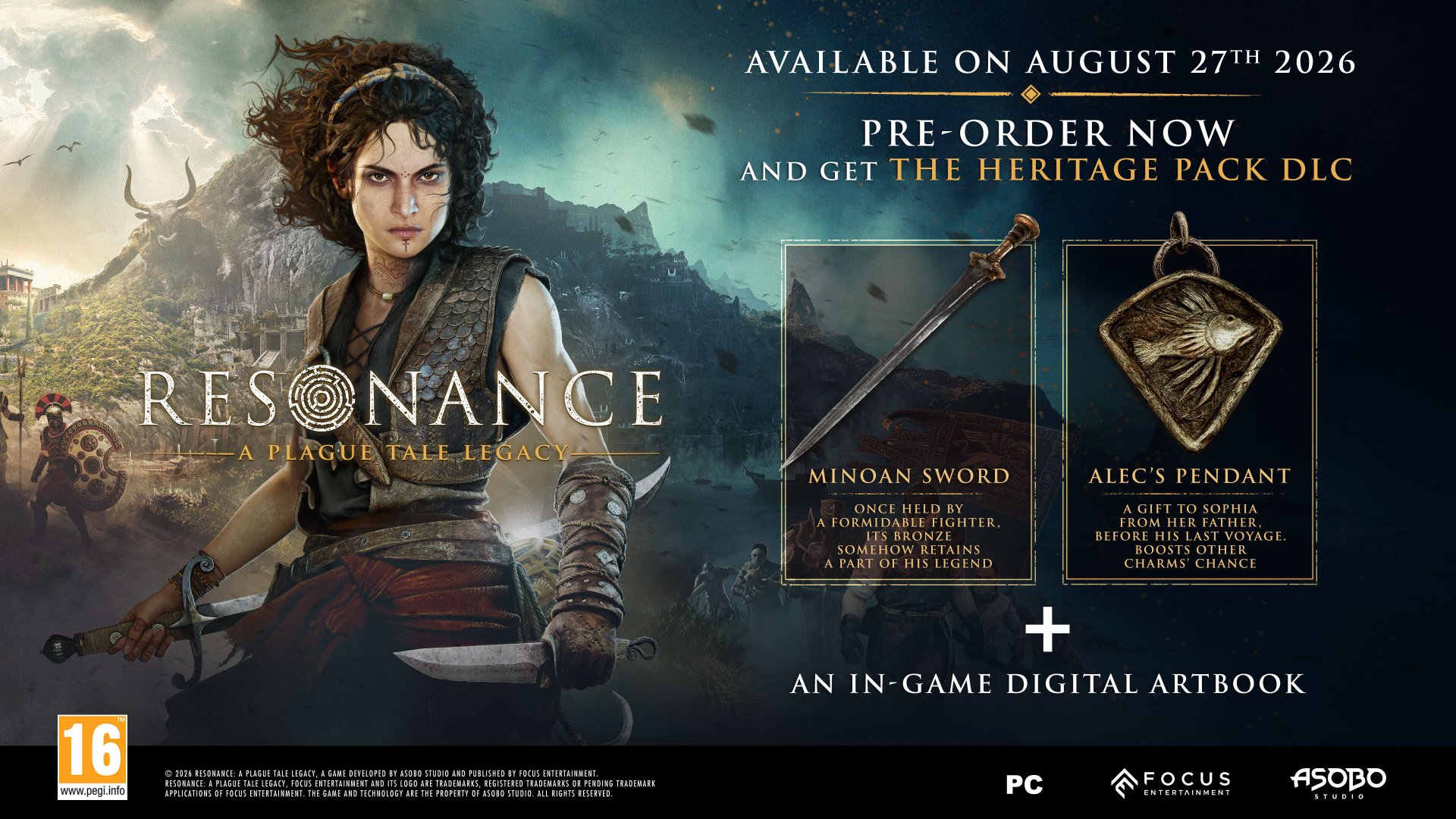
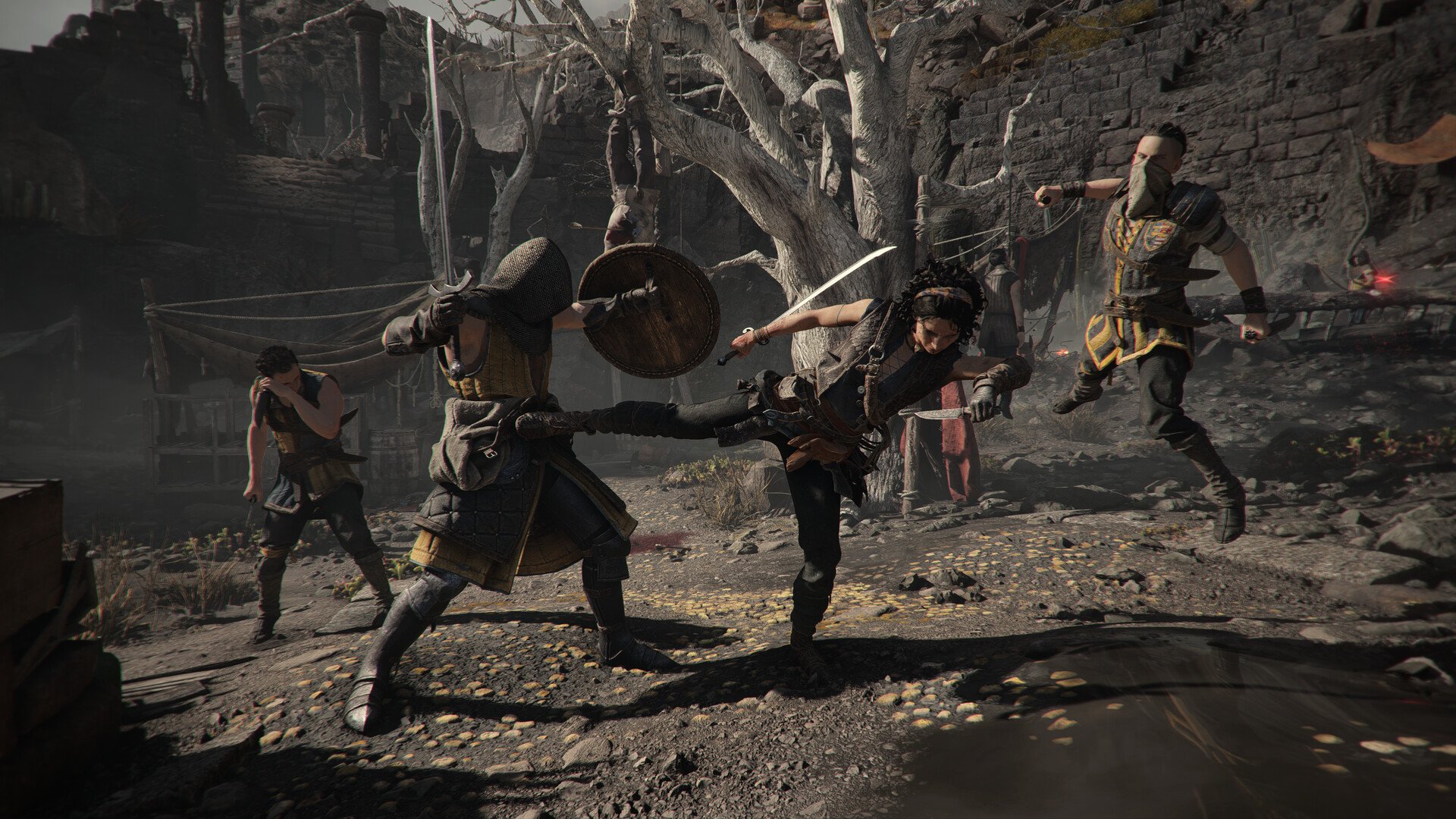
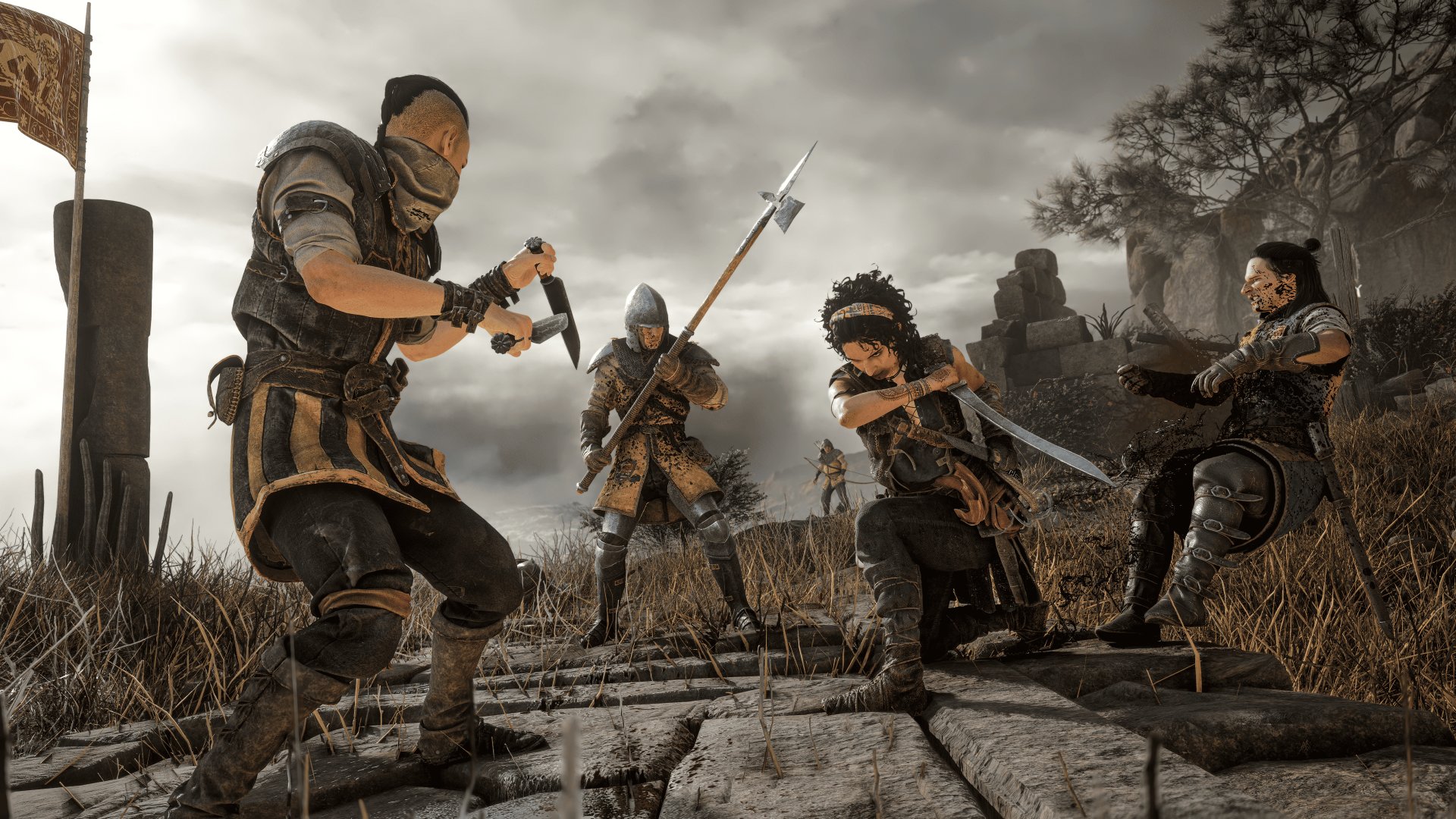
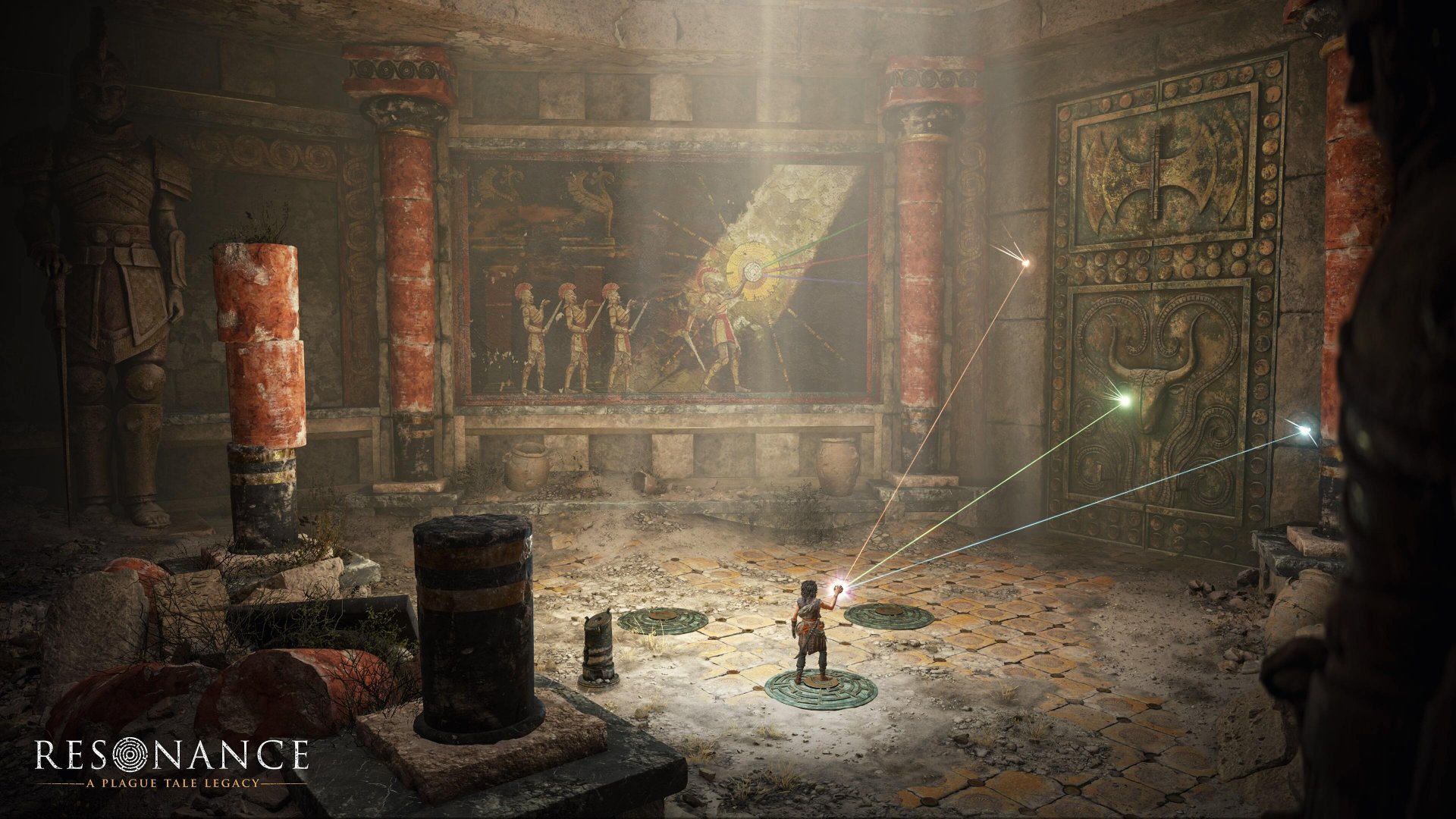
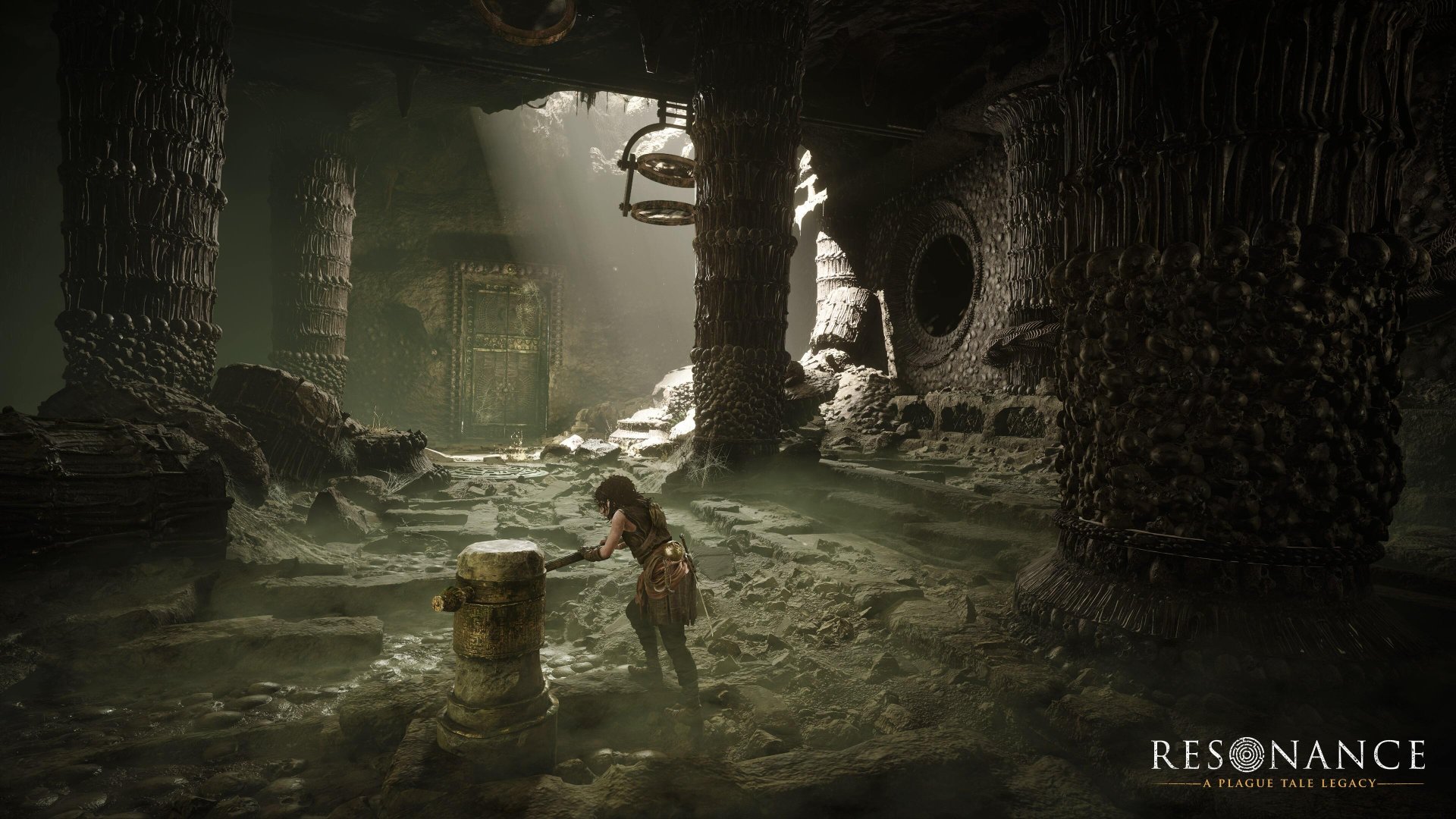
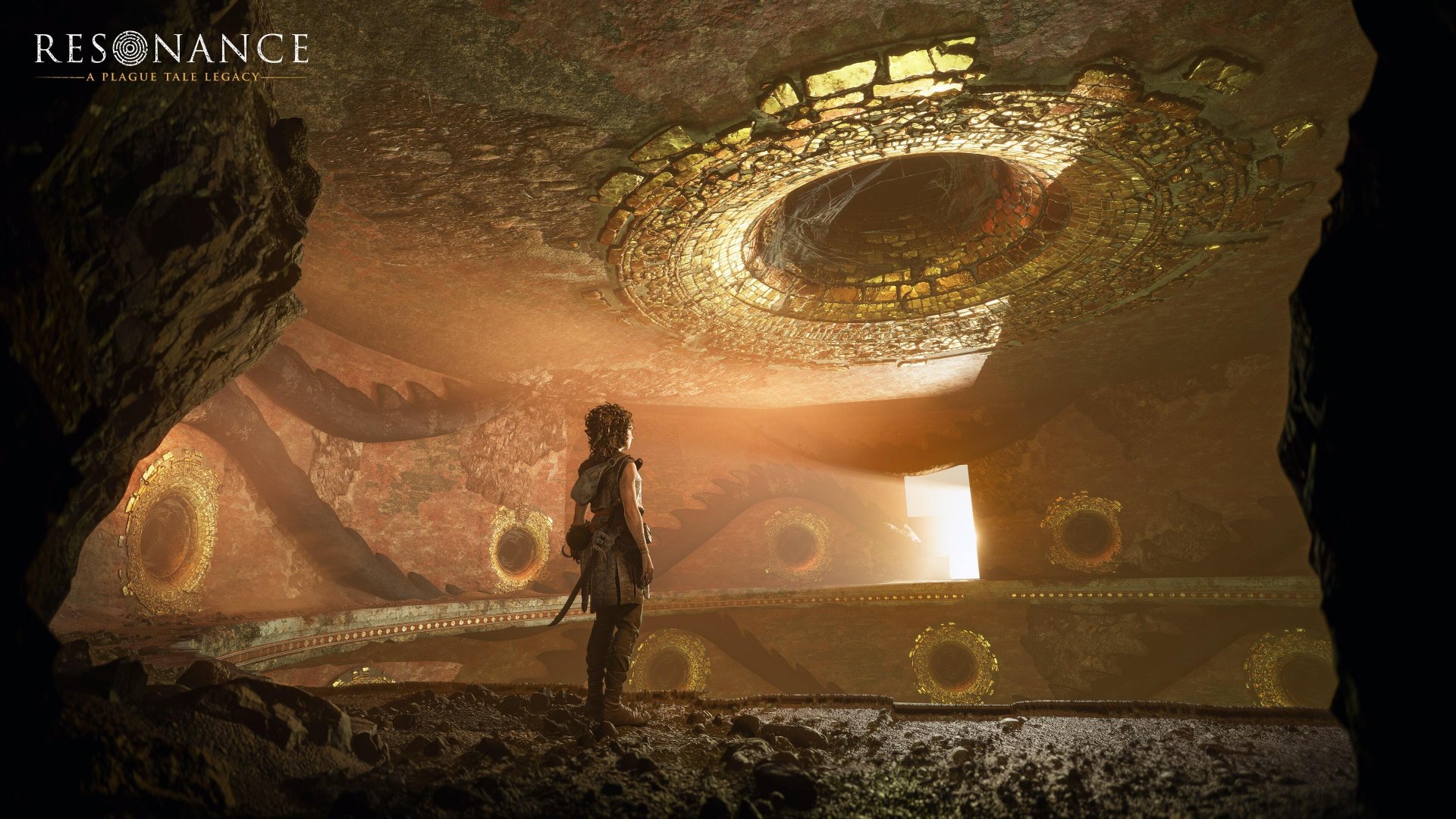
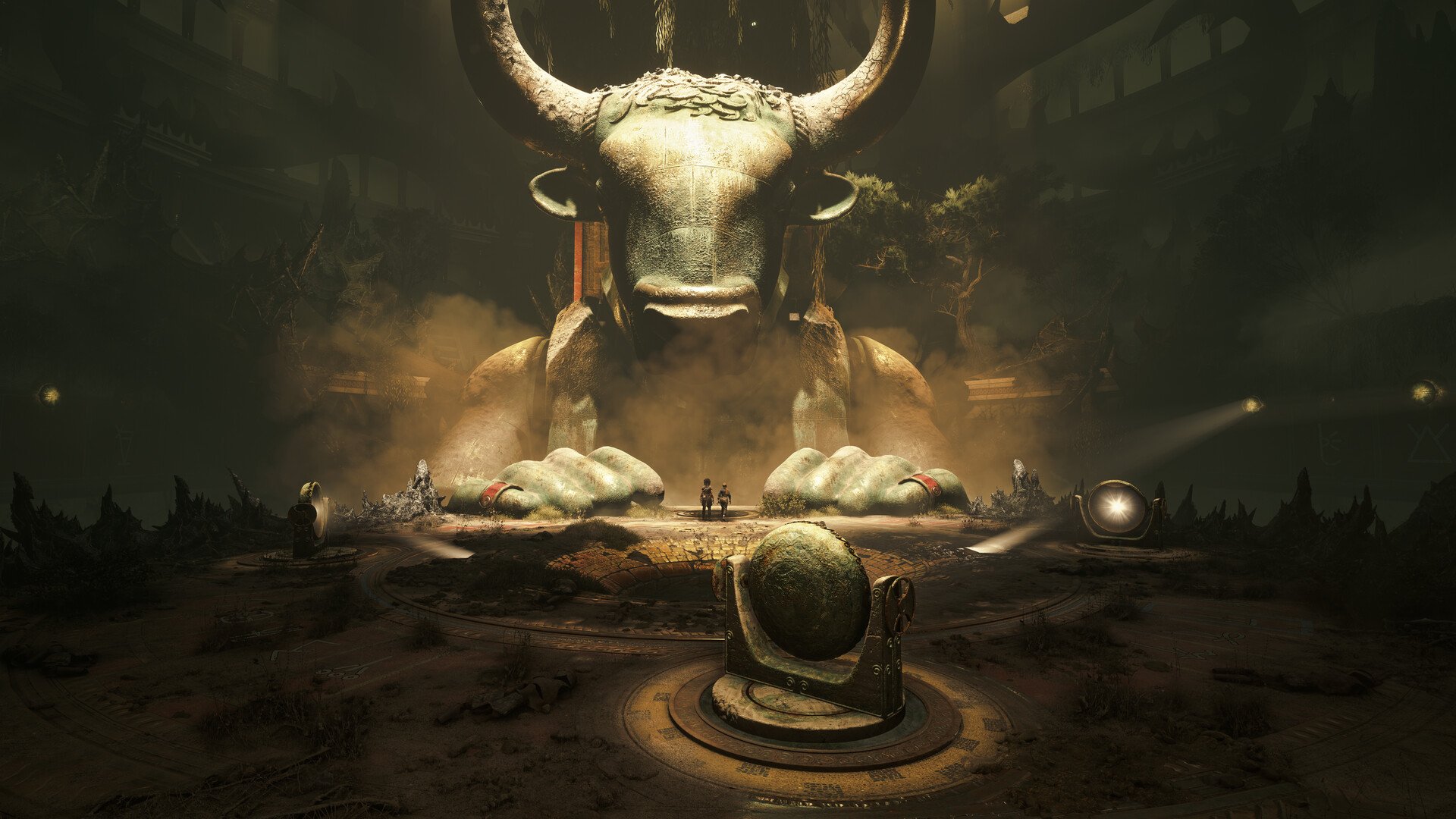
Resonance: A Plague Tale Legacy is the third main game in the A Plague Tale series, a single-player action-adventure prequel developed by Asobo Studio and published by Focus Entertainment. It is set to release August 27, 2026 on PC (Steam, Epic), PlayStation 5, Xbox Series X/S and it will be included day-one on Xbox Game Pass.
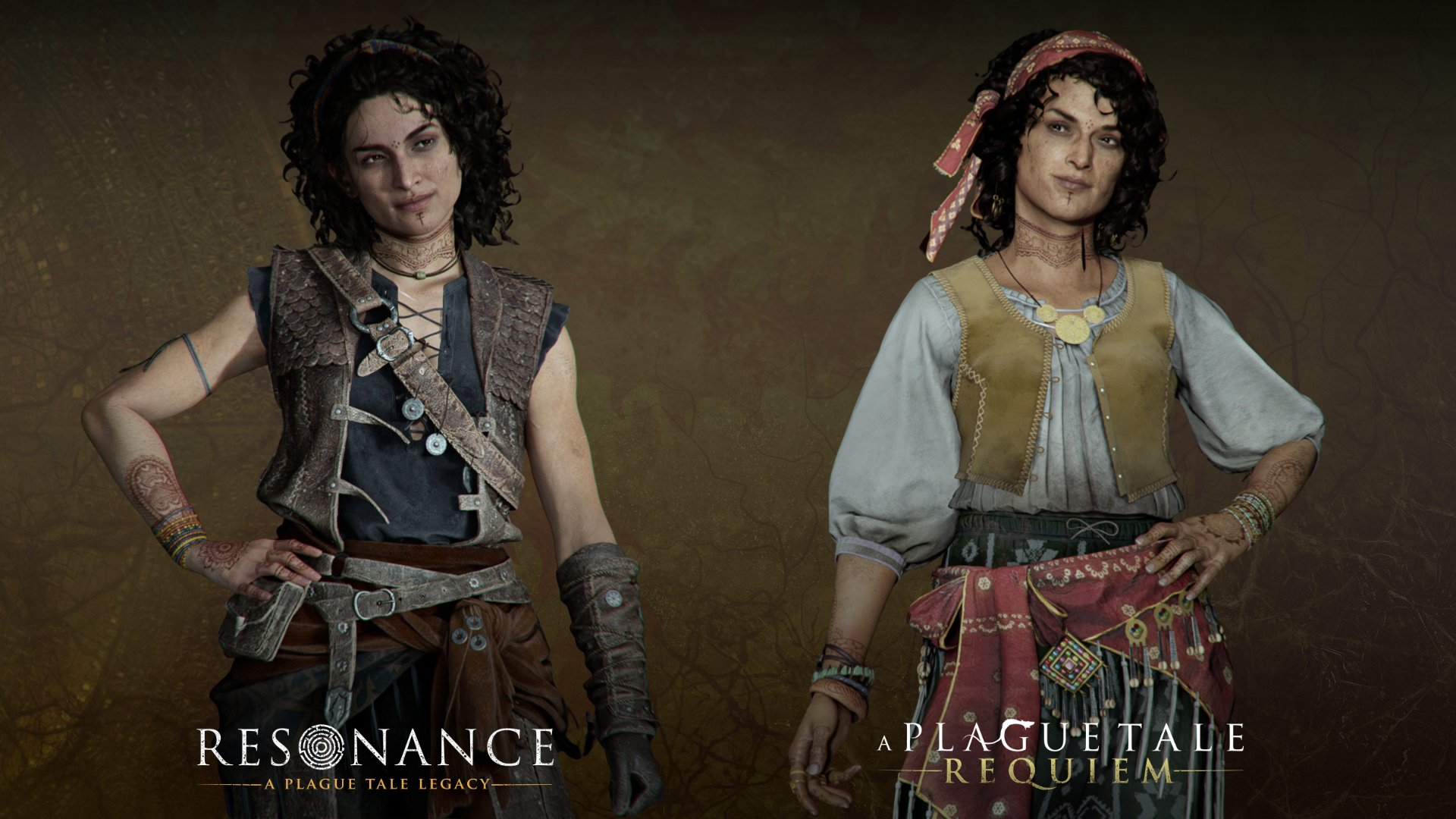
The game is set in 1334, 15 years before A Plague Tale: Requiem. You play as Sophia (voiced by Anna Demetriou), a fierce young smuggler/plunderer introduced as an ally in Requiem. She’s on the run and determined to uncover secrets of her past, tied to the Prima Macula (the ancient curse/ plague source from the series).
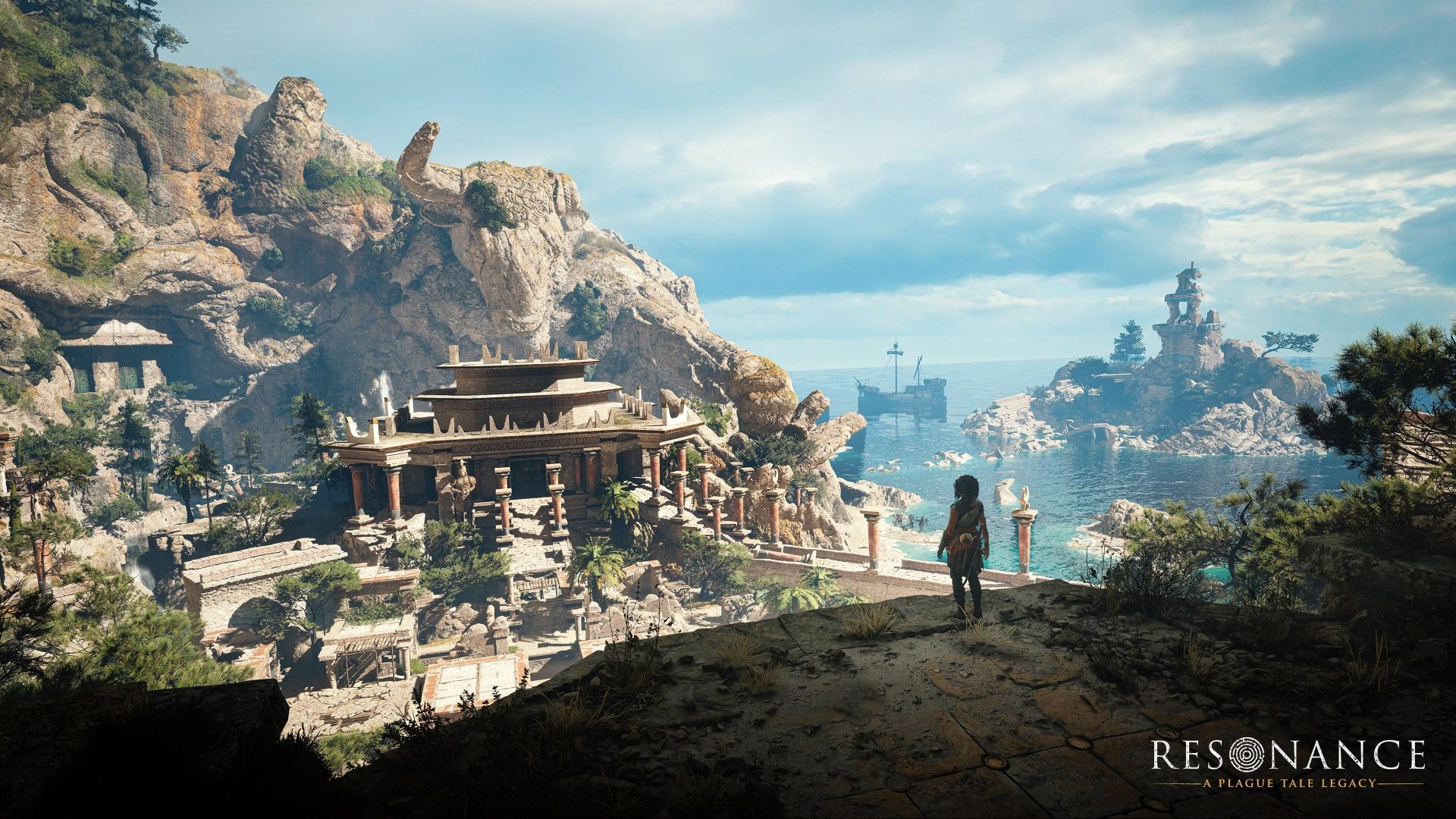
Her journey takes her to the Minotaur’s Island (Crete, linked to Minoan myths). She faces deadly trials, treacherous paths, an army chasing her, puzzles, and a terrifying creature behind the myth that “resonates” with her. The story blends combat, myth, fate, and the Macula’s legacy. No prior games are required to enjoy it, though it expands the universe.
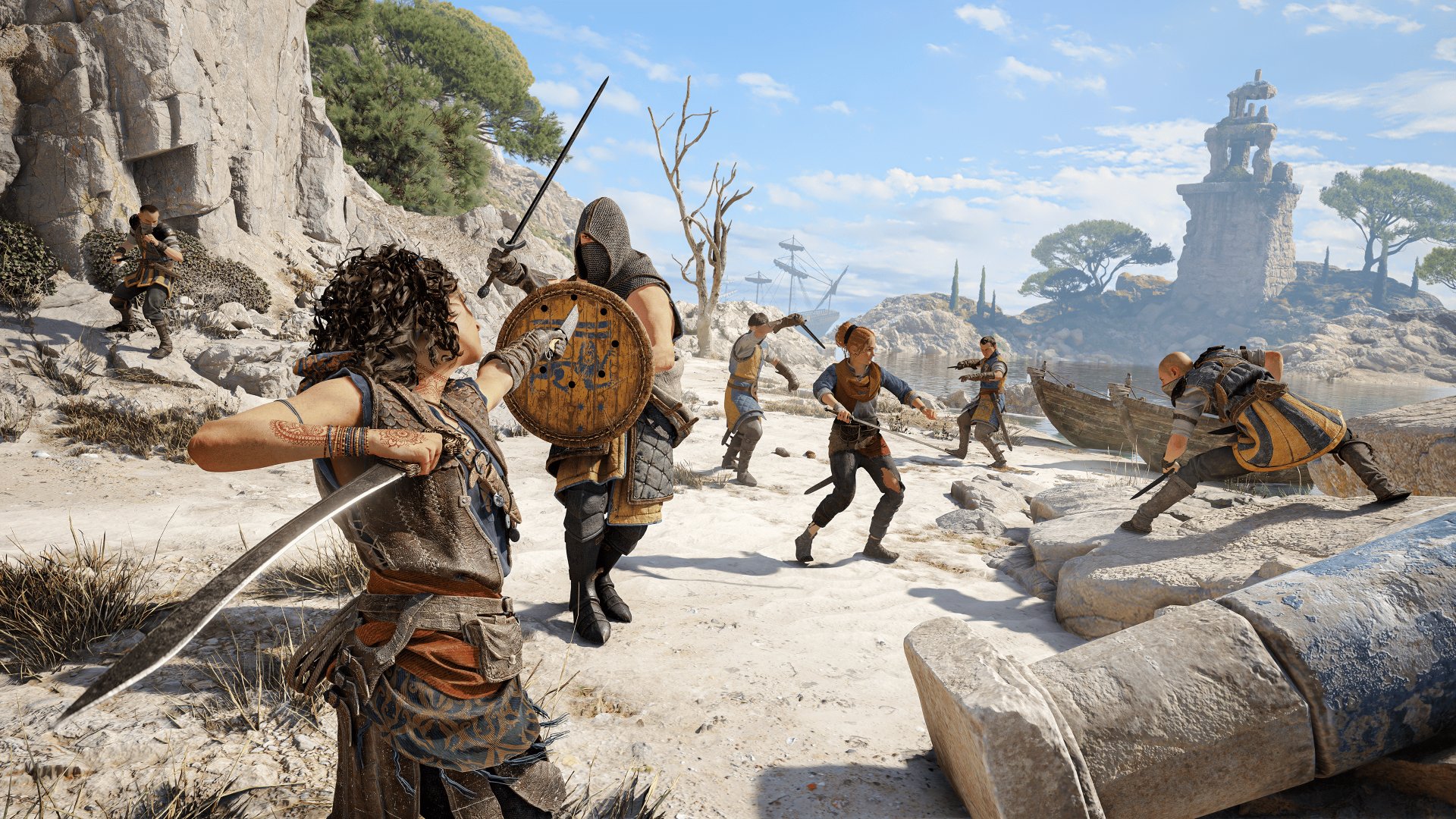
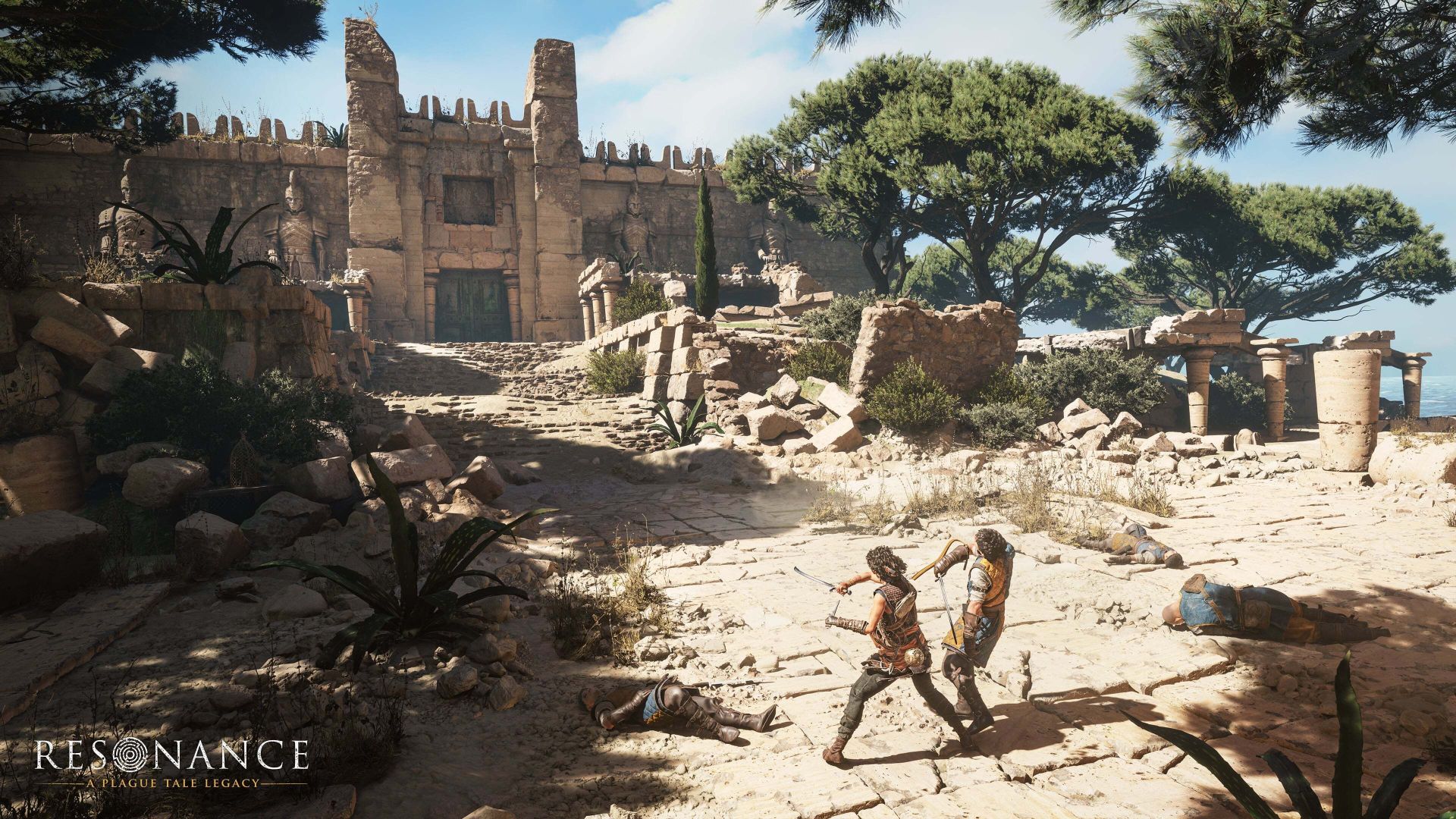
This entry marks a big departure from the first two games’ heavy stealth and rat-swarm survival focus. It retains narrative depth, dialogue, and atmosphere but shifts toward Uncharted/Indiana Jones-style adventure with Soulslike combat elements. The game also emphasizes aggressive, third-person melee combat with Soulslike influences:
Puzzles are described as increasingly complex, blending with the narrative. Dual-timeline mechanic is also a standout feature:
The game runs on Asobo’s Zouna engine, delivering beautiful visuals, detailed environments, and smooth performance. Expect a cinematic experience that will run for 10-15+ hours, similar to prior entries but with more action.
Following the post-credits tease in A Plague Tale: Requiem (2022), the team at Asobo wanted to keep the series new and preserve creative energy. Game director David Dedeine emphasized avoiding repetition with the same characters and setting. Sophia was introduced as an ally in Requiem, giving the team freedom to explore her untold backstory while tying into the broader lore.
Key Team Members
The studio has released devblogs covering character design, personality, backstory writing, and artistic choices like her younger, more rugged appearance (leather, accessories, tattoos, wild hair). Asobo explicitly stated they did not use AI during development, aligning with their philosophy on creative processes for smaller-to-medium teams.
Meccha Chameleon brings its paint-based multiplayer hide-and-seek matches to Nintendo Switch 2 with a temporary $4.79 launch price.
Spy Drops Gaiden brings Game Boy-style stealth, eight covert missions and intel extraction to Steam on October 12 for €4.99.
Truckful launches October 9 on Steam and Android, combining physics-based deliveries with vehicle upgrades and a mystery inside an ancient…
The Last Caretaker reaches version 1.0 in spring 2027 and joins Xbox Game Pass on day one after selling over…
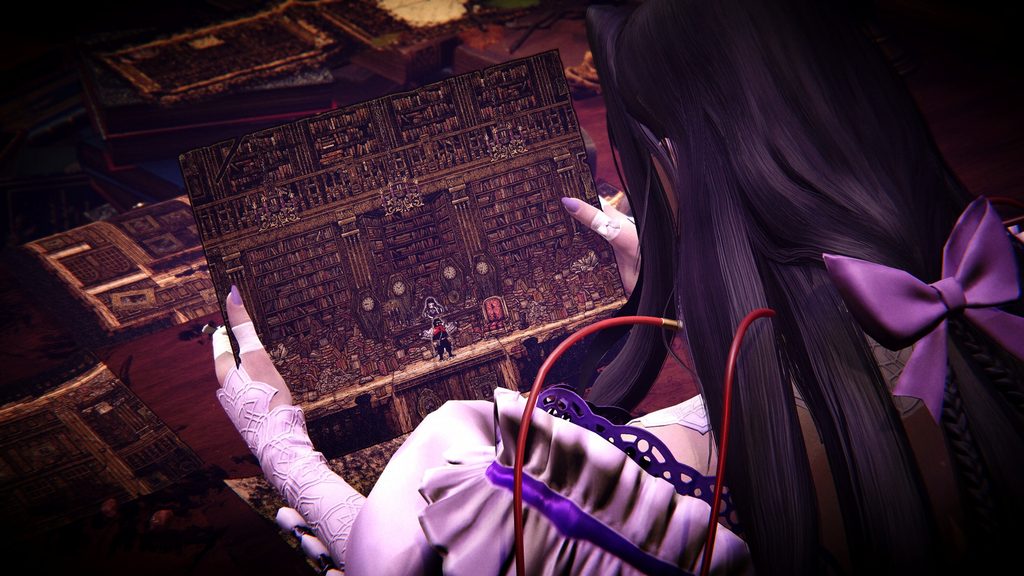
Chronoscript: The Endless End moves to early summer 2027 as DeskWorks! improves combat responsiveness, menus and visual readability.
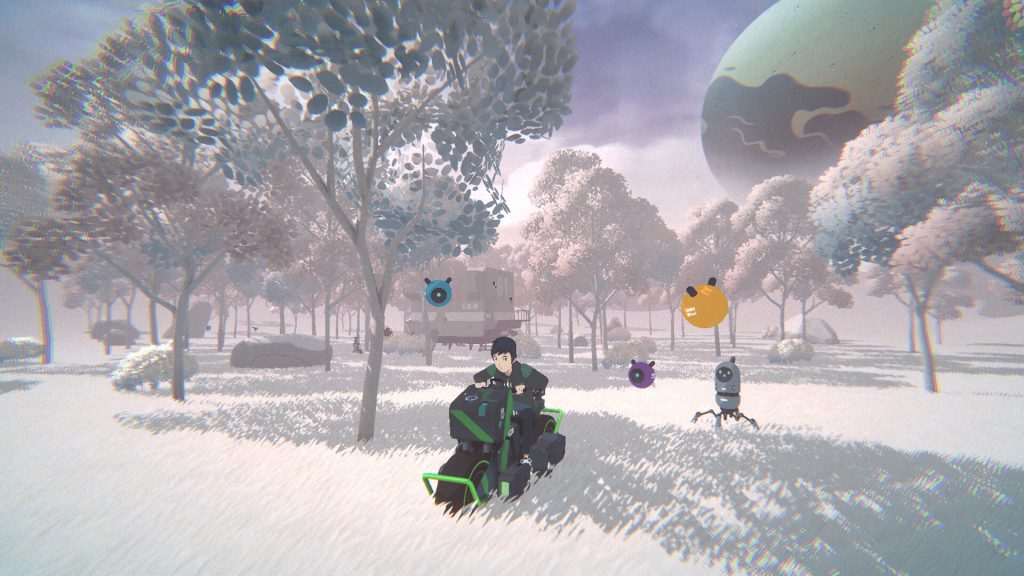
HEIMA is a parallel-world puzzle adventure from former Terra Battle developers, coming to PC in 2028 with SHIFT and HOLD…
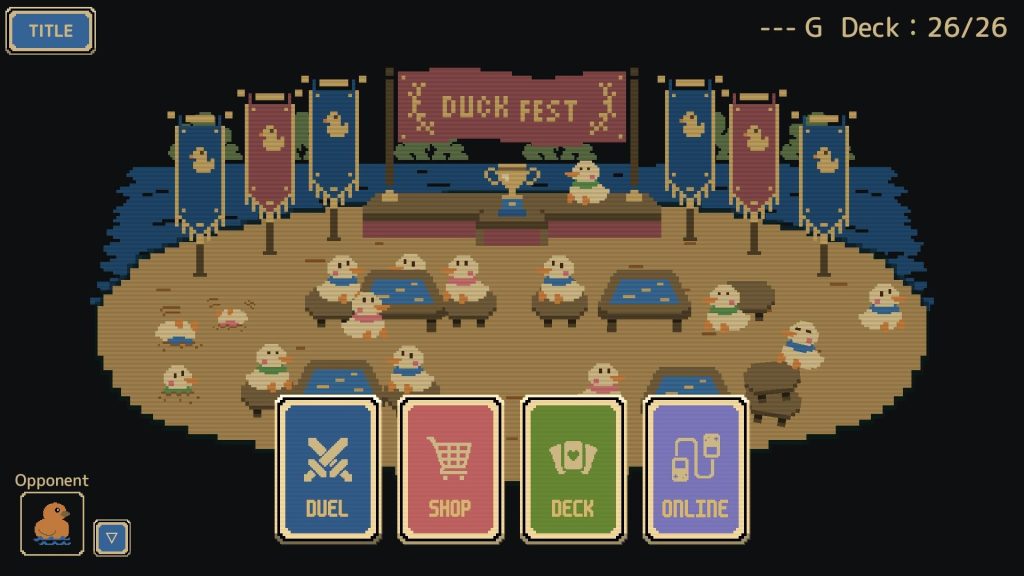
Duck Fest combines deck building and 1v1 battles with collectible cards that players can trade through the Steam Community Market.
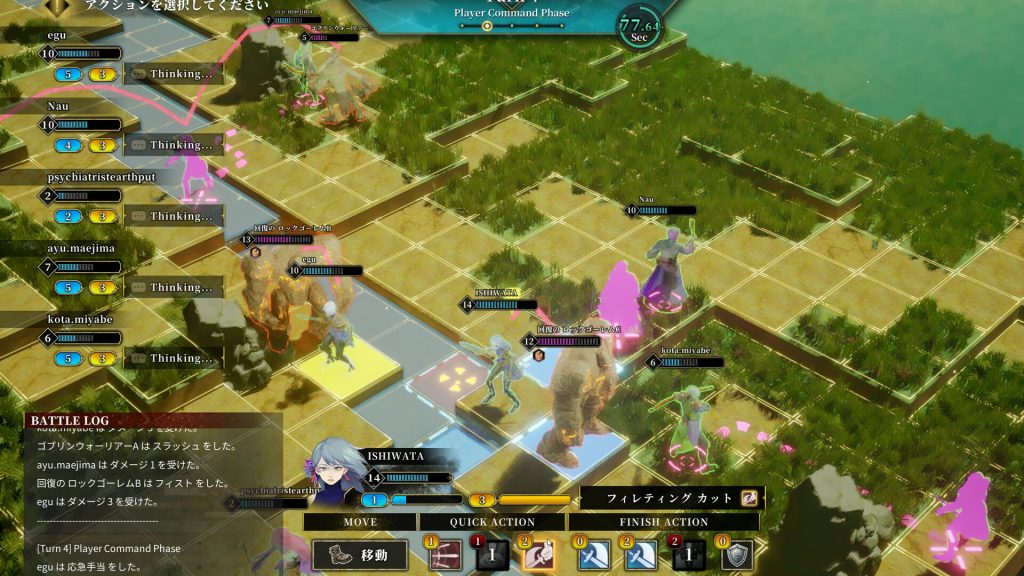
Tactful Tactics is a 1–6-player cooperative RPG where everyone plans and executes their actions simultaneously.
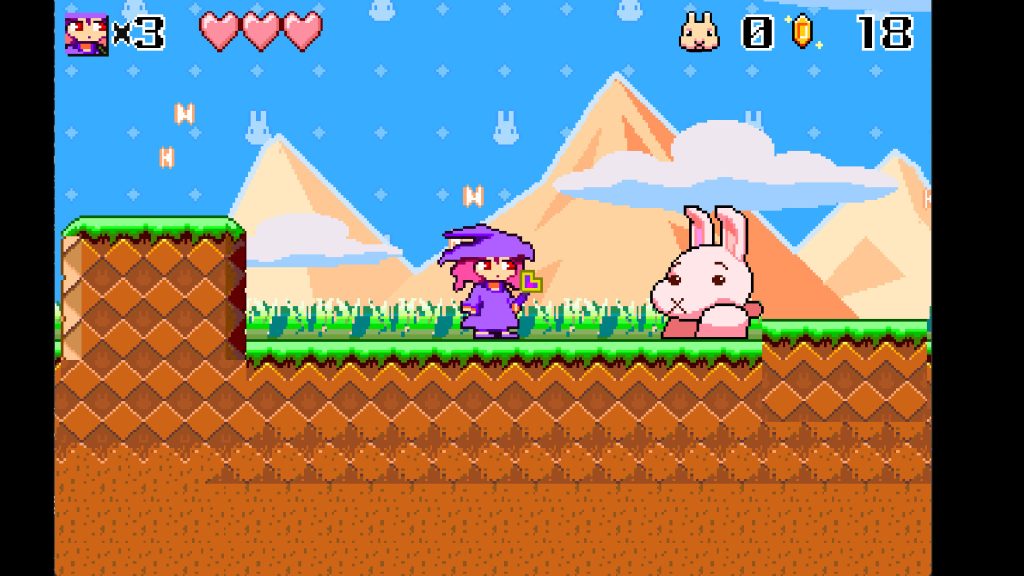
SakuSaku Witch is a retro-inspired 2D platformer about magic, bunny monsters and a suspicious toy company, coming to Steam in…
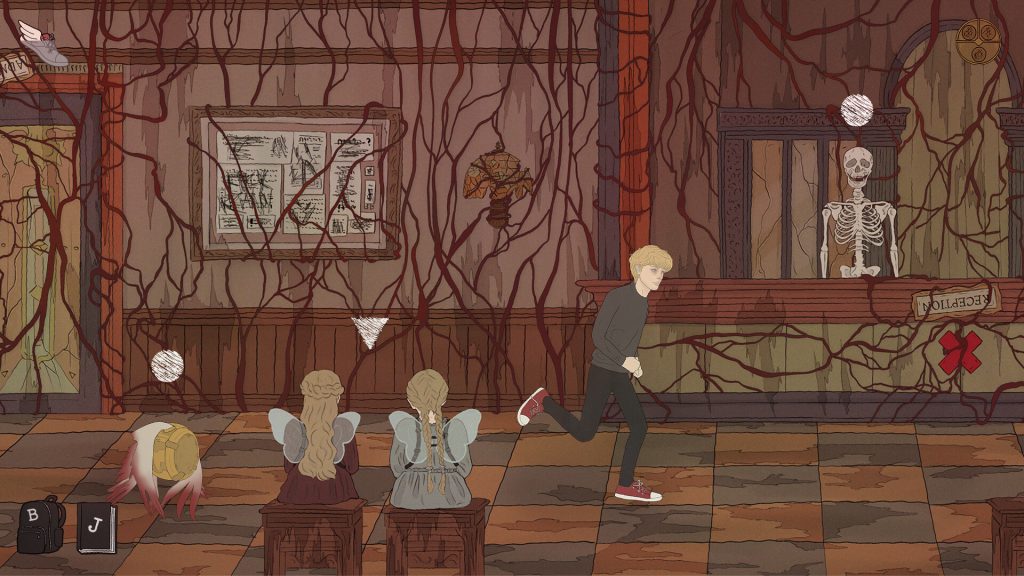
Hand-drawn psychological horror game DEPERSON earns Gamescom and BIC recognition ahead of its planned Q4 2026 Steam release.
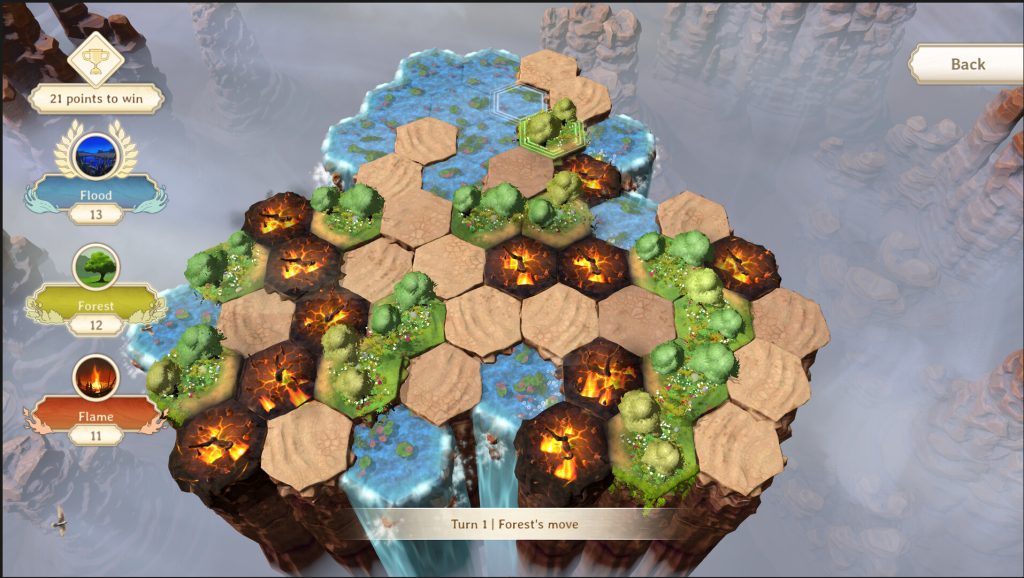
Cozy strategy game Flame, Forest & Flood will challenge GTA VI by deliberately launching on November 19, 2026.
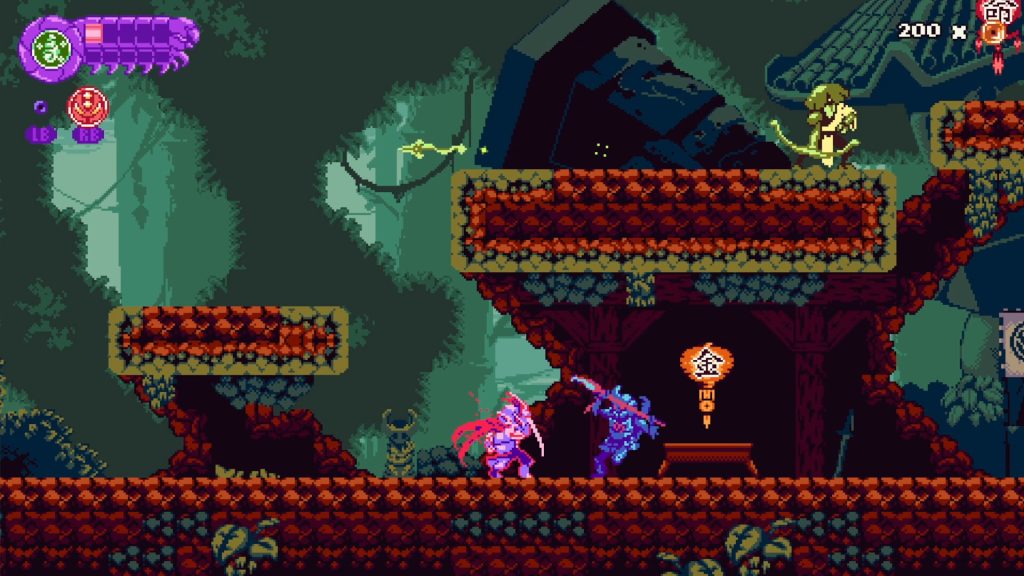
Akupara launches Kallisti Games, a service-first indie label for retro and experimental PC titles, with AOKAKI as its first project.
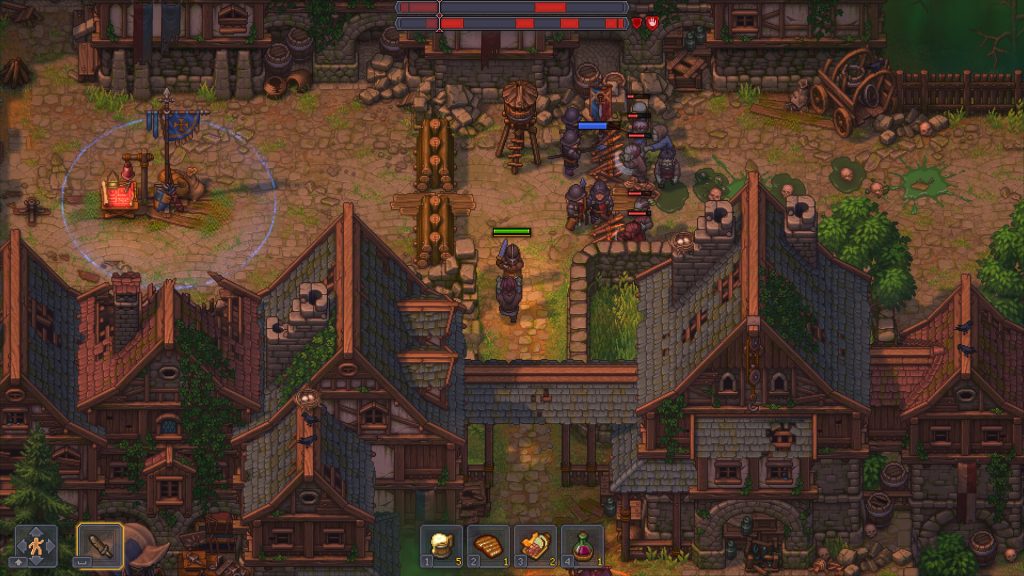
Graveyard Keeper 2 has earned $1.53 million from Steam pre-orders, with 87,500 copies sold and more than 814,000 active wishlists.
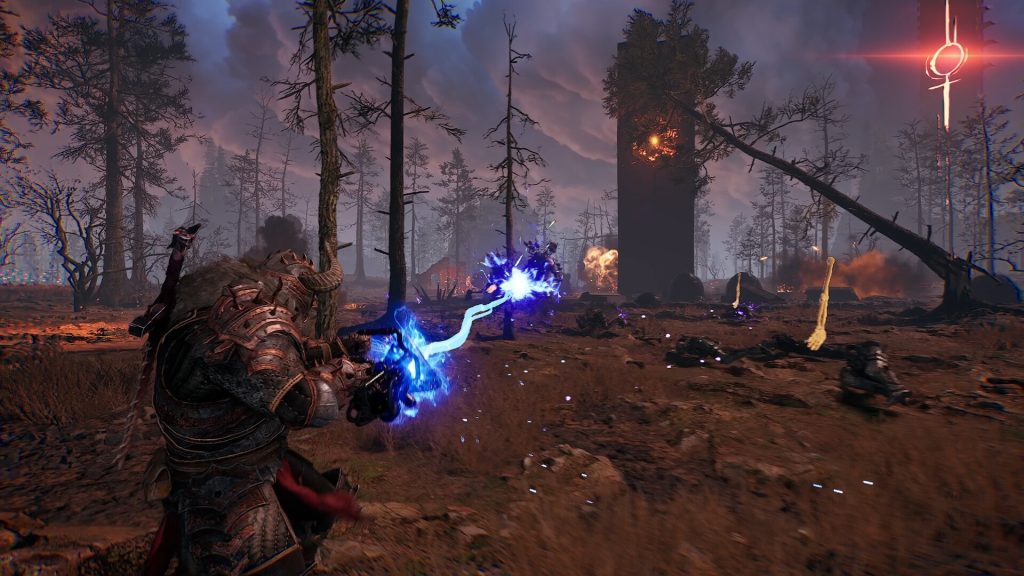
Guardians of the Wall shows chaotic co-op combat, roguelite progression and evolving world events ahead of its planned Q1 2027…
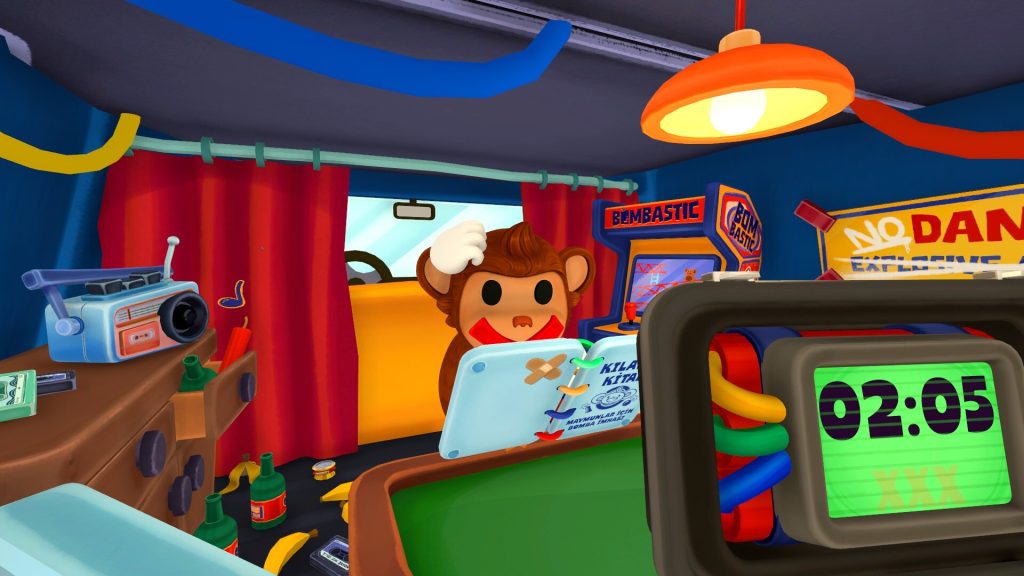
BOMBANANA! reaches 500,000 monkeys five days after launching its chaotic three-player bomb-defusal game on Steam.

Don’t Nod is considering another restructuring, raising concerns that further job cuts could follow as the Life is Strange studio…
One brutal week in August saw 720 games launch on Steam, showing just how difficult it is for indie developers…
PlayStation fans are no longer impressed by quantity alone, with many waiting for major first-party announcements to make State of…

Embracer Games Archive celebrates five years after cataloguing over 90,000 games, consoles, accessories and hardware for preservation.
Xbox Cloud Gaming is about to become a lot less unlimited, as Microsoft has announced monthly streaming caps for Game…
