![[GAMESCOM 2026] Delphinium Preview – Cozy Routine Mixed With Enjoyable Minigames](https://www.indie-games.eu/wp-content/uploads/2026/03/Delphinium--1024x665.jpg)
[GAMESCOM 2026] Delphinium Preview – Cozy Routine Mixed With Enjoyable Minigames
Delphinium mixes cozy farming, exploration and relationships with enjoyable fishing, cooking and forging minigames in its Gamescom 2026 demo.

If you enjoy independent indie game coverage, consider supporting Indie-Games.eu on Patreon. It helps keep the site independent.
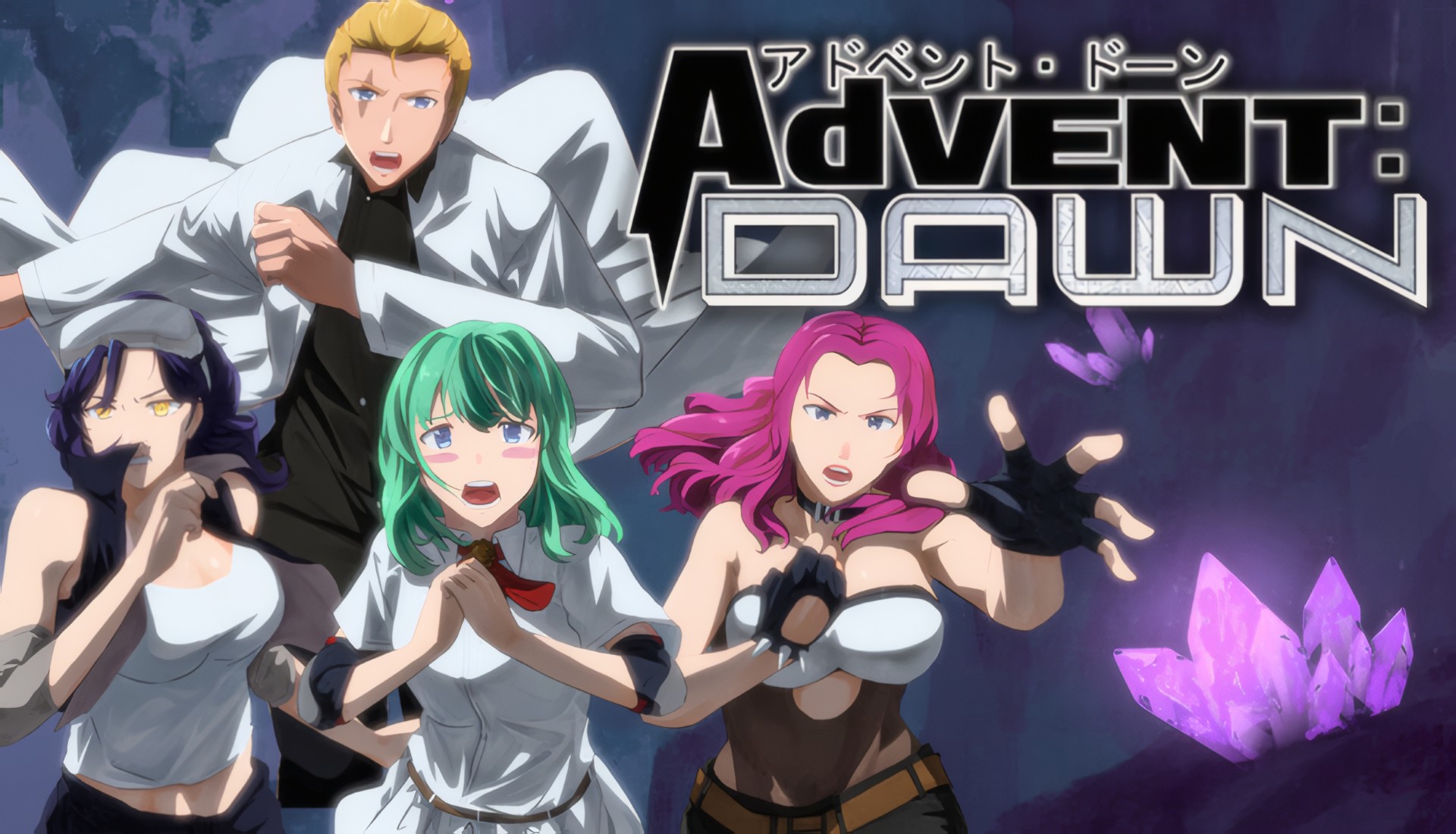
I am not usually the kind of person who gets excited about visual novels. They demand plenty of reading and listening, often run for dozens of hours and normally provide very little interaction. Many of them also struggle to justify their length. Still, I occasionally come across one that makes me curious, and Advent: Dawn immediately caught my attention with its attractive characters and promising science-fiction mystery.
What I found was an intriguing story supported by a likable cast and one of the most convenient flowchart systems I have seen in the genre. However, it is also held back by limited interaction, uneven routes, underdeveloped relationships and partial voice acting that sometimes damages the immersion more than it improves it.
Before getting into the story, I need to mention something that immediately made Advent: Dawn easier for me to enjoy: it respects the player’s time. You can accelerate the dialogue, automatically advance conversations and skip scenes you have already read. Therefore, if you prefer listening and watching instead of constantly clicking, you can activate auto-play and simply relax.
These might sound like basic features, but they are incredibly important in a game designed around completing several routes. The full experience takes approximately 10 to 15 hours, depending on your reading speed and how much optional content you pursue. Fortunately, you rarely need to repeat large sections simply to test another decision.
Advent: Dawn takes place in 2066 and follows Dr. Atlas Everly, a neuroscientist hired by the APERTA Corporation to investigate a strange crystal hidden inside volcanic caves beneath an isolated island in the South Pacific. However, Atlas is given surprisingly little information about the assignment or why his expertise is required.
Shortly after the expedition enters the cave, an earthquake causes the entrance to collapse. As a result, Atlas and six other people become trapped more than 300 metres underground. What initially appears to be a natural disaster quickly becomes suspicious. Someone dies, cryptic messages begin appearing and an unknown presence seemingly gains access to the expedition’s computer systems. At the same time, Atlas starts hearing voices and seeing things that nobody else appears to notice. Both the group and the player begin questioning whether the danger is physical, psychological, supernatural or deliberately manufactured.
The premise maintains its suspense surprisingly well. Advent: Dawn is not simply a death game about identifying a killer. Instead, its larger mystery involves the crystal, Atlas’s perception, the real purpose of the expedition and the history of its fictional world. The game regularly gives you enough information to form a theory before introducing another detail that forces you to reconsider it.
Atlas is also a good protagonist. He is intelligent and scientifically minded, but his visions, insecurities and missing information make him an unreliable perspective. I particularly enjoyed his occasional internal monologues because they give him more human qualities while also providing a welcome break from the central mystery.
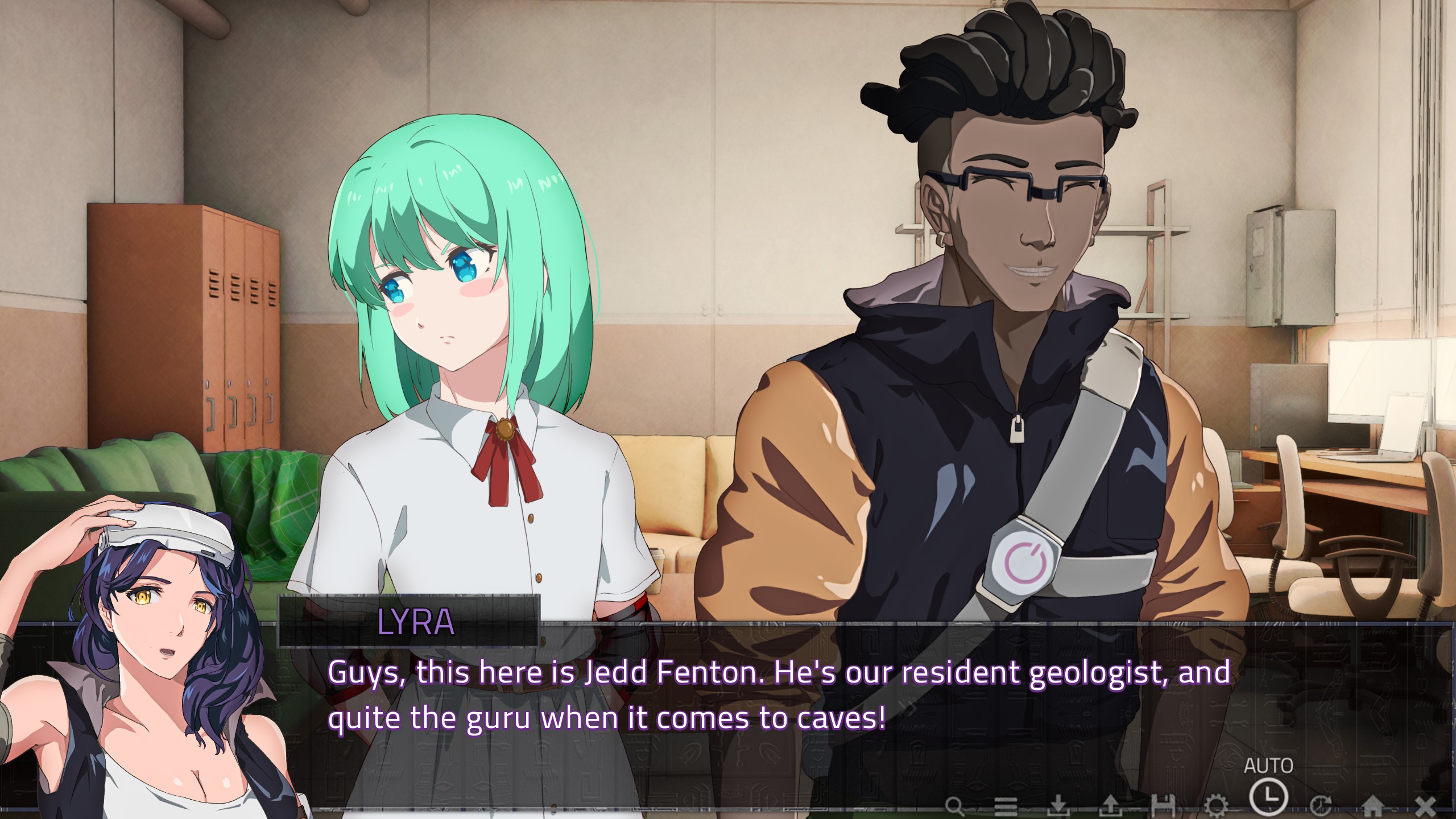
Atlas is accompanied by six characters, and practically everyone is hiding something. Amelia is supposedly his assistant, even though Atlas does not remember hiring her. Fabian is the wealthy man responsible for organizing the expedition, while Lyra is its dependable IT specialist and the closest thing the game has to a traditional romantic interest.
Meanwhile, Jedd is a practical geologist, Kimika is his energetic intern, and Izak is a mysterious military-looking man who claims to have amnesia. Kimika initially appears to be a typical anime mascot character, but she gradually develops into someone much more thoughtful and interesting.
Advent: Dawn presents its mystery across five initial routes. Each path takes Atlas through a different section of the cave, brings him closer to another companion and reveals a new fragment of the truth. Therefore, no single route provides enough information to understand the complete story.
The opening includes choices that award relationship points, which determine which routes become available. Some decisions are timed, while certain paths remain locked until you complete other endings. Once you finish the necessary routes, the True Route becomes available and attempts to connect the separate mysteries.
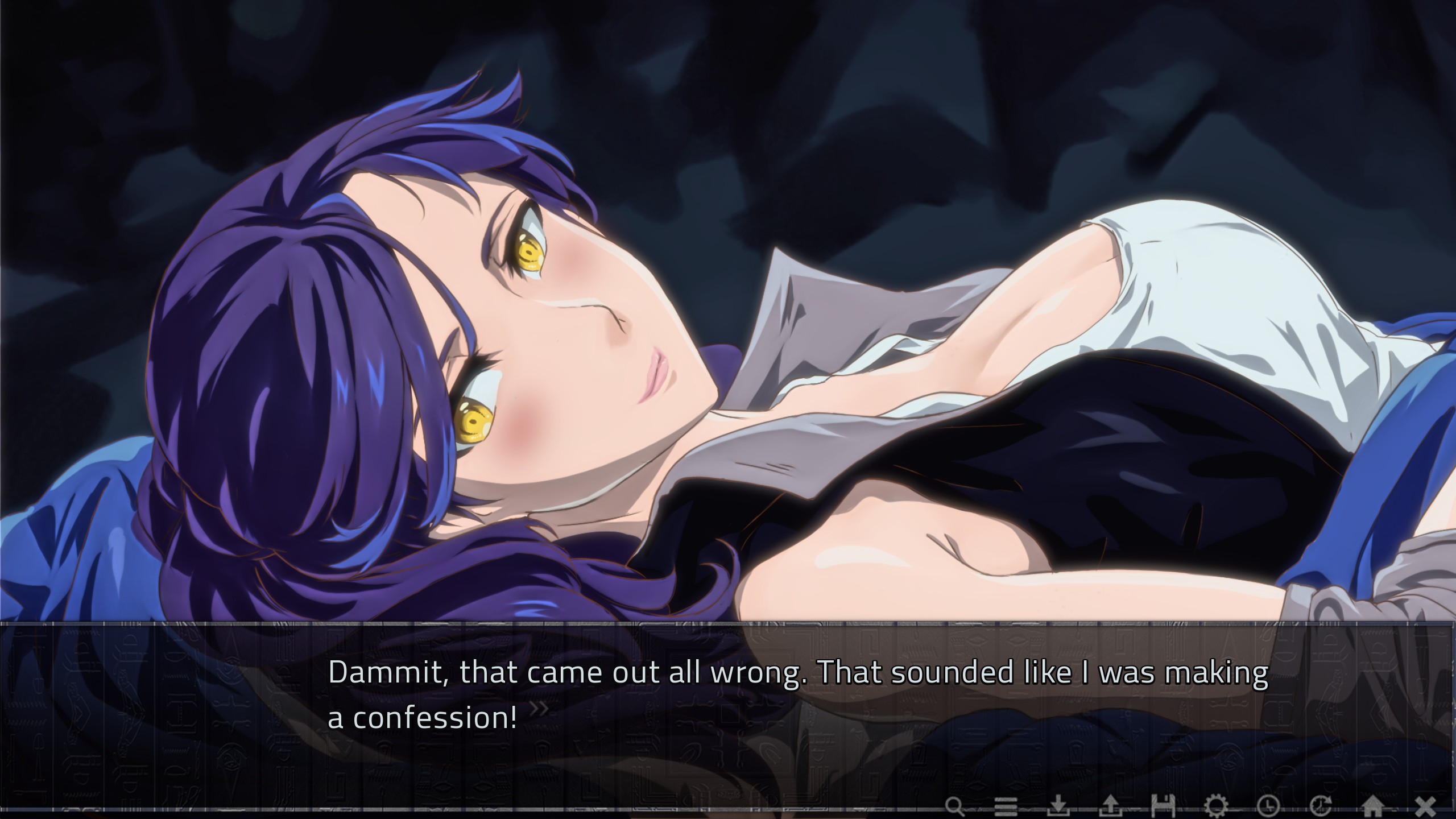
Unfortunately, the quality of these endings varies considerably. Some answer important questions and give earlier events new meaning. Others end so abruptly that I was left wondering what I had actually accomplished. One moment, Atlas might be sharing an intimate conversation with Lyra, only for something unexpected to happen and the ending screen to appear shortly afterwards.
The True Route explains most of the central mystery, although whether those answers feel satisfying will depend on you. Sometimes, it feels like the story carefully planted clues that finally come together. In other moments, however, it appears to explain ideas that the earlier routes did not properly prepare you to anticipate.
The flowchart is easily Advent: Dawn’s most distinctive mechanic. It is presented as an electronic map of the cave, showing Atlas’s physical journey, major decisions, completed scenes and unexplored branches. If you reach a dead end or miss a requirement, you can jump directly to an earlier decision. Therefore, you do not need to restart the entire game or repeatedly skip through the same conversations. Instead, you can move around the timeline and gradually assemble the complete mystery at your own pace.
The game also contains several death outcomes, but they are extremely forgiving. If Atlas dies, you simply return to the latest important decision. I understand why these endings exist, but they often feel pointless because there is no real consequence. You die, rewind and continue as though nothing happened.
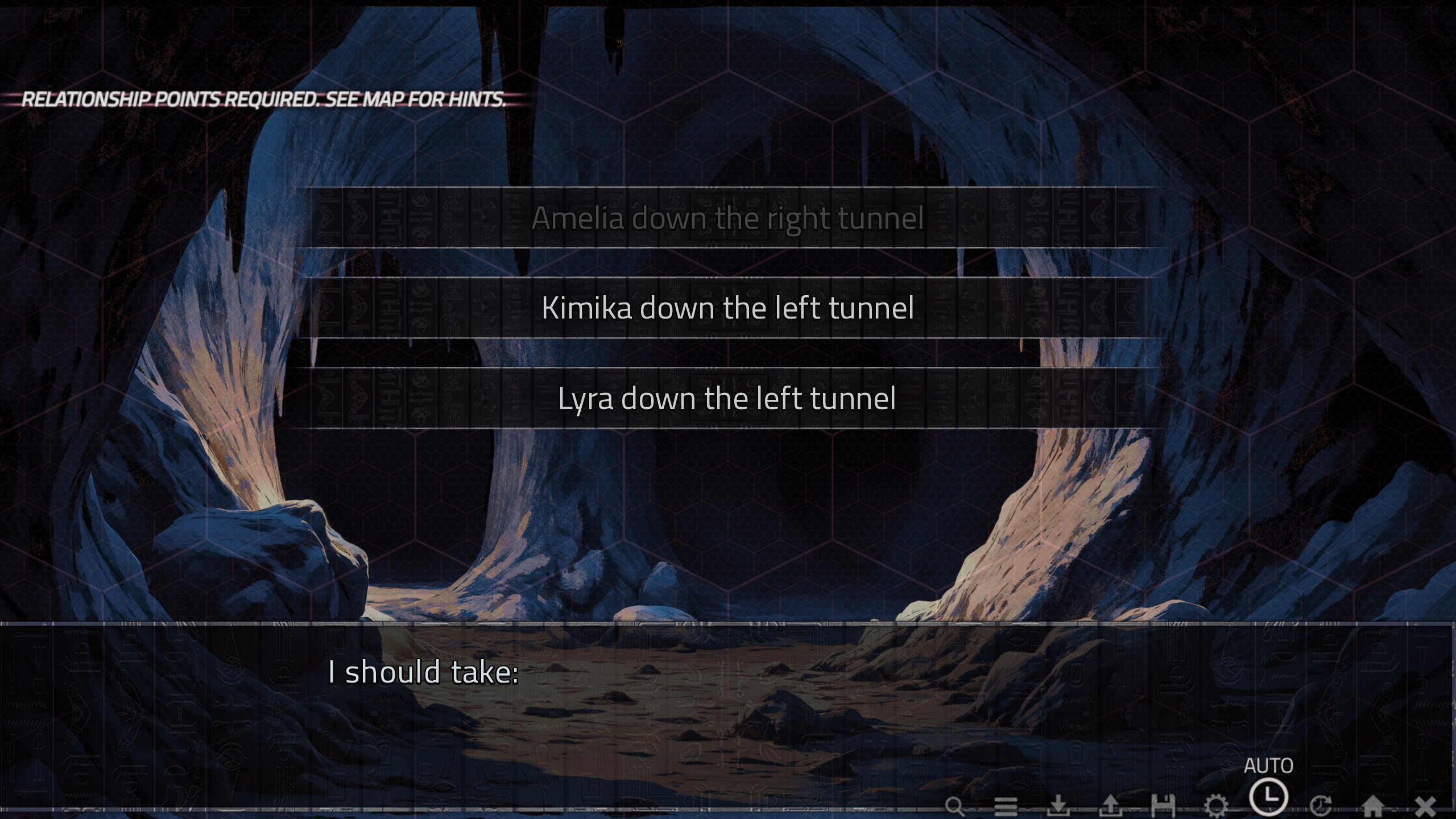
Advent: Dawn includes riddles, timed choices, environmental investigations and moments where you must select information gathered from earlier conversations. Investigations usually involve clicking objects until you find every clue, with the interface clearly telling you how many remain.
The puzzles are not particularly difficult, although some are poorly explained. Fortunately, the game provides hints, and the other characters can eventually solve certain problems for you. This prevents anyone from becoming completely stuck, but it also means that solving them rarely feels especially rewarding.
I wish the game offered more meaningful choices and investigative freedom. There is a lot of reading and listening, which is expected from a visual novel, but the interaction becomes too sparse between major decisions. More opportunities to examine evidence, challenge another character’s story or directly influence relationships would have made the mystery considerably stronger.

Advent: Dawn uses an anime-inspired 2D style with attractive character designs and a useful range of expressions. Some movements and poses look rough, but the cave backgrounds are more consistent. Each area uses different colours, geological formations and atmospheric details, which prevents the environments from feeling completely recycled.
My bigger disappointment is the partial voice acting. Important scenes combine human performances with speech synthesis, while ordinary conversations use optional voice blips. The voiced moments can improve the atmosphere, but they appear so infrequently that their disappearance becomes distracting.
You might become invested in a fully voiced conversation, only for the following scene to become completely silent. I understand that a smaller visual novel cannot necessarily afford full voice acting, but the inconsistent implementation repeatedly breaks the immersion.
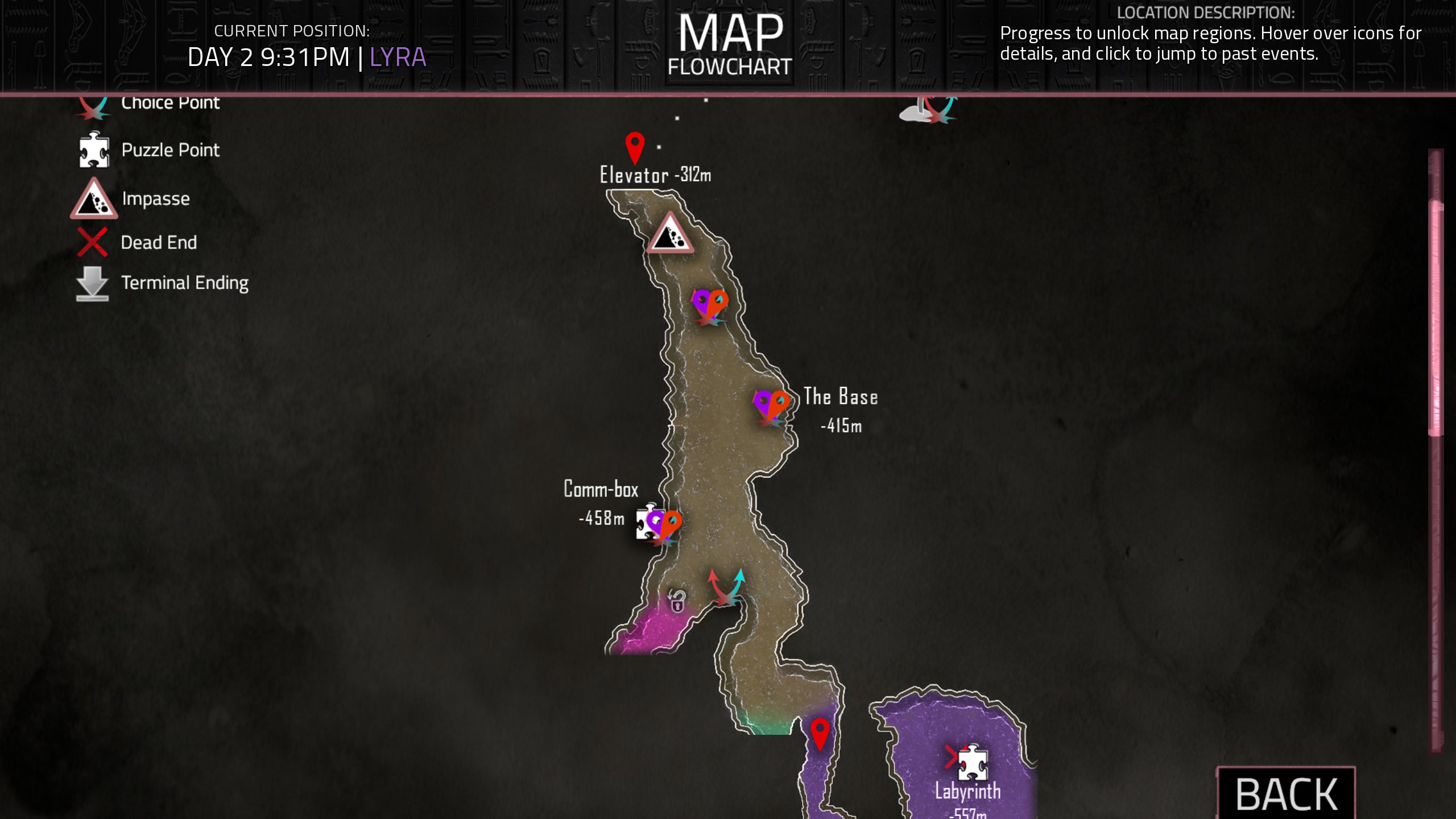
Advent: Dawn understands the appeal of route-based science-fiction mysteries. Each path adds another piece to the puzzle, while the excellent flowchart removes much of the usual frustration associated with replaying a visual novel. Its characters are entertaining, its central premise remains intriguing and the True Route provides many of the answers you spend the game searching for.
Unfortunately, not every piece fits together smoothly. Several routes feel disconnected, relationships remain underdeveloped and the puzzles are too simple for anyone seeking a more interactive mystery. Despite these problems, I still recommend Advent: Dawn to visual novel fans who enjoy science fiction, psychological mysteries and stories that require multiple routes to fully understand.
As someone who does not normally play many visual novels, I was not completely blown away, but the game kept me curious enough to continue chasing the truth. Sometimes, that is exactly what a mystery needs to accomplish.
Advent: Dawn is an intriguing science-fiction visual novel elevated by a likable cast, an unreliable protagonist and one of the most convenient flowchart systems in the genre. Its central mystery remains compelling enough to encourage players through every route, while its time-saving features make repeated playthroughs far less frustrating. However, limited interaction, simplistic investigations, uneven routes and inconsistent voice acting prevent it from becoming an exceptional mystery.
Ending Thoughts
Review copy provided by the publisher
Delphinium mixes cozy farming, exploration and relationships with enjoyable fishing, cooking and forging minigames in its Gamescom 2026 demo.
Lady Death: Demonicron looks the part, but underneath its excellent comic-book exterior is a clunky and painfully short brawler.
![[GAMESCOM 2026] Tomb Raider: Legacy of Atlantis Preview – Expands the Original Without Losing Its Identity](https://www.indie-games.eu/wp-content/uploads/2026/09/tomb-raider-legacy-of-atlantis-06-02-26-1-1024x576.jpg)
Tomb Raider: Legacy of Atlantis brings Lara back to her roots, but its Gamescom 2026 showing proved this is far…
![[GAMESCOM 2026] Clive Barker’s Hellraiser: Revival Preview – Ready to Open the Box](https://www.indie-games.eu/wp-content/uploads/2026/09/Clive-Barkers-Hellraiser-Revival-08-30-26-1-1024x576.jpg)
Hellraiser: Revival preserves the franchise’s sex, gore and psychological horror while delivering approachable survival-horror gameplay.

Swan Song creates a peaceful and forgiving puzzle space without removing the challenge that makes solving a difficult puzzle rewarding.
Mortal Shell II starts brilliantly but grows repetitive and exhausting, while remaining a rewarding and ambitious Soulslike sequel.
![[GAMESCOM 2026] Terranigma Preview – A Lost SNES Classic Returns in 2027](https://www.indie-games.eu/wp-content/uploads/2026/08/Terranigma-1-1024x576.jpg)
After more than three decades of limited availability, Terranigma is returning in 2027. We played its enhanced re-release at Gamescom…
Reading another person’s mind is often presented as a desirable superpower, but Sister Other Paranoia immediately understands why it could…
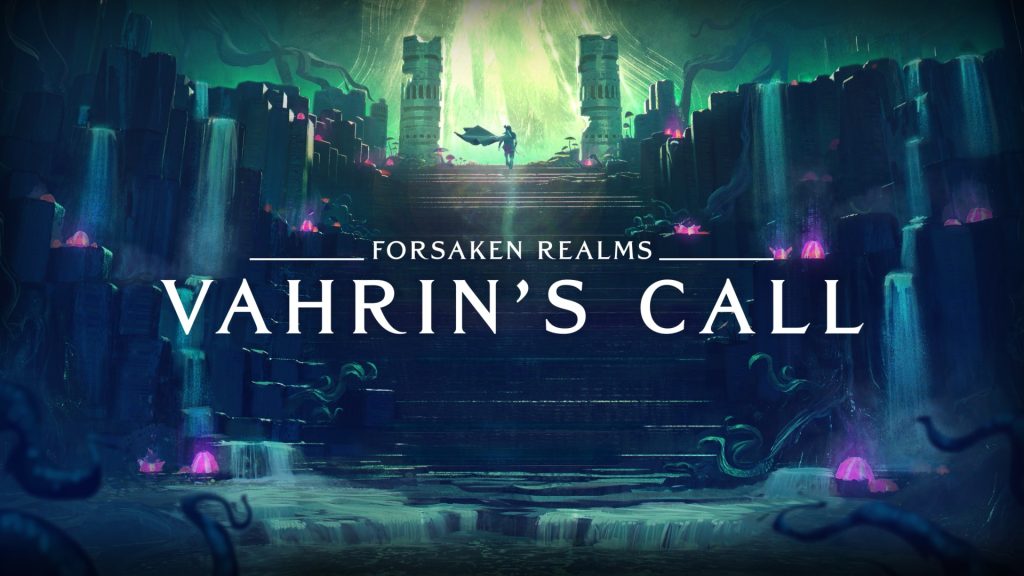
Forsaken Realms: Vahrin’s Call is exactly the kind of ambitious, slightly clumsy fantasy RPG that used to be far more…
![[Early Access] 2nd EVE – Sci-Fi Action RPG That Lacks a Sense of Stakes](https://www.indie-games.eu/wp-content/uploads/2026/08/2ND-EVE-1024x576.jpg)
2nd Eve is a space-set action RPG in which we strive to save humanity.
![[PREVIEW] Dreamcards – Strategic Exploration of Consciousness](https://www.indie-games.eu/wp-content/uploads/2026/08/Dreamcards_20260810_233631_0000-1024x576.jpg)
Dreamcards is a roguelike deckbuilder centered around dreams and nightmares.
![[Early Access] OFFBEAT – Incredibly Fun Way to Start a Music Career](https://www.indie-games.eu/wp-content/uploads/2026/08/Offbeat_20260808_201446_0000-1024x576.jpg)
In OFFBEAT, we play the role of a jobbing composer who is launching their music career.
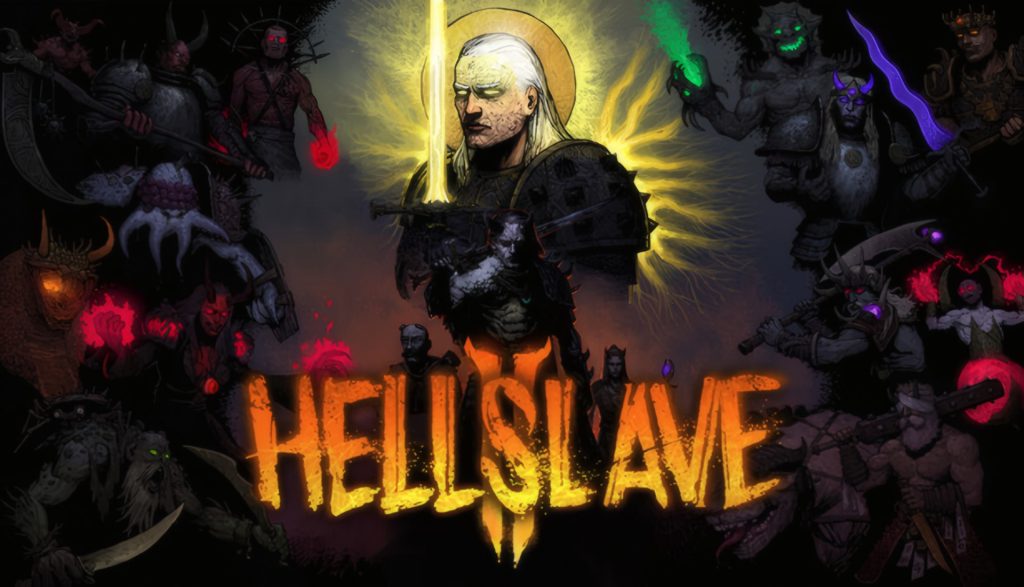
HellSlave II retains the original’s oppressive atmosphere, morally grey world and striking art while adding a larger world, randomized loot…
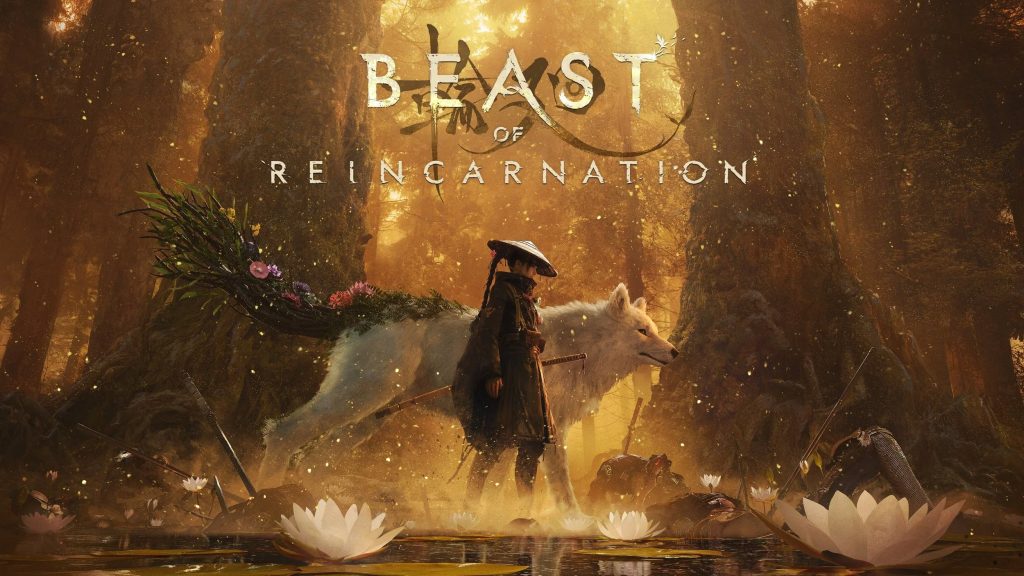
Beast of Reincarnation is an ambitious but uneven action RPG elevated by satisfying parry combat, beautiful art direction and the…

K-pop Idol Stories: Road to Debut captures the pressure of building idol group, but its management systems never explore that…
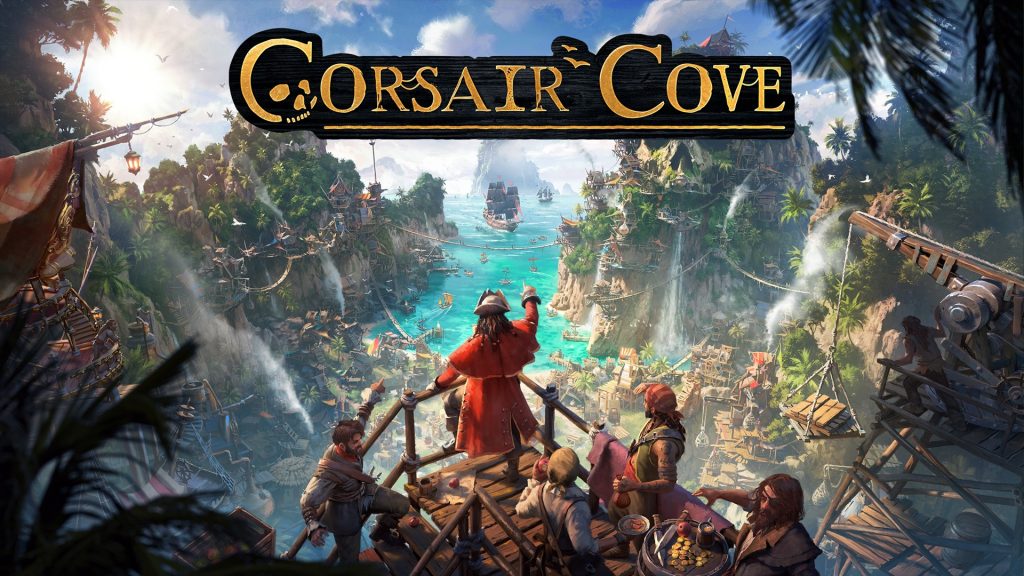
Hooded Horse keeps finding strategy games that know their audience, and Corsair Cove extends its impressive run of excellent city-builders.
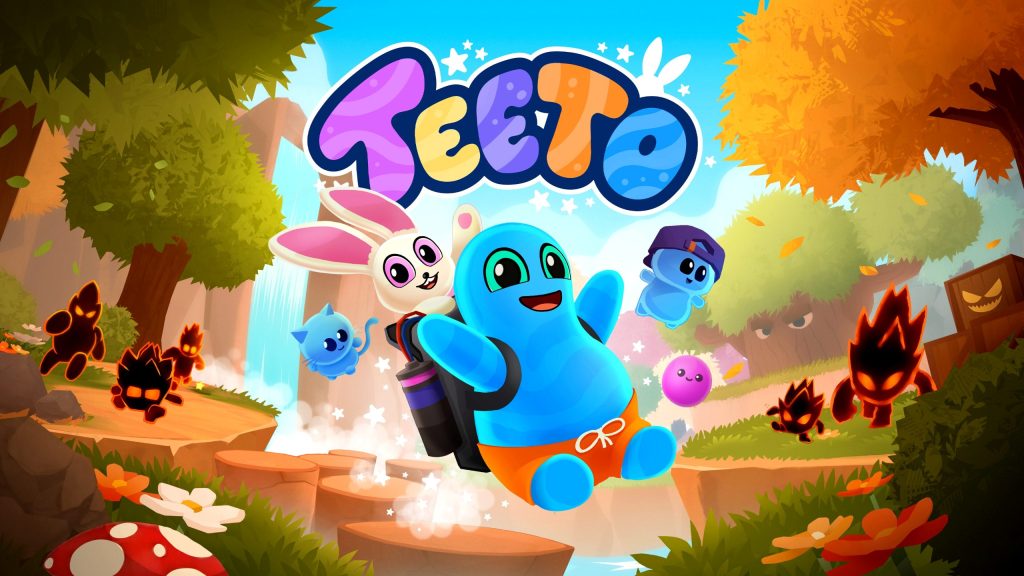
Teeto is a warm, cozy, creative and highly enjoyable 3D platformer that understands why classic collectathons remain so appealing.
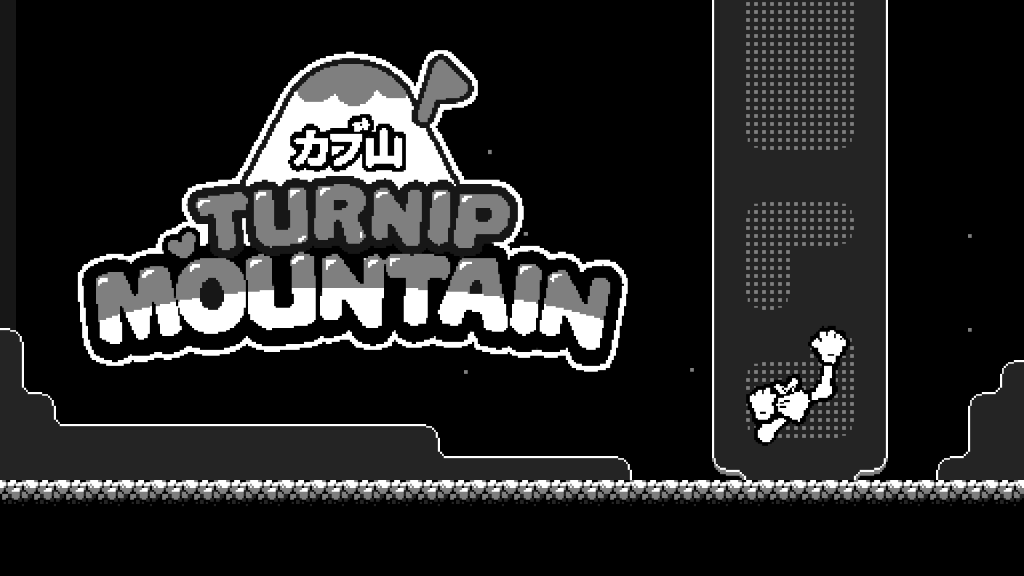
Turnip Mountain stands out for its combination of a unique control system and a minimalist approach.
Dystopicon is an imaginative and memorable narrative experiment with sharp social commentary, engaging world-building and several wonderfully absurd scenarios.
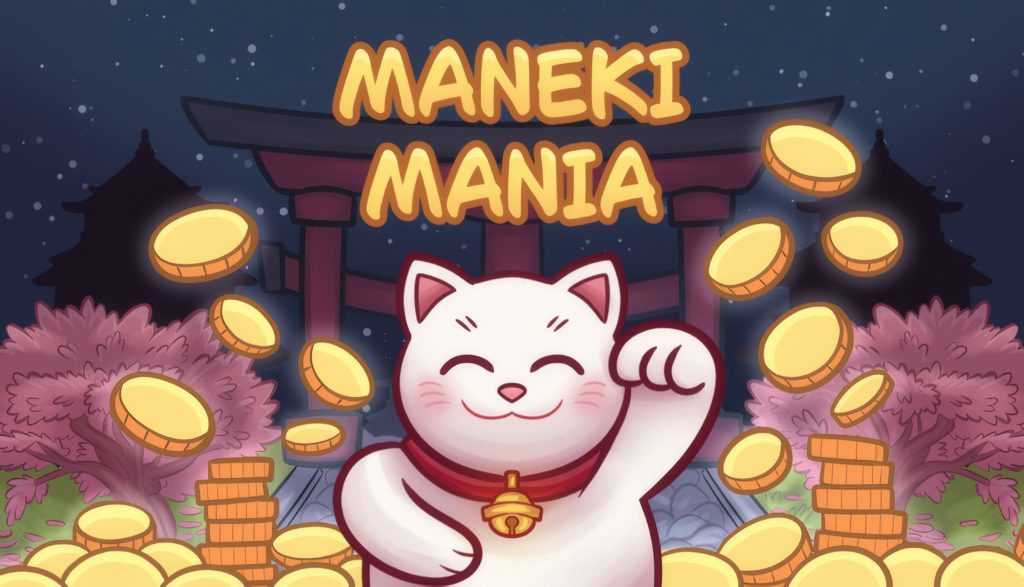
Maneki Mania is an incremental game centered around petting a lucky cat.
