![[GAMESCOM 2026] Tomb Raider: Legacy of Atlantis Preview – Expands the Original Without Losing Its Identity](https://www.indie-games.eu/wp-content/uploads/2026/09/tomb-raider-legacy-of-atlantis-06-02-26-1-1024x576.jpg)
[GAMESCOM 2026] Tomb Raider: Legacy of Atlantis Preview – Expands the Original Without Losing Its Identity
Tomb Raider: Legacy of Atlantis brings Lara back to her roots, but its Gamescom 2026 showing proved this is far…

![[EARLY ACCESS] Hell Maiden – Beautiful but Uneven Journey Through Hell](https://www.indie-games.eu/wp-content/uploads/2025/06/HMD_screenshot_019.jpg)
If you enjoy independent indie game coverage, consider supporting Indie-Games.eu on Patreon. It helps keep the site independent.
Early Access games are always a bit of a gamble. Sometimes you get something that already feels complete, and sometimes you get a promising idea that clearly needs another year in development. Hell Maiden falls somewhere in the middle.
There is already plenty to like here. It is gorgeous, full of personality and surprisingly committed to its story. It is also affordable. However, this is still a very early Early Access release, with only two of the planned nine Circles of Hell currently available. Unless you already enjoy bullet-heaven and horde-survival roguelites, I would probably wait for a few more updates.
Hell Maiden is not a direct adaptation of Dante Alighieri’s Divine Comedy. Instead, it presents itself as a continuation. This version of Dante has already reached Paradiso, but she suddenly wakes up in Hell without her memories. With no idea why she was sent back, she begins another journey toward Heaven in search of answers.
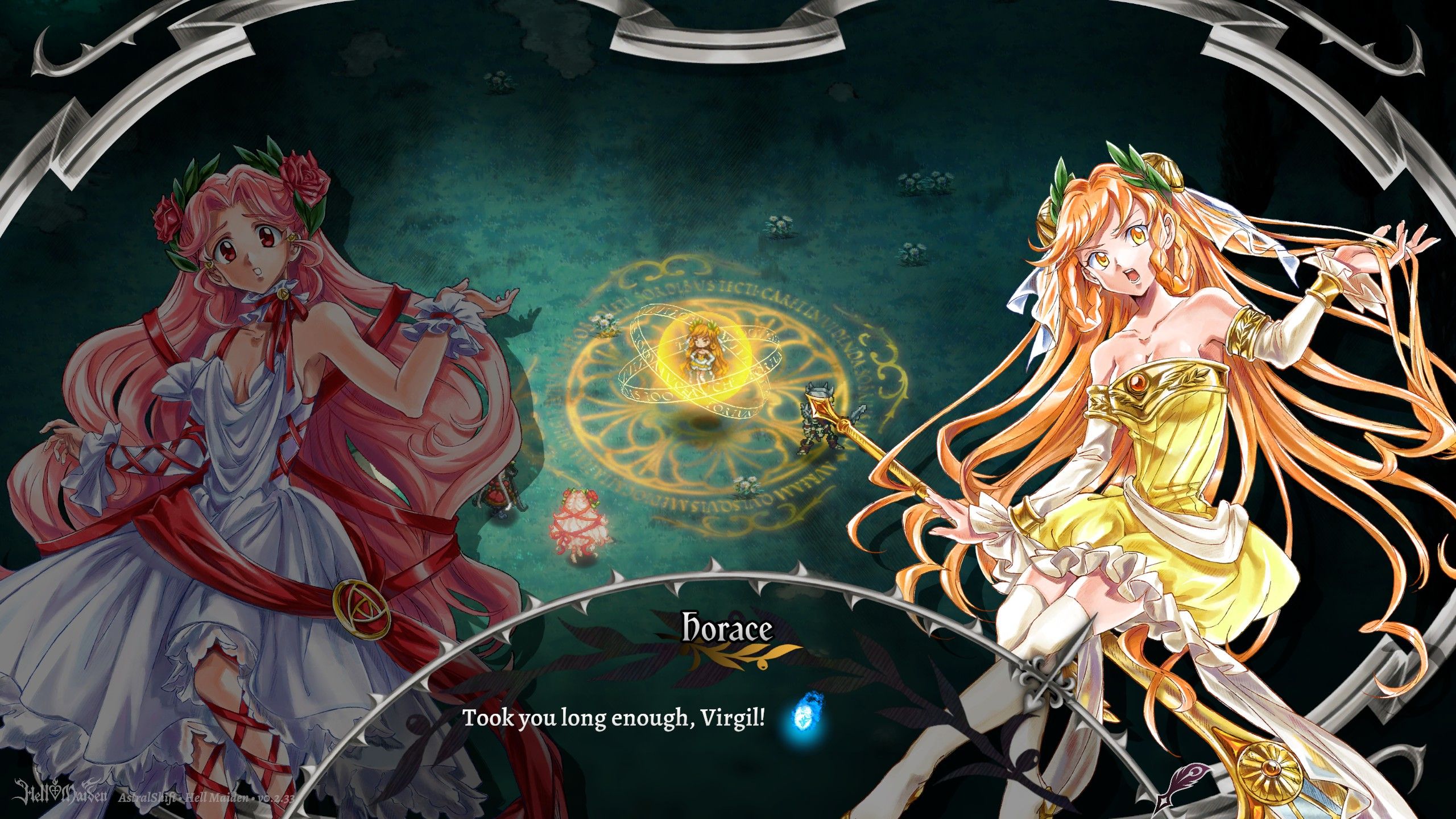
Virgil once again acts as her guide, while Beatrice watches over her from Paradiso. Historical poets such as Horace, Homer and Ovid have been reimagined as women known as the Poets of Limbo. As you rescue them, you unlock new conversations, weapons, abilities and special attacks.
I honestly enjoyed this side of the game more than I expected. Most survivor roguelites barely need a story, but Hell Maiden genuinely wants you to care about its characters. Between runs, you return to the Forum, where new conversations gradually reveal more about Dante’s past and her relationships.
The problem is that the current story ends just as it starts getting interesting. Early Access includes Limbo and Lust, the first two Circles. Four Poets can be recruited, while more than 40 abilities, several weapons, character quests and bosses are available. It is a decent starting point, but you can clearly see how much of the full game is still missing.
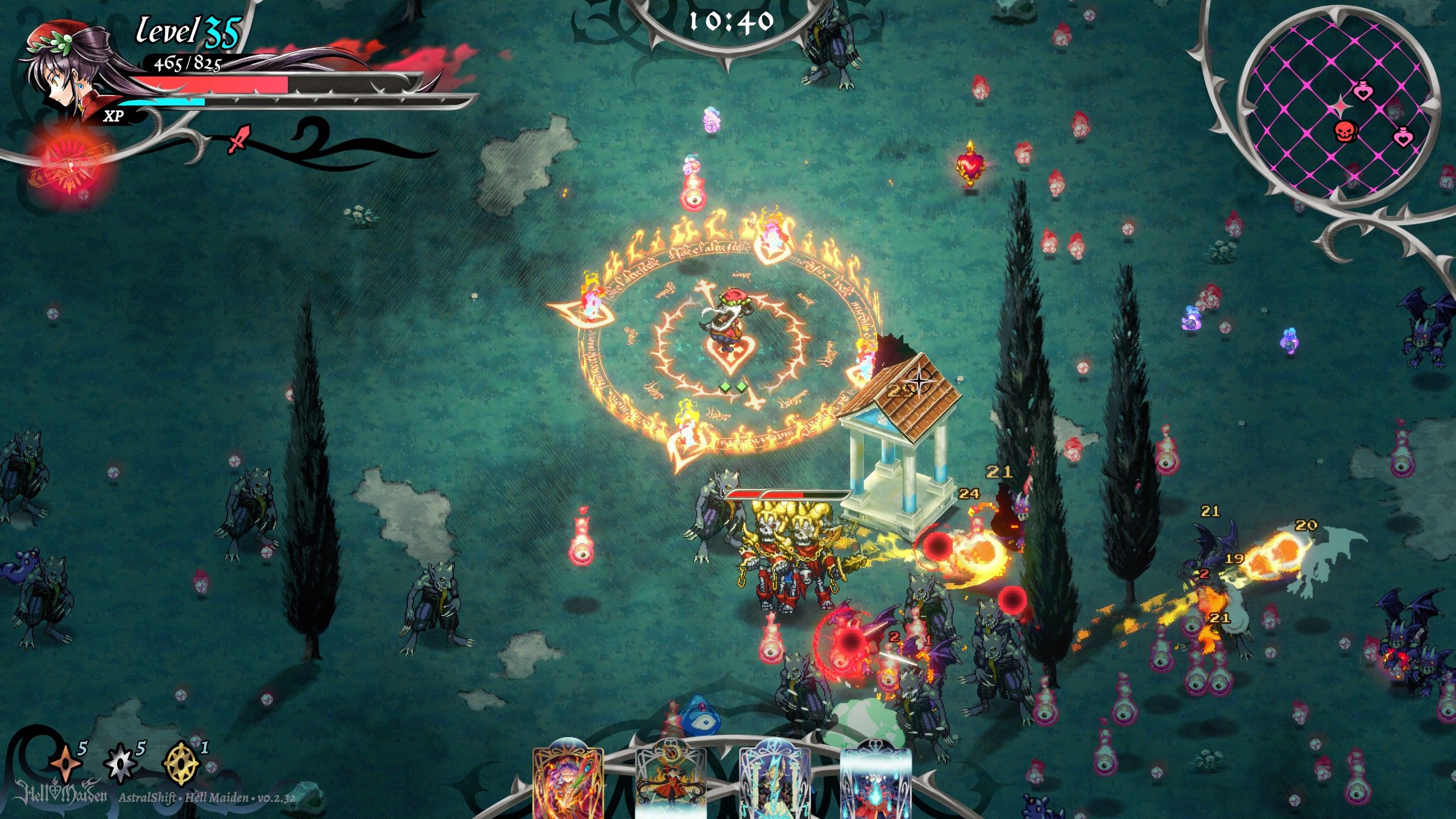
Combat is easy to understand if you have played Vampire Survivors or something similar. Dante attacks automatically, while you concentrate on aiming, positioning and staying alive. She can dash twice in quick succession, making movement and evasion more involved than in many other games from the genre.
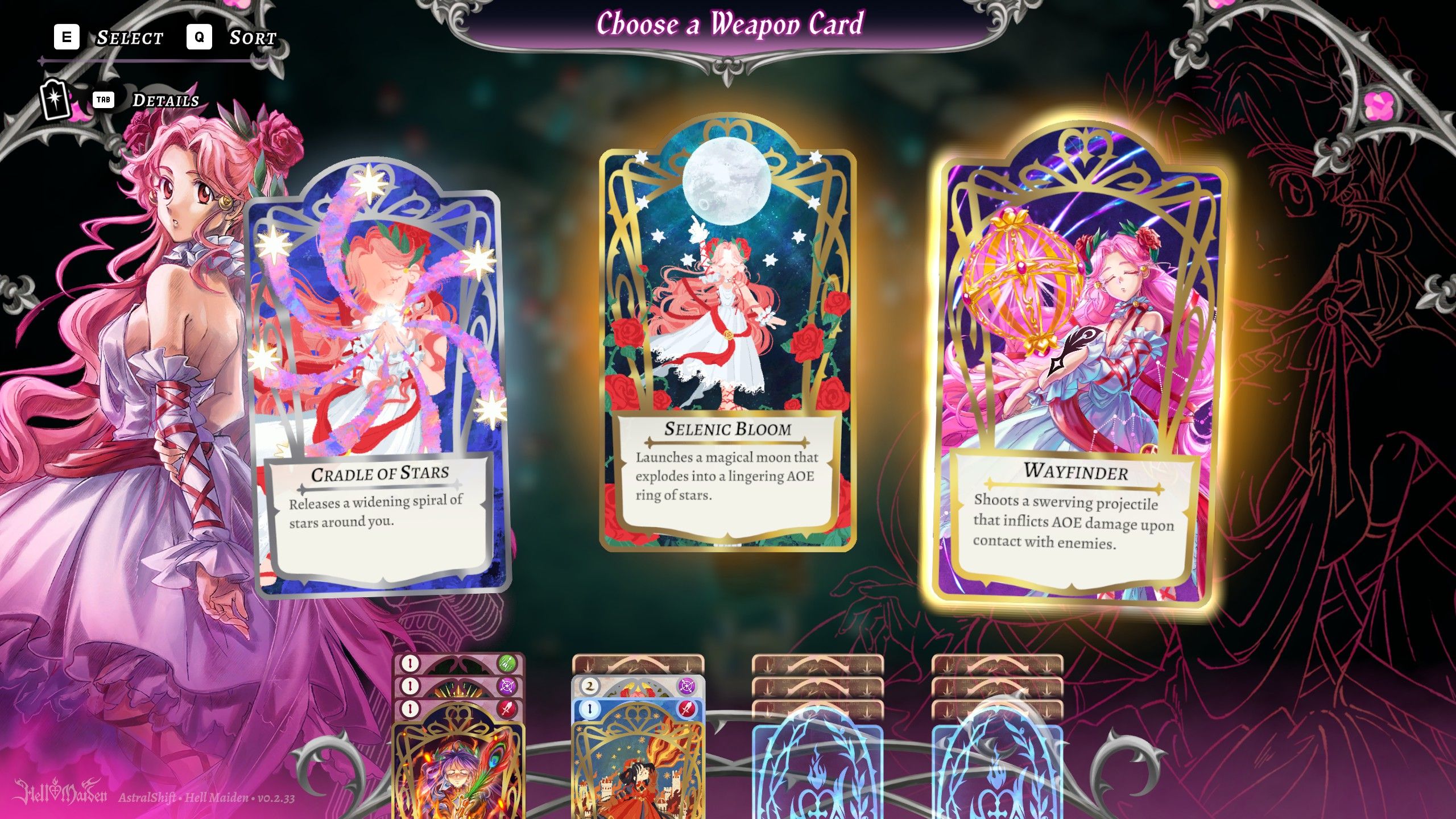
Enemies drop experience, and levelling lets you choose Spirit Cards. Weapon Cards determine your attacks, while Mod Cards improve them with additional damage, projectiles, attack speed, duration, larger areas or status effects. Dante can carry four weapons, and each weapon can hold its own modifiers. Duplicate cards can be combined into stronger versions, while certain effects improve cards placed next to them. You can also transfer modifiers between weapons during a run, which gives you room to repair or completely rethink your build.
The issue is that certain choices are simply much better than others. Once I understood what worked, there was little reason to experiment with weaker cards. The signature weapons are all different, but Dante’s starting quill was easily my favourite. The others felt slow and underwhelming until I invested several upgrades into them.
Thankfully, randomness is not as influential as I initially expected. You receive plenty of rerolls, so it is usually possible to put together a strong build if you use them carefully. The system can still be frustrating. I once rerolled three cards and immediately received the exact same selection. At that point, why even give me the option?
The presentation is easily the best part of Hell Maiden. The artwork combines early-2000s anime, magical-girl aesthetics, gothic decorations and tarot-inspired card designs. The character portraits are incredibly expressive, the animated opening is excellent and ultimate attacks receive stylish animated cut-ins.
The music combines electronic energy with gothic and aristocratic influences, while the English voice acting is also surprisingly strong. You will also find shrines scattered throughout each stage. These provide bonuses such as additional experience, health or damage, encouraging you to move around instead of remaining in one safe area. Reaching them can be risky, but they are generally worth the trouble.
Unfortunately, all that visual spectacle sometimes makes the action difficult to follow. Certain weapons can fill the screen with so many effects that you can barely see Dante, the enemies or incoming projectiles. Spinning spears become particularly ridiculous after adding more projectiles. They look impressive, but good luck seeing what is about to hit you.
Dante also briefly loses movement after taking damage. If several enemies surround you, one hit can quickly turn into multiple hits. Combined with unclear attack indicators and a small experience-pickup range, it can become incredibly annoying.
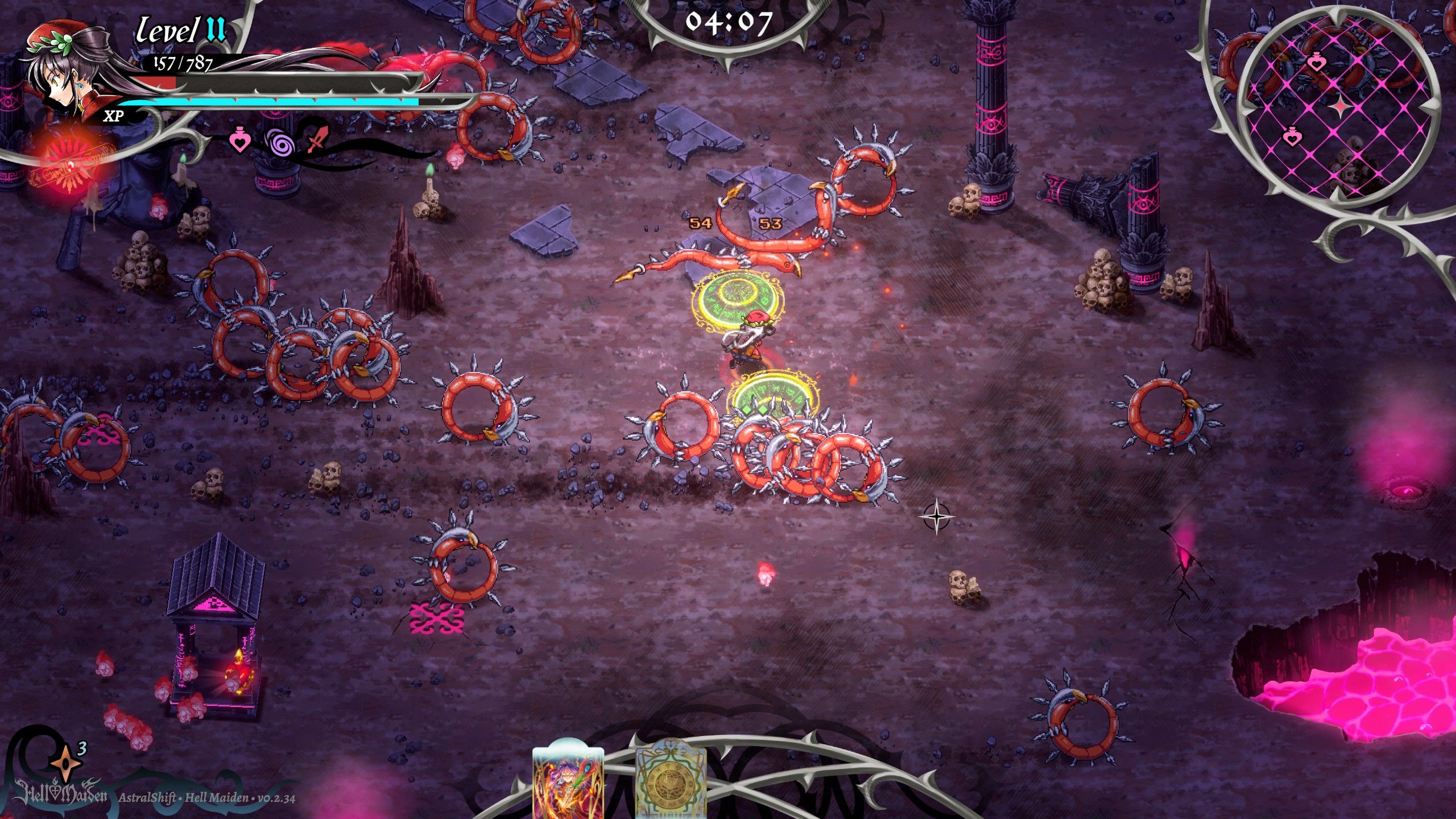
Limbo is a reasonable opening stage. It gives you enough time to learn the mechanics, unlock characters and figure out which cards work together. Lust, on the other hand, feels like the game suddenly stops playing fair. Succubi appear early and fire aggressive homing projectiles. Other enemies teleport, charge toward Dante or attack together inside small, restricted arenas. There is rarely enough room to breathe, while melee and short-range weapons struggle against enemies that constantly move or disappear.
You can beat Lust, but getting there takes time. Permanent upgrades are purchased in the Forum, yet the game is incredibly stingy with the required resources. You cannot simply collect this currency during a run. Your reward mostly depends on how long you survive.
It took me around six hours to defeat both Circles, and I still had not purchased every permanent upgrade. That says a lot about how slowly progression moves. The upgrades themselves often feel too small, making repeated runs seem less rewarding than they should.
The game desperately needs more ways to earn resources. It would also benefit from an Endless Mode where you could test builds, grind currency and enjoy the combat without repeating narrative objectives. That mode is planned, but it is noticeably absent right now.
Hell Maiden already has the artwork, characters and personality of a standout survivor roguelite. Its card system gives the familiar formula a welcome strategic twist, while its story makes repeated attempts feel more meaningful. However, there is no escaping how early this release is. Lust needs substantial balancing, permanent progression is too slow, several weapons feel underpowered and important quality-of-life features are missing.
There is no proper card compendium, status effects such as burn and poison need clearer explanations, and positional bonuses are not communicated particularly well. You also cannot freely reorganise your deck whenever you want, as card placement is generally limited to levelling moments.
If you already love horde-survival games, there is enough here to justify the low price. I enjoyed my six hours with it, even when Lust was driving me mad. Everyone else should probably wait. Hell Maiden could become something genuinely special, but right now, Dante’s journey toward Paradiso is only getting started.
Hell Maiden has all the ingredients needed to become one of the best survivor roguelites on Steam. Its stunning presentation, engaging reinterpretation of The Divine Comedy, memorable characters and strategic deck-building system already make it easy to see its potential. At the same time, it’s unmistakably an early Early Access release. Slow progression, balance problems, missing quality-of-life features and limited content prevent it from fully realizing that potential today.
Ending Thoughts
Review copy provided by the publisher
Tomb Raider: Legacy of Atlantis brings Lara back to her roots, but its Gamescom 2026 showing proved this is far…
![[GAMESCOM 2026] Clive Barker’s Hellraiser: Revival Preview – Ready to Open the Box](https://www.indie-games.eu/wp-content/uploads/2026/09/Clive-Barkers-Hellraiser-Revival-08-30-26-1-1024x576.jpg)
Hellraiser: Revival preserves the franchise’s sex, gore and psychological horror while delivering approachable survival-horror gameplay.

Swan Song creates a peaceful and forgiving puzzle space without removing the challenge that makes solving a difficult puzzle rewarding.
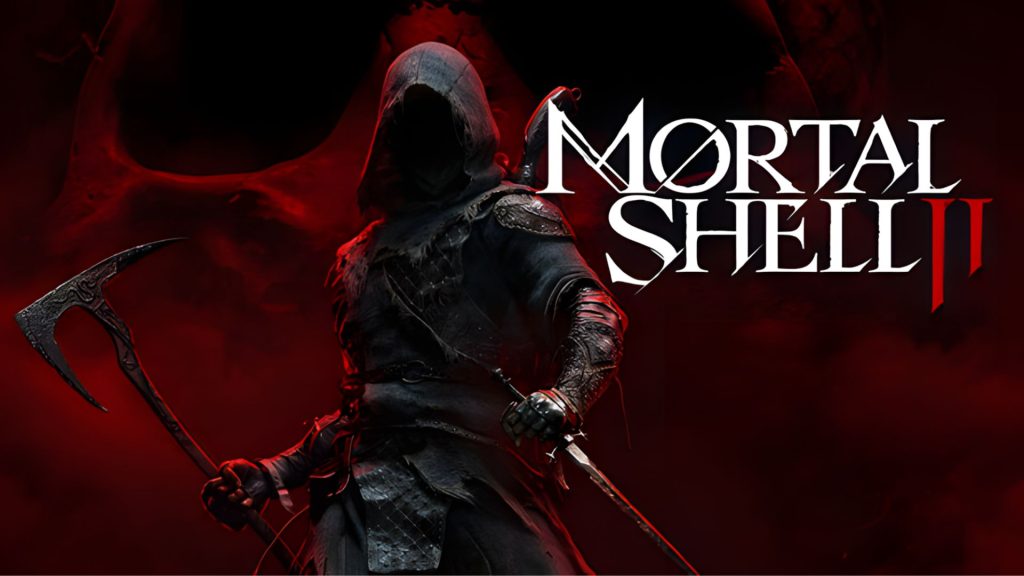
Mortal Shell II starts brilliantly but grows repetitive and exhausting, while remaining a rewarding and ambitious Soulslike sequel.
![[GAMESCOM 2026] Terranigma Preview – A Lost SNES Classic Returns in 2027](https://www.indie-games.eu/wp-content/uploads/2026/08/Terranigma-1-1024x576.jpg)
After more than three decades of limited availability, Terranigma is returning in 2027. We played its enhanced re-release at Gamescom…

Reading another person’s mind is often presented as a desirable superpower, but Sister Other Paranoia immediately understands why it could…
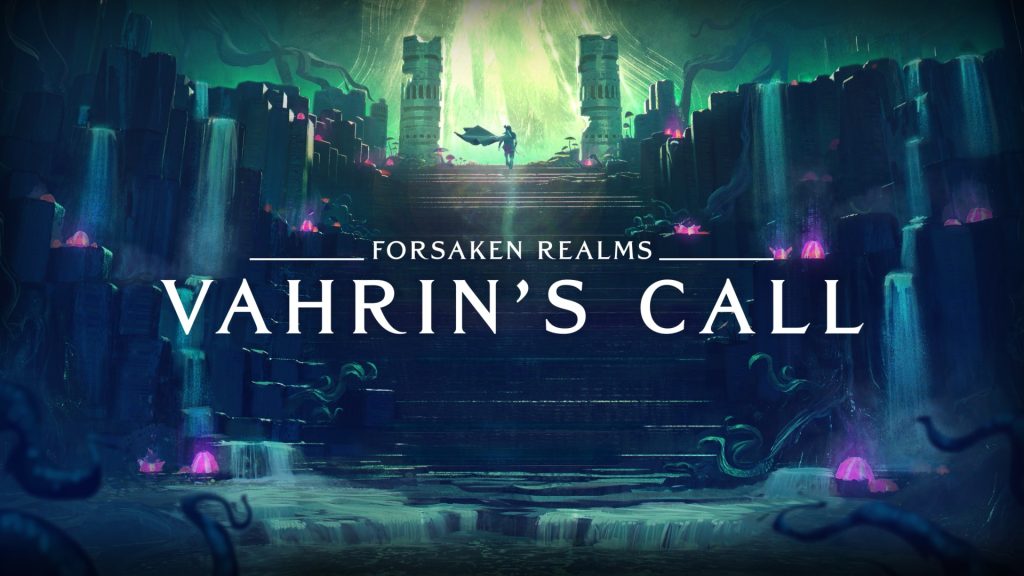
Forsaken Realms: Vahrin’s Call is exactly the kind of ambitious, slightly clumsy fantasy RPG that used to be far more…
![[Early Access] 2nd EVE – Sci-Fi Action RPG That Lacks a Sense of Stakes](https://www.indie-games.eu/wp-content/uploads/2026/08/2ND-EVE-1024x576.jpg)
2nd Eve is a space-set action RPG in which we strive to save humanity.
![[PREVIEW] Dreamcards – Strategic Exploration of Consciousness](https://www.indie-games.eu/wp-content/uploads/2026/08/Dreamcards_20260810_233631_0000-1024x576.jpg)
Dreamcards is a roguelike deckbuilder centered around dreams and nightmares.
![[Early Access] OFFBEAT – Incredibly Fun Way to Start a Music Career](https://www.indie-games.eu/wp-content/uploads/2026/08/Offbeat_20260808_201446_0000-1024x576.jpg)
In OFFBEAT, we play the role of a jobbing composer who is launching their music career.
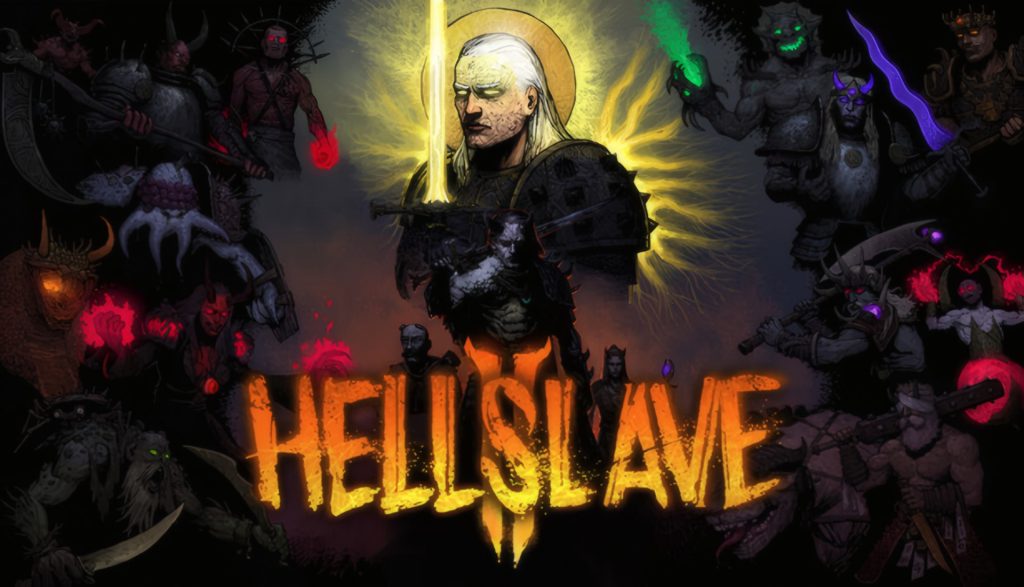
HellSlave II retains the original’s oppressive atmosphere, morally grey world and striking art while adding a larger world, randomized loot…
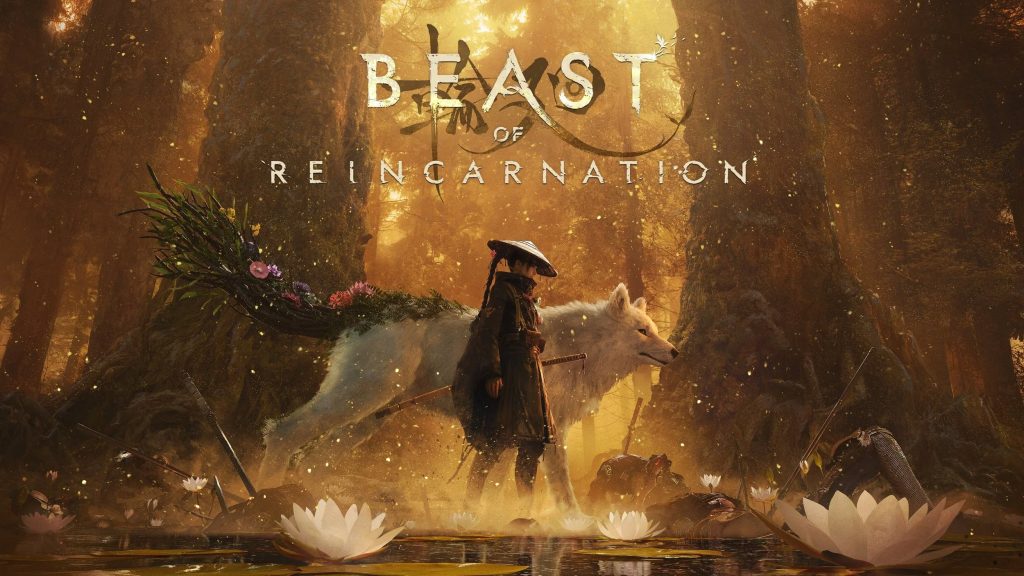
Beast of Reincarnation is an ambitious but uneven action RPG elevated by satisfying parry combat, beautiful art direction and the…

K-pop Idol Stories: Road to Debut captures the pressure of building idol group, but its management systems never explore that…
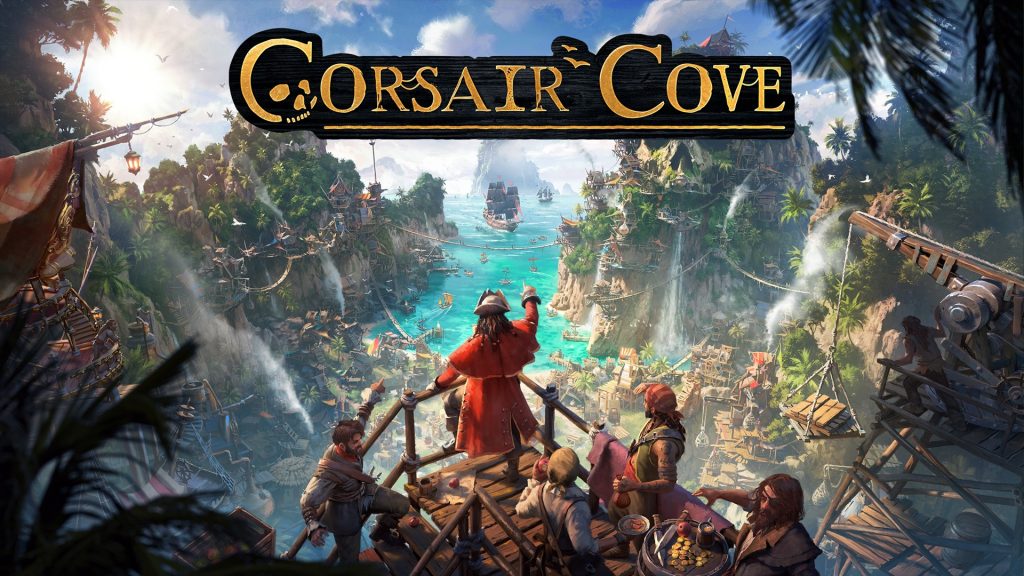
Hooded Horse keeps finding strategy games that know their audience, and Corsair Cove extends its impressive run of excellent city-builders.

Teeto is a warm, cozy, creative and highly enjoyable 3D platformer that understands why classic collectathons remain so appealing.

Turnip Mountain stands out for its combination of a unique control system and a minimalist approach.
Dystopicon is an imaginative and memorable narrative experiment with sharp social commentary, engaging world-building and several wonderfully absurd scenarios.

Maneki Mania is an incremental game centered around petting a lucky cat.
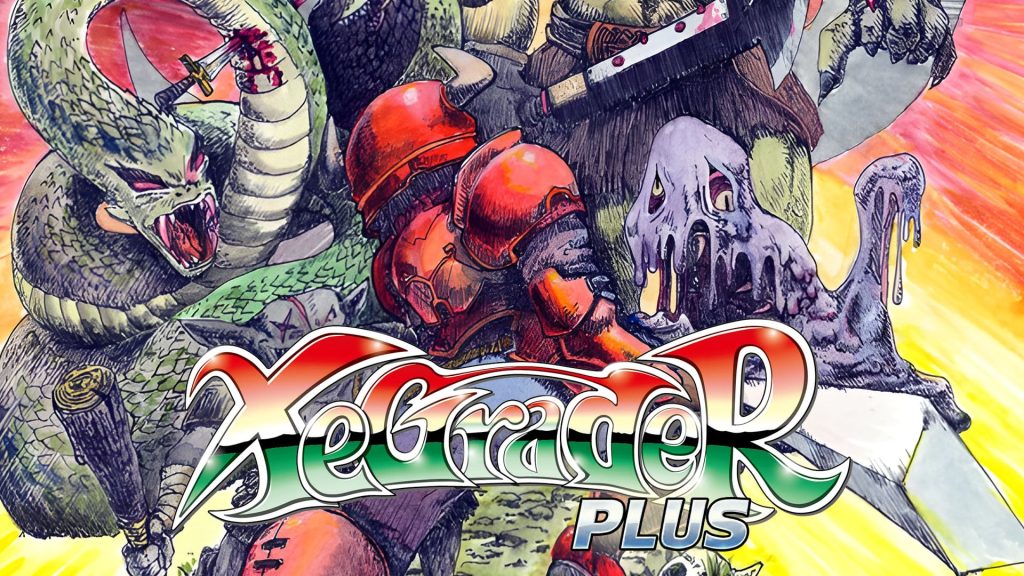
XeGrader Plus delivers colorful retro shooting, but basic mechanics, a short campaign and paid retro modes make its €20 price…

It has been roughly two and a half years since Palworld first entered Early Access, and quite a lot has…
