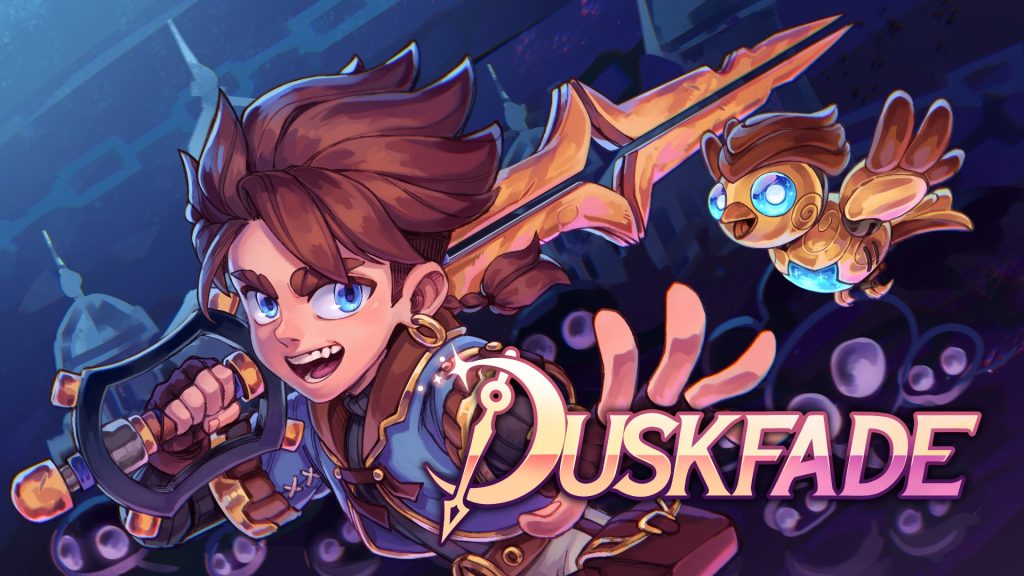
Duskfade – The PS2 Era Returns With All Its Strengths and Weaknesses
Duskfade is worth considering for players who miss colourful PS2-style action-platformers and can tolerate basic combat, floaty movement and backtracking.


If you enjoy independent indie game coverage, consider supporting Indie-Games.eu on Patreon. It helps keep the site independent.
SONOKUNI is a game that proudly wears its inspirations on its sleeve — the one-hit intensity of Hotline Miami, the chaotic neon-soaked cyberpunk aesthetic, and a distinctly Japanese flair — all while carving out its own identity through raw, hip-hop-driven energy. Developed by DON YASA CREW, a team of seven hip-hop artists who began making games during Japan’s COVID lockdown, SONOKUNI serves both as an ode to their musical roots and as a brutally challenging action experience.
You play as Takeru, a lone assassin battling against a powerful biotechnological enemy. The world is wild and blood-soaked, filled with strange myths and merciless combat. This is a game that’s fast, loud, and absolutely not for those seeking something relaxing or simple.

At its core, SONOKUNI is a top-down action game where every hit is lethal — both for you and your enemies. Takeru wields a katana, with a parry ability and a time-slowing mechanic, cutting his way through rooms filled with grotesque, genetically mutated foes. Unlike the gunfights of Hotline Miami, combat here is intimate and focused on close-quarters action — instead of bullets, you’ll be relying on precise swings and deadly slashes. The parry system stands out in particular: time it perfectly, and you can deflect projectiles or counter enemy attacks, turning defense into offense in a split second.
The structure is simple but relentless: you enter a stage, clear rooms of enemies to unlock the next one, and repeat until you reach the boss fight. Each room feels like a puzzle of aggression — enemies have unique attack patterns (archers take aim, sprinters rush you, acid spitters lunge), forcing you to prioritize targets, dodge attacks, and strike with precision. Death sends you back to the start of the room, not the whole stage, making retries fast but punishing. For hardcore players, there’s a “Speedrun” mode that ramps up the difficulty even further — levels are mirrored, making them more chaotic and unpredictable.
Clearing a room feels like solving a fast, deadly puzzle. Perfectly blocking, dodging, and executing enemies while DON YASA CREW’s music blasts in the background is incredibly satisfying. But the game isn’t without issues. It explains little at the start, you’re suddenly thrown into the chaos, surrounded by enemies attacking from all directions, bullets flying, and only milliseconds to react. Around the halfway point, the difficulty spikes sharply, and some rooms feel unfair, forcing repeated deaths just to learn what to do.
There is an “Easy” mode that slightly eases the challenge, but it still demands sharp reflexes and plenty of patience, it’s not for everyone. The biggest problem? Repetition. Many rooms can be skipped entirely, and combat in them often feels meaningless since it doesn’t grant rewards or tie into the main story. I wish clearing those areas carried more weight — right now, they’re just optional challenges without real payoff.

The game blends a biopunk dystopia with Japanese mythology. The story isn’t delivered through long cutscenes; instead, you explore the world via brief character interactions and mysterious videos between levels. These reveal a dark, neon-soaked world where it’s hard to distinguish right from wrong. Takeru struggles with the mass killings she must commit, each enemy defeated represents another difficult choice made to protect her people. The developers say the story is inspired by real Japanese legends about harsh sacrifices. While the game doesn’t explain every detail of its world, it effectively conveys Takeru’s mission as a sorrowful, endless struggle.
Characters speak little, but when they do, every word carries weight. Most of the story is conveyed through the game’s grim atmosphere and Takeru’s actions, rather than lengthy dialogue. Boss fights, especially the final one, tie directly to the game’s core themes — power and sacrifice. However, players expecting deep narrative or character development may be disappointed. SONOKUNI focuses more on creating a strong atmosphere than on fully explaining its story, and its ambiguous ending could frustrate those seeking clear answers.
The true star of the game is the music. DON YASA CREW created 50 powerful hip-hop tracks that drive the action. Deep bass and raw energy perfectly complement every sword swing and block, making you feel like you’re in an intense music video. The soundtrack isn’t just background music — it’s the soul of the game. The excellent sound design has earned awards, including BitSummit’s Excellence in Audio. While the game lacks voice acting, this actually allows the music and combat sounds to stand out even more.

Despite its many strengths, the game’s difficulty isn’t always balanced. Once you’ve learned the mechanics and how to use all the combat tools, the game becomes easier. However, it can be extremely frustrating if you keep dying on the same level. SONOKUNI is a fast and intense experience that throws you straight into action, accompanied by loud hip-hop and a bold visual style. It’s not perfect — the story is thin and may lack replay value. But when everything clicks, it’s a unique indie game with a strong attitude. If you enjoy games like Hotline Miami, stylized action, or Japanese underground aesthetics, it’s worth trying. If not, it might not be worth the risk..
| Pros | Cons |
|---|---|
| Addictive combat once you master the mechanics. | Very repetitive and frustrating. |
| Excellent soundtrack. | Constant adaptation required for each new room. |
| Strange and captivating visuals. | Simple story. |
| Unique gameplay. | Not for everyone. |
Review copy provided by the publisher
Duskfade is worth considering for players who miss colourful PS2-style action-platformers and can tolerate basic combat, floaty movement and backtracking.
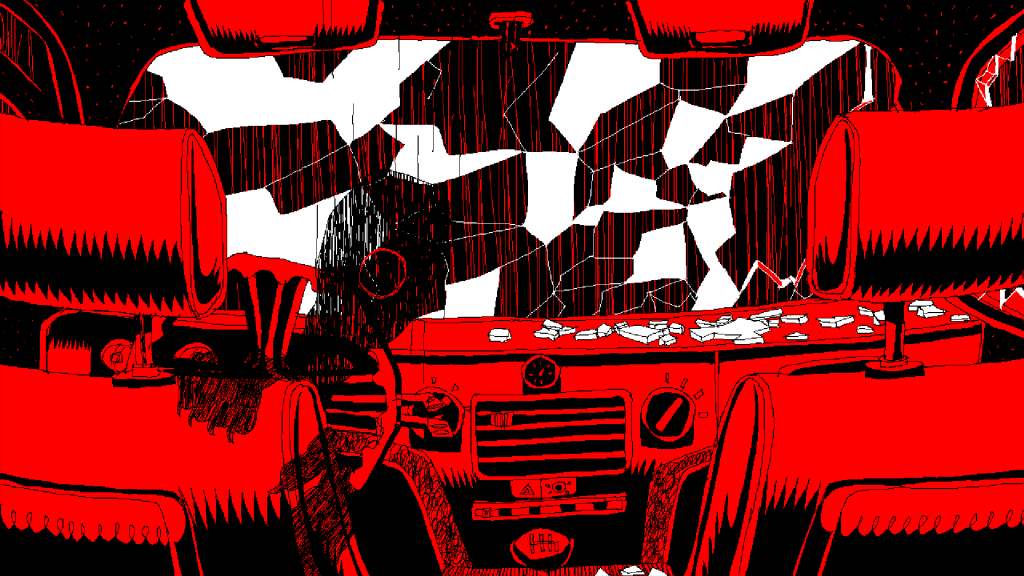
Man I Just Wanna Go Home is a noir crime story with visuals from MS Paint and life-or-death choices.
![[GAMESCOM 2026] Vikings Dynasty Preview – Expands the Dynasty Formula](https://www.indie-games.eu/wp-content/uploads/2026/09/Viking-Dynasty-09-21-26-2-1024x576.jpg)
After showing me Prospera at Gamescom 2026, Toplitz Productions' Mathias Oertel moved to a very different kind of settlement builder.…
![[GAMESCOM 2026] Prospera Preview – Production, Prosperity and Victorian Industry](https://www.indie-games.eu/wp-content/uploads/2026/09/Prospera-09-21-26-5-1024x576.jpg)
At Gamescom 2026, I met with Toplitz Productions' Mathias Oertel for a guided presentation of two upcoming games. One of…
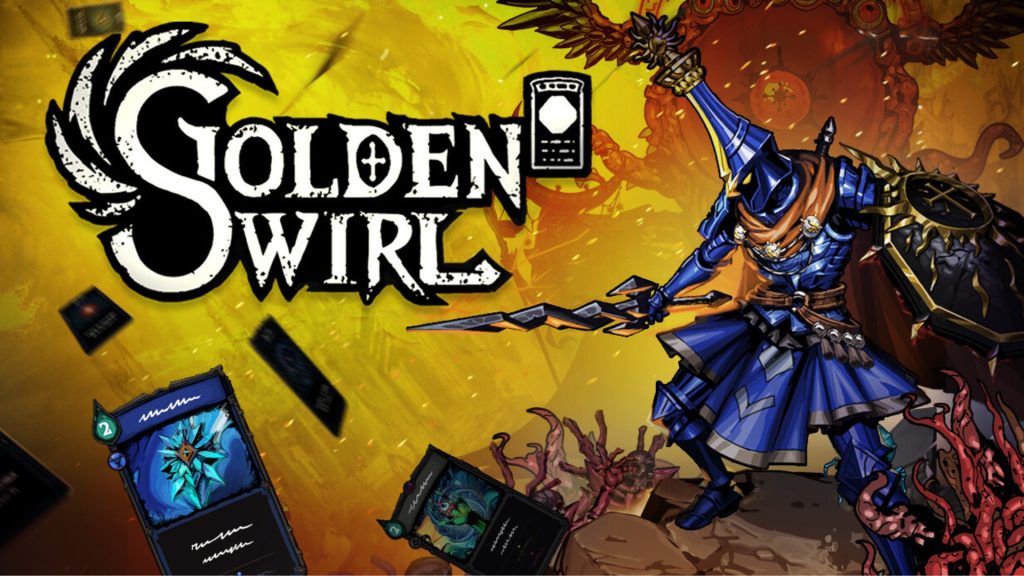
Golden Swirl inventive card combat carries the experience, but repetitive rooms, weak upgrades and excessive dialogue hold it back.
![[GAMESCOM 2026] Wilderdark Preview – Ambitious Dinosaur Horror Game That Still Has Plenty to Prove](https://www.indie-games.eu/wp-content/uploads/2026/09/Wilderdark-1024x576.jpg)
Dinosaur survival horror game Wilderdark has one of those premises that immediately makes you wonder why more games have not…
![[PREVIEW] Tiny Metal 2 – Strategy Game That Wants You to Learn From Every Mistake](https://www.indie-games.eu/wp-content/uploads/2026/09/Tiny-Metal-2-1024x576.jpg)
I rarely enjoy discovering that my opening strategy was completely wrong, but Tiny Metal 2 made that process one of…
![[PREVIEW] Remothered: Red Nun’s Legacy – Ambitious Survival Horror That Needs More Polish](https://www.indie-games.eu/wp-content/uploads/2026/09/Remothered-Red-Nuns-Legacy-4-1024x576.jpg)
Remothered: Red Nun’s Legacy has a gripping atmosphere and promising survival tools, but its repetitive hiding and rough visuals need…
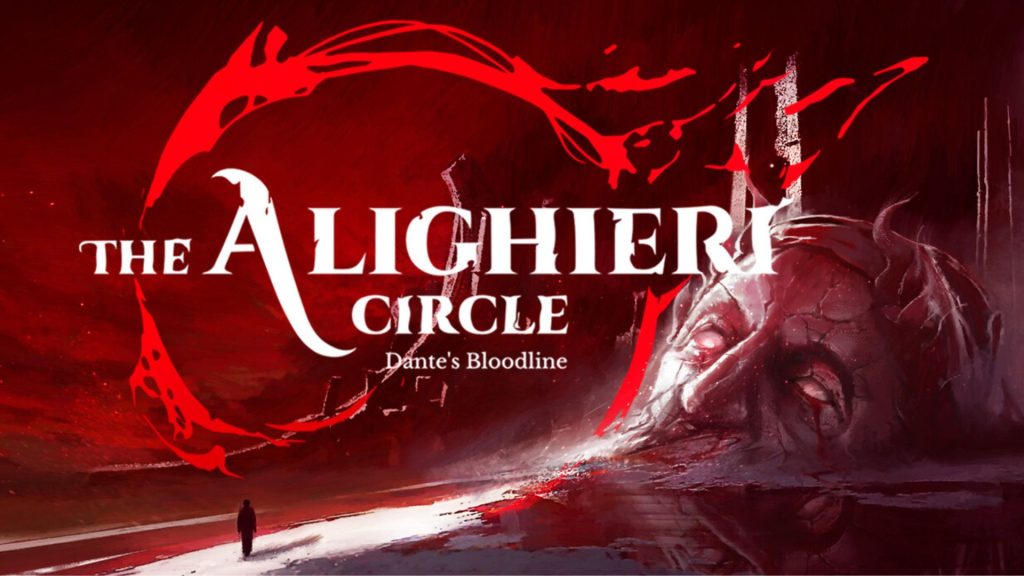
The Alighieri Circle: Dante’s Bloodline is difficult to recommend beyond players who are especially interested in Dante or enjoy solving…
Orc Incremental offers satisfying progression, entertaining totem combinations and enough content to justify its affordable price.
![[GAMESCOM 2026] Chronoscript: The Endless End Preview – Beautiful Pages Hide Deliberate Combat](https://www.indie-games.eu/wp-content/uploads/2026/09/Chronoscript-The-Endless-End-1-1024x576.jpg)
Chronoscript: The Endless End stands out from other Metroidvanias by blending 2D manuscript worlds with exploration inside a 3D manor.
![[GAMESCOM 2026] MegaGum Preview – Combat Hits Hard in This Sticky Platforming Adventure](https://www.indie-games.eu/wp-content/uploads/2026/09/MegaGum-09-09-26-5-1024x576.jpg)
MegaGum combines hard-hitting combat, varied weapons and Gum-powered platforming in a promising Gamescom 2026 demo.
![[GAMESCOM 2026] Delphinium Preview – Cozy Routine Mixed With Enjoyable Minigames](https://www.indie-games.eu/wp-content/uploads/2026/03/Delphinium--1024x665.jpg)
Delphinium mixes cozy farming, exploration and relationships with enjoyable fishing, cooking and forging minigames in its Gamescom 2026 demo.
Lady Death: Demonicron looks the part, but underneath its excellent comic-book exterior is a clunky and painfully short brawler.
![[GAMESCOM 2026] Tomb Raider: Legacy of Atlantis Preview – Expands the Original Without Losing Its Identity](https://www.indie-games.eu/wp-content/uploads/2026/09/tomb-raider-legacy-of-atlantis-06-02-26-1-1024x576.jpg)
Tomb Raider: Legacy of Atlantis brings Lara back to her roots, but its Gamescom 2026 showing proved this is far…
![[GAMESCOM 2026] Clive Barker’s Hellraiser: Revival Preview – Ready to Open the Box](https://www.indie-games.eu/wp-content/uploads/2026/09/Clive-Barkers-Hellraiser-Revival-08-30-26-1-1024x576.jpg)
Hellraiser: Revival preserves the franchise’s sex, gore and psychological horror while delivering approachable survival-horror gameplay.

Swan Song creates a peaceful and forgiving puzzle space without removing the challenge that makes solving a difficult puzzle rewarding.
Mortal Shell II starts brilliantly but grows repetitive and exhausting, while remaining a rewarding and ambitious Soulslike sequel.
![[GAMESCOM 2026] Terranigma Preview – A Lost SNES Classic Returns in 2027](https://www.indie-games.eu/wp-content/uploads/2026/08/Terranigma-1-1024x576.jpg)
After more than three decades of limited availability, Terranigma is returning in 2027. We played its enhanced re-release at Gamescom…
Reading another person’s mind is often presented as a desirable superpower, but Sister Other Paranoia immediately understands why it could…
