![[GAMESCOM 2026] Clive Barker’s Hellraiser: Revival Preview – Ready to Open the Box](https://www.indie-games.eu/wp-content/uploads/2026/09/Clive-Barkers-Hellraiser-Revival-08-30-26-1-1024x576.jpg)
[GAMESCOM 2026] Clive Barker’s Hellraiser: Revival Preview – Ready to Open the Box
Hellraiser: Revival preserves the franchise’s sex, gore and psychological horror while delivering approachable survival-horror gameplay.


If you enjoy independent indie game coverage, consider supporting Indie-Games.eu on Patreon. It helps keep the site independent.
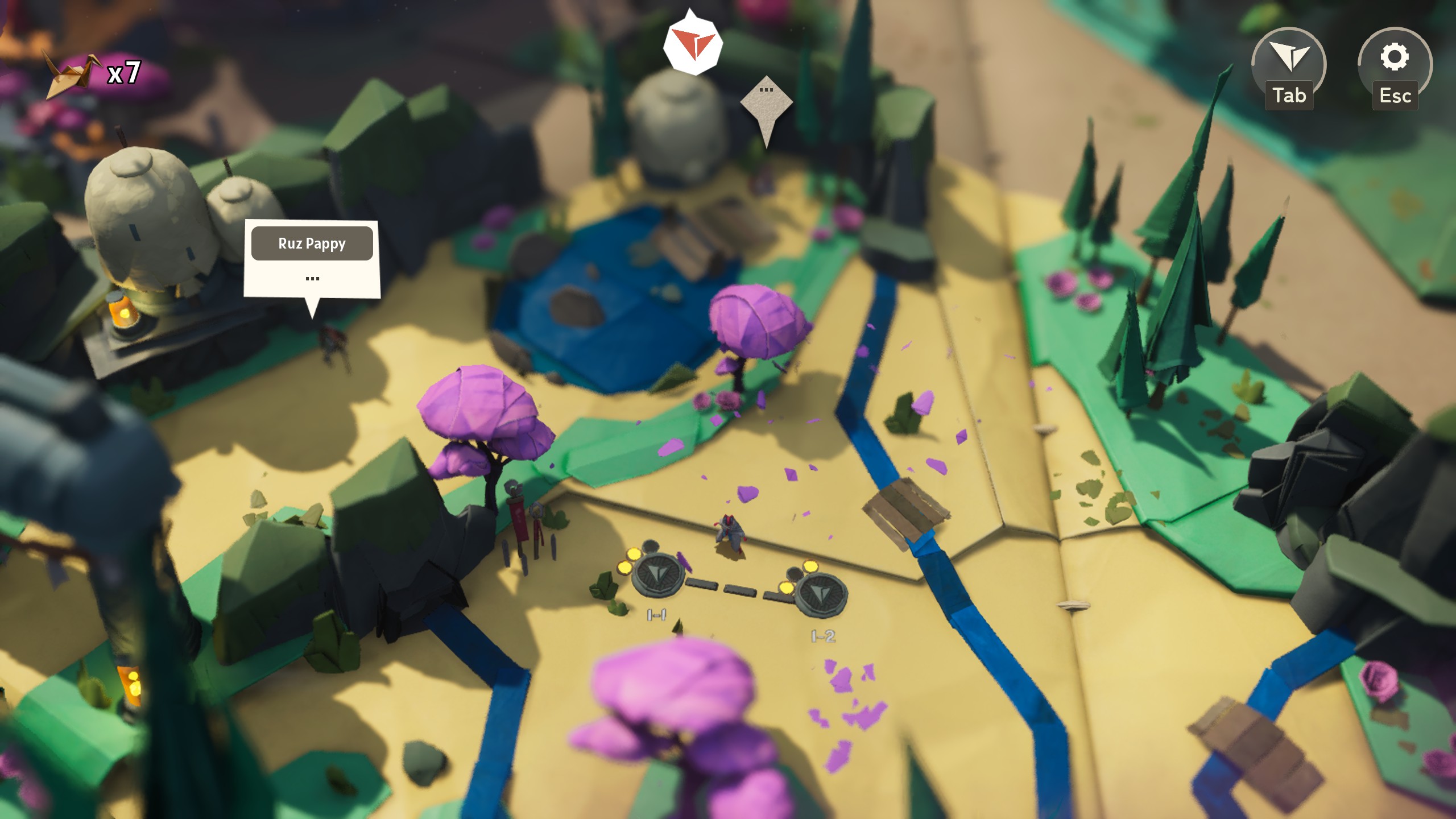
There’s a lot to like about Hirogami at first glance. Its central premise, built around the ancient Japanese art of origami, isn’t just a cosmetic choice, it’s the very foundation of the gameplay. Coupled with its cute graphics and consistent sense of progression, the game is really fun for the first two hours. Sadly, this initial appeal quickly fades, and the gameplay becomes disappointingly bland and repetitive the more you play.
The game is genuinely good, but I would recommend lowering your expectations. It has a lot of cool ideas and unique mechanics, and the varied level challenges give you plenty to strive for. However, the combat eventually becomes frustrating because of its lack of variety. In other words, it is frequent and repetitive, and it feels like a chore rather than a meaningful part of the game. But Hirogami has its own positives as well, so let’s dive in.
In Hirogami, you play as Hiro, a master folder tasked with saving a fragile, paper-crafted world from a digital invasion called the Blight. While the premise is interesting and expands over time, the narrative lacks emotion. With no voice acting and text-only dialogue, the characters we see are just bland pieces of paper, making the story feel flat. You end up just moving from one location to another, and nothing unexpected or different ever happens.
“Combining hack-and-slash and bullet-hell, Rogue Labyrinth creates a unique combat system where you turn anything into a projectile to put on a show for a virtual audience.”
If you’re into platformers, you’ll quickly see how little depth this game has compared to other titles. You can beat all 18 levels in about five hours without even trying for 100% completion, which, like in Super Mario games, involves earning three stars and specific objectives for each level. My biggest issue is the constant objective that forces you to complete a level without taking any damage. It’s frustrating and feels unfair, especially when the hitboxes can be so inconsistent.
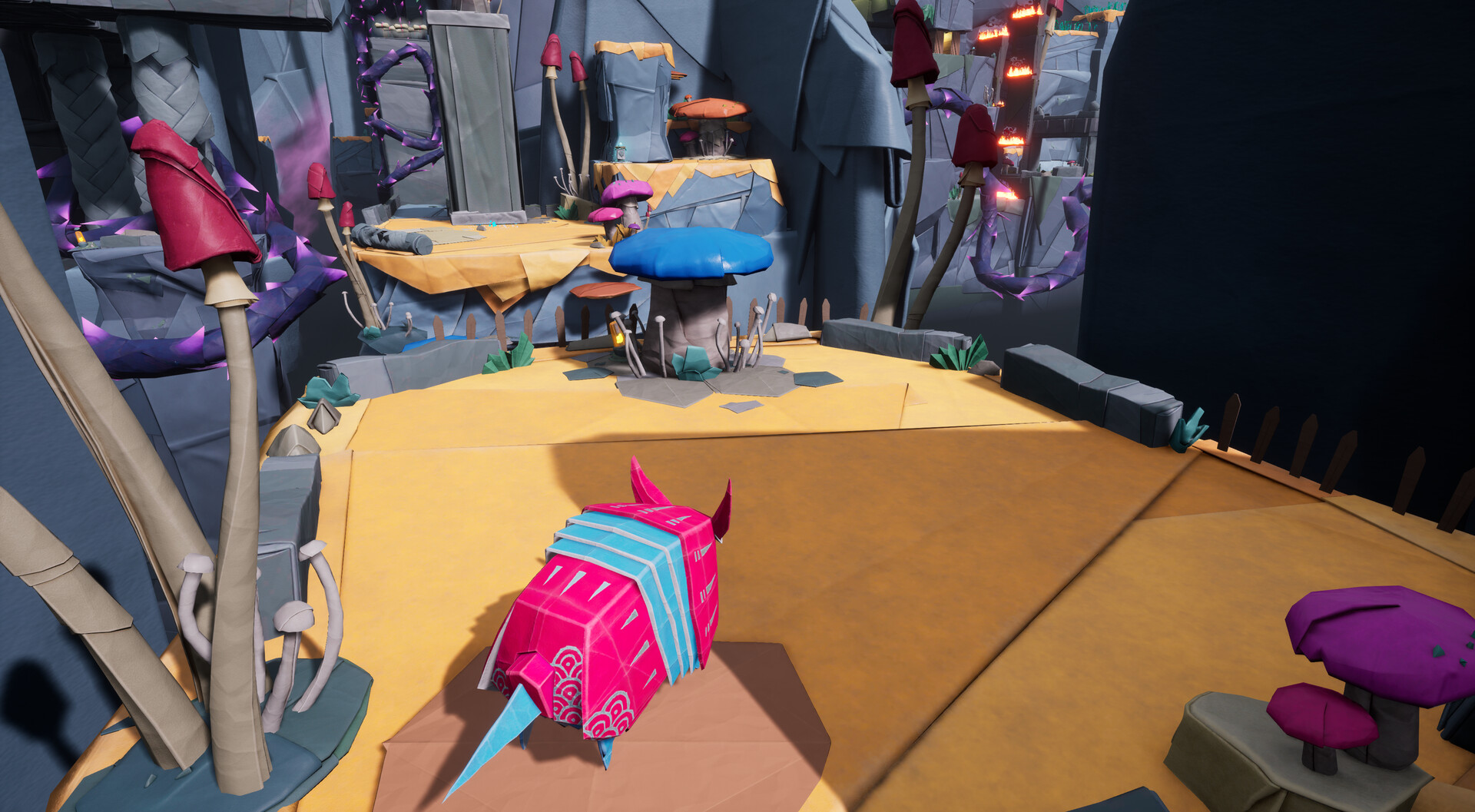
What’s cool is that levels are designed around the powers and shapes Hiro steadily picks up during his journey. These include an armadillo form that rolls around the map, a frog with a high jump, and an ape that can climb and swing on vines. Each transformation, including the base paper form, brings something new to the table, giving you different ways to solve platforming challenges and fight enemies.
Essentially, you begin the game with a paper fan that serves as a tool for both combat and environmental puzzles, allowing you to blow enemies away or clear thorny paths. While the combat system is simple, it’s designed to challenge you to use the right form at the right time, as different enemies are more vulnerable to specific attacks. Unfortunately, these transformations don’t feel particularly engaging. I found myself mostly sticking to the armadillo form, which was powerful enough to clear nearly every obstacle and enemy I encountered.
“Combining hack-and-slash and bullet-hell, Rogue Labyrinth creates a unique combat system where you turn anything into a projectile to put on a show for a virtual audience.”
The biggest problem is the lack of enemy variety, which makes every combat encounter feel repetitive very early in the game. You’ll spend most of your time fighting thousands of small black orbs called “Glitchers”. They do have varied abilities as some shoot lasers, others have shields, and some even explode, the combat still gets old fast. You also face the same enemies, such as a frog or armadillo, based on your own transformations.
To make it worse, the hitboxes in these fights can feel really unfair. You’ll lose chunks of health when fighting your hundredth frog enemy, and it’s often not clear why. This is mainly because the camera is so far away, and the game sometimes reacts oddly when you, for instance, clash with another armadillo while in your rolling form.
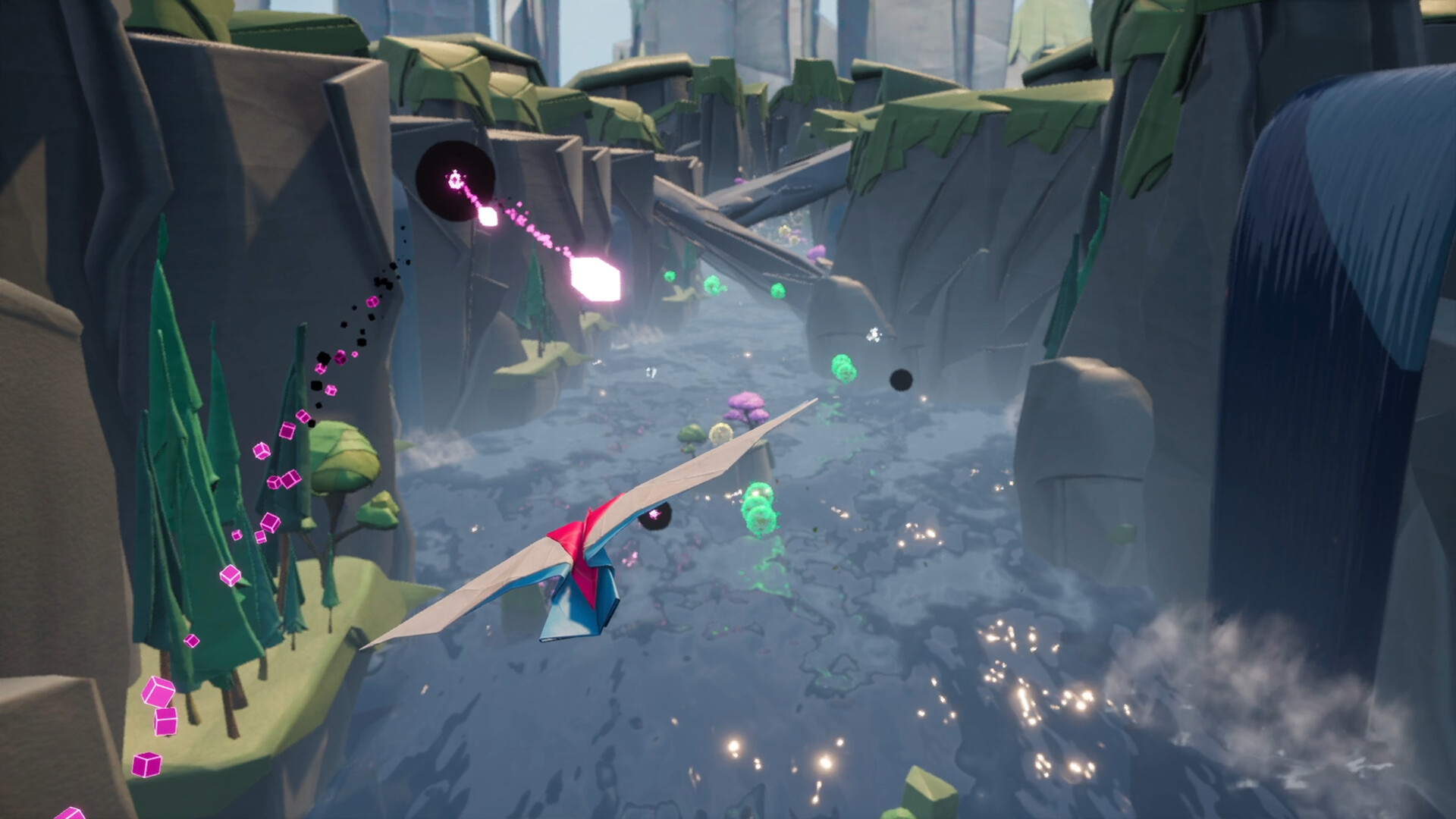
There are only about four or five actual boss fights in Hirogami, but they’re a welcome change of pace from the game’s repetitive combat. Three of these fights are based on the animal forms you unlock, which is a nice touch. The problem is that they’re all pretty easy. Only the final boss offers a proper challenge and feels truly different from everything else you’ve encountered.
“Combining hack-and-slash and bullet-hell, Rogue Labyrinth creates a unique combat system where you turn anything into a projectile to put on a show for a virtual audience.”
When it comes to platforming, nearly every level forces you to defeat a room full of enemies before you can move on. While there are some interesting platforming ideas, like crushing walls with the armadillo form or using the paper form to glide under spikes, the overall experience isn’t very memorable. The platforming, even when using the special abilities, often feels basic and simple. There are no sections that make you feel satisfied after completing a challenge.
Platforming is manageable, as the game constantly provides new elements to keep you engaged and challenge your problem-solving skills. Also, there is no running in the game, which can make things feel a bit slow. Your normal movement is particularly sluggish. The paper form for gliding and the frog form for high jumps help mitigate this, but walking as Hiro feels like moving at a snail’s pace.
Adding to the previous points, the game has a decent checkpoint system, and you probably won’t die often since it’s not very difficult. However, you will sometimes fall while platforming because of the fixed camera. Having zero control over the camera, aside from a slight pan, will lead to many cheap-feeling deaths where you simply couldn’t tell where you were jumping.
You also unlock certain upgrades and abilities as you play, but they don’t add much excitement. Most of them are repetitive, like simply gaining more HP. Some are even unlocked automatically without needing to be purchased. The in-game currency you earn is primarily used to buy gallery images.
Despite its flaws, the art style is a true visual feast. Every element, from the characters and enemies to the landscapes, is designed to look as though it were crafted from folded paper. Textures have a distinct, tactile feel, and the folding and unfolding animations are fluid. Environmental elements also sway, and respond to your movements, giving the world a sense of life and fragility.
A lot of dedication and effort went into this game, and it’s clear in how naturally everything flows. However, it’s very lacking in both depth and content. As mentioned earlier, it’s not a bad game, but it’s not what you’d expect from a platformer that should keep you hooked. It starts strong but loses its appeal the more you play. For that reason, I would recommend picking it up when it’s on sale.
| Pros | Cons |
|---|---|
| Unique art style. | Very repetitive. |
| Constant progression. | Dissapointing combat. |
| Responsive gameplay. | Lack of depth. |
| Innovative core mechanic. | Incosistent hitboxes. |
Review copy provided by the publisher
Hellraiser: Revival preserves the franchise’s sex, gore and psychological horror while delivering approachable survival-horror gameplay.

Swan Song creates a peaceful and forgiving puzzle space without removing the challenge that makes solving a difficult puzzle rewarding.
Mortal Shell II starts brilliantly but grows repetitive and exhausting, while remaining a rewarding and ambitious Soulslike sequel.
![[GAMESCOM 2026] Terranigma Preview – A Lost SNES Classic Returns in 2027](https://www.indie-games.eu/wp-content/uploads/2026/08/Terranigma-1-1024x576.jpg)
After more than three decades of limited availability, Terranigma is returning in 2027. We played its enhanced re-release at Gamescom…

Reading another person’s mind is often presented as a desirable superpower, but Sister Other Paranoia immediately understands why it could…
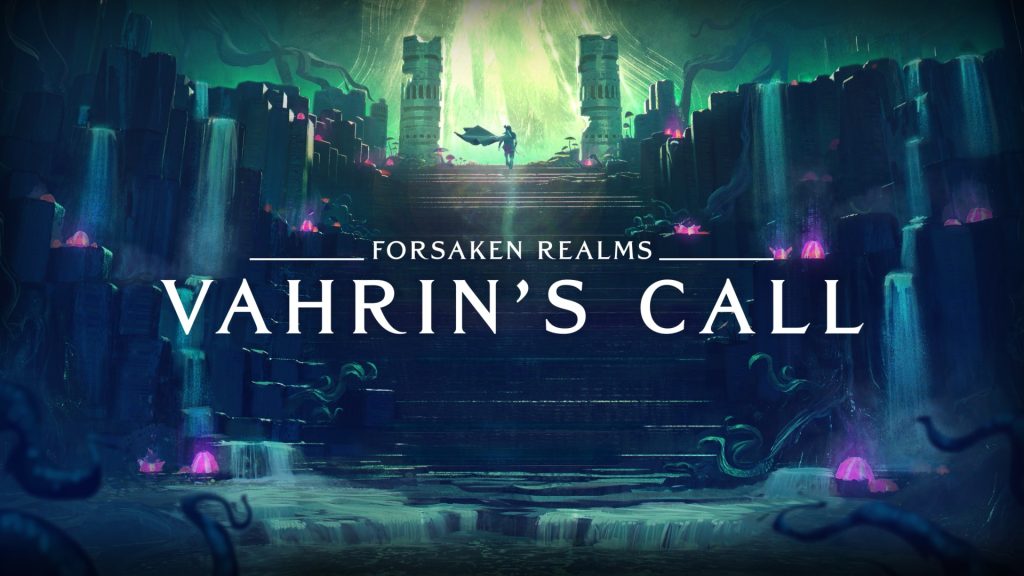
Forsaken Realms: Vahrin’s Call is exactly the kind of ambitious, slightly clumsy fantasy RPG that used to be far more…
![[Early Access] 2nd EVE – Sci-Fi Action RPG That Lacks a Sense of Stakes](https://www.indie-games.eu/wp-content/uploads/2026/08/2ND-EVE-1024x576.jpg)
2nd Eve is a space-set action RPG in which we strive to save humanity.
![[PREVIEW] Dreamcards – Strategic Exploration of Consciousness](https://www.indie-games.eu/wp-content/uploads/2026/08/Dreamcards_20260810_233631_0000-1024x576.jpg)
Dreamcards is a roguelike deckbuilder centered around dreams and nightmares.
![[Early Access] OFFBEAT – Incredibly Fun Way to Start a Music Career](https://www.indie-games.eu/wp-content/uploads/2026/08/Offbeat_20260808_201446_0000-1024x576.jpg)
In OFFBEAT, we play the role of a jobbing composer who is launching their music career.
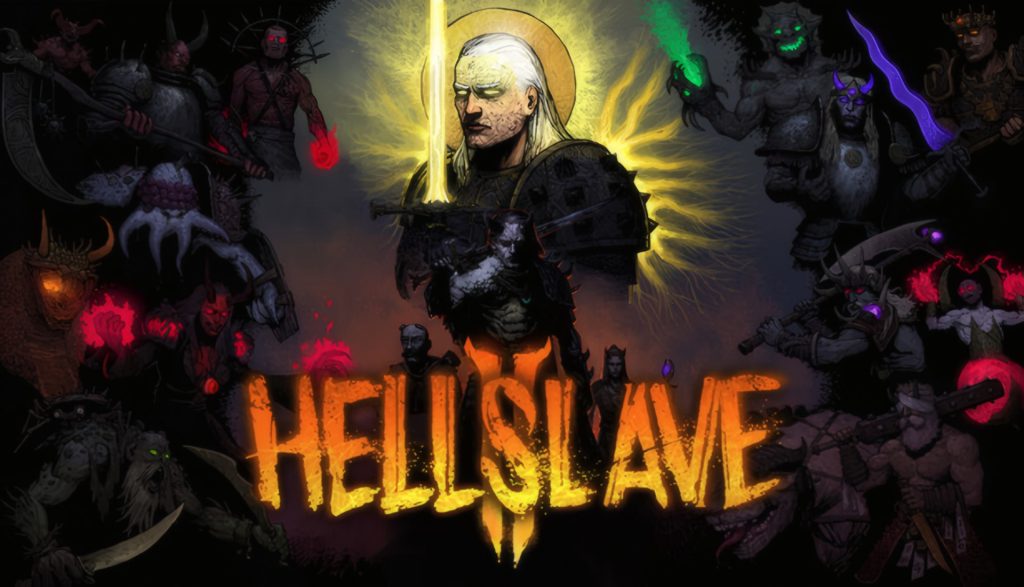
HellSlave II retains the original’s oppressive atmosphere, morally grey world and striking art while adding a larger world, randomized loot…
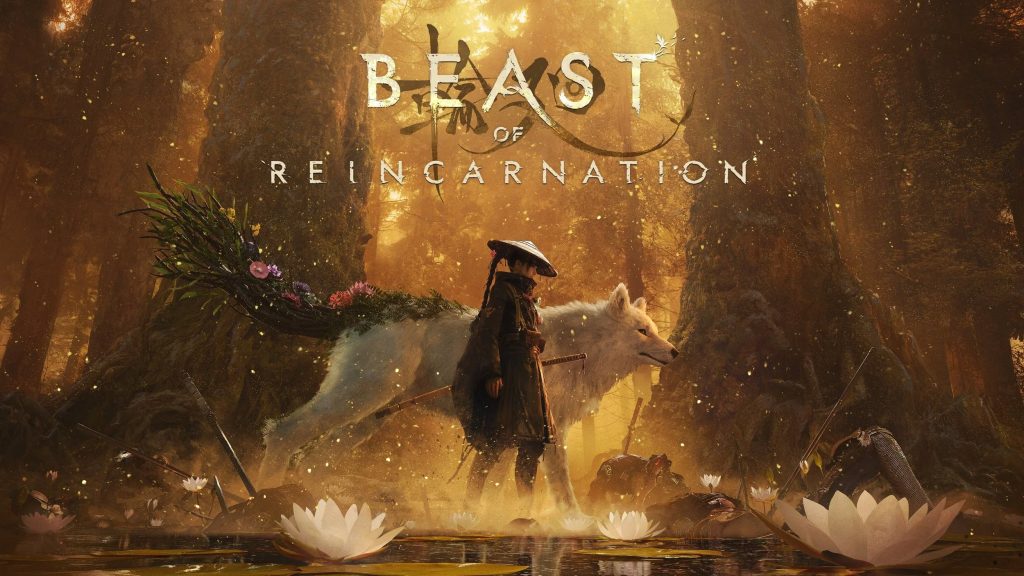
Beast of Reincarnation is an ambitious but uneven action RPG elevated by satisfying parry combat, beautiful art direction and the…

K-pop Idol Stories: Road to Debut captures the pressure of building idol group, but its management systems never explore that…
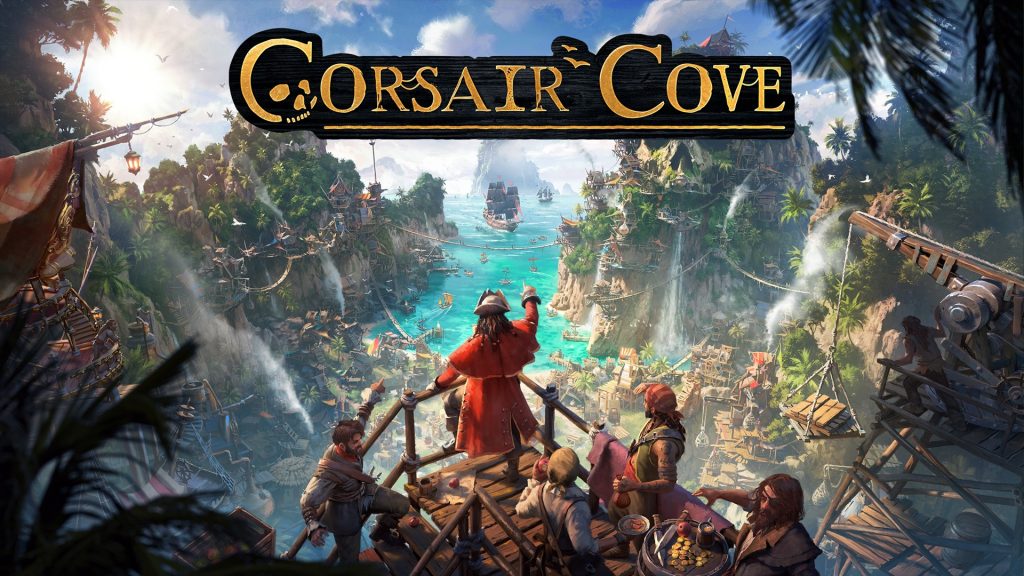
Hooded Horse keeps finding strategy games that know their audience, and Corsair Cove extends its impressive run of excellent city-builders.
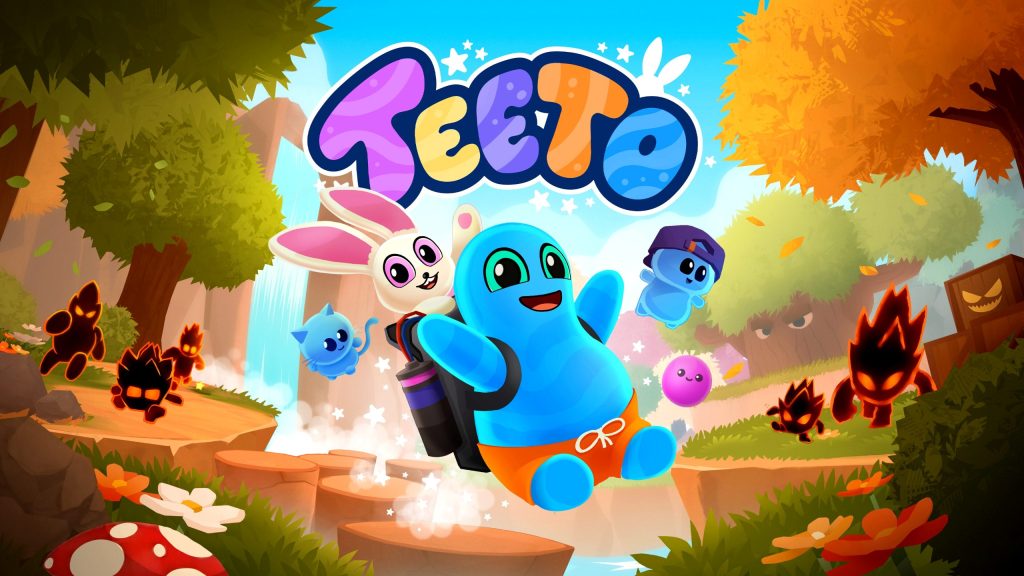
Teeto is a warm, cozy, creative and highly enjoyable 3D platformer that understands why classic collectathons remain so appealing.
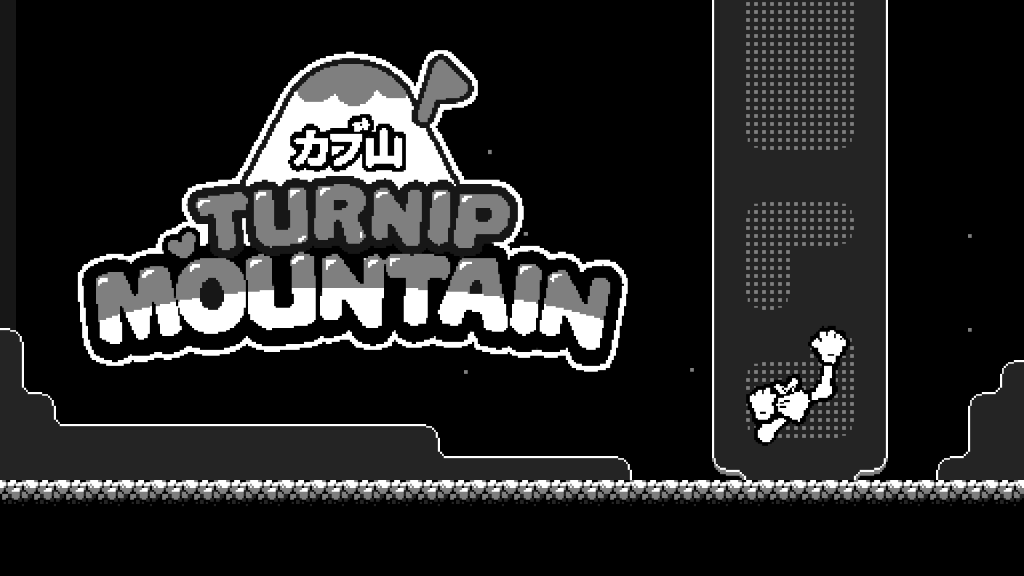
Turnip Mountain stands out for its combination of a unique control system and a minimalist approach.
Dystopicon is an imaginative and memorable narrative experiment with sharp social commentary, engaging world-building and several wonderfully absurd scenarios.

Maneki Mania is an incremental game centered around petting a lucky cat.
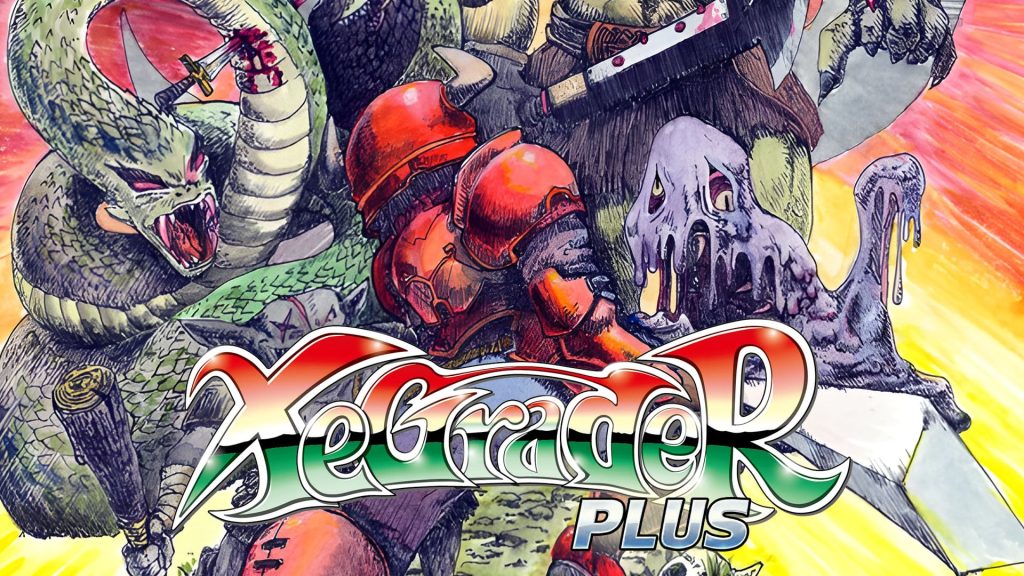
XeGrader Plus delivers colorful retro shooting, but basic mechanics, a short campaign and paid retro modes make its €20 price…
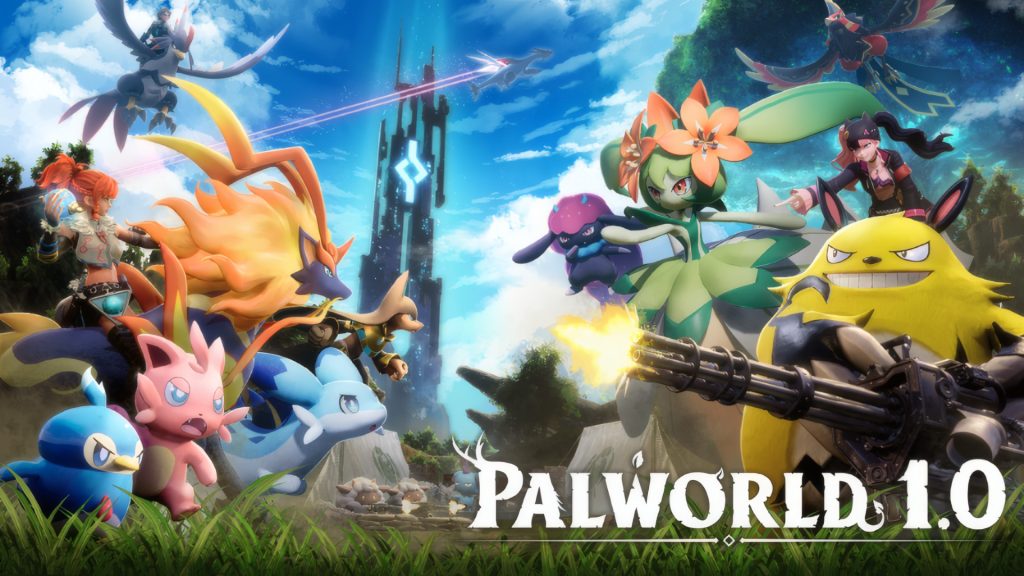
It has been roughly two and a half years since Palworld first entered Early Access, and quite a lot has…
![[EARLY ACCESS] The Last Caretaker – Survival Game I Cannot Stop Playing](https://www.indie-games.eu/wp-content/uploads/2026/07/The-last-Caretaker-Key-Art-1024x587.jpg)
The Last Caretaker is a compelling survival crafter with a flooded world and mobile base, but weak combat and performance…
