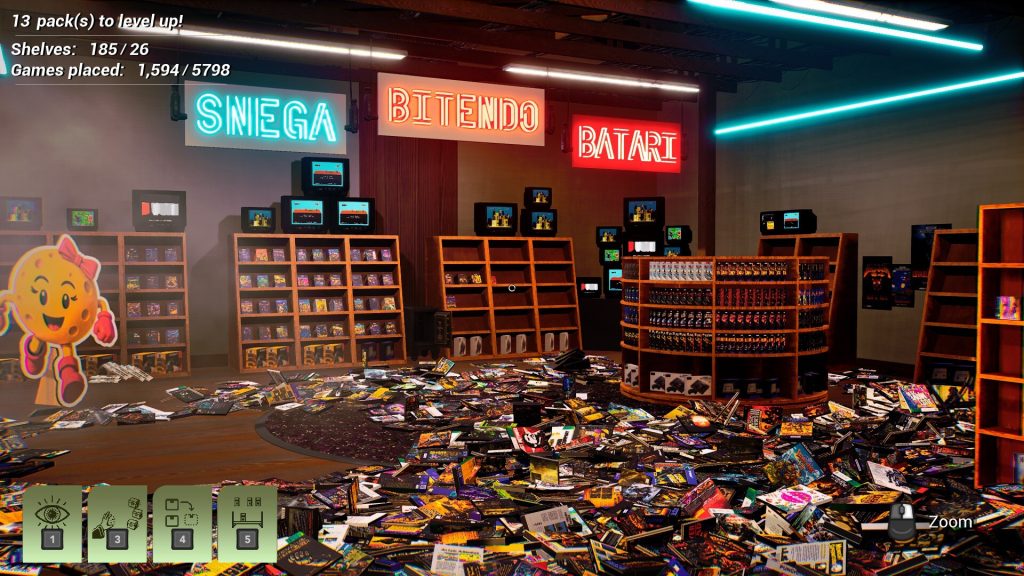
A Cat Scattered 5,798 Games Across This Cozy Supermarket Simulator
MY CAT SCATTERED GAMES asks players to organize 5,798 games and consoles before rescuing a cat trapped inside a claw…

If you enjoy independent indie game coverage, consider supporting Indie-Games.eu on Patreon. It helps keep the site independent.
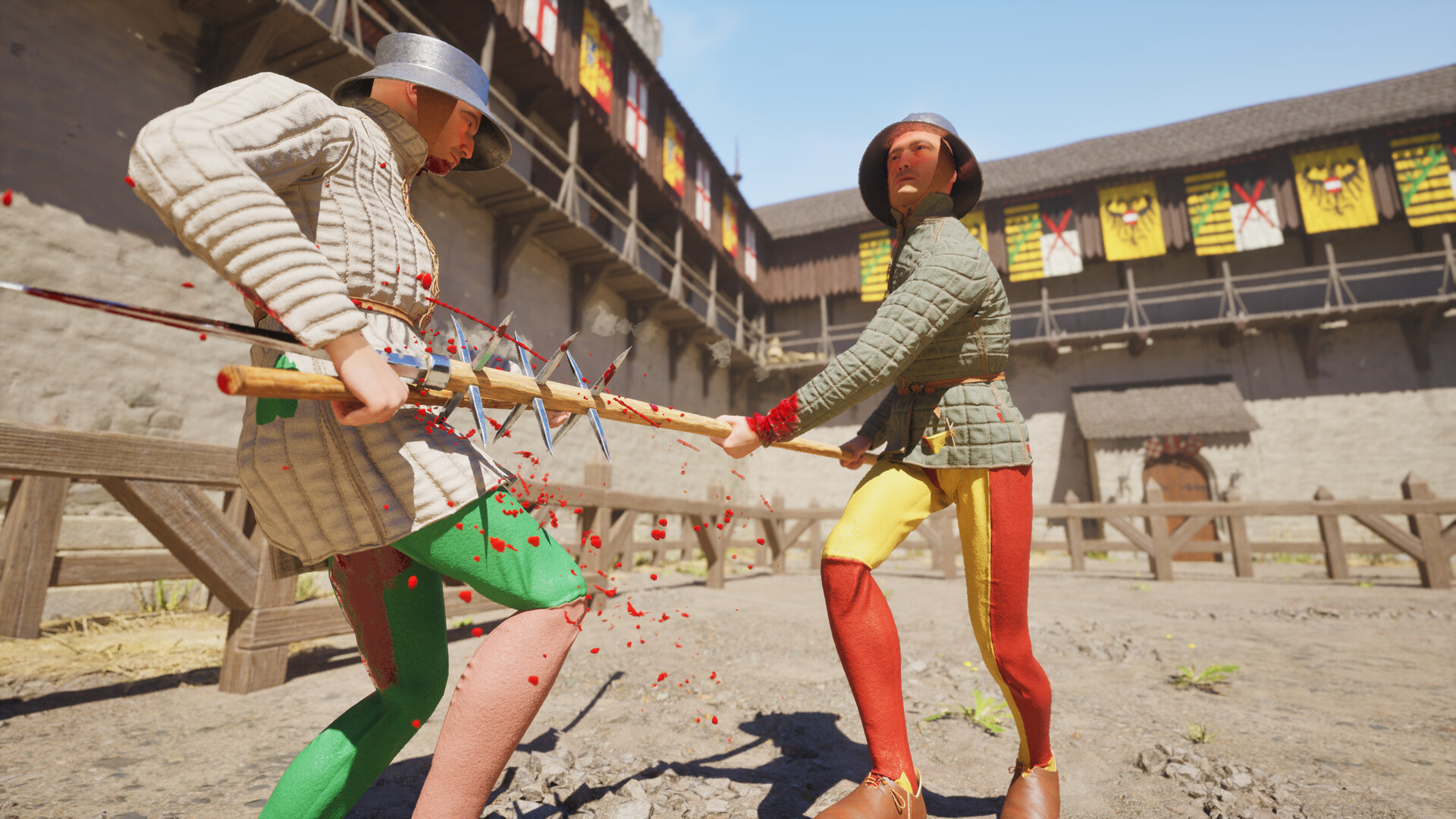
Half Sword, a physics-based medieval combat simulator developed by the small team at Half Sword Games and published by Game Seer Publishing, recently entered Steam Early Access. Priced at €23.99, with a discount bringing it down to €19.19 until mid-February, the game arrived with significant expectations. Its earlier demo had been a surprise hit during Steam Next Fest, drawing tens of thousands of concurrent players and building a passionate following. Now, with a full Early Access release, Half Sword is facing the difficult transition from viral demo to sustainable full game.
The Early Access version expands significantly on what made the demo popular. Multiplayer arenas allow players to engage in group battles and duels, while new game modes introduce more structured competition. A progression system and deeper customization options have been added, including historically inspired 15th-century European weapons, armor, shields, and heraldry.
At the heart of Half Sword is its unique control system. Players swing swords, hammers, scythes, and other weapons entirely with their mouse, translating physical movements directly into in-game attacks. This design produces exaggerated ragdoll physics, where characters stumble, collapse, and collide in often absurd ways. Combat regularly results in decapitations, severed limbs, and massive pile-ups of defeated fighters.
However, the transition to Early Access has not been smooth. Despite strong initial interest, Half Sword currently holds a “Mixed” rating on Steam, with only around 42 percent of reviews marked as positive from more than 3,600 total. This reception stands in sharp contrast to the overwhelmingly positive response the demo received.
Many negative reviews point to serious technical problems. Players report frequent stuttering, noticeable input lag, and dramatic frame rate drops, sometimes falling as low as 20 frames per second even on systems equipped with recommended hardware such as RTX 4060 or 4070 graphics cards. Crashes are common, and multiplayer matches often worsen these issues. Some users have also noted that the full release feels slower and less responsive than the earlier demo, adding to the frustration.
To their credit, the developers have been transparent about these shortcomings. In Steam updates, Half Sword Games has acknowledged the technical issues and promised a hotfix in the near future. The studio has also shared a preliminary Early Access roadmap spanning six to twelve months. This plan focuses on improving performance optimization, refining multiplayer stability, expanding maps and arenas, enhancing gore and blood effects, developing forge mechanics for crafting equipment, and polishing both single-player and multiplayer experiences.
Despite the negative reviews, player interest has been strong. On launch day, Half Sword reached a peak of over 21,600 concurrent players, confirming that the demo’s popularity translated into real sales. While player numbers dropped in the following days, they remained in the thousands, indicating a dedicated core audience willing to stick with the project.
This situation makes Half Sword particularly interesting to watch. On one hand, it captures something rare: a form of combat that feels genuinely physical, unpredictable, and entertaining in ways traditional fighting systems cannot replicate. On the other hand, its technical problems highlight the challenges indie developers face when scaling up a viral prototype into a full product.
MY CAT SCATTERED GAMES asks players to organize 5,798 games and consoles before rescuing a cat trapped inside a claw…
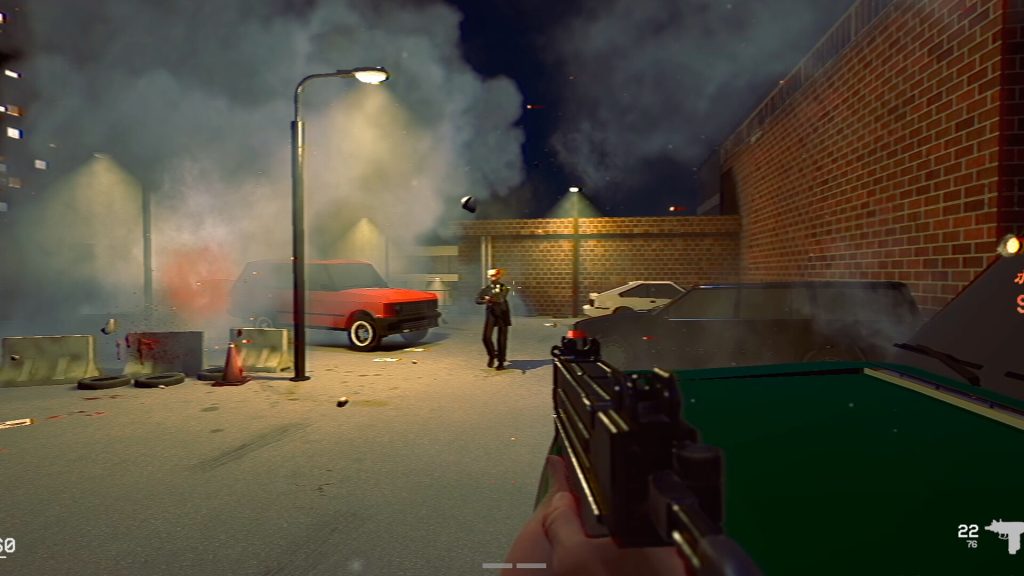
Retro corridor shooter Cop Bastard has partnered with Retrovibe for an October release, accompanied by a faster and more polished…
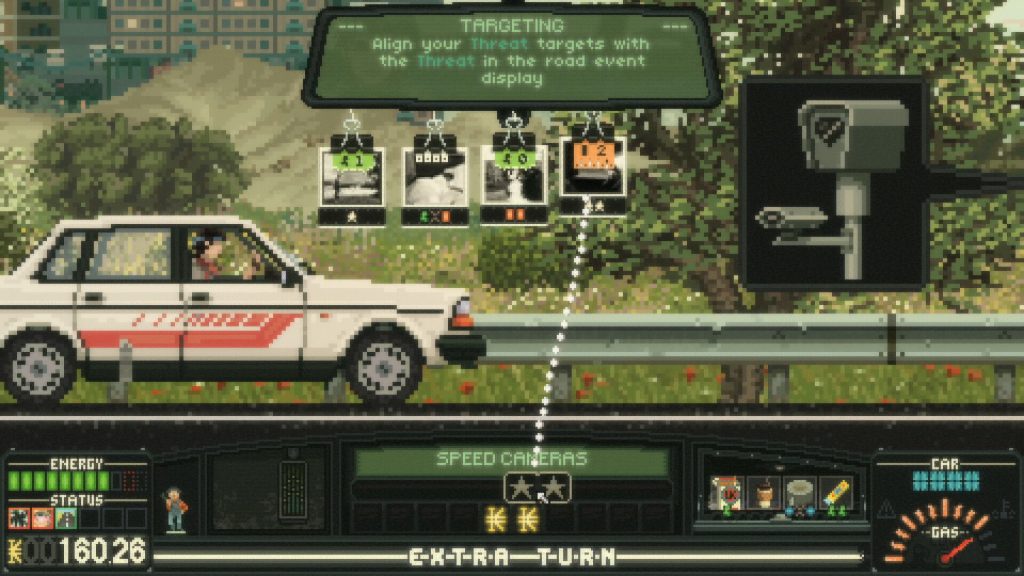
Keep Driving launches on Switch, PS5 and Xbox Series X|S on September 28 as its PC edition receives official Steam…
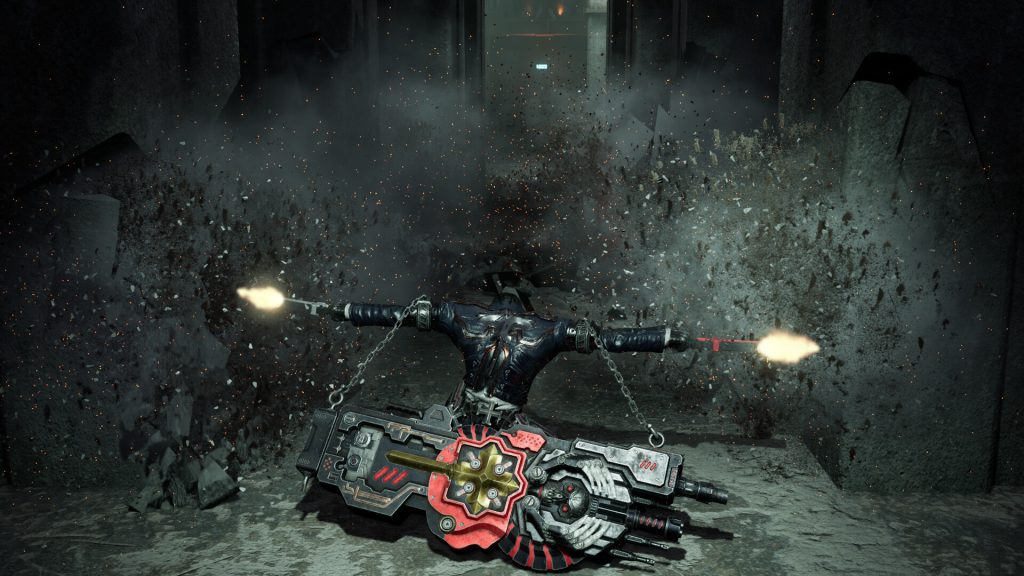
Gungrave G.O.R.E: Blood Heat shows its rebuilt combat, including parries, close-range attacks and faster 360-degree movement.

Sugar Lies follows a young man who hates dishonesty and a girl living behind a perfect persona when it launches…
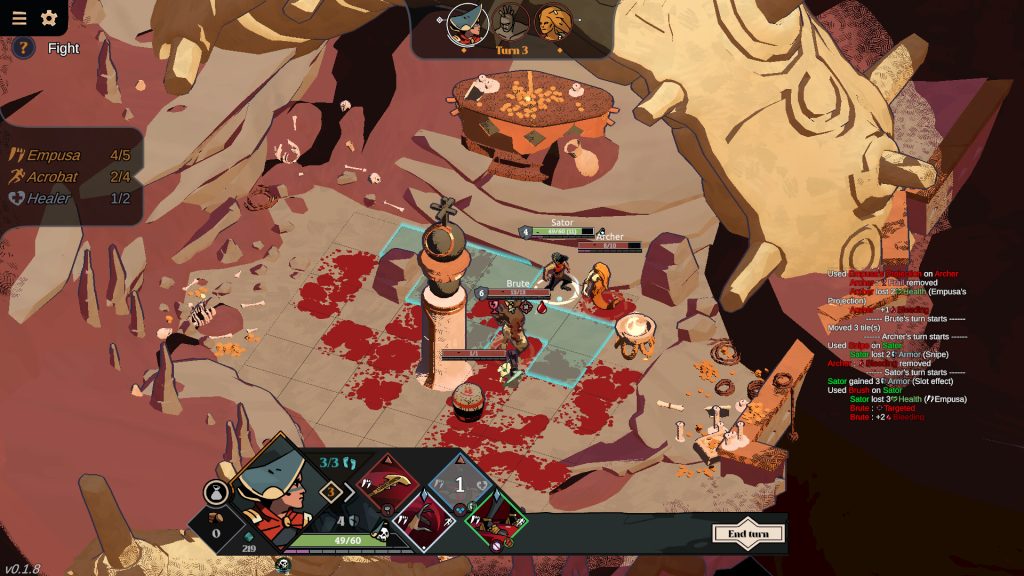
Deified leaves Steam Early Access on September 21 with its narrative ending, final boss floor, balance improvements and hidden content.
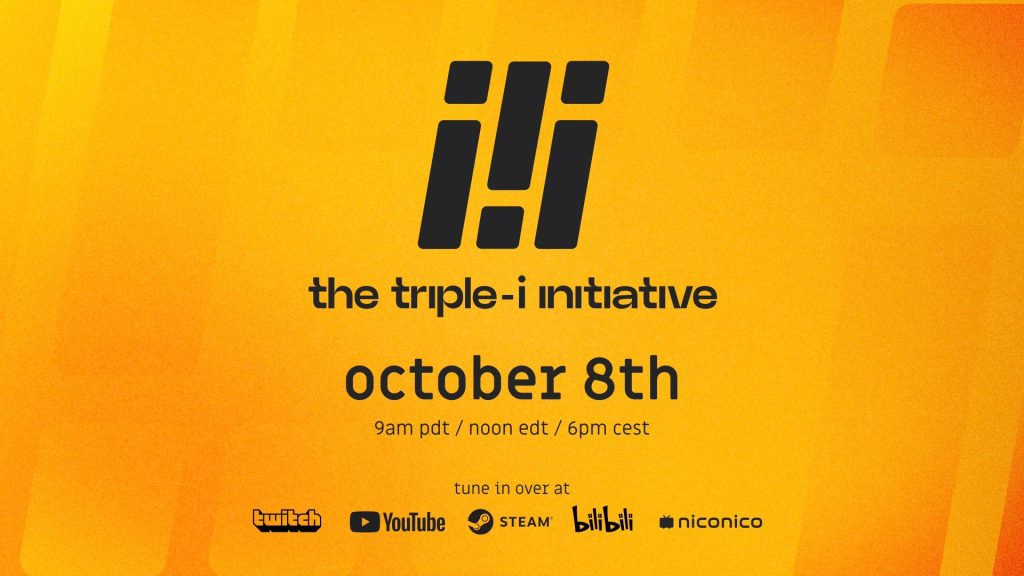
Triple-i Initiative returns October 8 with 40 games, eight world premieres and 45 minutes of trailers, release dates and reveals.
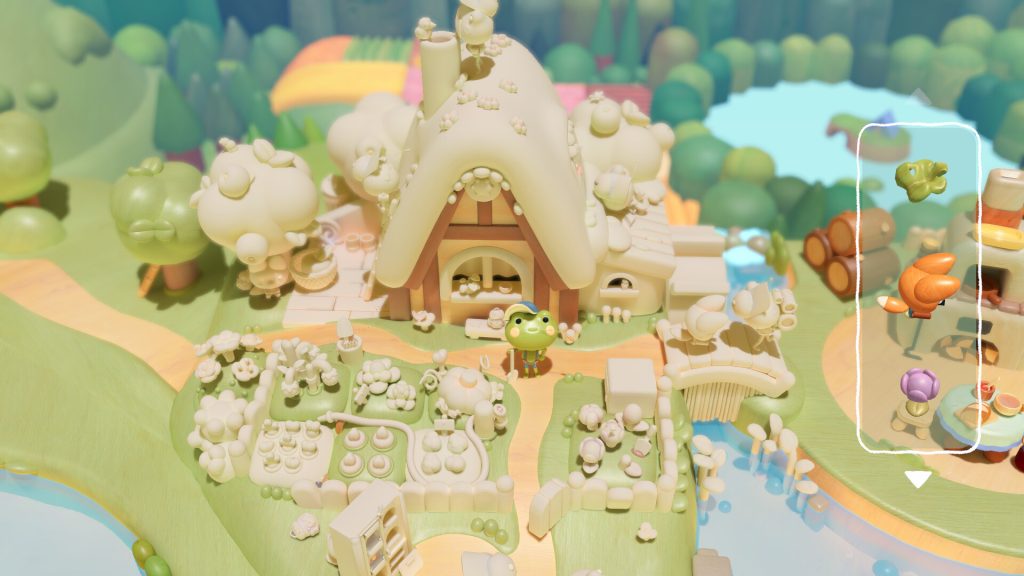
Woodo launches September 16, inviting players to rebuild childhood memories through cozy, handcrafted wooden dioramas.
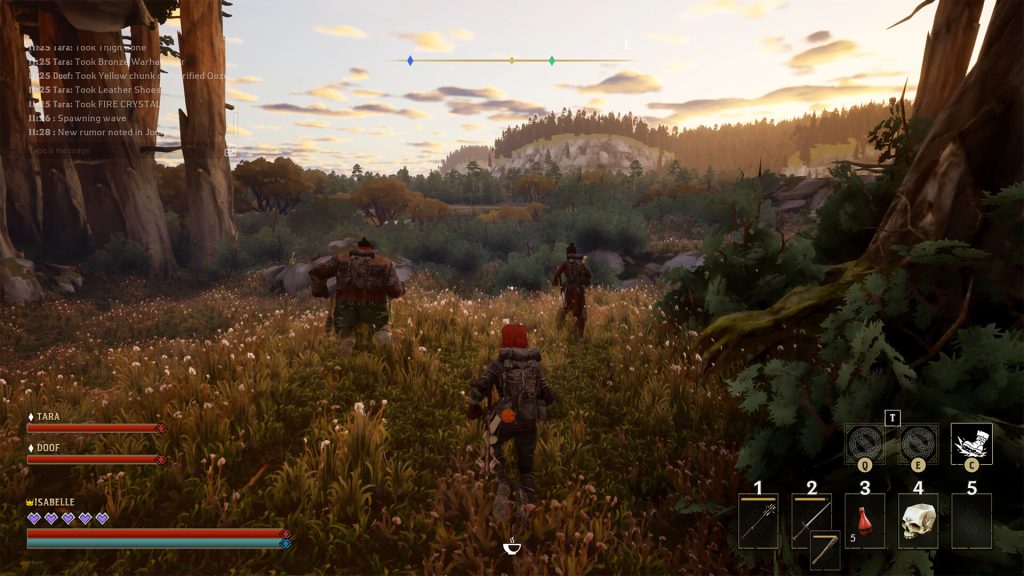
Curve Games signs Wyldheart in one of its biggest recent investments after the co-op RPG surpasses 375,000 Steam wishlists.
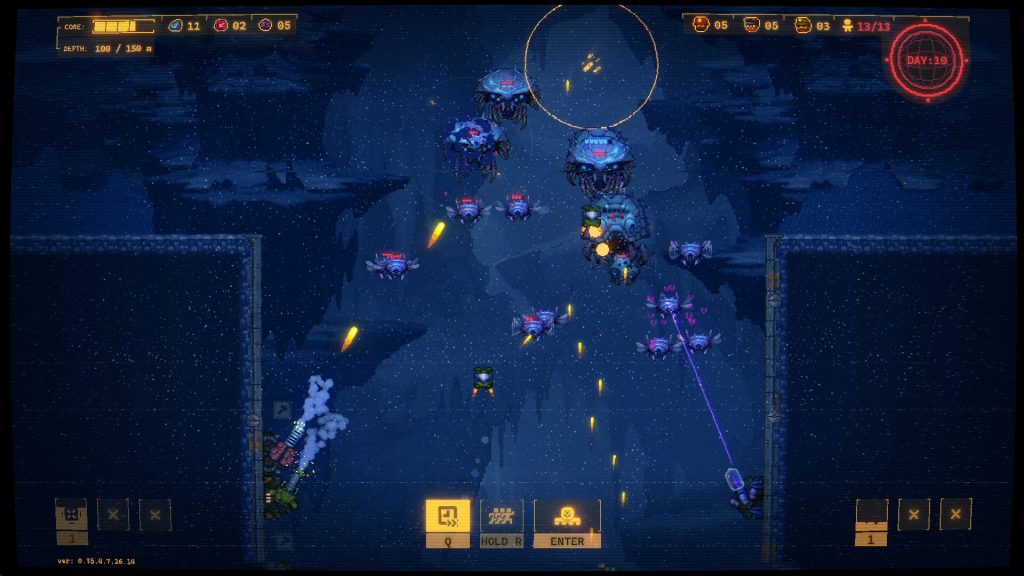
Drill Core’s free Anniversary Update adds Relaxed Mode, new bounties, specialists, platform skins and several quality-of-life improvements.
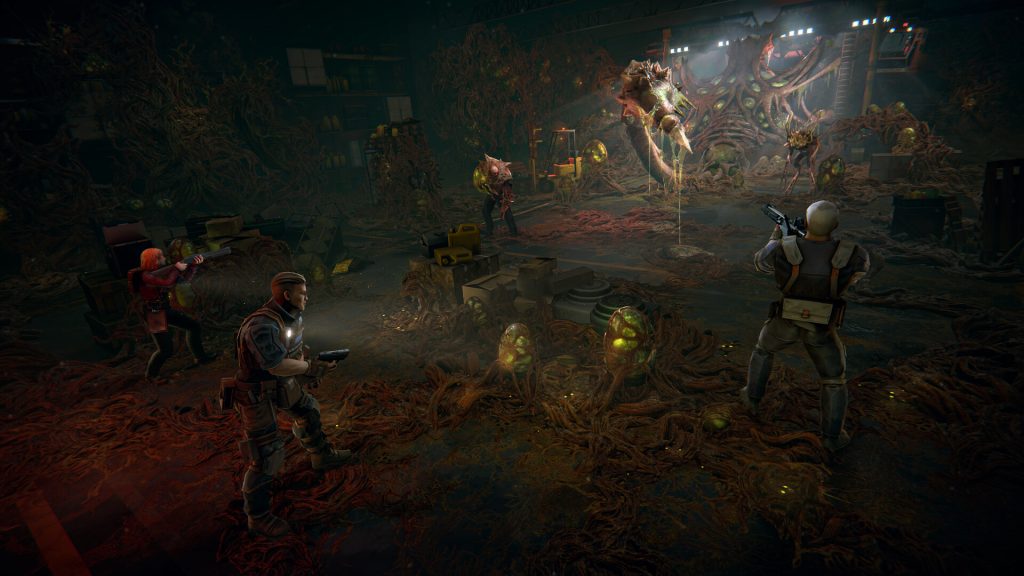
Critical Shift’s free two-hour demo combines real-time exploration with tactical combat inside a compromised Antarctic facility.
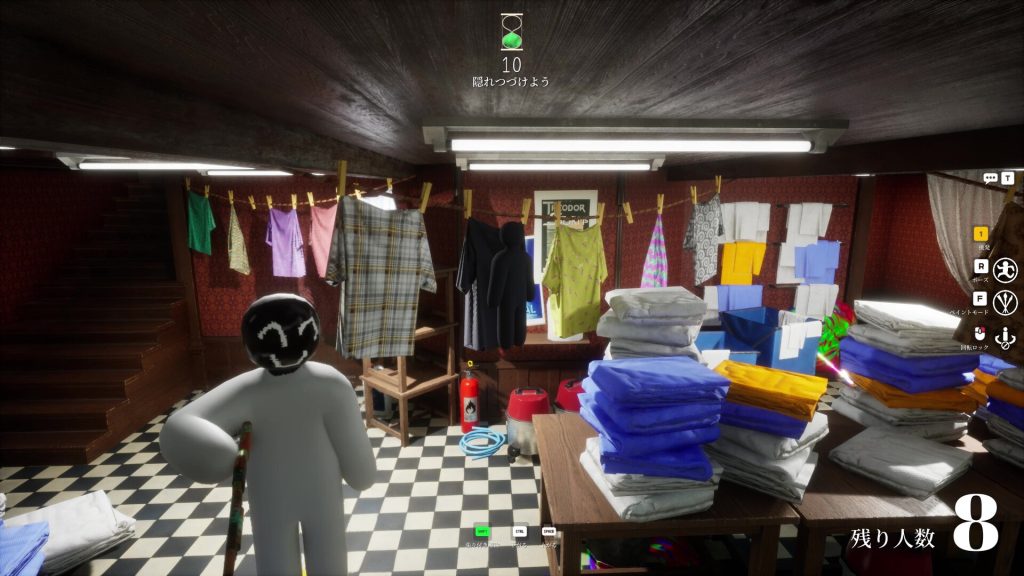
Meccha Chameleon brings its paint-based multiplayer hide-and-seek matches to Nintendo Switch 2 with a temporary $4.79 launch price.
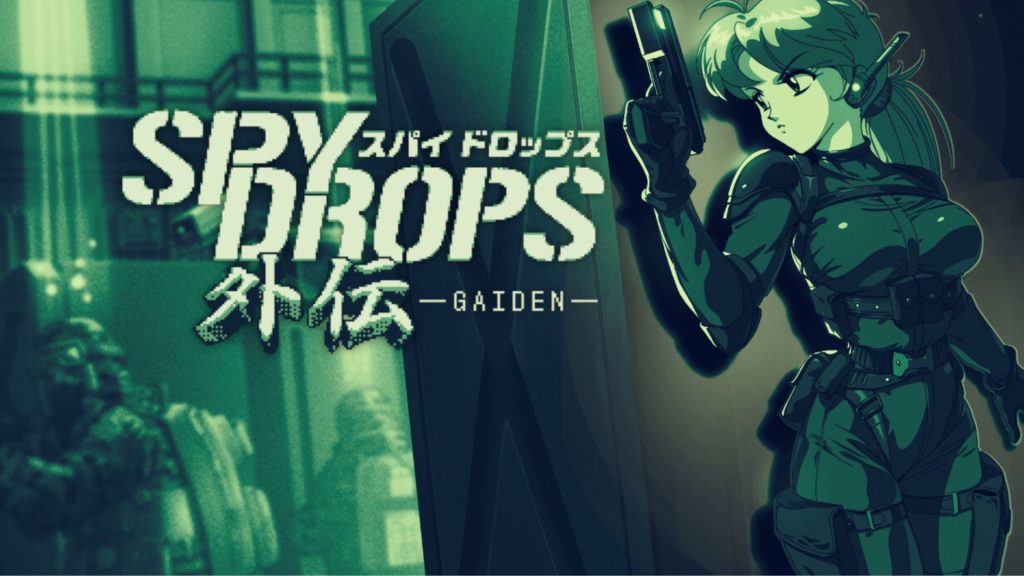
Spy Drops Gaiden brings Game Boy-style stealth, eight covert missions and intel extraction to Steam on October 12 for €4.99.
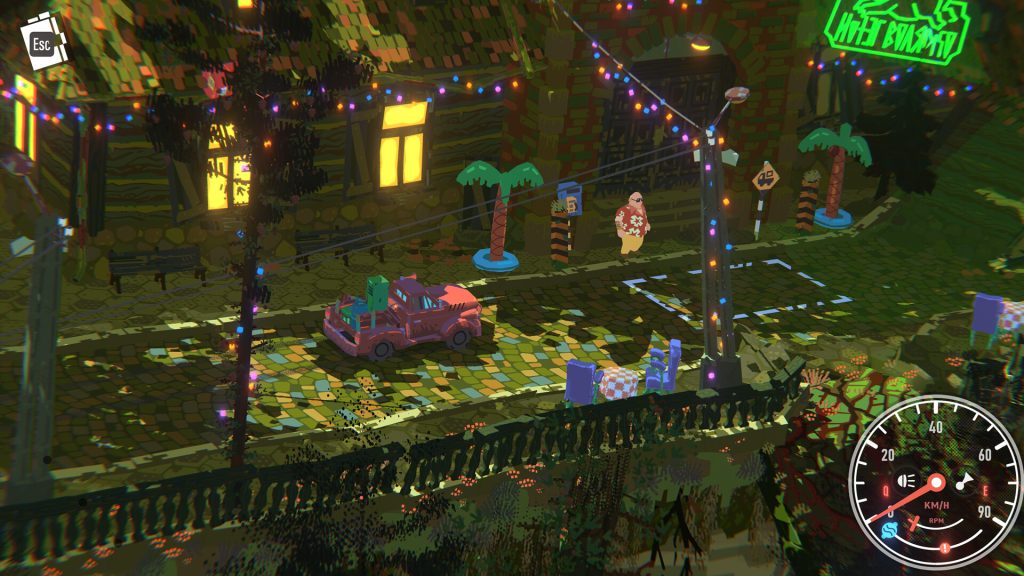
Truckful launches October 9 on Steam and Android, combining physics-based deliveries with vehicle upgrades and a mystery inside an ancient…
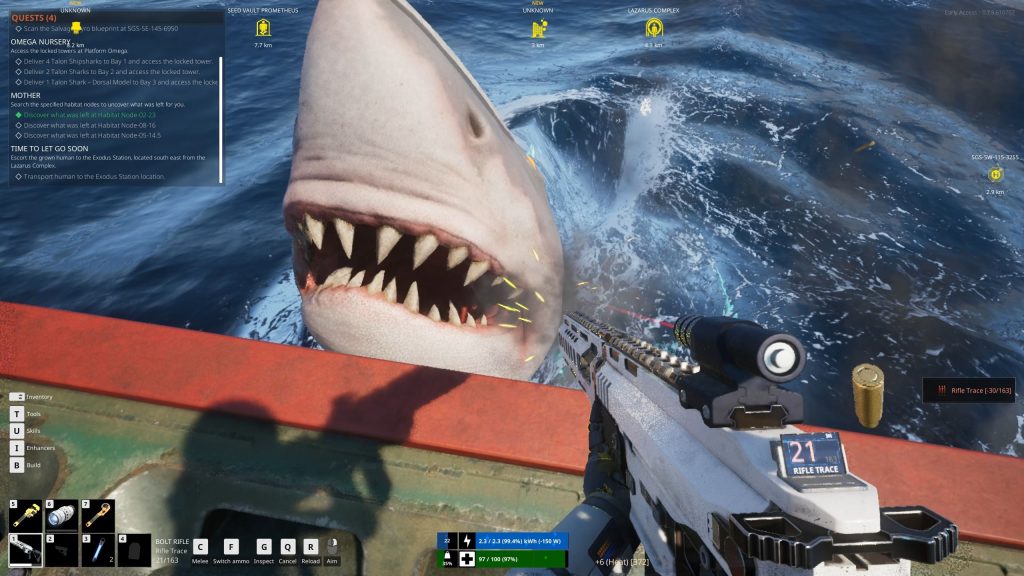
The Last Caretaker reaches version 1.0 in spring 2027 and joins Xbox Game Pass on day one after selling over…
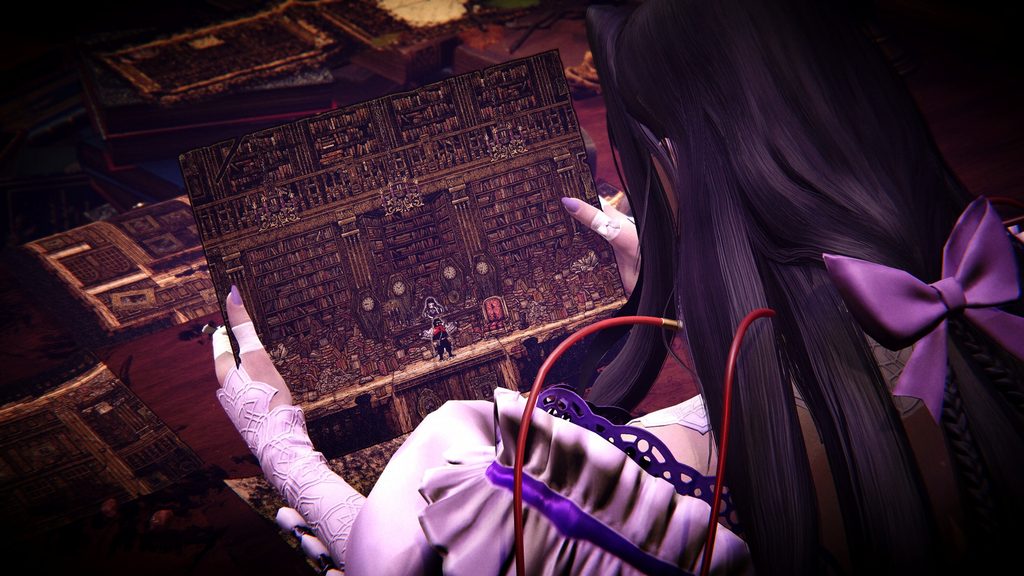
Chronoscript: The Endless End moves to early summer 2027 as DeskWorks! improves combat responsiveness, menus and visual readability.
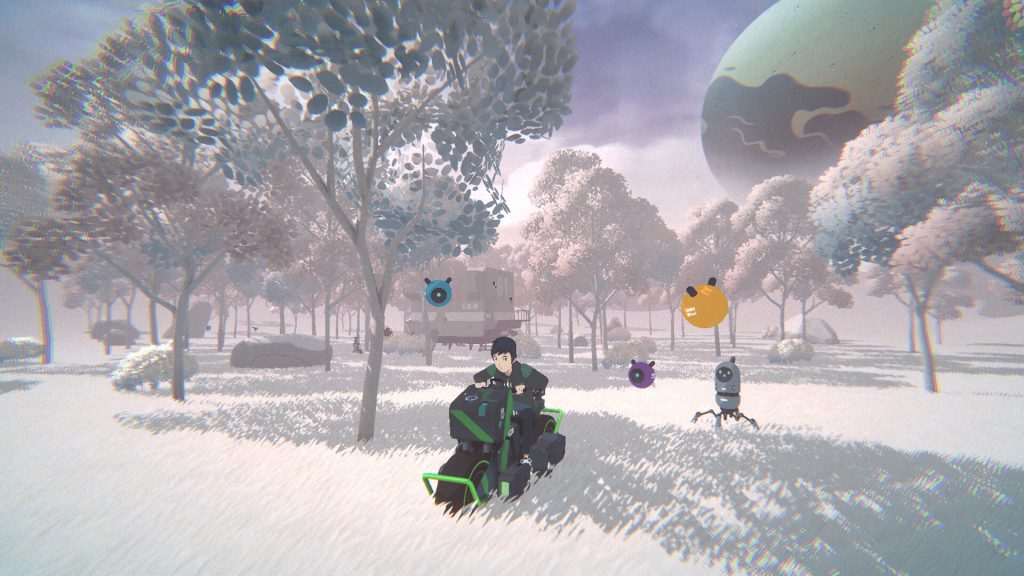
HEIMA is a parallel-world puzzle adventure from former Terra Battle developers, coming to PC in 2028 with SHIFT and HOLD…
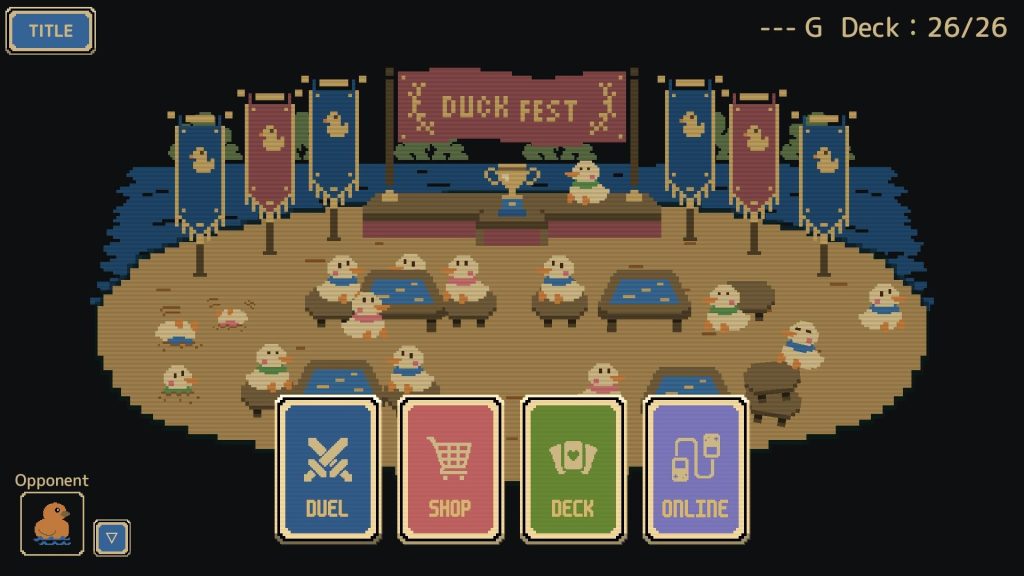
Duck Fest combines deck building and 1v1 battles with collectible cards that players can trade through the Steam Community Market.
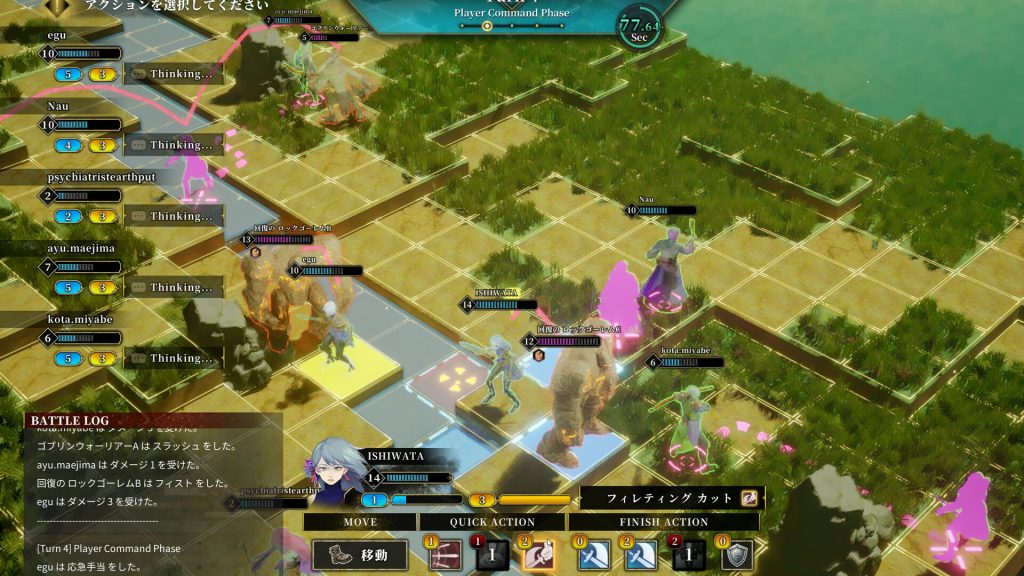
Tactful Tactics is a 1–6-player cooperative RPG where everyone plans and executes their actions simultaneously.
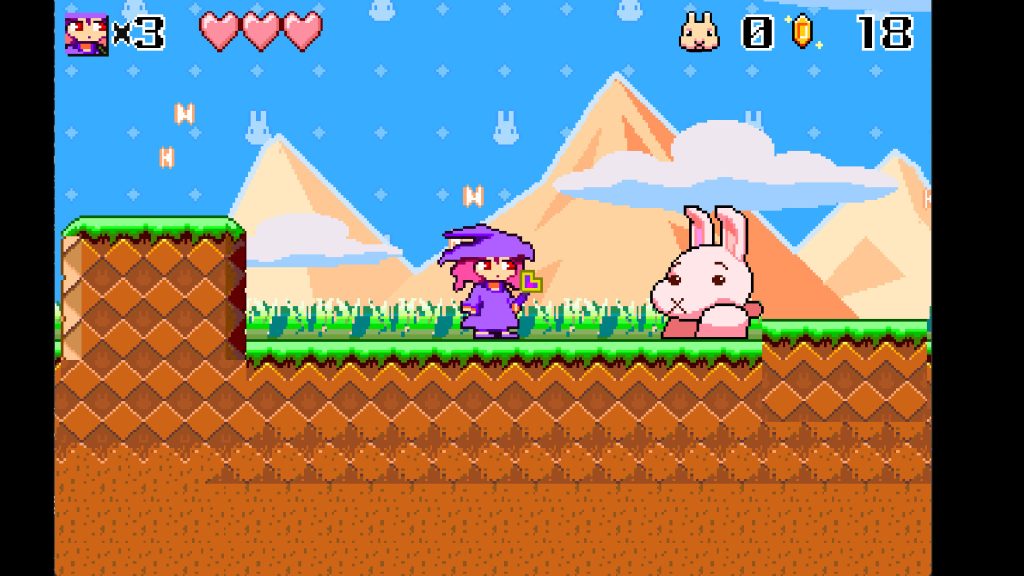
SakuSaku Witch is a retro-inspired 2D platformer about magic, bunny monsters and a suspicious toy company, coming to Steam in…
