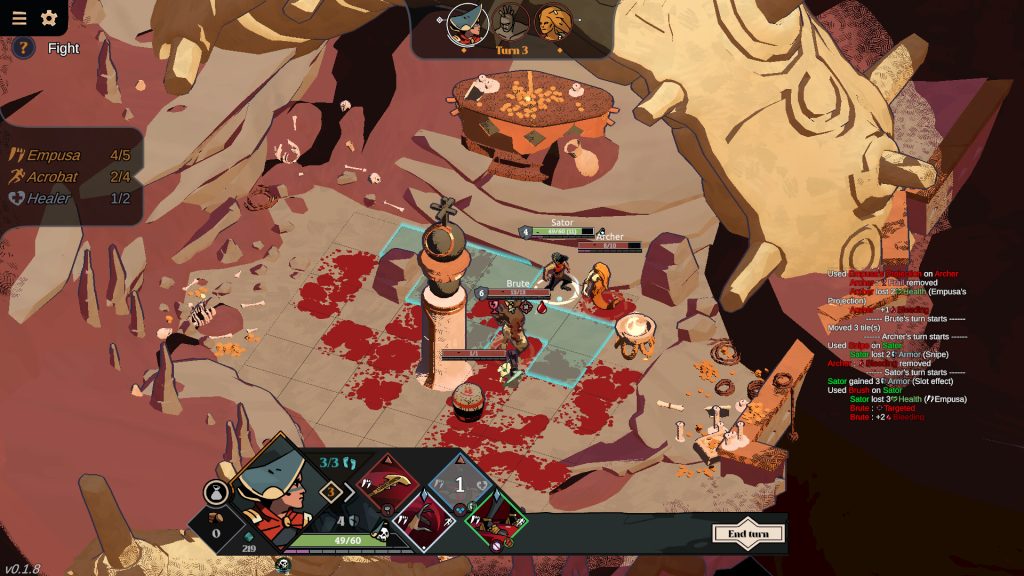
Tactical Roguelite Deified Leaves Early Access Next Week
Deified leaves Steam Early Access on September 21 with its narrative ending, final boss floor, balance improvements and hidden content.

![[OPINION] How Nintendo Turned Switch 2 Upgrades Into a Money Trap](https://www.indie-games.eu/wp-content/uploads/2026/01/Nintendo-Switch-2-Upgrades.jpg)
If you enjoy independent indie game coverage, consider supporting Indie-Games.eu on Patreon. It helps keep the site independent.
When The Legend of Zelda: Twilight Princess HD launched on the Wii U, Nintendo gave players multiple choices. The console could play Wii games, so anyone who already owned the original version could enjoy it without paying again. Even new players could buy the older Wii copy for much less, while the HD version sat at a higher price. Players decided what was worth their money, and the system felt fair.
At that time, Nintendo was seen as more customer-friendly. Before the massive success of the Switch, the company offered options that respected different budgets. Older games were cheaper, upgrades felt optional, and players were not pushed into rebuying the same titles. With the Nintendo Switch 2, that approach appears to have changed.
If a game like Super Mario Bros. Wonder receives a Switch 2 edition, players face two costly options. They can pay around $80 for the newer version with small upgrades, or $60 for the older Switch version with weaker graphics. Even though the game is already more than two years old, it still holds a full price tag. In the past, older versions would drop in price. Now, both versions are expensive.
Nintendo has suggested that the higher price is made up of the base game plus a $20 upgrade. In practice, that distinction means little. In stores, players pay the full $80 upfront. Those who already own the game must still spend more just to unlock better performance on their new console.
This pricing trend is not limited to one or two titles. Games such as Mario Kart World, Mario Party Jamboree, Kirby and the Forgotten Land, and Tears of the Kingdom have all reached similar price levels. What once felt rare is now becoming normal.
In earlier years, Nintendo handled upgrades in a simpler way: Mario 3D World + Bowser’s Fury offered a full package for one price. Players were not asked to buy extra upgrades later. With the Switch 2, improvements are split into separate payments, and the value often feels thin.
Many people buy a new console for better performance. After spending hundreds on a Switch 2, players expect higher resolution, smoother gameplay, and improved visuals for the games they already own. Some titles, like Mario Odyssey and New Super Mario Bros. U Deluxe, do offer free performance boosts through backward compatibility.
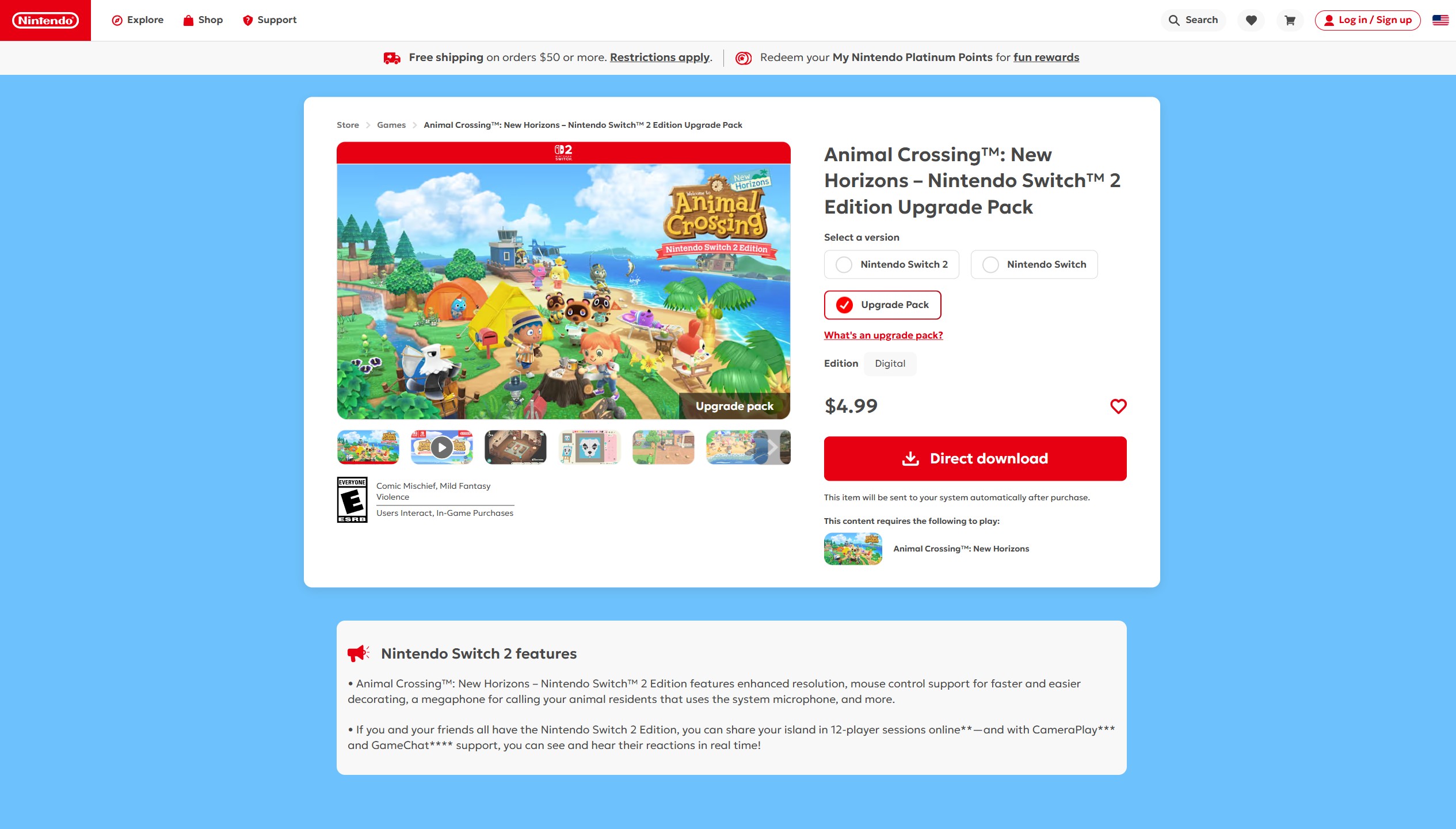
Others do not. For games like Mario Wonder, Kirby, and Zelda, players must purchase paid upgrade packs to see real improvements. Without paying more, they are effectively playing the same old versions with no meaningful benefit from the new hardware.
The upgrades themselves also feel limited. Nintendo has promoted the Switch 2 as capable of 120 frames per second, yet major titles like Mario Wonder only promise 4K resolution and 60 frames per second. For a 2D game that already ran well, this feels like a missed opportunity and, to some players, a misleading promise.
Smaller games on the system support higher frame rates, showing the feature is possible. Still, Nintendo has chosen to lock basic improvements behind a paywall for its biggest releases. That makes the pricing harder to defend.
The issue is not the quality of the games. Many of them are well-made and enjoyable. The problem is value. Paying $20 for small visual changes or minor content additions does not feel justified to many players, especially when the base game already performed well.
In some cases, you are also forced to buy extra content they may not want just to access better performance. Single-player fans, for example, might have to pay for multiplayer-focused additions simply to improve visuals.
As more Switch 2 editions arrive, the pattern becomes clearer. Instead of focusing on brand-new experiences, Nintendo is leaning heavily on paid upgrades and re-releases. New players pay high prices for last-generation games, while long-time fans are asked to pay again for features their new console should already provide.
For many, this does not feel like progress. It feels like paying more for less, and it risks damaging the trust that once made Nintendo stand out.
Deified leaves Steam Early Access on September 21 with its narrative ending, final boss floor, balance improvements and hidden content.
Triple-i Initiative returns October 8 with 40 games, eight world premieres and 45 minutes of trailers, release dates and reveals.
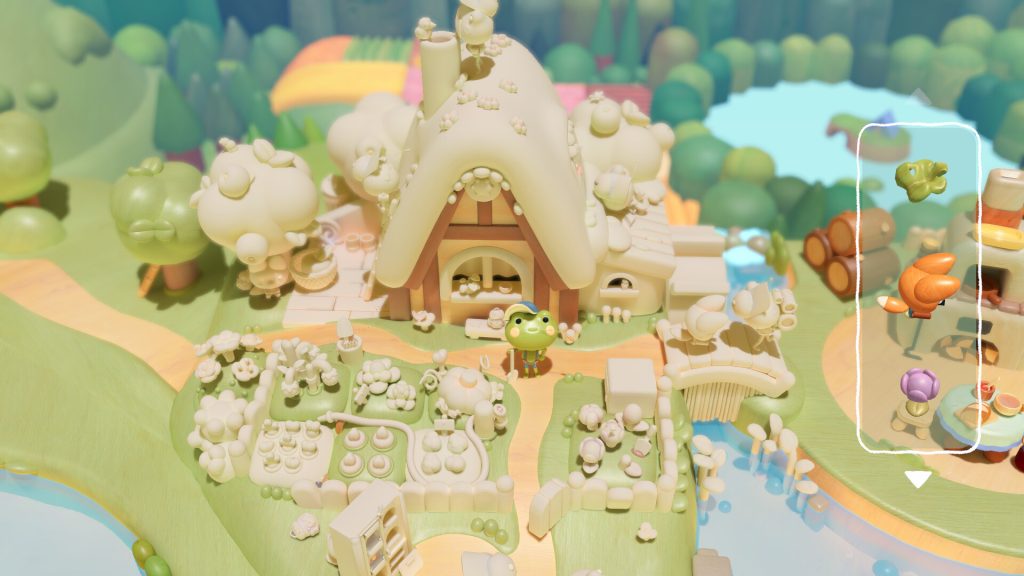
Woodo launches September 16, inviting players to rebuild childhood memories through cozy, handcrafted wooden dioramas.
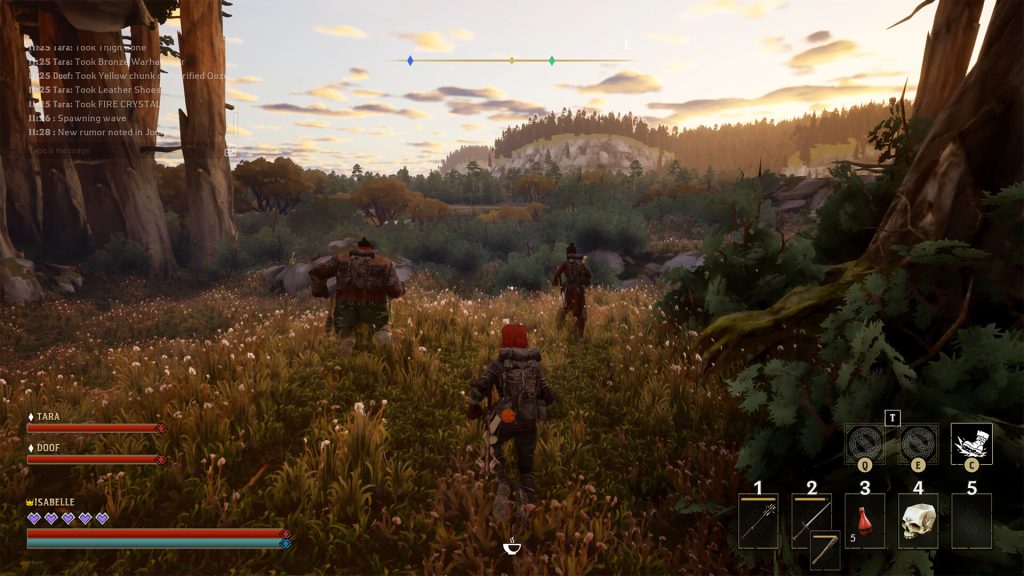
Curve Games signs Wyldheart in one of its biggest recent investments after the co-op RPG surpasses 375,000 Steam wishlists.
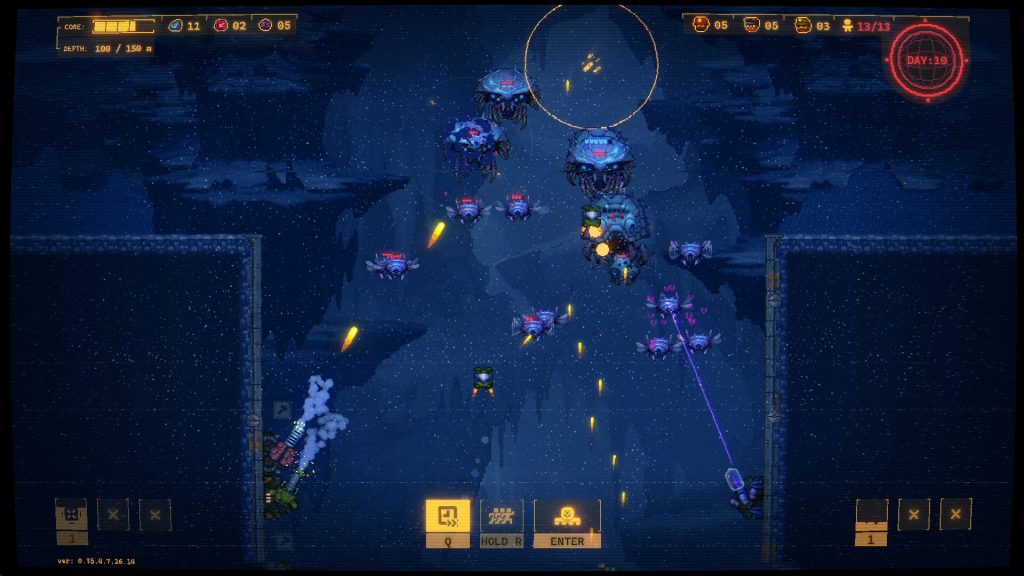
Drill Core’s free Anniversary Update adds Relaxed Mode, new bounties, specialists, platform skins and several quality-of-life improvements.
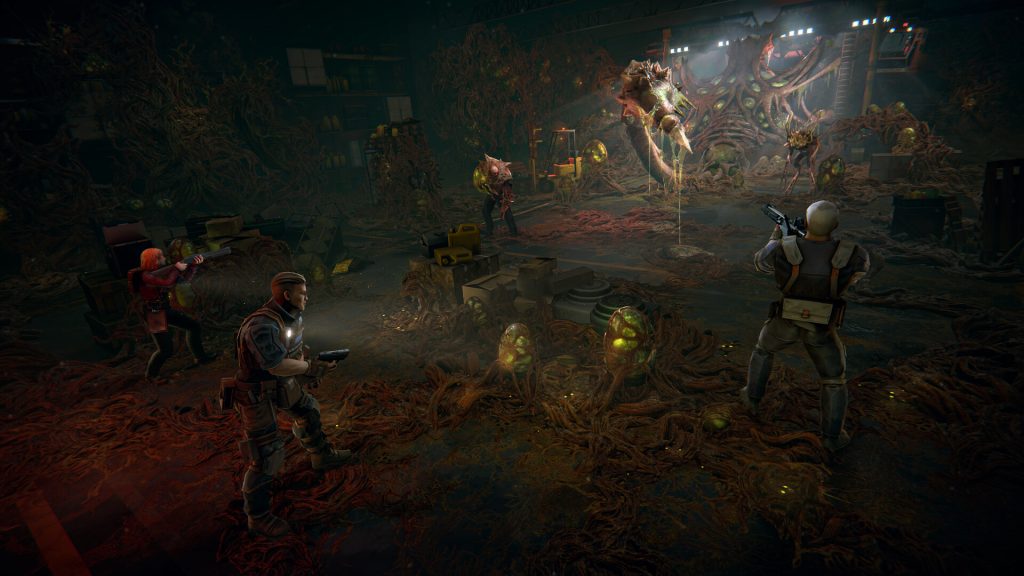
Critical Shift’s free two-hour demo combines real-time exploration with tactical combat inside a compromised Antarctic facility.
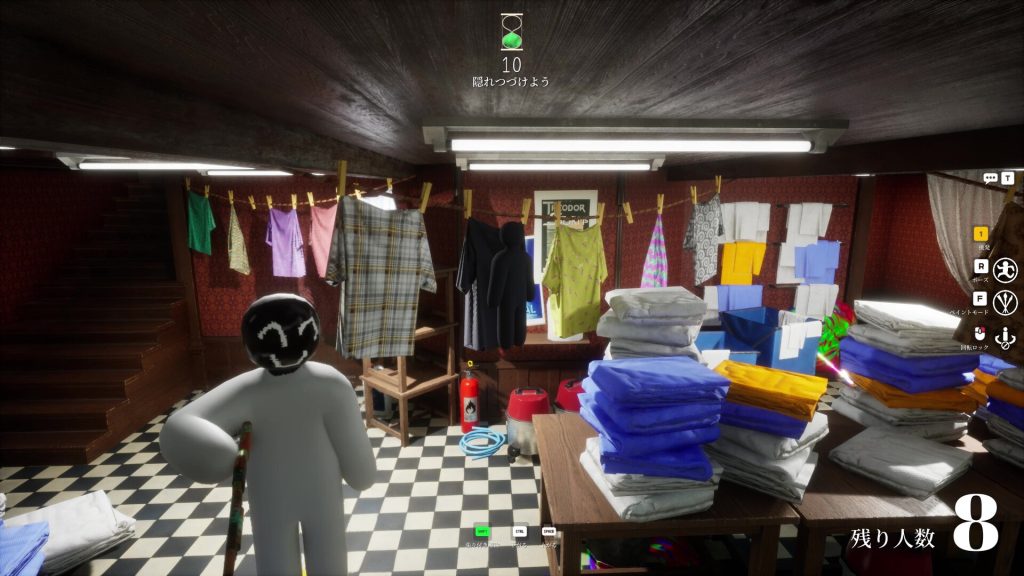
Meccha Chameleon brings its paint-based multiplayer hide-and-seek matches to Nintendo Switch 2 with a temporary $4.79 launch price.
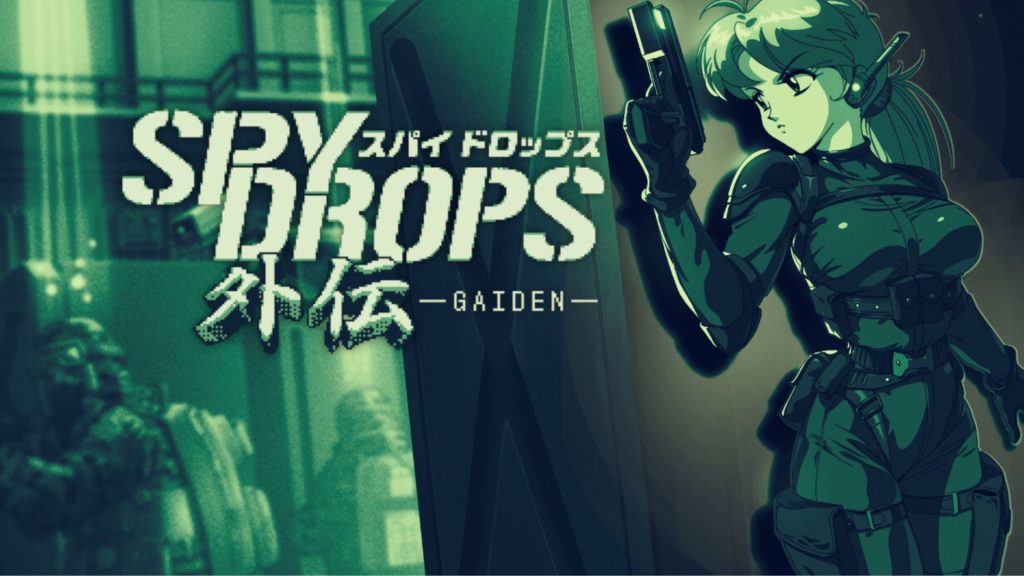
Spy Drops Gaiden brings Game Boy-style stealth, eight covert missions and intel extraction to Steam on October 12 for €4.99.
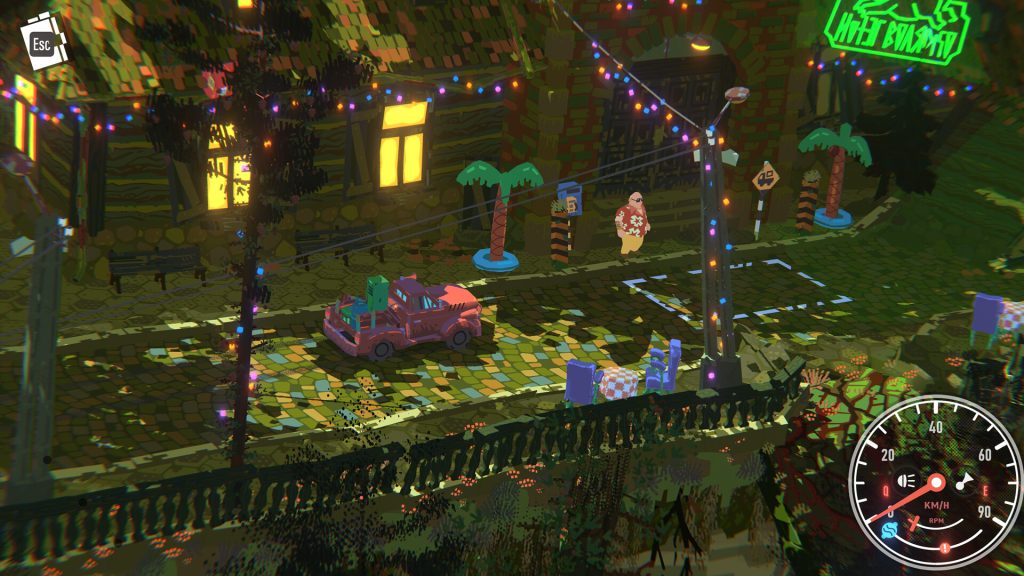
Truckful launches October 9 on Steam and Android, combining physics-based deliveries with vehicle upgrades and a mystery inside an ancient…
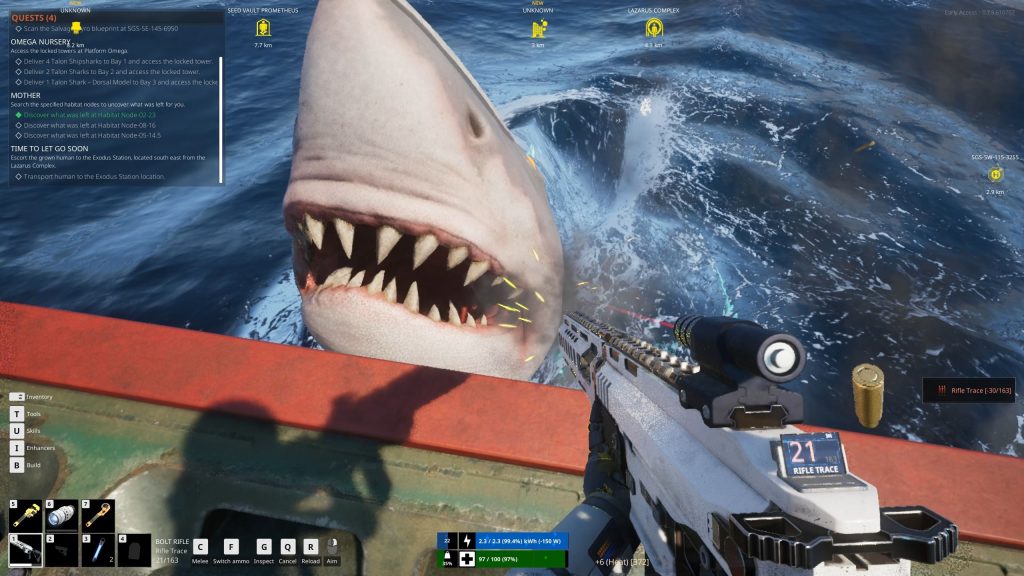
The Last Caretaker reaches version 1.0 in spring 2027 and joins Xbox Game Pass on day one after selling over…
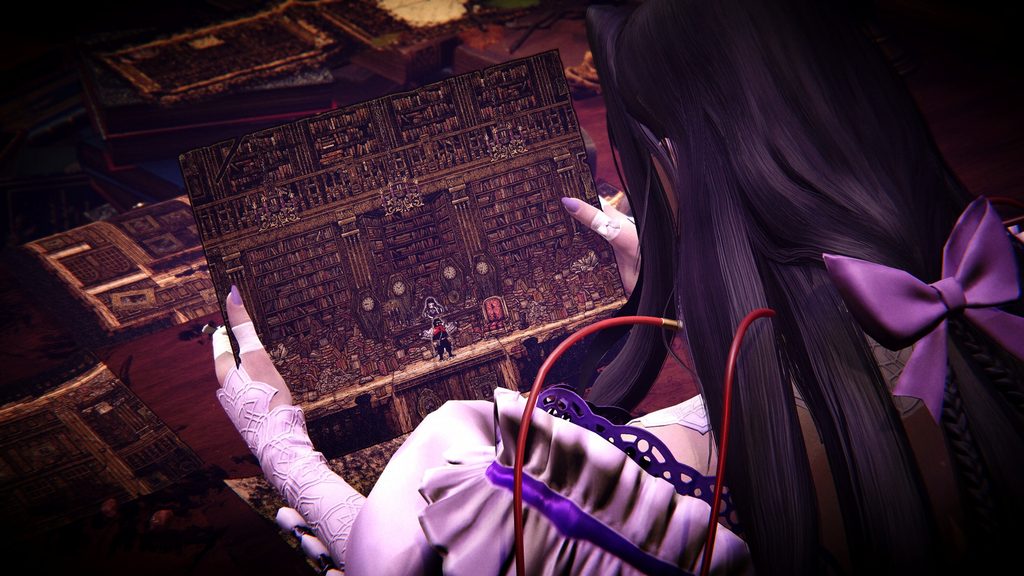
Chronoscript: The Endless End moves to early summer 2027 as DeskWorks! improves combat responsiveness, menus and visual readability.
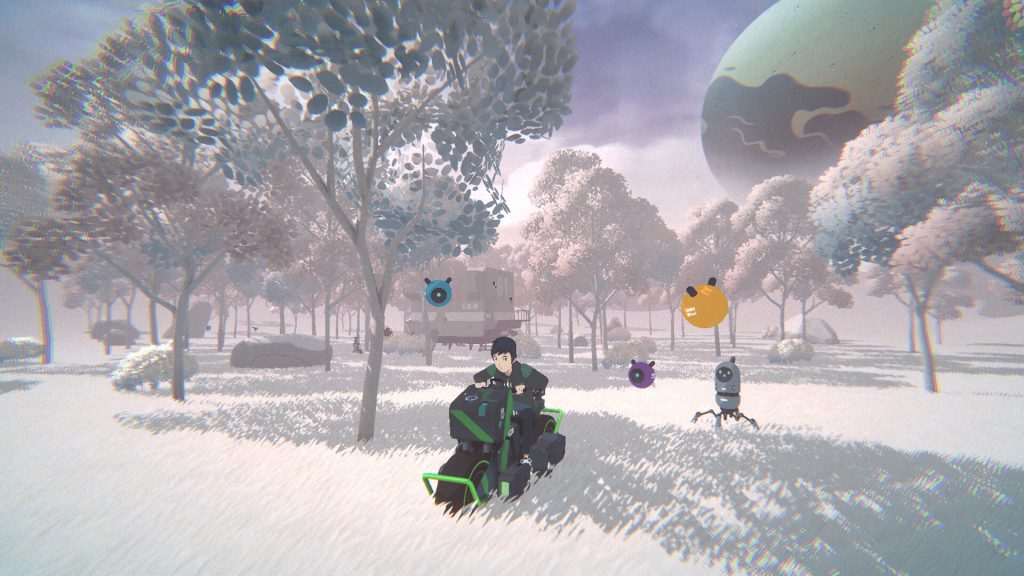
HEIMA is a parallel-world puzzle adventure from former Terra Battle developers, coming to PC in 2028 with SHIFT and HOLD…
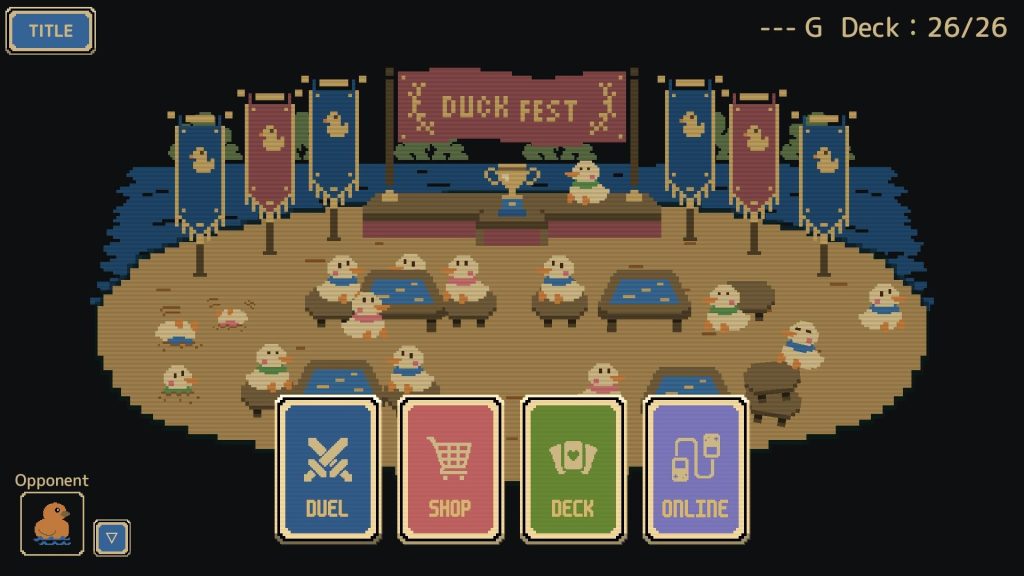
Duck Fest combines deck building and 1v1 battles with collectible cards that players can trade through the Steam Community Market.
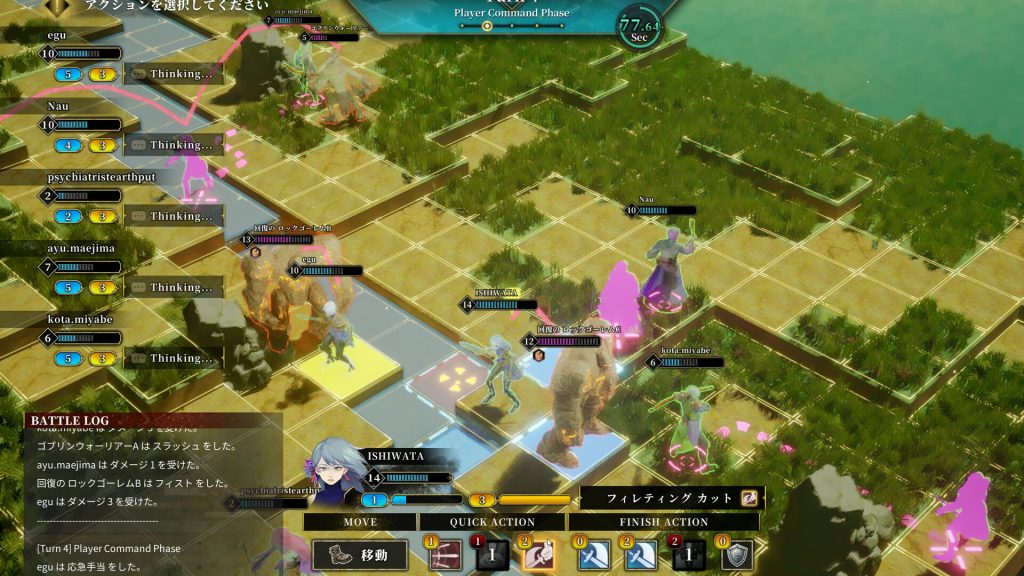
Tactful Tactics is a 1–6-player cooperative RPG where everyone plans and executes their actions simultaneously.
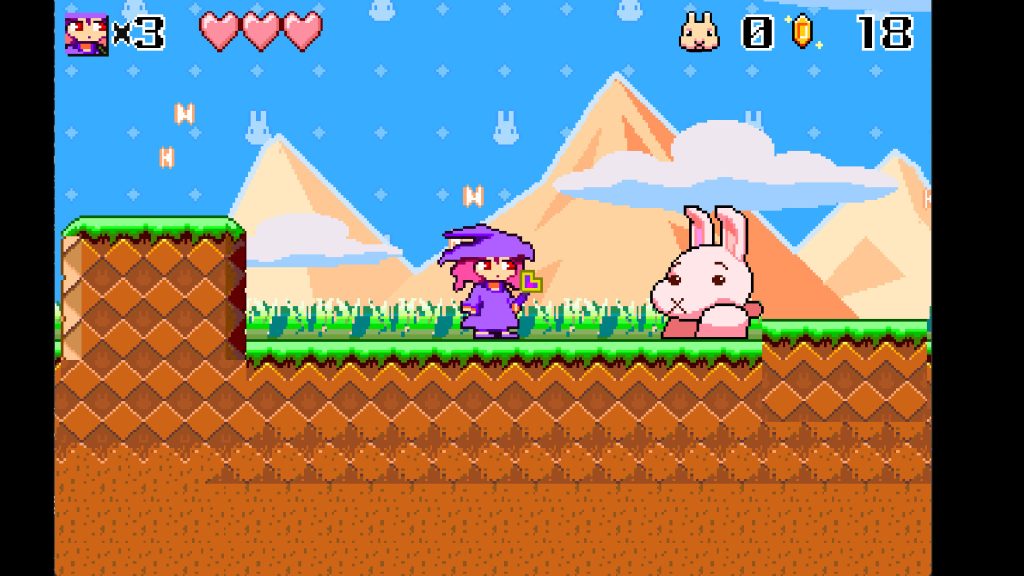
SakuSaku Witch is a retro-inspired 2D platformer about magic, bunny monsters and a suspicious toy company, coming to Steam in…
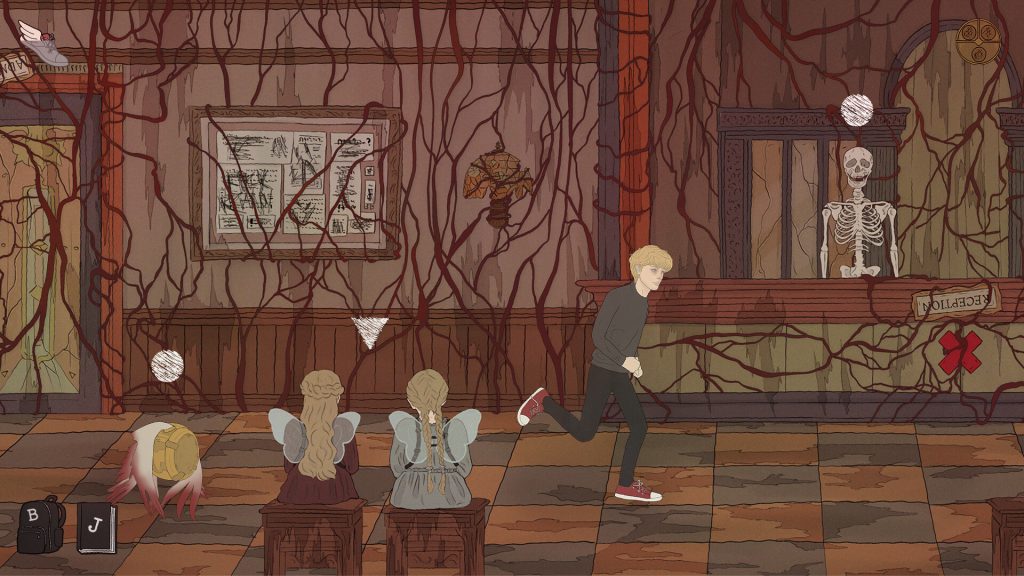
Hand-drawn psychological horror game DEPERSON earns Gamescom and BIC recognition ahead of its planned Q4 2026 Steam release.
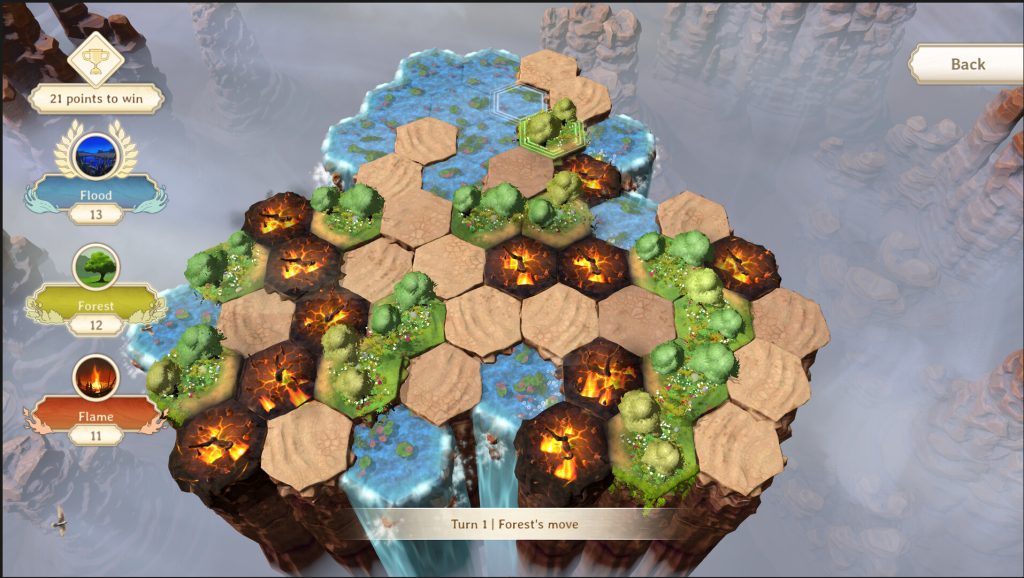
Cozy strategy game Flame, Forest & Flood will challenge GTA VI by deliberately launching on November 19, 2026.
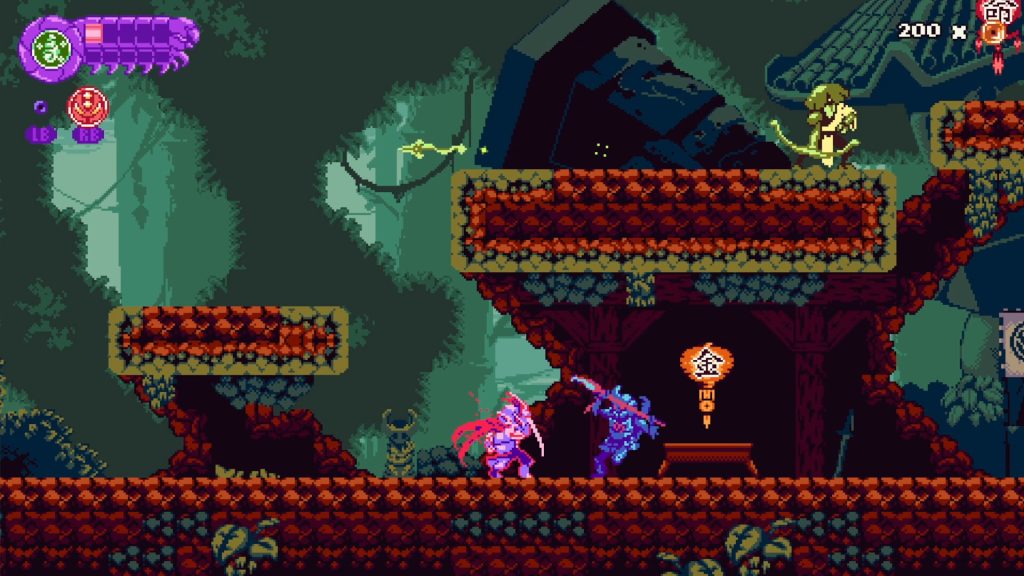
Akupara launches Kallisti Games, a service-first indie label for retro and experimental PC titles, with AOKAKI as its first project.
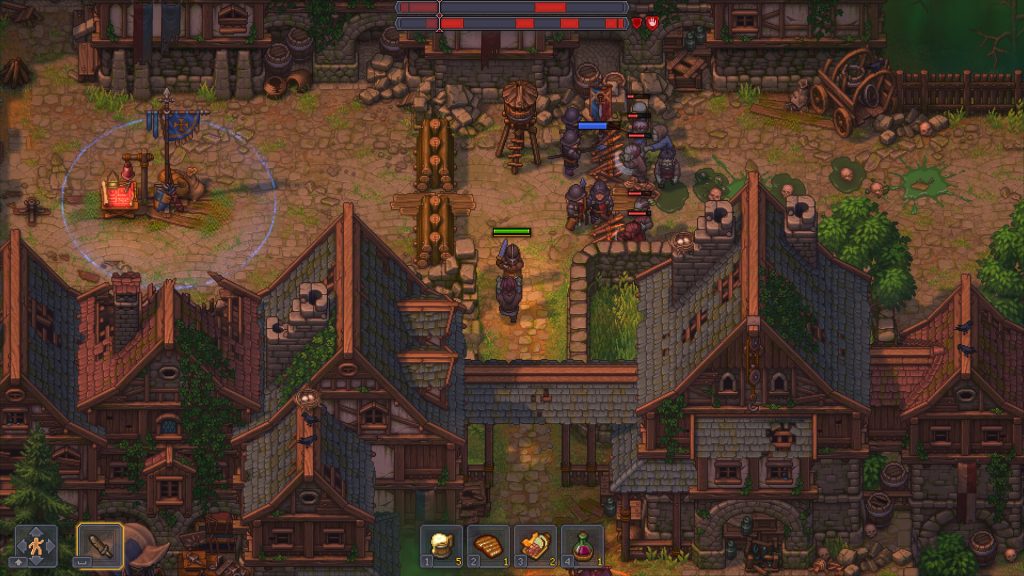
Graveyard Keeper 2 has earned $1.53 million from Steam pre-orders, with 87,500 copies sold and more than 814,000 active wishlists.
Guardians of the Wall shows chaotic co-op combat, roguelite progression and evolving world events ahead of its planned Q1 2027…
