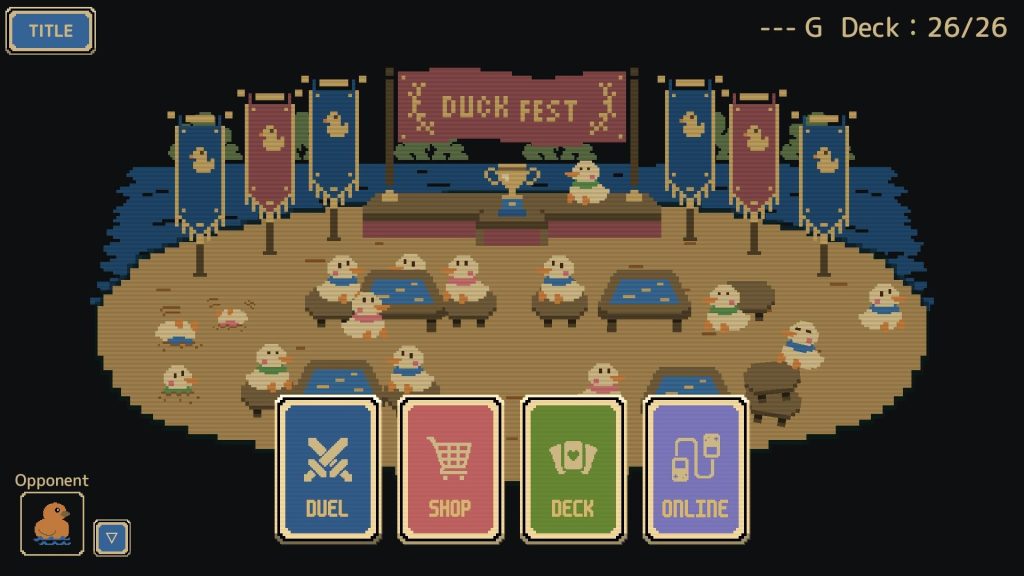
Duck Fest Puts Its Collectible Cards on the Steam Community Market
Duck Fest combines deck building and 1v1 battles with collectible cards that players can trade through the Steam Community Market.

![[OPINION] Xbox Hardware Slips as Microsoft’s Earnings Expose a Growing Problem](https://www.indie-games.eu/wp-content/uploads/2026/01/Xbox.jpg)
If you enjoy independent indie game coverage, consider supporting Indie-Games.eu on Patreon. It helps keep the site independent.
Microsoft’s fiscal year 2026 second quarter earnings, released on January 28, 2026, showed a company in strong shape overall, but they also highlighted serious trouble for Xbox. While Microsoft celebrated major gains across its core businesses, its gaming division once again fell behind, raising new questions about the future of Xbox hardware.
The company reported $81.3 billion in revenue for the quarter, a 17 percent increase compared to last year. This growth was driven mainly by Azure cloud services and Office products, which continue to expand at a fast pace. In contrast, the More Personal Computing segment, which includes Xbox, moved in the opposite direction. Revenue in this segment dropped to $14.25 billion, down from $14.65 billion a year earlier, with gaming named as a key reason for the decline.
A closer look at the numbers makes the situation worse. Xbox gaming revenue fell 9 percent year over year. Hardware sales collapsed by 32 percent, while content and services dropped by 5 percent. This was not just a weak quarter, but another sign of a long-term problem.
The sharp fall in hardware sales is especially troubling. The Xbox Series X and Series S are now deep into their life cycle, but Microsoft has done little to refresh interest in them. There is no strong push in marketing, no major hardware update, and no clear message about what comes next. For many players, there is simply no reason to buy an Xbox console today.
That problem is made worse by Microsoft’s choice to release its biggest games on other platforms. Titles like Indiana Jones and the Great Circle and Avowed are launching on PlayStation 5 and PC at the same time as Xbox. Older pillars of the brand, such as Halo and Gears of War, are also moving beyond the console. This removes the main reason people once bought Xbox hardware in the first place.
Xbox leadership has openly supported this platform-agnostic approach, saying the goal is to reach players everywhere. While that may make sense for software sales, it leaves Xbox consoles without a clear role. The earnings report offered no hint of new hardware or a next-generation system, adding to concerns that consoles are no longer a priority.
Microsoft’s focus has shifted heavily toward Game Pass and cloud gaming. In theory, this offers steady income without relying on hardware sales. In practice, the plan is starting to crack. Content and services revenue still declined, even with Game Pass at the center of the strategy.
The timing is hard to ignore. In October 2025, Microsoft raised the price of Game Pass Ultimate from $19.99 to $29.99 per month. New and confusing tiers were also added. This happened right at the start of the quarter and was followed by a clear drop in revenue. Many users complained online about cancellations and said the service no longer felt worth the cost.
At the same time, Xbox has struggled to deliver strong, polished games. Recent releases like The Outer Worlds 2 and Avowed failed to meet expectations, launching with mixed reactions. These games did little to justify higher prices or keep players locked into the Xbox ecosystem.
All of this stands in sharp contrast to Microsoft’s wider success. Net income jumped 60 percent to $38.5 billion, and cloud services alone brought in more than $40 billion. Gaming, with about $6 billion in quarterly revenue, looks small next to these giants and appears to be treated as less important. One of the most worrying signs is what Microsoft did not say. The company did not share updated Game Pass subscriber numbers, something it often highlighted in the past. That silence suggests growth may have slowed or even reversed.
Without new hardware plans, strong exclusives, or fair pricing, Xbox consoles are losing their purpose. Players can already access most Xbox games on PlayStation, PC, or through cloud streaming. In that world, buying a $500 console makes little sense.
Microsoft’s multi-platform strategy may help spread its games further, but it is failing to protect Xbox hardware. Unless the company changes direction and invests properly in consoles again, Xbox risks becoming a side brand rather than a pillar of gaming.
Duck Fest combines deck building and 1v1 battles with collectible cards that players can trade through the Steam Community Market.
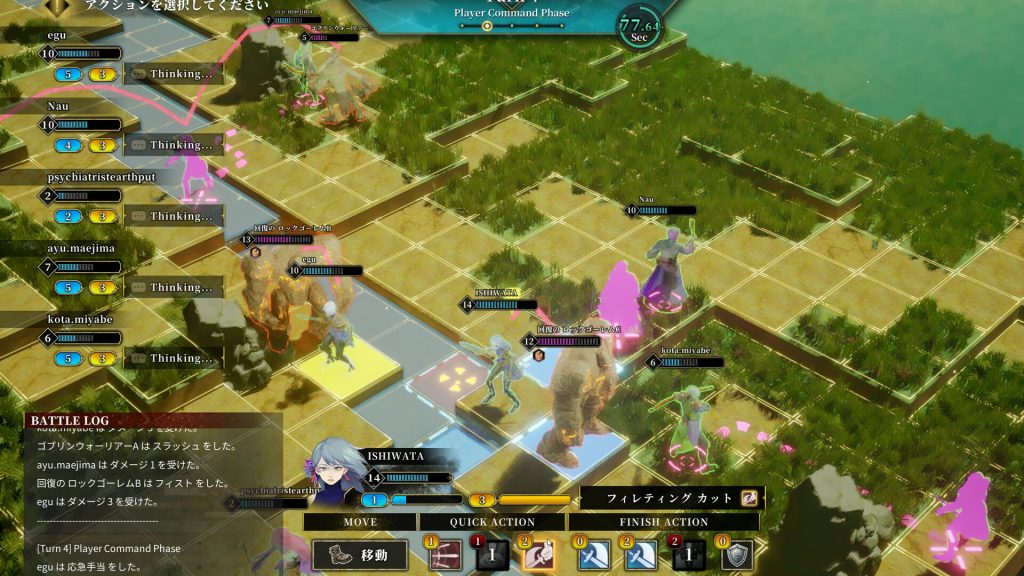
Tactful Tactics is a 1–6-player cooperative RPG where everyone plans and executes their actions simultaneously.

SakuSaku Witch is a retro-inspired 2D platformer about magic, bunny monsters and a suspicious toy company, coming to Steam in…
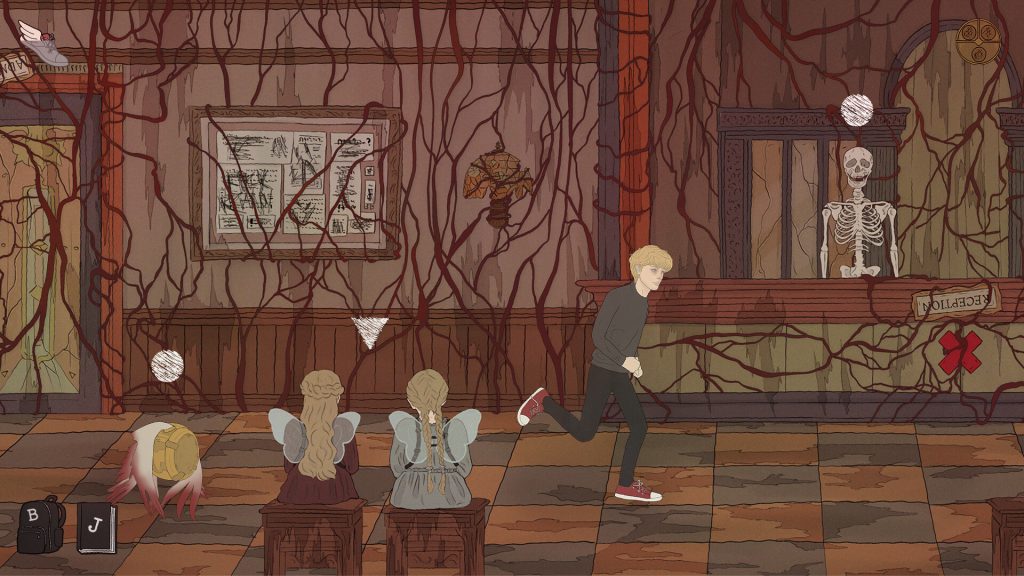
Hand-drawn psychological horror game DEPERSON earns Gamescom and BIC recognition ahead of its planned Q4 2026 Steam release.
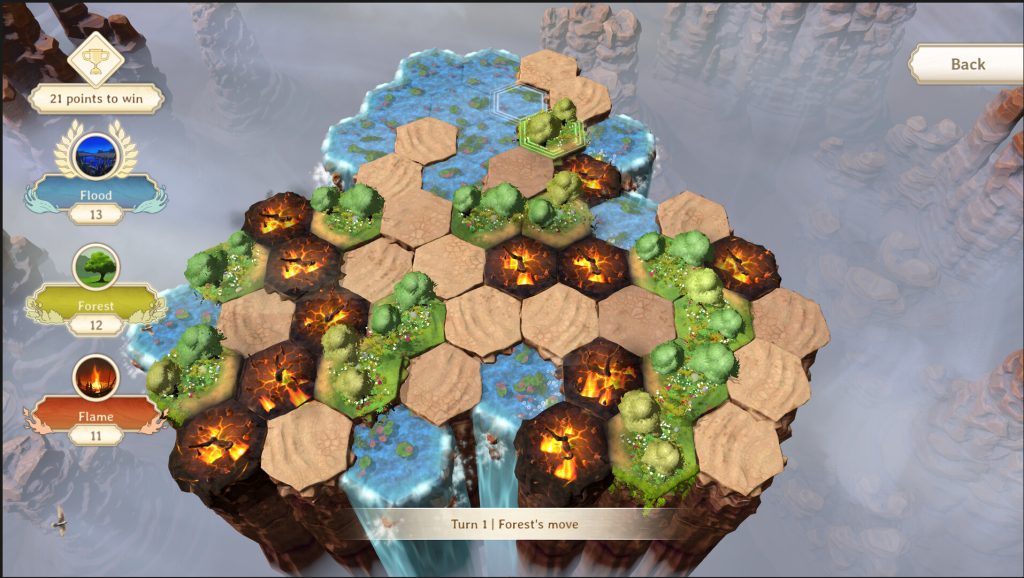
Cozy strategy game Flame, Forest & Flood will challenge GTA VI by deliberately launching on November 19, 2026.
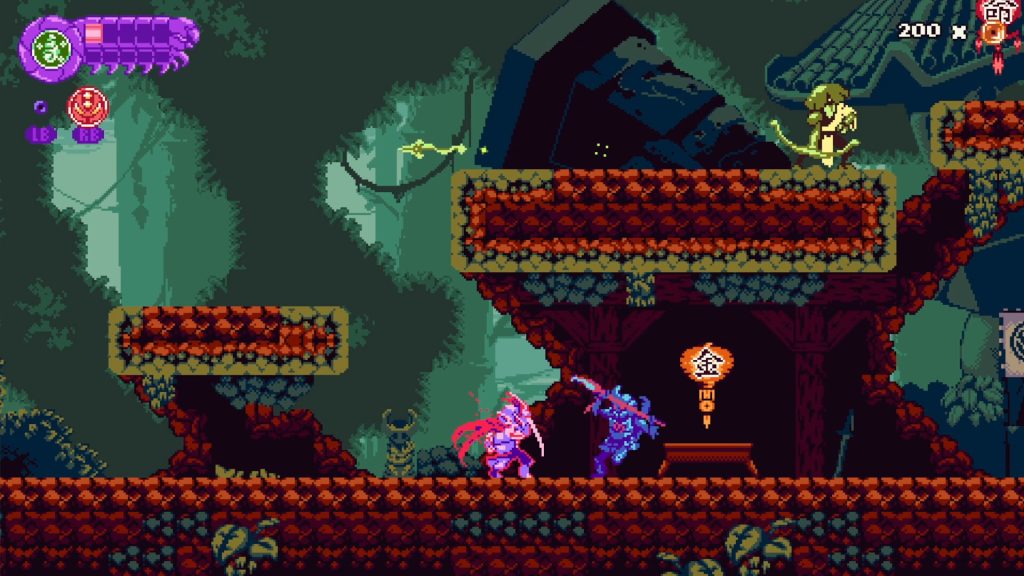
Akupara launches Kallisti Games, a service-first indie label for retro and experimental PC titles, with AOKAKI as its first project.
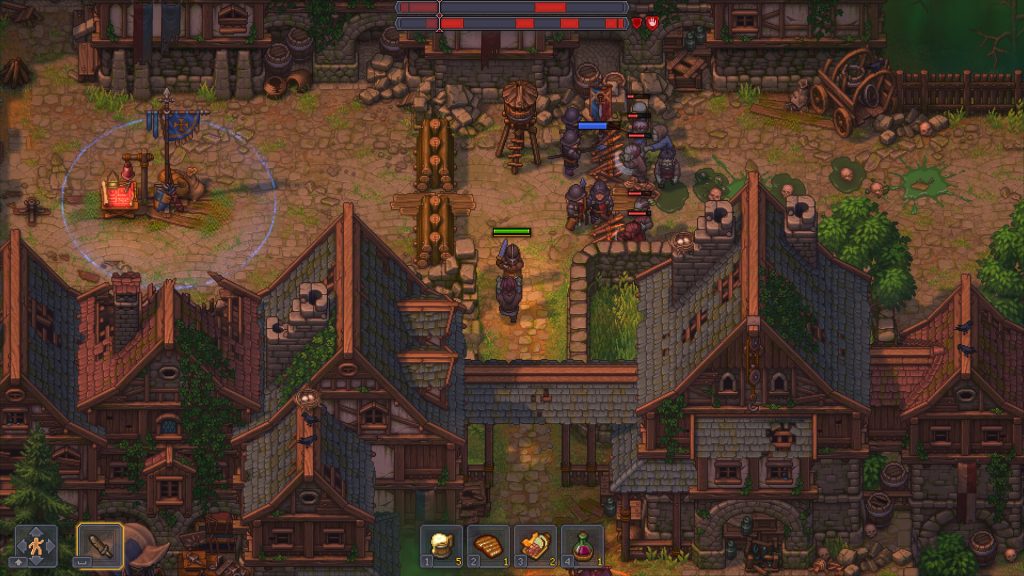
Graveyard Keeper 2 has earned $1.53 million from Steam pre-orders, with 87,500 copies sold and more than 814,000 active wishlists.
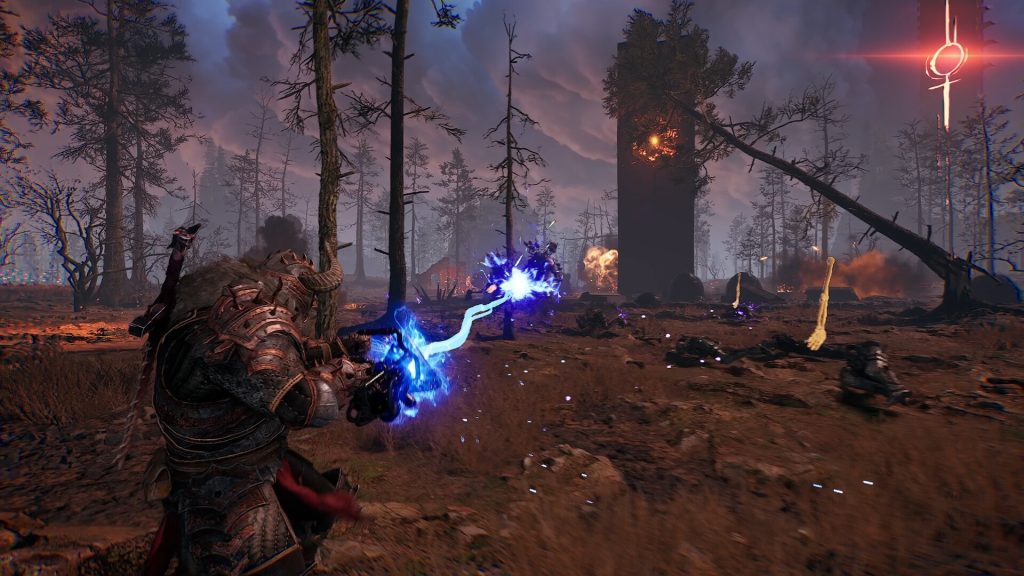
Guardians of the Wall shows chaotic co-op combat, roguelite progression and evolving world events ahead of its planned Q1 2027…
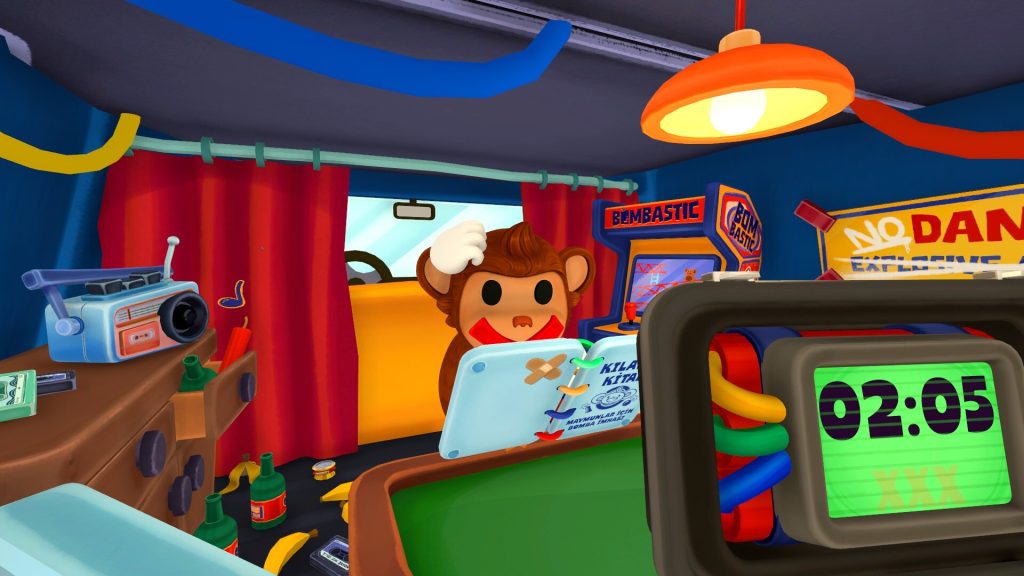
BOMBANANA! reaches 500,000 monkeys five days after launching its chaotic three-player bomb-defusal game on Steam.
Don’t Nod is considering another restructuring, raising concerns that further job cuts could follow as the Life is Strange studio…
One brutal week in August saw 720 games launch on Steam, showing just how difficult it is for indie developers…
PlayStation fans are no longer impressed by quantity alone, with many waiting for major first-party announcements to make State of…
Embracer Games Archive celebrates five years after cataloguing over 90,000 games, consoles, accessories and hardware for preservation.
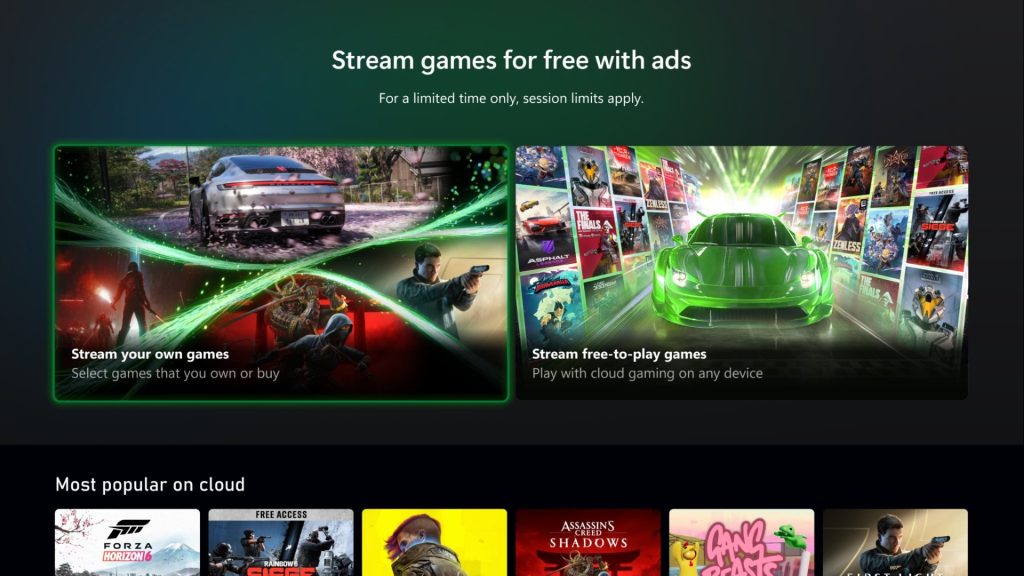
Xbox Cloud Gaming is about to become a lot less unlimited, as Microsoft has announced monthly streaming caps for Game…
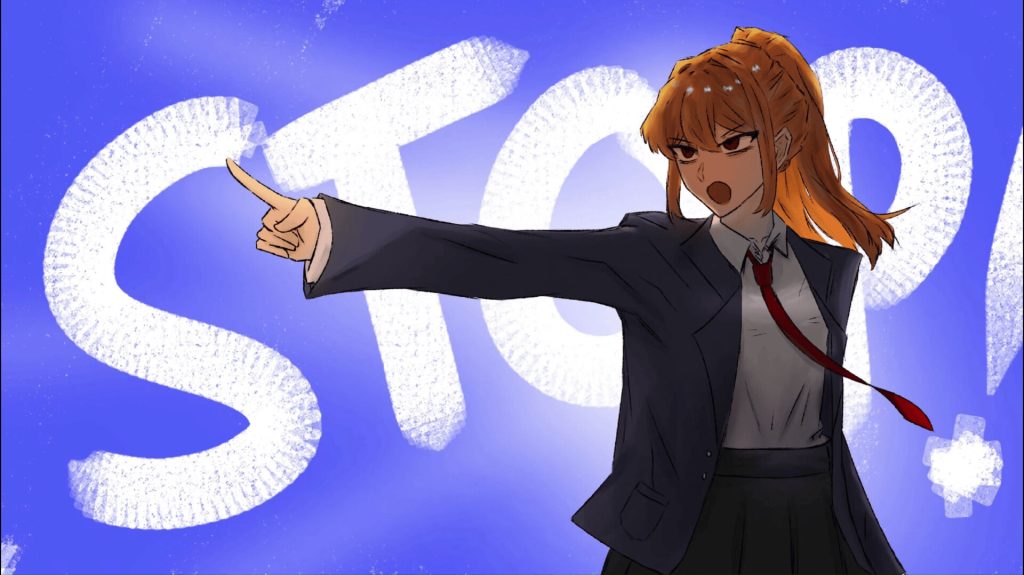
Nightmere I blends detective mystery, psychological horror and RPG exploration as investigator Amelia searches for a missing student in 1991.
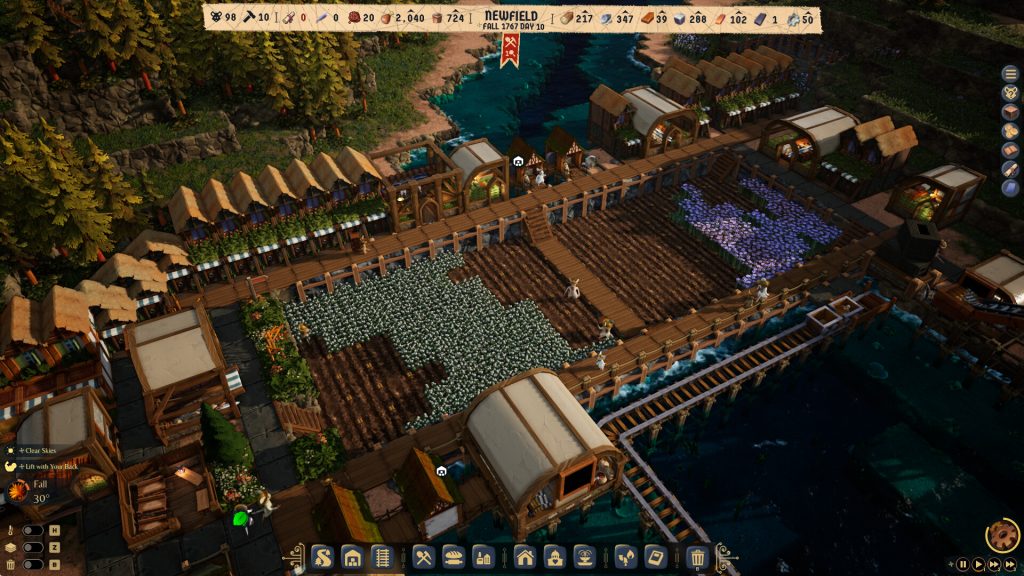
Whiskerwood is expanding its mouse colony with an entire ocean to worry about, bringing new challenges to the colony-building survival…
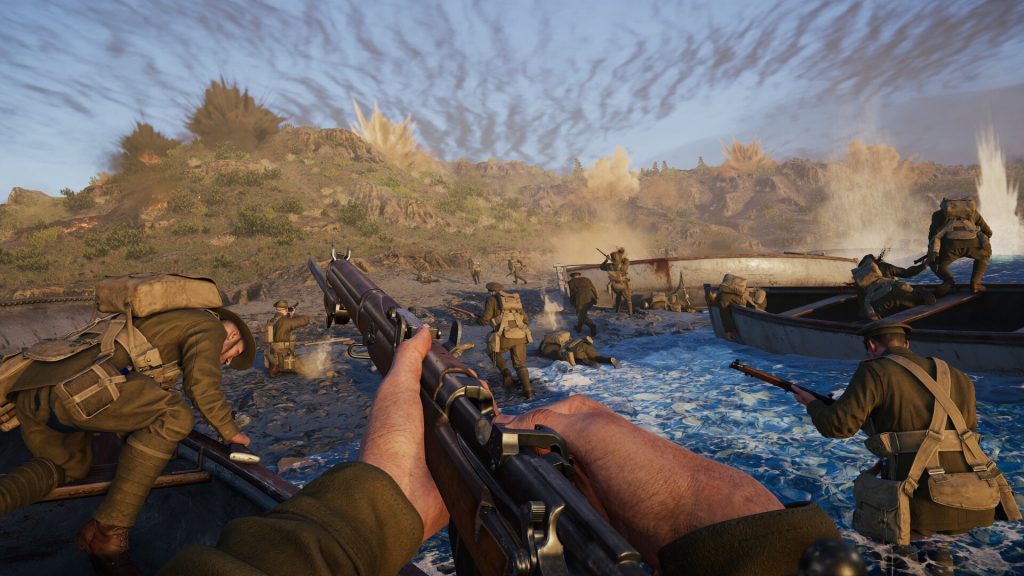
Gallipoli launched last month, but BlackMill Games is already preparing its first free expansion, adding something never before seen in…
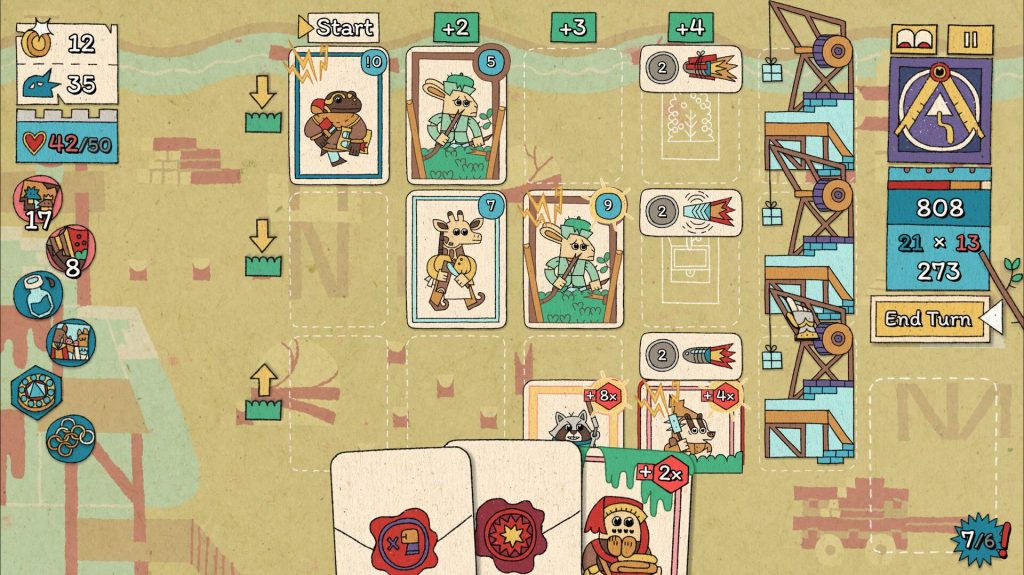
The Royal Writ will launch for PlayStation 5, Xbox Series X|S and Nintendo Switch on September 10th, alongside Xbox Game…
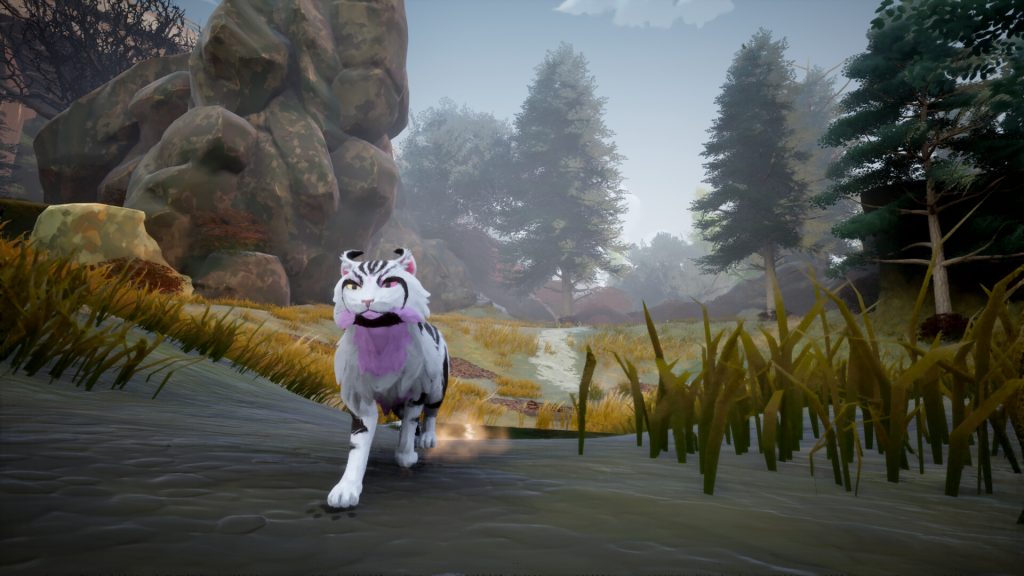
Warrior Cats: Clans of the Forest launches on October 23rd, 2026 for PC, PlayStation 5, Xbox Series X|S and both…
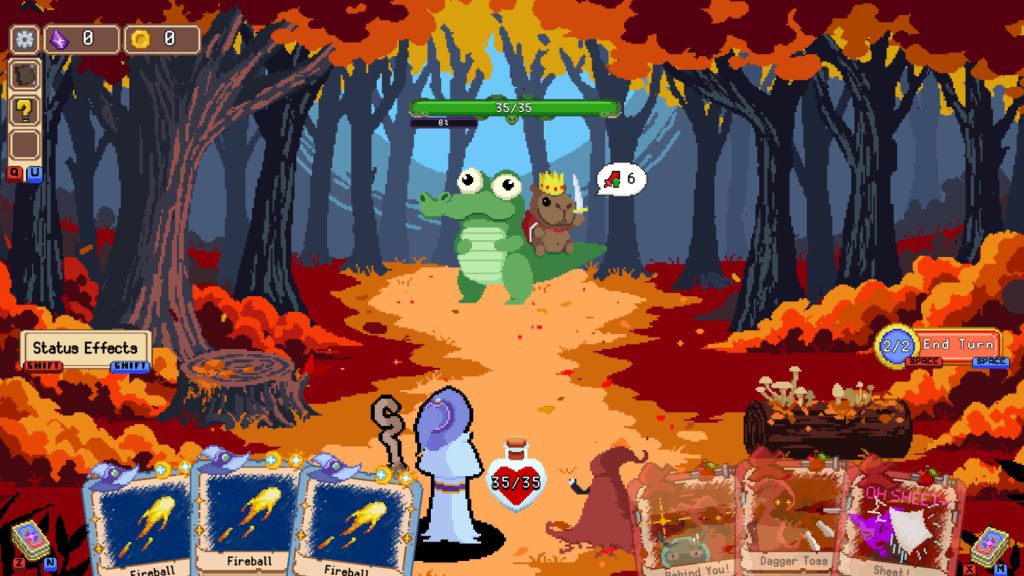
Duo Quest’s free Steam demo now supports online co-op ahead of the relationship-driven roguelite deckbuilder’s September 16th launch.
