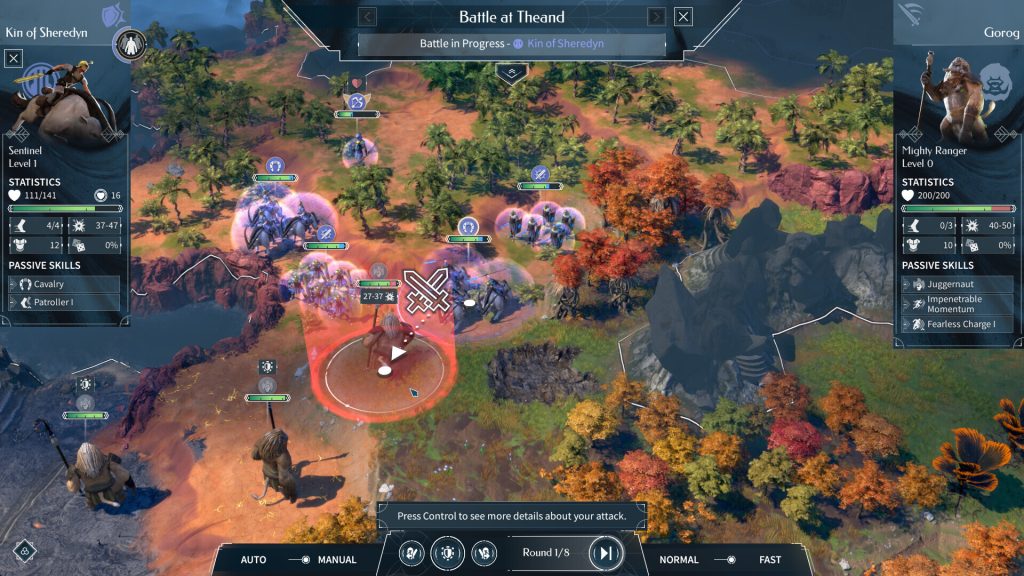
Endless Legend 2 Leaves Early Access in September, Adds Console Versions
Endless Legend 2 leaves Early Access in September as version 1.0 rolls out, bringing console versions to PlayStation 5 and…

If you enjoy independent indie game coverage, consider supporting Indie-Games.eu on Patreon. It helps keep the site independent.
A new Bloomberg report has offered a rare look inside Obsidian Entertainment, one of Xbox’s most respected first-party studios, revealing how wildly different outcomes can emerge from the same development team in a single year. Best known for critically acclaimed RPGs like The Outer Worlds and Pillars of Eternity, Obsidian has long been seen as a pillar of Microsoft’s gaming strategy. But the interview highlights a studio grappling with creative resets, commercial pressures, and the challenge of balancing ambition with sustainability in a rapidly changing industry.
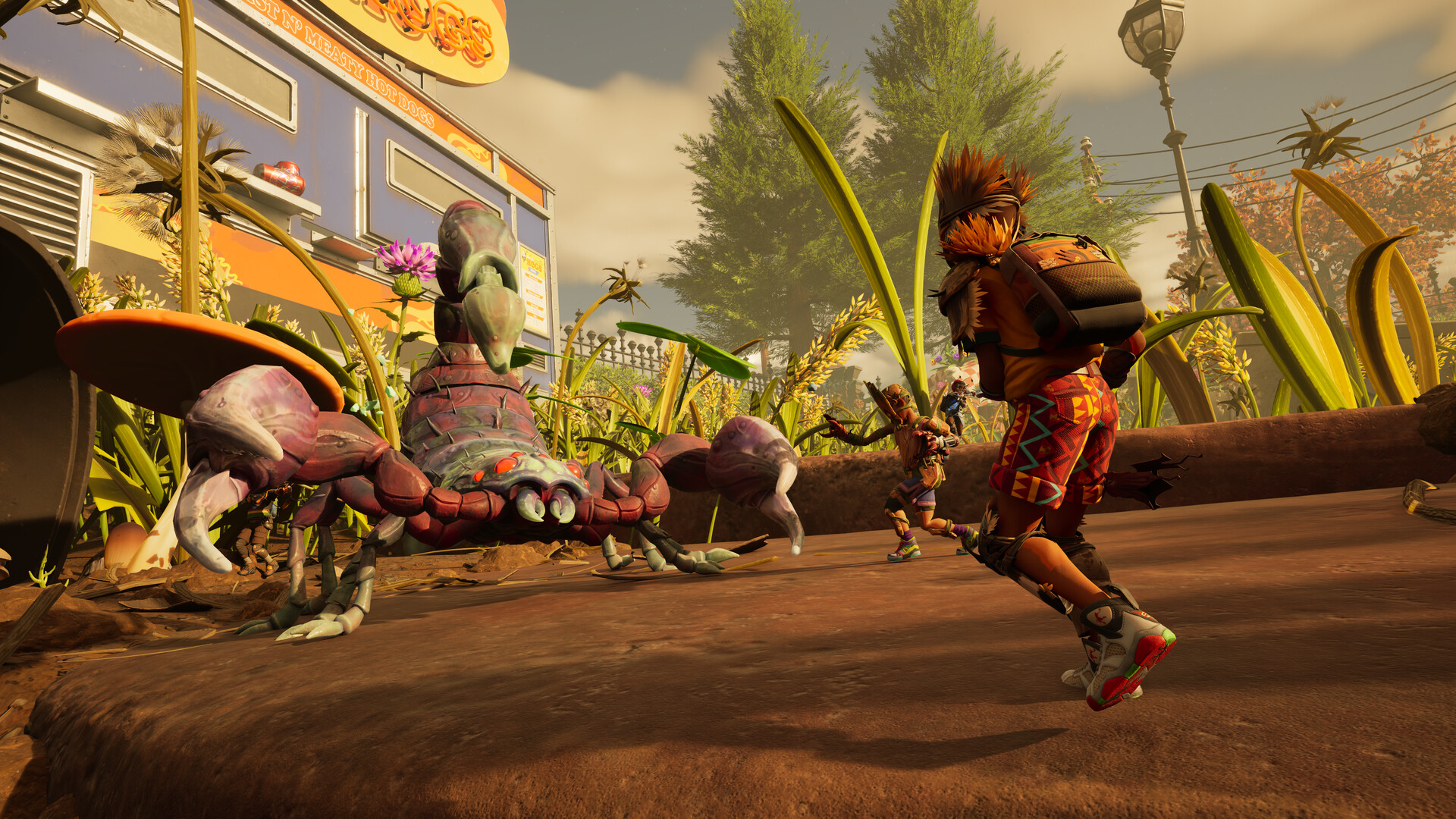
The Xbox-owned studio released three major games in a single year: Grounded 2, Avowed, and The Outer Worlds 2. While that sounds amazing on paper, the reality behind the scenes was far more complicated. According to Obsidian’s leadership, the strategy strained resources, exhausted developers, and delivered wildly uneven results. For players who enjoy indie games and follow industry trends, Obsidian’s experience offers a telling snapshot of where big-budget development is colliding with sustainability.
The clearest winner of the year was Grounded 2. The cooperative survival game launched in 2025 and quickly became a breakout hit, drawing more than three million players across PC and Xbox in just two weeks. On Steam alone, it surpassed 49,000 concurrent players, outperforming the original Grounded and topping bestseller charts shortly after release. Its success wasn’t driven by cutting-edge visuals or cinematic storytelling, but by smart systems, strong co-op design, and a clear, focused vision, qualities often associated more with indie hits than AAA blockbusters.
That success stands in sharp contrast to Obsidian’s larger RPGs. Both Avowed and The Outer Worlds 2 reportedly fell short of sales expectations despite spending over six years in development. The Outer Worlds 2 sold fewer than one million copies in its first three months across all platforms, a disappointing figure compared to the original game’s launch. Avowed, meanwhile, peaked at around 15,000 concurrent players on Steam and struggled to meet Microsoft’s broader commercial hopes.

The reasons behind Avowed’s difficulties are especially familiar. The game went through a turbulent development cycle, starting life as a multiplayer RPG inspired by Skyrim and Destiny-style co-op. That concept was scrapped after two years, followed by two major reboots, first pivoting to a single-player experience, then significantly refining its scope under director Carrie Patel. By the time Avowed finally released in 2025, much of its development time had been spent undoing previous ideas rather than building forward.
Josh Sawyer, Obsidian’s director of design, was blunt about the consequences of releasing three games in one year. He described the situation as “not good” and “the result of things going wrong,” noting that it placed intense pressure on a team of roughly 280 developers and risked long-term burnout. His comments echo a growing industry-wide realization: bigger teams and longer development cycles don’t necessarily lead to better outcomes.
Microsoft’s influence looms large over these decisions. Xbox has reportedly pushed its studios to aim for a 30% profit margin, encouraging strategies like porting first-party titles to PlayStation to increase reach and revenue. While this makes business sense, it also highlights the tension between creative experimentation and financial expectations, a tension indie developers navigate daily, but AAA studios increasingly face as well.
Looking ahead, Obsidian appears to be recalibrating. There are no plans for a third Outer Worlds game, but the studio intends to expand its existing universes through new content for Grounded 2 and The Outer Worlds 2. It’s also developing both large and small projects set in the worlds of Avowed and Pillars of Eternity. The goal, according to studio leadership, is to find a balance between ambition and sustainability.
In a year where the studio’s biggest hit was its most focused, systems-driven project, the message is clear: smaller scopes, clearer visions, and player-first design still matter, even inside massive publishers. As the industry continues to contract and reassess its priorities, Obsidian’s turbulent year may end up feeling less like an exception and more like a warning.
Endless Legend 2 leaves Early Access in September as version 1.0 rolls out, bringing console versions to PlayStation 5 and…
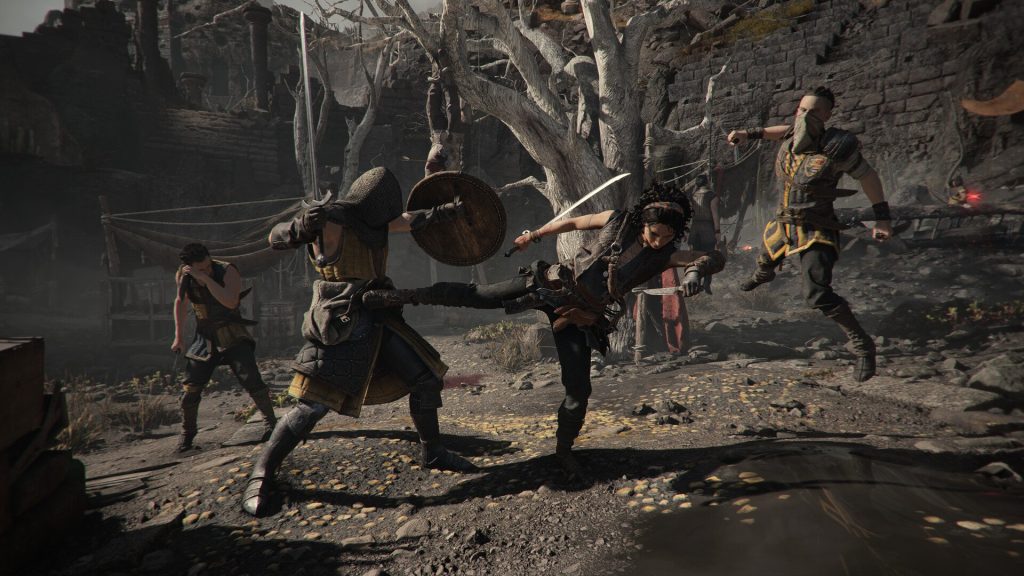
A new Resonance: A Plague Tale Legacy featurette shows how Sophia can use light to navigate dangerous environments and overcome…
The nonlinear world contains six biomes, each representing a different part of the protagonist’s psyche and history.
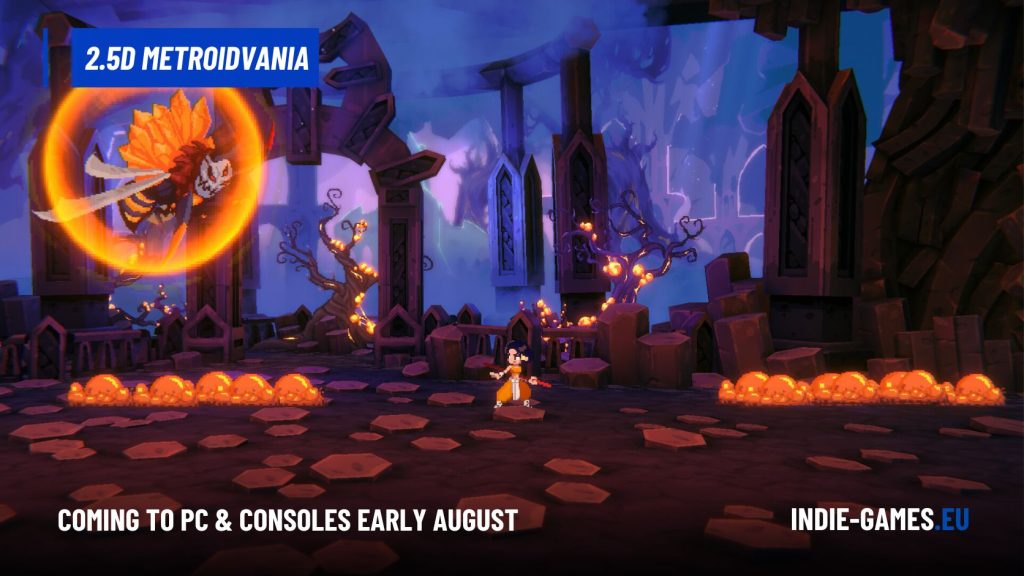
Akatori launches early August on PC and PlayStation and Xbox, featuring 2.5D Metroidvania action, parkour and staff-based combat.
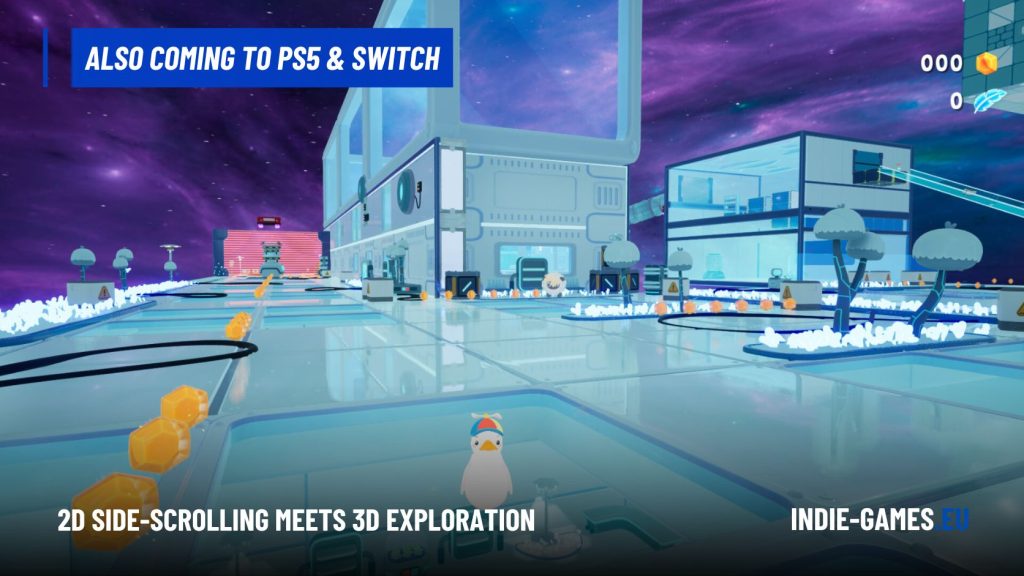
Dodo Duckie! launches on PC and Xbox today, with PS5 and Switch versions arriving later in 2026, featuring unique 2D…
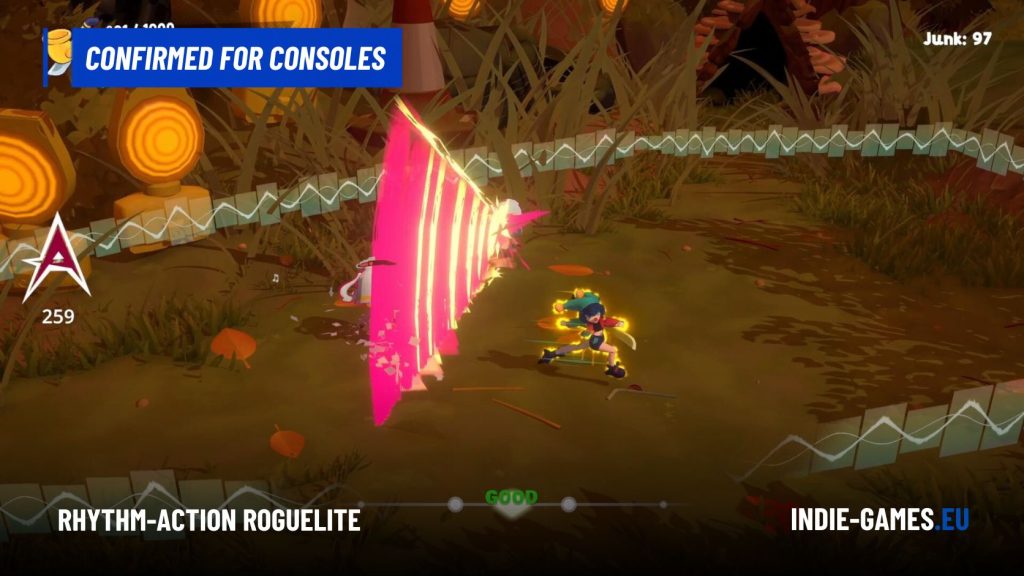
Alpha Nomos launches on PlayStation 5, Xbox Series and PC in 2026, featuring rhythm-based roguelite combat, live-recorded weapons and a…
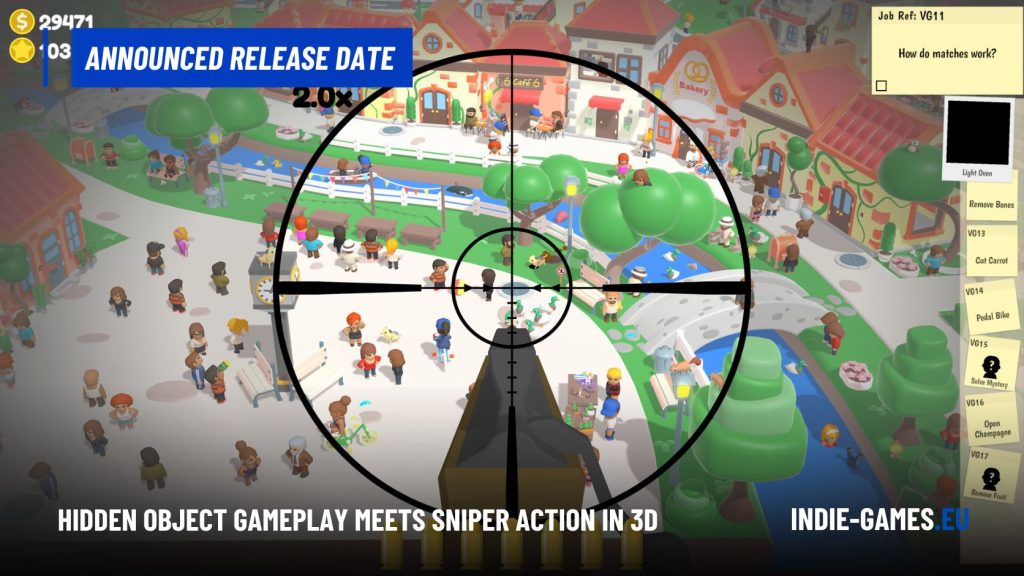
Sniper Dan launches in September for PlayStation 5, Xbox, Switch and PC, blending hidden object gameplay, puzzles and family-friendly sniper…
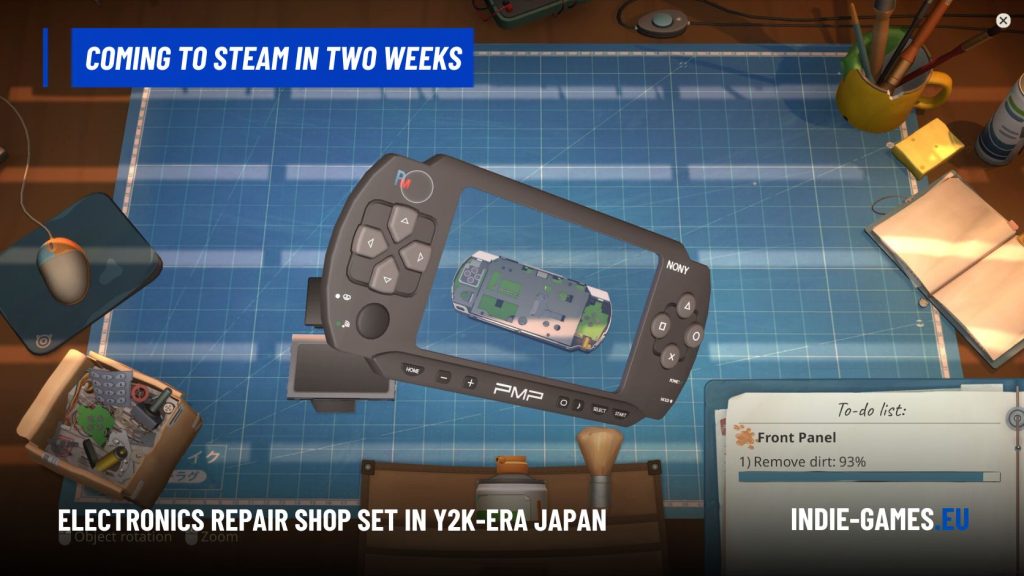
In ReStory, you will repair a wide range of early-2000s technology, including mobile phones, handheld gaming systems, digital pets, music…
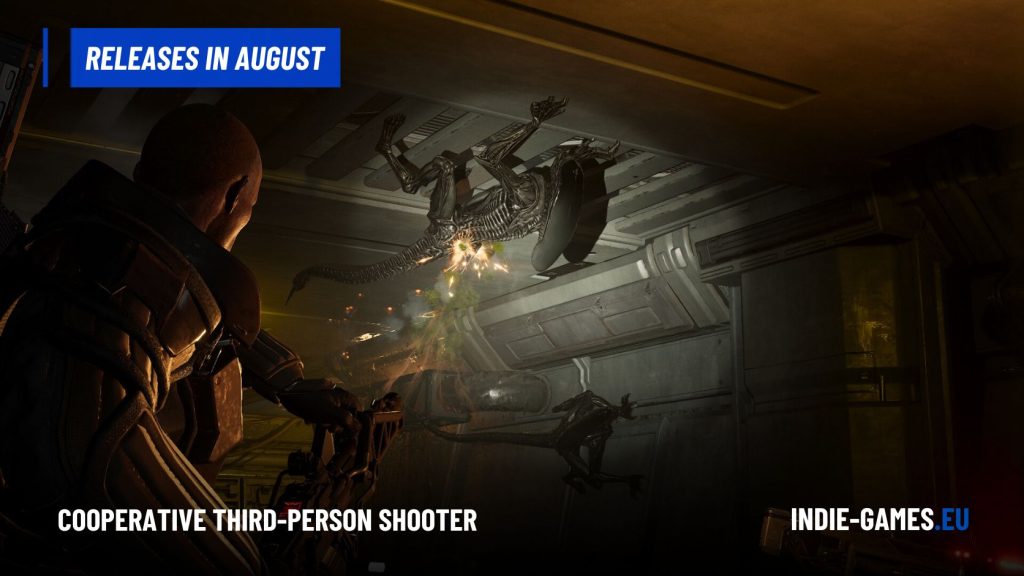
Aliens: Fireteam Elite 2 expands its fireteams to four players, who take control of Colonial Marines deployed across hostile locations…
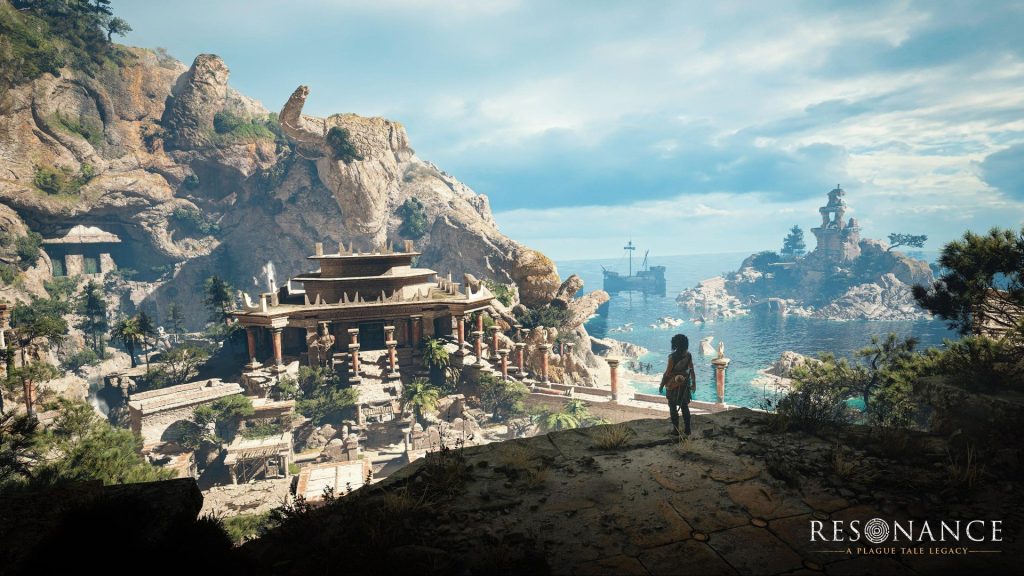
Asobo Studio has released a short scenic clip for Resonance: A Plague Tale Legacy, showcasing its Mediterranean-inspired locations.
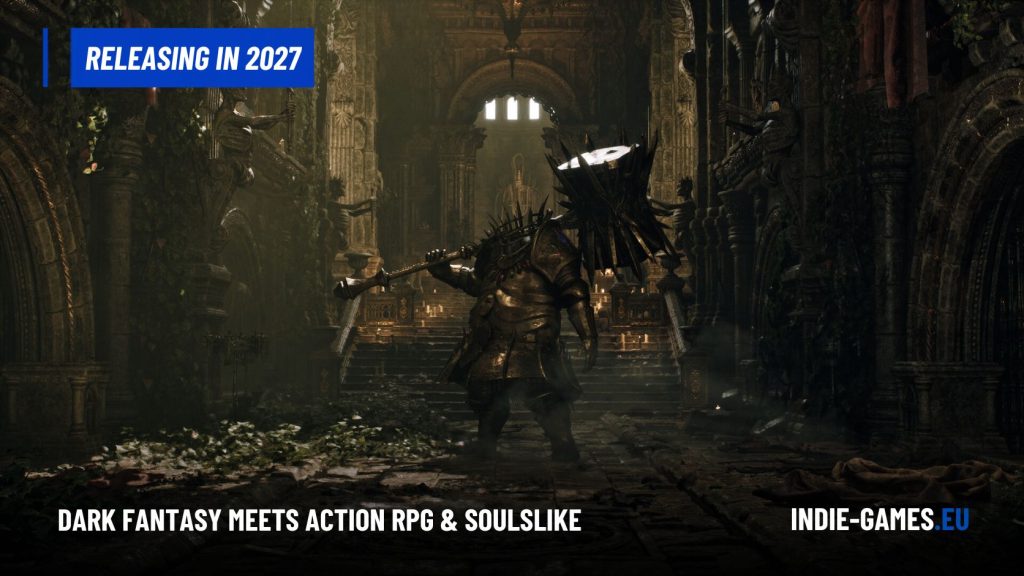
Turkish solo developer Celal Sahin has announced Godless Dawn, a dark fantasy action RPG targeting a Q1 2027 release on…
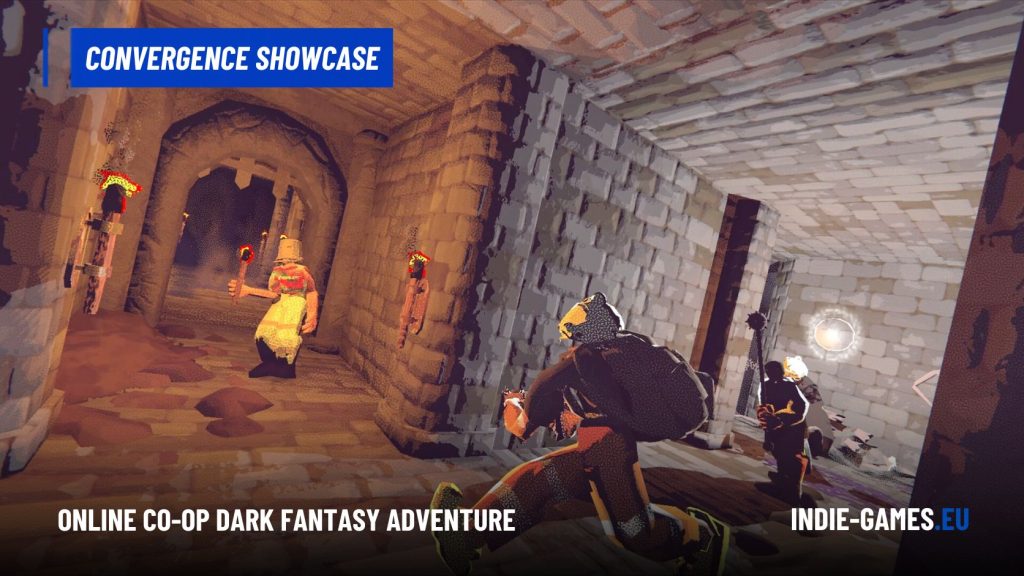
Vision Quench, an online co-op dark fantasy adventure from developer WizMUD Games and Pocketpair Publishing, is targeting an early 2027…
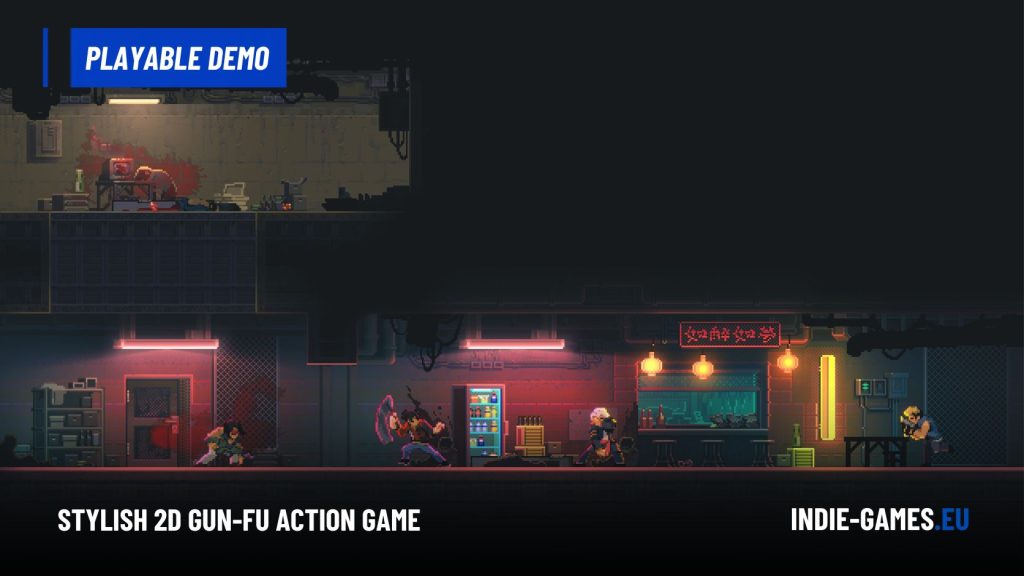
Named “The Bud Trial,” the playable preview offers an early look at the game ahead of its planned PC release…
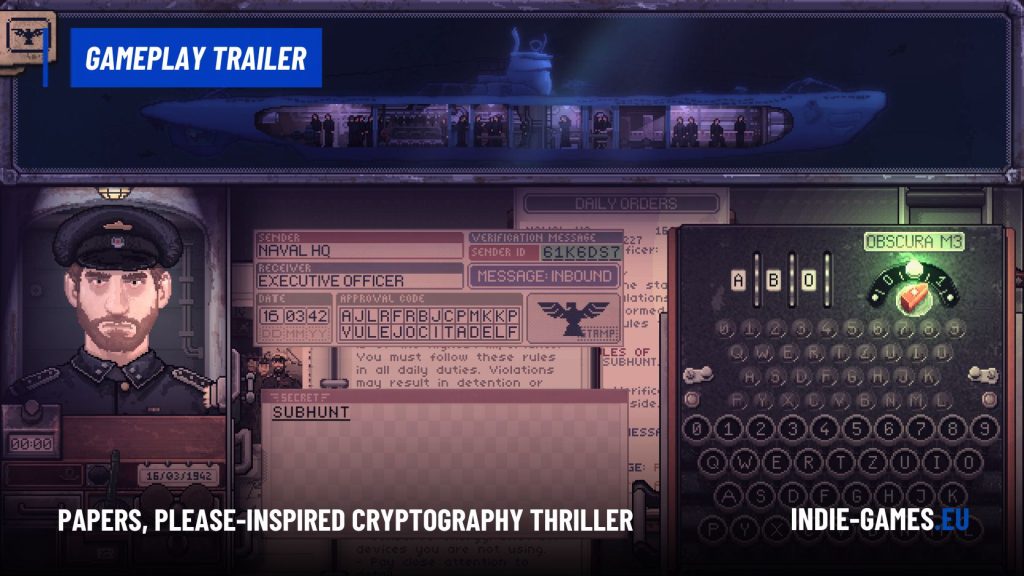
Serbian independent studio Retromagine has revealed False Echo, a narrative cryptography thriller inspired by Papers, Please and classic submarine dramas.
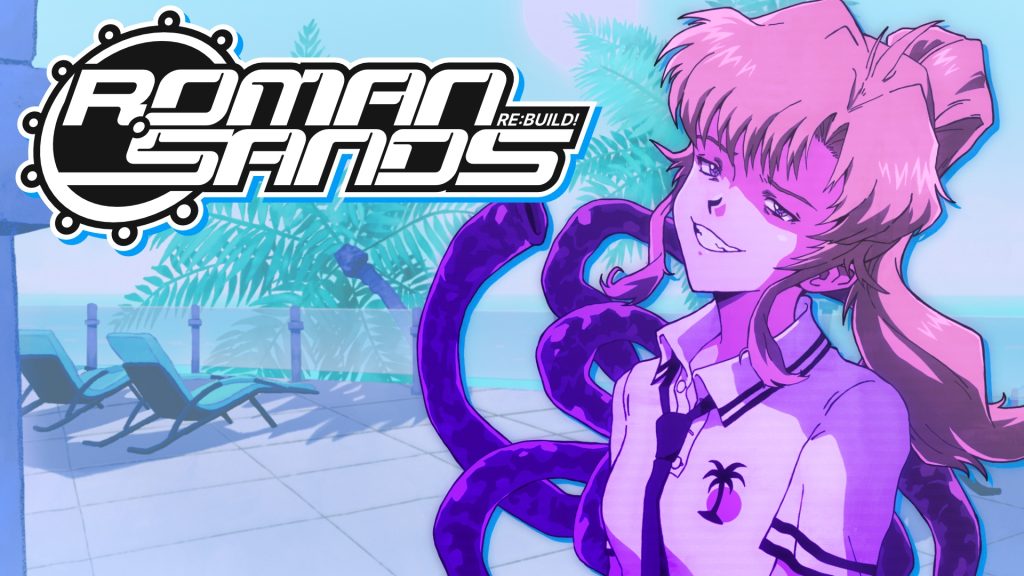
Surreal adventure Roman Sands RE:Build launches in September of this year on PC and consoles alongside the expanded Paratopic: Overdub.
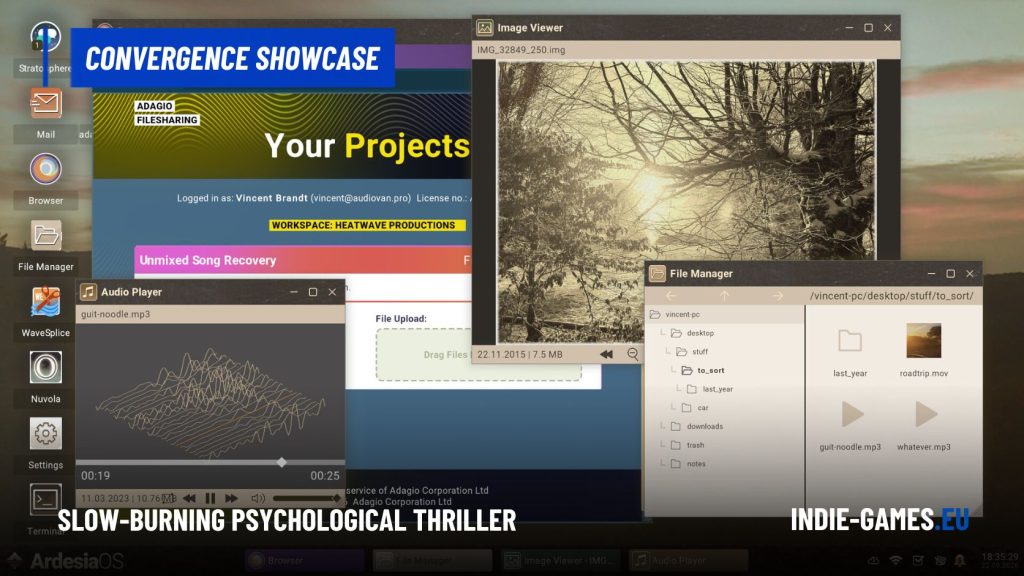
German indie studio Cobalt Lane has released a new trailer and Steam demo for Imprinted, a slow-burning psychological thriller.
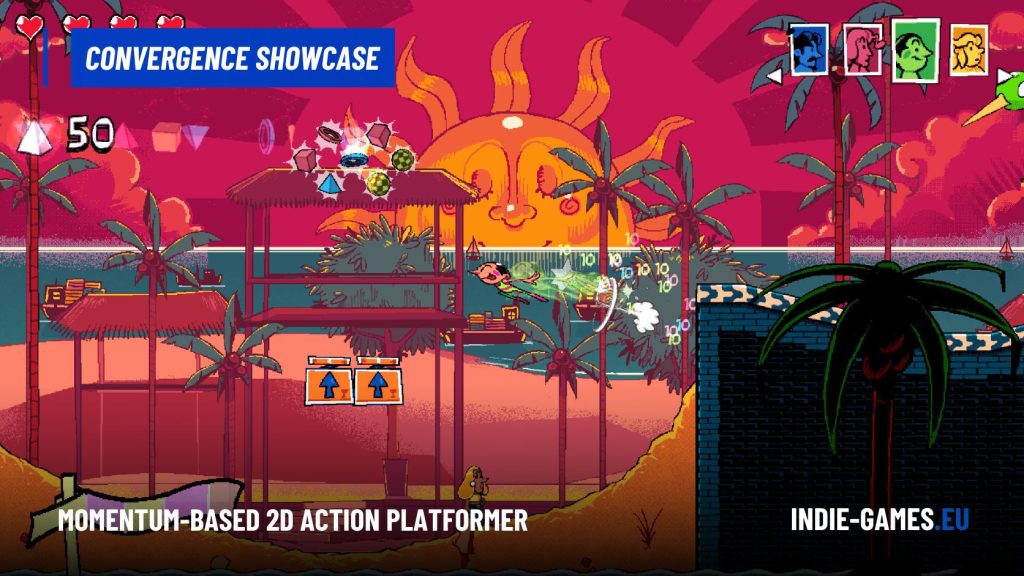
IndieArk and developer PVic Games have announced that momentum-based 2D action platformer ARTIUS: Pure Imagination will launch for PC via…
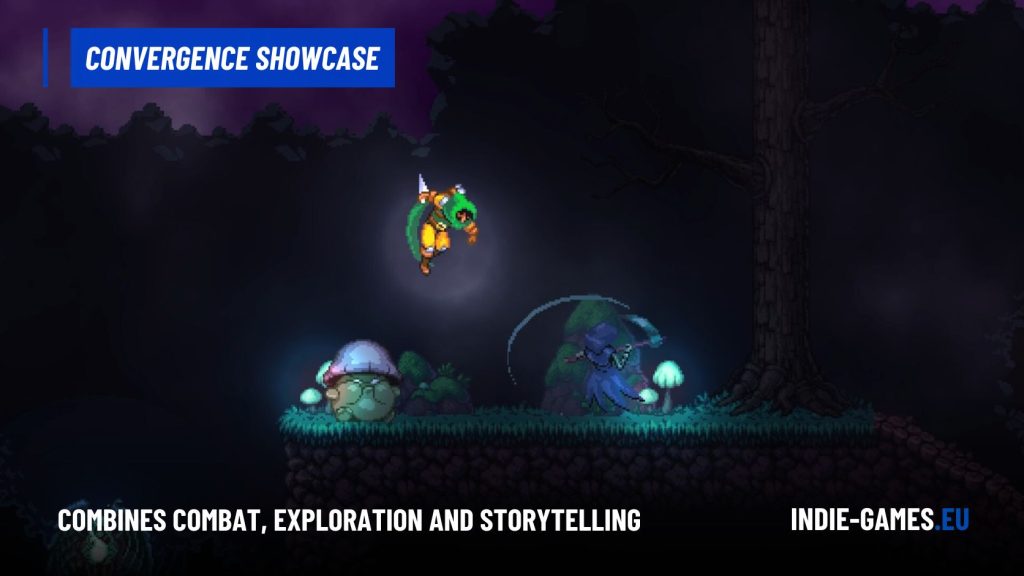
Decemberborn Interactive has released a new gameplay trailer for Cathedral: Crow’s Curse, an action-adventure prequel set in the world of…
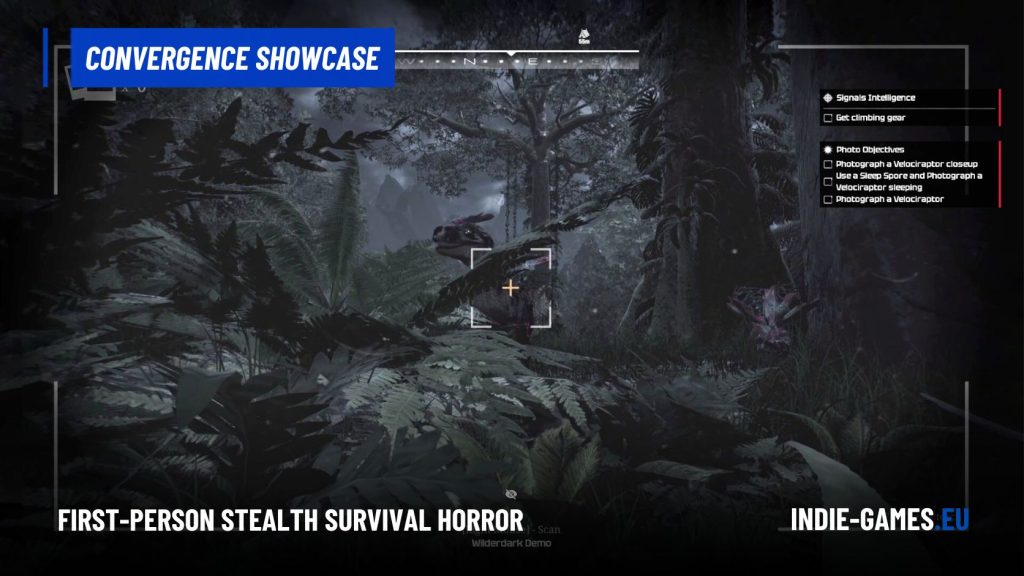
Wilderdark begins with the player crash-landing on an unnatural island overrun by hostile wildlife.
Independent French developer Ars Goetia and publisher Dear Villagers have announced that HellSlave II: Judgment of the Archon will launch…
