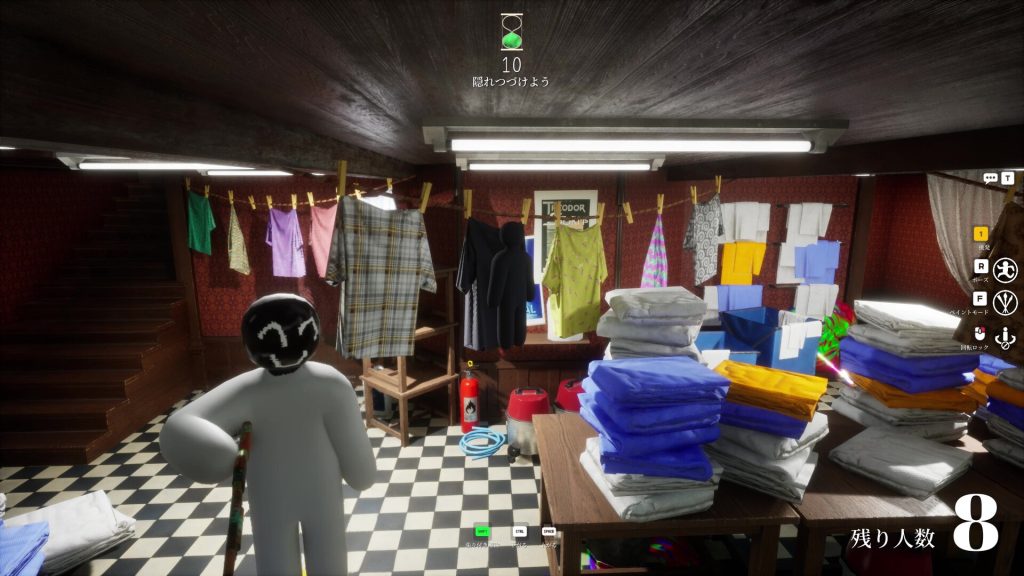
Meccha Chameleon Brings Multiplayer Camouflage to Switch 2
Meccha Chameleon brings its paint-based multiplayer hide-and-seek matches to Nintendo Switch 2 with a temporary $4.79 launch price.


If you enjoy independent indie game coverage, consider supporting Indie-Games.eu on Patreon. It helps keep the site independent.
The shutdown of Pahdo Labs in February 2026 is a reminder of how fragile independent game development can be, even in an era where crowdfunding, Early Access, and venture funding seem to offer more opportunities than ever. Despite raising millions of dollars and launching anime-inspired roguelite, the studio behind Starlight Re:Volver has officially ended all development and support, closing the book on its first and only major project.
On February 2, 2026, founder and CEO Dan shared a final update confirming that Pahdo Labs would no longer be able to continue operating. Along with halting work on Starlight Re:Volver, the studio also abandoned its remaining prototypes and future plans.
Starlight Re:Volver entered Steam Early Access in mid-2025 with considerable hype. Its magical girl-inspired aesthetic, colorful biomes, and cooperative gameplay set it apart from more traditional roguelites. However, once the game launched, enthusiasm quickly cooled. Reviews were mixed, and player numbers dropped faster than the studio had anticipated.
With a shrinking audience and limited recurring revenue, Pahdo Labs began struggling to cover its operating costs. By November 2025, the situation had become dire enough that the company laid off half of its staff. Soon after, the team pivoted away from online features, converting the game into a low-maintenance offline single-player experience. Servers were shut down, all cosmetics were unlocked for existing players, and only minimal bug-fixing support was promised going forward.
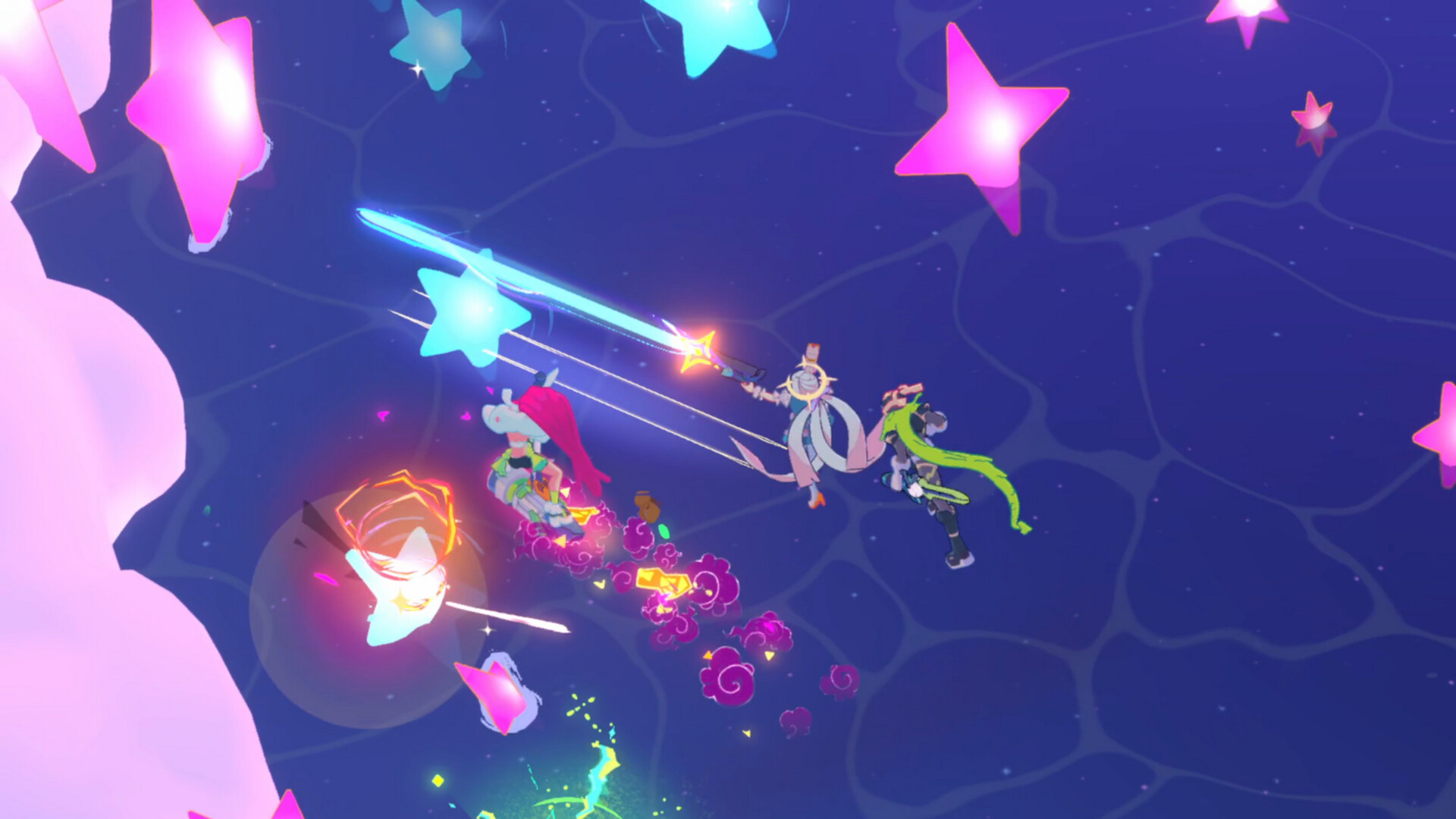
Financially, Pahdo Labs had raised approximately $17.5 million in funding, with more than half invested directly into the development of Starlight Re:Volver. Salaries, artwork, content creation, and infrastructure consumed much of that budget. Yet despite this sizable backing, the studio was unable to secure additional investment once revenues fell short.
In his final message, Dan reflected candidly on the mistakes the team had made. He acknowledged gaps in game design, marketing, and long-term planning, admitting that their attempt to appeal to a broad audience ultimately left them with a community that was too small to sustain operations. The project’s scope, ambition, and costs outpaced its ability to generate consistent income.
In a final attempt to survive, the remaining developers repurposed existing assets into a new prototype called Edge of Divinity. This smaller-scale roguelite focused on cooperative tower-climbing gameplay with streamlined mechanics and peer-to-peer multiplayer. Featuring characters Effy and Kira and two explorable biomes, the demo was released for free on Steam, as a pitch to potential investors. Unfortunately, it failed to attract meaningful funding, sealing the studio’s fate.
Today, Starlight Re:Volver remains available on Steam for $12.99 in its offline form. It holds mixed reviews from several hundred users and can still be enjoyed as a solo experience. The game’s soundtrack has also been made freely available on streaming services and for purchase, serving as one of the few lasting artifacts of the project. Meanwhile, Pahdo Labs has transferred management of its official Discord server to community moderators, allowing fans to stay connected even after the studio’s closure.
Why does this story matter beyond one studio’s closure? Because it reflects broader pressures facing independent developers. Rising production costs, fierce competition, discoverability problems on digital storefronts, and investor expectations are making survival increasingly difficult. Pahdo Labs’ story shows that even strong artistic identity and substantial funding are no guarantee of success.
Meccha Chameleon brings its paint-based multiplayer hide-and-seek matches to Nintendo Switch 2 with a temporary $4.79 launch price.
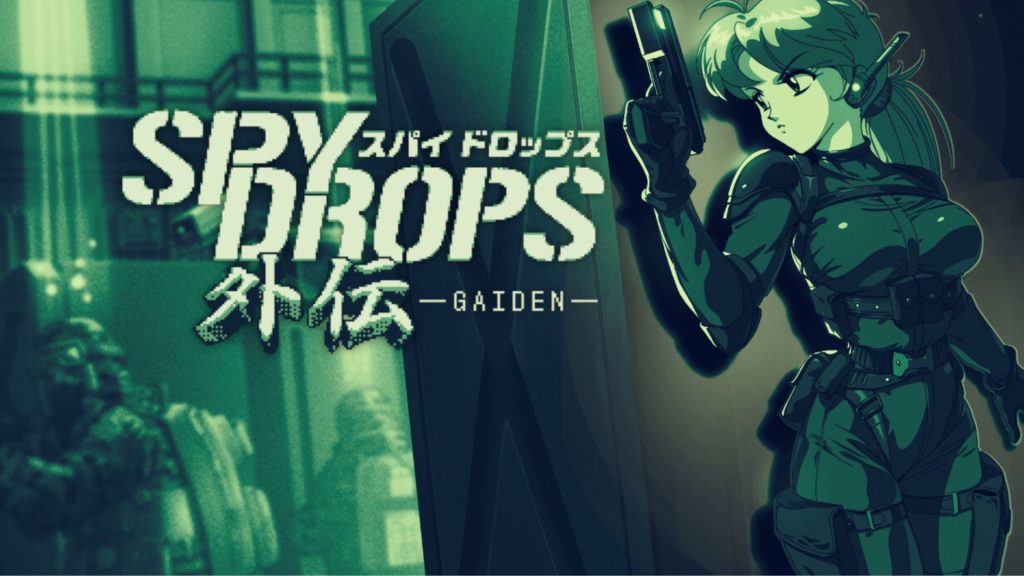
Spy Drops Gaiden brings Game Boy-style stealth, eight covert missions and intel extraction to Steam on October 12 for €4.99.
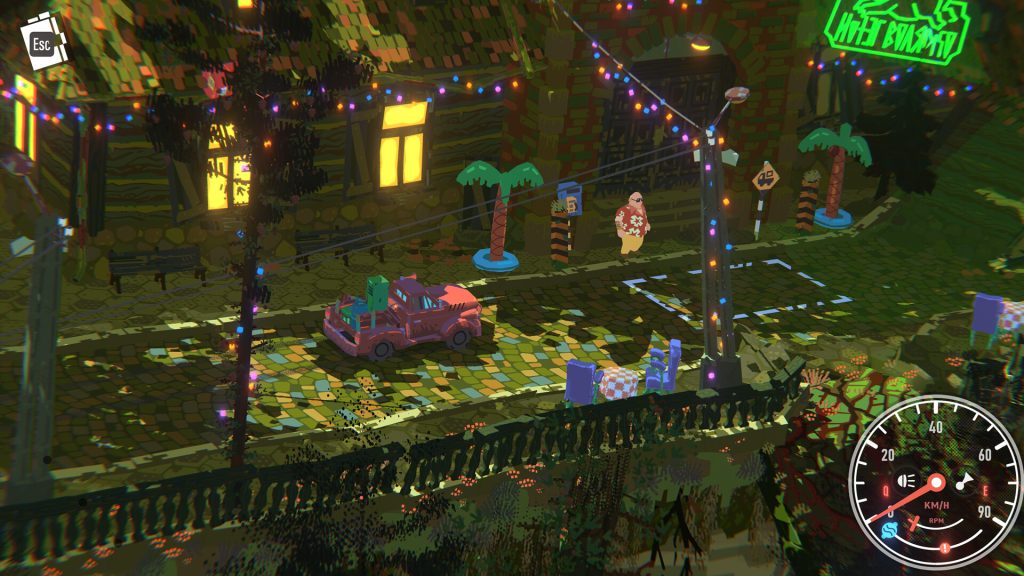
Truckful launches October 9 on Steam and Android, combining physics-based deliveries with vehicle upgrades and a mystery inside an ancient…
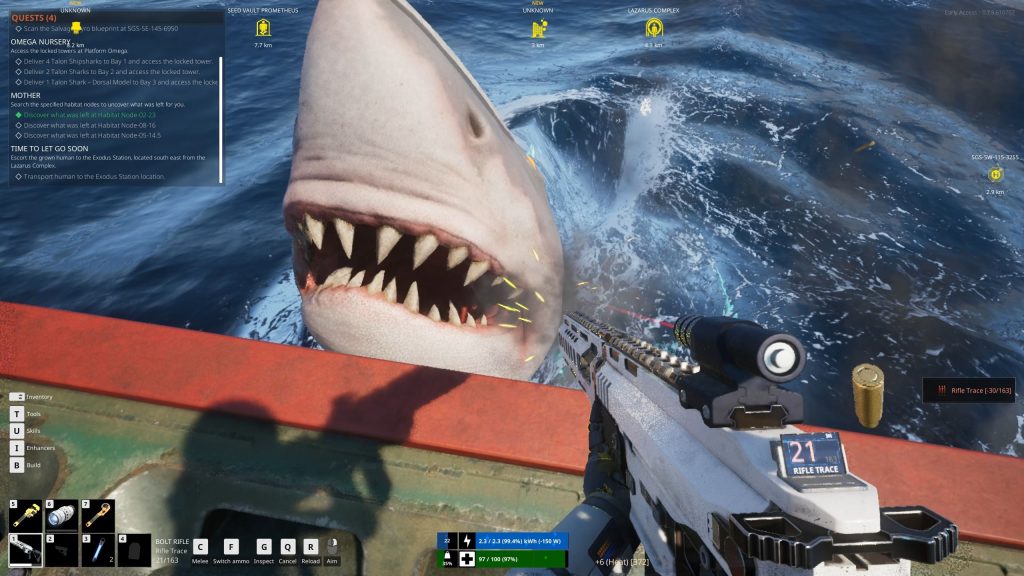
The Last Caretaker reaches version 1.0 in spring 2027 and joins Xbox Game Pass on day one after selling over…

Chronoscript: The Endless End moves to early summer 2027 as DeskWorks! improves combat responsiveness, menus and visual readability.
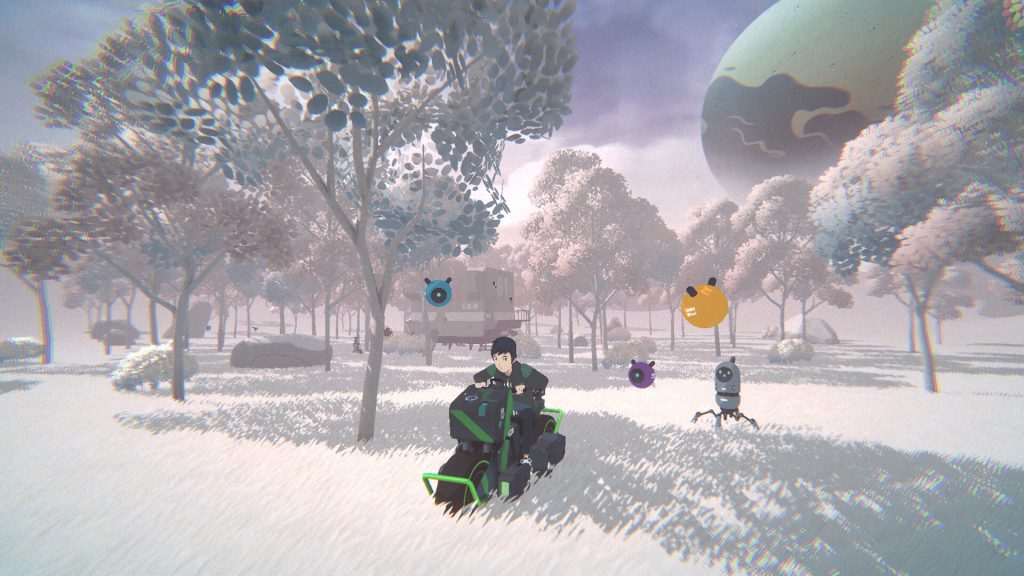
HEIMA is a parallel-world puzzle adventure from former Terra Battle developers, coming to PC in 2028 with SHIFT and HOLD…
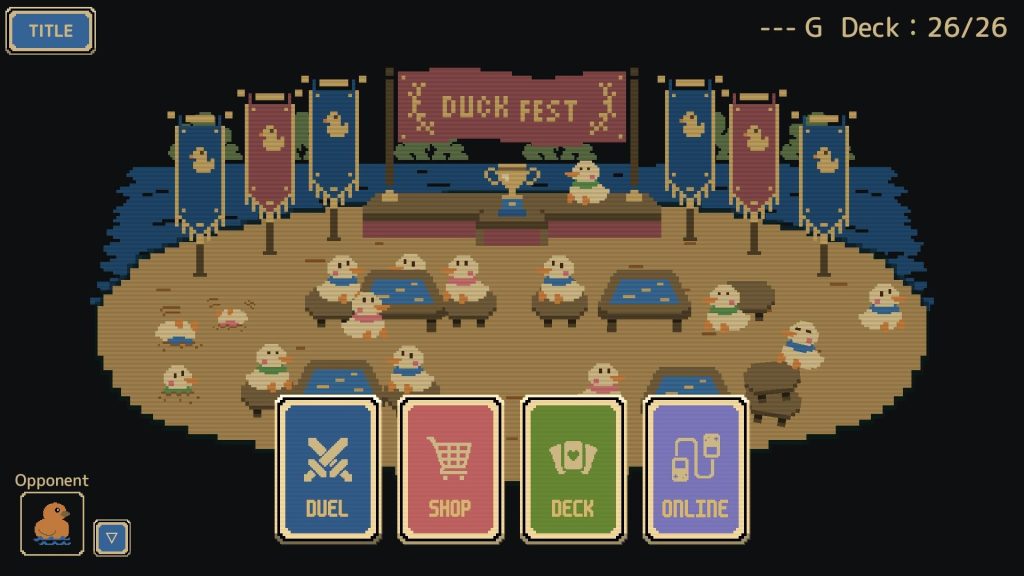
Duck Fest combines deck building and 1v1 battles with collectible cards that players can trade through the Steam Community Market.
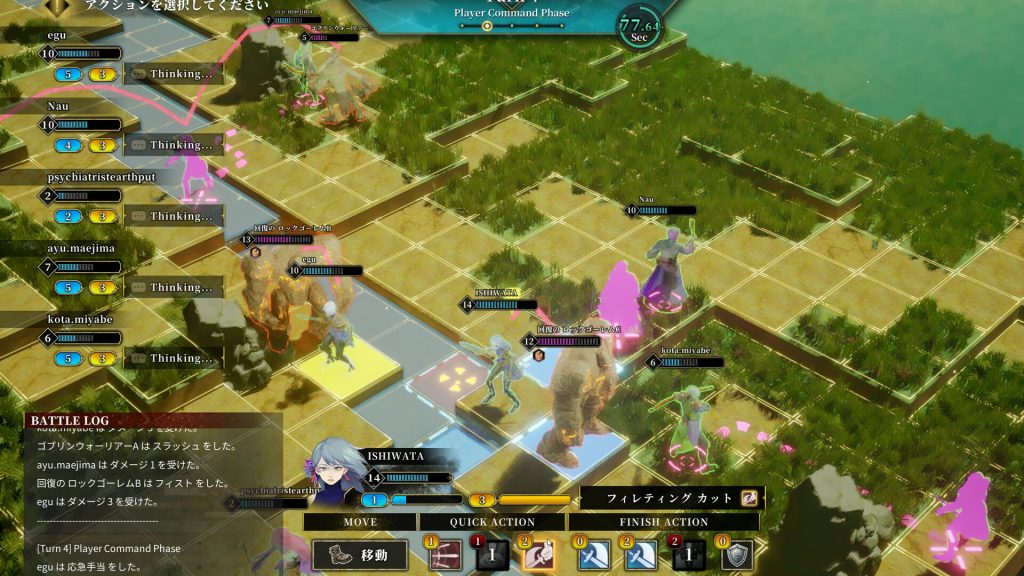
Tactful Tactics is a 1–6-player cooperative RPG where everyone plans and executes their actions simultaneously.

SakuSaku Witch is a retro-inspired 2D platformer about magic, bunny monsters and a suspicious toy company, coming to Steam in…
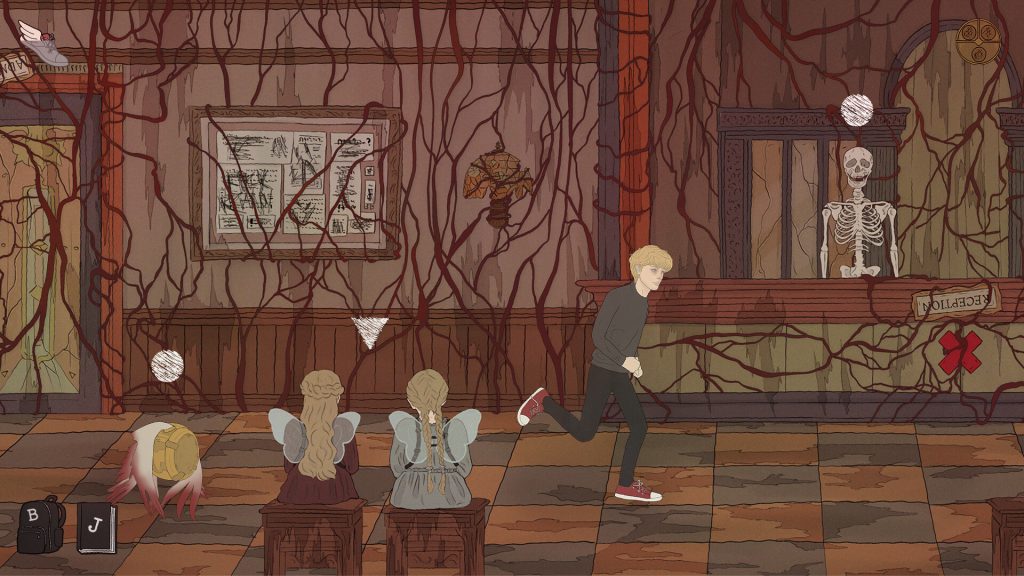
Hand-drawn psychological horror game DEPERSON earns Gamescom and BIC recognition ahead of its planned Q4 2026 Steam release.
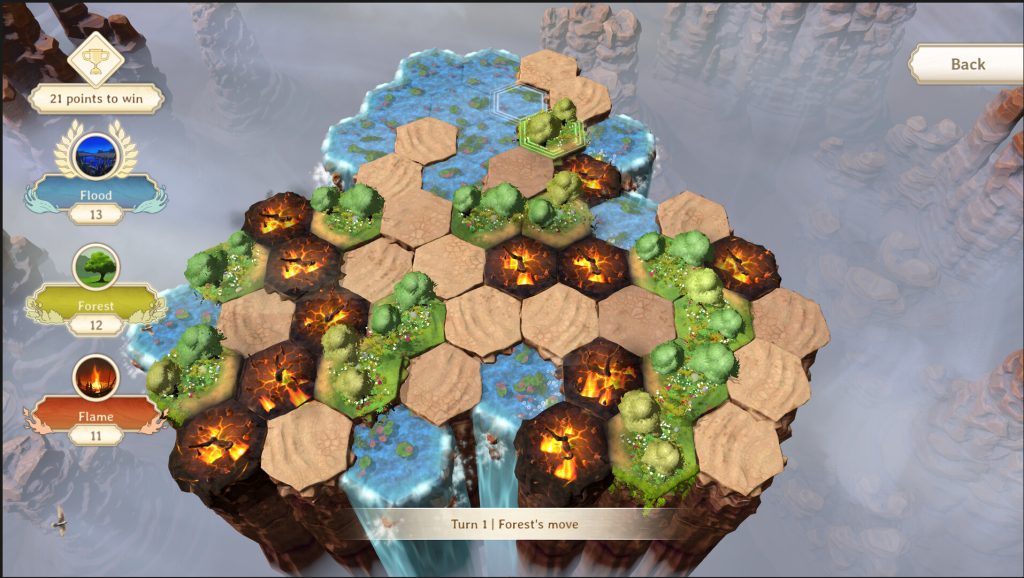
Cozy strategy game Flame, Forest & Flood will challenge GTA VI by deliberately launching on November 19, 2026.
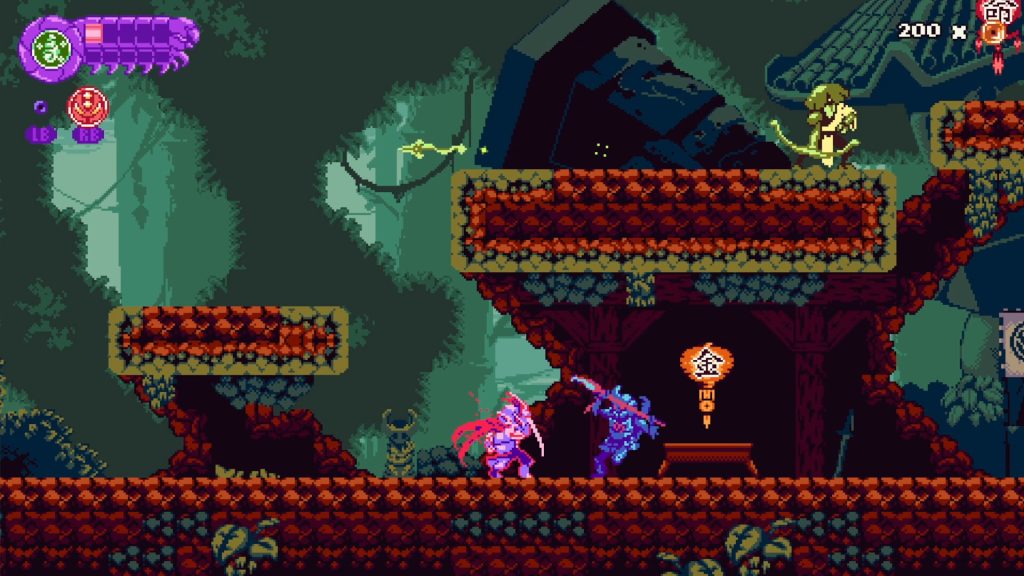
Akupara launches Kallisti Games, a service-first indie label for retro and experimental PC titles, with AOKAKI as its first project.
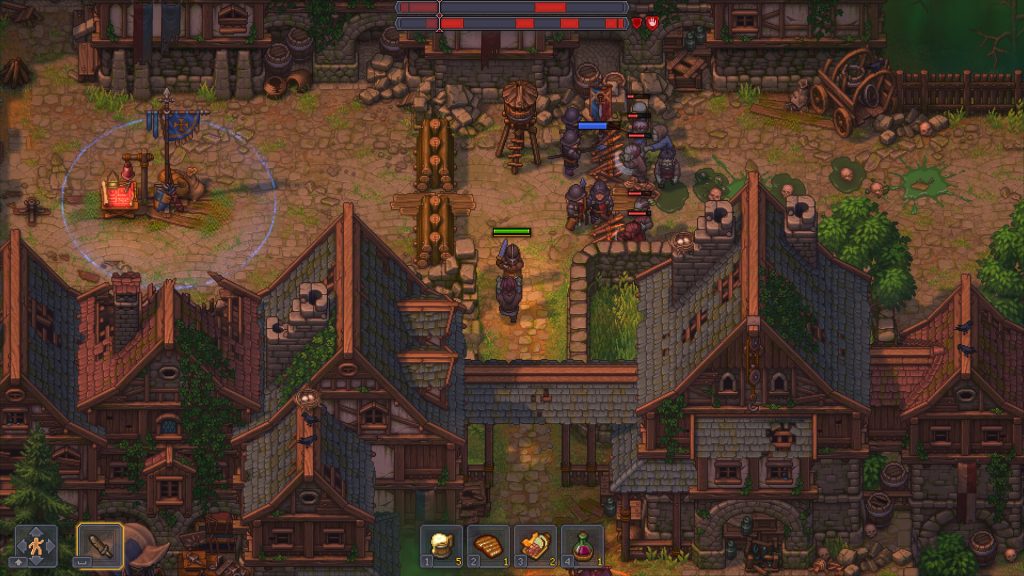
Graveyard Keeper 2 has earned $1.53 million from Steam pre-orders, with 87,500 copies sold and more than 814,000 active wishlists.
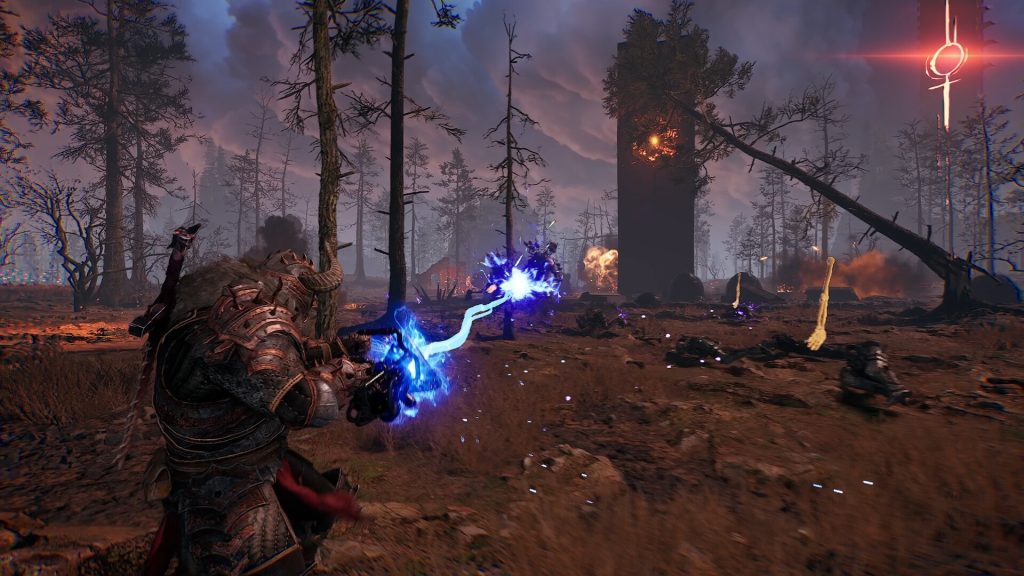
Guardians of the Wall shows chaotic co-op combat, roguelite progression and evolving world events ahead of its planned Q1 2027…
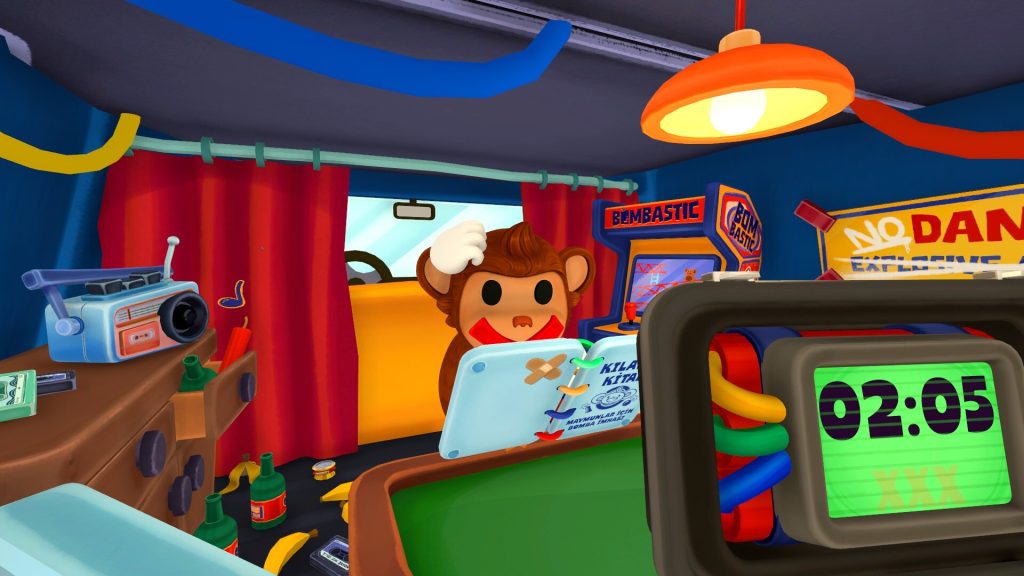
BOMBANANA! reaches 500,000 monkeys five days after launching its chaotic three-player bomb-defusal game on Steam.

Don’t Nod is considering another restructuring, raising concerns that further job cuts could follow as the Life is Strange studio…
One brutal week in August saw 720 games launch on Steam, showing just how difficult it is for indie developers…
PlayStation fans are no longer impressed by quantity alone, with many waiting for major first-party announcements to make State of…

Embracer Games Archive celebrates five years after cataloguing over 90,000 games, consoles, accessories and hardware for preservation.

Xbox Cloud Gaming is about to become a lot less unlimited, as Microsoft has announced monthly streaming caps for Game…
