![[GAMESCOM 2026] Delphinium Preview – Cozy Routine Mixed With Enjoyable Minigames](https://www.indie-games.eu/wp-content/uploads/2026/03/Delphinium--1024x665.jpg)
[GAMESCOM 2026] Delphinium Preview – Cozy Routine Mixed With Enjoyable Minigames
Delphinium mixes cozy farming, exploration and relationships with enjoyable fishing, cooking and forging minigames in its Gamescom 2026 demo.


If you enjoy independent indie game coverage, consider supporting Indie-Games.eu on Patreon. It helps keep the site independent.
There’s something inherently theatrical about a country house murder. A storm rages, the doors are sealed, and somewhere between the library and the wine cellar lies a body that refuses to explain itself. Clue: Murder by Death, developed by Cocodrolo Games, leans into that drama and then takes away the usual comforts that come with it.
Set in 1930s England, the game pulls from the same well as classic crime fiction shaped by writers like Agatha Christie. The manor is exactly what you’d expect: grand but suffocating, full of oak panels, heavy curtains, and too many secrets. A wealthy lord is dead, the household is trapped inside, and everyone has a reason to lie. It all starts off very familiar, but it doesn’t stay that way.
Soon, things get stranger. This isn’t just about inheritance or jealousy. The estate hides odd relics, questionable experiments and relationships that feel more surreal than scandalous. Egyptology stops feeling academic when there’s an actual preserved corpse involved. And then there’s Mr. D, a figure who may or may not belong in reality at all. The story slowly bends from classic detective fiction into something more gothic and weird, without fully letting go of its roots.
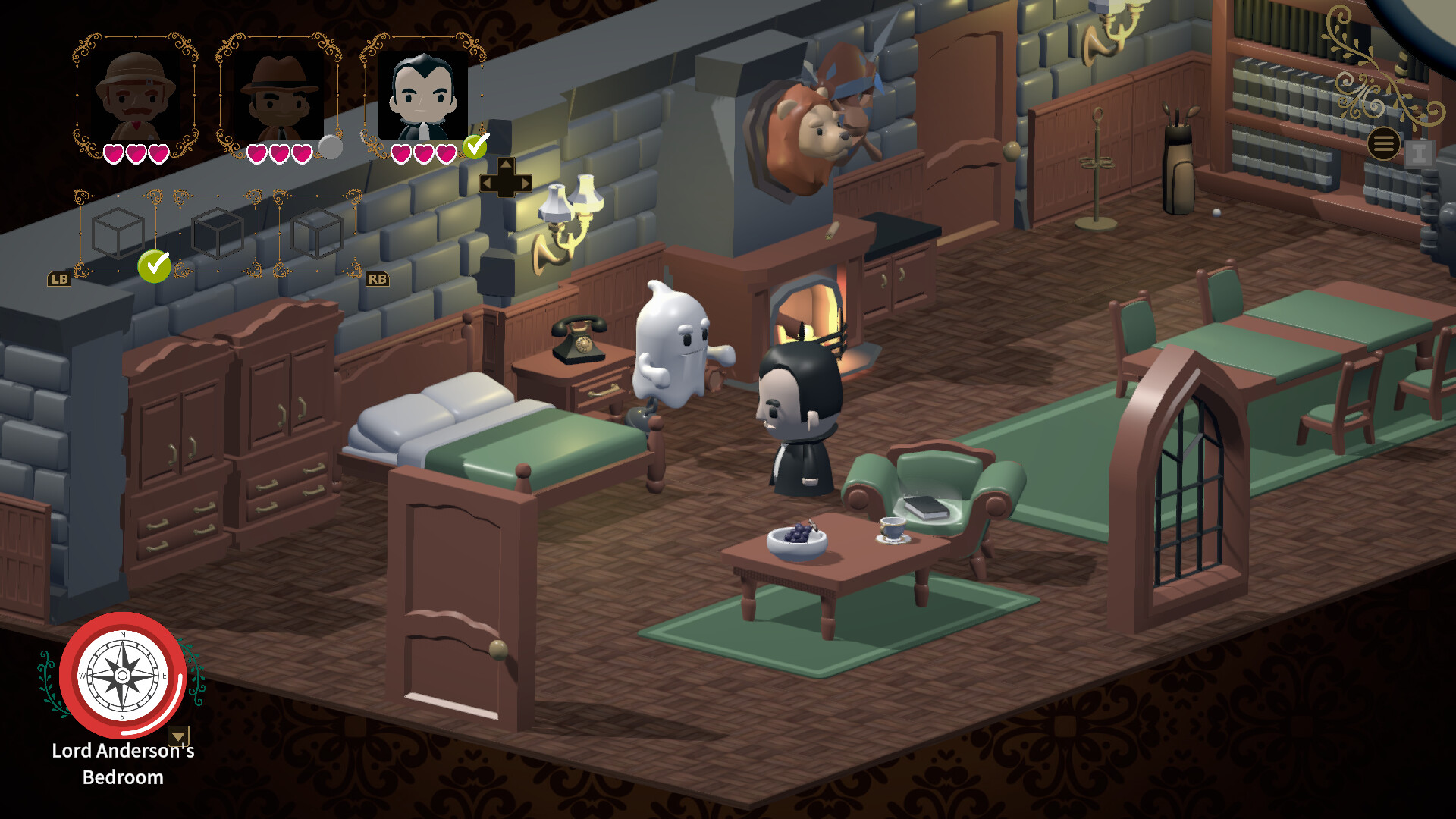
What really defines the game is its structure. You have 120 real-time minutes to solve the case before Scotland Yard steps in and shuts everything down. The timer never stops. Not for dialogue. Not for thinking. That pretty much changes a lot of things since you can’t see everything or talk to everyone. Every choice matters: where you go, who you trust, what leads you follow. Entire paths close off because you simply run out of time. The game clearly wants you to replay it, not as a bonus, but as part of the design since each run gives you new perspectives and new doubts.
You bring two household members with you as companions and that choice actually matters. A servant sees tension differently than an heir. In other words, a dialogue can shift and clues can feel different depending on who’s present. Truth here isn’t objective, it’s filtered through bias and personal history.
Exploration is also a big part of the experience. The manor is huge, with more than 150 rooms and tons of interactive details. In fact, small things like a misplaced letter, a strange book, a locked drawer help build the bigger picture. Additionally, the case board helps keep track of motives and alibis, but the game expects you to stay always active.
Still, the ambition comes with some friction. The mansion can feel overwhelming because many rooms look alike and navigation isn’t always clear. When time is constantly slipping away, getting lost stops being atmospheric and starts being frustrating. Movement is also quite slow, which makes chasing leads feel costly.
Inventory limits add another layer of realism, perhaps too much. Each character carries only a few items and nothing is shared automatically. If one person has the key, the others don’t. It makes sense, but it can interrupt the flow. The biggest sticking point might be the reset. When time runs out, everything resets. Only your memory carries over. At first it feels quite unique. Later, it can feel punishing. The idea is smart since failure becomes knowledge, but repetition can wear thin.
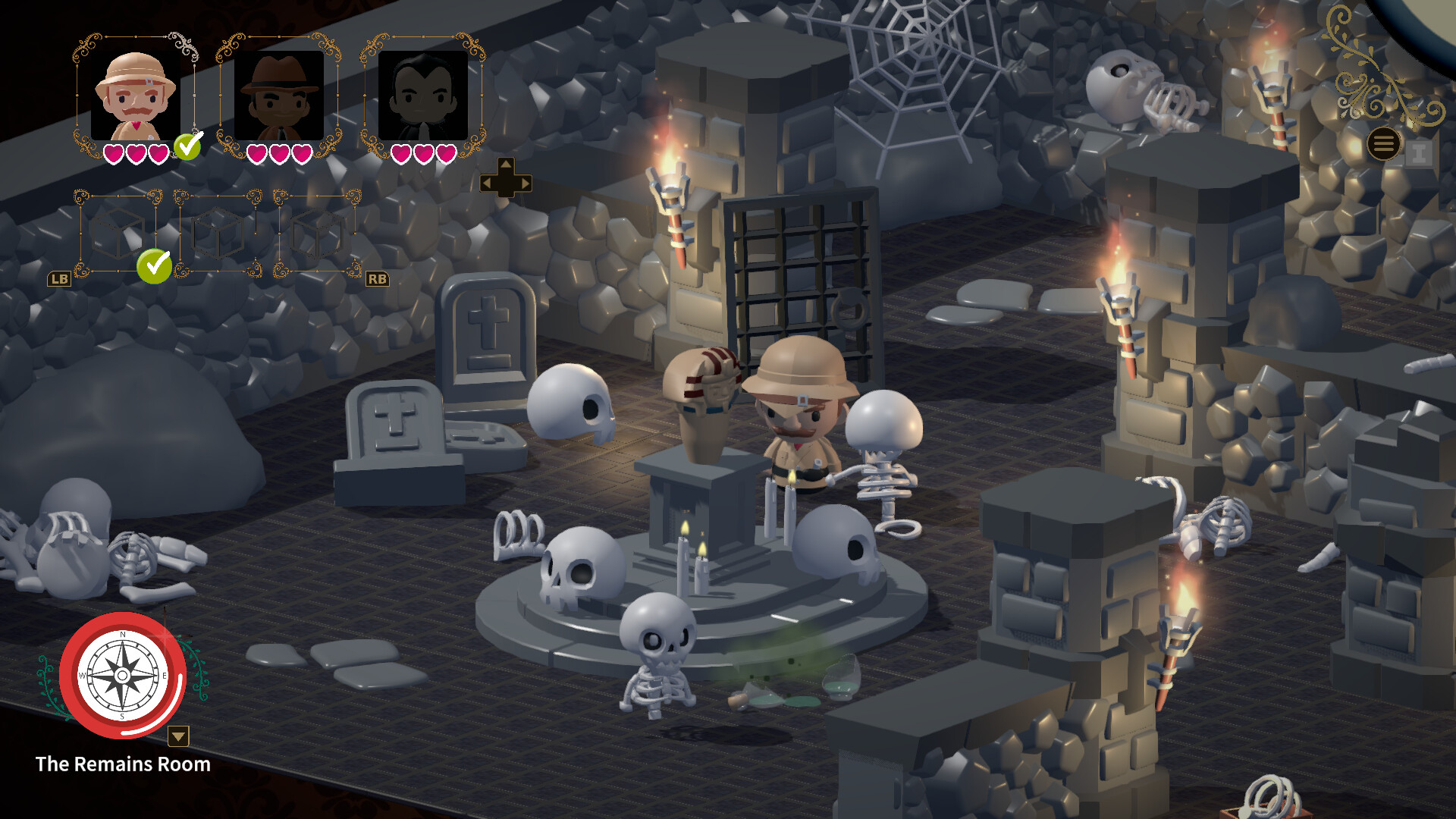
In the end, Clue: Murder by Death trusts the player. It won’t spell things out. If you get it wrong, that’s on you. If you solve it, it’s because you paid attention. But the same systems that make it stand out also make it demanding. The pressure can be thrilling, or exhausting. The mansion can feel immersive, or cumbersome. It really depends how you approach the game and what are your expectations.
There’s real brilliance here: great writing, clever perspectives and a bold structure. But there’s also friction that sometimes gets in the way. This is a game that doesn’t just ask if you can solve the mystery, it asks if you can do it under pressure. And it won’t wait for you to figure it out.
Review copy provided by the publisher
Delphinium mixes cozy farming, exploration and relationships with enjoyable fishing, cooking and forging minigames in its Gamescom 2026 demo.
Lady Death: Demonicron looks the part, but underneath its excellent comic-book exterior is a clunky and painfully short brawler.
![[GAMESCOM 2026] Tomb Raider: Legacy of Atlantis Preview – Expands the Original Without Losing Its Identity](https://www.indie-games.eu/wp-content/uploads/2026/09/tomb-raider-legacy-of-atlantis-06-02-26-1-1024x576.jpg)
Tomb Raider: Legacy of Atlantis brings Lara back to her roots, but its Gamescom 2026 showing proved this is far…
![[GAMESCOM 2026] Clive Barker’s Hellraiser: Revival Preview – Ready to Open the Box](https://www.indie-games.eu/wp-content/uploads/2026/09/Clive-Barkers-Hellraiser-Revival-08-30-26-1-1024x576.jpg)
Hellraiser: Revival preserves the franchise’s sex, gore and psychological horror while delivering approachable survival-horror gameplay.

Swan Song creates a peaceful and forgiving puzzle space without removing the challenge that makes solving a difficult puzzle rewarding.
Mortal Shell II starts brilliantly but grows repetitive and exhausting, while remaining a rewarding and ambitious Soulslike sequel.
![[GAMESCOM 2026] Terranigma Preview – A Lost SNES Classic Returns in 2027](https://www.indie-games.eu/wp-content/uploads/2026/08/Terranigma-1-1024x576.jpg)
After more than three decades of limited availability, Terranigma is returning in 2027. We played its enhanced re-release at Gamescom…

Reading another person’s mind is often presented as a desirable superpower, but Sister Other Paranoia immediately understands why it could…
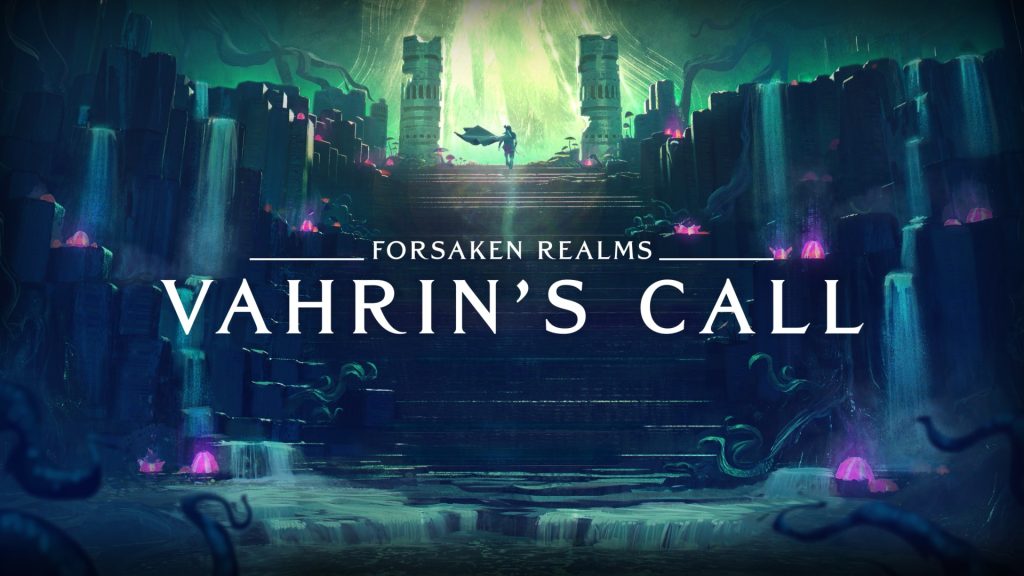
Forsaken Realms: Vahrin’s Call is exactly the kind of ambitious, slightly clumsy fantasy RPG that used to be far more…
![[Early Access] 2nd EVE – Sci-Fi Action RPG That Lacks a Sense of Stakes](https://www.indie-games.eu/wp-content/uploads/2026/08/2ND-EVE-1024x576.jpg)
2nd Eve is a space-set action RPG in which we strive to save humanity.
![[PREVIEW] Dreamcards – Strategic Exploration of Consciousness](https://www.indie-games.eu/wp-content/uploads/2026/08/Dreamcards_20260810_233631_0000-1024x576.jpg)
Dreamcards is a roguelike deckbuilder centered around dreams and nightmares.
![[Early Access] OFFBEAT – Incredibly Fun Way to Start a Music Career](https://www.indie-games.eu/wp-content/uploads/2026/08/Offbeat_20260808_201446_0000-1024x576.jpg)
In OFFBEAT, we play the role of a jobbing composer who is launching their music career.
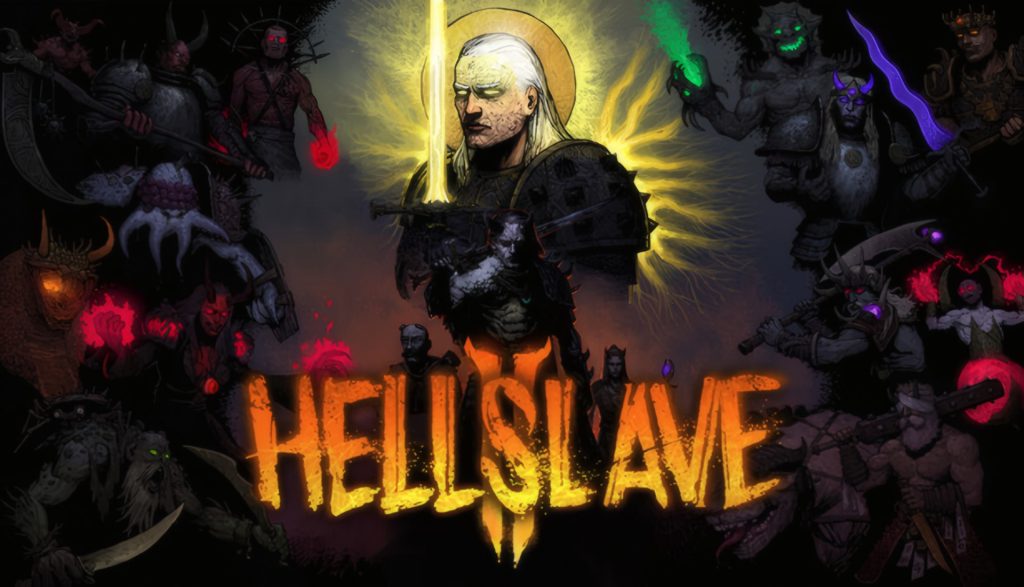
HellSlave II retains the original’s oppressive atmosphere, morally grey world and striking art while adding a larger world, randomized loot…
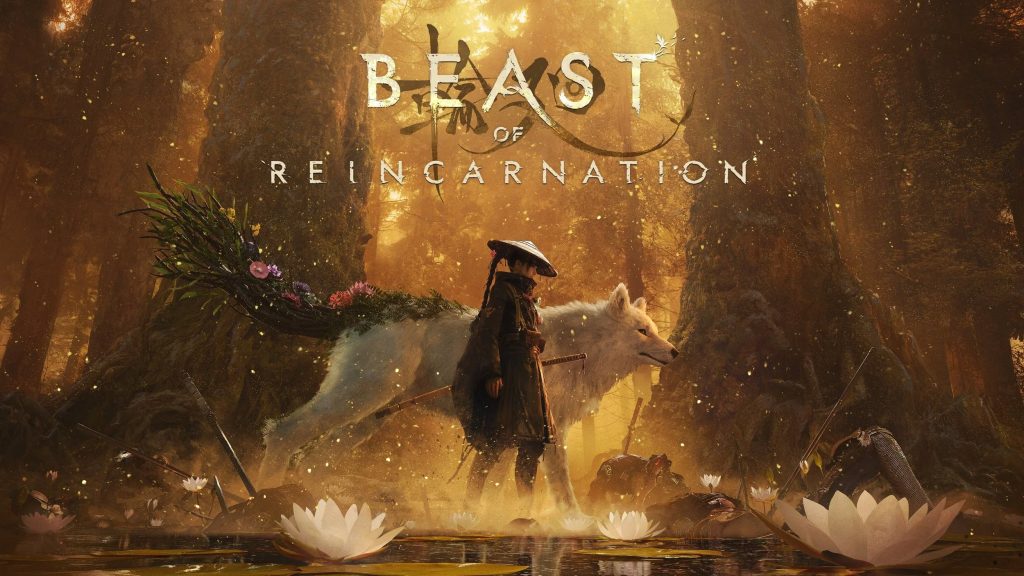
Beast of Reincarnation is an ambitious but uneven action RPG elevated by satisfying parry combat, beautiful art direction and the…

K-pop Idol Stories: Road to Debut captures the pressure of building idol group, but its management systems never explore that…
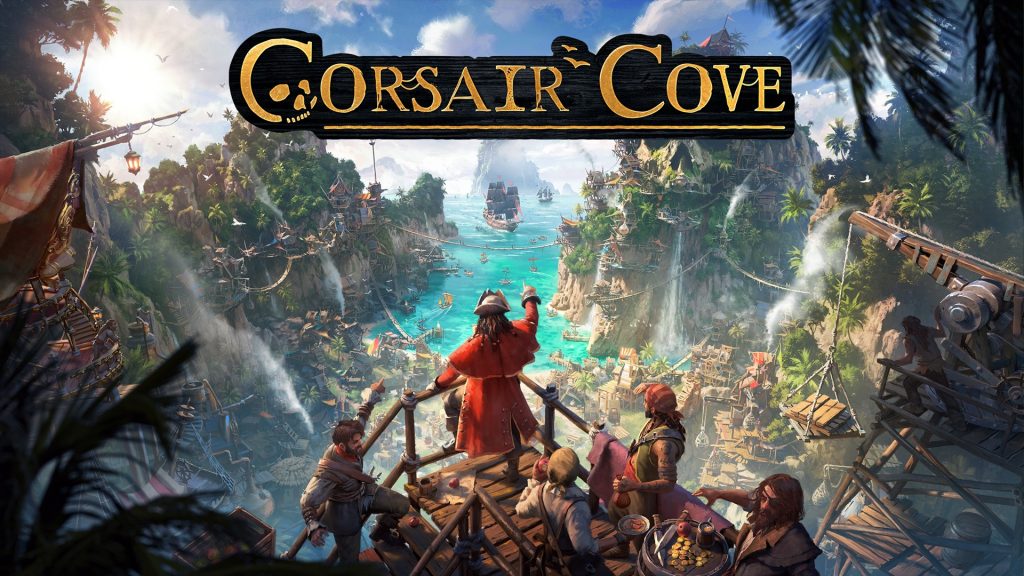
Hooded Horse keeps finding strategy games that know their audience, and Corsair Cove extends its impressive run of excellent city-builders.
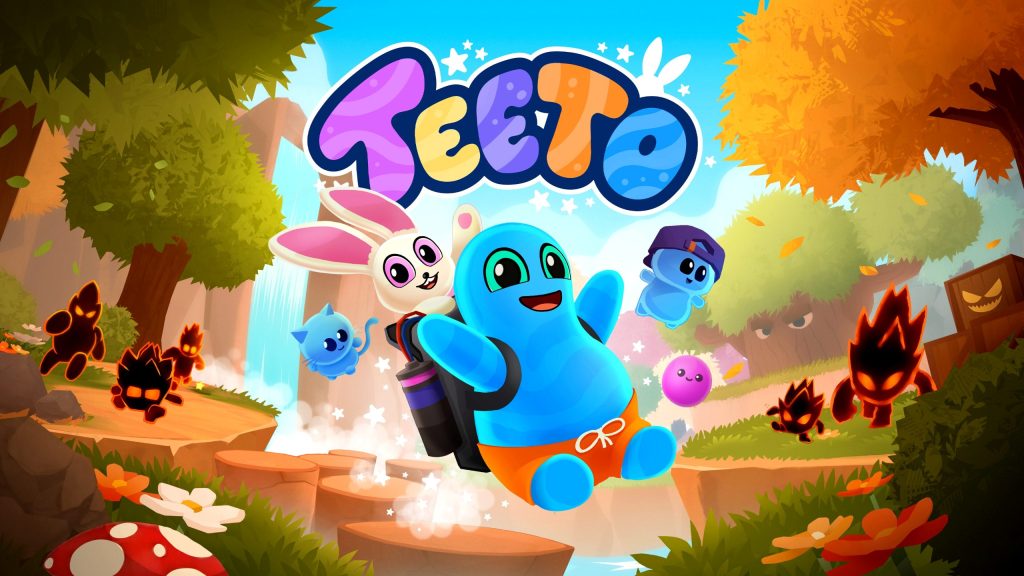
Teeto is a warm, cozy, creative and highly enjoyable 3D platformer that understands why classic collectathons remain so appealing.
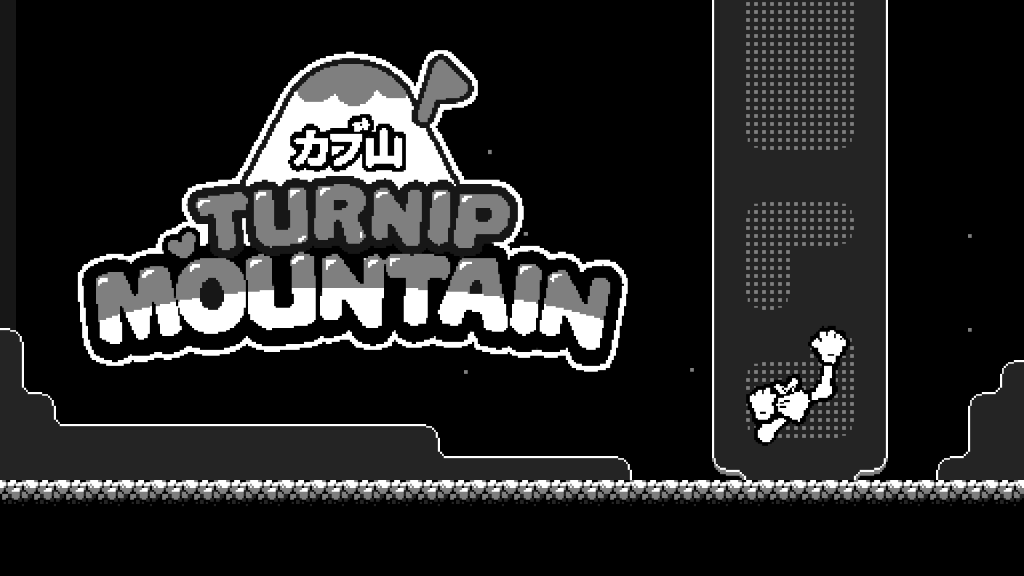
Turnip Mountain stands out for its combination of a unique control system and a minimalist approach.
Dystopicon is an imaginative and memorable narrative experiment with sharp social commentary, engaging world-building and several wonderfully absurd scenarios.
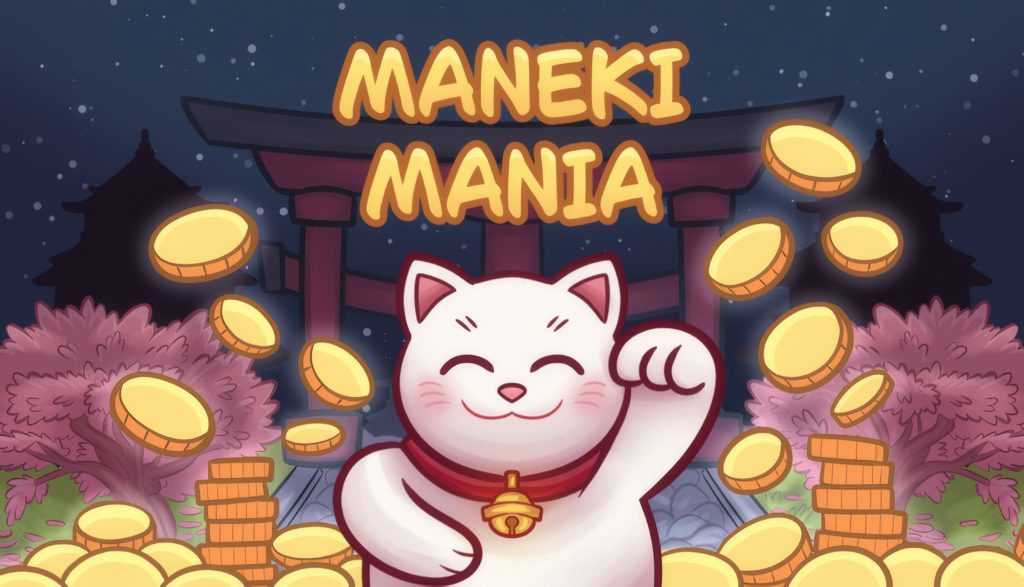
Maneki Mania is an incremental game centered around petting a lucky cat.
