Forsaken Realms: Vahrin’s Call – Imperfect Journey Back to an Older RPG Era
Forsaken Realms: Vahrin’s Call is exactly the kind of ambitious, slightly clumsy fantasy RPG that used to be far more…

![[EARLY ACCESS] Astrobotanica – Promising Alien Botanist Sim That Still Needs Time to Grow](https://www.indie-games.eu/wp-content/uploads/2026/03/Astrobotanica-naslovna.jpg)
If you enjoy independent indie game coverage, consider supporting Indie-Games.eu on Patreon. It helps keep the site independent.
Astrobotanica is a science-driven survival adventure at its core, offering a blend of survival mechanics, botanical simulation, a first-contact narrative, and a low-combat exploration sandbox. In this unique premise, you don’t play as a human lost in space, instead, you take on the role of Xel, an alien botanist sent across the galaxy to collect plant species that could save your dying homeworld.
Set in a prehistoric Earth, your survival depends on studying ancient flora, cultivating them, and creating a breathable environment. While the game’s narrative is intriguing and the world is filled with discovery, I can’t help but feel that it’s still a bit bare-bones. Sadly, the development feels rushed in its Early Access release, but there’s no denying that it’s brimming with interesting ideas waiting to blossom.
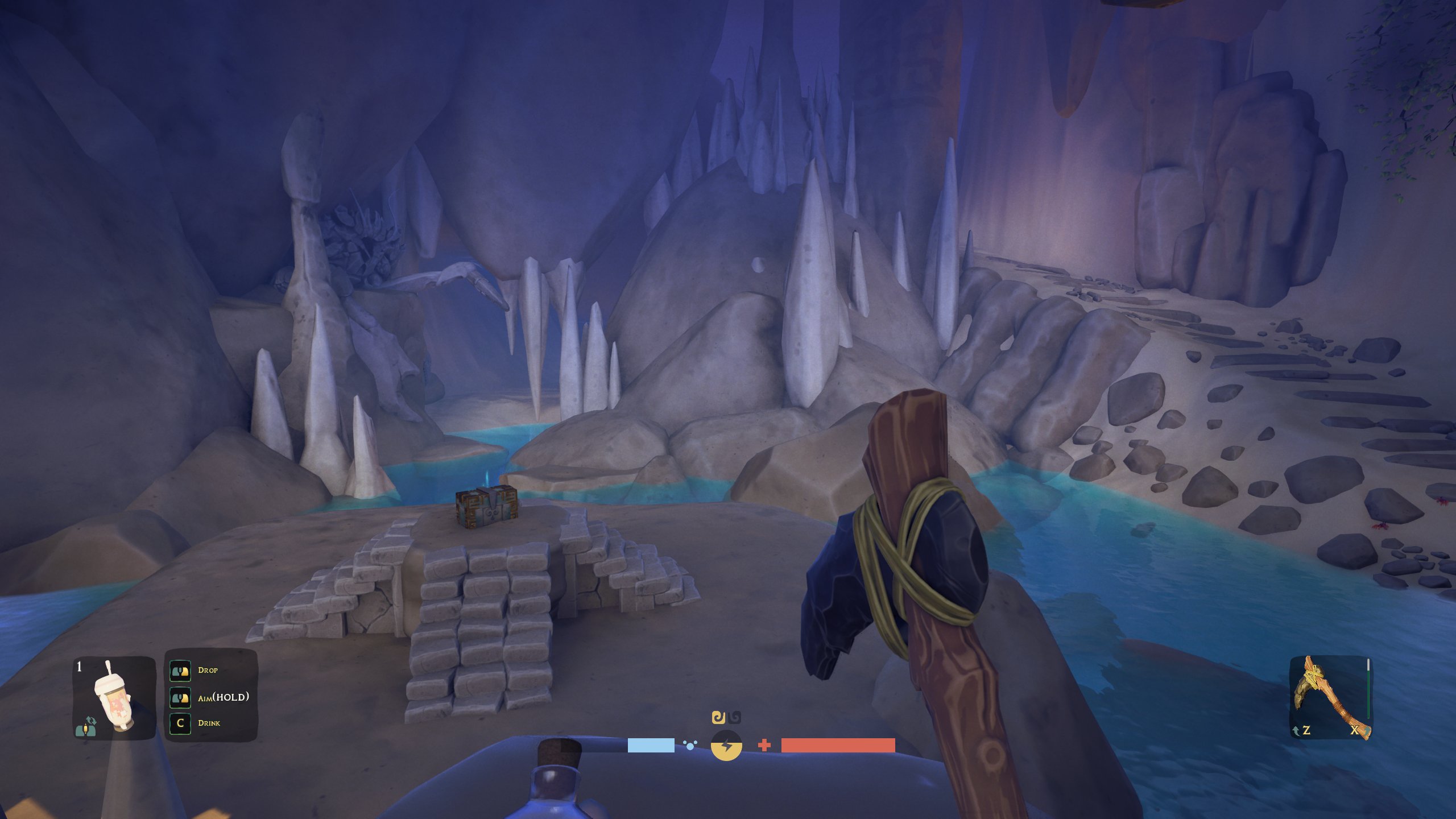
In many ways, Astrobotanica reminds me of Subnautica, especially in its style, aesthetic, and overall atmosphere. While the graphics aren’t groundbreaking, leaning into a cartoonish, colorful style that’s solid but not particularly special, the game’s open-ended world is its real strength. It’s packed with diverse megafauna, early humans like Neanderthals, and untamed ecosystems spread across multiple biomes and islands, creating a playground for exploration.
However, this sense of wonder hits a bit of a ceiling, as the gameplay structure stays fairly straightforward. Progression is tied largely to gathering technology points, earned by scanning different plants, animals and unlocking chests, forcing you into a repetitive cycle of scanning, returning to base, and then venturing out again.
Xel, your alien, relies on crafting special medicines to survive, since he breathes CO₂ instead of air, so a big part of the game is experimenting with tonics that let you stay outside longer. And while these systems offer a foundation for curiosity, the game ultimately falters by keeping its crafting, base-building, and research loops too simple and time-consuming. It’s a game bursting with promise, but sadly, it feels like it’s still waiting for a fuller bloom.
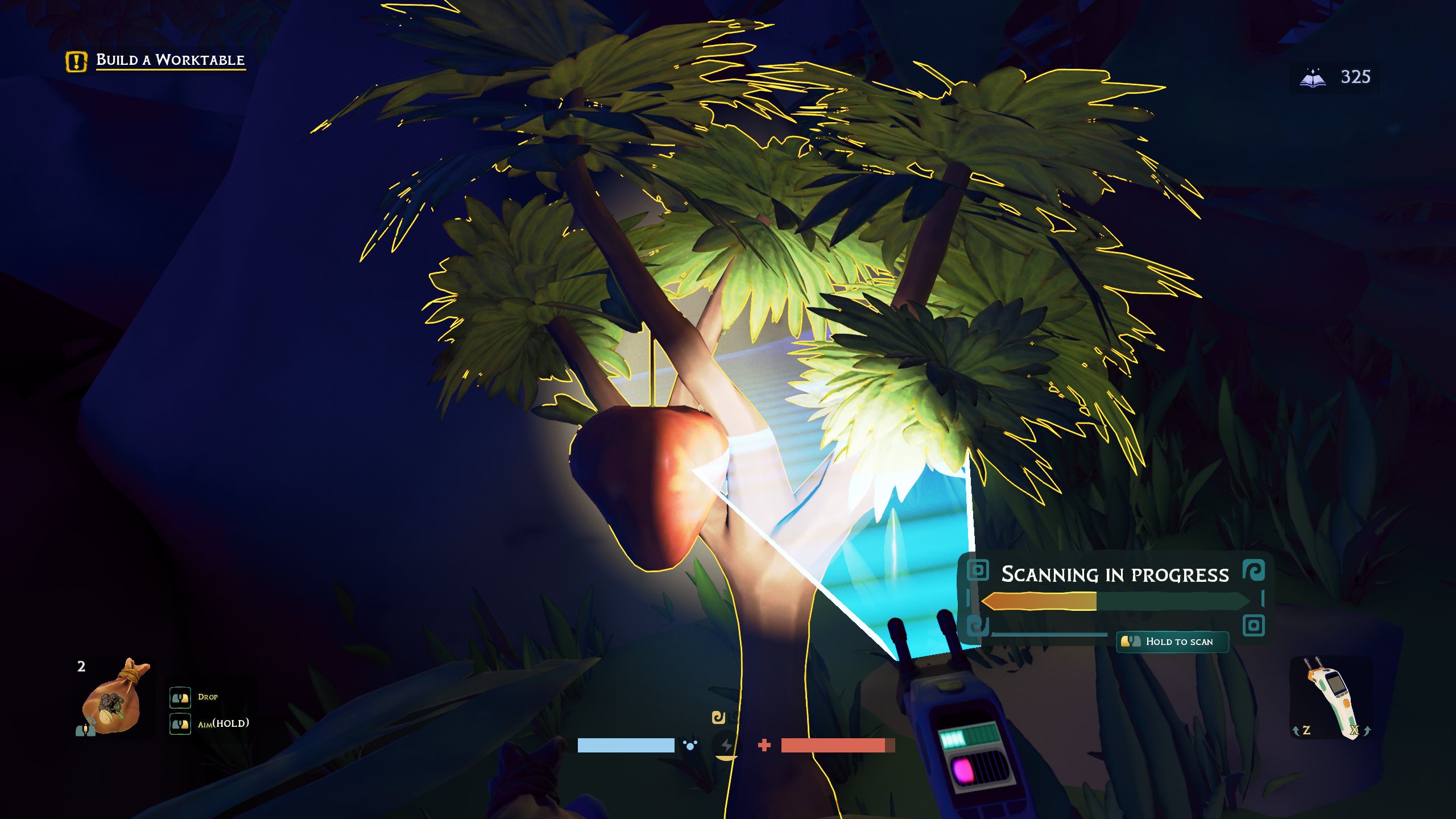
One of the most frustrating aspects of Astrobotanica is its tutorial, which feels hastily slapped together. Instead of offering a smooth onboarding, it dumps you into the world with minimal guidance, leaving you to fumble around collecting basic materials like sticks. I honestly wish they had just skipped the tutorial entirely and let me unlock simple tools like a pickaxe or axe right from the start so I could dive straight into exploration. Instead, the early hours feel bogged down by endless backtracking, even as some resources start to respawn as days pass.
Once you get past that initial start, the game does offer a decent amount of exploration: you’ll uncover a variety of plants, animals, and puzzles, but sadly, the fun falls off quickly. The random puzzles are simple, mostly just rewarding you with some fog-of-war removal or more scattered chests. And while the skill system is surprisingly in-depth, offering perks like a compass, faster leveling up, or increased inventory, once you hit around level 5 skill tree, progression slows down completely.
I also struggled to figure out how to tame animals, if it’s even fully implemented, because the mechanics just aren’t explained well. And, to top it off, the resource balance feels off: fiber is everywhere, while other materials are scarce, forcing you to move constantly between areas. The crafting system, too, is extremely limited, you only get two tools and six resources, which means the crafting loop never evolves far beyond the basics. It’s clear Astrobotanica has intriguing concepts, but for now, it just doesn’t give you the depth or polish to keep you fully engaged.
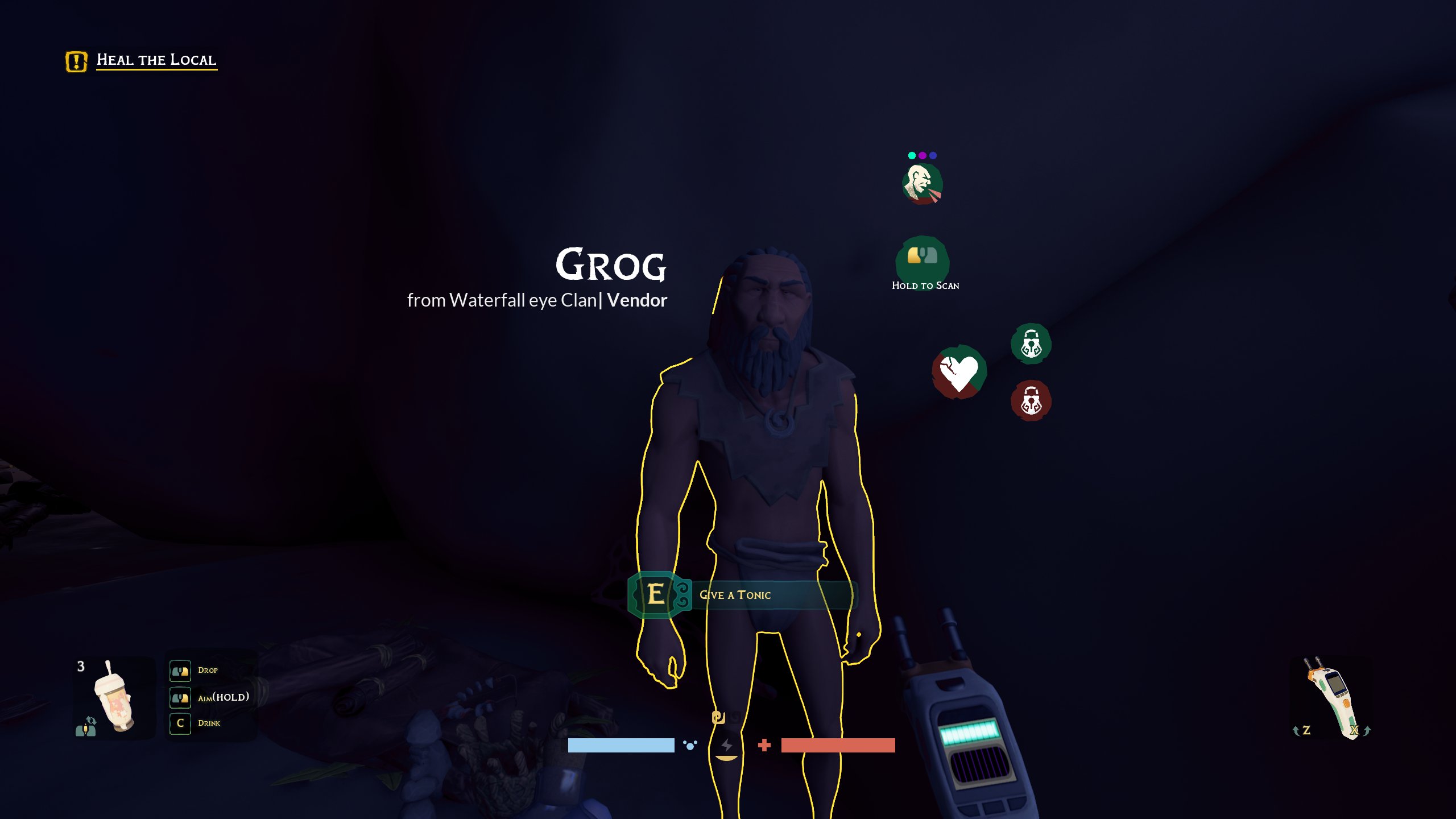
When it comes to interacting with humans, Astrobotanica takes a refreshing approach: you don’t conquer them, but instead, you heal their illnesses, build trust, trade resources, and forge alliances that reward you with tools, supplies, and assistance. It’s intentionally relaxing, with no focus on violence, and a heavy emphasis on observation, experimentation, and exploration. Yet, despite all this potential, it still feels like it hasn’t fully found its balance.
Farming, for example, is quite simplistic, you mostly just collect seeds and build a compost, water the plants too and while you can grow plants, you never really need to because exploration yields all the resources you require. What’s missing is that sense of reward for exploration, something that pushes you forward instead of just making you repeat the same tasks. It’s a game that’s trying to find its footing between calm discovery and a more substantial survival loop, but for now, it feels like it’s still missing those essential quality-of-life features and a deeper sense of adventure.
In the end, while Astrobotanica has very nice day and night cycle, it’s still missing a lot of content to call it proper survival adventure. It has a solid foundation, very unique concept, but it’s a proper Early Access title that might not be worth your time currently. There is a chance Astrobotanica might be fun with future updates, but there are far better titles out there.
Review copy provided by the publisher
Forsaken Realms: Vahrin’s Call is exactly the kind of ambitious, slightly clumsy fantasy RPG that used to be far more…
![[Early Access] 2nd EVE – Sci-Fi Action RPG That Lacks a Sense of Stakes](https://www.indie-games.eu/wp-content/uploads/2026/08/2ND-EVE-1024x576.jpg)
2nd Eve is a space-set action RPG in which we strive to save humanity.
![[PREVIEW] Dreamcards – Strategic Exploration of Consciousness](https://www.indie-games.eu/wp-content/uploads/2026/08/Dreamcards_20260810_233631_0000-1024x576.jpg)
Dreamcards is a roguelike deckbuilder centered around dreams and nightmares.
![[Early Access] OFFBEAT – Incredibly Fun Way to Start a Music Career](https://www.indie-games.eu/wp-content/uploads/2026/08/Offbeat_20260808_201446_0000-1024x576.jpg)
In OFFBEAT, we play the role of a jobbing composer who is launching their music career.

HellSlave II retains the original’s oppressive atmosphere, morally grey world and striking art while adding a larger world, randomized loot…
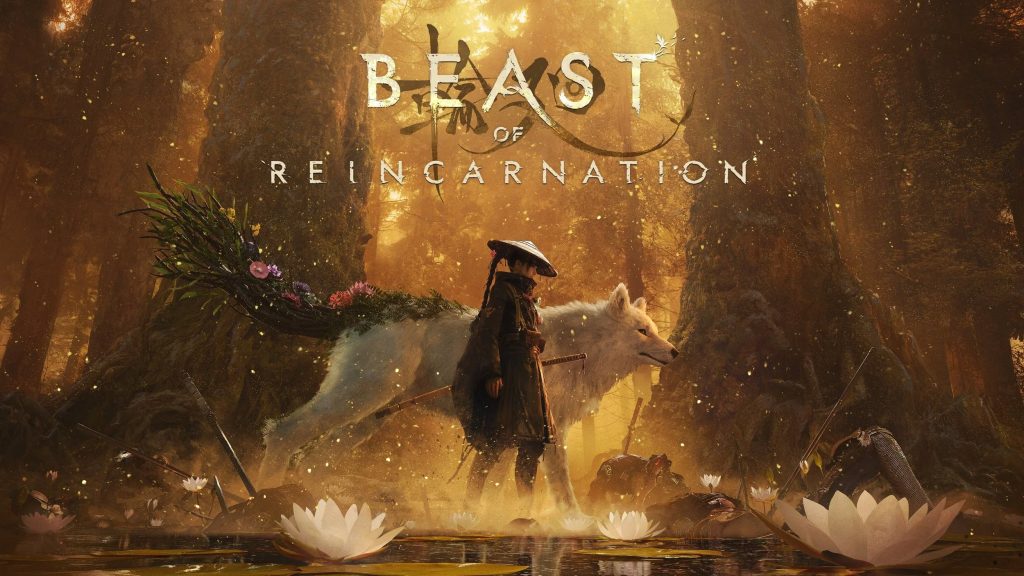
Beast of Reincarnation is an ambitious but uneven action RPG elevated by satisfying parry combat, beautiful art direction and the…

K-pop Idol Stories: Road to Debut captures the pressure of building idol group, but its management systems never explore that…
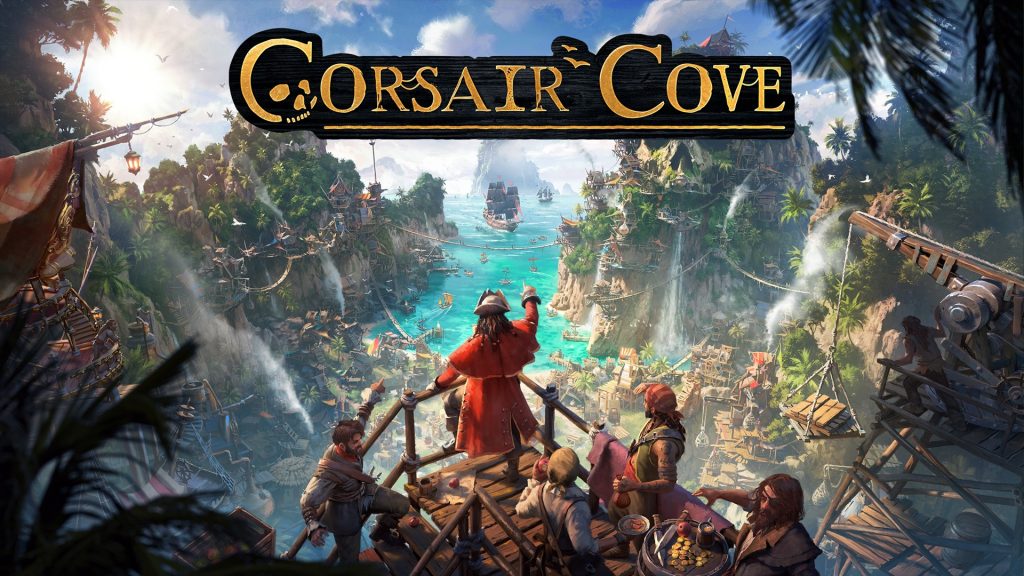
Hooded Horse keeps finding strategy games that know their audience, and Corsair Cove extends its impressive run of excellent city-builders.
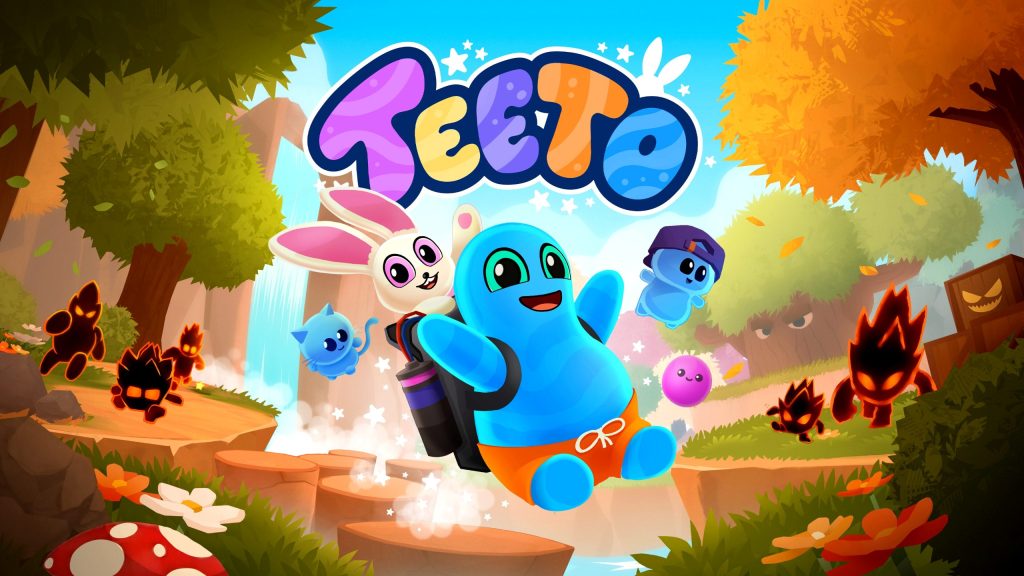
Teeto is a warm, cozy, creative and highly enjoyable 3D platformer that understands why classic collectathons remain so appealing.

Turnip Mountain stands out for its combination of a unique control system and a minimalist approach.
Dystopicon is an imaginative and memorable narrative experiment with sharp social commentary, engaging world-building and several wonderfully absurd scenarios.
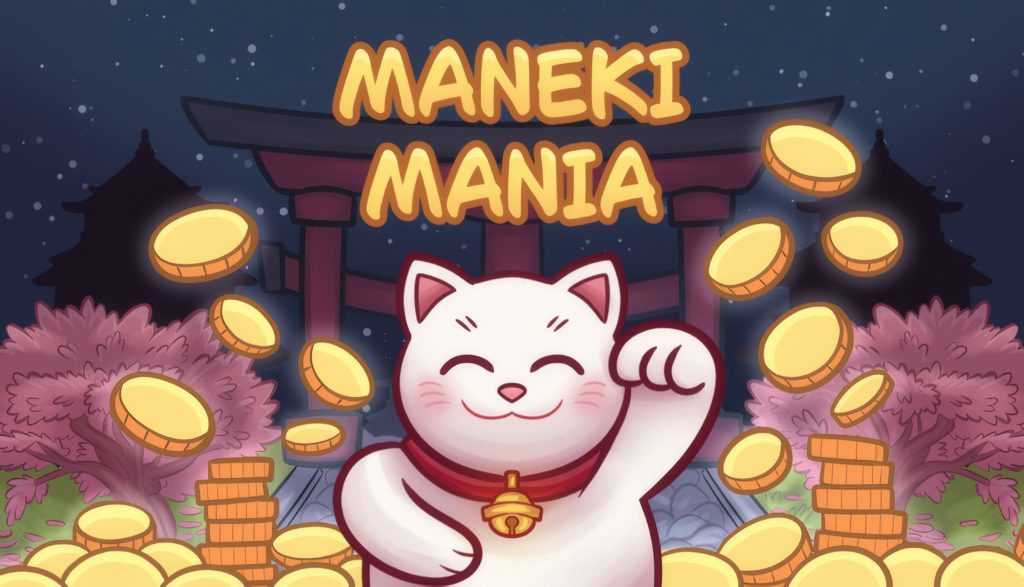
Maneki Mania is an incremental game centered around petting a lucky cat.
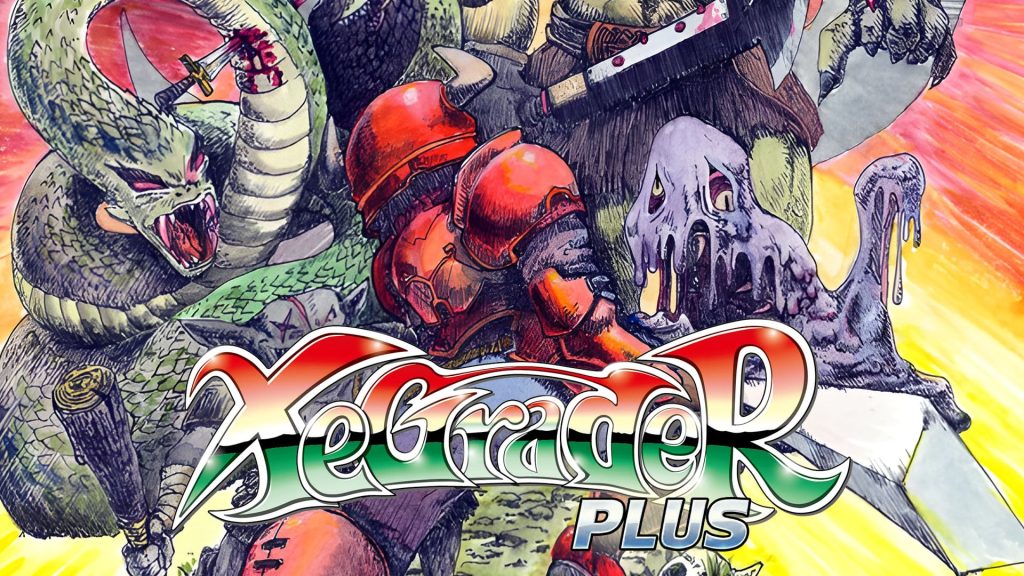
XeGrader Plus delivers colorful retro shooting, but basic mechanics, a short campaign and paid retro modes make its €20 price…
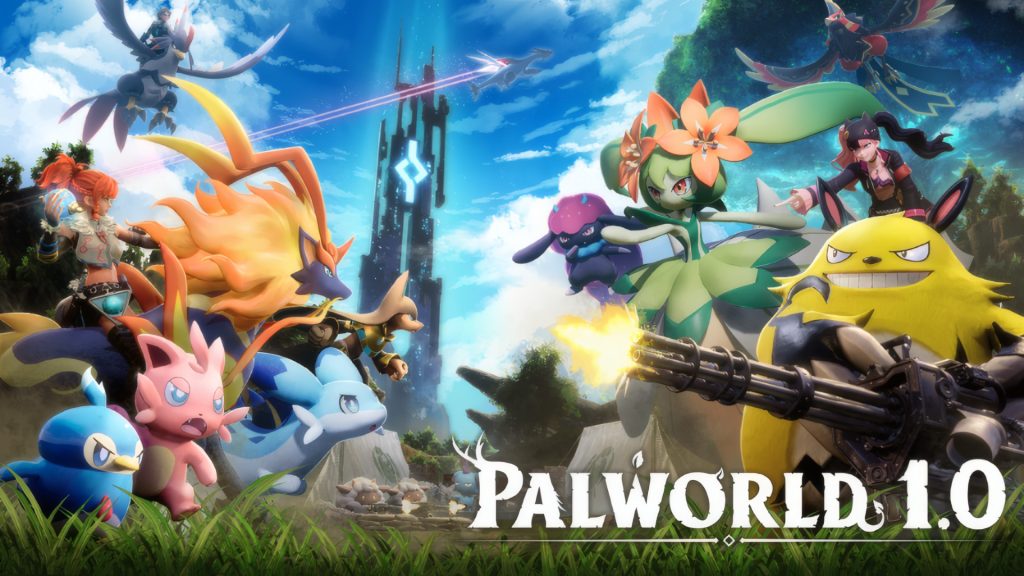
It has been roughly two and a half years since Palworld first entered Early Access, and quite a lot has…
![[EARLY ACCESS] The Last Caretaker – Survival Game I Cannot Stop Playing](https://www.indie-games.eu/wp-content/uploads/2026/07/The-last-Caretaker-Key-Art-1024x587.jpg)
The Last Caretaker is a compelling survival crafter with a flooded world and mobile base, but weak combat and performance…

Advent: Dawn is an intriguing science-fiction visual novel elevated by a likable cast and one of the most convenient flowchart…
![[EARLY ACCESS] Hell Maiden – Beautiful but Uneven Journey Through Hell](https://www.indie-games.eu/wp-content/uploads/2025/06/HMD_screenshot_019-1024x576.jpg)
Bullet heaven and rougelite game Hell Maiden lands between a polished Early Access release and a promising game that still…
![[PREVIEW] Dark Queen of Samobor – Promising Croatian Adventure Still in Need of Polish](https://www.indie-games.eu/wp-content/uploads/2026/07/Dark-Queen-of-Samobor-1024x587.jpg)
Dark Queen of Samobor is a promising 2.5D side-scrolling action-adventure that combines Croatian folklore with combat, puzzles and cinematic platforming.

70s-style Robot Anime Geppy-X offers incredible animation, music and mecha nostalgia, but its average shooting make the €39 price difficult…

Denshattack! blends Tony Hawk, Jet Set Radio, and Japanese train culture into one of the year's most creative and unforgettable…
