Vahrin’s Call Interview: No Classes, No Generative AI, and Complete Player Freedom
Built by a self-funded team of seven, Vahrin’s Call is an ambitious fantasy RPG inspired by Fable, The Elder Scrolls…

![[INTERVIEW] Manafinder II Is a Big Step Up – Here’s What the Developer Told Us](https://www.indie-games.eu/wp-content/uploads/2026/04/Manafinder-II-interview.jpg)
If you enjoy independent indie game coverage, consider supporting Indie-Games.eu on Patreon. It helps keep the site independent.
We had the opportunity to interview Jorge Blanco from Wolfsden LLC, an indie game studio based in Seattle. His team is currently working on Manafinder II, a sequel to their 2022 turn-based JRPG, which received a lukewarm reception.
However, that hasn’t stopped Jorge from moving forward with a follow-up that, by many measures, is shaping up to be a significant improvement over the original. As he puts it: “I knew I wanted to continue building on the franchise.”
In the interview, we discussed the game’s mechanics in greater detail, what players can expect from the sequel, and the current stage of its development. Additionally, the game is slated to release in 2027 and you can wishlist it right now on Steam.
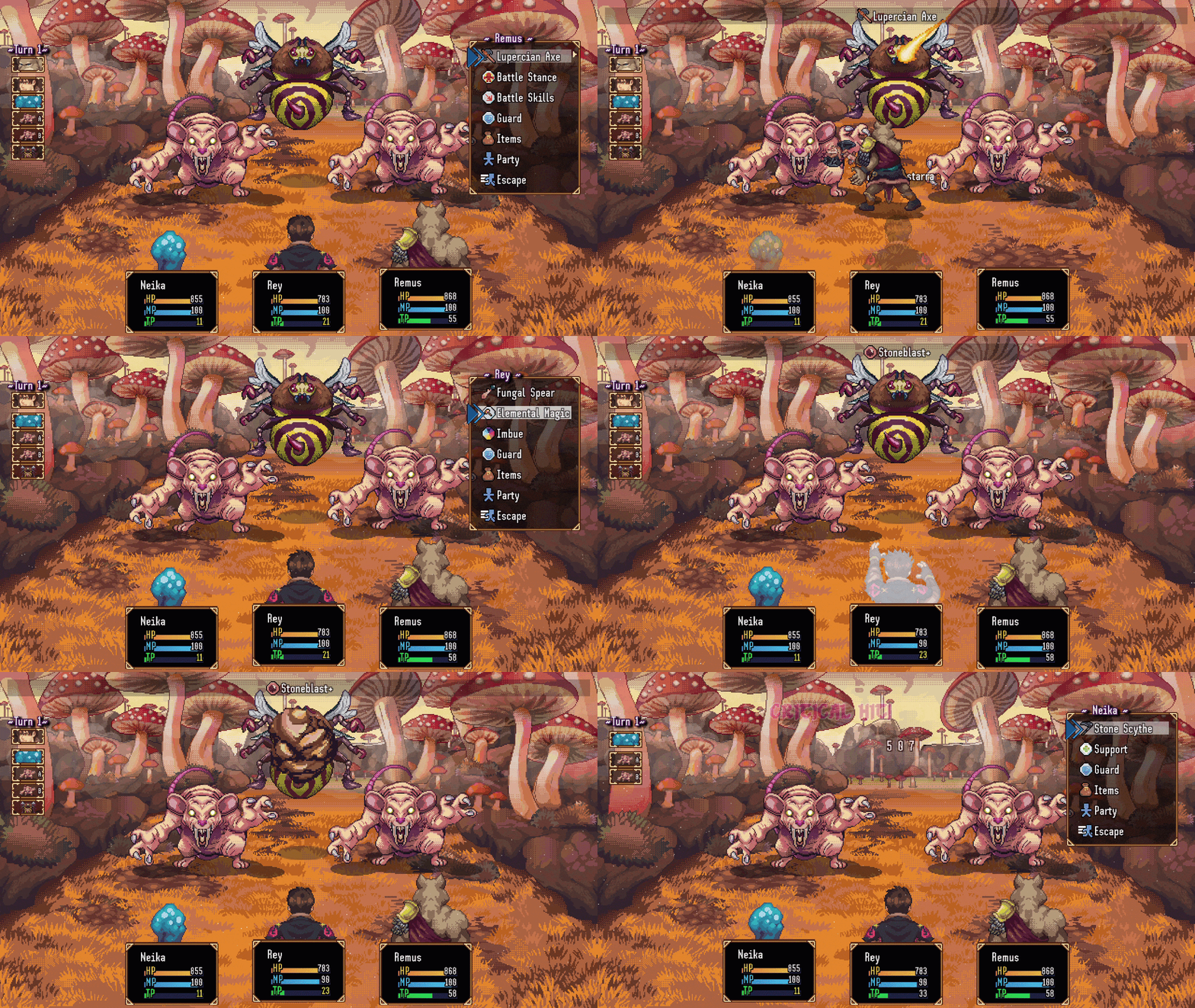
We are focusing more on the RPG elements (exploration, dialogue, and combat) while moving away from minigames and reflex-based interactions, such as the wolf chase at the beginning of Manafinder I. That’s not to say Manafinder II won’t feature minigames, but they’ve mostly been relegated to side-content. We are also introducing LOTS of QoL features, such as the ability to skip cutscenes and a quick retry option when dying in combat.
As I was nearing the end of Manafinder’s development, I knew I wanted to continue building on the franchise – at least for one sequel. I originally planned to take some time off after Manafinder I, but my brain was too excited to start writing down the sequel!
Manafinder II takes place in a world where mankind was eradicated ten years before the game starts. The eradication was led by the mysterious Cult of Azar-Hin, who worshipped the misanthropic deity Azar-Hin. They killed most humans and turned those who survived into The Purged, undead beings whose only purpose is to ensure the eradication of mankind is absolute. The world kept on spinning, though, and some species even benefited from the downfall of man.
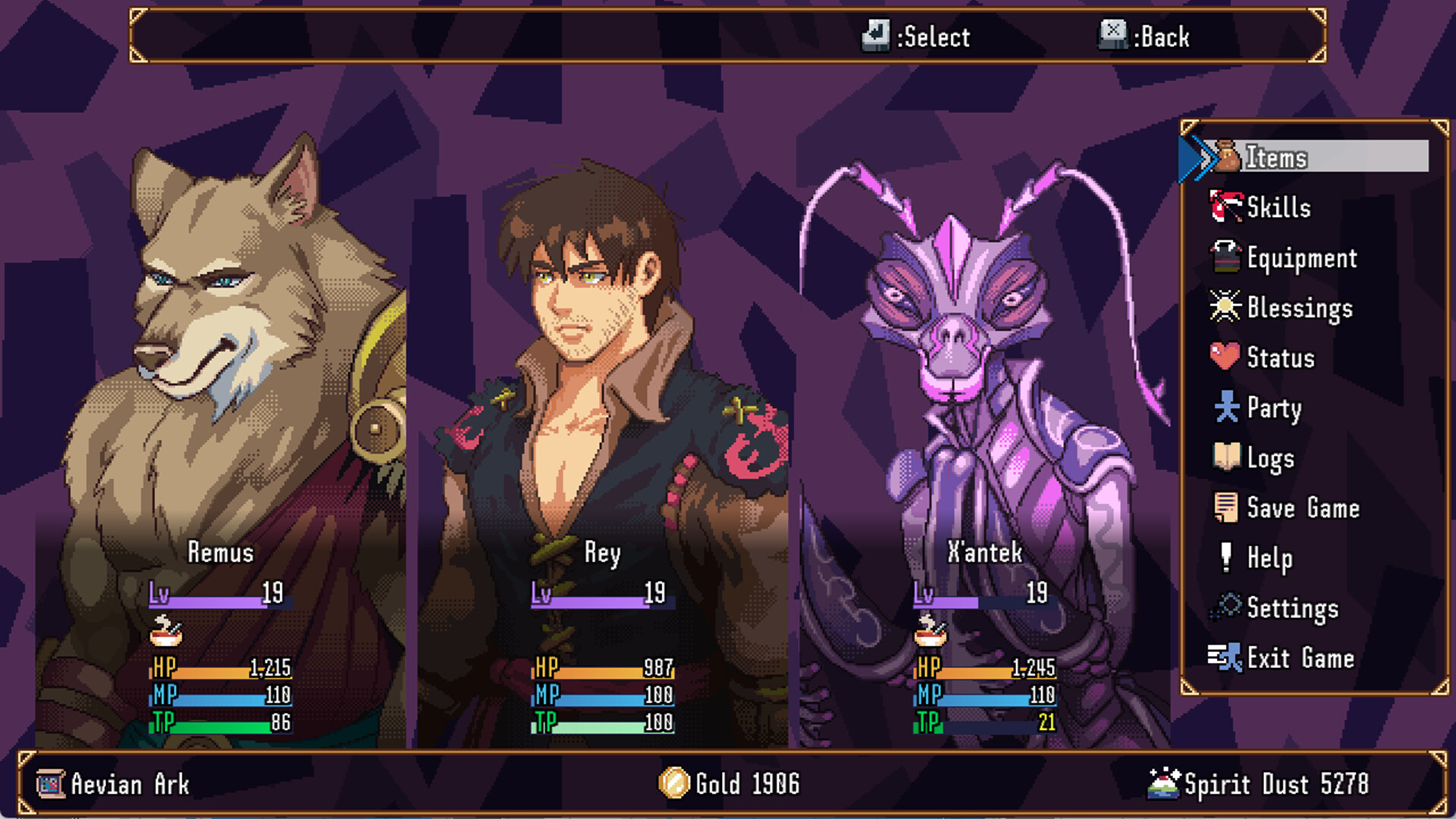
Rey, the game’s protagonist, is the only known human survivor of said purge, that is, until his Luperci (a wolf-like intelligent species) friend Remus brings him news that will forever change his life: another live human has been spotted, and there’s a target on her back. This sparks a journey where Rey will seek a new purpose in a world that has forgotten about him.
Along this journey, Rey will run into other non-human party members, such as:
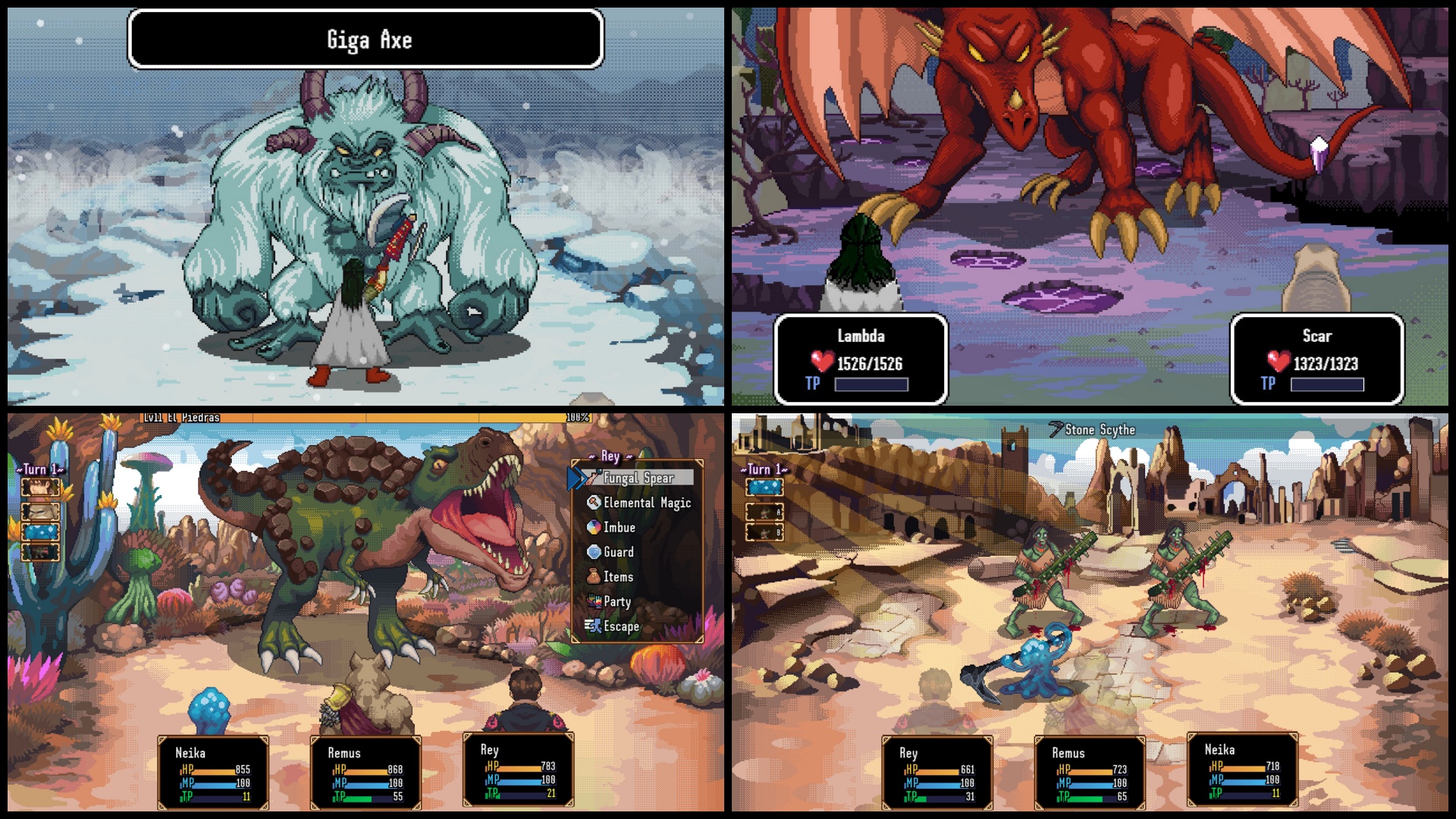
Weapons and elemental affinities are very similar to the first game, but this time, you have the additional layer of party member roles. Rey is a damage dealer with a very similar playstyle to Lambda from Manafinder I. Tanking, healing, magic, roguery, and whatnot will give you many different ways to strategize in combat. Each party member can wield two different weapon types, and each party member has two unique battle commands. Additionally, each race has its own weaknesses and vulnerabilities to different weapon types and status ailments
For the battle perspective, I was inspired by the Phantasy Star series, which, in my opinion, did an excellent job of showcasing front-view battle systems without compromising the visibility of the player characters. As for battle mechanics, my biggest influence is Final Fantasy XI.
Some enemies hit HARD. For example, the Orkillea shown in the trailer, the killer carnivore plant, has a really high chance of landing critical hits. This is where X’antek shines, as he can focus on evasion-tanking the plant while the rest of the party focuses on support and damage dealing. Mindlessly attacking won’t get you very far against bosses and rare beasts.
The intent is to add a more exciting layer to exploration. Not only are the more curious players rewarded with more challenging foes, but many of these monsters also feature unique designs. The Tyrannosaurus Rex in the game’s trailer is an example of a Rare Beast, a completely optional fight that rewards players not only with a fun experience but also with actual loot within the game!
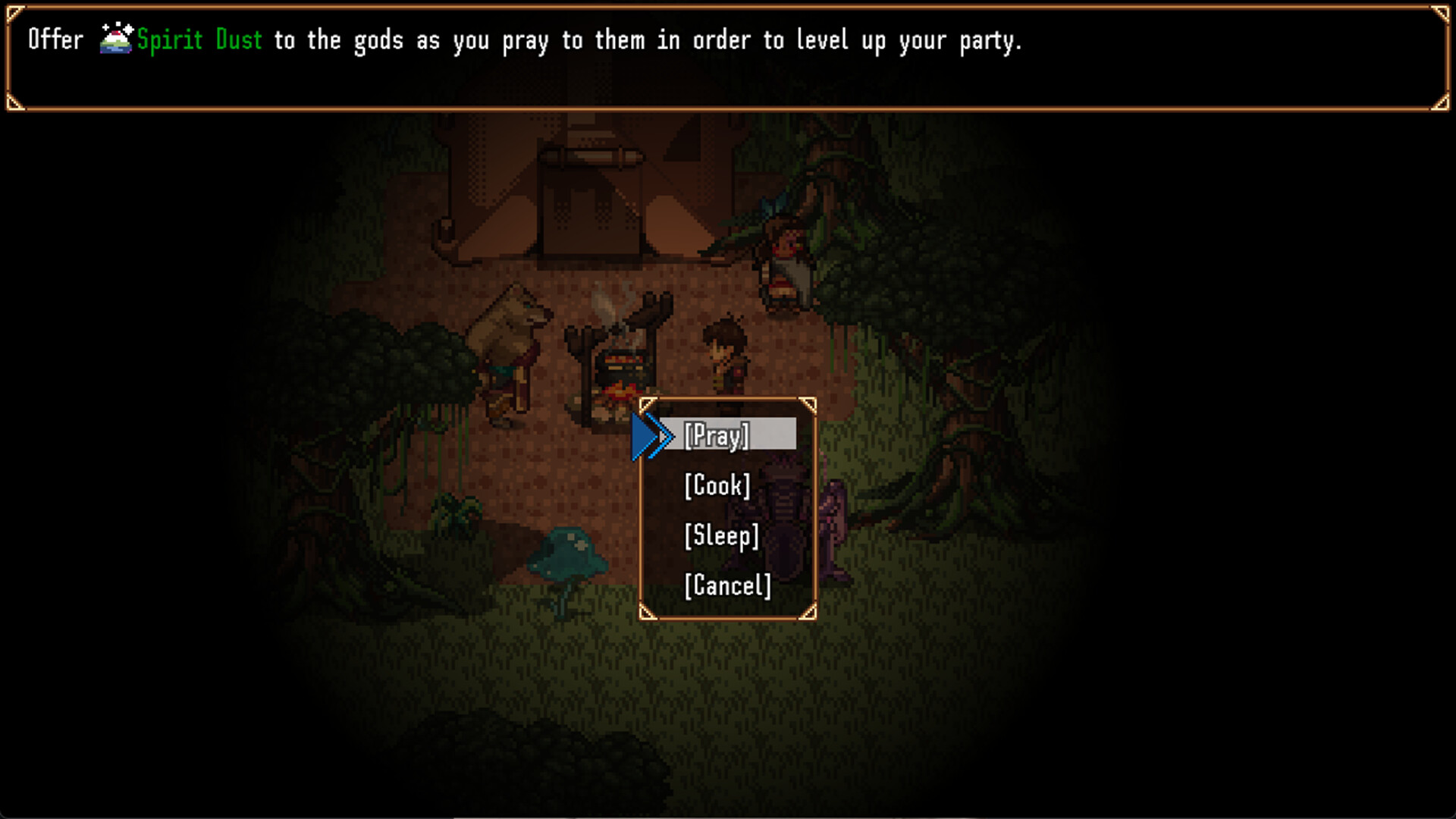
They are key to the game. Harvesting komaplants (healing plants) is your main source of healing in the game (just as in Manafinder I). Mining is very important for dealing magic-elemental damage in combat. And finally, cooking is entirely optional but extremely beneficial, since it grants you stat bonuses that could turn the tide of battle.
I’m also hoping players enjoy collecting recipes and seeing the pixel art we made for every single dish in the game! You can also fish in the game, by the way, and fish can be either sold or used for cooking. This is definitely designed as a diversion and not too important to the core gameplay loop.
Resolution has gone up from 816×526 to 1280×720. That’s a lot more pixels! The artists have also improved their work. I feel like you can tell Manafinder II’s art looks more ‘polished’ compared to the first.
The game features Mini-Quests (simple fetch-like quests) that help guide the player to some of the optional content. But more importantly, the game features Side-Quests. Side-Quests are generally longer and may run through multiple chapters of the game. One example of these Side-Quests is “Elphyne – The Realm of the Fae”. What starts as an innocent stroll in the forest draws you into the conflict between the Fae Courts.
I would say the game is around 75% complete. So this year is the final leg of development. And the last 10% is for testing and polishing!
Right now, only Windows PC, but I would like to at least target Linux through Proton for Steam Deck support. And yes, I would love to release on consoles, but it takes a while to reach an agreement with publishers, etc.
Do you see Manafinder as a long-term series, or is this story meant to stand on its own?
I would love to. But I also like to focus on one game at a time. I would like to explore other ideas as well, but even if I did, I know that I will eventually come back to Manafinder!
Without spoiling much, they can expect to see how the consequences of the first game played a role in shaping the world of the second. Sometimes in subtle ways, others in very direct ways.
No, you do not need to play the first one to understand the sequel. Manafinder II is designed as a starting point. The events of the first game play mostly a role in the worldbuilding of the second. In fact, you could play the first one after the second.
Built by a self-funded team of seven, Vahrin’s Call is an ambitious fantasy RPG inspired by Fable, The Elder Scrolls…
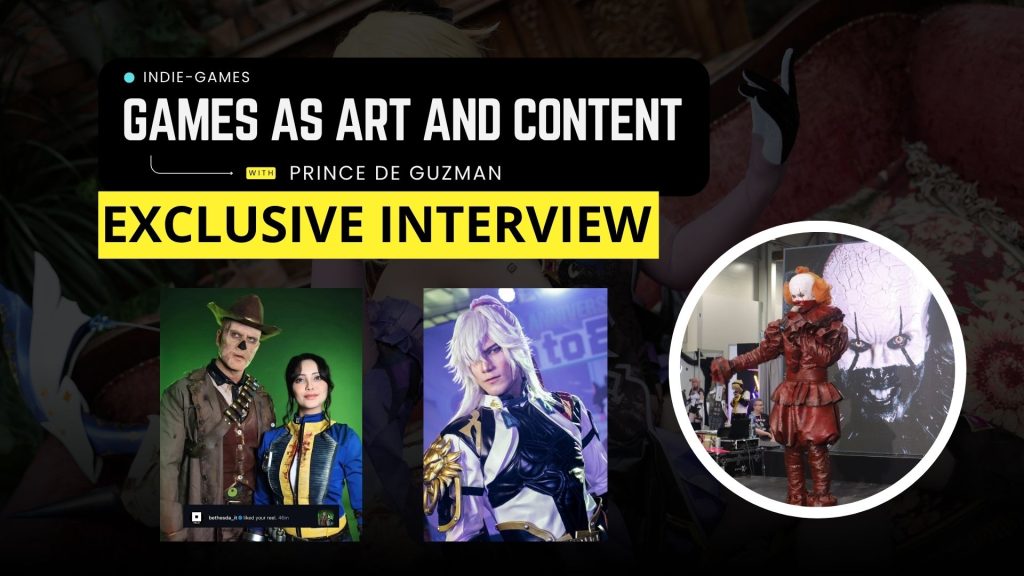
We spoke with cosplayer Prince de Guzman, who is known for his transformations inspired by horror, anime, and video games.
Unless you’re deep in the indie gaming scene, Naphtali Faulkner might be a new name to you. But as the…
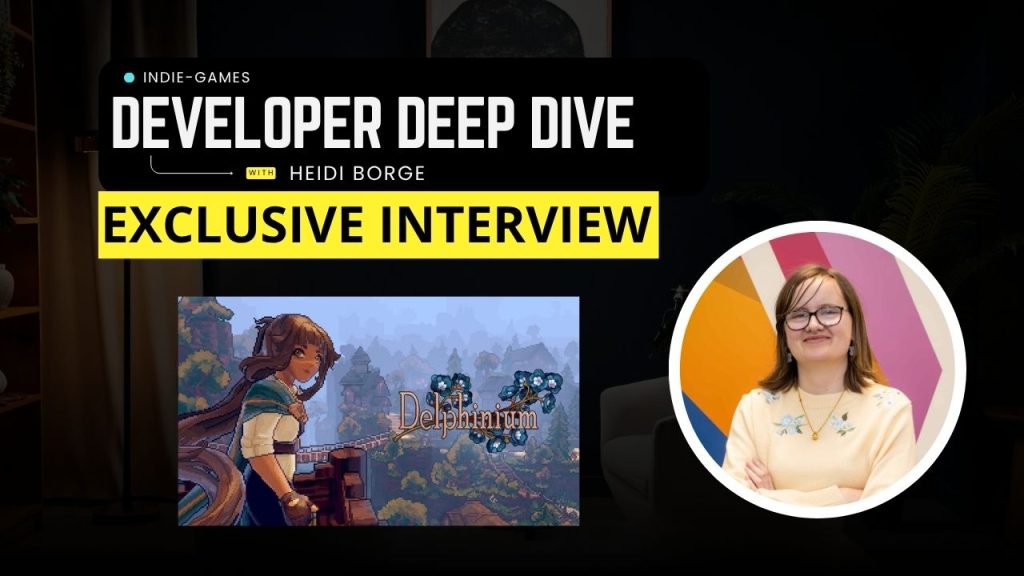
We had a chance to catch up with Heidi Borge, the developer behind narrative-driven cozy Delphinium to learn more about…
We had the opportunity to speak with Damian Czajka from MOUSE: P.I. For Hire Team.
We had the opportunity to talk with Piotr Nowakowski from Bloober Team about his work on Cronos: The New Dawn.
We had the opportunity to sit down with the brilliant minds behind Business Goose Studios: Beau Vankemenade, Sander Ambroos, and…
![[EXCLUSIVE] Like a Bloody Storm – Interview with Kazusou Oda (Coda)](https://www.indie-games.eu/wp-content/uploads/2025/12/Oda-Kazusou-Interview-1024x576.jpg)
We had an opportunity to talk with Oda Kazusou, a theme song artist for JoJo's Bizarre Adventure.
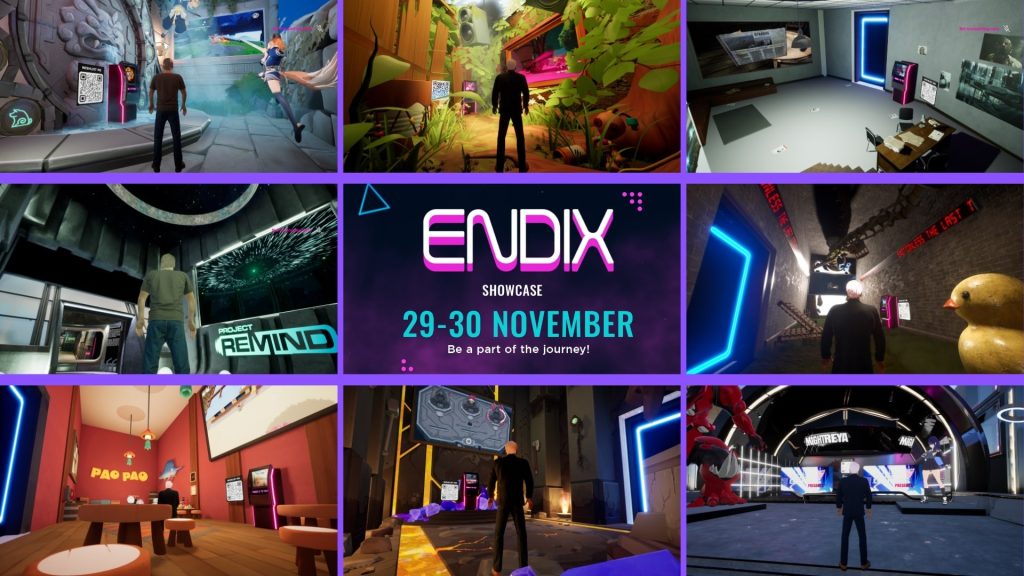
Once inside, visitors will find a fully immersive world where exhibitor booths are crafted using real in-game assets.
We talked to Tomasz Janicki about the details regarding Cult of Shadows.
We talked to Piotr Ruszczak, one of the creators of Mad Bang Bang, about the details of this production.
We asked Kiryl, Marek, and Jakub to reveal the secrets of their work to us.
Will Valor Mortis become the hit of 2026?

We had the chance to ask Yannick Audéoud, developer behind Orbyss, some questions about the game.
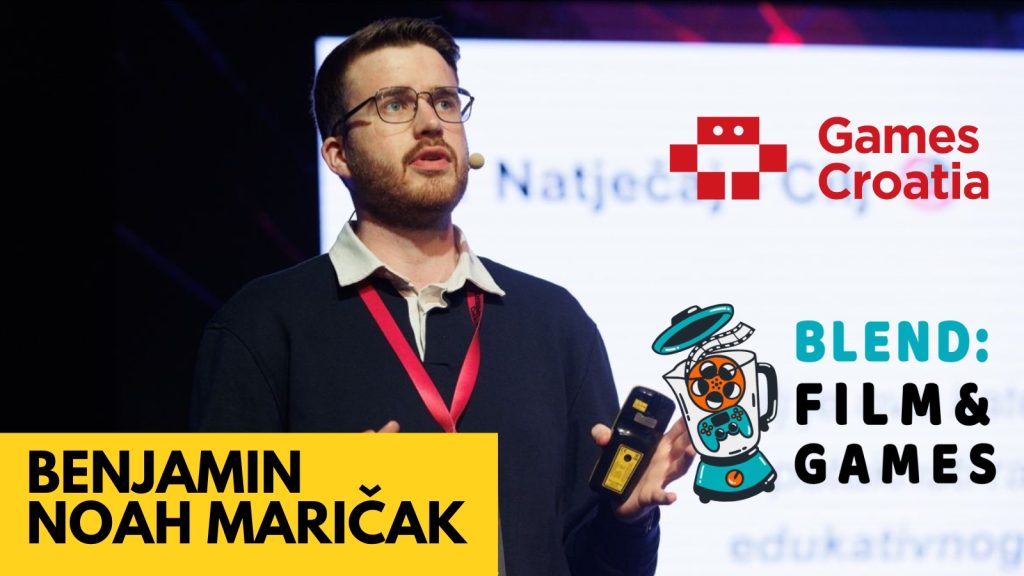
Maričak actively works to grow and promote the Croatian gaming industry while simultaneously fostering collaboration with the film industry.
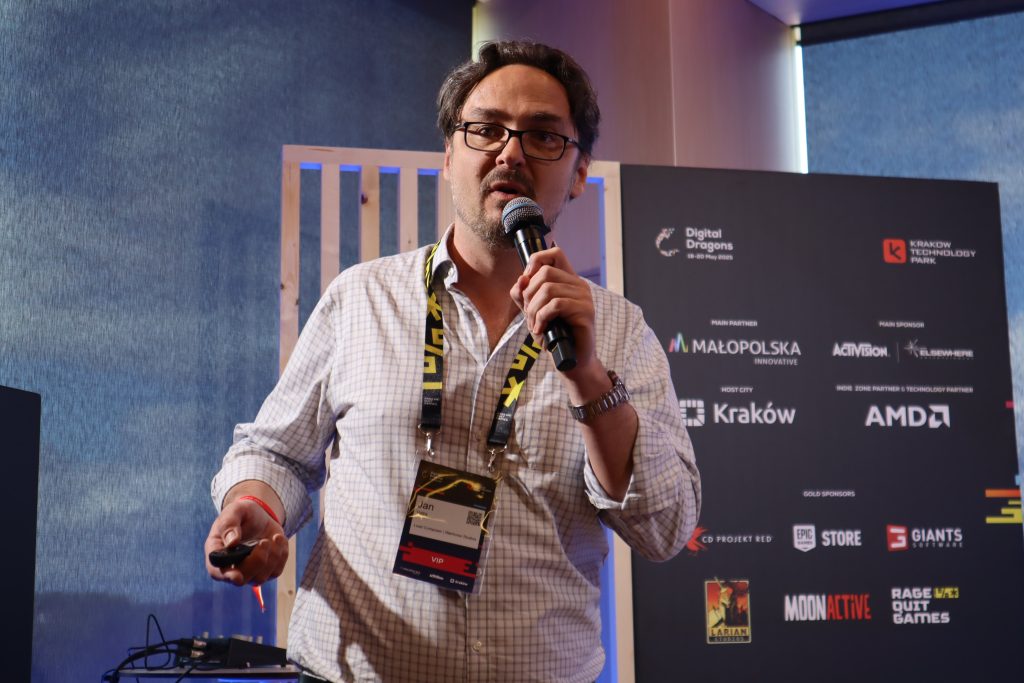
During our interview, Jan revealed the secrets of composing music for both KCD games.
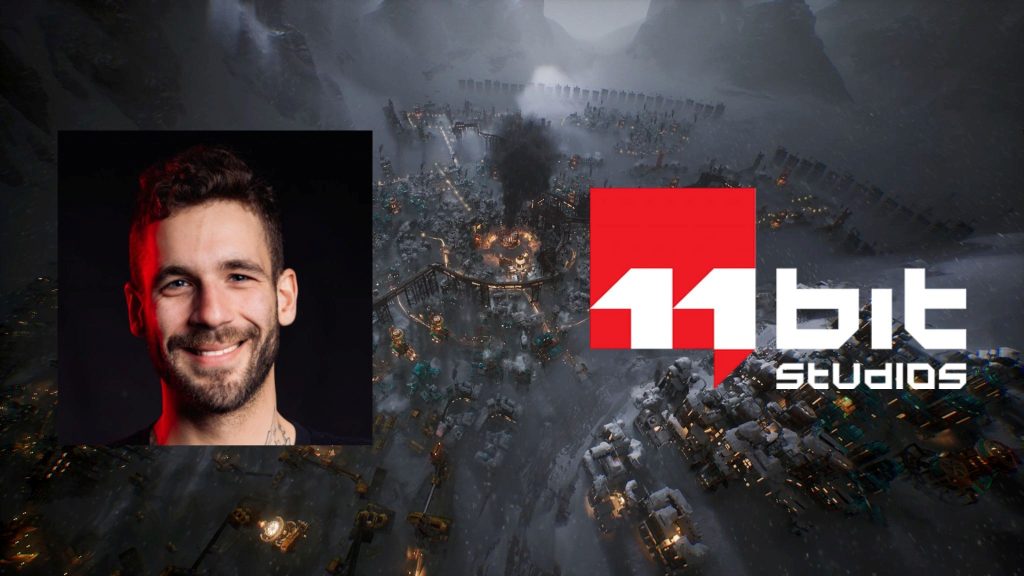
In this interview, we asked Paweł Charzyński about his experience working on Frostpunk 2 as VFX coordinator.
![[A BIG INTERVIEW] Toukana Interactive Co-Founder Zwi Zausch on the Gaming Industry](https://www.indie-games.eu/wp-content/uploads/2025/09/Dizajn-bez-naslova-2-1024x576.jpg)
Zwi Zausch provided a deep dive into the gaming industry from an indie developer's perspective.
![[A BIG INTERVIEW] Deep Dive into Star Birds with Toukana Interactive’s Co-Founder](https://www.indie-games.eu/wp-content/uploads/2025/09/star-birds-1024x576.jpg)
Ever wondered what it takes to build a relaxing base on an asteroid? We spoke with Zwi Zausch, who gave…
Playtonic has upgraded every aspect of the game, not just the visuals, also the core gameplay experience.
