Sister Other Paranoia – Everyone Has Something Ugly to Hide
Reading another person’s mind is often presented as a desirable superpower, but Sister Other Paranoia immediately understands why it could…

If you enjoy independent indie game coverage, consider supporting Indie-Games.eu on Patreon. It helps keep the site independent.
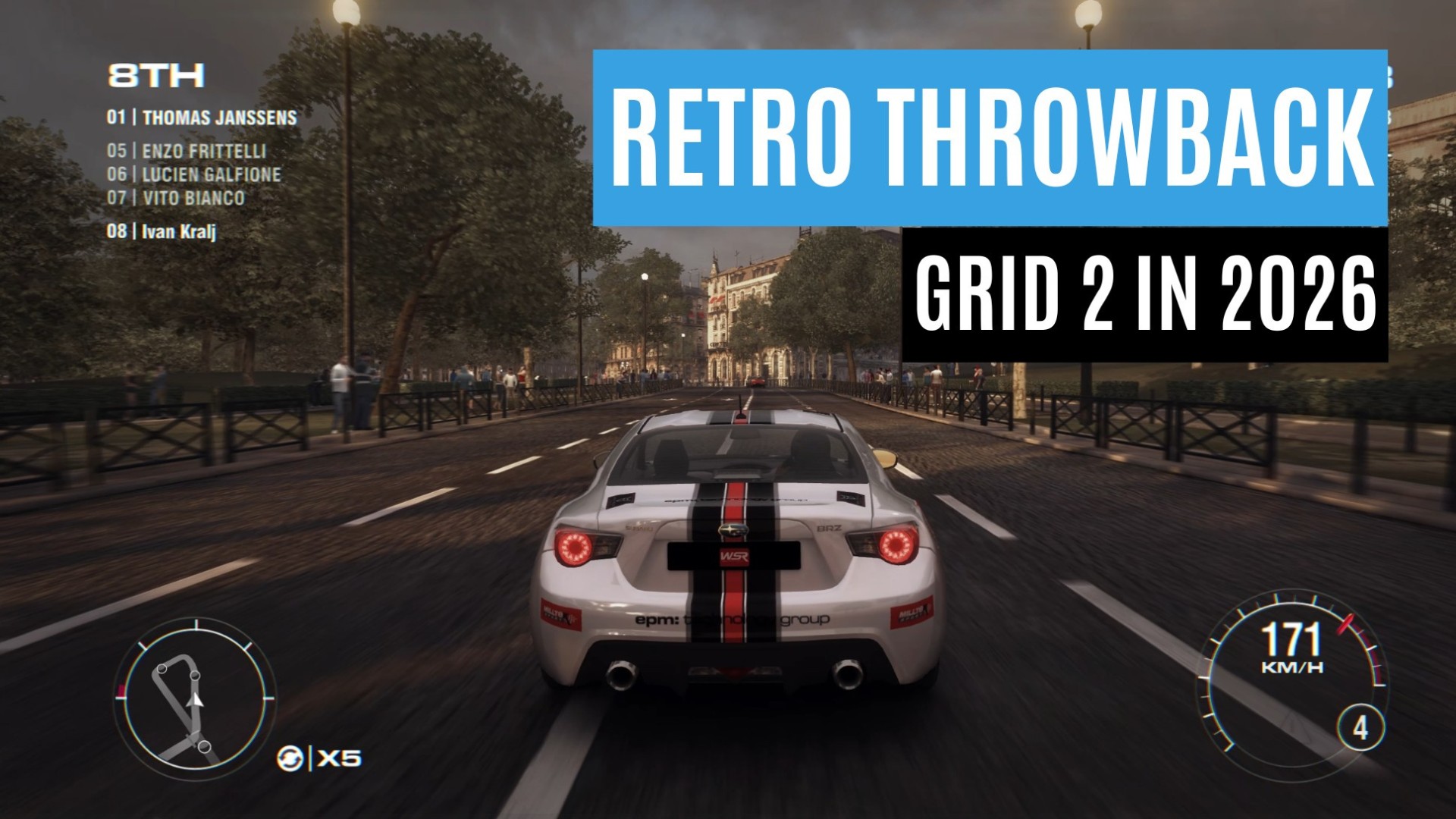
The first thing that stands out about GRID 2 in 2026 has nothing to do with its handling, graphics, or career mode. It’s the simple fact that you can’t buy it anymore. Codemasters’ 2013 racer was quietly removed from digital storefronts after its licensing agreements expired, joining a growing list of racing games that have effectively disappeared from official sale.
Unless you already own it, your only real options today are tracking down a physical copy or taking your chances with gray-market key sellers like G2A. Ironically, the free Steam demo is still available to download even though the full game has been delisted for years.
It’s a strange situation and another reminder of how fragile digital ownership has become. Just look at the Stop Killing Games movement or Sony’s recent decision to move away from producing physical PlayStation releases. Games don’t always disappear because people stop playing them. Sometimes they’re simply locked behind expired licenses, leaving new players with no legitimate way to experience them.
Since I couldn’t buy the game through official channels, I ended up getting my copy thanks to RohanKar on X, a preservation enthusiast who has spent countless hours keeping delisted games alive and compatible with modern systems. Communities like these have become increasingly important because, without them, many games would simply fade into history.
I’m not someone who regularly plays racing games. I enjoy the genre casually, but I rarely spend dozens of hours with one. Still, GRID 2 kept coming up whenever people talked about forgotten racing classics, so eventually curiosity got the better of me.
After spending time with it, I completely understand why so many players still praise it more than a decade later. The driving feels fantastic, races are exciting, and there’s a confidence to the game’s design that’s difficult not to appreciate. At the same time, some of its shortcomings become more obvious the longer you play.
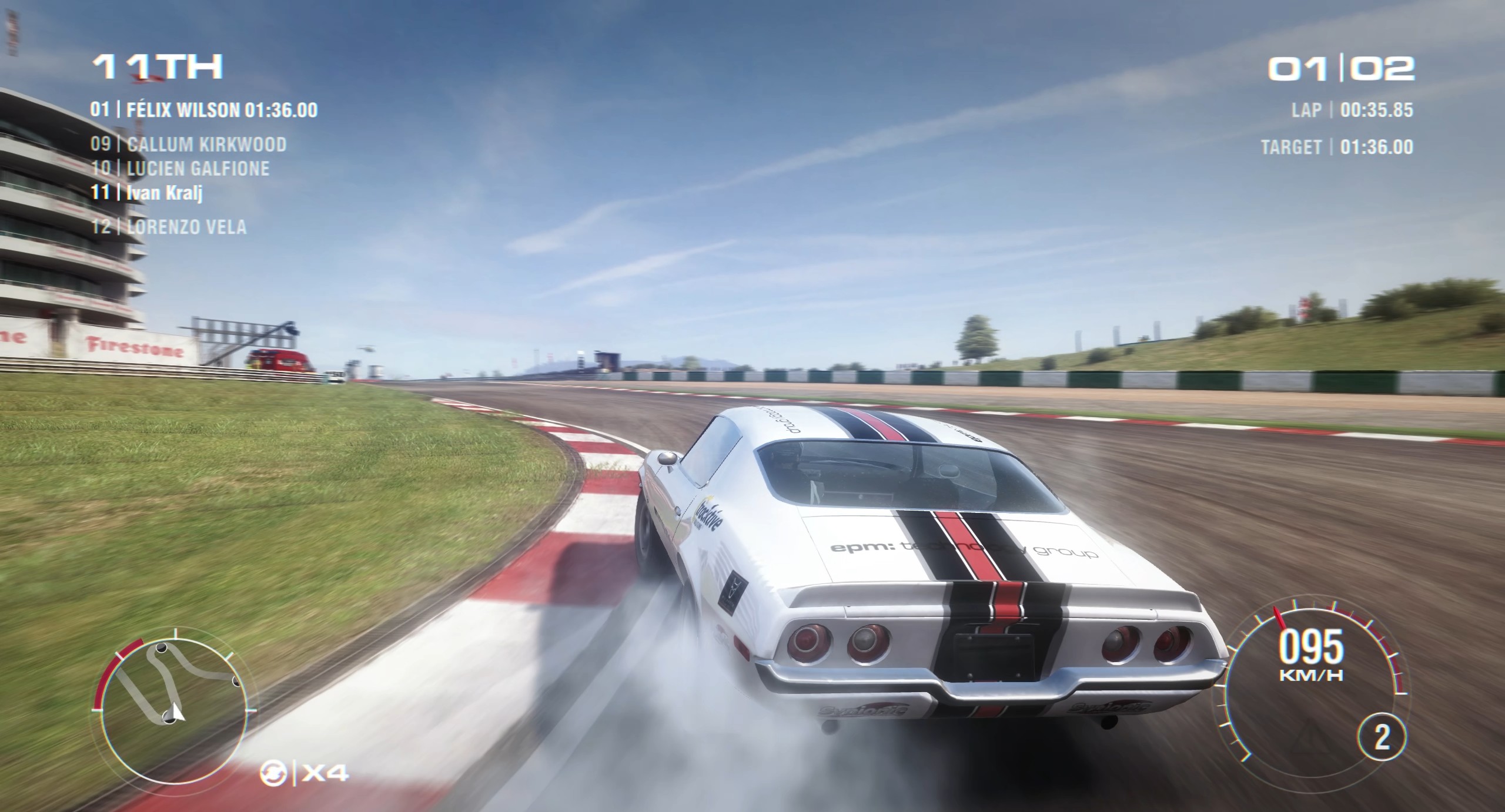
The biggest reason I kept coming back wasn’t the career mode or the car roster. It was simply the driving. Codemasters’ TrueFeel handling system strikes an excellent balance between arcade accessibility and something that still requires a bit of finesse. It’s not a full simulation, but it’s also far from a mindless arcade racer.
It does take a little while to get used to. Steering inputs are surprisingly subtle, and during my first races I found myself overcorrecting almost every corner. Once everything clicked, the handling became incredibly satisfying. Drifting feels rewarding without doing all the work for you, braking actually matters, and every corner feels engaging. I’m far from a racing game expert, but GRID 2 offers fun driving.
One mechanic I didn’t expect to enjoy as much was Flashback. Instead of forcing you to restart an entire race after one mistake, the game lets you rewind a few seconds and try again. With four or five rewinds available per race, it removes a lot of unnecessary frustration without making victories feel cheap.
The damage model was another surprise. Despite leaning heavily toward arcade racing, GRID 2 features impressive vehicle destruction. Heavy crashes don’t just leave visual damage, they can bend your suspension, affect your steering, or even total your car. I loved how those crashes had actual consequences. If your suspension was damaged, the car would noticeably pull to one side, forcing you to adapt for the remainder of the race.
The career follows the World Series Racing championship, where you gradually work your way from smaller events to increasingly prestigious competitions. Instead of earning money to buy new cars, progression revolves around growing your fanbase. Winning races, completing sponsor objectives, pulling off drifts, and consistently performing well all earn fans that unlock new championships and vehicles.
I actually preferred this system over the traditional economy found in many racing games. It rewards good driving rather than repetitive grinding, and you don’t need to complete every single event before moving forward. Sponsor objectives also add some welcome variety by encouraging challenges such as avoiding damage or reaching certain speeds during races.
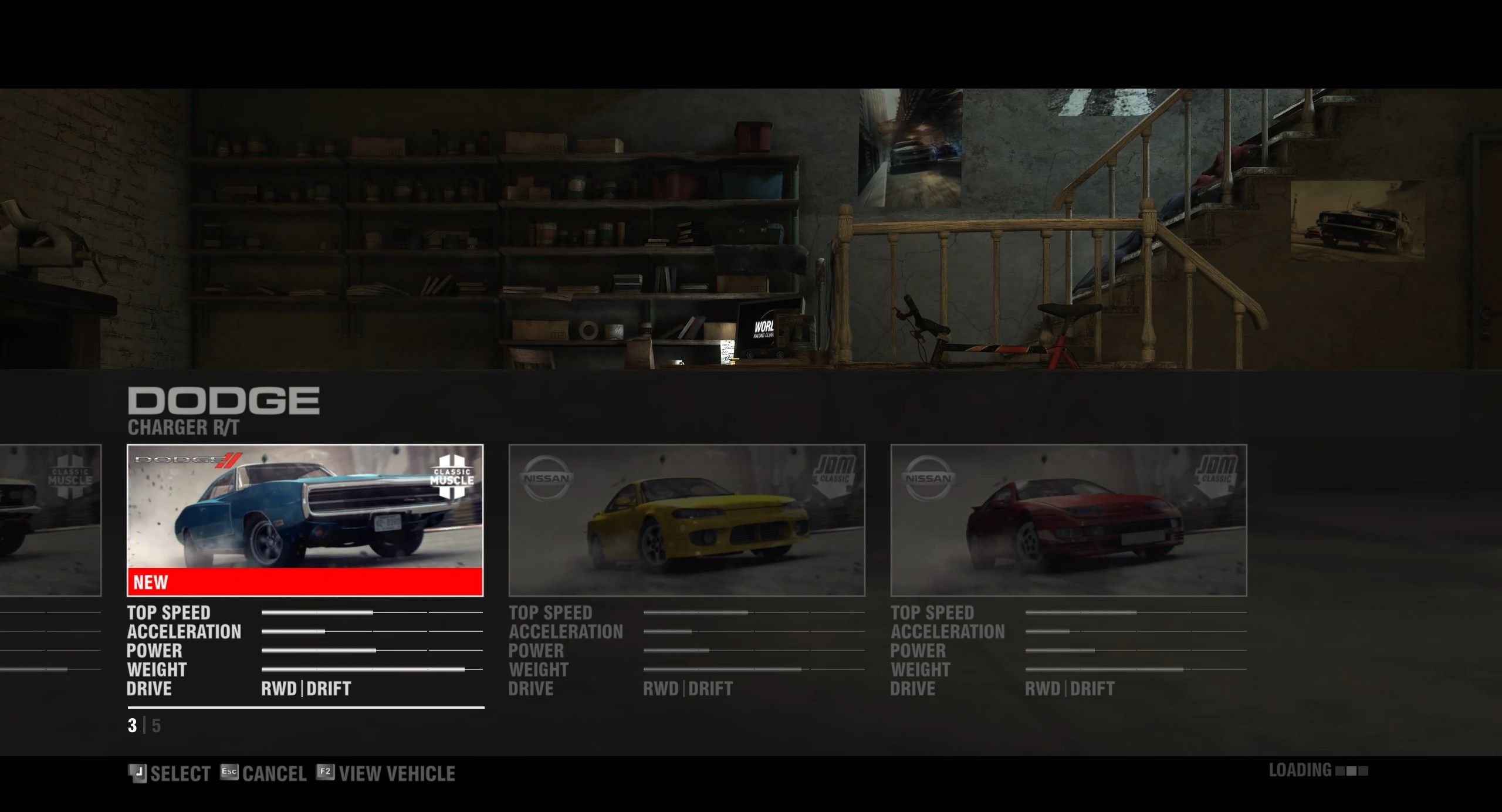
The car roster is probably my biggest disappointment. While the selection includes plenty of recognizable manufacturers like BMW, Alfa Romeo, and Mercedes-Benz, there simply aren’t as many vehicles as I expected. Every car feels distinct thanks to differences in acceleration, weight, cornering, and drifting characteristics, but I couldn’t shake the feeling that the garage needed more variety.
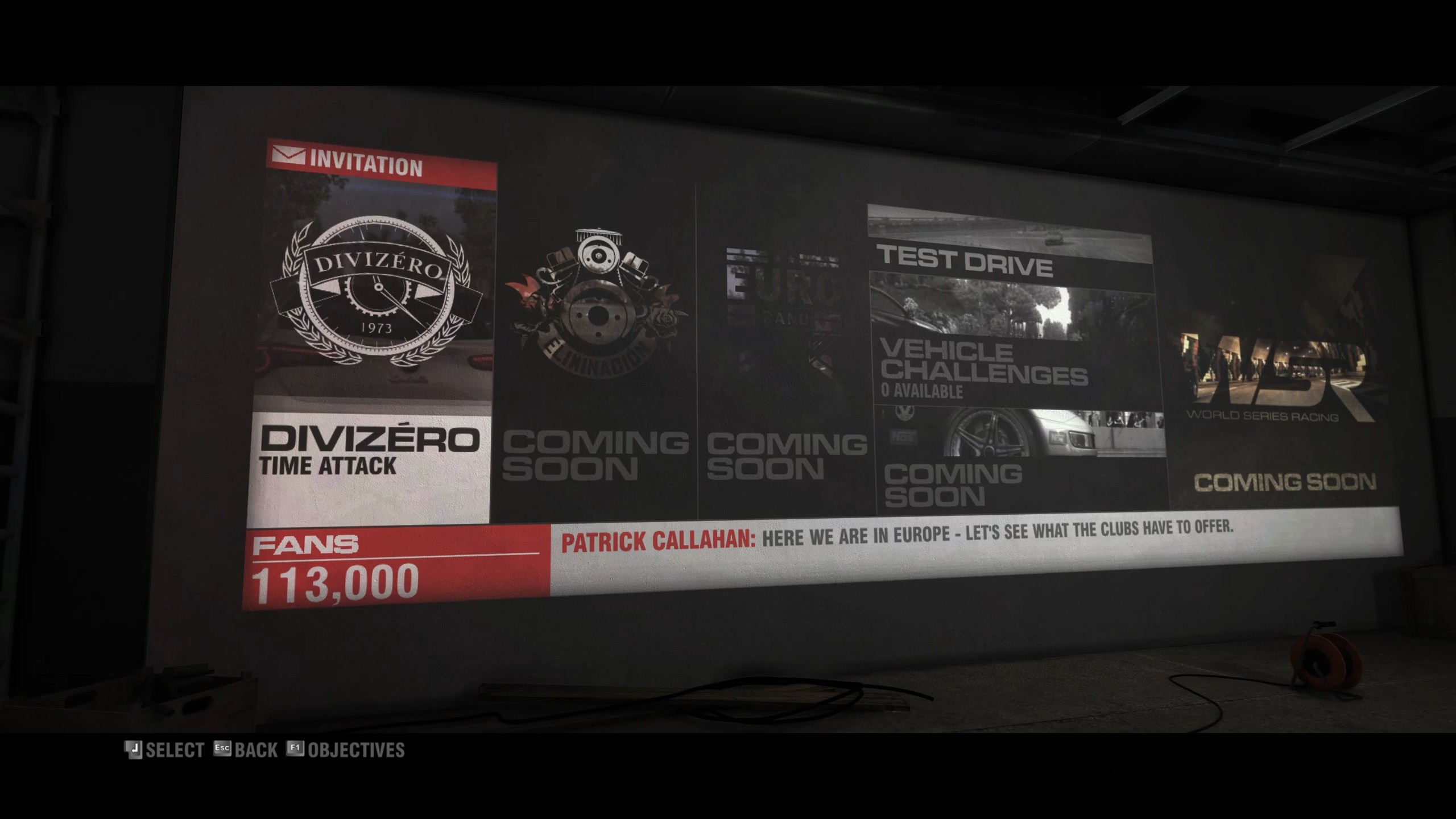
That lack of variety also affects the career. The races themselves remain enjoyable, especially since most events last only around five minutes, making GRID 2 perfect for shorter play sessions. Occasionally you’ll tackle a three-race championship lasting around fifteen minutes all together, but the pacing always remains quick.
The issue is repetition. While there are several event types, including standard races, Time Attack, Eliminator, Drift, Endurance, Checkpoint events, and Touge duels, you’ll eventually find yourself cycling through the same disciplines over and over. The campaign remains fun, but it begins repeating itself much sooner than I expected.
One feature I almost completely overlooked during my first hours was LiveRoutes. Although many races take place on familiar city circuits, the game dynamically changes sections of the track between events. Roads that were open during one race might suddenly be blocked during another, forcing you onto completely different routes. Since there’s no traditional mini-map constantly showing the course ahead, you actually have to pay attention and react naturally.
Customization is another area where GRID 2 still shines today. The livery editor offers a huge number of colors, finishes, patterns, decals, and various other options that let you personalize nearly every vehicle. I genuinely lost track of time experimenting with different designs, and it’s one of those features that still feels surprisingly robust more than a decade later.
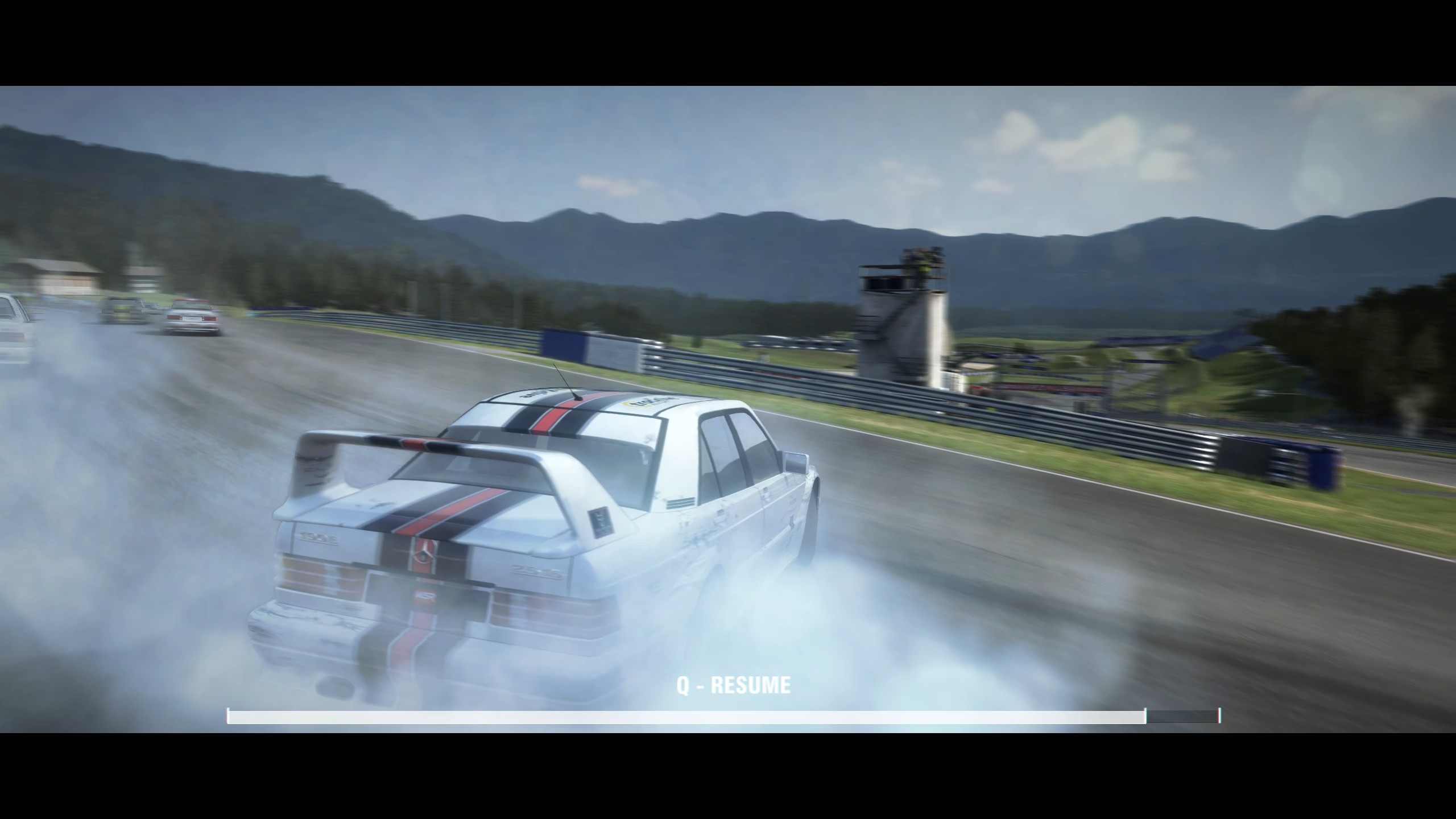
One controversial omission that still puzzles me is the lack of a cockpit camera. The original GRID included one, but GRID 2 limits you to external views like chase, hood, and bumper cameras. Personally, I almost always drive from behind the car, so it never affected my experience, but it’s still a strange decision considering the feature already existed in the previous game.
Sadly, one major part of GRID 2 is now gone forever. Multiplayer officially shut down in March 2026, taking RaceNet, leaderboards, online progression, and community events with it. It’s disappointing because online clearly extended the game’s lifespan, but thankfully the single-player campaign remains strong enough to stand on its own.
Codemasters’ EGO Engine 3.0 delivers a cinematic presentation that has aged far better than many newer racing games thanks to its excellent lighting, aggressive yet effective motion blur, dynamic reflections, and incredible sense of speed. The game’s three regions each have a distinct visual identity, from Chicago’s towering skyline and California’s scenic coastal roads to Paris, Barcelona, the Red Bull Ring, and the stunning streets of Hong Kong and forested mountain roads of Okutama.
Looking back, GRID 2 isn’t perfect. The career eventually becomes repetitive, the vehicle roster could have been larger, and losing the multiplayer is unfortunate. Yet none of those issues change the fact that the driving remains outstanding. More than a decade later, TrueFeel handling is still incredibly satisfying, Flashback removes unnecessary frustration, the damage system remains impressive, and the overall pacing makes it difficult to stop after just one race.
Games like GRID 2 remind us that great games don’t disappear because people stop loving them. They disappear because licenses expire. If you already own it, it’s absolutely worth revisiting. If you don’t, that’s the unfortunate reality of modern digital ownership. GRID 2 remains one of Codemasters’ finest arcade racers, and it’s a real shame that one of the easiest racing games to recommend has become one of the hardest to legally buy.
Reading another person’s mind is often presented as a desirable superpower, but Sister Other Paranoia immediately understands why it could…
Forsaken Realms: Vahrin’s Call is exactly the kind of ambitious, slightly clumsy fantasy RPG that used to be far more…
![[Early Access] 2nd EVE – Sci-Fi Action RPG That Lacks a Sense of Stakes](https://www.indie-games.eu/wp-content/uploads/2026/08/2ND-EVE-1024x576.jpg)
2nd Eve is a space-set action RPG in which we strive to save humanity.
![[PREVIEW] Dreamcards – Strategic Exploration of Consciousness](https://www.indie-games.eu/wp-content/uploads/2026/08/Dreamcards_20260810_233631_0000-1024x576.jpg)
Dreamcards is a roguelike deckbuilder centered around dreams and nightmares.
![[Early Access] OFFBEAT – Incredibly Fun Way to Start a Music Career](https://www.indie-games.eu/wp-content/uploads/2026/08/Offbeat_20260808_201446_0000-1024x576.jpg)
In OFFBEAT, we play the role of a jobbing composer who is launching their music career.
HellSlave II retains the original’s oppressive atmosphere, morally grey world and striking art while adding a larger world, randomized loot…
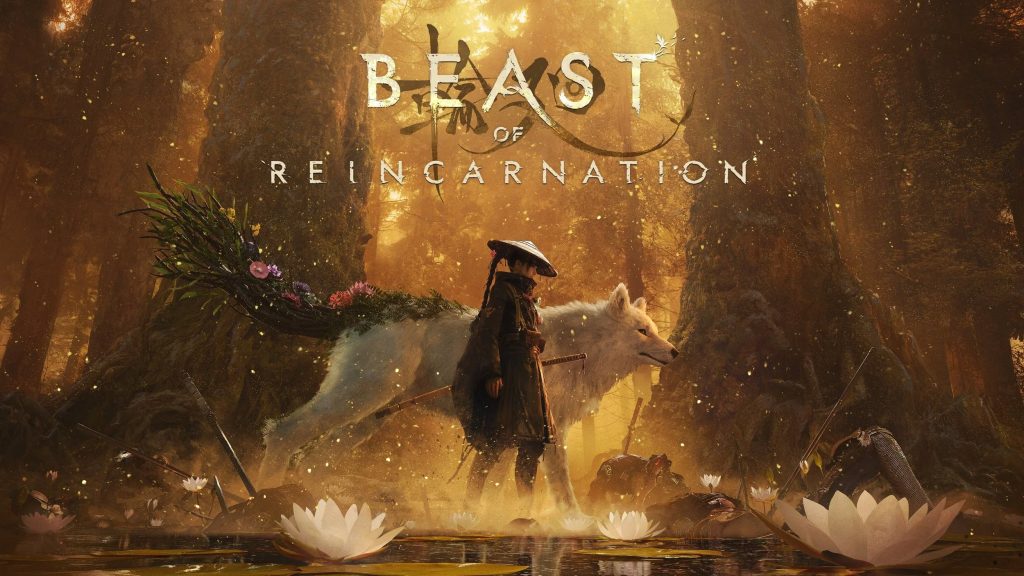
Beast of Reincarnation is an ambitious but uneven action RPG elevated by satisfying parry combat, beautiful art direction and the…

K-pop Idol Stories: Road to Debut captures the pressure of building idol group, but its management systems never explore that…
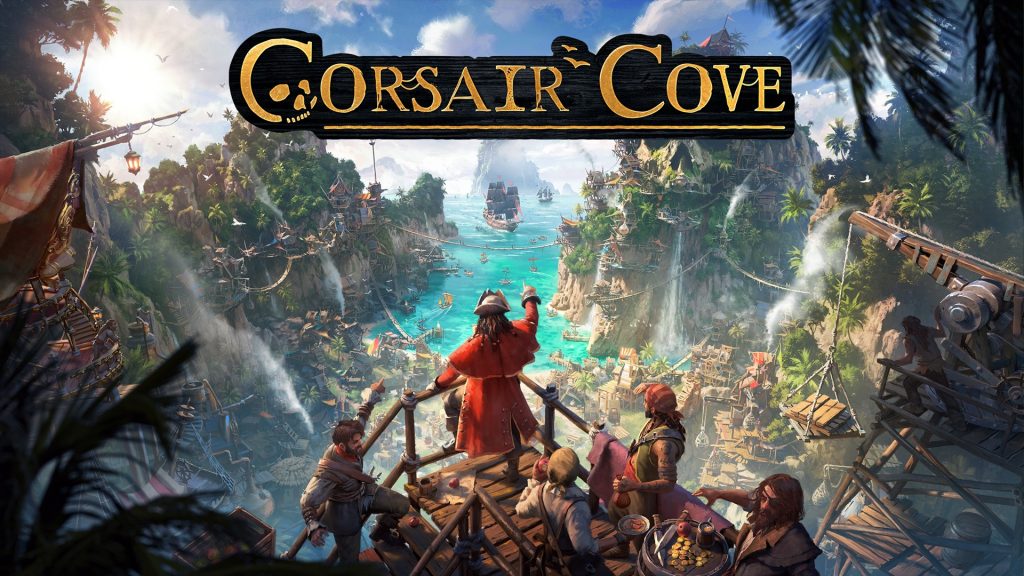
Hooded Horse keeps finding strategy games that know their audience, and Corsair Cove extends its impressive run of excellent city-builders.
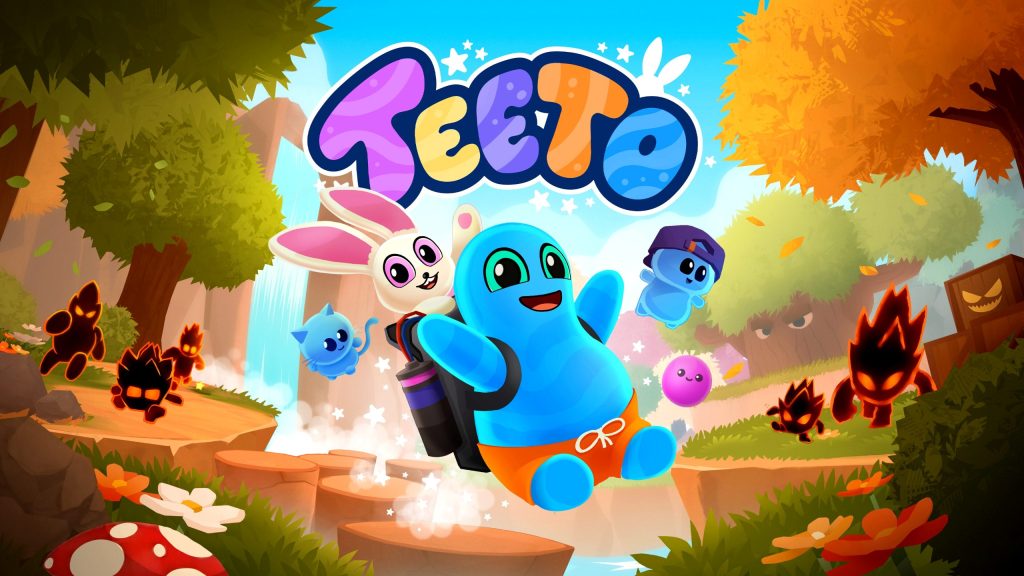
Teeto is a warm, cozy, creative and highly enjoyable 3D platformer that understands why classic collectathons remain so appealing.
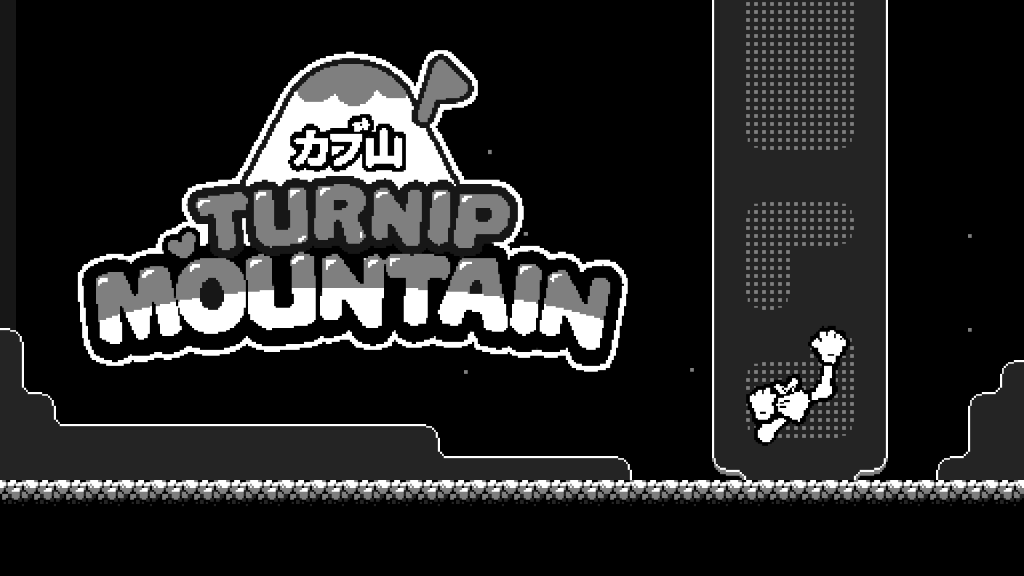
Turnip Mountain stands out for its combination of a unique control system and a minimalist approach.
Dystopicon is an imaginative and memorable narrative experiment with sharp social commentary, engaging world-building and several wonderfully absurd scenarios.
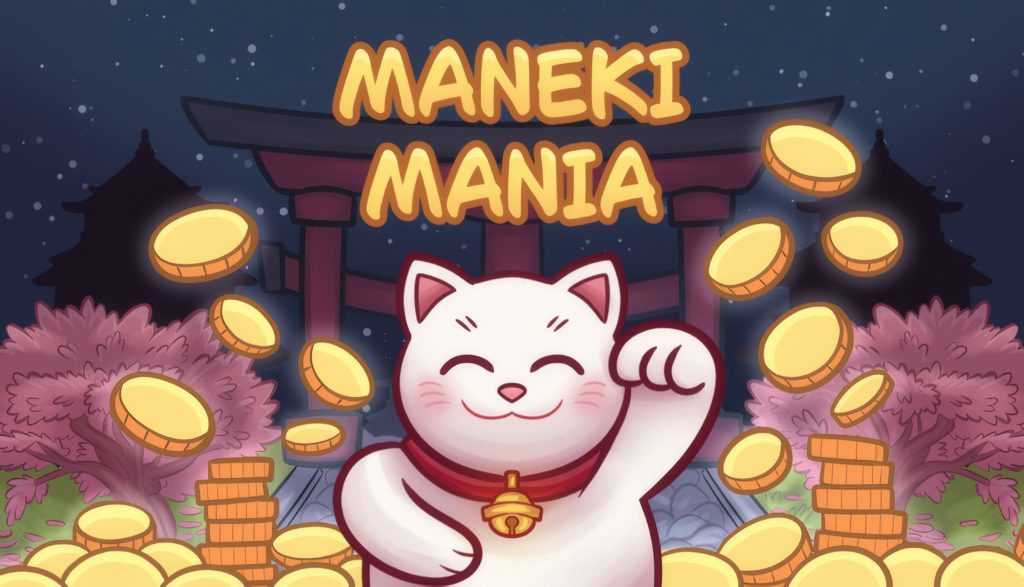
Maneki Mania is an incremental game centered around petting a lucky cat.
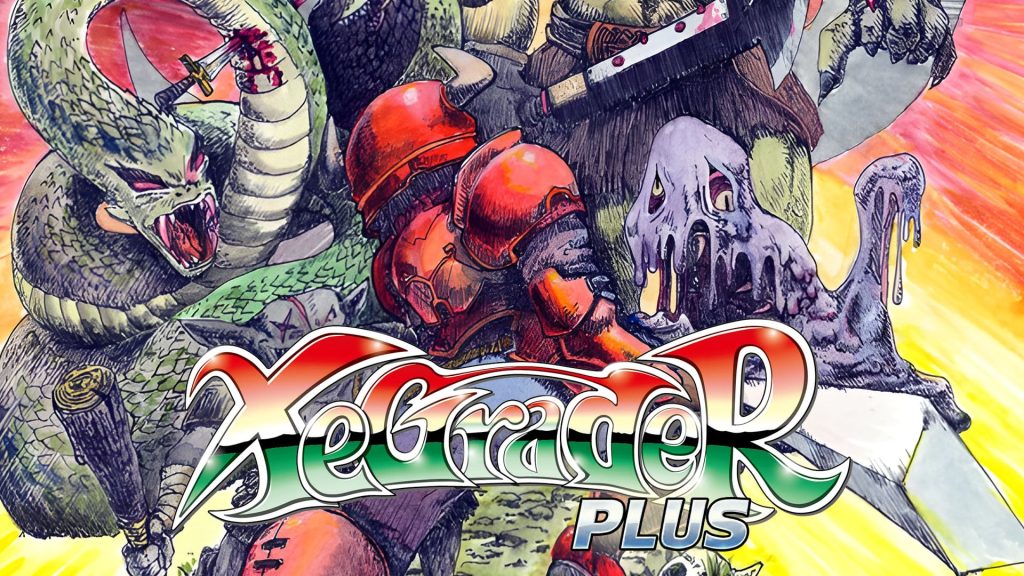
XeGrader Plus delivers colorful retro shooting, but basic mechanics, a short campaign and paid retro modes make its €20 price…
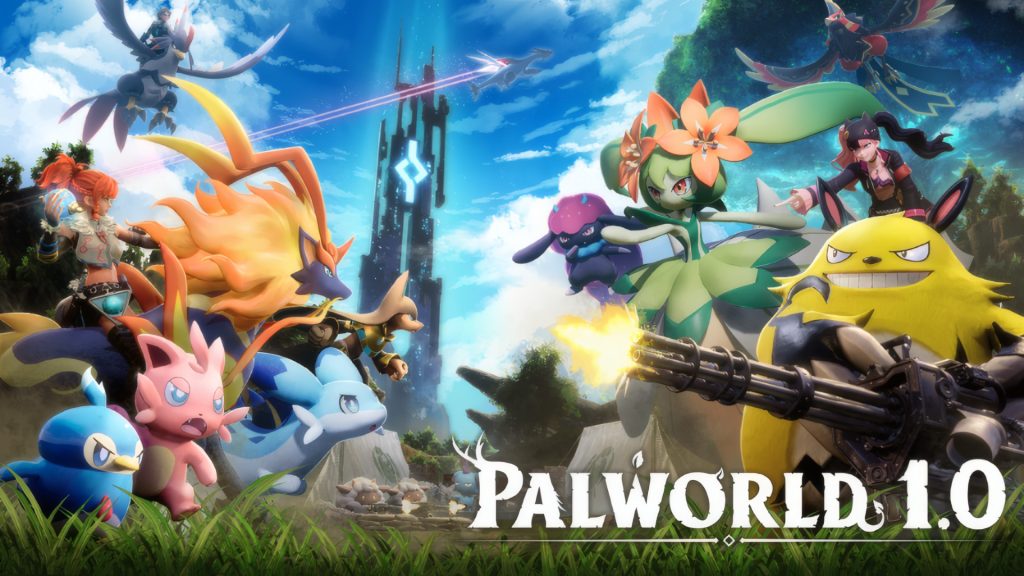
It has been roughly two and a half years since Palworld first entered Early Access, and quite a lot has…
![[EARLY ACCESS] The Last Caretaker – Survival Game I Cannot Stop Playing](https://www.indie-games.eu/wp-content/uploads/2026/07/The-last-Caretaker-Key-Art-1024x587.jpg)
The Last Caretaker is a compelling survival crafter with a flooded world and mobile base, but weak combat and performance…
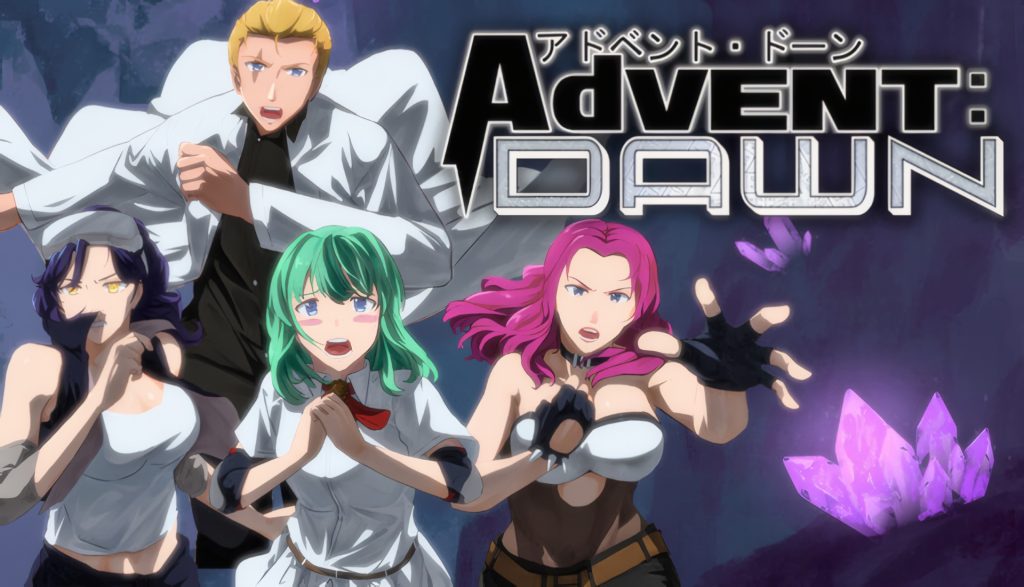
Advent: Dawn is an intriguing science-fiction visual novel elevated by a likable cast and one of the most convenient flowchart…
![[EARLY ACCESS] Hell Maiden – Beautiful but Uneven Journey Through Hell](https://www.indie-games.eu/wp-content/uploads/2025/06/HMD_screenshot_019-1024x576.jpg)
Bullet heaven and rougelite game Hell Maiden lands between a polished Early Access release and a promising game that still…
![[PREVIEW] Dark Queen of Samobor – Promising Croatian Adventure Still in Need of Polish](https://www.indie-games.eu/wp-content/uploads/2026/07/Dark-Queen-of-Samobor-1024x587.jpg)
Dark Queen of Samobor is a promising 2.5D side-scrolling action-adventure that combines Croatian folklore with combat, puzzles and cinematic platforming.
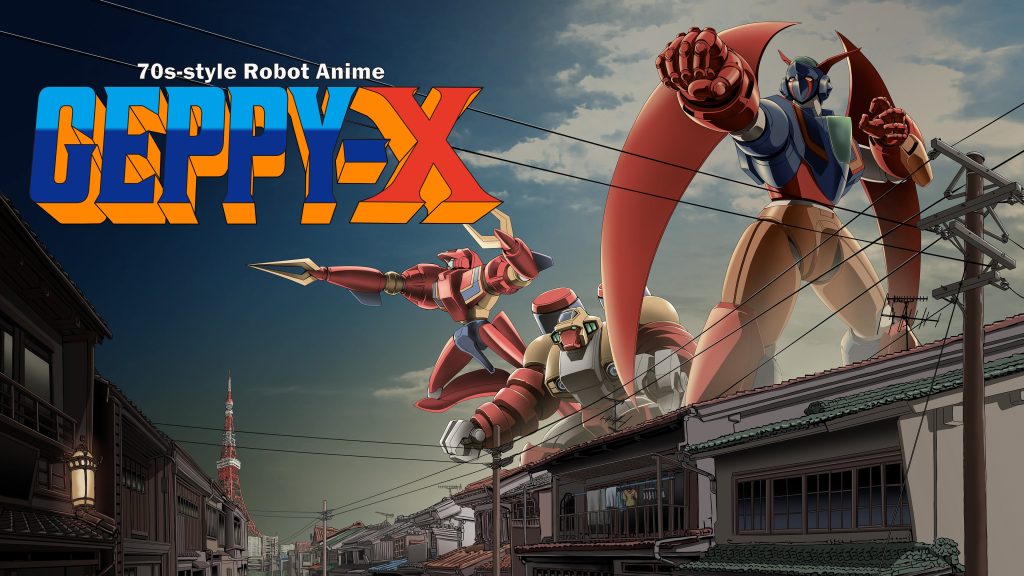
70s-style Robot Anime Geppy-X offers incredible animation, music and mecha nostalgia, but its average shooting make the €39 price difficult…
