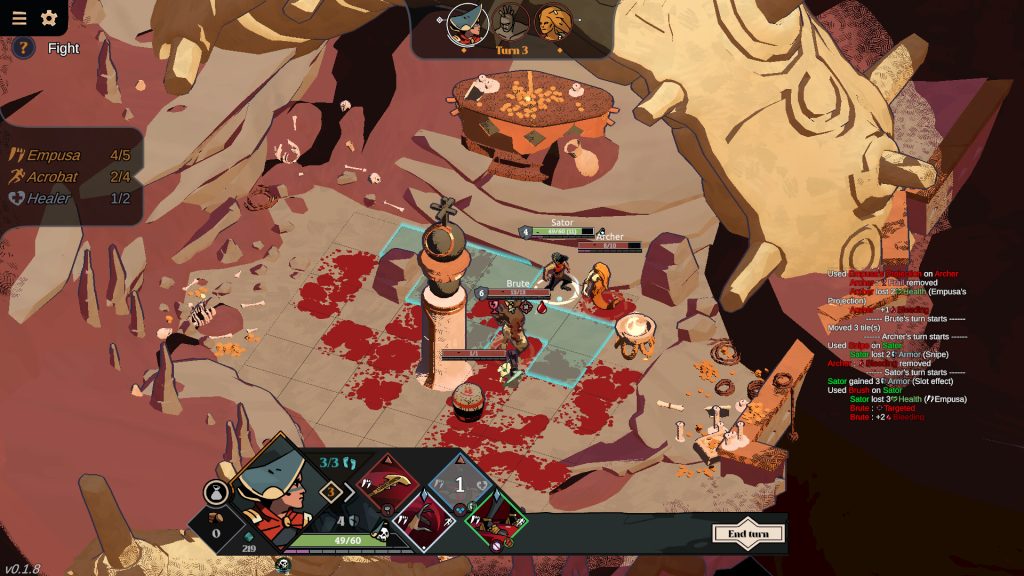
Tactical Roguelite Deified Leaves Early Access Next Week
Deified leaves Steam Early Access on September 21 with its narrative ending, final boss floor, balance improvements and hidden content.


If you enjoy independent indie game coverage, consider supporting Indie-Games.eu on Patreon. It helps keep the site independent.
Few things ignite online argument like a good deal, or the lack thereof. This week, a simple Steam purchase shared on X quickly sparked a heated debate about buying habits and the real value of classic video games.
X user @medster101 posted a screenshot showing they spent 20$ on Half-Life and Half-Life 2 (both priced at 9.99$). They proudly shared their purchase of the two well-loved games from 1998 and 2004 with the caption: “Finally.” Instead of congratulations, the post drew a wave of criticism and unsolicited advice. Their follow-up: “If I’ve learned anything from this tweet it’s that paying money for video games is bad apparently” only added fuel to the fire.
The loudest critics came from what you could call the “Sale Purist” group, a generation of gamers shaped by Steam’s huge seasonal discounts. These users filled the thread with reminders that Valve’s classic games often drop to very low prices during events like the upcoming Winter Sale.
One top reply summed up their view: “Not gonna hate, but if you waited for the Christmas sale, the whole Valve bundle goes for about 6–8 dollars, and each game is about 1 dollar.” For them, the issue wasn’t the cost, but the timing. Many argued: “You should wait for a sale”, calling the 20 dollars purchase of old games “wasteful.”
Medster101 and their supporters pushed back, calling the criticism “policing” of personal spending. The original poster shot back with lines like: “It’s. 20. Dollars. I feel like I’m losing my mind,” and “The problem is you’re assuming there’s a problem.”

Supporters pointed out how strange it was for people to get upset over such a small amount of money. One person said: “I’ve never seen so many people police 20 $ that isn’t theirs.” Another mocked the outrage: “People are complaining about 20 bucks. Most triple-A games cost four times that and aren’t worth it.”
This whole argument shows a common split in gaming culture: the joy of diving into a classic right away versus the habit of always waiting for the best deal. Half-Life and Half-Life 2 helped shape the gaming industry, and 10 dollars each is cheap compared to today’s 70 dollars releases. But for some players, paying anything close to full price for old games feels like a mistake.
In the end, both sides have a point. The sale purists want to save as much money as possible, which makes sense in a tight economy. The impulse defenders want to enjoy a game when the mood hits. While Gordon Freeman’s crowbar never changes, the debate over what his games should cost definitely does.
Deified leaves Steam Early Access on September 21 with its narrative ending, final boss floor, balance improvements and hidden content.
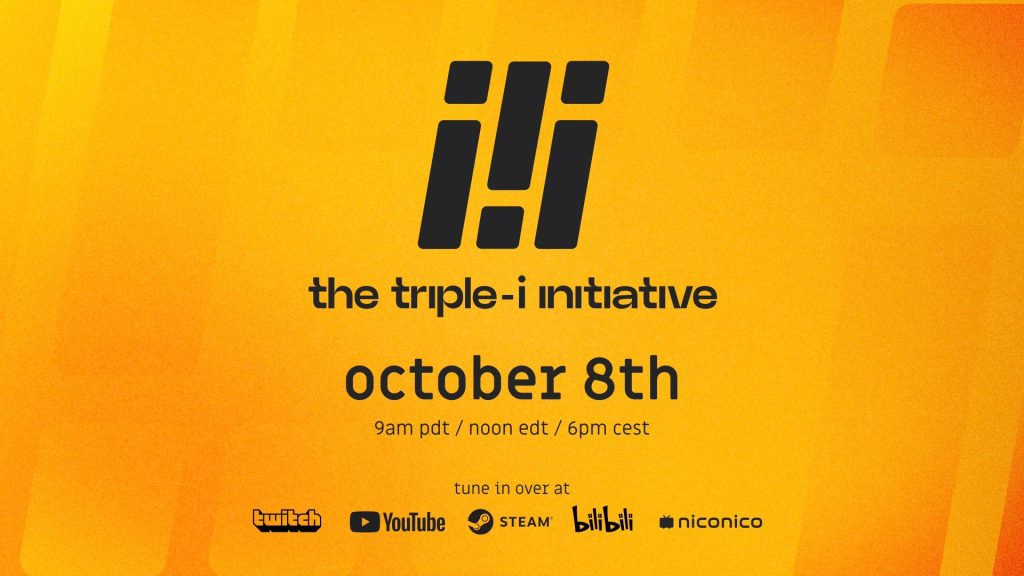
Triple-i Initiative returns October 8 with 40 games, eight world premieres and 45 minutes of trailers, release dates and reveals.
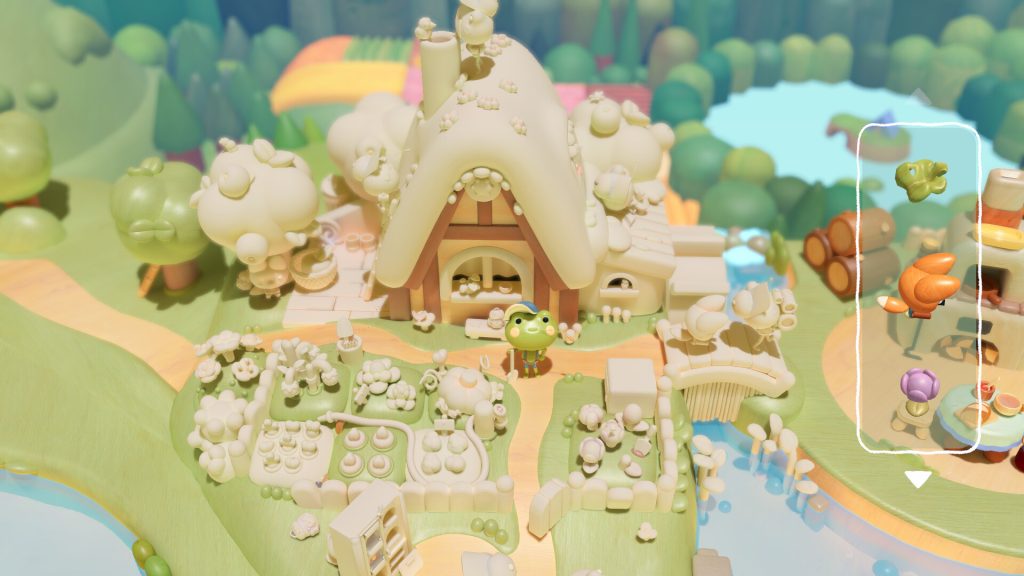
Woodo launches September 16, inviting players to rebuild childhood memories through cozy, handcrafted wooden dioramas.
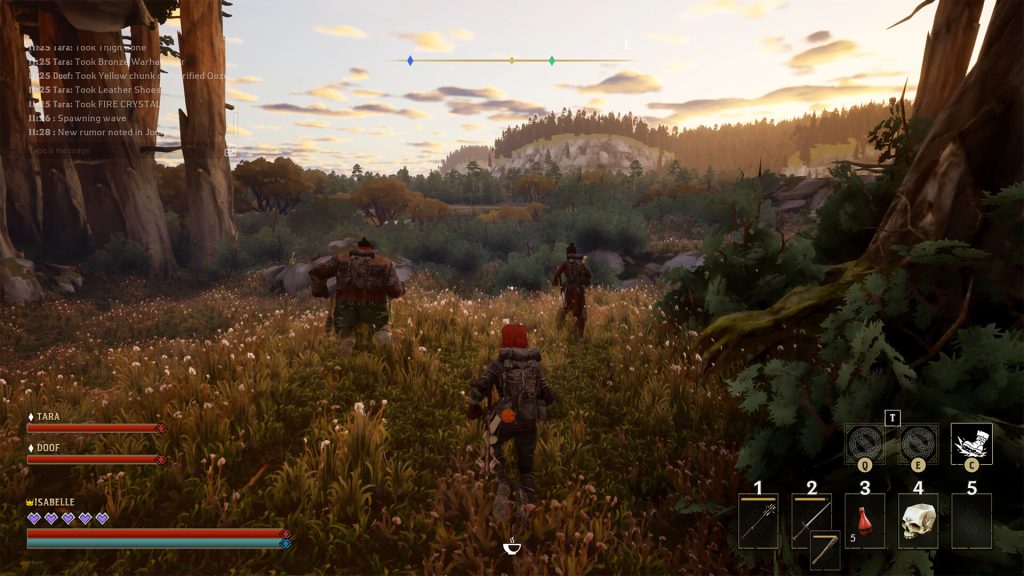
Curve Games signs Wyldheart in one of its biggest recent investments after the co-op RPG surpasses 375,000 Steam wishlists.
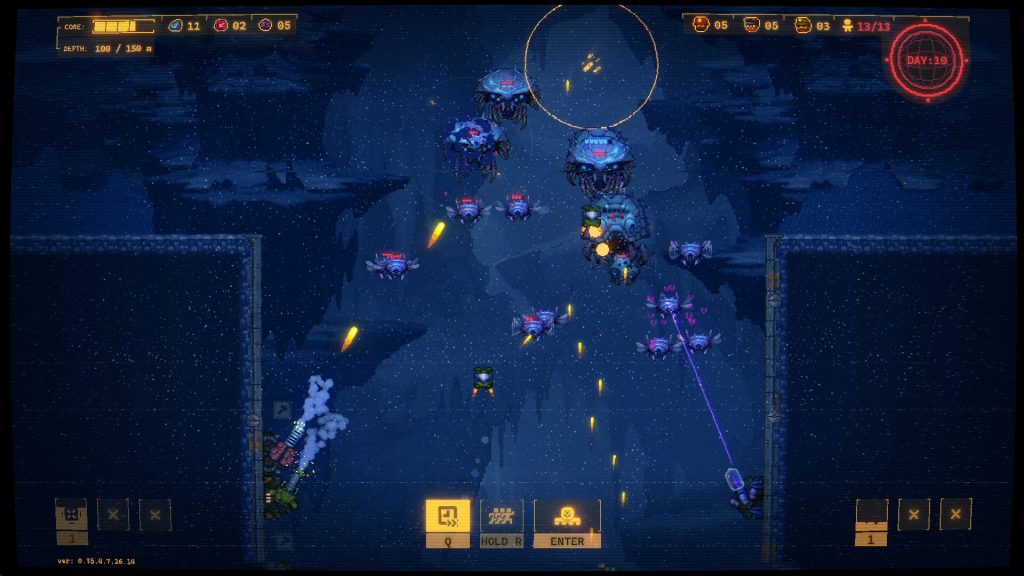
Drill Core’s free Anniversary Update adds Relaxed Mode, new bounties, specialists, platform skins and several quality-of-life improvements.
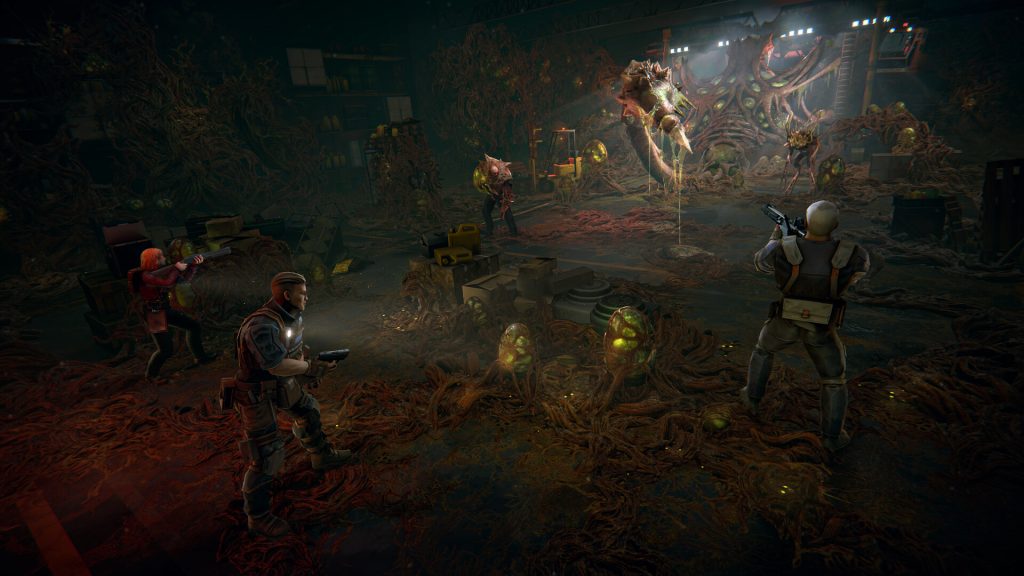
Critical Shift’s free two-hour demo combines real-time exploration with tactical combat inside a compromised Antarctic facility.
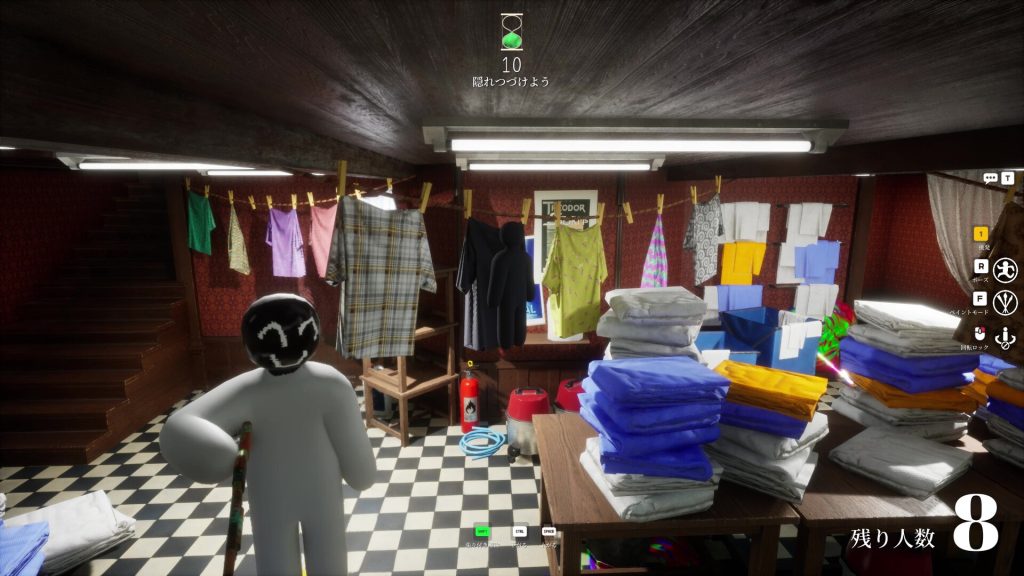
Meccha Chameleon brings its paint-based multiplayer hide-and-seek matches to Nintendo Switch 2 with a temporary $4.79 launch price.
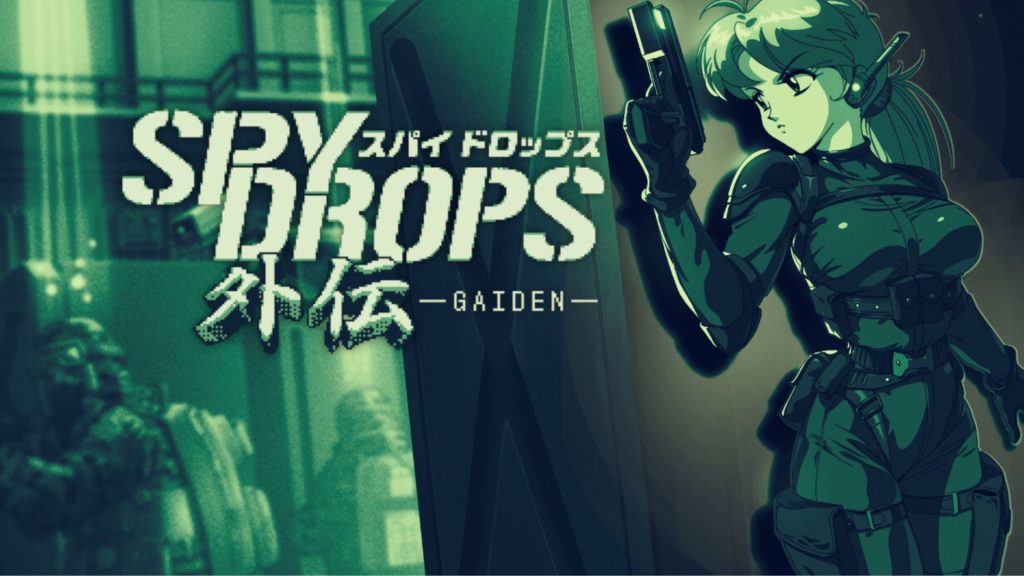
Spy Drops Gaiden brings Game Boy-style stealth, eight covert missions and intel extraction to Steam on October 12 for €4.99.
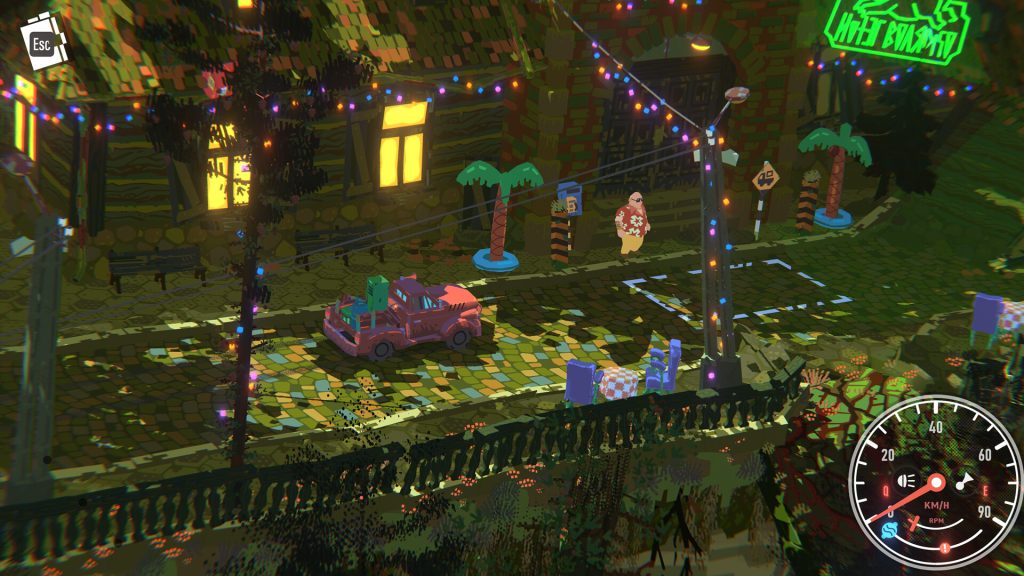
Truckful launches October 9 on Steam and Android, combining physics-based deliveries with vehicle upgrades and a mystery inside an ancient…
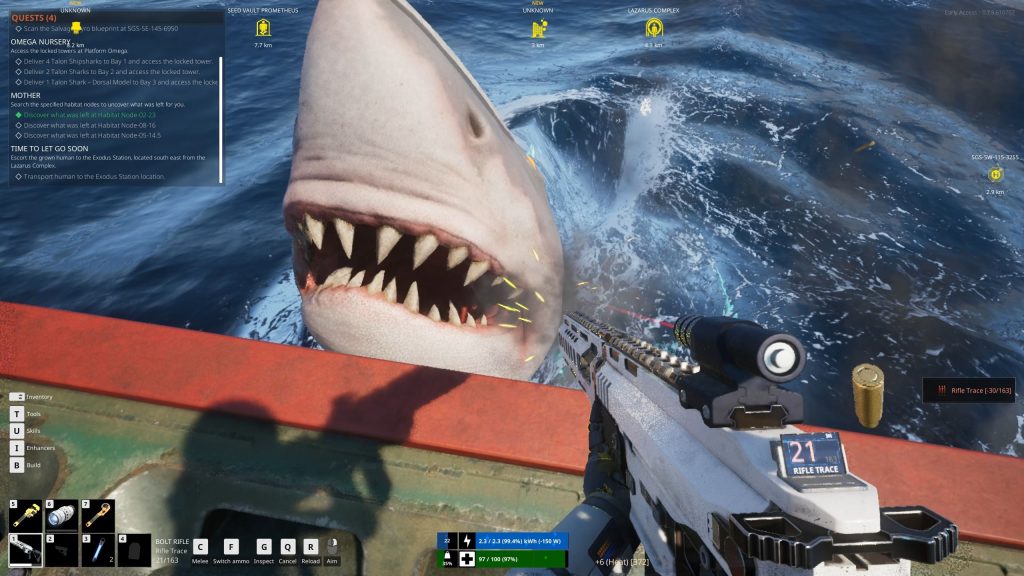
The Last Caretaker reaches version 1.0 in spring 2027 and joins Xbox Game Pass on day one after selling over…
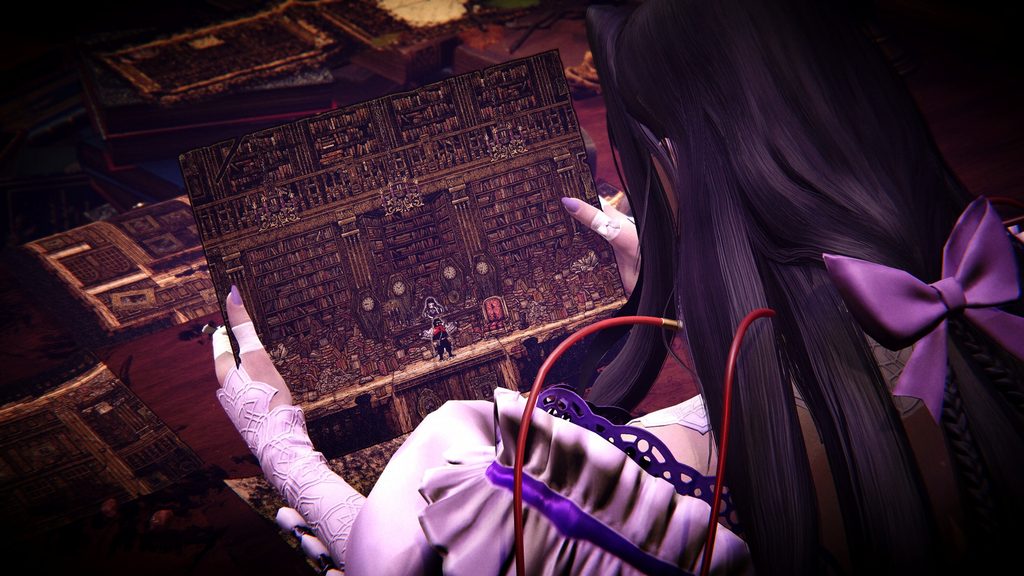
Chronoscript: The Endless End moves to early summer 2027 as DeskWorks! improves combat responsiveness, menus and visual readability.
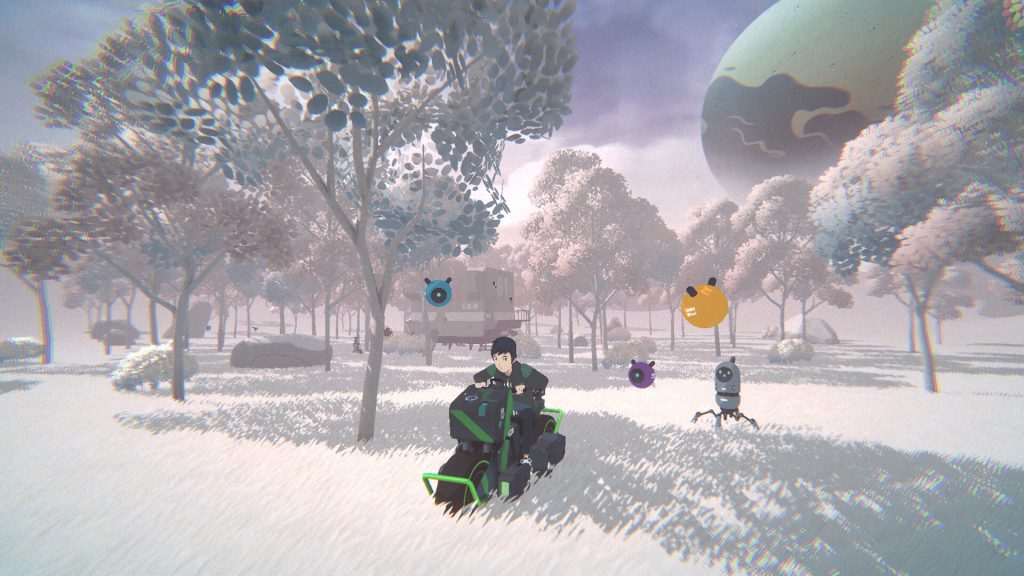
HEIMA is a parallel-world puzzle adventure from former Terra Battle developers, coming to PC in 2028 with SHIFT and HOLD…
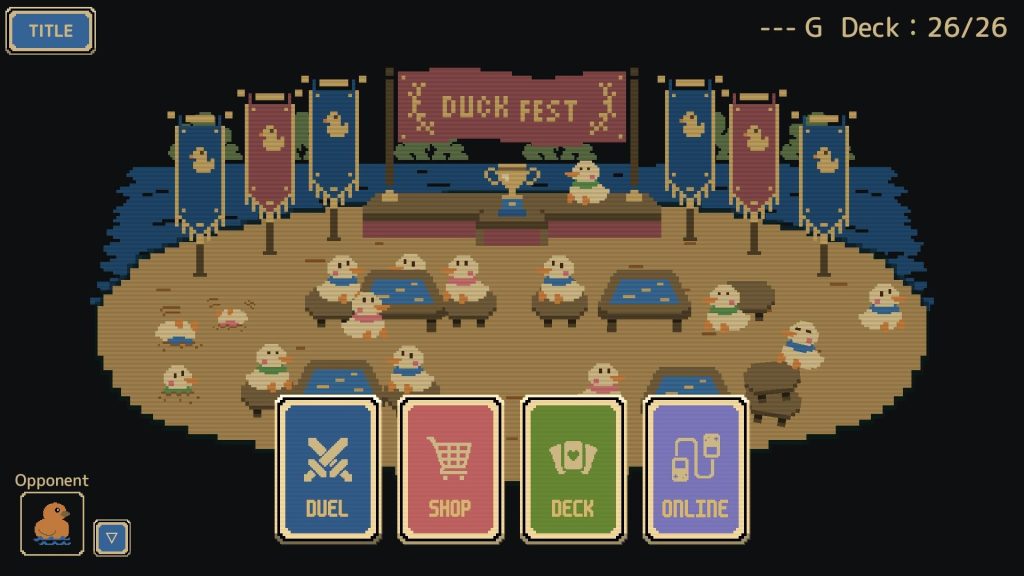
Duck Fest combines deck building and 1v1 battles with collectible cards that players can trade through the Steam Community Market.
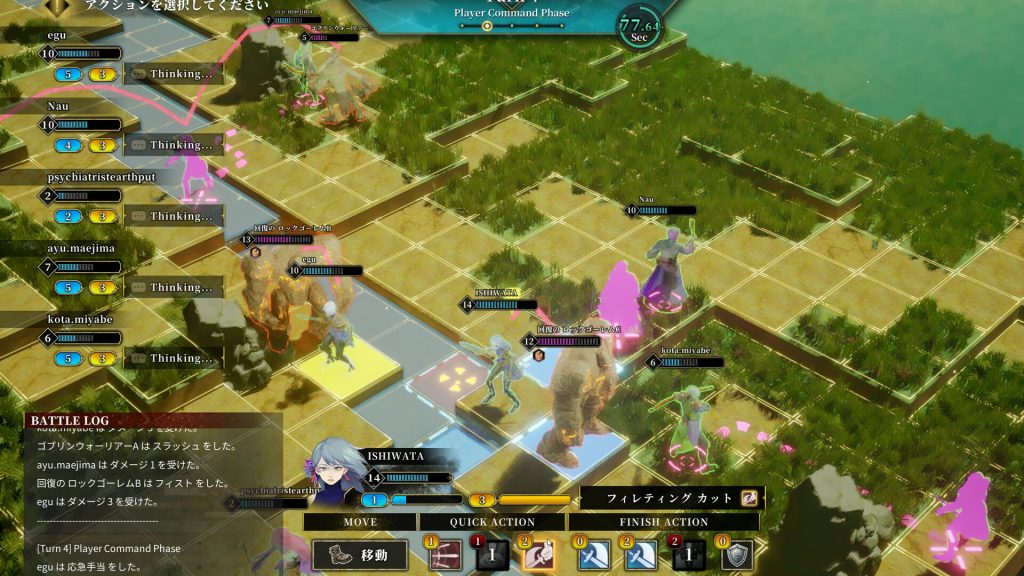
Tactful Tactics is a 1–6-player cooperative RPG where everyone plans and executes their actions simultaneously.
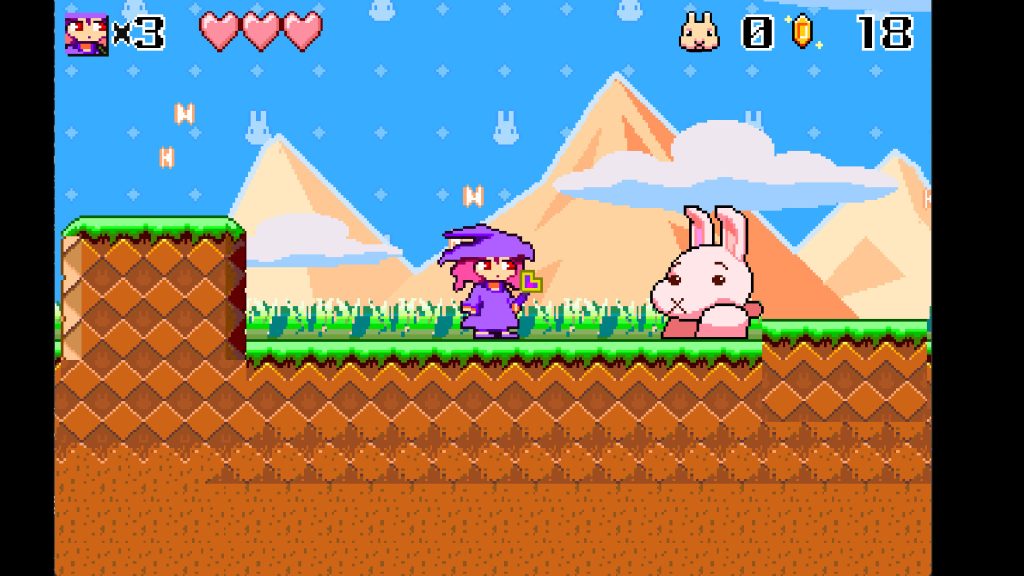
SakuSaku Witch is a retro-inspired 2D platformer about magic, bunny monsters and a suspicious toy company, coming to Steam in…
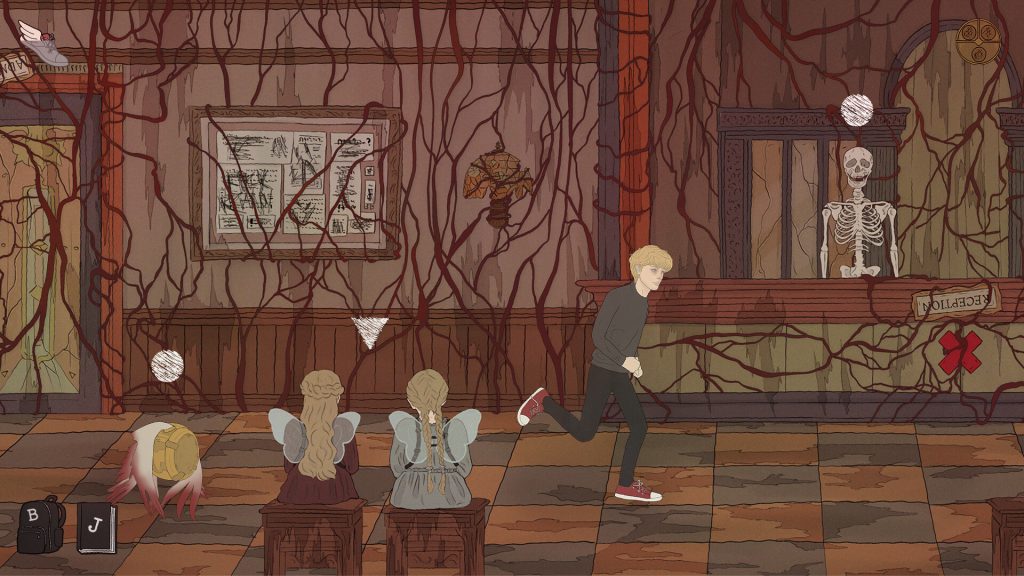
Hand-drawn psychological horror game DEPERSON earns Gamescom and BIC recognition ahead of its planned Q4 2026 Steam release.
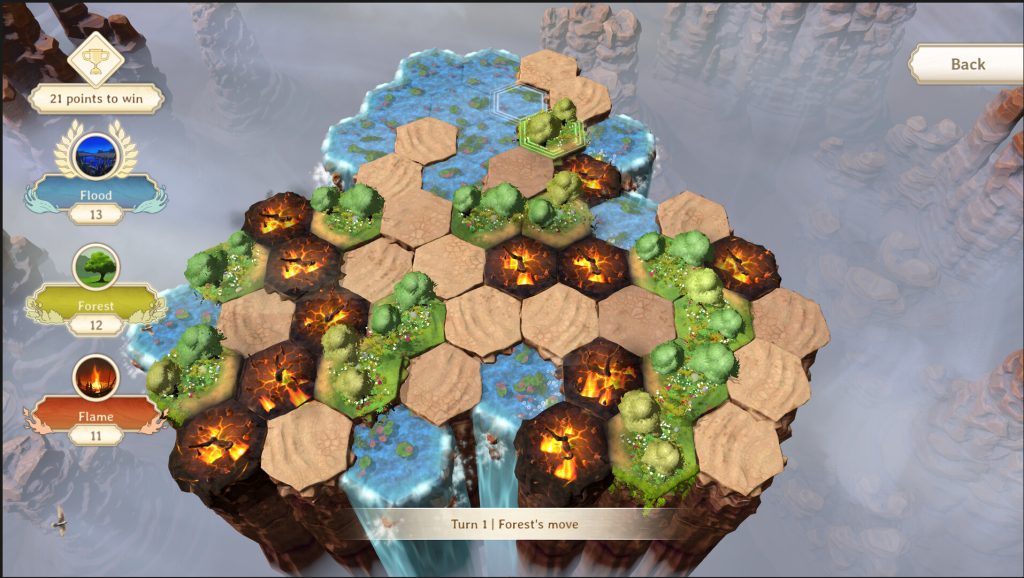
Cozy strategy game Flame, Forest & Flood will challenge GTA VI by deliberately launching on November 19, 2026.
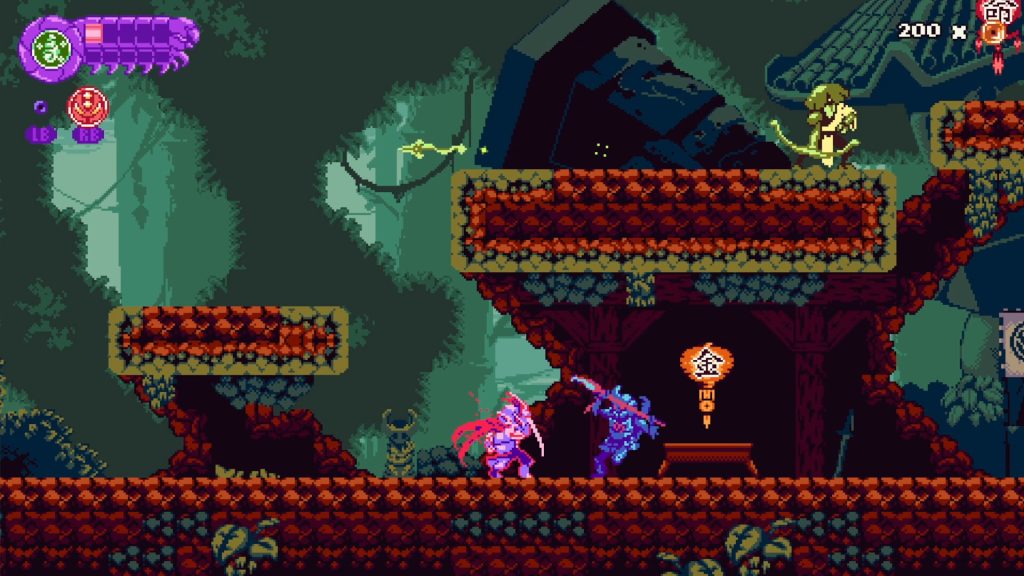
Akupara launches Kallisti Games, a service-first indie label for retro and experimental PC titles, with AOKAKI as its first project.
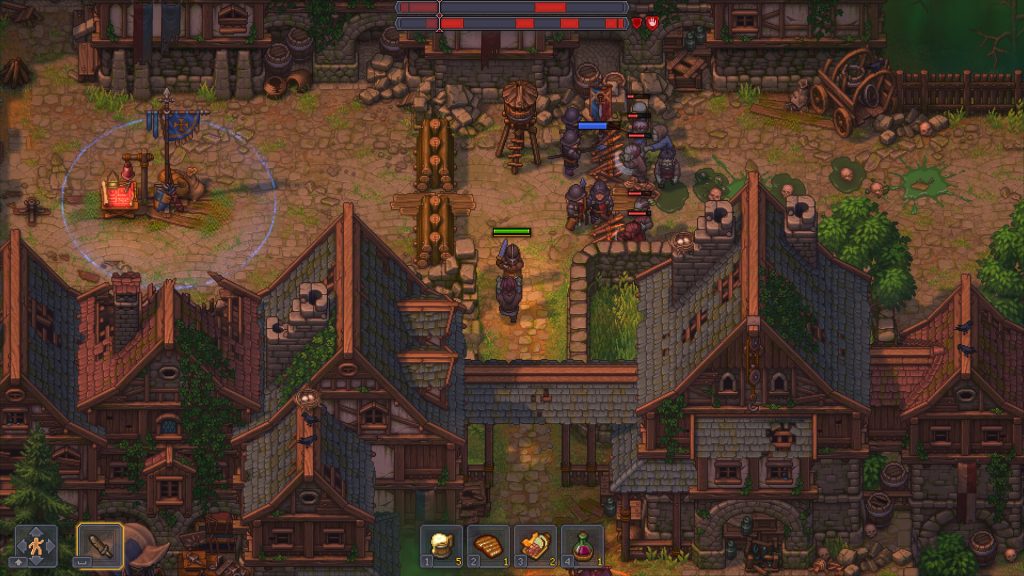
Graveyard Keeper 2 has earned $1.53 million from Steam pre-orders, with 87,500 copies sold and more than 814,000 active wishlists.
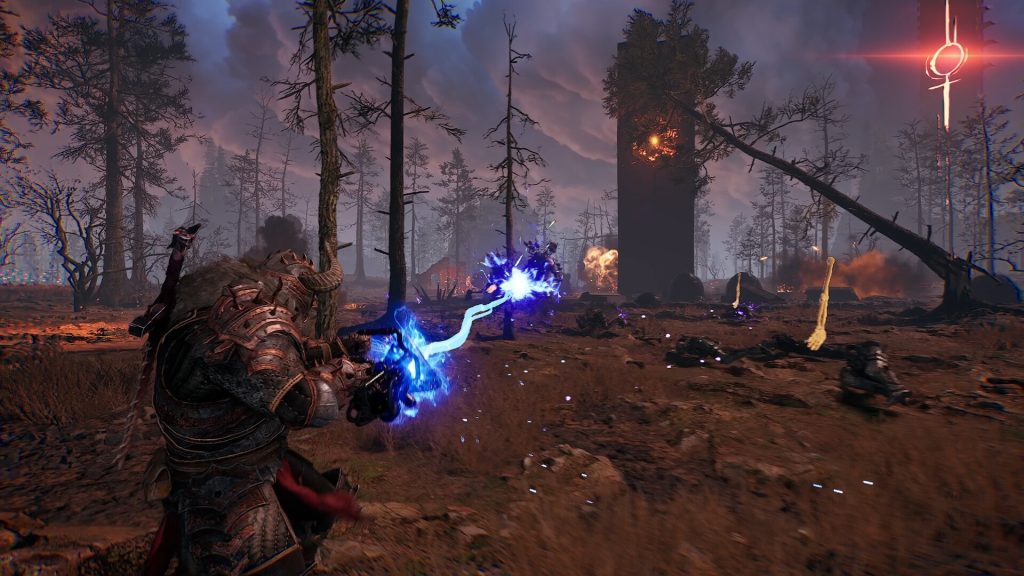
Guardians of the Wall shows chaotic co-op combat, roguelite progression and evolving world events ahead of its planned Q1 2027…
