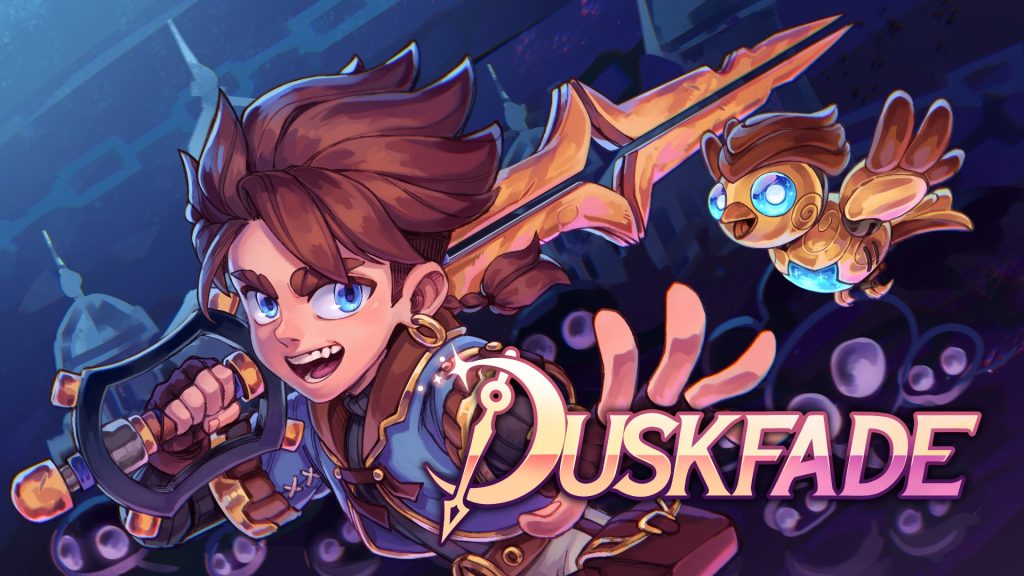
Duskfade – The PS2 Era Returns With All Its Strengths and Weaknesses
Duskfade is worth considering for players who miss colourful PS2-style action-platformers and can tolerate basic combat, floaty movement and backtracking.


If you enjoy independent indie game coverage, consider supporting Indie-Games.eu on Patreon. It helps keep the site independent.
Angeline Era is a retro-styled adventure that feels like it doesn’t belong to this moment in time. It plays like a forgotten cult classic from the late PlayStation era, brought back with modern polish but old-school values intact. This is a game deeply inspired by early Japanese action RPGs, especially titles that never fully crossed into the mainstream. Instead of following modern trends, it looks backward and commits fully to that vision.
The game takes place in a fantasy world called Era, where humans, angels, fairies, beasts, and other strange beings live together. At the center of everything floats the Throne, an angelic structure surrounded by a violent storm. You play as Tets, a lone adventurer drawn into this world by a mysterious vision. His goal is to travel across Era, collect powerful elemental items known as Bicones, and eventually reach the Throne to confront the force behind the growing chaos. Along the way, you explore dozens of dungeons filled with traps, enemies, secrets, and bosses that constantly test your awareness and control.

Angeline Era is built around an overworld that hides individual levels, and every dungeon is made up of compact, screen-sized rooms. Each room is carefully designed to focus on combat, puzzles, or a mix of both. You’ll deal with spike traps, pits, moving hazards, block puzzles, and very readable boss patterns. In general, everything is easy to understand even when things get confusing and difficult sometimes, There’s very little learning curve since the gameplay keeps being the same, but demands precision and skill.
Combat is built around a system known as “bump” combat where, instead of pressing a button to attack, you damage enemies by running directly into them. I was skeptical at first because the mechanics can feel a bit janky: hitboxes occasionally feel off and jumping attacks are inconsistent. However, once you realize your attacks have almost no range, you understand that the combat is actually about precise positioning, timing, and movement. It feels exactly like a classic title from 20 years ago.
But in Angeline Era, it’s not everything just about classic bump combat, instead the game adds several useful abilities. For example, bombs let you control space and deal with crowded rooms. A temporary vampiric power allows you to regain health when taking damage. There’s also a gun, which gives you limited ranged control. You can only fire it upward, and ammo must be earned by successfully bumping enemies.

There is something special about these kind of action games when the enemy and boss designs are executed so well. While the standard enemy patterns can feel a bit repetitive over time, the bosses consistently breathe fresh life into the game by introducing new mechanics, bringing different approach to every encounter. Some bosses require you to manage multiple mechanics at once or rethink how you approach combat entirely. These fights are clever, memorable, and often genuinely fun to figure out.
The levels are indeed short but deceptively tough where you’ll often find yourself failing a single room multiple times before finally clearing it cleanly, especially in the later stages of the game. Healing is very limited: you can’t restore health freely during levels and instead rely on food that temporarily increases your maximum health before entering an area. Food is found throughout the game and comes with lots of flavor text, though mechanically it mostly serves the same purpose.
What you will notice from the beginning is that the exploration plays a huge role in the experience. The overworld is completely non-linear, and most levels are hidden until you actively search for them. By using a dedicated search button, you can uncover secret entrances, hidden paths, or entirely new areas. This mechanic also applies inside dungeons, where searching suspicious spots can teleport you, reveal hidden rooms, or trigger strange events.

Discovering secrets feels rewarding, but it can also become overwhelming, especially when secrets lead to more secrets with little payoff. The longer you play, the more you notice how later stages of the game have inconsistent pacing at times because certain dungeons drag on for too long. While they initially offer an interesting change of pace, they eventually become repetitive, especially when compared to the otherwise tight flow of the game.
Visually, Angeline Era uses a low-poly 3D style inspired by the PS1 era. Characters are chunky, rounded, and expressive, and the world feels solid and readable. Background details clearly signal what can and cannot be interacted with, which helps avoid confusion. During conversations, characters also switch to hand-drawn portraits that add certain personality and emotion to the whole vibe.
Much like the world itself, the narrative feels fragmented, jumping between myth, religious imagery, and personal emotion without always tying everything together neatly. The story itself explores ideas tied to faith, folklore, and belief, often through fantasy conflicts between angels and fae. Tets is driven by very human motivations: wanting to be heroic, wanting to matter, and wanting to prove himself. Many characters seem wiser than him, and not all of them are honest. By the end, the narrative becomes dense and confusing, leaving many questions unanswered.

Despite its flaws, Angeline Era is a game made with confidence and curiosity, full of strange ideas that exist simply because the developers thought they were interesting. It rewards exploration, embraces failure, and refuses to over-explain itself. Not every system is perfectly balanced, and not every secret is worth finding, but the overall experience is memorable.
In the end, I’ll admit that Angeline Era won’t be for everyone. It demands patience, attention, and a willingness to feel lost. But for players who enjoy exploration, unusual combat systems, and indie games that follow their own path, it offers something rare: a world that feels intimate, strange, and lovingly crafted. It may frustrate you, confuse you, and surprise you, but it will almost certainly stick with you.
Review copy provided by the publisher
Duskfade is worth considering for players who miss colourful PS2-style action-platformers and can tolerate basic combat, floaty movement and backtracking.
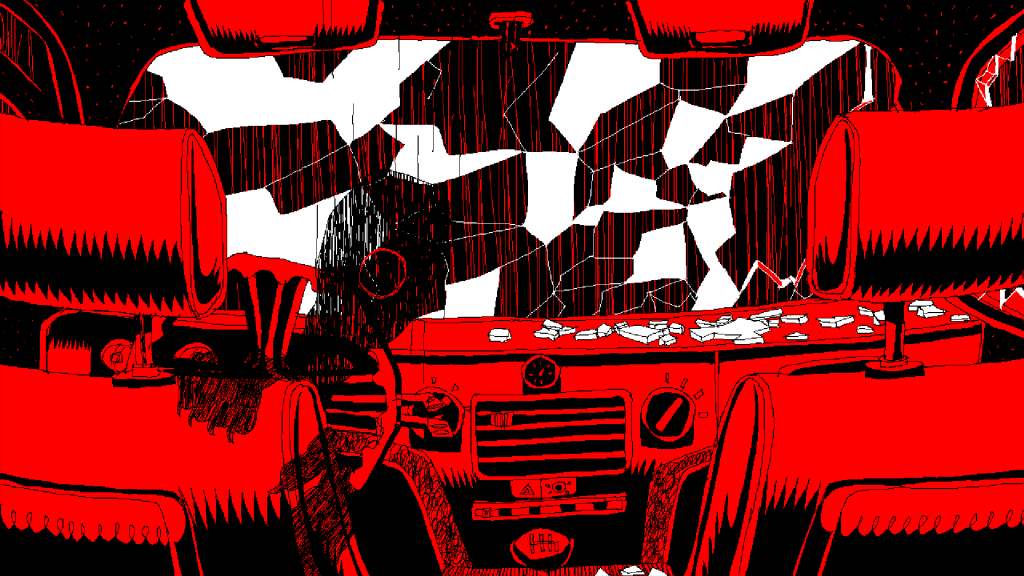
Man I Just Wanna Go Home is a noir crime story with visuals from MS Paint and life-or-death choices.
![[GAMESCOM 2026] Vikings Dynasty Preview – Expands the Dynasty Formula](https://www.indie-games.eu/wp-content/uploads/2026/09/Viking-Dynasty-09-21-26-2-1024x576.jpg)
After showing me Prospera at Gamescom 2026, Toplitz Productions' Mathias Oertel moved to a very different kind of settlement builder.…
![[GAMESCOM 2026] Prospera Preview – Production, Prosperity and Victorian Industry](https://www.indie-games.eu/wp-content/uploads/2026/09/Prospera-09-21-26-5-1024x576.jpg)
At Gamescom 2026, I met with Toplitz Productions' Mathias Oertel for a guided presentation of two upcoming games. One of…
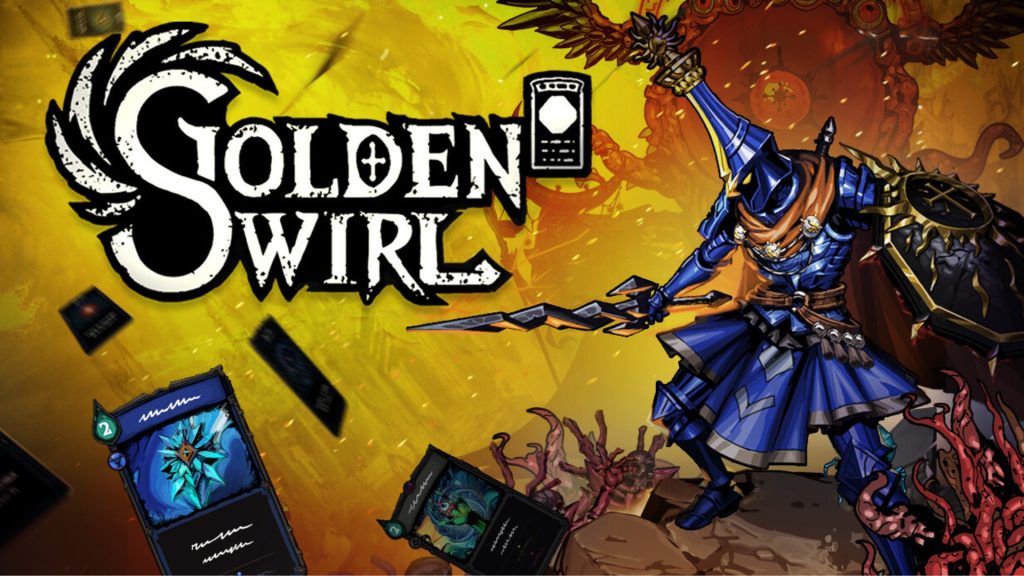
Golden Swirl inventive card combat carries the experience, but repetitive rooms, weak upgrades and excessive dialogue hold it back.
![[GAMESCOM 2026] Wilderdark Preview – Ambitious Dinosaur Horror Game That Still Has Plenty to Prove](https://www.indie-games.eu/wp-content/uploads/2026/09/Wilderdark-1024x576.jpg)
Dinosaur survival horror game Wilderdark has one of those premises that immediately makes you wonder why more games have not…
![[PREVIEW] Tiny Metal 2 – Strategy Game That Wants You to Learn From Every Mistake](https://www.indie-games.eu/wp-content/uploads/2026/09/Tiny-Metal-2-1024x576.jpg)
I rarely enjoy discovering that my opening strategy was completely wrong, but Tiny Metal 2 made that process one of…
![[PREVIEW] Remothered: Red Nun’s Legacy – Ambitious Survival Horror That Needs More Polish](https://www.indie-games.eu/wp-content/uploads/2026/09/Remothered-Red-Nuns-Legacy-4-1024x576.jpg)
Remothered: Red Nun’s Legacy has a gripping atmosphere and promising survival tools, but its repetitive hiding and rough visuals need…
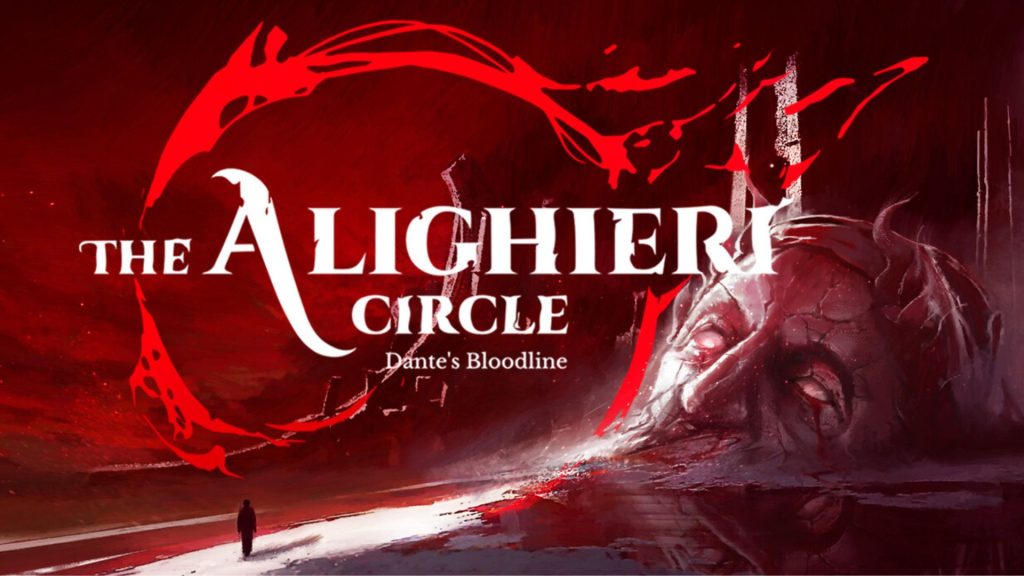
The Alighieri Circle: Dante’s Bloodline is difficult to recommend beyond players who are especially interested in Dante or enjoy solving…
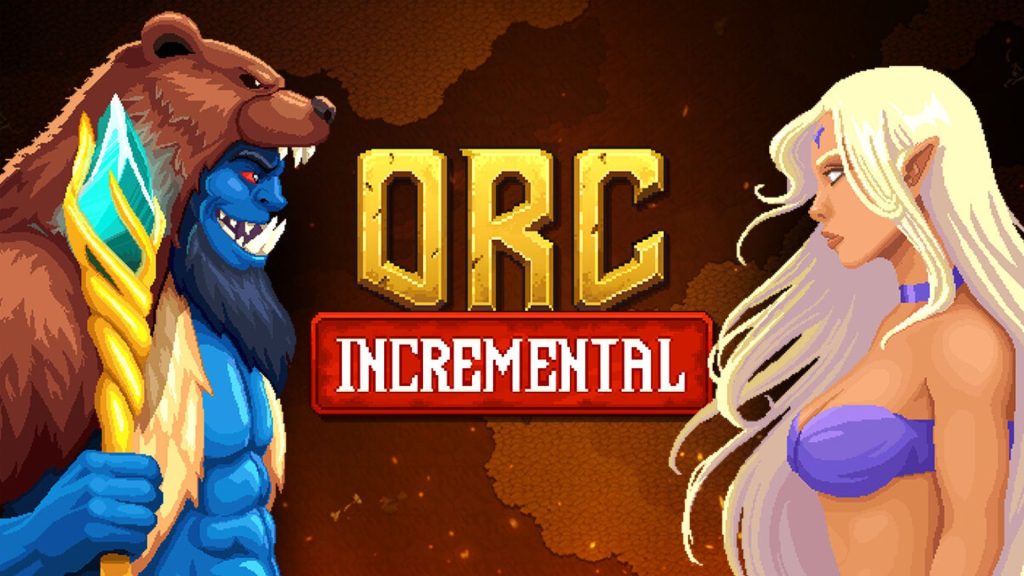
Orc Incremental offers satisfying progression, entertaining totem combinations and enough content to justify its affordable price.
![[GAMESCOM 2026] Chronoscript: The Endless End Preview – Beautiful Pages Hide Deliberate Combat](https://www.indie-games.eu/wp-content/uploads/2026/09/Chronoscript-The-Endless-End-1-1024x576.jpg)
Chronoscript: The Endless End stands out from other Metroidvanias by blending 2D manuscript worlds with exploration inside a 3D manor.
![[GAMESCOM 2026] MegaGum Preview – Combat Hits Hard in This Sticky Platforming Adventure](https://www.indie-games.eu/wp-content/uploads/2026/09/MegaGum-09-09-26-5-1024x576.jpg)
MegaGum combines hard-hitting combat, varied weapons and Gum-powered platforming in a promising Gamescom 2026 demo.
![[GAMESCOM 2026] Delphinium Preview – Cozy Routine Mixed With Enjoyable Minigames](https://www.indie-games.eu/wp-content/uploads/2026/03/Delphinium--1024x665.jpg)
Delphinium mixes cozy farming, exploration and relationships with enjoyable fishing, cooking and forging minigames in its Gamescom 2026 demo.
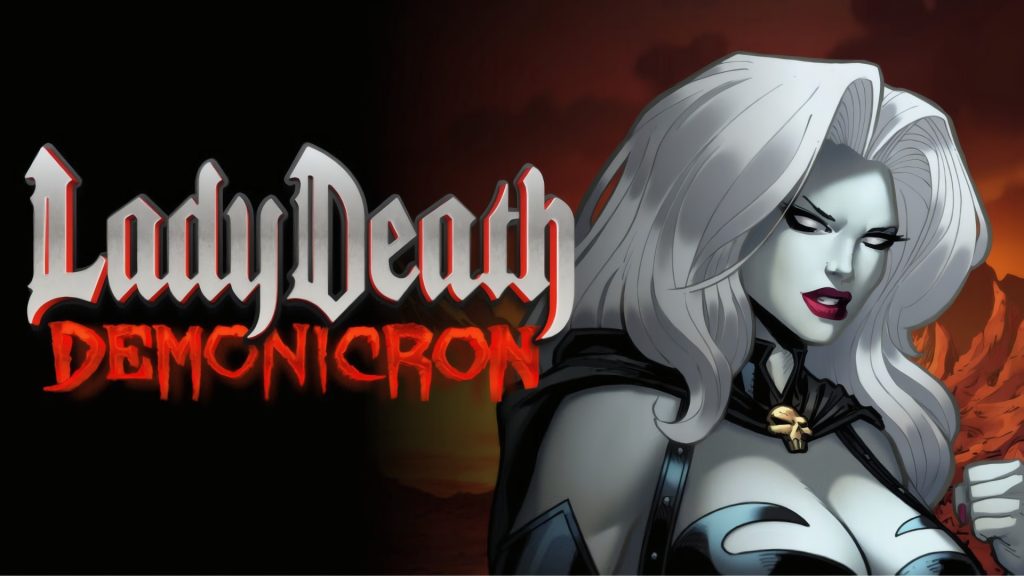
Lady Death: Demonicron looks the part, but underneath its excellent comic-book exterior is a clunky and painfully short brawler.
![[GAMESCOM 2026] Tomb Raider: Legacy of Atlantis Preview – Expands the Original Without Losing Its Identity](https://www.indie-games.eu/wp-content/uploads/2026/09/tomb-raider-legacy-of-atlantis-06-02-26-1-1024x576.jpg)
Tomb Raider: Legacy of Atlantis brings Lara back to her roots, but its Gamescom 2026 showing proved this is far…
![[GAMESCOM 2026] Clive Barker’s Hellraiser: Revival Preview – Ready to Open the Box](https://www.indie-games.eu/wp-content/uploads/2026/09/Clive-Barkers-Hellraiser-Revival-08-30-26-1-1024x576.jpg)
Hellraiser: Revival preserves the franchise’s sex, gore and psychological horror while delivering approachable survival-horror gameplay.

Swan Song creates a peaceful and forgiving puzzle space without removing the challenge that makes solving a difficult puzzle rewarding.
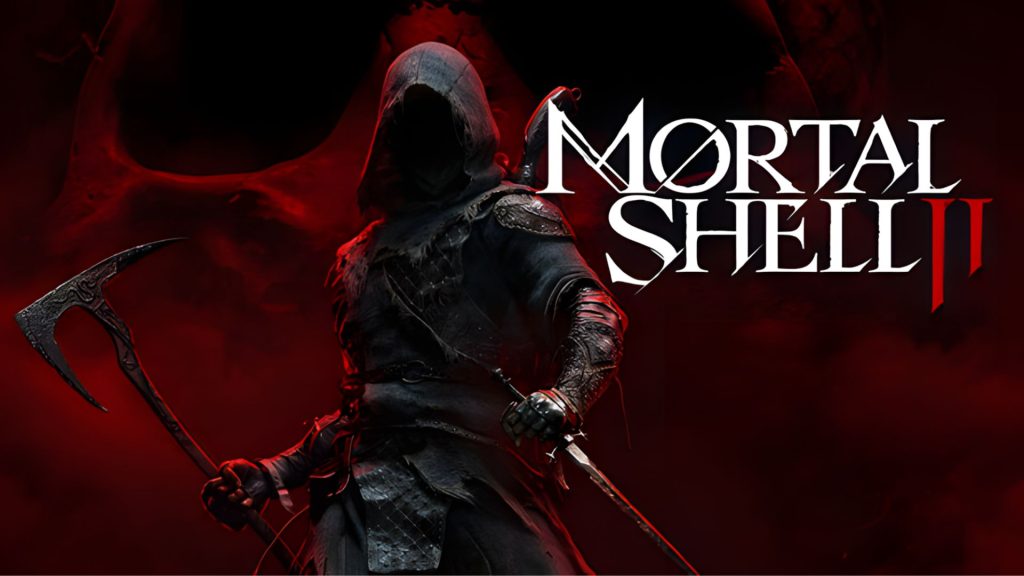
Mortal Shell II starts brilliantly but grows repetitive and exhausting, while remaining a rewarding and ambitious Soulslike sequel.
![[GAMESCOM 2026] Terranigma Preview – A Lost SNES Classic Returns in 2027](https://www.indie-games.eu/wp-content/uploads/2026/08/Terranigma-1-1024x576.jpg)
After more than three decades of limited availability, Terranigma is returning in 2027. We played its enhanced re-release at Gamescom…
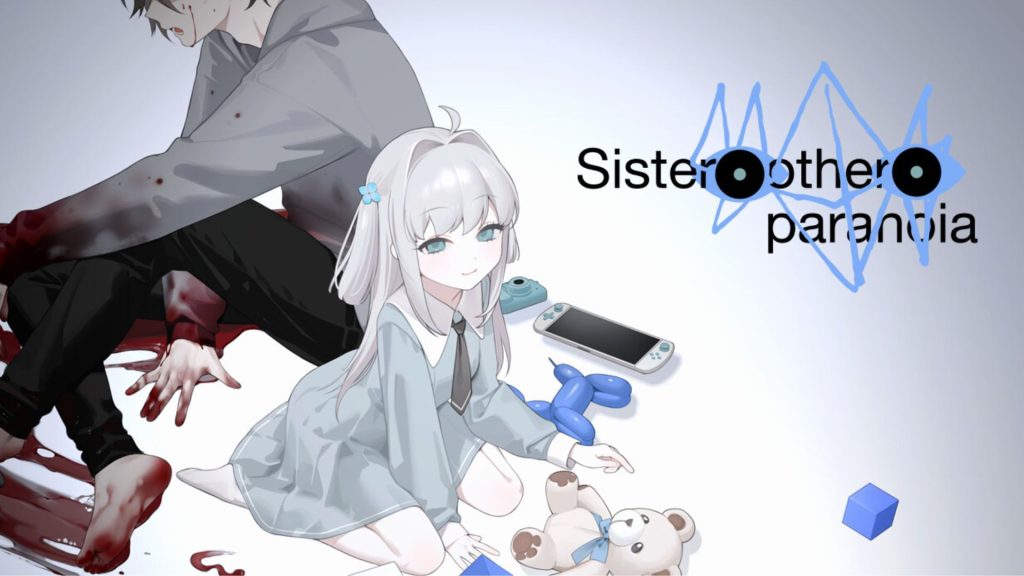
Reading another person’s mind is often presented as a desirable superpower, but Sister Other Paranoia immediately understands why it could…
