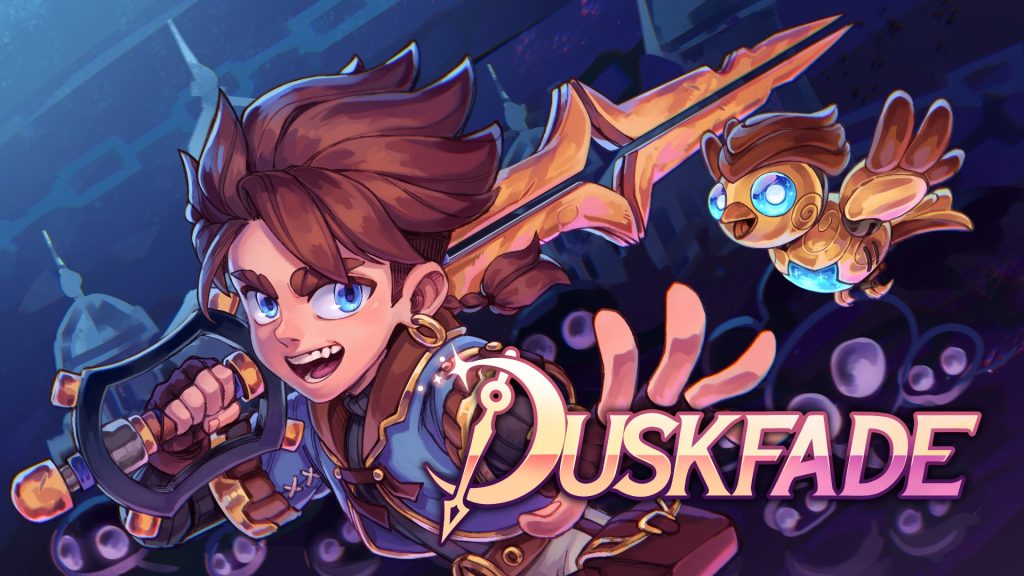
Duskfade – The PS2 Era Returns With All Its Strengths and Weaknesses
Duskfade is worth considering for players who miss colourful PS2-style action-platformers and can tolerate basic combat, floaty movement and backtracking.


If you enjoy independent indie game coverage, consider supporting Indie-Games.eu on Patreon. It helps keep the site independent.
In Becoming Saint, you play as a holy woman in 14th-century Italy, creating your own cult or religion and shaping its doctrine, while striving to survive in a world you believe should bow to you. This is a proper strategy roguelike game where you improve over time but also face some randomized elements everytime you start a new run, like enemy units. However, the goal is always one: gather diverse followers, convert new believers, conquer towns, and aim to become a saint in your lifetime — or die trying.
While Becoming Saint looks promising on paper, it falls short in few practices. Your saintess is shaped by personality choices like Pacifist, Anarchist, or Capitalist, selected at the start and throughout gameplay, allowing you to shift your doctrine as you progress. However, I expected more randomization; instead, each playthrough feels predictable, with dialogue options clearly showing their benefits. Though disappointing, the game offers plenty of experimentation, as each run can unfold in varied ways.

The personality system is important, but the gameplay feels genuinely confusing at first. The game tries to explain itself while you play and before battles, covering the basics but failing to explain its depth. For example, that curses waste your stamina. In fact, combat feels bland, making the auto-battler option on a grid-based battlefield more appealing so you can focus on casting curses, blessings, or defensive stances for your troops. Before traveling, you need to select your units, set your formation, and then attempt to conquer the city.
“If you’re struggling, easy mode is always an option.”
It’s unclear how enemy health, energy, faith, or courage works, as these stats can be depleted through curses you cast or combat. Damage indicators are vague, with only a visible “miss” notification, leaving the combat stats rather confusing. It’s hard to tell how you’re winning – sometimes your beggars just face off against the enemy boss with no real sense of engagement in the combat. Additionally, unit advantages and weaknesses are shown when clicking a unit, but this isn’t enough to clarify the messy mechanics.
The game truly excels at forcing you to be strategic and tactical; it’s far from a simple click-and-drop experience. You’ll need to plan carefully, even using fewer troops to conquer lightly defended cities. With 16 unique unit types, unlocked through your personality decisions, there’s a well-thought-out system that prevents spamming. Once you grasp the game’s mechanics, building your desired army becomes much easier. And if you’re struggling, easy mode is always an option.

The core gameplay loop is also a letdown but not fully. The “speed up” feature barely works, isn’t toggleable and there’s no proper benefit to capturing cardinals (who are win objectives) or going on crusades. Despite some promising ideas, the game feels punishing. Random events during travel lack real influence, and the food mechanic is severely imbalanced: we burn through food at a fast rate during travel, conquest, and events, with insufficient ways to properly replenish it. The small gains from daily rations and city conquests simply aren’t enough.
“The game features a huge map of Italy, with each city having unique power, yield, and food values.”
I understand the food mechanic’s intent: too much food would make the game too easy, while less forces you to actually manage it. Nevertheless, it still needs some tuning. On the other hand, the stamina system works well. Reaching negative stamina or losing a battle results in instant defeat. Similarly, failing to feed your units and servants directly leads to stamina loss and, ultimately, game over.
The game features a huge map of Italy, with each city having unique power, yield, and food values upon conquest. Higher power levels mean stronger cities and greater rewards. However, some cities just aren’t worth the effort, and trying to gather over 20 cardinals becomes a massive chore on such a large map. It’s not a bad system, but it lacks engagement. Becoming Saint does try to break up this monotony with things like crusades, but I’ll avoid spoiling those elements as they’re definitely interesting.

Becoming Saint offers excellent replayability for its price, even with limited randomization. It will definitely take you some time to master the game, and you can always revisit your past saintesses to review your previous attempts. The pacing is also well-balanced, being fast enough to make strategic decisions impactful. The game’s graphics are incredibly cute and polished, full of colors and diverse animations. However, the music is less memorable, primarily featuring a repetitive battle theme.
Despite some frustrating mechanics, I’m surprised by the game’s depth; even after 10 hours, I haven’t uncovered all the endings. I found myself strategizing far more with the various units than I expected, constantly seeking synergy bonuses to win battles more easily. In the end, it becomes clear what kind of game Becoming Saint is: it’s for anyone who enjoys indie games with interesting ideas, as well as roguelike titles that offer high replayability without becoming boring.
| Pros | Cons |
|---|---|
| Unique RTS-roguelike blend. | No proper tutorial and explanations. |
| Engaging grid-based combat. | Resource management feels punishing. |
| Huge variety of units. | Feels like a chore the more you play. |
| Huge amount of replayability. | Random events lack real influence. |
Review copy provided by the publisher
Duskfade is worth considering for players who miss colourful PS2-style action-platformers and can tolerate basic combat, floaty movement and backtracking.
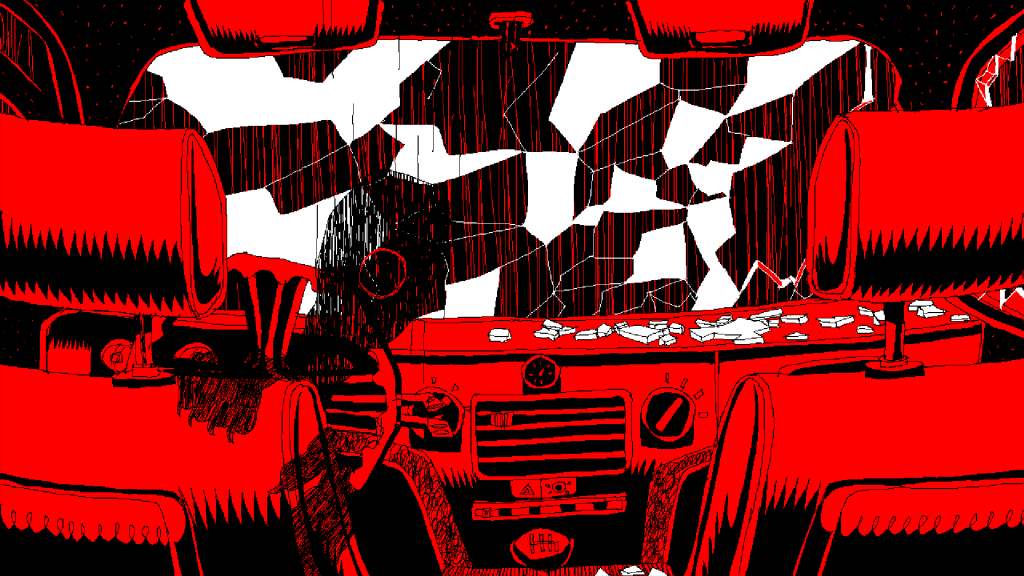
Man I Just Wanna Go Home is a noir crime story with visuals from MS Paint and life-or-death choices.
![[GAMESCOM 2026] Vikings Dynasty Preview – Expands the Dynasty Formula](https://www.indie-games.eu/wp-content/uploads/2026/09/Viking-Dynasty-09-21-26-2-1024x576.jpg)
After showing me Prospera at Gamescom 2026, Toplitz Productions' Mathias Oertel moved to a very different kind of settlement builder.…
![[GAMESCOM 2026] Prospera Preview – Production, Prosperity and Victorian Industry](https://www.indie-games.eu/wp-content/uploads/2026/09/Prospera-09-21-26-5-1024x576.jpg)
At Gamescom 2026, I met with Toplitz Productions' Mathias Oertel for a guided presentation of two upcoming games. One of…
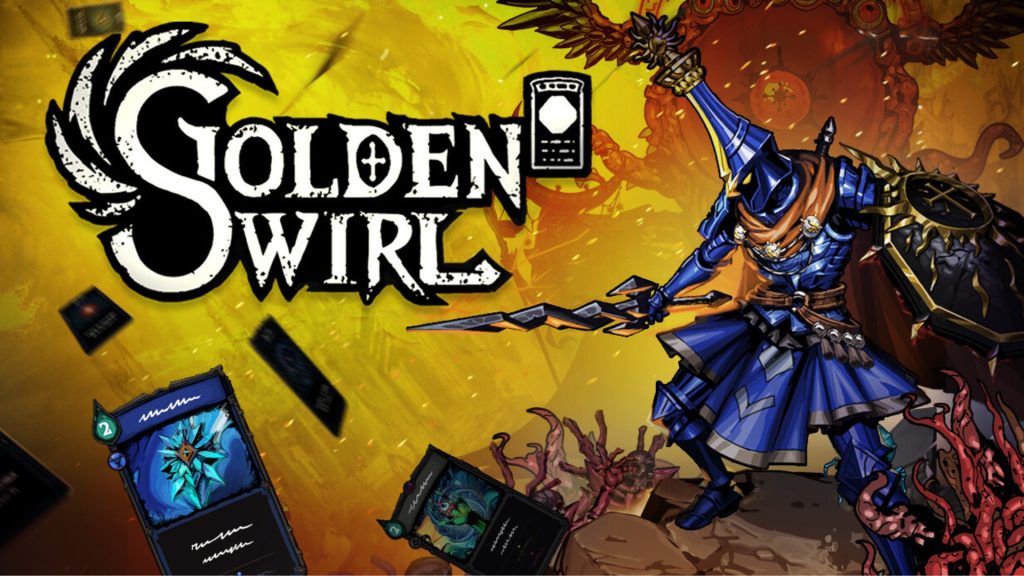
Golden Swirl inventive card combat carries the experience, but repetitive rooms, weak upgrades and excessive dialogue hold it back.
![[GAMESCOM 2026] Wilderdark Preview – Ambitious Dinosaur Horror Game That Still Has Plenty to Prove](https://www.indie-games.eu/wp-content/uploads/2026/09/Wilderdark-1024x576.jpg)
Dinosaur survival horror game Wilderdark has one of those premises that immediately makes you wonder why more games have not…
![[PREVIEW] Tiny Metal 2 – Strategy Game That Wants You to Learn From Every Mistake](https://www.indie-games.eu/wp-content/uploads/2026/09/Tiny-Metal-2-1024x576.jpg)
I rarely enjoy discovering that my opening strategy was completely wrong, but Tiny Metal 2 made that process one of…
![[PREVIEW] Remothered: Red Nun’s Legacy – Ambitious Survival Horror That Needs More Polish](https://www.indie-games.eu/wp-content/uploads/2026/09/Remothered-Red-Nuns-Legacy-4-1024x576.jpg)
Remothered: Red Nun’s Legacy has a gripping atmosphere and promising survival tools, but its repetitive hiding and rough visuals need…
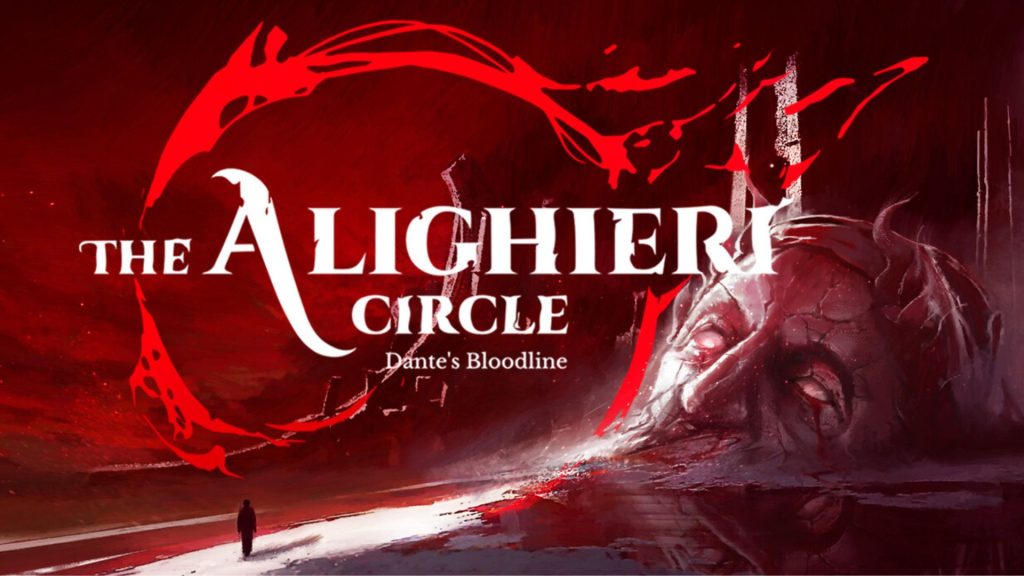
The Alighieri Circle: Dante’s Bloodline is difficult to recommend beyond players who are especially interested in Dante or enjoy solving…
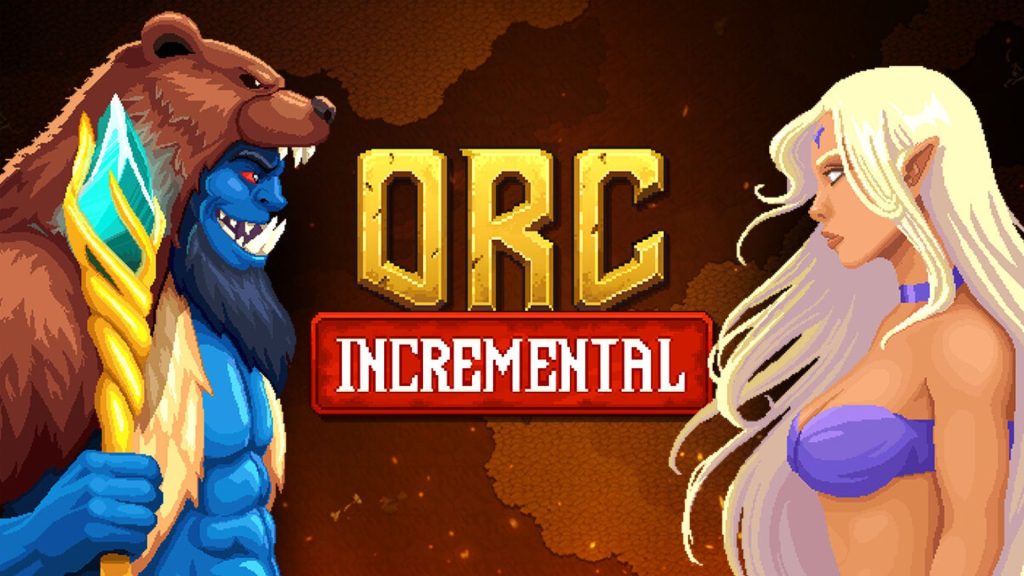
Orc Incremental offers satisfying progression, entertaining totem combinations and enough content to justify its affordable price.
![[GAMESCOM 2026] Chronoscript: The Endless End Preview – Beautiful Pages Hide Deliberate Combat](https://www.indie-games.eu/wp-content/uploads/2026/09/Chronoscript-The-Endless-End-1-1024x576.jpg)
Chronoscript: The Endless End stands out from other Metroidvanias by blending 2D manuscript worlds with exploration inside a 3D manor.
![[GAMESCOM 2026] MegaGum Preview – Combat Hits Hard in This Sticky Platforming Adventure](https://www.indie-games.eu/wp-content/uploads/2026/09/MegaGum-09-09-26-5-1024x576.jpg)
MegaGum combines hard-hitting combat, varied weapons and Gum-powered platforming in a promising Gamescom 2026 demo.
![[GAMESCOM 2026] Delphinium Preview – Cozy Routine Mixed With Enjoyable Minigames](https://www.indie-games.eu/wp-content/uploads/2026/03/Delphinium--1024x665.jpg)
Delphinium mixes cozy farming, exploration and relationships with enjoyable fishing, cooking and forging minigames in its Gamescom 2026 demo.
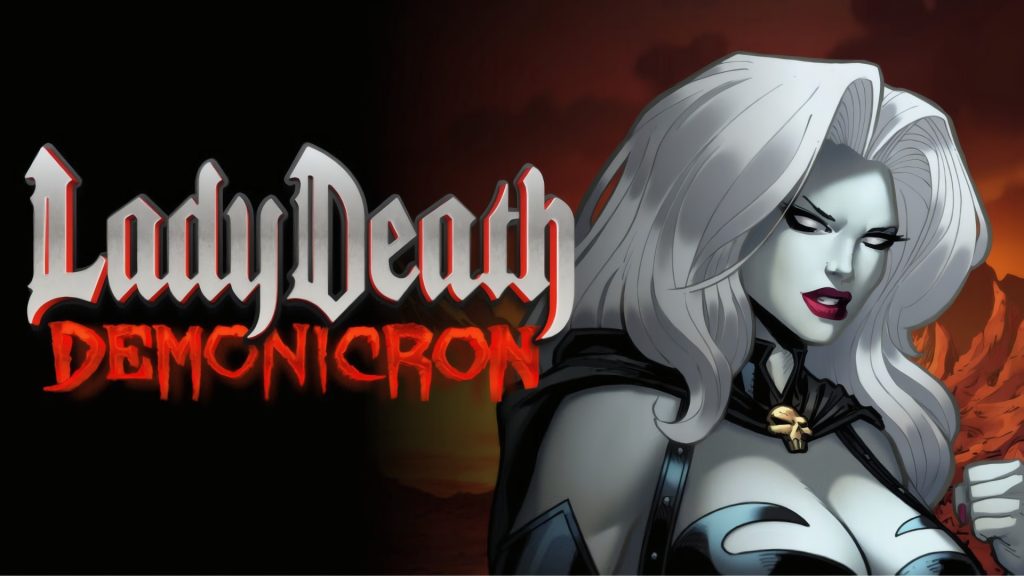
Lady Death: Demonicron looks the part, but underneath its excellent comic-book exterior is a clunky and painfully short brawler.
![[GAMESCOM 2026] Tomb Raider: Legacy of Atlantis Preview – Expands the Original Without Losing Its Identity](https://www.indie-games.eu/wp-content/uploads/2026/09/tomb-raider-legacy-of-atlantis-06-02-26-1-1024x576.jpg)
Tomb Raider: Legacy of Atlantis brings Lara back to her roots, but its Gamescom 2026 showing proved this is far…
![[GAMESCOM 2026] Clive Barker’s Hellraiser: Revival Preview – Ready to Open the Box](https://www.indie-games.eu/wp-content/uploads/2026/09/Clive-Barkers-Hellraiser-Revival-08-30-26-1-1024x576.jpg)
Hellraiser: Revival preserves the franchise’s sex, gore and psychological horror while delivering approachable survival-horror gameplay.

Swan Song creates a peaceful and forgiving puzzle space without removing the challenge that makes solving a difficult puzzle rewarding.
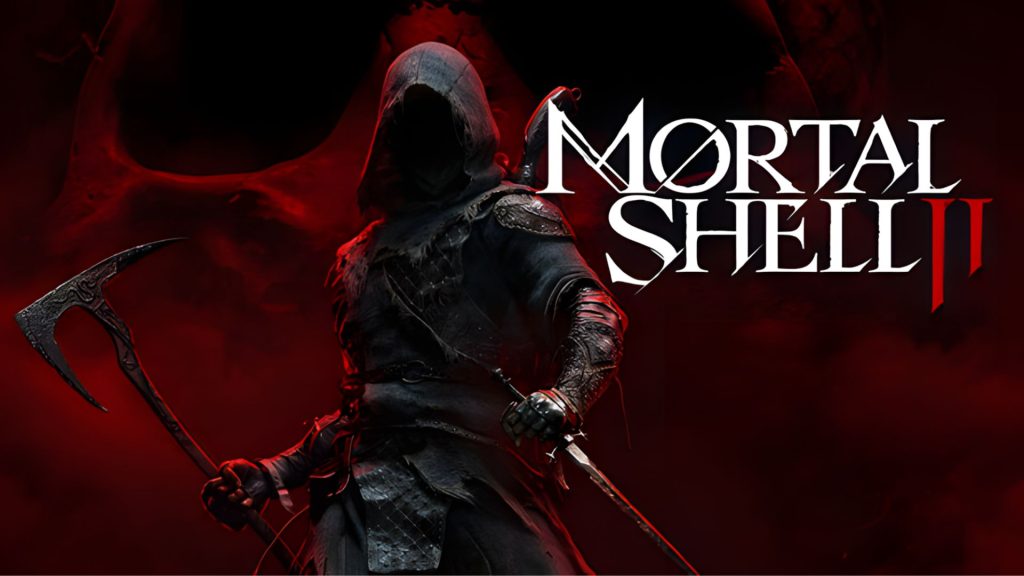
Mortal Shell II starts brilliantly but grows repetitive and exhausting, while remaining a rewarding and ambitious Soulslike sequel.
![[GAMESCOM 2026] Terranigma Preview – A Lost SNES Classic Returns in 2027](https://www.indie-games.eu/wp-content/uploads/2026/08/Terranigma-1-1024x576.jpg)
After more than three decades of limited availability, Terranigma is returning in 2027. We played its enhanced re-release at Gamescom…
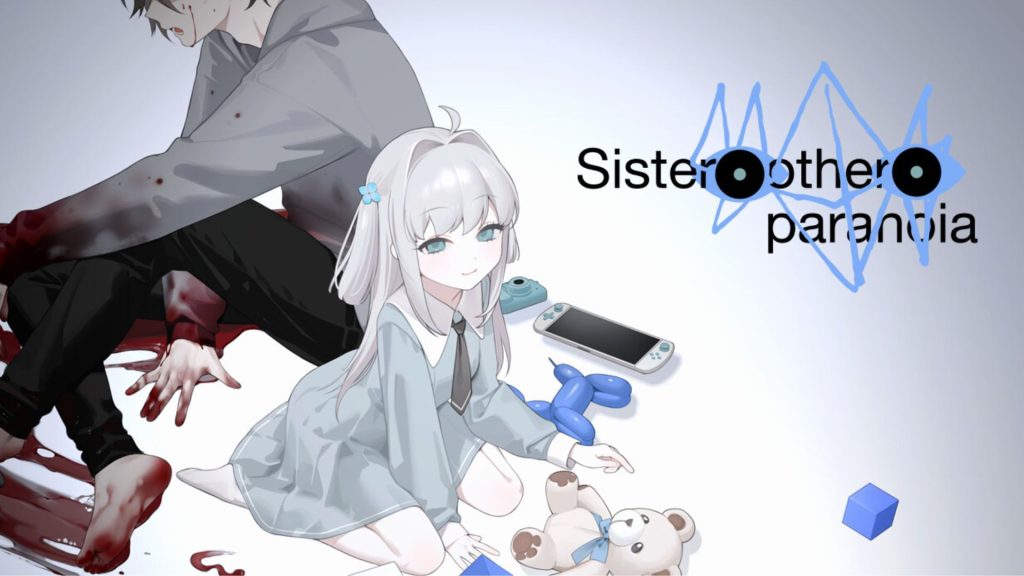
Reading another person’s mind is often presented as a desirable superpower, but Sister Other Paranoia immediately understands why it could…
