A Japan-Only Code Geass PS2 Game Finally Has a Complete English Patch
Code Geass: Lost Colors now has a complete fan-made English patch for PS2, including the platform-exclusive Blue Moon route.

If you enjoy independent indie game coverage, consider supporting Indie-Games.eu on Patreon. It helps keep the site independent.
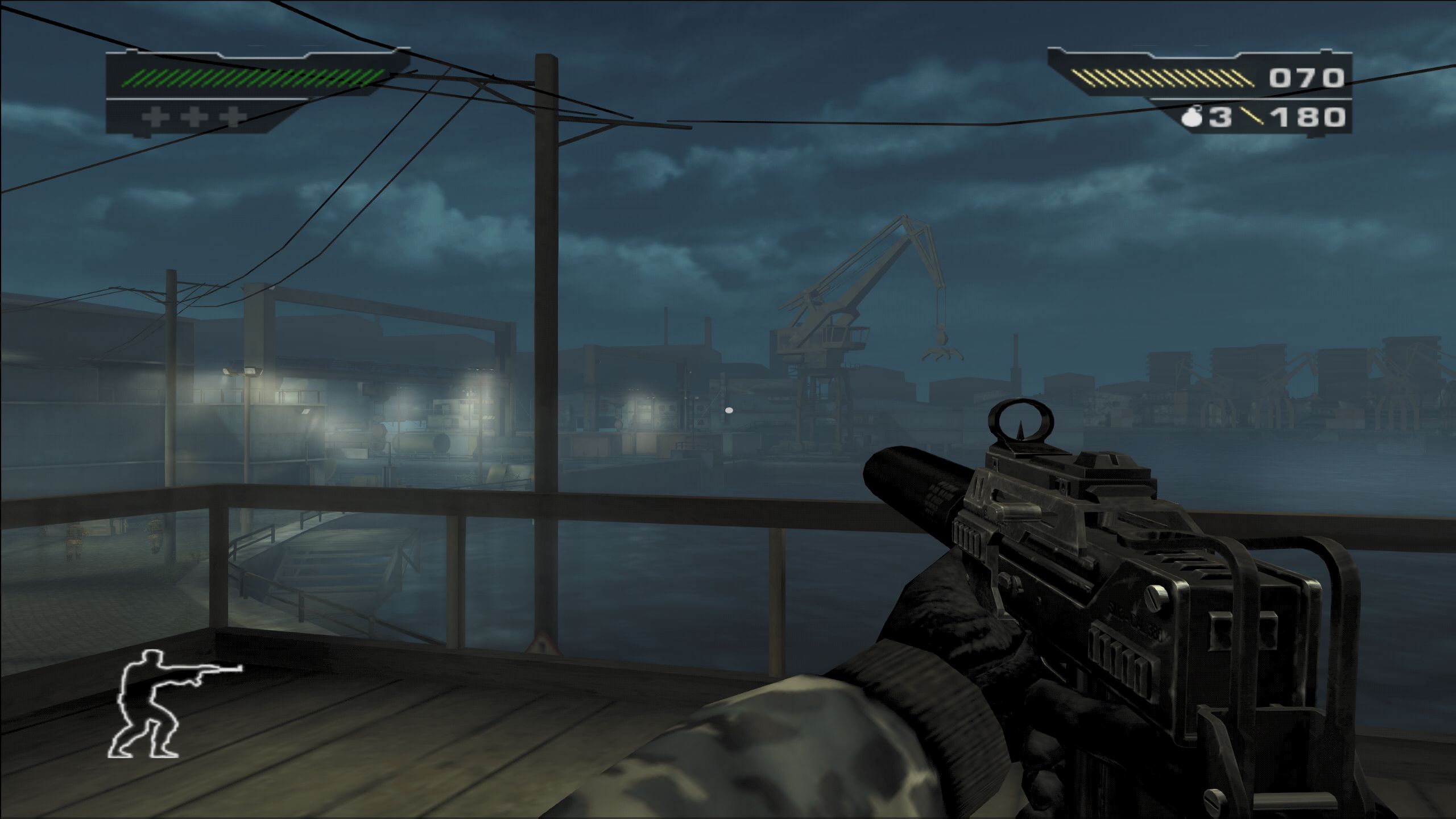
Driven by nostalgia, I’ve decided to start replaying PlayStation 2 games. I want to compare these older titles, like the original God of War, God of War 2, and Budokai Tenkaichi 3 with modern games. To kick off this journey, I’m starting with Black, the first-person shooter from Criterion Games and Electronic Arts. Released on both the PlayStation 2 and Xbox, Black is renowned for its destruction elements and intense shooting.
It’s surprising that Criterion Games, primarily known for the Burnout racing series, shifted gears with Black, aiming to “do for shooting what Burnout did for racing” by focusing on destruction and realistic weapon handling. The detail in the shooting mechanics is impressive for an older game: you get blurry vision when reloading, and weapons offer three firing modes (single bullet, semi-automatic, and automatic). The game features realistic damage, where a headshot is instantly lethal, but hitting a protective vest requires more sustained fire.
Adding to the fun, as mentioned, is the destruction, you can fire a bazooka to destory a building or blow open doors with a shotgun or grenades, but also shoot at other objects around you. The game rejects the typical zoom-in feature for shooting; instead, the camera zooms in slightly for most weapons, making it generally easy to shoot and move. Furthermore, there isn’t the kind of expressive recoil you might find in games like Counter-Strike. While recoil does exist if you fire constantly, it’s usually simple to control. Because of this easy handling, being careful is essential, as healing items are scattered stingily across the map.
Despite its strengths, Black isn’t without its underlying issues. Primarily, there is a severe range limitation on most weapons; only the sniper rifle is effective from a distance, leaving smaller guns like UZIs and pistols largely useless in open areas. Additionally, grenades feel clumsy and unreliable as their throwing range is very short and they don’t bounce realistically when thrown.
The enemy AI is also hit-or-miss. While they sometimes make rational decisions, like intelligently using cover, they also exhibit odd glitches, such as moving erratically or colliding with one another. However, for an older title, the AI often remains challenging because the game compensates by spawning a massive number of enemies per map. Though variety is low, consisting mostly of standard terrorists and the bigger, shotgun-wielding attackers, the sheer volume, combined with scaling difficulty settings, ensures a constant tension.

I personally found the friendly teammates to be pretty useless. They shoot at enemies, sure, but they don’t really do much; they’re mostly just there for the sake of the story. Speaking of the story, it’s not really the most important part of the game. You play as Jack Kellar, a US Army soldier on a covert anti-terrorist mission. What is cool is how the story is told through voiced-over cutscenes before each mission that feature interesting images and moments. The only downside is that these cutscenes are unskippable, but thankfully, they don’t last very long.
Black uses a mission-based progression system. Higher difficulty levels improve the challenge by introducing additional objectives, such as gathering intelligence or destroying key targets, which are indicated by changes in the HUD crosshair. When your health is critically low, the game adds to the tension and immersion by having the screen change to black and white with the heartbeat sounds, and slowing down time.
While objectives aren’t difficult to spot, they are often hidden, requiring thorough exploration to find them. Each map can take anywhere from 30 minutes to an hour to finish, depending on its size and your pace. The game stays engaging because each mission brings something unique and constantly changes the environment. Although the levels often lack fine detail and can look bare-bones, the intense gameplay keeps you focused, so you rarely notice these graphical shortcomings.

Graphically, Black was very impressive back then, offering detailed textures, smooth animations, and dynamic environments. What really made the game famous, though, was its sound design. The authentic, satisfying weapon noises were so good it mad ethem win major accolades, including a BAFTA award for audio excellence.
In summary, we can’t truly compare Black to modern, faster titles like Call of Duty or Battlefield, though it certainly offers satisfying gunplay. I genuinely enjoyed my experience with it. There’s just something about this game that makes you want to keep playing without watching the time. If you want to dive into some retro gaming and see what older shooters were like, this is a fun choice. You can also play it on Xbox via the EA Play service.
While Criterion wanted to make a sequel, they had creative differences with EA, preventing its development. Because of this, the original team created a new game called Bodycount, which served as a spiritual successor when it launched in 2011.
| Label | Meaning | Description |
|---|---|---|
| Timeless Classic | ⭐⭐⭐⭐⭐ | A retro game that remains outstanding today — endlessly replayable and still a joy to experience. |
| Aged but Golden | ⭐⭐⭐⭐ | Some mechanics have aged, but the fun, charm, or innovation still shines through. |
| Of Its Time | ⭐⭐⭐ | Enjoyable mainly for nostalgia — solid in context, but dated by today’s standards. |
| Left in the Past | ⭐⭐ | Historically interesting, but frustrating or dull to actually play now. |
| Retro Relic | ⭐ | Best remembered, not replayed — a museum piece more than a game. |
Code Geass: Lost Colors now has a complete fan-made English patch for PS2, including the platform-exclusive Blue Moon route.
DigiBitPlay presents digital game libraries through interactive 3D boxes, discs, cartridges, consoles and scanned manuals.
Project Cane shows new Sly Cooper PC footage, but the unofficial native port still needs menus, audio, saving, controls and…
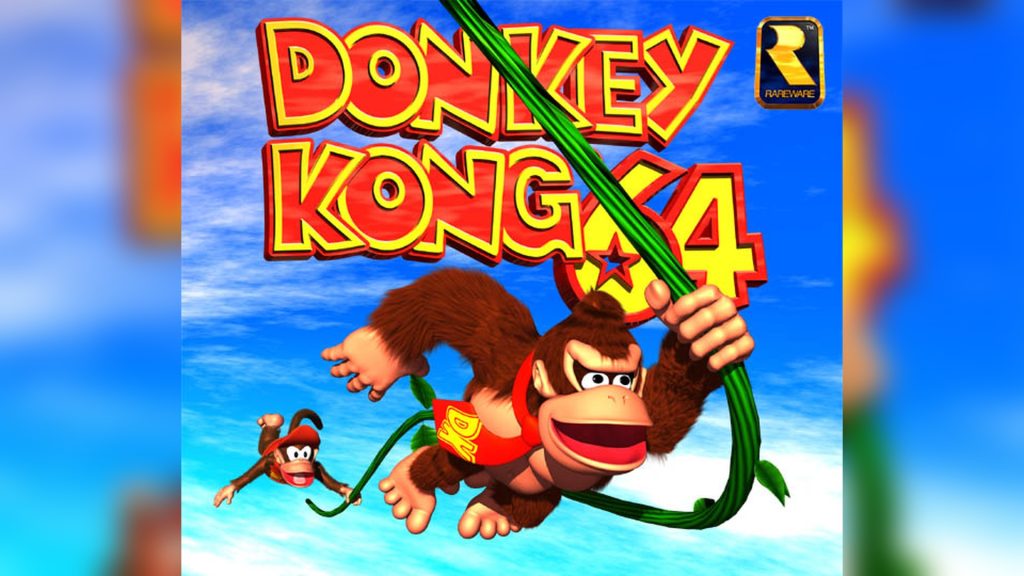
Donkey Kong 64 now runs natively on Windows, Linux and macOS with widescreen, uncapped frame rates, modern controls and optional…
PCSX2 2.8.0 delivers major performance and graphics improvements alongside EyeToy support, interface upgrades and bundled FFmpeg.
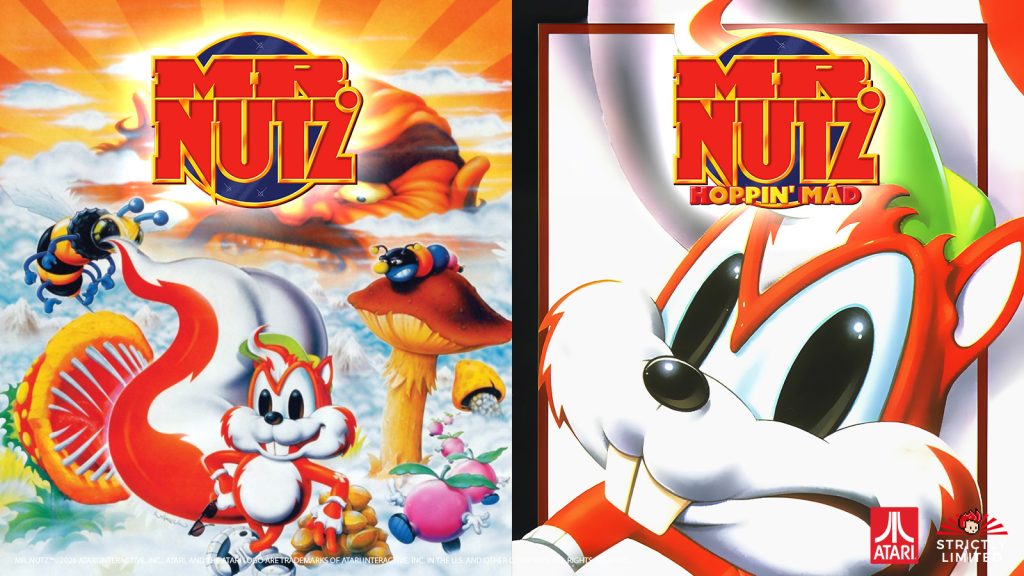
Mr. Nutz and the previously unreleased Mega Drive sequel Hoppin' Mad are receiving new physical cartridges from Strictly Limited Games…
Sony will close the PlayStation 3 Store in July 2027, while RPCS3 fully supports 75% of the console's library, highlighting…

The Forever Project aims to make physical game releases more affordable for indie developers through a partnership between 33 Games…
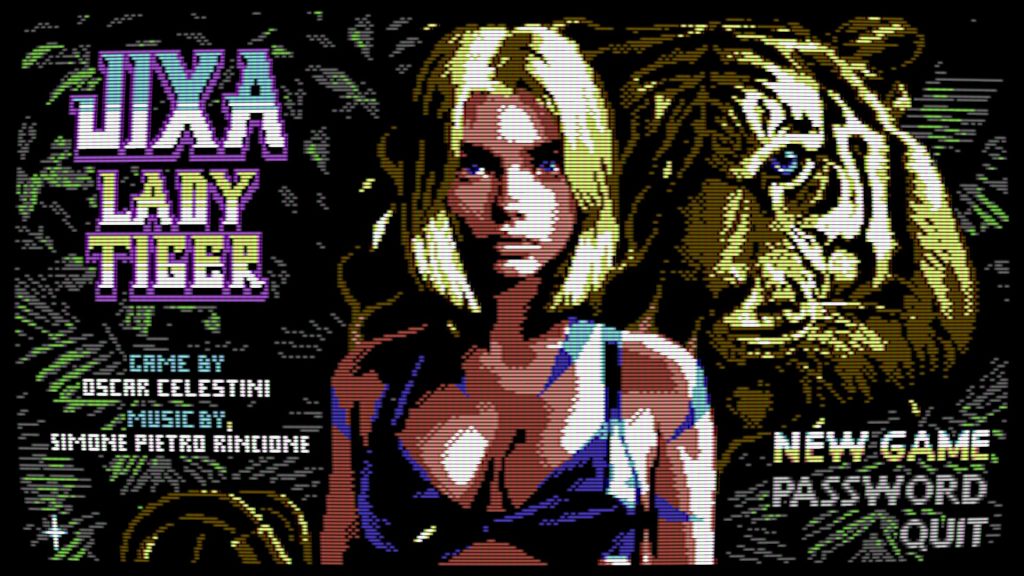
Indie developer Oscar Celestini is expanding his retro-inspired platformer with Jixa Lady Tiger Plus, an enhanced edition that significantly builds…
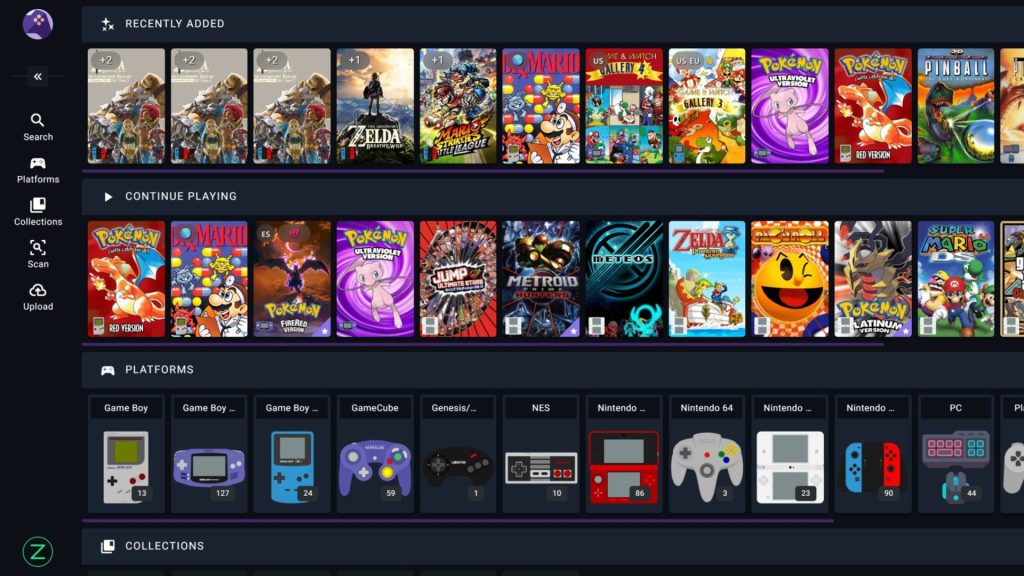
RomM is a free, open-source, self-hosted platform that organizes ROM libraries, fetches metadata, and supports browser-based emulation.
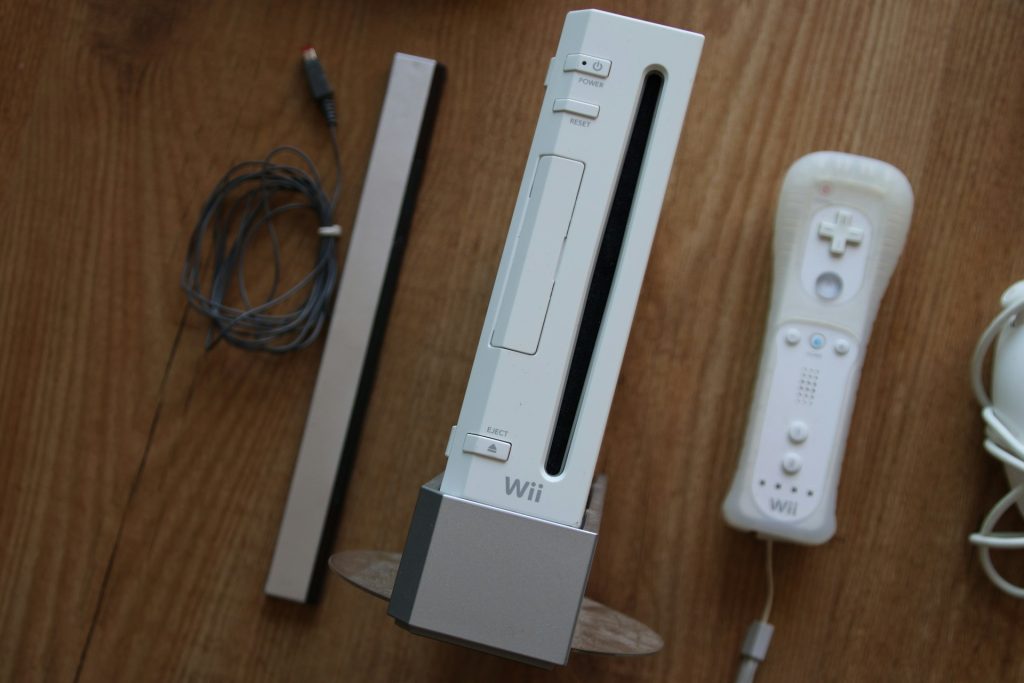
The developers behind Wii64 have released Beta 1.4, marking the Nintendo 64 emulator's first major update in more than five…
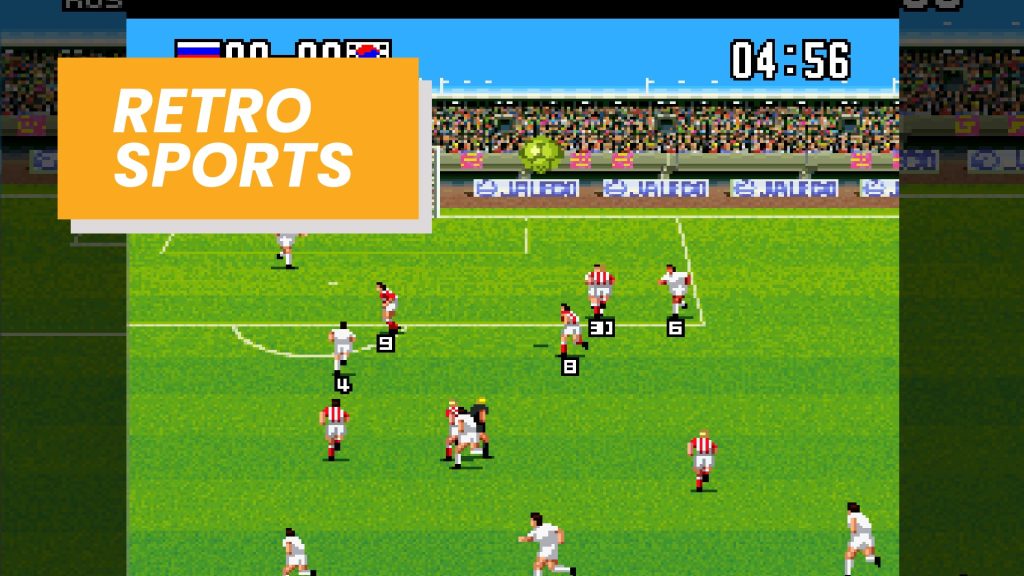
Rock It Games has brought Jaleco Sports: Bases Loaded II and Goal! Two to PC after successful Nintendo Switch and…
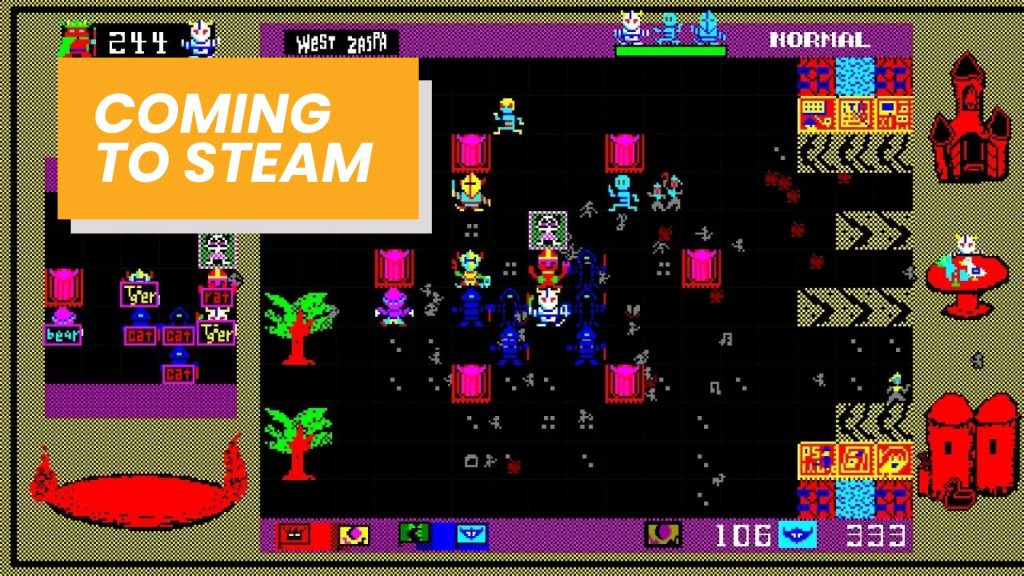
Developer Pygmy Studio has announced that Bokosuka Wars II will launch on PC via Steam in 2026, bringing the tactical…
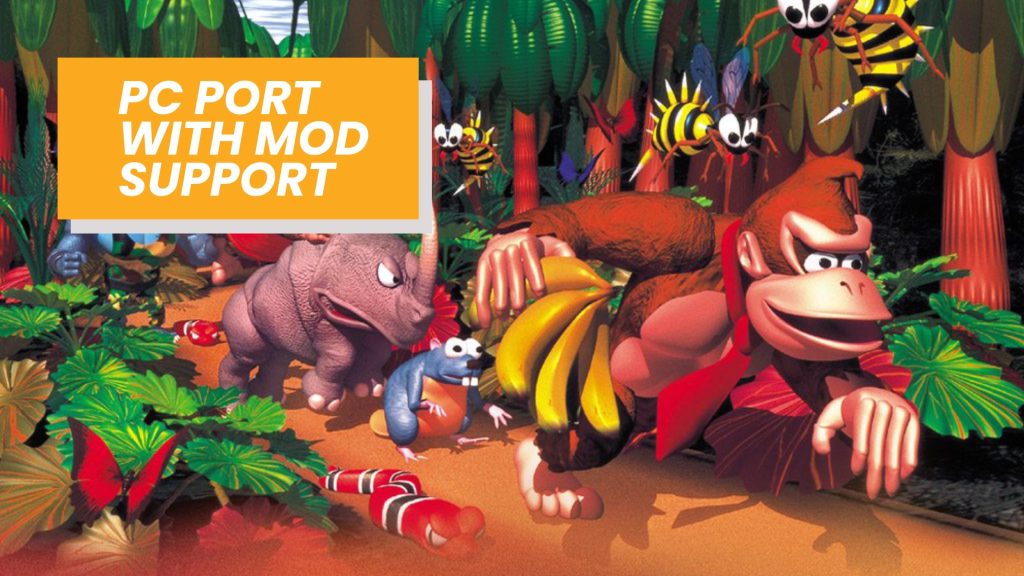
An unofficial native PC port of Donkey Kong 64 is in development, bringing rare's Nintendo 64 classic to modern hardware…
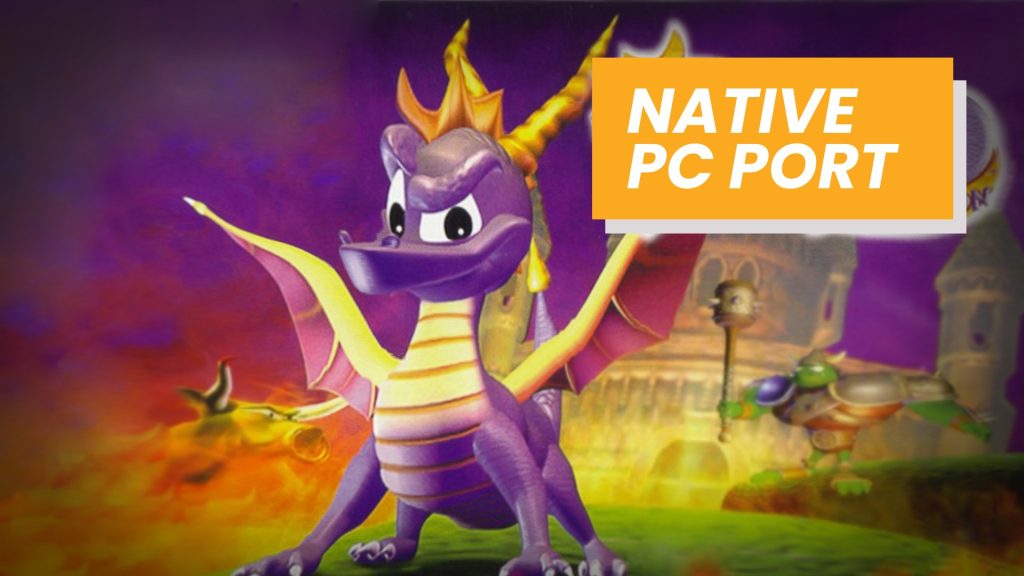
A fan-made native PC port of the original Spyro the Dragon is officially in development, bringing the 1998 PlayStation classic…
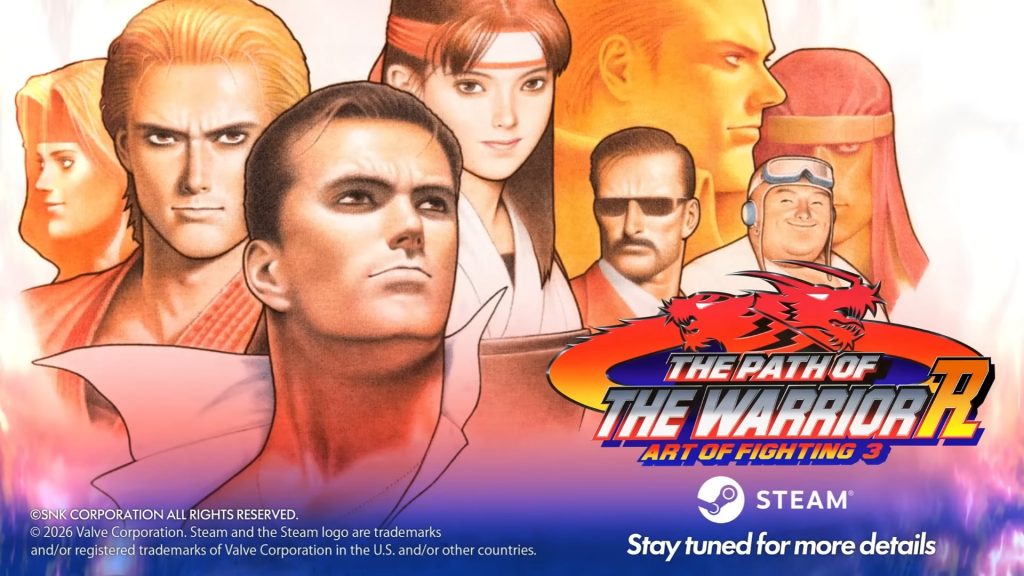
SNK has officially announced The Path of the Warrior: Art of Fighting 3 R, a modernized version of the 1996…
The developers behind ShadPS4 have introduced a major new feature that moves PlayStation 4 emulation closer to a complete experience.
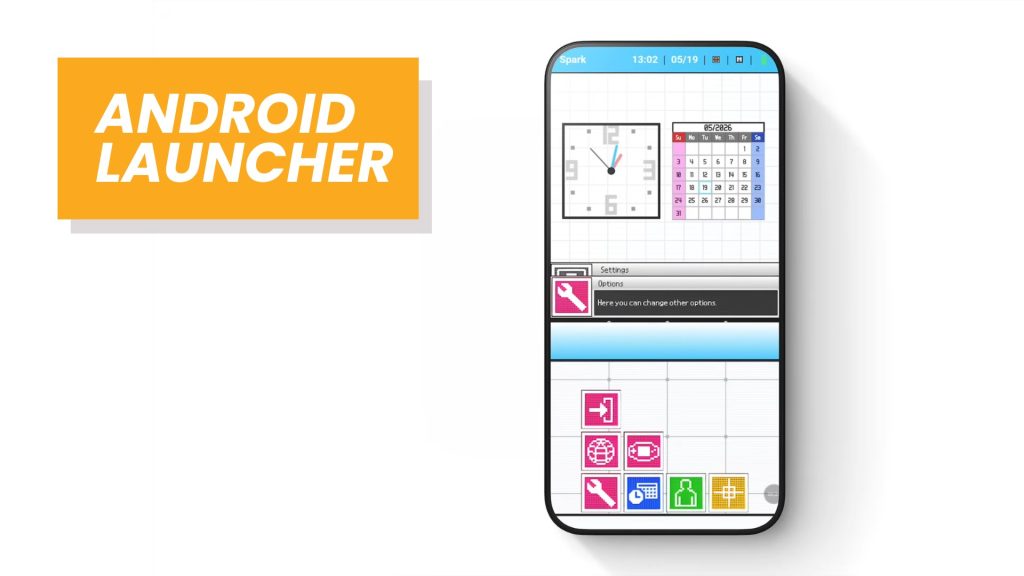
DS & DSi Launcher brings the classic Nintendo DS and DSi interface to Android, giving retro fans a nostalgic way…
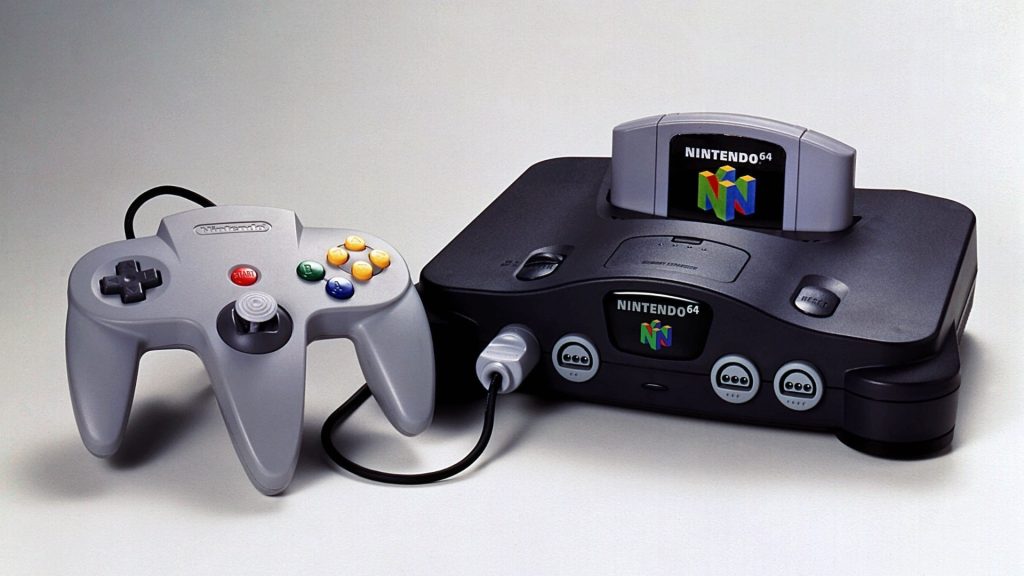
Today marks 30 years since the launch of the Nintendo 64 in Japan, and for many, that's enough to trigger…
It's hard to believe, but Batman: Arkham Knight is officially 11 years old today. This title was Rocksteady's final chapter…
