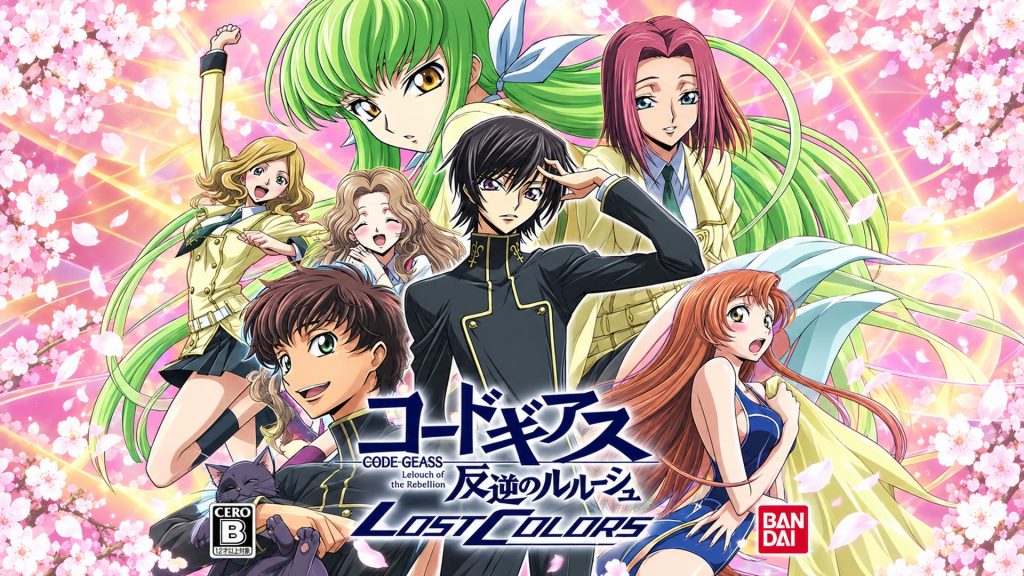
A Japan-Only Code Geass PS2 Game Finally Has a Complete English Patch
Code Geass: Lost Colors now has a complete fan-made English patch for PS2, including the platform-exclusive Blue Moon route.


If you enjoy independent indie game coverage, consider supporting Indie-Games.eu on Patreon. It helps keep the site independent.
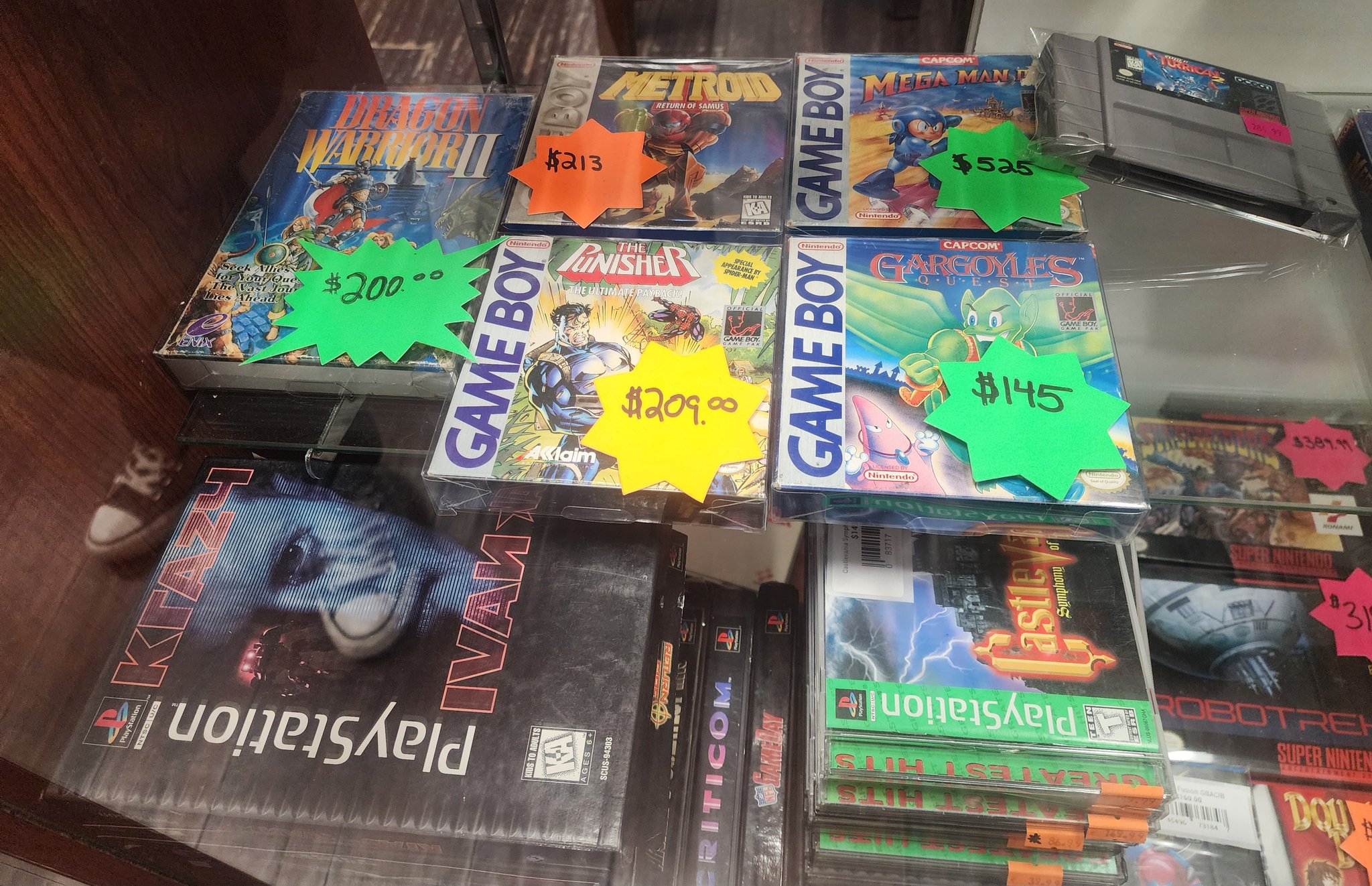
A recent post on X has reignited debate about the rising cost of retro video games, offering a snapshot of how expensive nostalgia has become. The post features photos of a store shelf packed with classic 1990s titles, each carrying jaw-dropping price tags. Among them are a complete-in-box copy of Mega Man X listed for over $1,000, Sunset Riders priced at more than $500, Robotrek in a similar range, and Castlevania: Dracula X approaching $400. What was once everyday entertainment has now been transformed into luxury merchandise.
For many players, these images are more than just shocking, they represent how far the retro gaming market has drifted from its original purpose. Games that were designed to be played, shared, and enjoyed are increasingly treated like museum artifacts or financial assets. While the poster described the scene as “the state of gaming,” it reflects something deeper: a collector economy driven by speculation rather than passion.
In fact, even these inflated store prices are modest compared to what sealed copies command online. According to market data from early 2026, unopened versions of Mega Man X regularly list for over $1,500, while Sunset Riders and Robotrek exceed $1,000. These prices are fueled by investors and speculators who view shrink-wrapped cartridges the way others view rare paintings or vintage watches. For them, the value lies not in gameplay, but in scarcity and perceived prestige.
Today’s major releases, including blockbuster franchises like Call of Duty or The Legend of Zelda, typically cost around $70 at launch. While that price often sparks complaints, it reflects development budgets that now reach hundreds of millions of dollars. These games are produced digitally and physically in massive quantities, ensuring that supply remains high and prices relatively stable.
Retro games, by comparison, exist in fixed numbers. Their cartridges were manufactured decades ago, and copyright restrictions prevent legitimate reprints. As time passes, copies are lost, damaged, or locked away in private collections, shrinking the available pool. This artificial scarcity has transformed once-common titles into so-called “Veblen goods,” where higher prices actually increase their appeal among status-conscious buyers. Nostalgia and rarity now function as bidding fuel in an increasingly aggressive market.
The irony becomes even sharper when hardware enters the picture. An original Super Nintendo console can often be found for little more than $100, sometimes less than a modern replica system like the SNES Classic. Meanwhile, hardware such as the PlayStation 5 or Nintendo Switch 2 sells for around $450, with analysts warning of possible increases due to rising production and tariff costs. New consoles demand massive investments in custom chips, software ecosystems, and online infrastructure, yet they depreciate quickly. Retro hardware, built cheaply in massive quantities decades ago, remains abundant and relatively affordable, while the games themselves skyrocket in value.
This imbalance has led some analysts and collectors to warn that the retro market may be entering bubble territory. Recent data suggests that prices for some complete-in-box titles have begun to slip, with certain editions of Mega Man X dropping more than 10 percent in value. At the same time, interest appears to be shifting toward other collectibles such as trading cards, while emulation continues to improve. With tools like RetroArch and inexpensive single-board computers offering near-perfect recreations of classic experiences, the justification for spending four figures on a single cartridge is growing weaker.
For players who simply want to experience these games, the current market feels exclusionary. Retro collecting has increasingly become a game of financial endurance rather than personal enjoyment. Shops and resellers often rely on fear of missing out, encouraging buyers to believe that prices will only rise. Yet recent signs of market softening suggest that this narrative may be losing credibility as fatigue sets in and speculative interest wanes.
In the end, the true value of these classics was never meant to be sealed inside plastic cases. It was always found in the memories they created, the challenges they offered, and the joy of playing them. As the market continues to fluctuate, more players may begin to question whether owning the box is really worth more than experiencing the game or perhaps, just simply emulating it.
Code Geass: Lost Colors now has a complete fan-made English patch for PS2, including the platform-exclusive Blue Moon route.
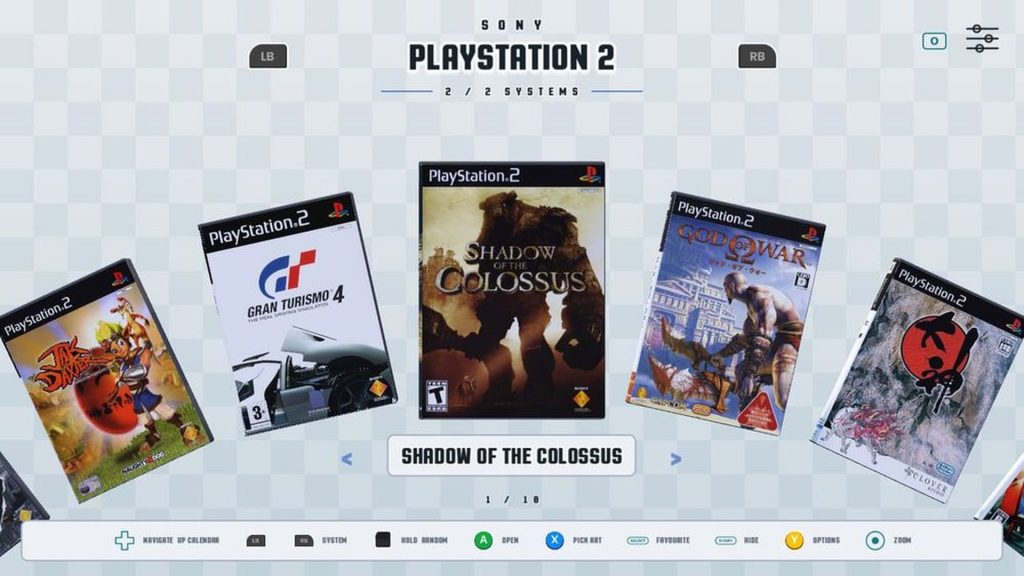
DigiBitPlay presents digital game libraries through interactive 3D boxes, discs, cartridges, consoles and scanned manuals.
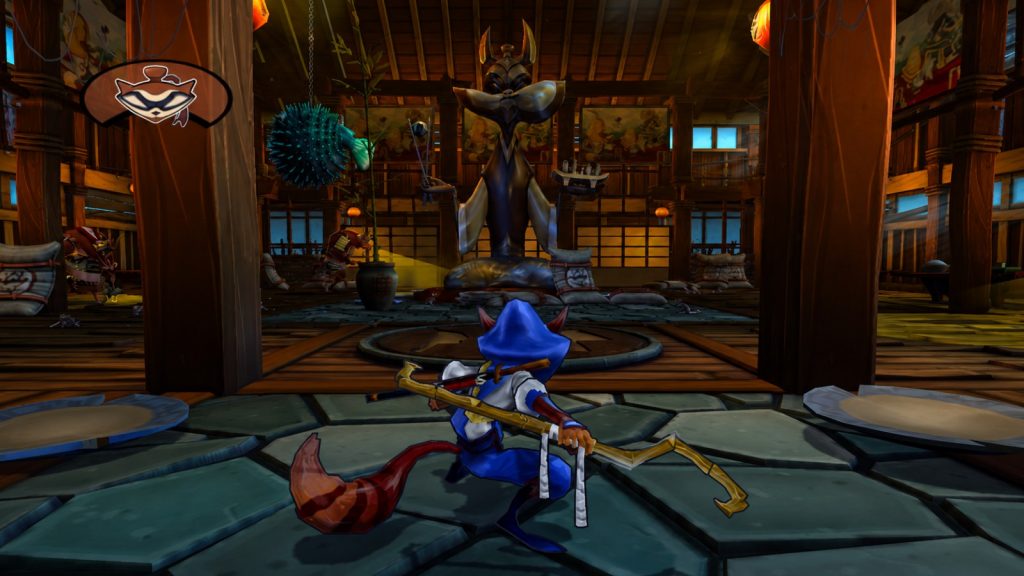
Project Cane shows new Sly Cooper PC footage, but the unofficial native port still needs menus, audio, saving, controls and…
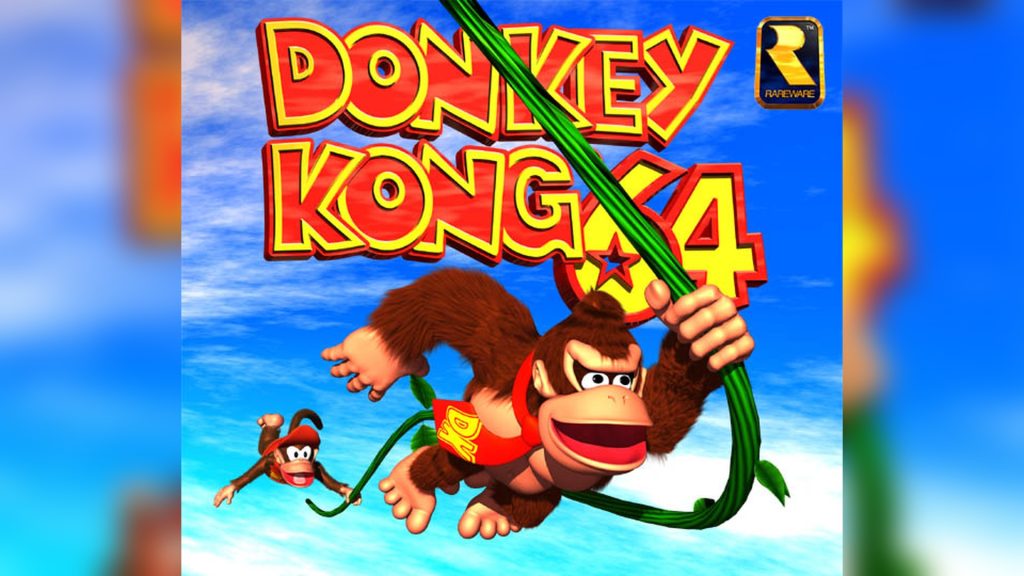
Donkey Kong 64 now runs natively on Windows, Linux and macOS with widescreen, uncapped frame rates, modern controls and optional…
PCSX2 2.8.0 delivers major performance and graphics improvements alongside EyeToy support, interface upgrades and bundled FFmpeg.
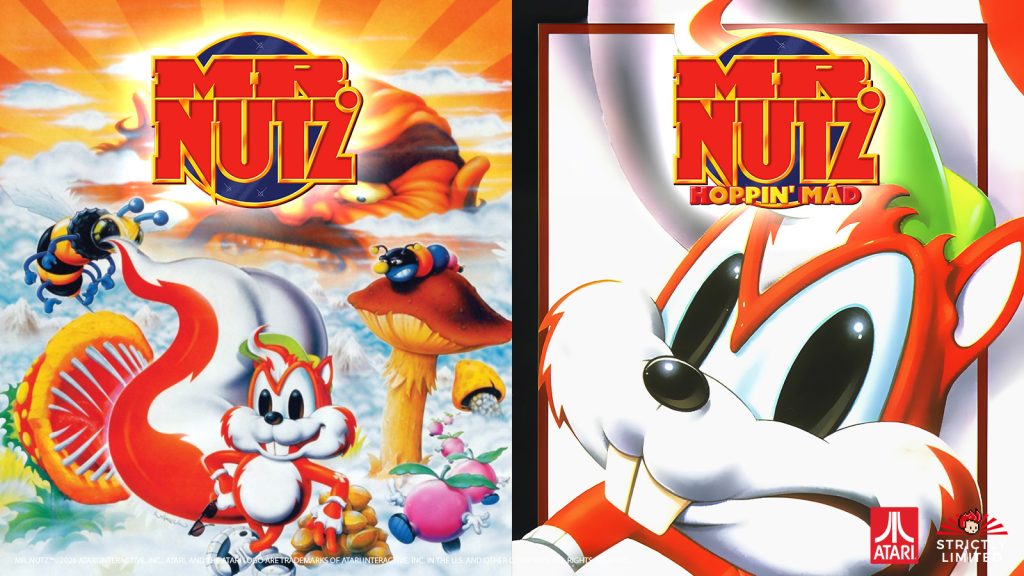
Mr. Nutz and the previously unreleased Mega Drive sequel Hoppin' Mad are receiving new physical cartridges from Strictly Limited Games…
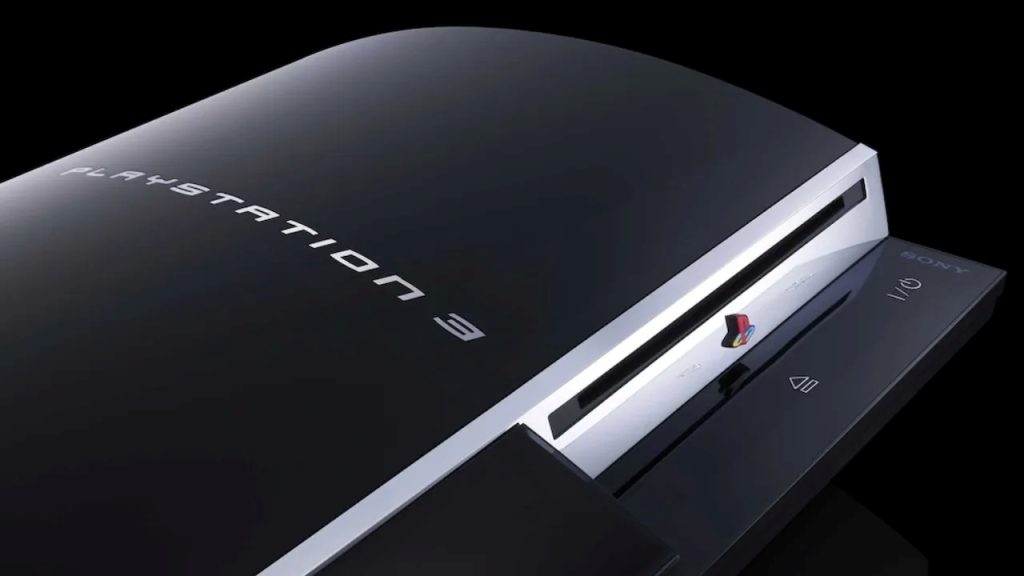
Sony will close the PlayStation 3 Store in July 2027, while RPCS3 fully supports 75% of the console's library, highlighting…
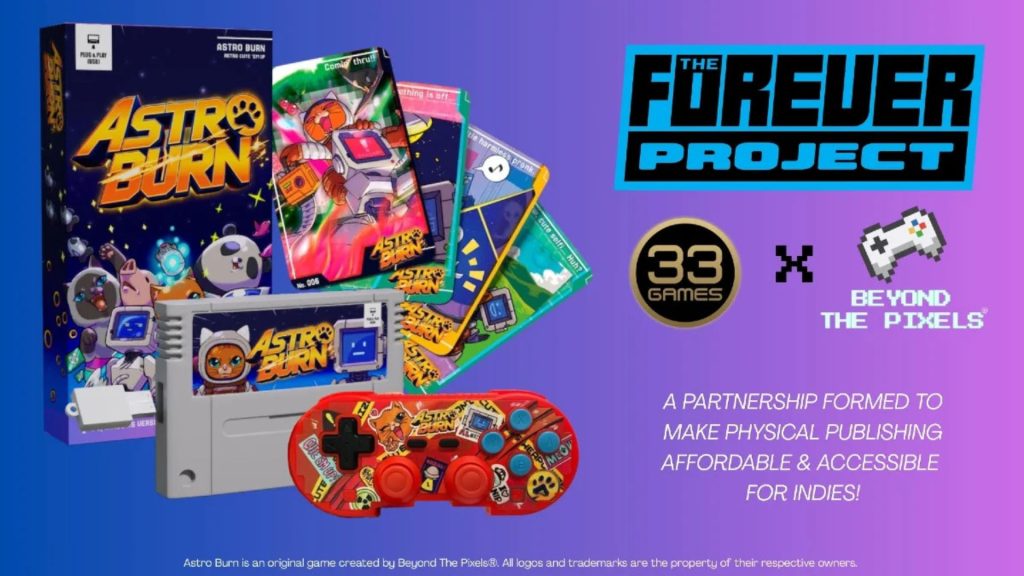
The Forever Project aims to make physical game releases more affordable for indie developers through a partnership between 33 Games…
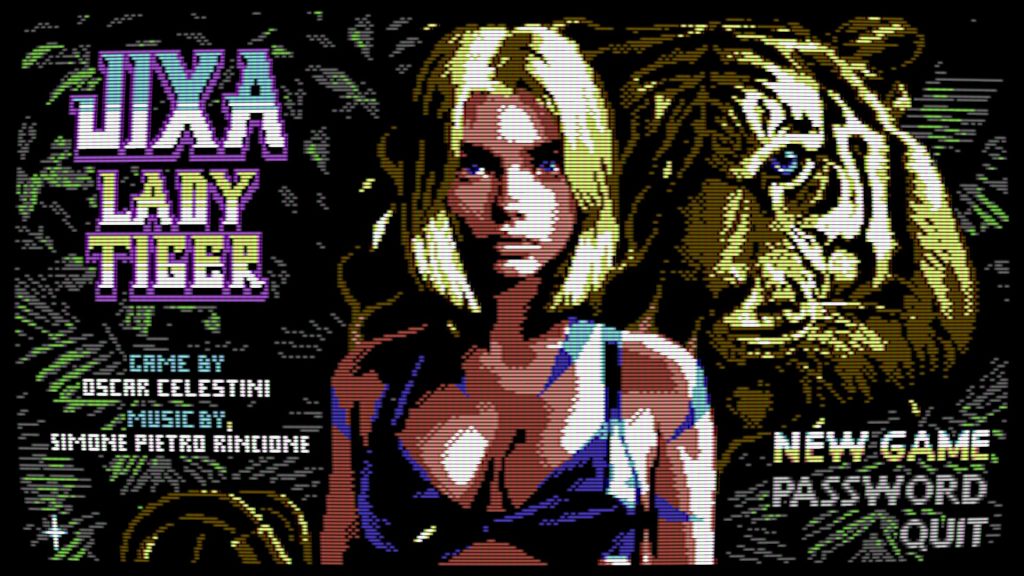
Indie developer Oscar Celestini is expanding his retro-inspired platformer with Jixa Lady Tiger Plus, an enhanced edition that significantly builds…
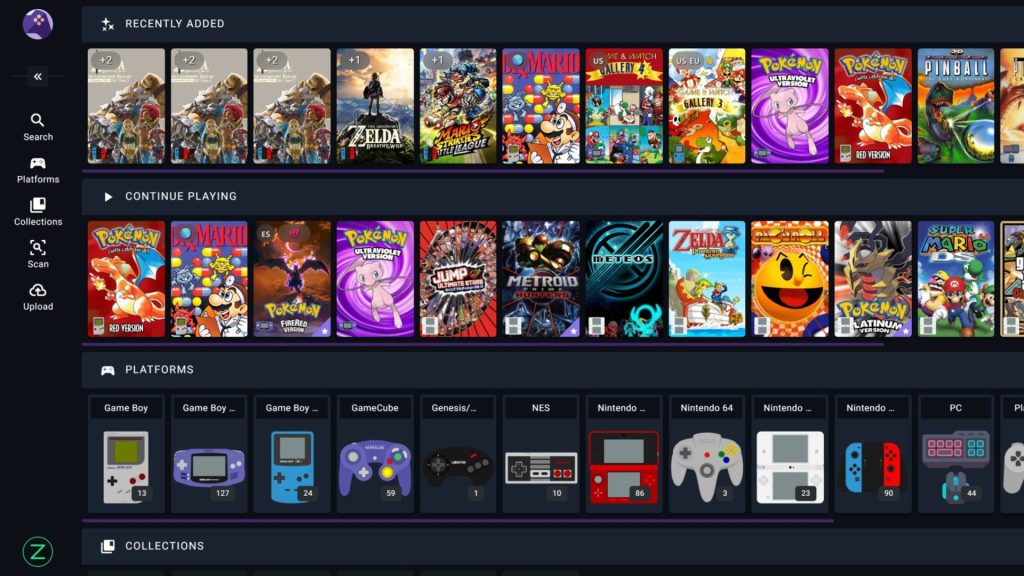
RomM is a free, open-source, self-hosted platform that organizes ROM libraries, fetches metadata, and supports browser-based emulation.
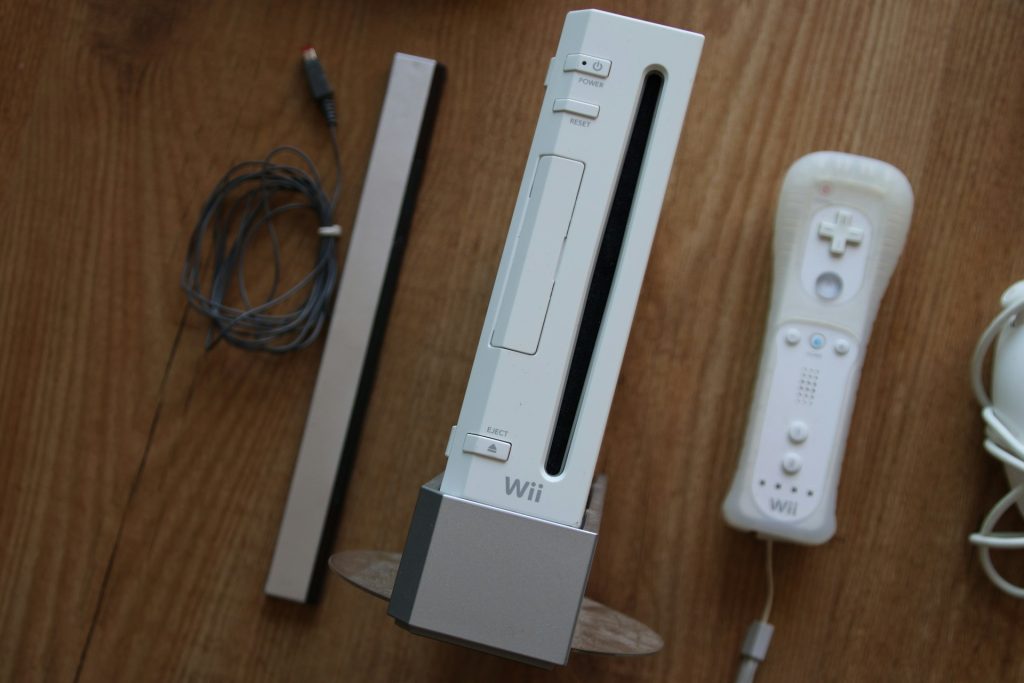
The developers behind Wii64 have released Beta 1.4, marking the Nintendo 64 emulator's first major update in more than five…
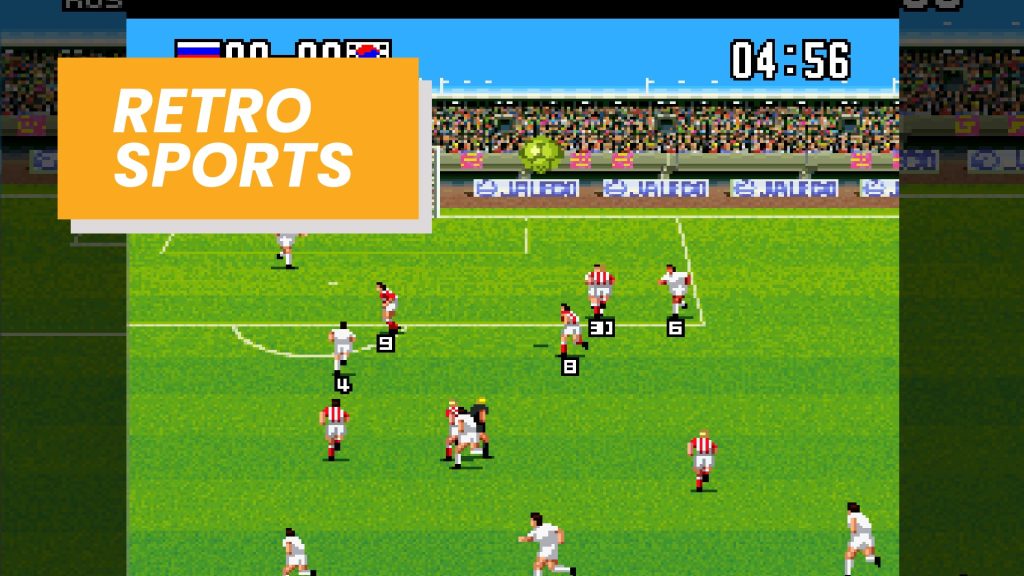
Rock It Games has brought Jaleco Sports: Bases Loaded II and Goal! Two to PC after successful Nintendo Switch and…
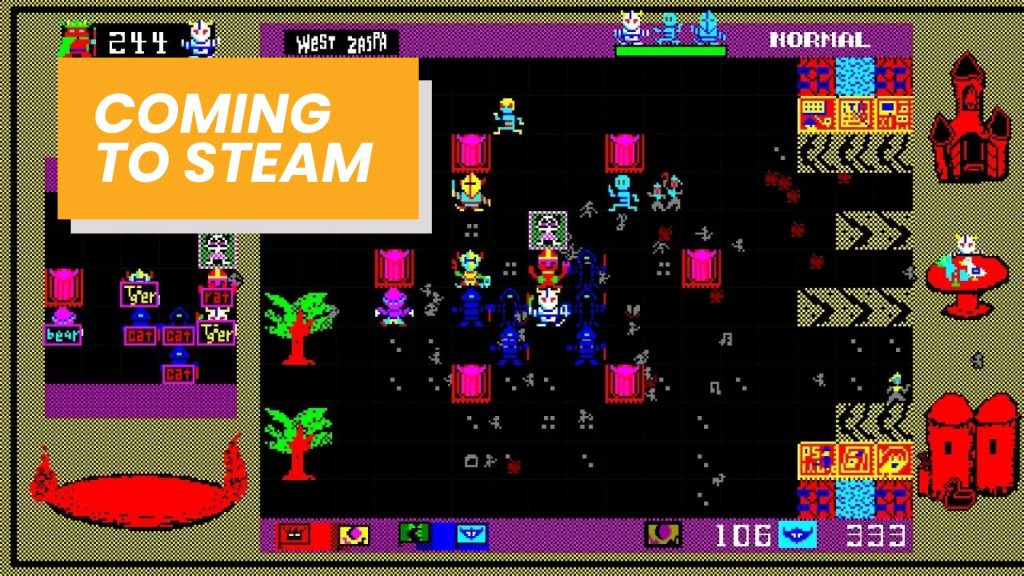
Developer Pygmy Studio has announced that Bokosuka Wars II will launch on PC via Steam in 2026, bringing the tactical…
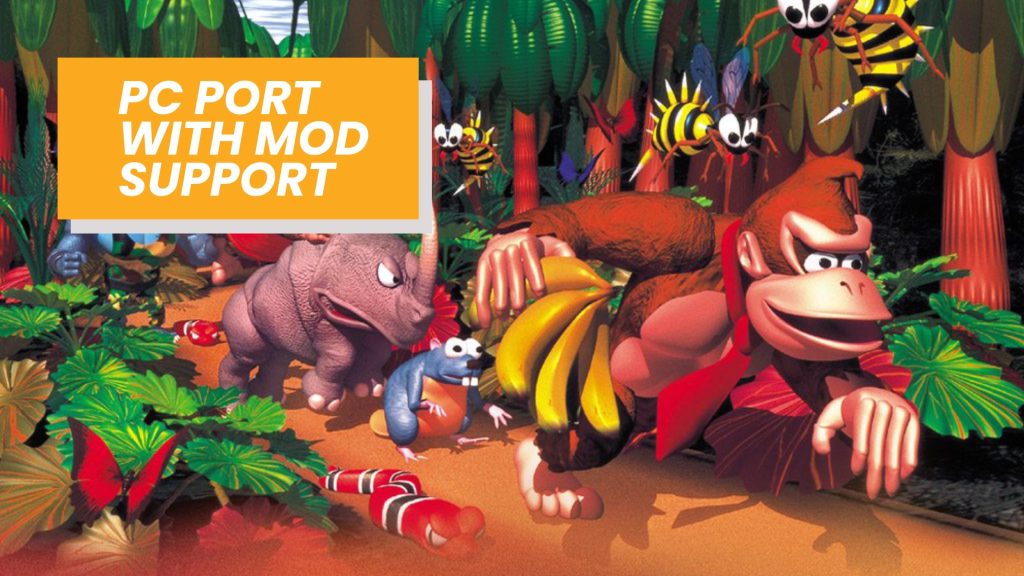
An unofficial native PC port of Donkey Kong 64 is in development, bringing rare's Nintendo 64 classic to modern hardware…
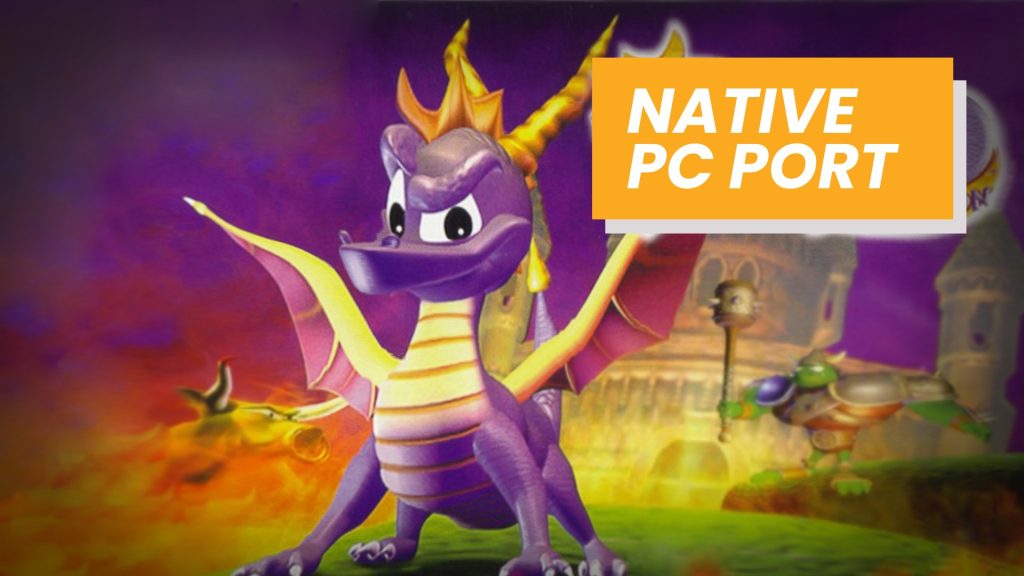
A fan-made native PC port of the original Spyro the Dragon is officially in development, bringing the 1998 PlayStation classic…
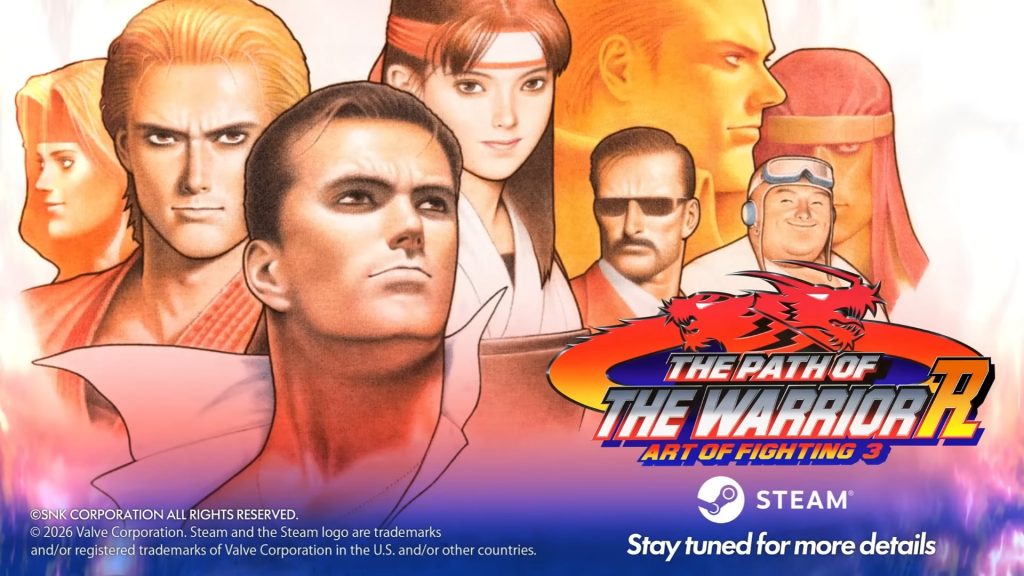
SNK has officially announced The Path of the Warrior: Art of Fighting 3 R, a modernized version of the 1996…
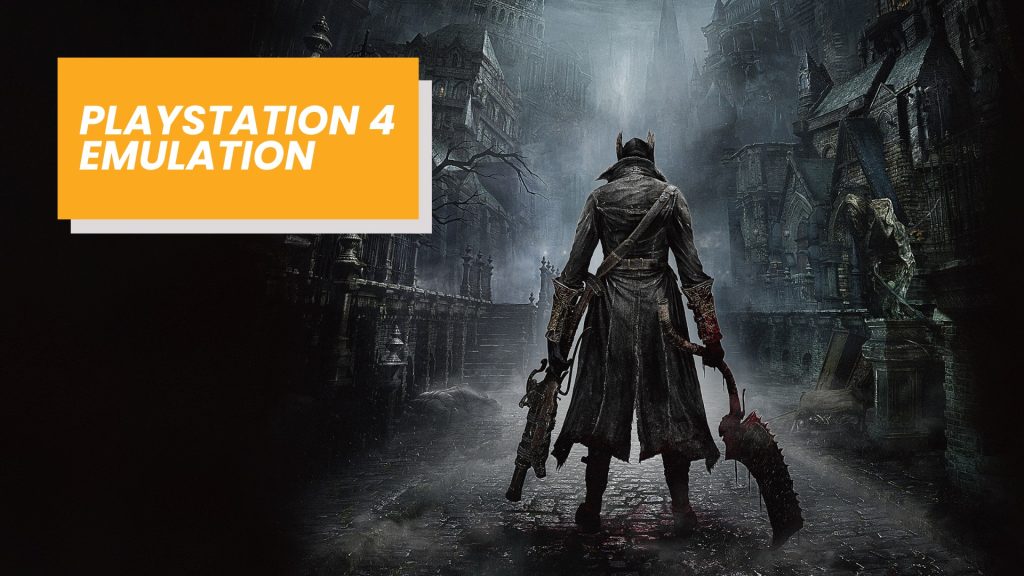
The developers behind ShadPS4 have introduced a major new feature that moves PlayStation 4 emulation closer to a complete experience.
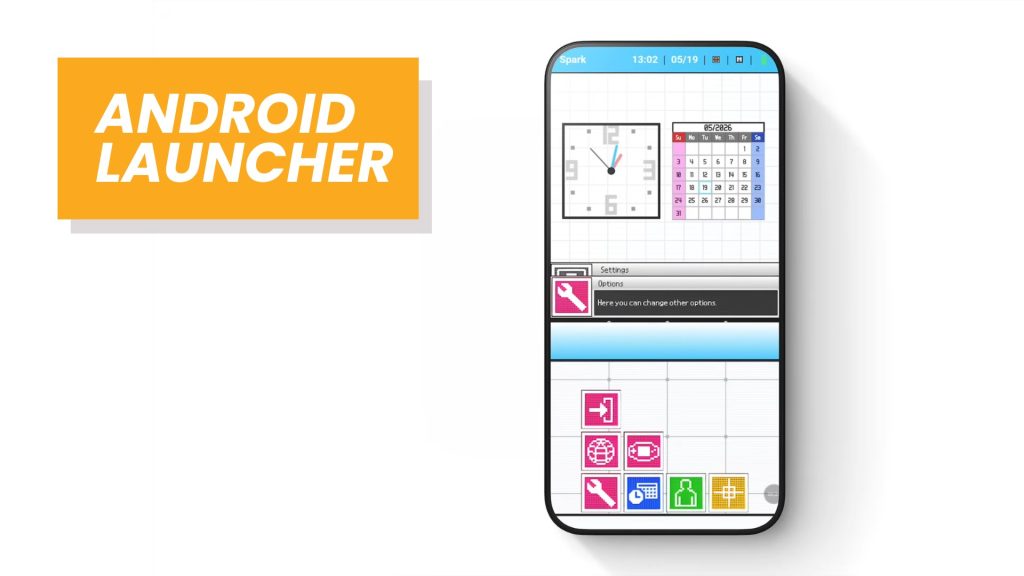
DS & DSi Launcher brings the classic Nintendo DS and DSi interface to Android, giving retro fans a nostalgic way…
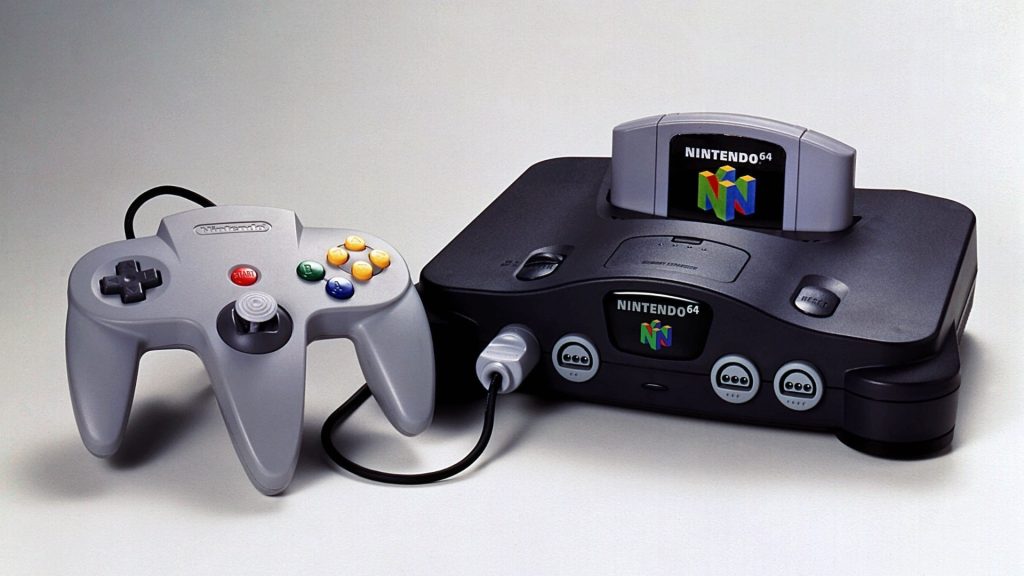
Today marks 30 years since the launch of the Nintendo 64 in Japan, and for many, that's enough to trigger…
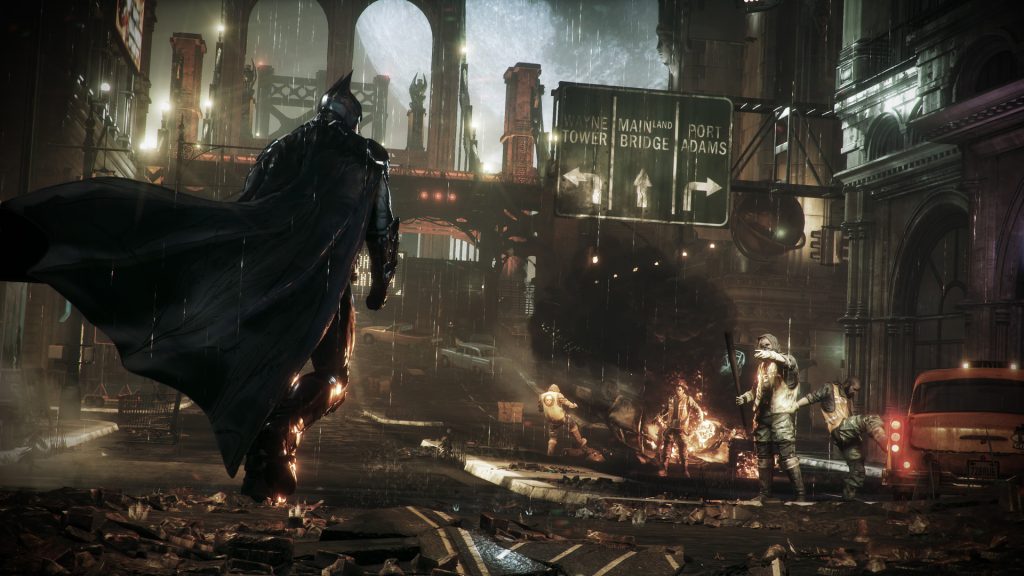
It's hard to believe, but Batman: Arkham Knight is officially 11 years old today. This title was Rocksteady's final chapter…
