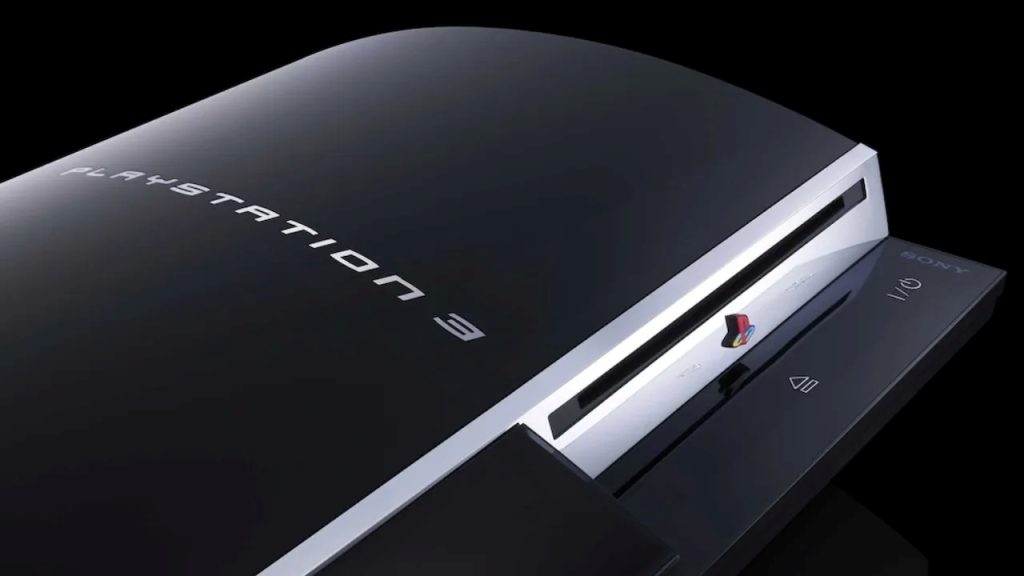
RPCS3 Can Now Play 75% of the PlayStation 3 Library Without Game-Breaking Issues
Sony will close the PlayStation 3 Store in July 2027, while RPCS3 fully supports 75% of the console's library, highlighting…


If you enjoy independent indie game coverage, consider supporting Indie-Games.eu on Patreon. It helps keep the site independent.
The success of The Elder Scrolls IV: Oblivion Remastered has reopened an old question in the gaming industry: how far back should big studios really go when reviving classic games? Bethesda’s 2002 RPG The Elder Scrolls III: Morrowind is once again at the center of attention after Oblivion Remastered attracted more than four million players in just three days following its April 2025 release. While fans have been quick to call for a similar treatment of Morrowind, a recent public disagreement between veteran developers shows why the idea is far more complicated.
Bruce Nesmith, a longtime Bethesda designer who worked on Oblivion and served as lead designer on Skyrim, poured cold water on remake idea in a January 2026 interview. According to Nesmith, nostalgia has softened memories of Morrowind in ways that wouldn’t survive modern scrutiny. He argued that players returning to the game today would likely “cringe” at mechanics that were once accepted as part of the experience.
Particularly, he’s talking about its infamous dice-roll-based combat system, where hits and misses often felt detached from player skill or intent. In his view, Oblivion succeeded as a remaster precisely because its awkward moments were easier to forgive, while Morrowind’s rough edges sit too close to its core systems to be smoothed over.
Beyond design philosophy, Nesmith also pointed to practical obstacles. After more than two decades, Morrowind’s original source code may be incomplete, lost, or impossible to recompile, making a straightforward remaster risky. A full remake, rebuilt over several years in something like the Skyrim engine, could theoretically work, but Nesmith questioned whether such a massive effort would be worth it. Instead, he suggested that Bethesda’s time might be better spent creating new experiences, possibly revisiting Morrowind’s iconic Vvardenfell setting in future entries like The Elder Scrolls VI.
That cautious stance didn’t go unchallenged. Michael Douse, publishing director at Larian Studios and a key figure behind Baldur’s Gate 3, publicly pushed back on Nesmith’s comments in early February 2026. Douse expressed surprise at the skepticism, pointing out that Morrowind, Oblivion, and Skyrim form what he called a “sacred trio” for many RPG fans. From his perspective, the appetite for a Morrowind remake is not only real but proven, especially in the wake of Oblivion Remastered’s explosive reception.
Douse acknowledged that Morrowind’s combat is widely regarded as its weakest element, but argued that this doesn’t disqualify the game from a modern revival. Instead, he suggested that a technically capable studio could reimagine those systems entirely, perhaps using something closer to Fallout’s VATS-style mechanics to preserve RPG depth without relying on invisible dice rolls. With the right approach, he claimed, a remake would “sell like f***ing hot cakes.”
Whether Morrowind ever returns in remade form remains uncertain, but the conversation around it reflects a broader industry tension. Big publishers are increasingly drawn to remasters as safer investments, while developers and players argue over how much of a game’s original “roughness” should be preserved.
Sony will close the PlayStation 3 Store in July 2027, while RPCS3 fully supports 75% of the console's library, highlighting…

The Forever Project aims to make physical game releases more affordable for indie developers through a partnership between 33 Games…

Indie developer Oscar Celestini is expanding his retro-inspired platformer with Jixa Lady Tiger Plus, an enhanced edition that significantly builds…
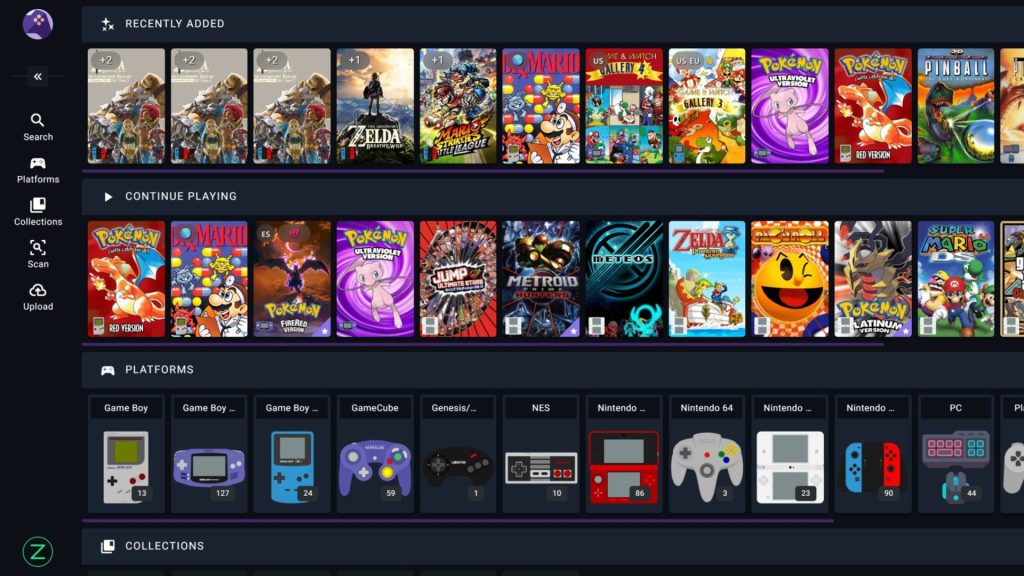
RomM is a free, open-source, self-hosted platform that organizes ROM libraries, fetches metadata, and supports browser-based emulation.
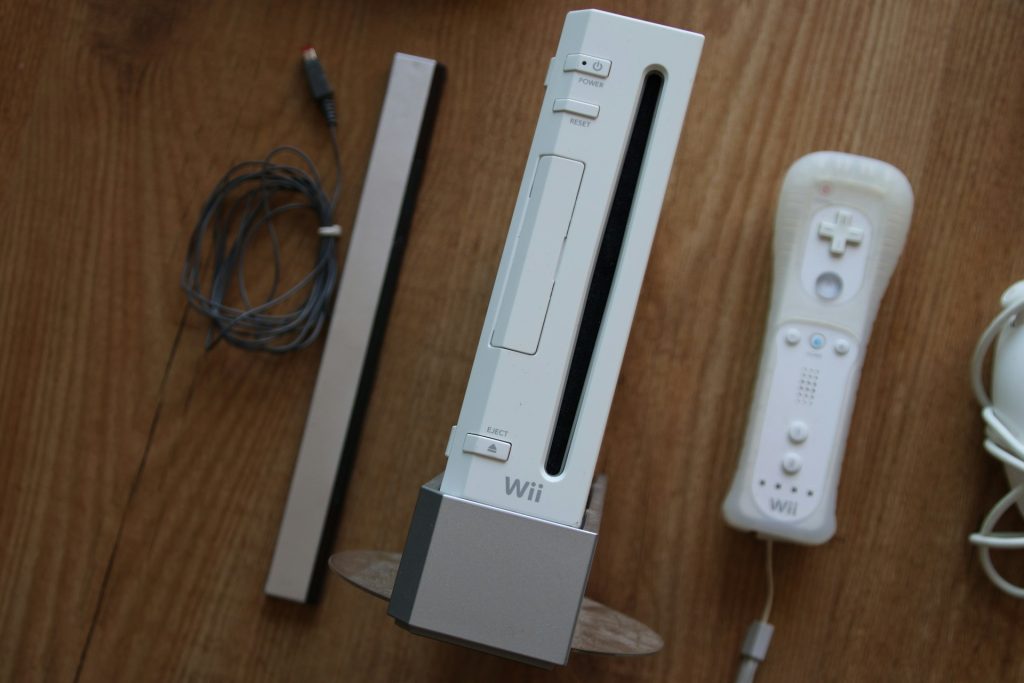
The developers behind Wii64 have released Beta 1.4, marking the Nintendo 64 emulator's first major update in more than five…

Rock It Games has brought Jaleco Sports: Bases Loaded II and Goal! Two to PC after successful Nintendo Switch and…
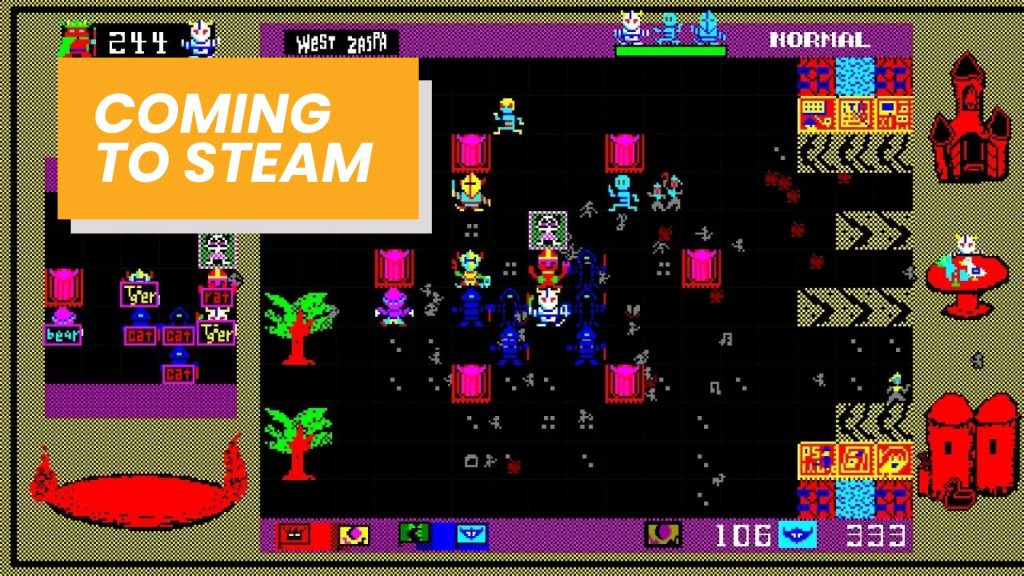
Developer Pygmy Studio has announced that Bokosuka Wars II will launch on PC via Steam in 2026, bringing the tactical…
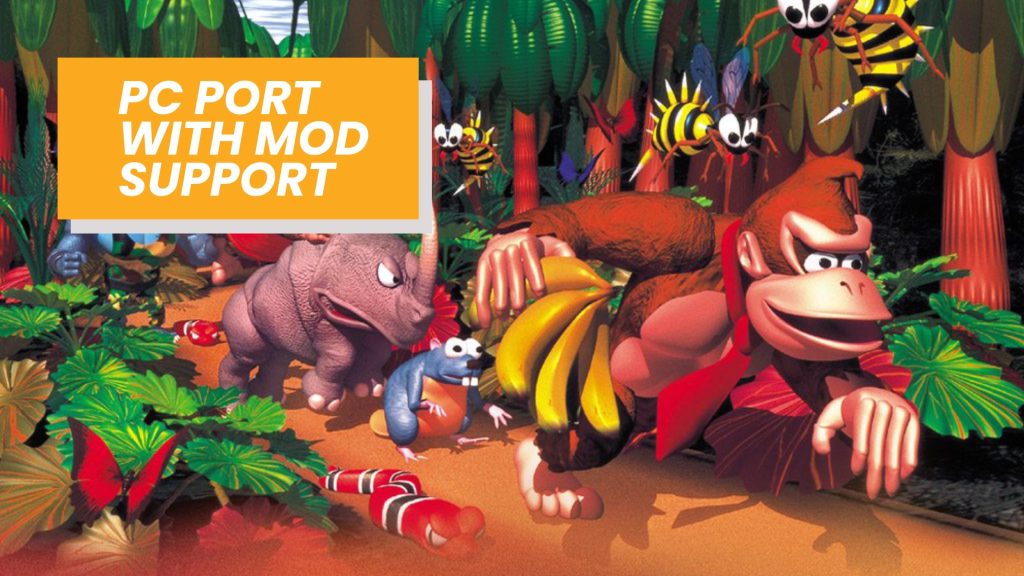
An unofficial native PC port of Donkey Kong 64 is in development, bringing rare's Nintendo 64 classic to modern hardware…
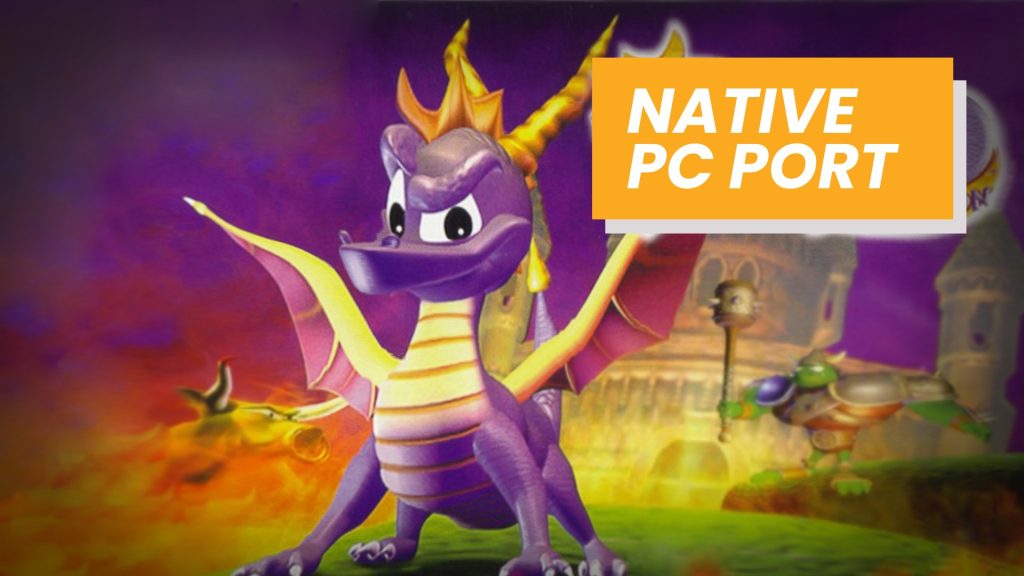
A fan-made native PC port of the original Spyro the Dragon is officially in development, bringing the 1998 PlayStation classic…
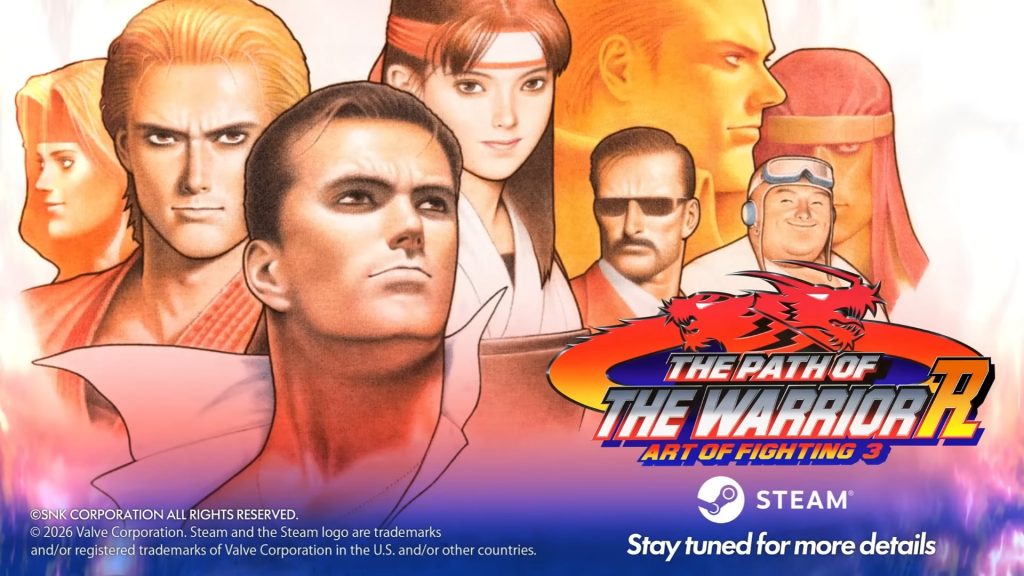
SNK has officially announced The Path of the Warrior: Art of Fighting 3 R, a modernized version of the 1996…
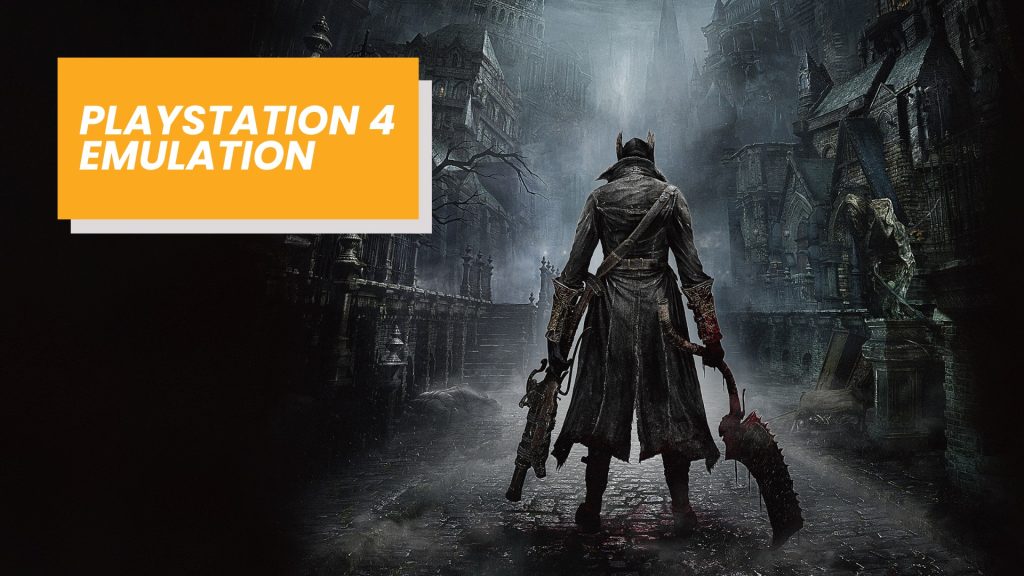
The developers behind ShadPS4 have introduced a major new feature that moves PlayStation 4 emulation closer to a complete experience.

DS & DSi Launcher brings the classic Nintendo DS and DSi interface to Android, giving retro fans a nostalgic way…
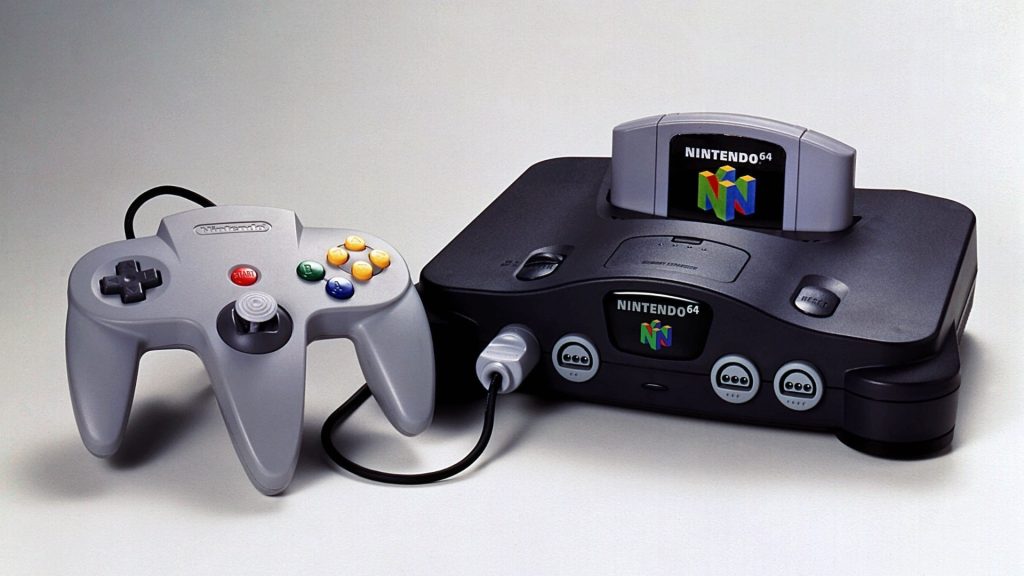
Today marks 30 years since the launch of the Nintendo 64 in Japan, and for many, that's enough to trigger…
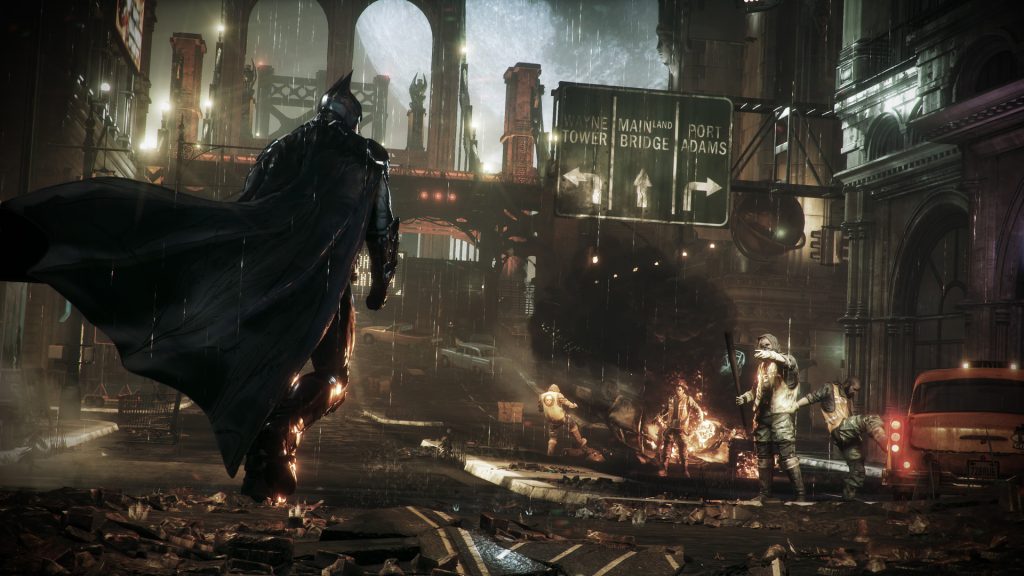
It's hard to believe, but Batman: Arkham Knight is officially 11 years old today. This title was Rocksteady's final chapter…
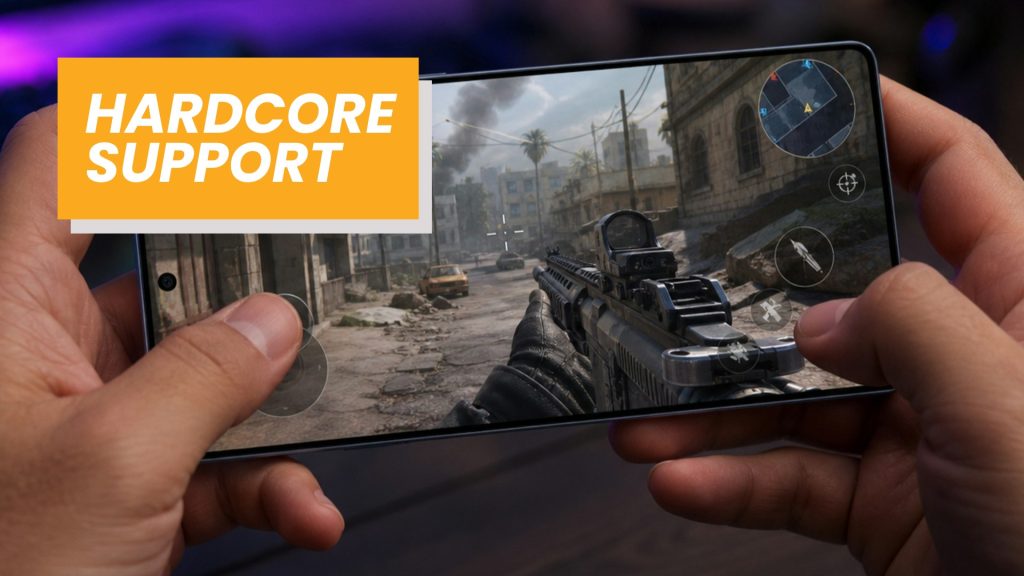
RetroAchievements has officially verified ARMSX2 as a hardcore-compatible emulator, allowing players to earn PlayStation 2 achievements on mobile devices.
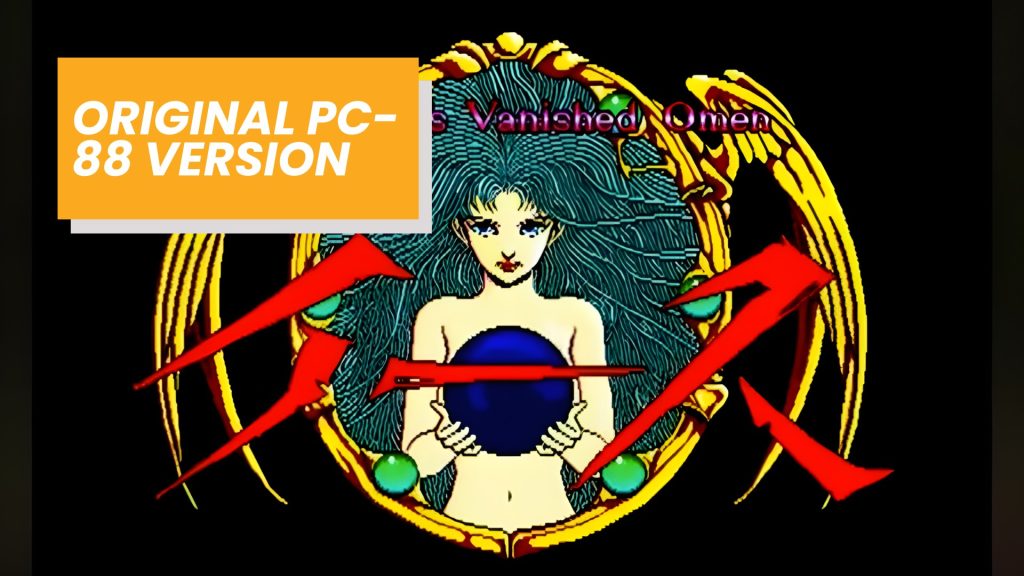
Thanks to a newly released fan translation, players can finally explore the original PC-88 version of Ancient Ys Vanished: Omen…

Soccer Kid Collection is officially out. QUByte Interactive has brought Krisalis Software’s classic platformer back to modern systems.
First public version of a native PC port for the original Silent Hill has been released, allowing players to experience…
The team behind Dusklight has released version 1.4.0, introducing proper mouse support alongside a long list of performance improvements.
Harbour Masters has officially announced Lighthouse, a new Banjo-Kazooie decompilation project (native PC port) scheduled to launch in July.
