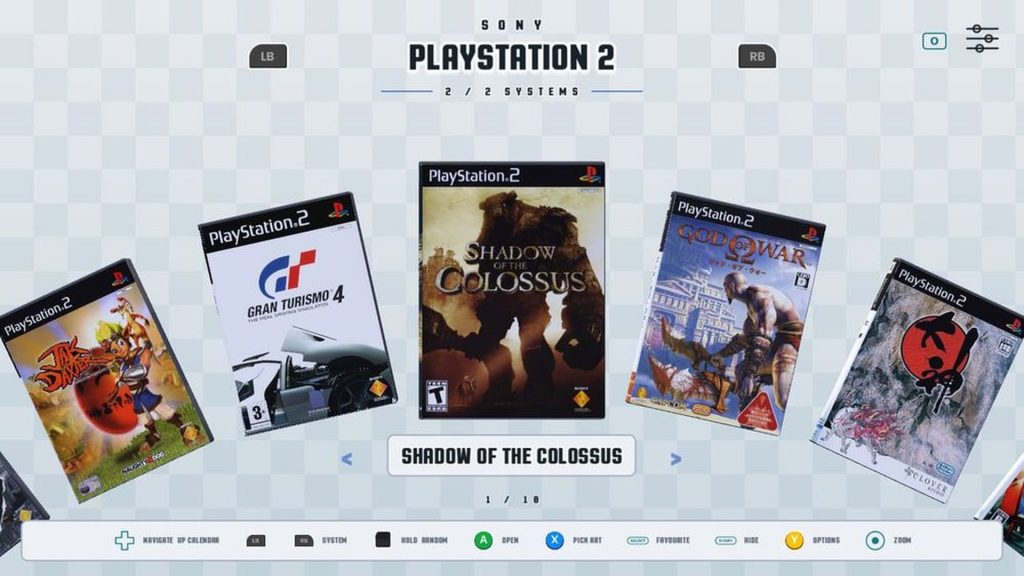
DigiBitPlay Turns Digital Libraries Into Physical Collections
DigiBitPlay presents digital game libraries through interactive 3D boxes, discs, cartridges, consoles and scanned manuals.


If you enjoy independent indie game coverage, consider supporting Indie-Games.eu on Patreon. It helps keep the site independent.
To this day, I don’t regret a single hour I spent playing MotorStorm: Arctic Edge on my PlayStation 2. Not one. It’s one of those games that stuck with me, something I kept thinking about years later, and something I genuinely wanted to return to in 2026 just to see how it would feel now. What still surprises me is that this was the only MotorStorm game released on PS2. It never made the jump to PlayStation 3, yet it did land on the PSP, a weird bit of history for a series that usually aimed big.
Instead of dusty deserts or tropical islands, Arctic Edge throws you straight into a frozen wilderness. Snow, ice, collapsing bridges, avalanches, every race feels like a fight against the environment as much as against other drivers. Back in the day, this game was a straight-up 10/10 for me. I unlocked everything and finished every challenge. Coming back to it now, with years of racing games behind me, it’s clear that it isn’t flawless and some issues stand out more than they used to.
The first thing that still holds up surprisingly well is how the game looks. For a PlayStation 2 title, MotorStorm: Arctic Edge is clean, sharp, and full of atmosphere. Racing through Alaska’s icy wastes, like mountain slopes, frozen rivers, unstable bridges genuinely feels dangerous. Weather and track hazards define almost every race and that unpredictability gives the game a very distinct identity. Yes, it’s “typical PS2 graphics” on paper, but everything is so well-polished that it’s hard not to appreciate the presentation even today.
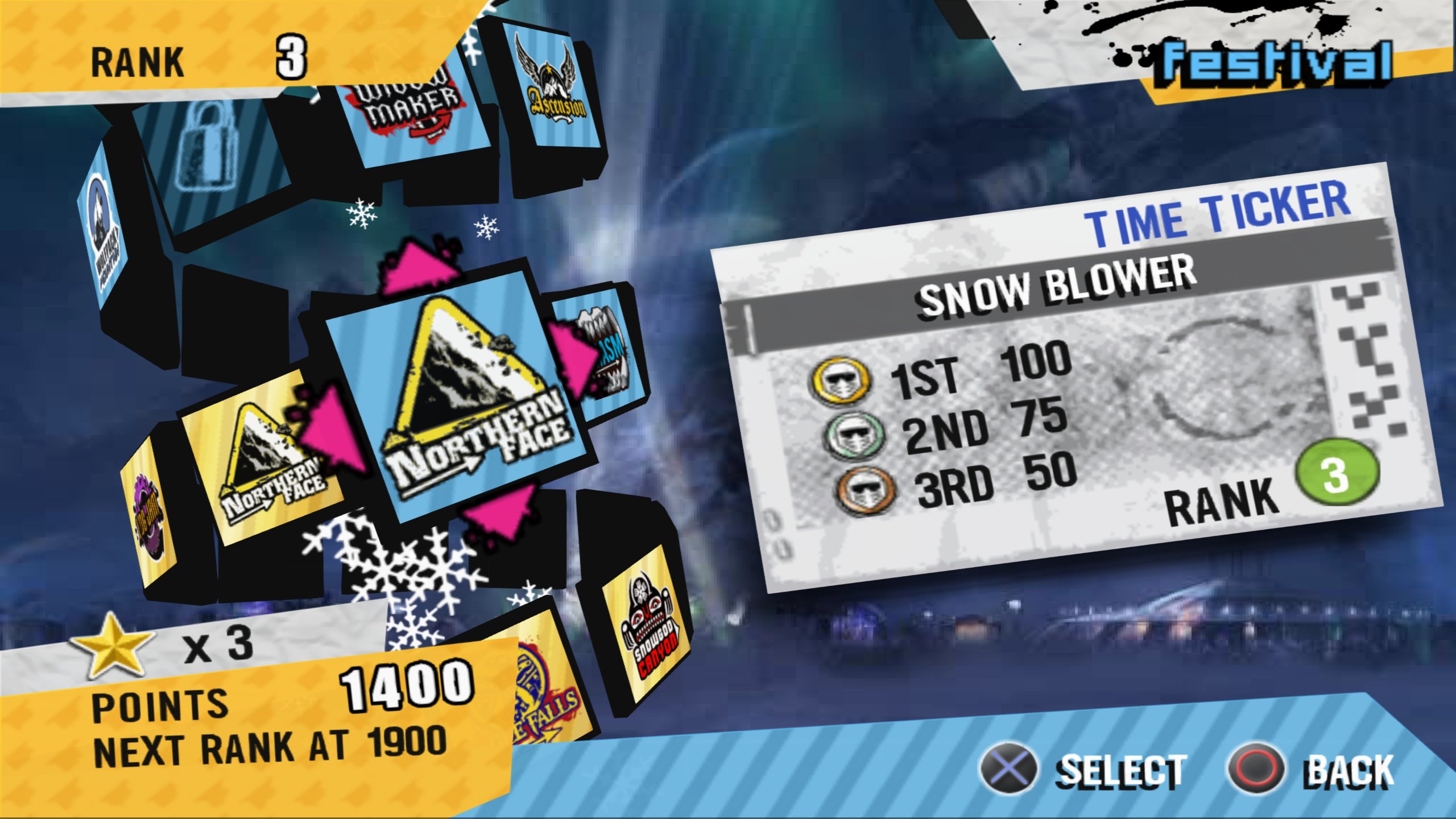
The core progression is simple and familiar. You work through the main campaign, collecting stars to unlock higher tiers, new vehicles, and cosmetic upgrades. Early on, it’s almost too easy. You breeze through races, learn the tracks, get comfortable with the handling, and settle into your favorite vehicle class. Then, somewhere around the fourth tier, the difficulty spikes hard. Suddenly the AI becomes aggressive, smarter, and frustratingly efficient. Winning stops being optional – you need first place to keep progressing, which means replaying races again and again.
That jump in difficulty isn’t necessarily a bad thing, and in some ways it keeps the game from getting boring. But it does feel abrupt, and over time another issue creeps in: repetition. The tracks start blending together, even if you learn their layouts and patterns. There are only a handful of modes beyond standard racing as some let you pick any vehicle, others force a specific class. There’s a point-based mode where the leader earns points over time, and a checkpoint-based speed mode against the clock. Outside the campaign, you get Free Play, which lets you customize races however you like, and Time Attack, where you chase lap times and race against ghost data, either your own or the developers’.
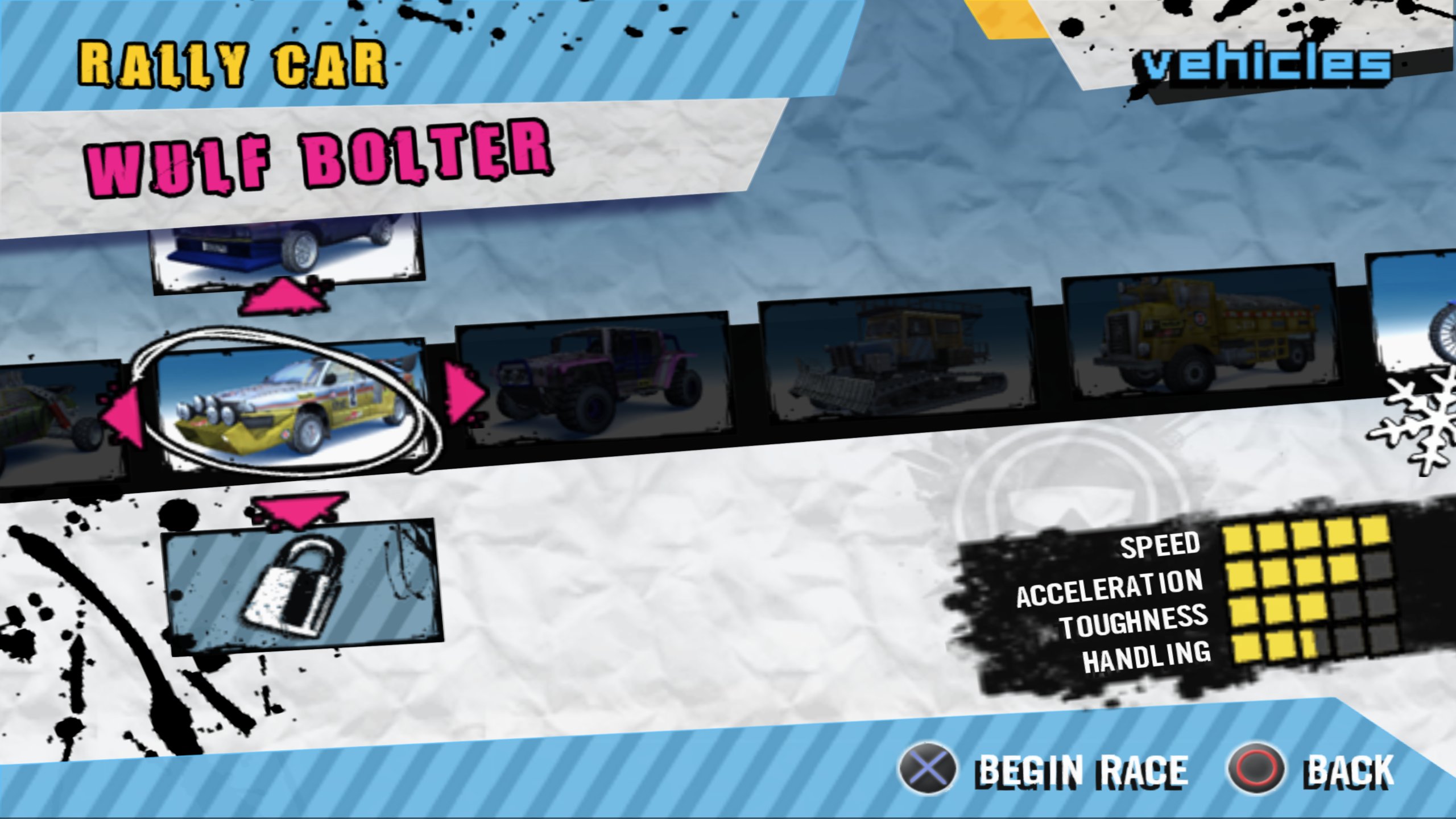
Where Arctic Edge really shines is its vehicle variety. There are 24 vehicles spread across eight classes: Bikes, ATVs, Snow Machines, Buggies, Rally Cars, Snowpluggers, Snow Cats, and Big Rigs. Every vehicle can be customized visually, and each class has distinct stats for speed, acceleration, toughness, and handling. Those stats actually matter too. A nimble vehicle with good handling makes drifting and tight turns manageable, while heavier vehicles dominate straight paths but struggle elsewhere.
The environmental hazards add a lot to the chaos. Icy bridges are a constant threat that light vehicles can cross safely, while heavier ones can collapse them entirely, sending unlucky opponents crashing down below. Avalanches can be triggered by vehicle explosions or even blasting your horn, wiping out anyone caught in their path. As you climb higher into the mountains, the snow thickens, making surfaces even more slippery. The boost cooldown system from Pacific Rift returns as well, encouraging you to drive through water or deep snow to manage overheating.
Driving itself is fairly easy to grasp. You have a boost with a hard limit: push it too far and your vehicle explodes. There’s no proper drifting system, just sliding and weight-based movement. Handling varies wildly depending on what you’re driving. Bikes swerve constantly, heavy vehicles take ages to turn, and the sense of speed can feel inconsistent from track to track. Snow Cats and Big Rigs often feel sluggish, especially on narrow, icy routes, while lighter vehicles feel fast and agile but shatter the moment you make a mistake.
Personally, I never really minded this. The game fully embraces an arcade-style approach, and once you accept that, it works. It becomes less about perfect handling and more about mastering specific vehicles for specific tracks. One of my favorite things is still the sheer physicality of races – knocking riders off bikes, slamming opponents into barriers, and turning every race into a battle of positioning and timing rather than pure speed.
There are 12 tracks in total, each with a reverse variant, and honestly, they’re all memorable. The soundtrack helps a lot here, it’s the kind of music you could just sit and listen to in the menu without even racing. There are also some notable differences between versions. The PSP release includes Photo Mode, custom soundtracks, and online multiplayer for up to six players, while the PS2 version focuses on split-screen multiplayer similar to Pacific Rift. Time Attack leaderboards are PSP-exclusive due to the PS2’s lack of online support, though the mode itself is still playable offline.
Looking back, MotorStorm: Arctic Edge is a messy, chaotic, and genuinely fun racing game that reimagines the MotorStorm formula in a harsh, frozen setting. It’s at its best when you lean into the chaos: mastering tracks, experimenting with vehicles, and accepting that things will go wrong. Players looking for clean realism or perfectly consistent handling will definitely notice the cracks, especially in the AI and physics.
But if you treat Arctic Edge for what it really is, a fast, loud, arcade-style off-road racer, it still delivers. It may not match bigger console racers in scale or polish, but it nails what matters most: speed, danger, and that constant feeling that everything could fall apart at any moment. And honestly? That’s exactly why I still remember it so fondly.
| Label | Meaning | Description |
|---|---|---|
| Timeless Classic | ⭐⭐⭐⭐⭐ | A retro game that remains outstanding today — endlessly replayable and still a joy to experience. |
| Aged but Golden | ⭐⭐⭐⭐ | Some mechanics have aged, but the fun, charm, or innovation still shines through. |
| Of Its Time | ⭐⭐⭐ | Enjoyable mainly for nostalgia — solid in context, but dated by today’s standards. |
| Left in the Past | ⭐⭐ | Historically interesting, but frustrating or dull to actually play now. |
| Retro Relic | ⭐ | Best remembered, not replayed — a museum piece more than a game. |
DigiBitPlay presents digital game libraries through interactive 3D boxes, discs, cartridges, consoles and scanned manuals.
Project Cane shows new Sly Cooper PC footage, but the unofficial native port still needs menus, audio, saving, controls and…
Donkey Kong 64 now runs natively on Windows, Linux and macOS with widescreen, uncapped frame rates, modern controls and optional…
PCSX2 2.8.0 delivers major performance and graphics improvements alongside EyeToy support, interface upgrades and bundled FFmpeg.
Mr. Nutz and the previously unreleased Mega Drive sequel Hoppin' Mad are receiving new physical cartridges from Strictly Limited Games…
Sony will close the PlayStation 3 Store in July 2027, while RPCS3 fully supports 75% of the console's library, highlighting…

The Forever Project aims to make physical game releases more affordable for indie developers through a partnership between 33 Games…

Indie developer Oscar Celestini is expanding his retro-inspired platformer with Jixa Lady Tiger Plus, an enhanced edition that significantly builds…
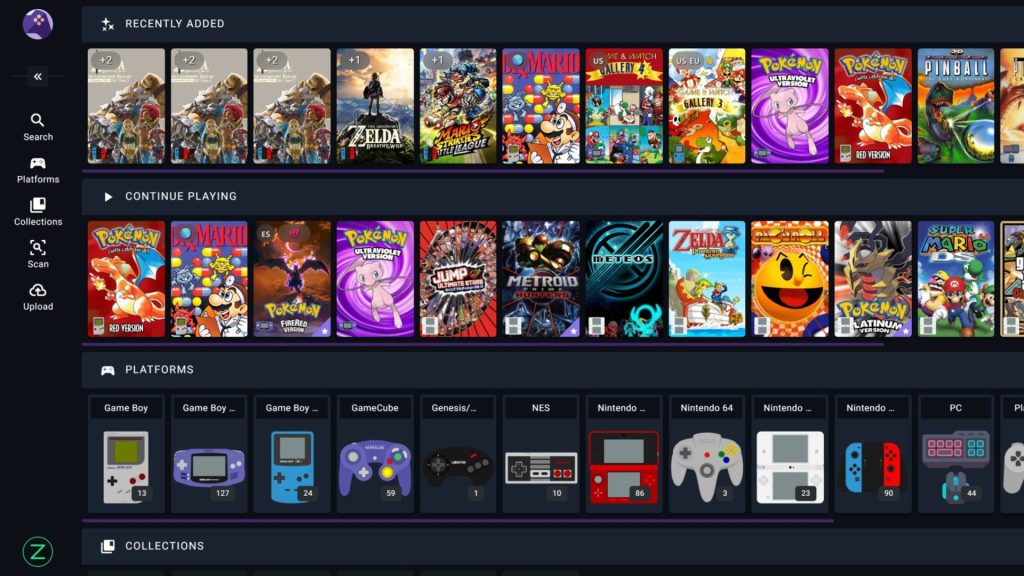
RomM is a free, open-source, self-hosted platform that organizes ROM libraries, fetches metadata, and supports browser-based emulation.
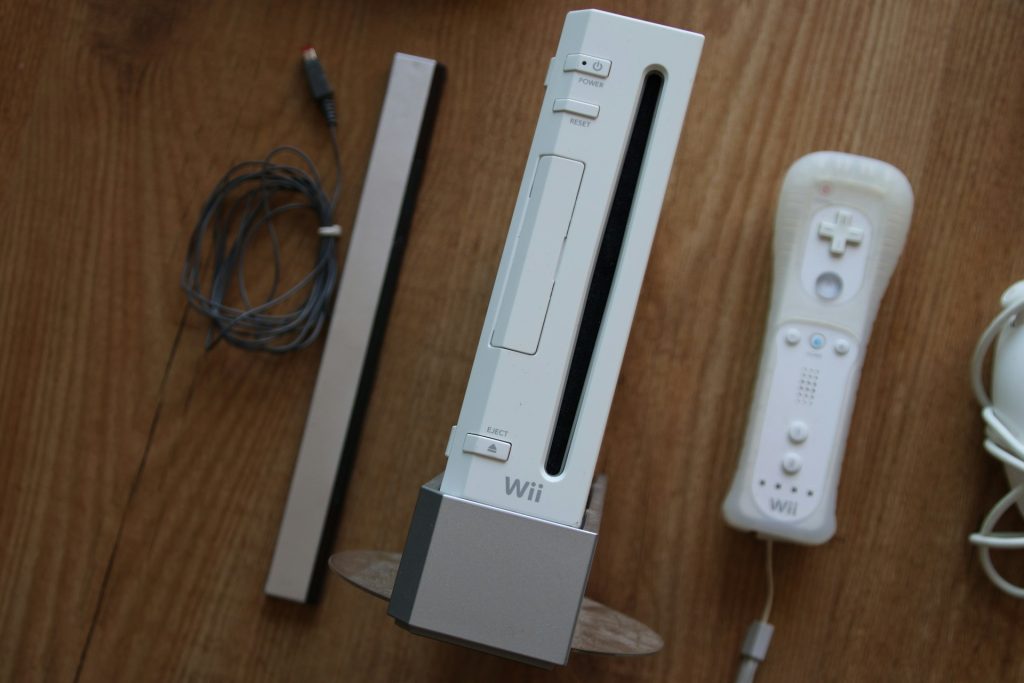
The developers behind Wii64 have released Beta 1.4, marking the Nintendo 64 emulator's first major update in more than five…
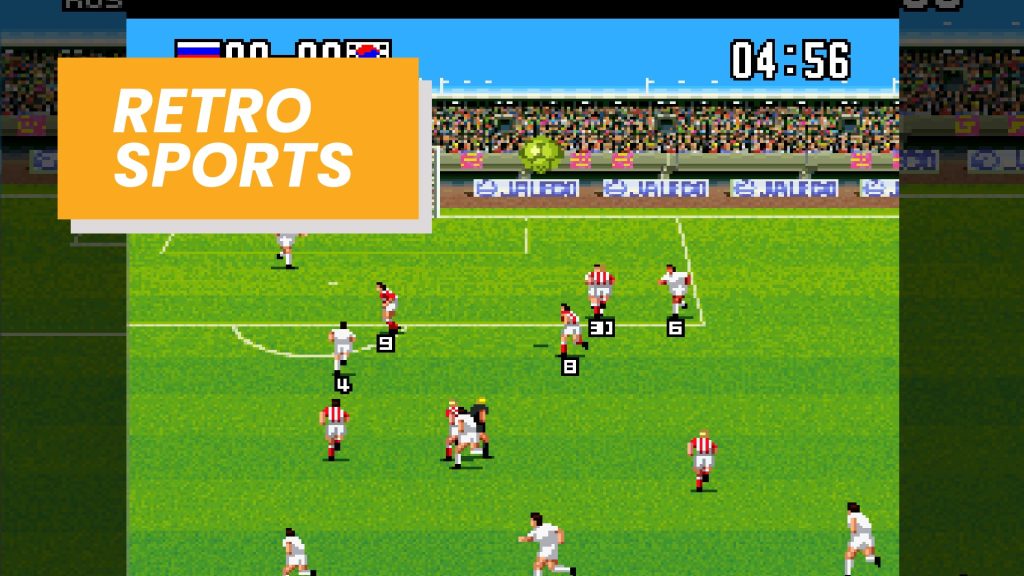
Rock It Games has brought Jaleco Sports: Bases Loaded II and Goal! Two to PC after successful Nintendo Switch and…
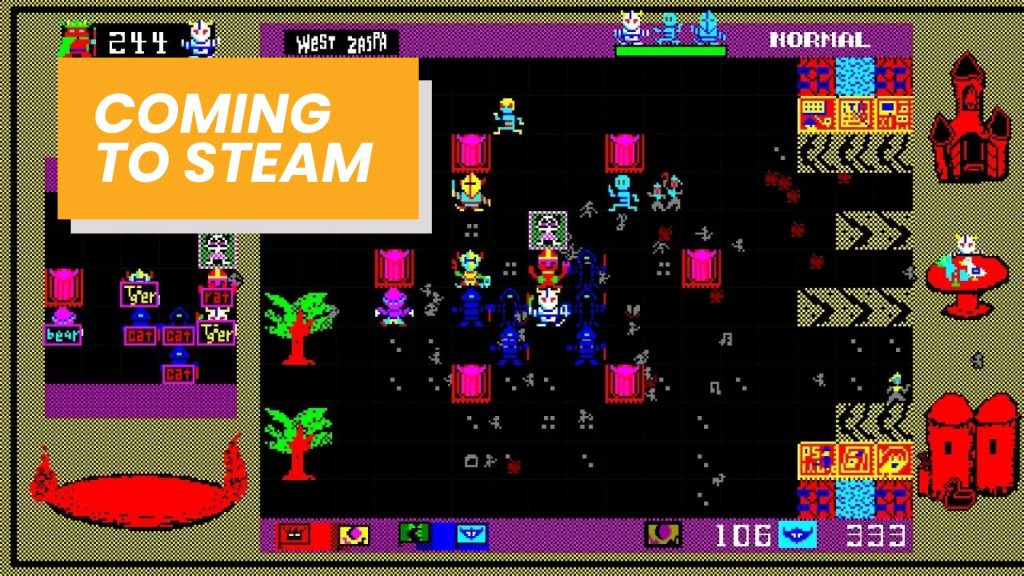
Developer Pygmy Studio has announced that Bokosuka Wars II will launch on PC via Steam in 2026, bringing the tactical…
An unofficial native PC port of Donkey Kong 64 is in development, bringing rare's Nintendo 64 classic to modern hardware…
A fan-made native PC port of the original Spyro the Dragon is officially in development, bringing the 1998 PlayStation classic…
SNK has officially announced The Path of the Warrior: Art of Fighting 3 R, a modernized version of the 1996…
The developers behind ShadPS4 have introduced a major new feature that moves PlayStation 4 emulation closer to a complete experience.
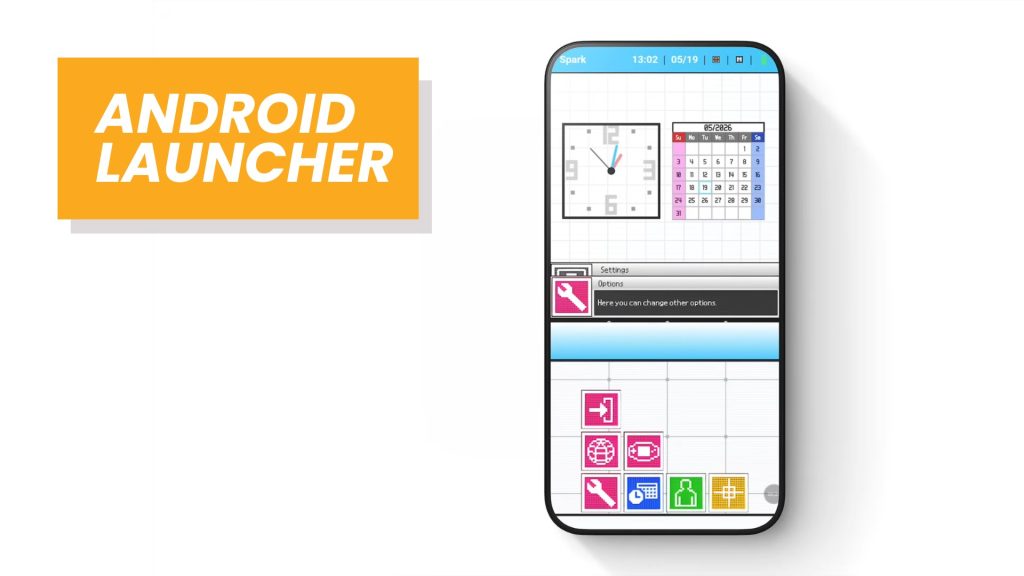
DS & DSi Launcher brings the classic Nintendo DS and DSi interface to Android, giving retro fans a nostalgic way…
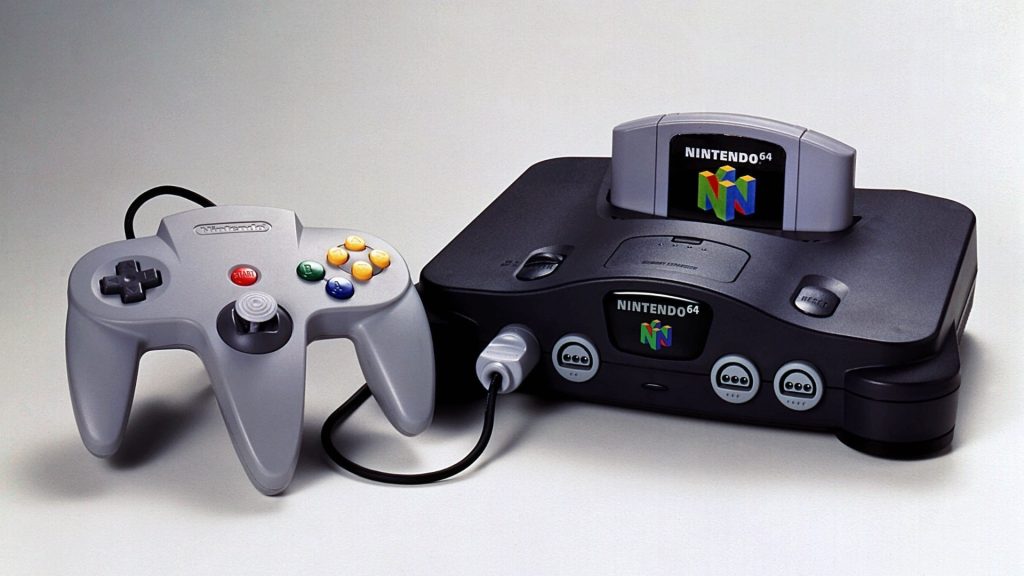
Today marks 30 years since the launch of the Nintendo 64 in Japan, and for many, that's enough to trigger…
It's hard to believe, but Batman: Arkham Knight is officially 11 years old today. This title was Rocksteady's final chapter…
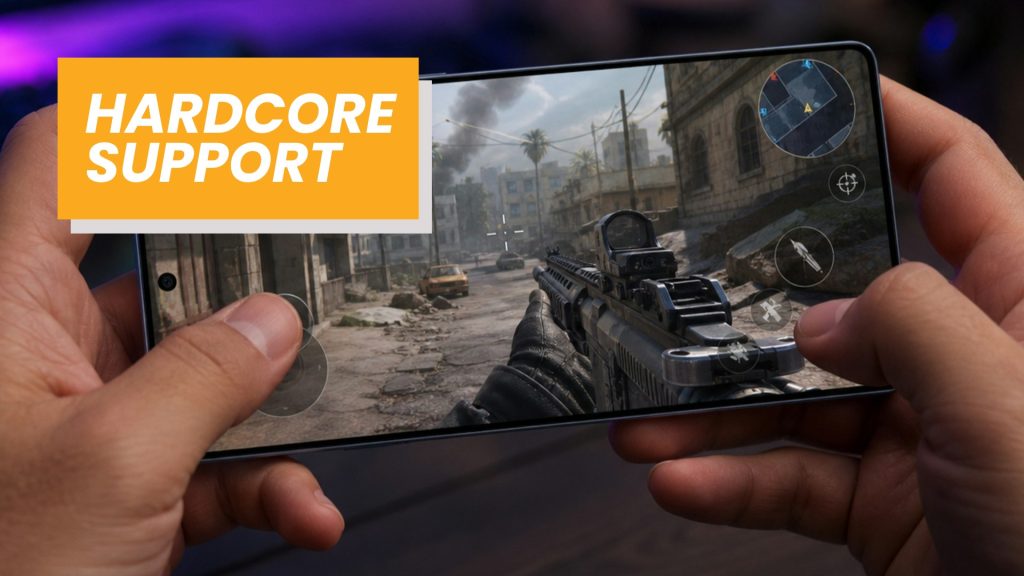
RetroAchievements has officially verified ARMSX2 as a hardcore-compatible emulator, allowing players to earn PlayStation 2 achievements on mobile devices.
