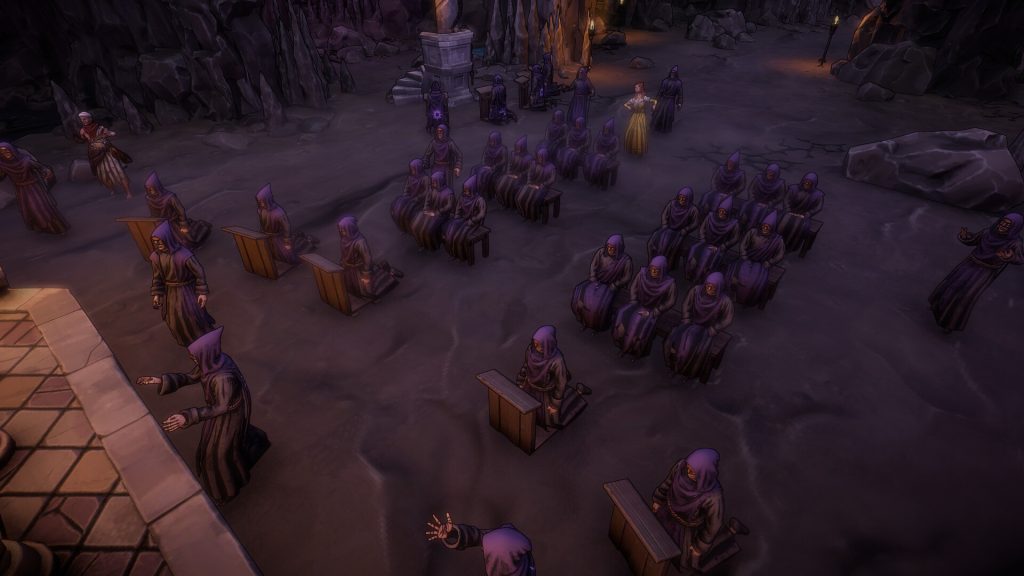
The Lunacy Lets You Build a Secret Cult Beneath Inquisition-Era Spain
Above the Desk, the studio behind Above the Snow, has announced The Lunacy: That Game About a Cult, a dark-comedy…


If you enjoy independent indie game coverage, consider supporting Indie-Games.eu on Patreon. It helps keep the site independent.
In the world of PC and console gaming, successful launches often resemble the film industry: high stakes, unpredictable outcomes, and dependence on strong initial momentum. On Steam, wishlists serve as a valuable indicator of interest, but converting them into actual sales remains notoriously unreliable, as analyzed by GameDiscoverCo.
A recent example highlights the challenge of turning wishlists into purchases: The Axis Unseen, a first-person fantasy horror game developed solo by former Bethesda designer Nate Purkeypile, launched on October 22, 2024. With more than 150,000 Steam wishlists prior to release, expectations were high. However, the game peaked at only 86 concurrent users (CCU) and achieved a conversion rate of just 0.02–0.03x, far below predictions.
High wishlists ≠ guaranteed sales
While many games may expect a wishlist conversion rate around 0.17x in the first week (meaning 17% of wishlisters end up buying the game), The Axis Unseen saw rates closer to 2–3%. This unusually low conversion puzzled analysts, especially given the game’s strong visuals and Purkeypile’s industry experience. Several factors may explain the gap between wishlist interest and actual sales:
The case of The Axis Unseen highlights the importance of understanding the type of audience behind your wishlists. A large wishlist count doesn’t necessarily represent strong purchase intent; it may reflect curiosity rather than commitment. Games that attract shallow interest or fall into broadly defined genres without clear market comps often experience unpredictable launch-day performance.
A key takeaway for developers is that not all wishlists are equal. Games in underserved niches or with well-established gameplay expectations tend to gather more committed wishlists and, therefore, higher conversion rates. In contrast, unique or less clearly defined genres may accumulate “looks cool” wishlists that do not reliably translate into day-one sales.
Above the Desk, the studio behind Above the Snow, has announced The Lunacy: That Game About a Cult, a dark-comedy…
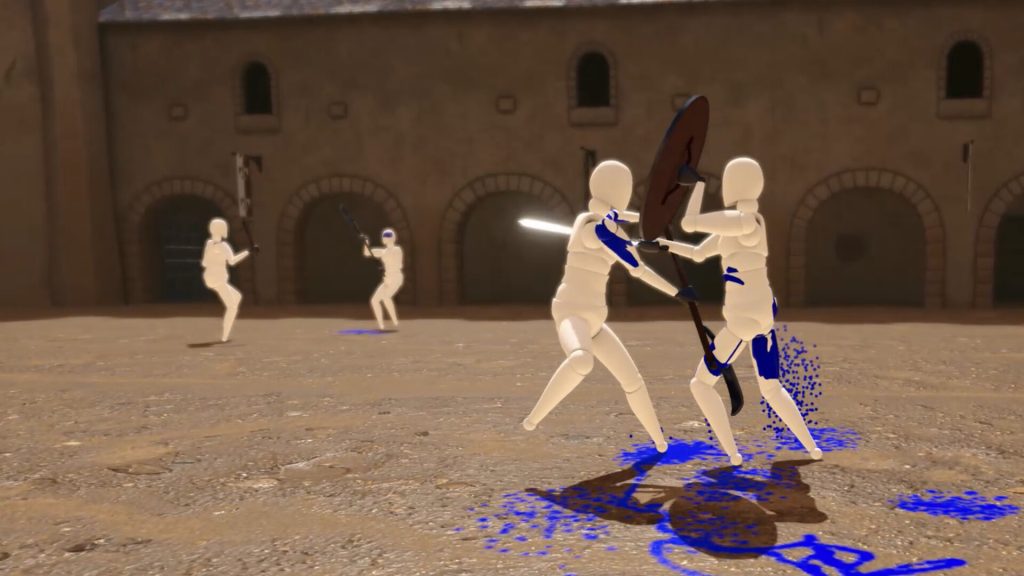
Gladio Mori leaves Steam Early Access and launches for PC, PlayStation 5 and Xbox Series X|S in September 2026, with…
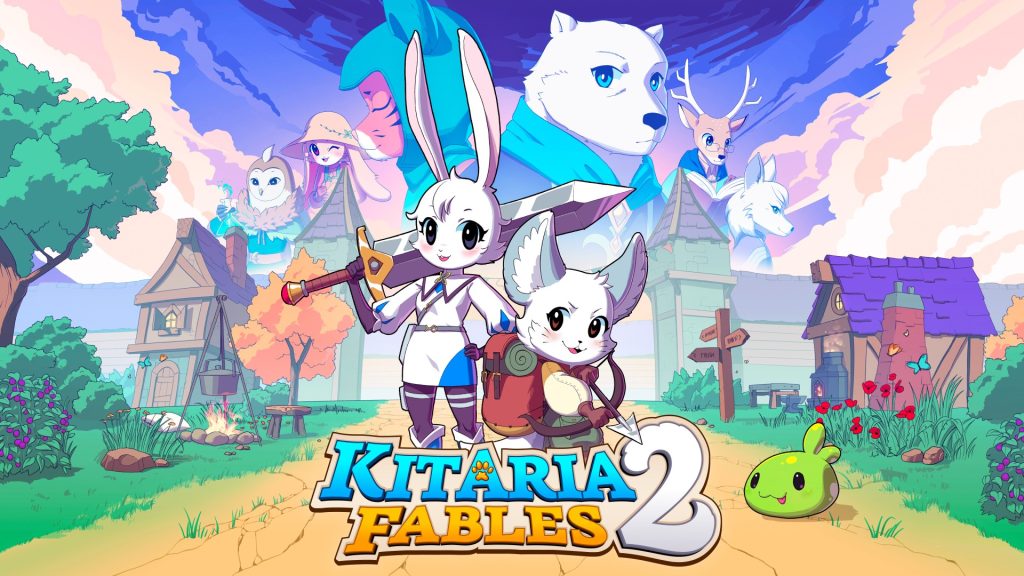
Kitaria Fables 2 will hold a closed Steam beta from September 7th to 21st, 2026, offering selected players roughly 60…
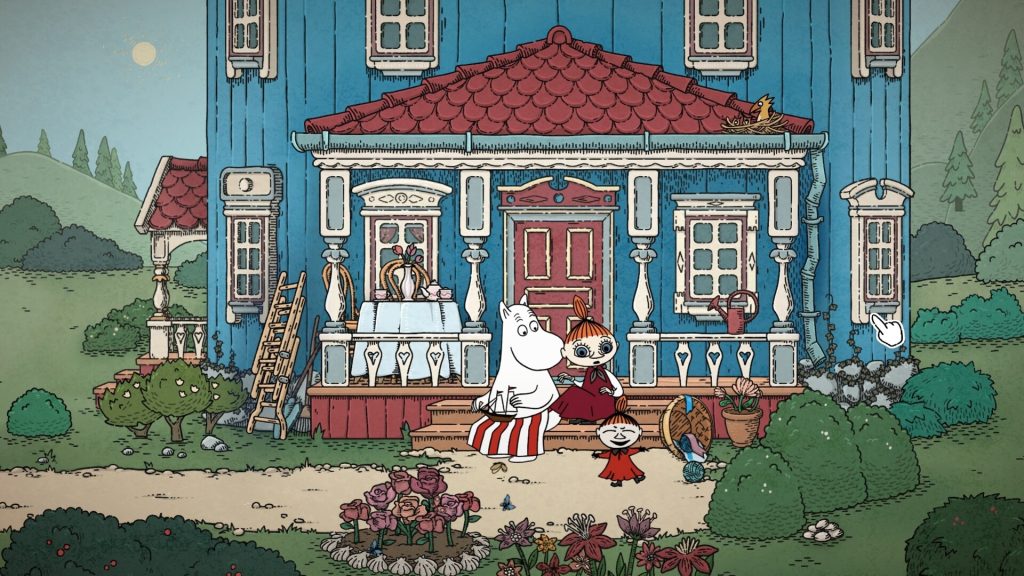
Midsummer Madness launches for PC, Nintendo Switch and Switch 2 in November 2026, following an exclusive one-day gamescom demo in…
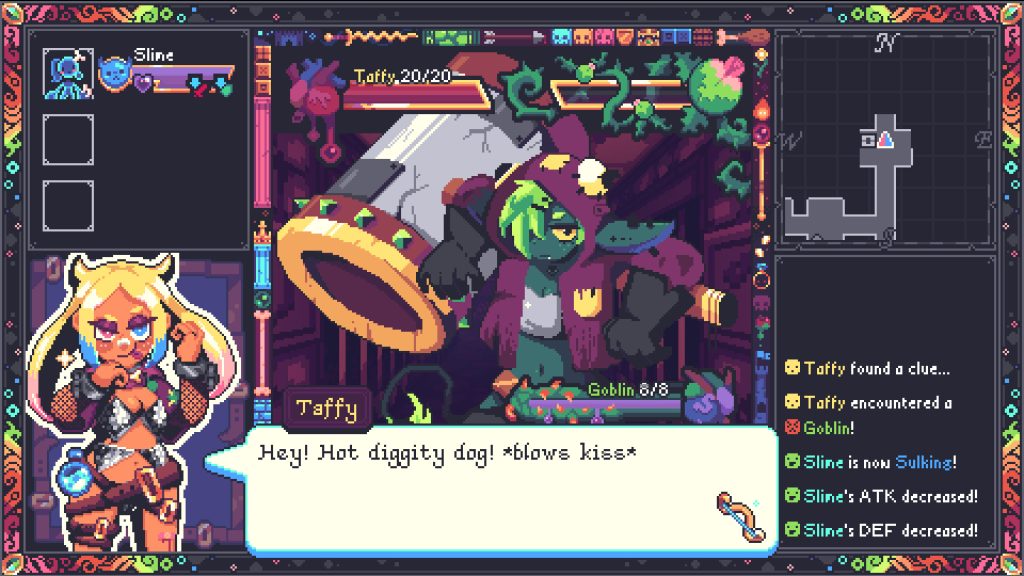
Rizz Dungeon: Skeleton Key to My Heart has been delayed to 2027, giving Snoozy Kazoo time to add more Monster…
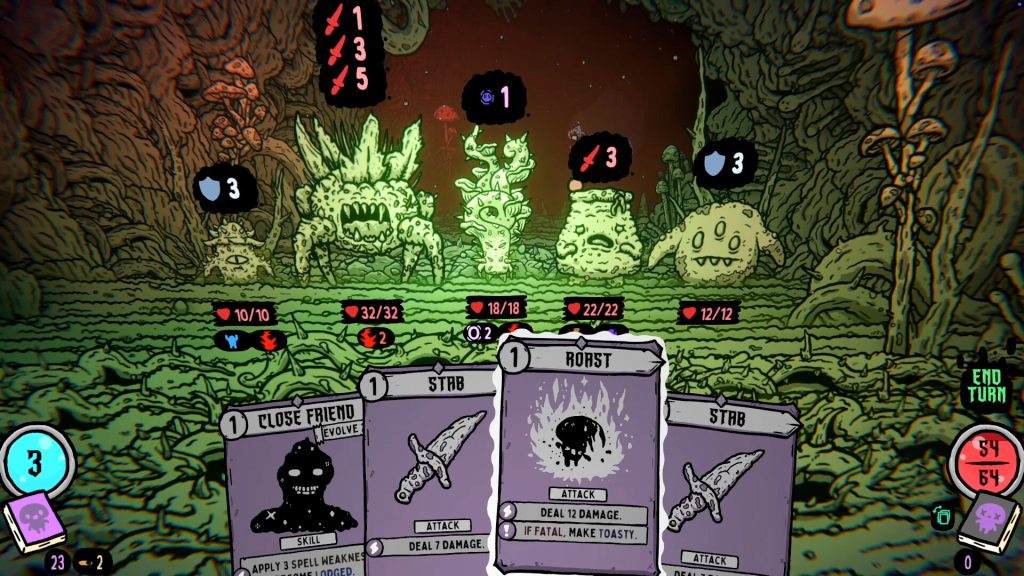
Shroom and Gloom enters Steam Early Access in September 2026, combining first-person dungeon crawling with separate exploration and combat decks.
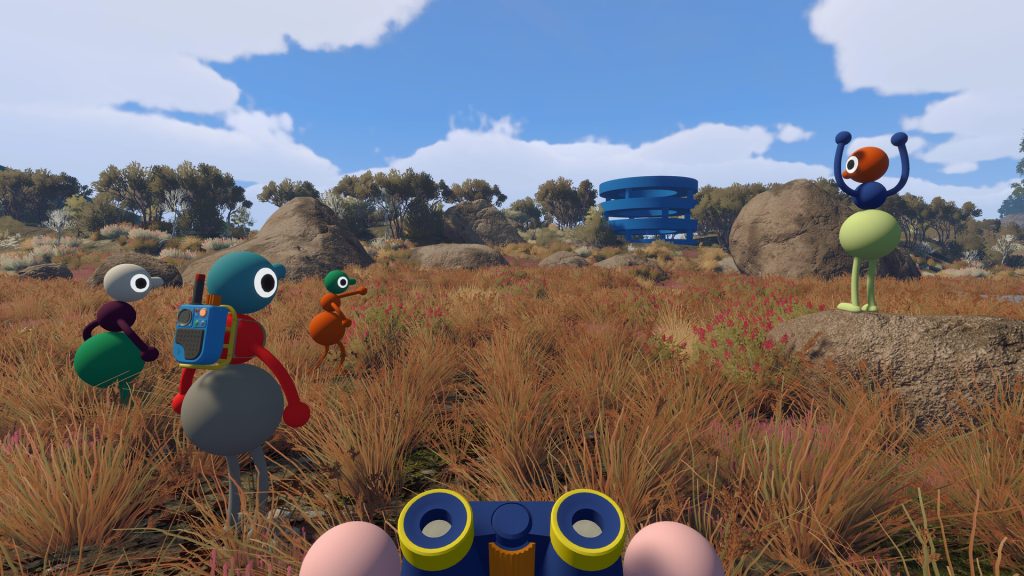
Big Walk sold more than one million copies in six days, strengthening the case for complete co-op-only games built around…

If you regularly visit Indie-Games.eu or follow the YouTube channel, you have probably noticed that things have become unusually quiet.
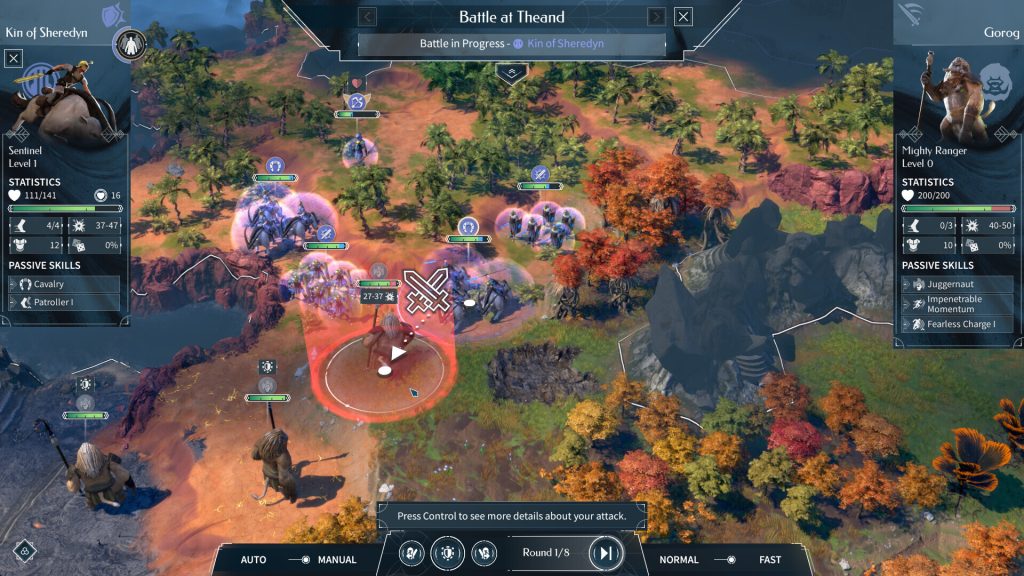
Endless Legend 2 leaves Early Access in September as version 1.0 rolls out, bringing console versions to PlayStation 5 and…
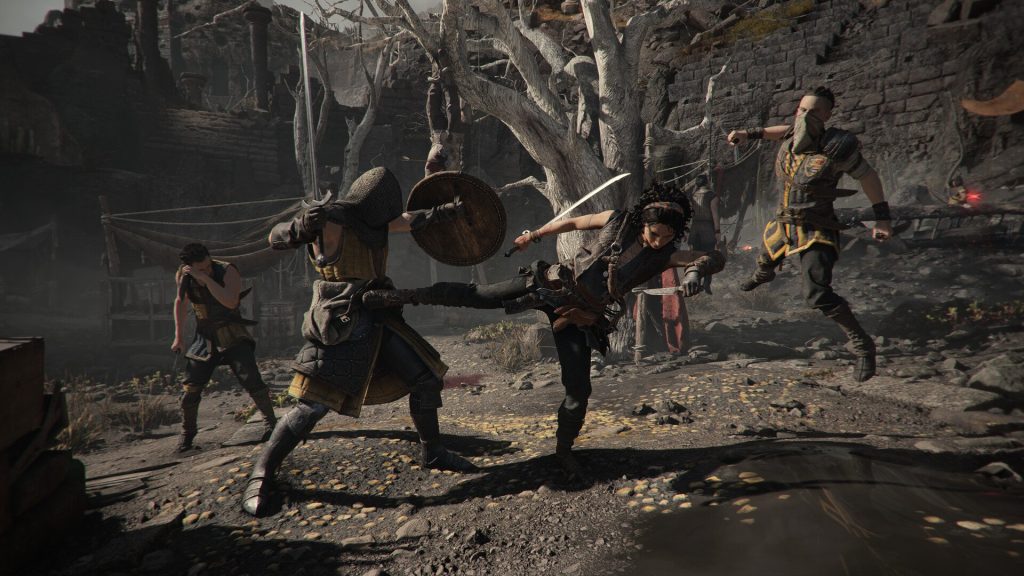
A new Resonance: A Plague Tale Legacy featurette shows how Sophia can use light to navigate dangerous environments and overcome…
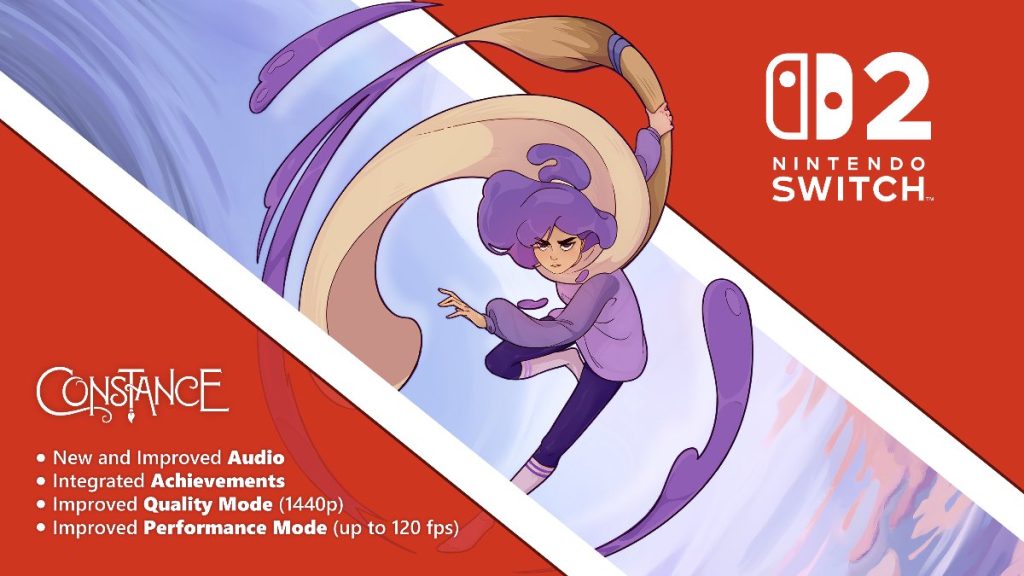
The nonlinear world contains six biomes, each representing a different part of the protagonist’s psyche and history.
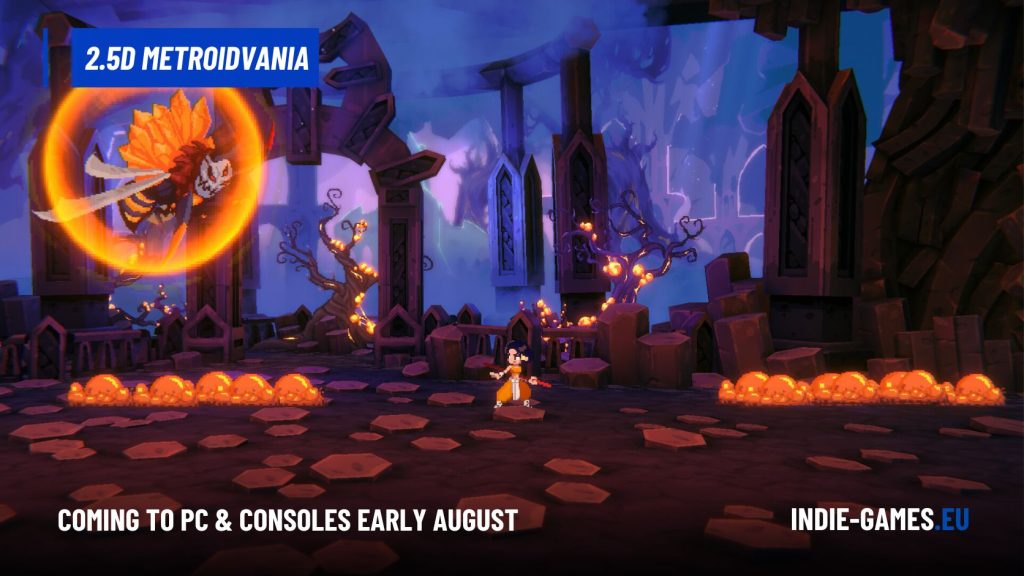
Akatori launches early August on PC and PlayStation and Xbox, featuring 2.5D Metroidvania action, parkour and staff-based combat.
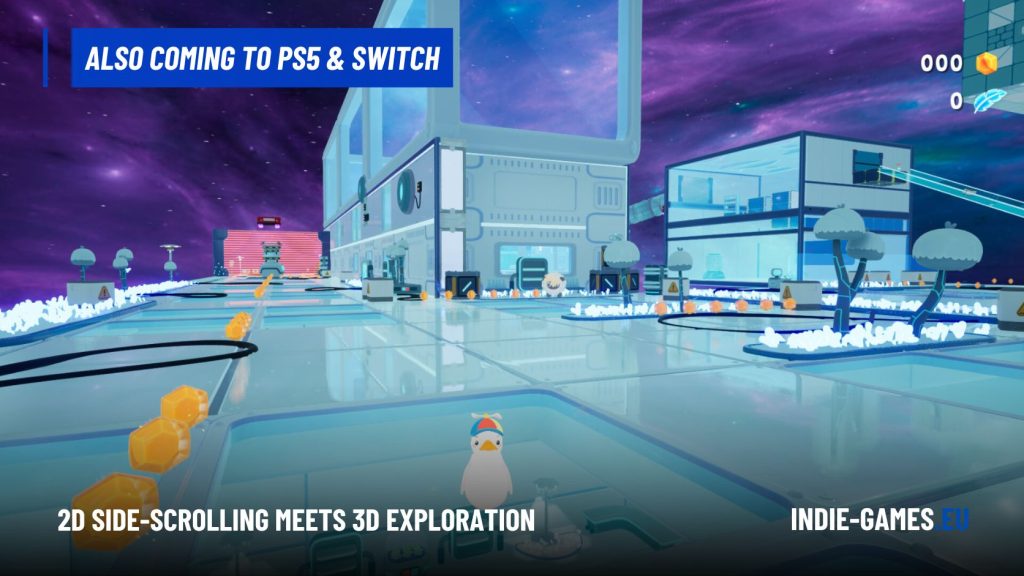
Dodo Duckie! launches on PC and Xbox today, with PS5 and Switch versions arriving later in 2026, featuring unique 2D…
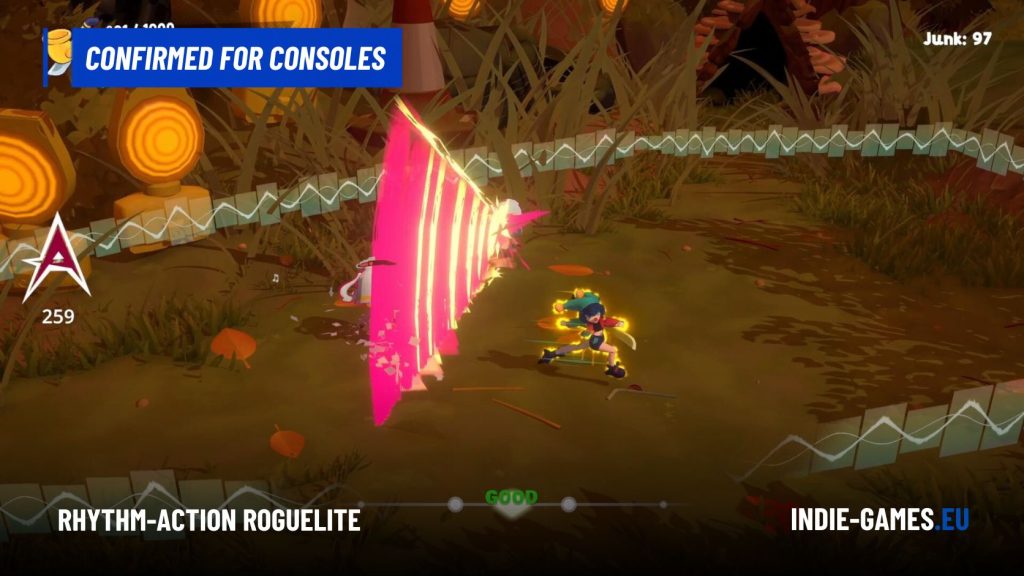
Alpha Nomos launches on PlayStation 5, Xbox Series and PC in 2026, featuring rhythm-based roguelite combat, live-recorded weapons and a…
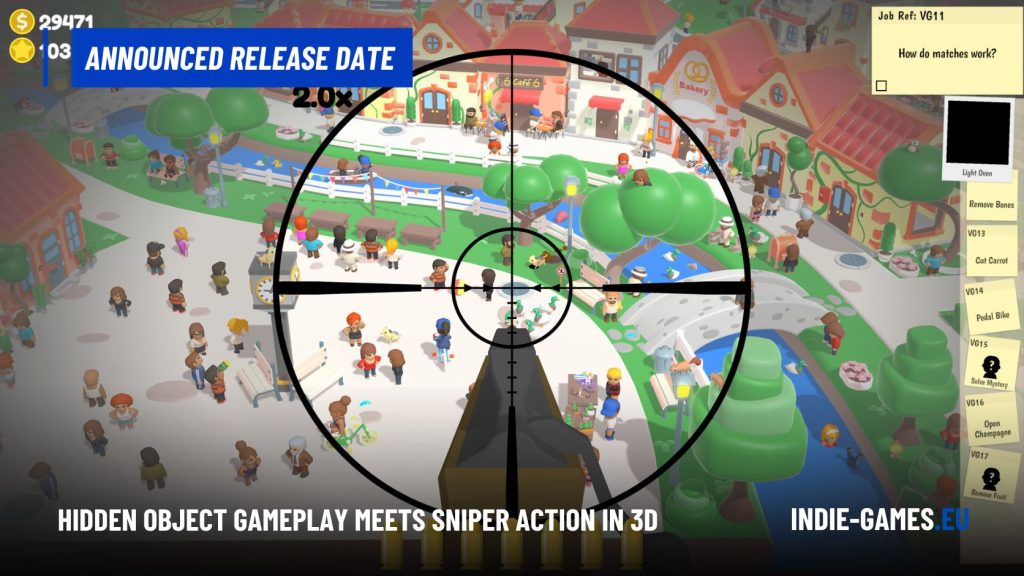
Sniper Dan launches in September for PlayStation 5, Xbox, Switch and PC, blending hidden object gameplay, puzzles and family-friendly sniper…
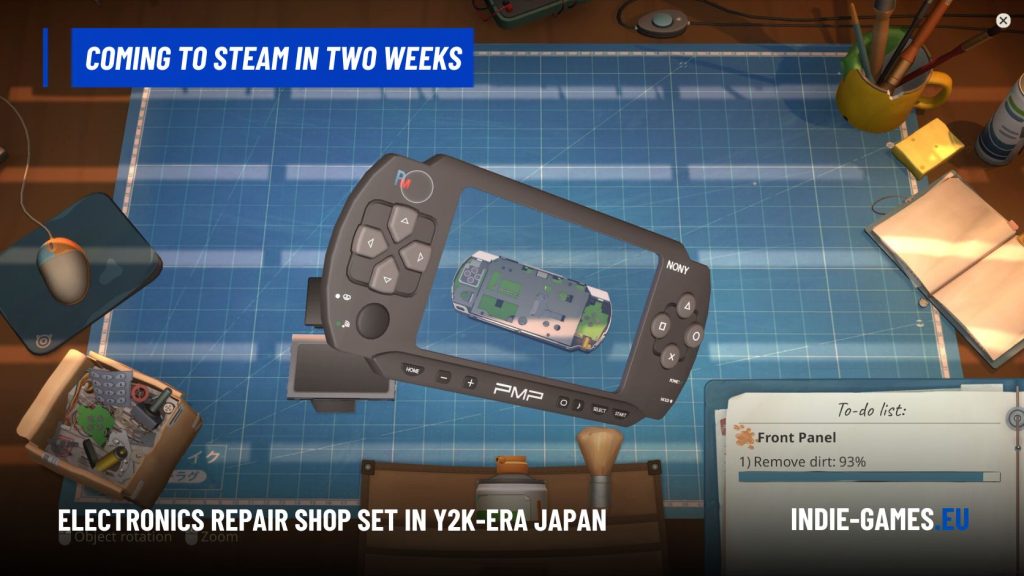
In ReStory, you will repair a wide range of early-2000s technology, including mobile phones, handheld gaming systems, digital pets, music…
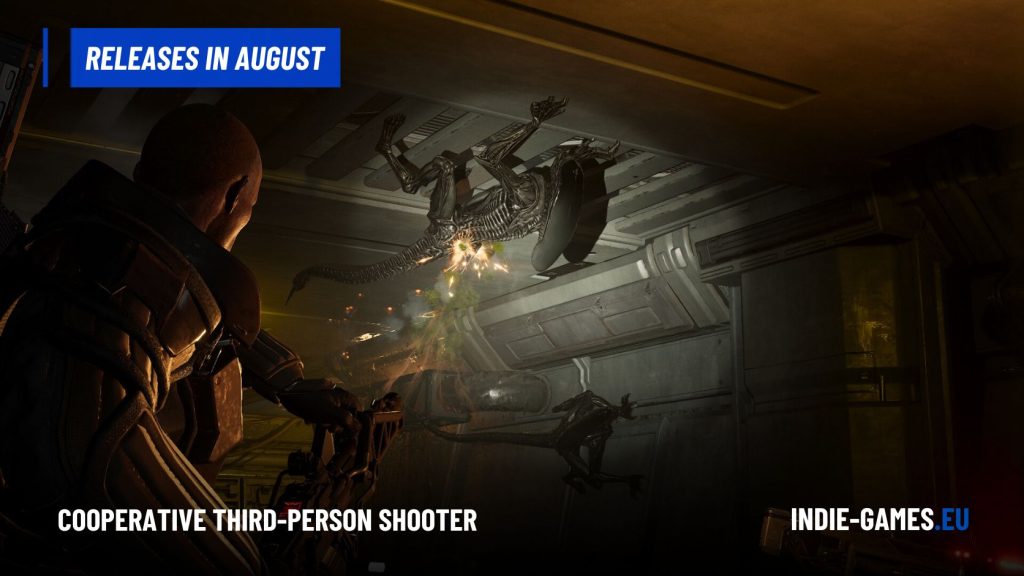
Aliens: Fireteam Elite 2 expands its fireteams to four players, who take control of Colonial Marines deployed across hostile locations…
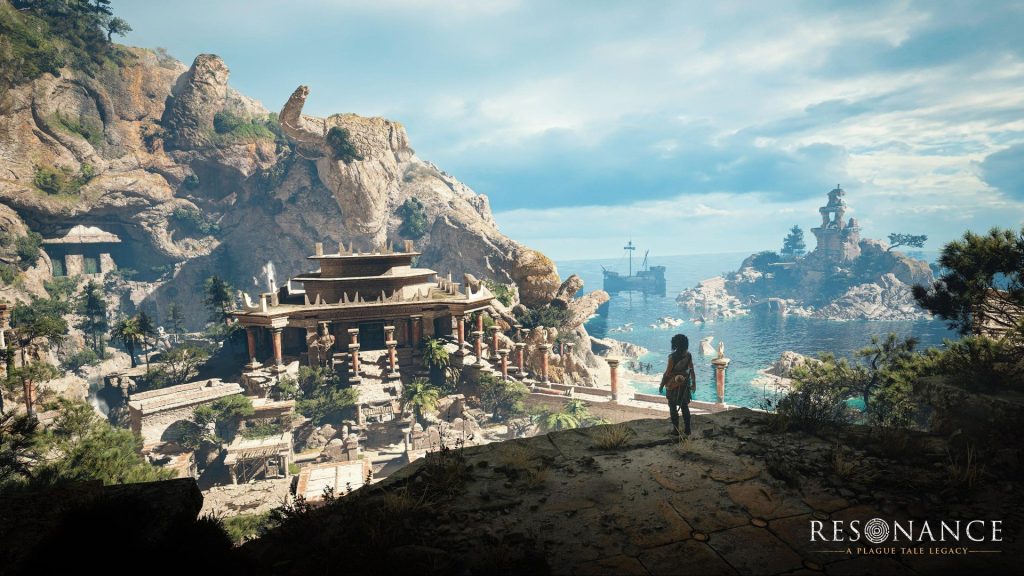
Asobo Studio has released a short scenic clip for Resonance: A Plague Tale Legacy, showcasing its Mediterranean-inspired locations.
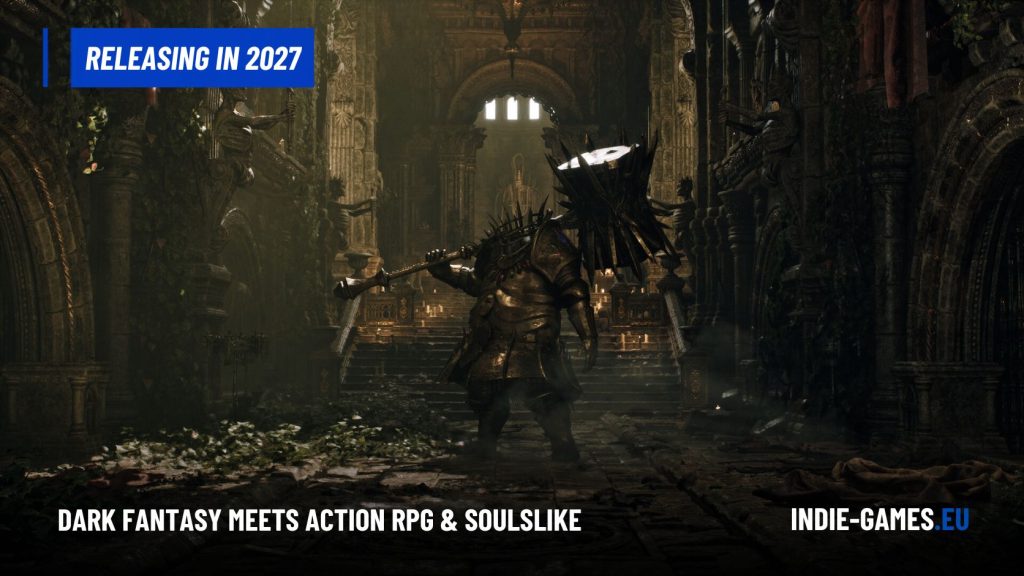
Turkish solo developer Celal Sahin has announced Godless Dawn, a dark fantasy action RPG targeting a Q1 2027 release on…
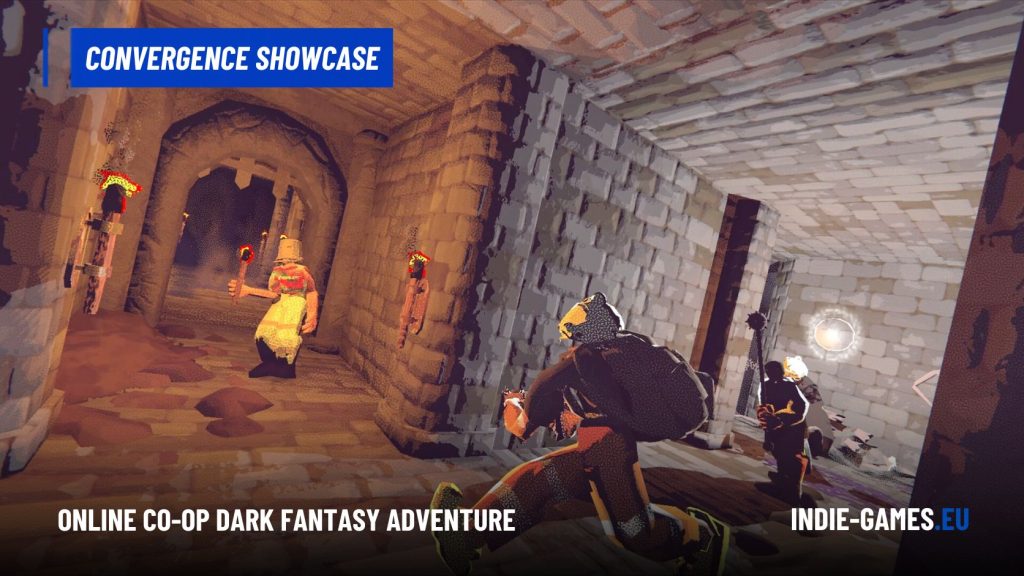
Vision Quench, an online co-op dark fantasy adventure from developer WizMUD Games and Pocketpair Publishing, is targeting an early 2027…
