![[GAMESCOM 2026] Chronoscript: The Endless End Preview – Beautiful Pages Hide Deliberate Combat](https://www.indie-games.eu/wp-content/uploads/2026/09/Chronoscript-The-Endless-End-1-1024x576.jpg)
[GAMESCOM 2026] Chronoscript: The Endless End Preview – Beautiful Pages Hide Deliberate Combat
Chronoscript: The Endless End stands out from other Metroidvanias by blending 2D manuscript worlds with exploration inside a 3D manor.

If you enjoy independent indie game coverage, consider supporting Indie-Games.eu on Patreon. It helps keep the site independent.
“But if you tame me, then we shall need each other. To me, you will be unique in all the world. To you, I shall be unique in all the world.” This famous quote from The Little Prince speaks of trust, attachment, and forming a bond. These themes are quite often the subject of literature, as well as all kinds of games. However, if I had a coin for every time there was an indie adventure game about a cat looking for its home, I would have two coins. Which isn’t a lot, but it’s weird that it happened twice. Of course, the first game I’m thinking of is Stray, the award-winning production where a cat finds its way out of a long-forgotten cyber-city. The second game, Copycat from Spoonful Of Wonder, has just been released, but I am convinced it will quickly win your hearts.
In Copycat, we play as Dawn, a cat from a shelter who is readopted by a lonely elderly lady named Olive. However, Dawn is skeptical of the new situation—she believes she is a wild cat, and uses every opportunity to plan her escape. These thoughts begin to fade as she and Olive gradually develop an intimate friendship, learning how to understand and comfort each other. Just when everything seems to be going smoothly, Olive suddenly falls ill and allows a stray cat to take Dawn’s place, forcing her onto the streets. As she is abandoned again, she starts searching for answers to some thought-provoking questions: Where do I belong? Who is the copycat, really? What is home?
We play the game from Olive’s perspective at the moment she adopts Dawn. When this crucial event occurs, we switch to Dawn’s point of view and begin experiencing life as a cat. This means running around the house, knocking things over, creating hidden spots, scratching furniture, stealing food, and meowing as much as we want. Initially, moving as a cat can be challenging, especially when it comes to jumping, but it gets easier with practice.
As we become more familiar with our surroundings, various new activities are introduced, including reflex-based hunting, quick-time events with different patterns, and even platforming. The different mechanics used for storytelling add depth and variety to the experience. Since the game is narrative-driven, players face numerous choices that affect their adventure, which I will discuss in more detail later.


Let’s dive into the graphics and why I rated them so highly. If you have played the demo or seen gameplay footage or trailers, you might think the game looks a bit rough around the edges. I agree that achieving a realistic depiction of the cats and the outside world is not the main goal of this game. However, the focus on the cats themselves is where the graphics shine. At times, I switched to a lower resolution to smooth out the gameplay, but I still wouldn’t consider the graphics bad.
The real standout moment came with the first change in art style, where we were transported into a world of bright, geometric nature. This change was both confusing and fascinating. The movements, sounds, and environment were unique, and the music, reminiscent of The Lion King, was the perfect finishing touch. This transition between reality and the fantasy of a nature documentary cleverly highlights Dawn’s struggles with her identity and sense of belonging.
Besides the initial changes in art style, the creators continued to experiment. For example, one scene uses slow motion to emphasize the reflexive abilities and speed of the animals. While the game starts with a certain point of view, it later allows us to explore different angles and perspectives. I also appreciated the use of light during darker moments—it was both symbolic and theatrical. Overall, the effort put into the visuals is commendable, which is why I awarded them the highest rating.


I have a feeling that cats are misunderstood in the media—they are either portrayed as silly goofballs without any brain activity (which, of course, is not inaccurate) or as hidden geniuses plotting the downfall of all humanity (which is also not entirely baseless, to be honest). What I liked about this game is that we get to know a cat firsthand. We learn that Dawn can be diabolical as she intentionally destroys every piece of furniture in the house.
We can also see her funny side in the form of comments she makes as jokes during exploration (“Oh no, they chose violence” when approached by a gang of stray cats will forever stick with me). What makes Dawn a special protagonist is that she is quiet, but we can see her thoughts. That way, we know she longs for love, security, and a home. We also understand her fear of attachment and subsequent abandonment that stems from her past. And that is why we are also responsible for making decisions.
The story of Copycat is linear, so there won’t be any actions or choices that affect the outcome. Still, players have a lot of freedom from the very beginning—you can choose the cat’s color and its accessories. You are free to explore as much as you want, while guidance is always ready to help you if you get lost. You can choose whether to play or not. Even the choice of selecting a piece of garbage is left to you. These small details make this a more personal experience, while keeping us engaged in the story.


The “bring tissues” warning in the Steam description was not a joke. Copycat is a game that needs to break you in order to work. It will be a devastating and emotional experience as we learn about Dawn’s insecurities and Olive’s struggles. An abandoned cat and a human who gives up. It is important to note that both are searching for the meaning of family and home while loneliness and darkness slowly envelop them. We learn with them that home comes in many forms, which concludes our emotional catharsis. In short: you will cry a lot, and the tissues will disappear faster than Dawn can shred toilet paper.
An experience for everyone, regardless of whether they own a cat or not. I highly recommend finishing this game in one sitting—it only takes about 3 hours to go through Dawn’s story and lead her to a real home. For me, this game was the best game I’ve played recently—and not just because I own two cats. It’s because in Dawn’s world, I saw everything related to our own lives—and it’s a beautiful feeling to know that it’s not always dark.
Review copy provided by the publisher
Chronoscript: The Endless End stands out from other Metroidvanias by blending 2D manuscript worlds with exploration inside a 3D manor.
![[GAMESCOM 2026] MegaGum Preview – Combat Hits Hard in This Sticky Platforming Adventure](https://www.indie-games.eu/wp-content/uploads/2026/09/MegaGum-09-09-26-5-1024x576.jpg)
MegaGum combines hard-hitting combat, varied weapons and Gum-powered platforming in a promising Gamescom 2026 demo.
![[GAMESCOM 2026] Delphinium Preview – Cozy Routine Mixed With Enjoyable Minigames](https://www.indie-games.eu/wp-content/uploads/2026/03/Delphinium--1024x665.jpg)
Delphinium mixes cozy farming, exploration and relationships with enjoyable fishing, cooking and forging minigames in its Gamescom 2026 demo.
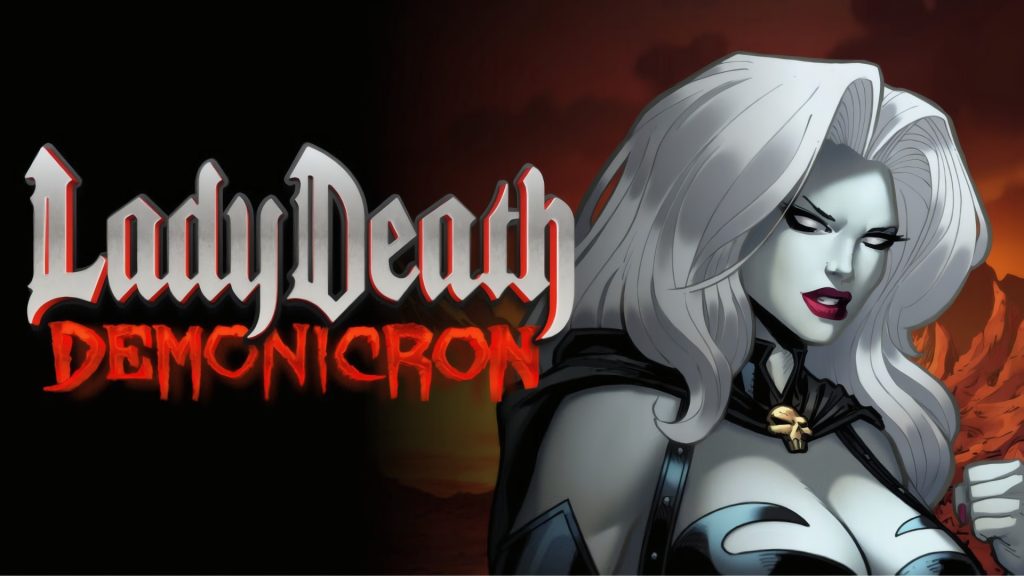
Lady Death: Demonicron looks the part, but underneath its excellent comic-book exterior is a clunky and painfully short brawler.
![[GAMESCOM 2026] Tomb Raider: Legacy of Atlantis Preview – Expands the Original Without Losing Its Identity](https://www.indie-games.eu/wp-content/uploads/2026/09/tomb-raider-legacy-of-atlantis-06-02-26-1-1024x576.jpg)
Tomb Raider: Legacy of Atlantis brings Lara back to her roots, but its Gamescom 2026 showing proved this is far…
![[GAMESCOM 2026] Clive Barker’s Hellraiser: Revival Preview – Ready to Open the Box](https://www.indie-games.eu/wp-content/uploads/2026/09/Clive-Barkers-Hellraiser-Revival-08-30-26-1-1024x576.jpg)
Hellraiser: Revival preserves the franchise’s sex, gore and psychological horror while delivering approachable survival-horror gameplay.

Swan Song creates a peaceful and forgiving puzzle space without removing the challenge that makes solving a difficult puzzle rewarding.
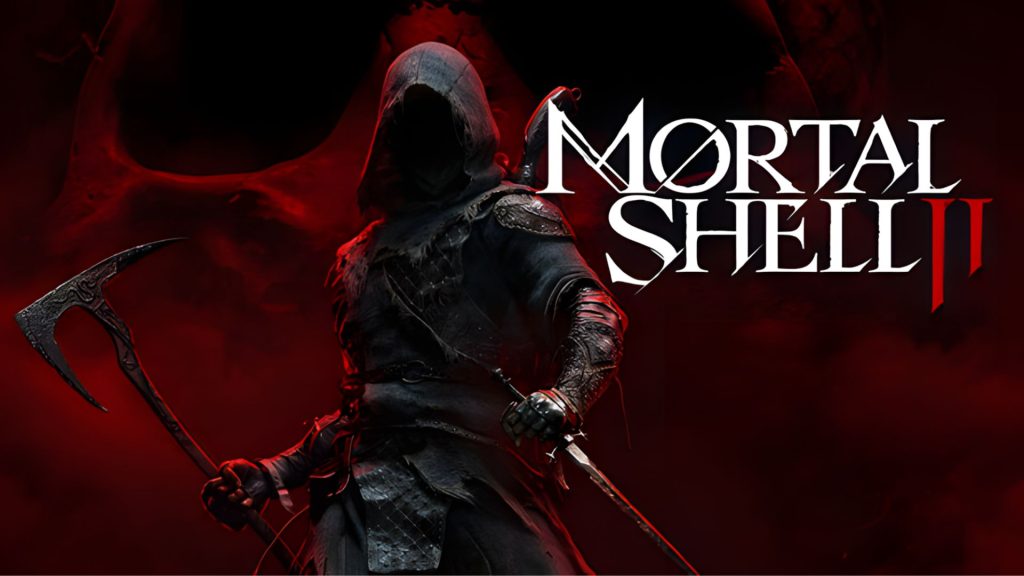
Mortal Shell II starts brilliantly but grows repetitive and exhausting, while remaining a rewarding and ambitious Soulslike sequel.
![[GAMESCOM 2026] Terranigma Preview – A Lost SNES Classic Returns in 2027](https://www.indie-games.eu/wp-content/uploads/2026/08/Terranigma-1-1024x576.jpg)
After more than three decades of limited availability, Terranigma is returning in 2027. We played its enhanced re-release at Gamescom…
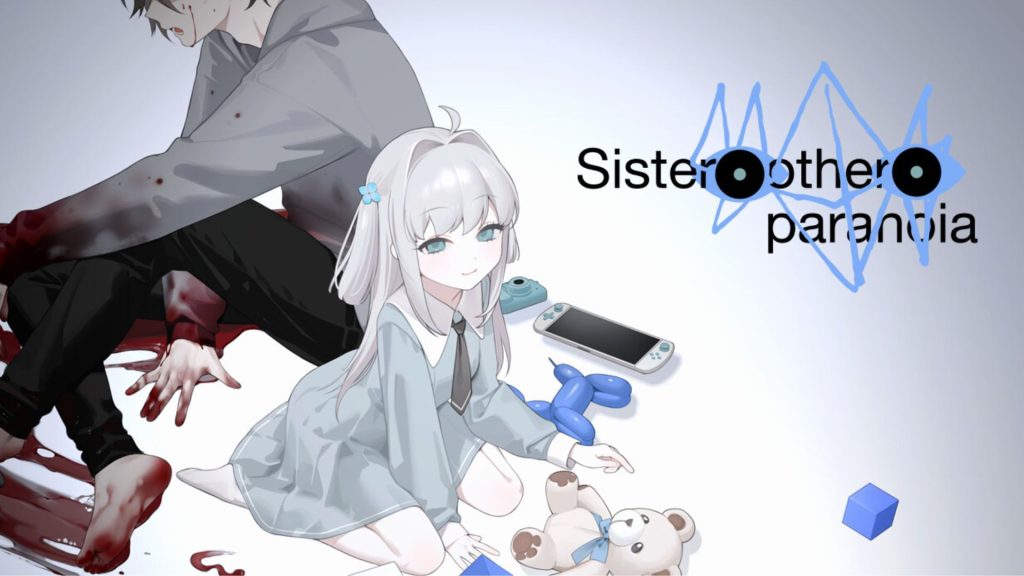
Reading another person’s mind is often presented as a desirable superpower, but Sister Other Paranoia immediately understands why it could…
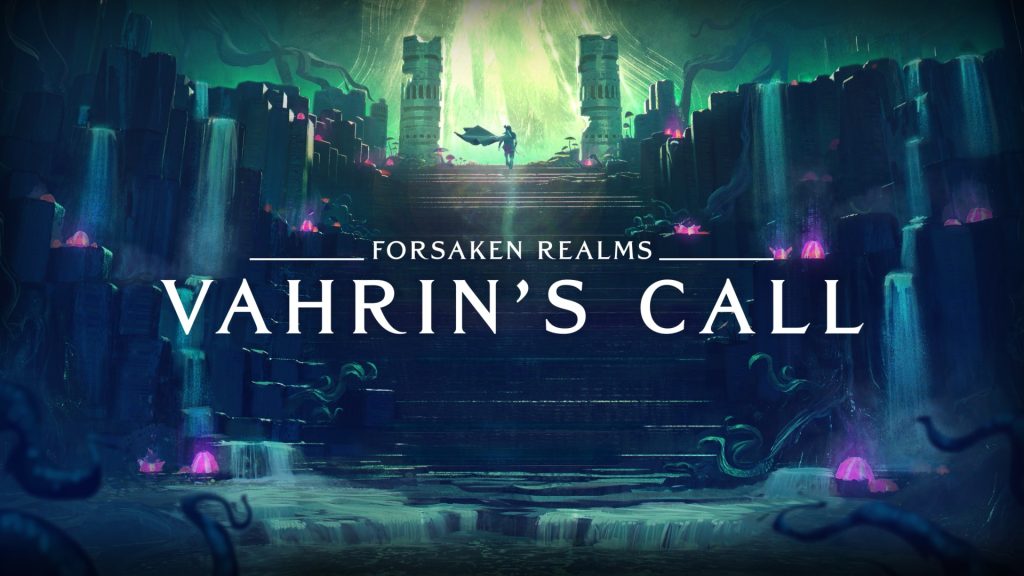
Forsaken Realms: Vahrin’s Call is exactly the kind of ambitious, slightly clumsy fantasy RPG that used to be far more…
![[Early Access] 2nd EVE – Sci-Fi Action RPG That Lacks a Sense of Stakes](https://www.indie-games.eu/wp-content/uploads/2026/08/2ND-EVE-1024x576.jpg)
2nd Eve is a space-set action RPG in which we strive to save humanity.
![[PREVIEW] Dreamcards – Strategic Exploration of Consciousness](https://www.indie-games.eu/wp-content/uploads/2026/08/Dreamcards_20260810_233631_0000-1024x576.jpg)
Dreamcards is a roguelike deckbuilder centered around dreams and nightmares.
![[Early Access] OFFBEAT – Incredibly Fun Way to Start a Music Career](https://www.indie-games.eu/wp-content/uploads/2026/08/Offbeat_20260808_201446_0000-1024x576.jpg)
In OFFBEAT, we play the role of a jobbing composer who is launching their music career.
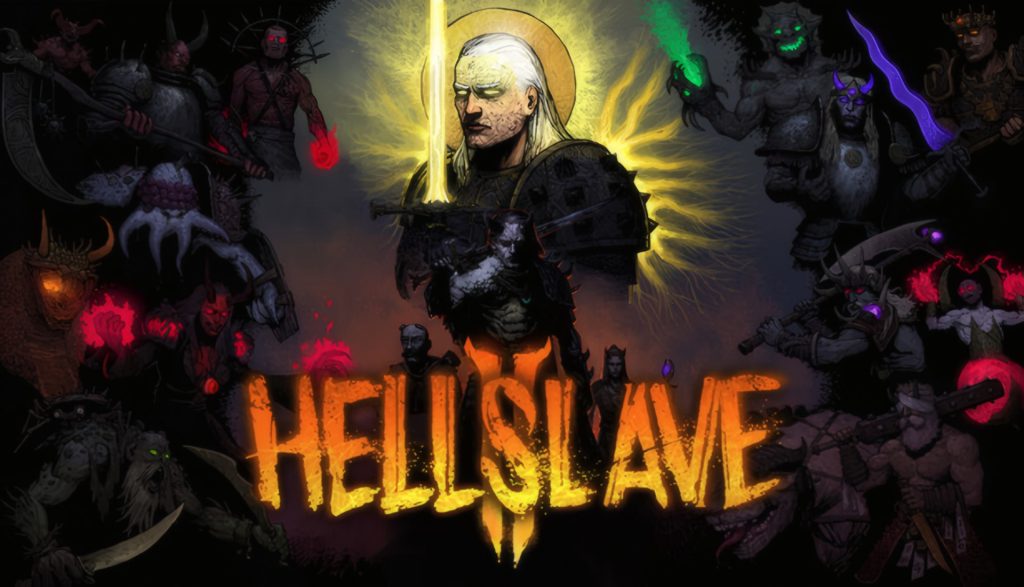
HellSlave II retains the original’s oppressive atmosphere, morally grey world and striking art while adding a larger world, randomized loot…
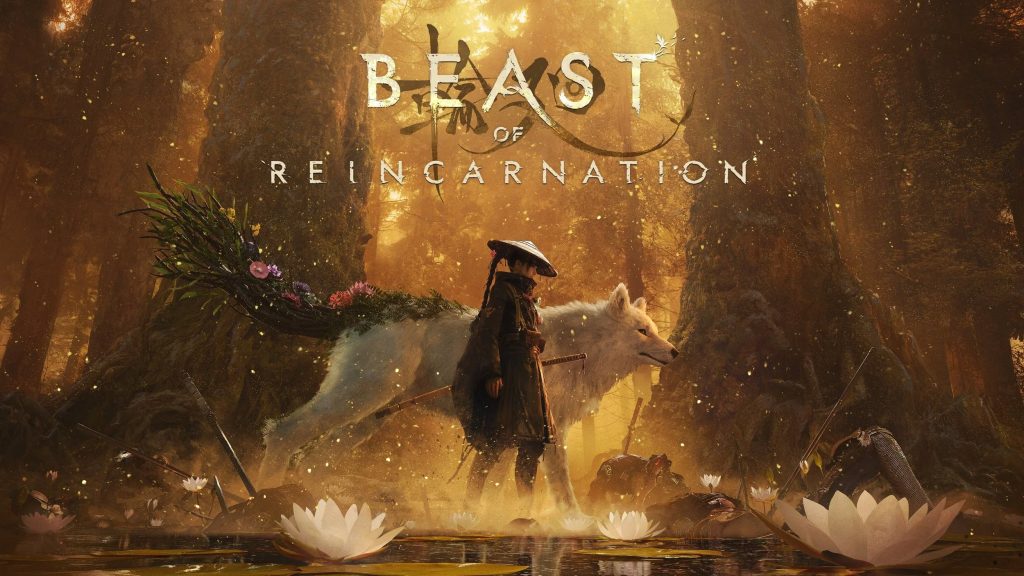
Beast of Reincarnation is an ambitious but uneven action RPG elevated by satisfying parry combat, beautiful art direction and the…

K-pop Idol Stories: Road to Debut captures the pressure of building idol group, but its management systems never explore that…
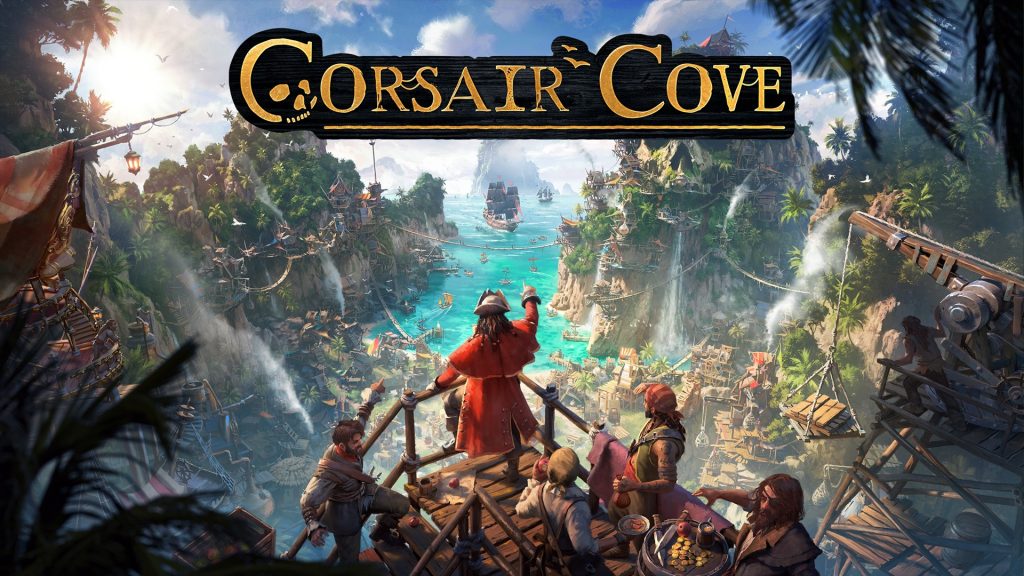
Hooded Horse keeps finding strategy games that know their audience, and Corsair Cove extends its impressive run of excellent city-builders.
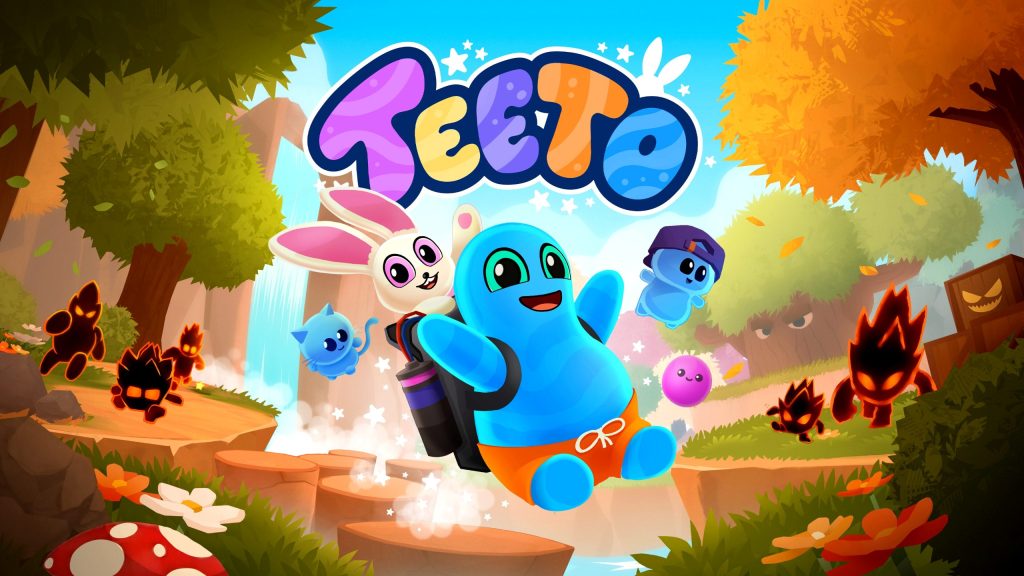
Teeto is a warm, cozy, creative and highly enjoyable 3D platformer that understands why classic collectathons remain so appealing.
Turnip Mountain stands out for its combination of a unique control system and a minimalist approach.
