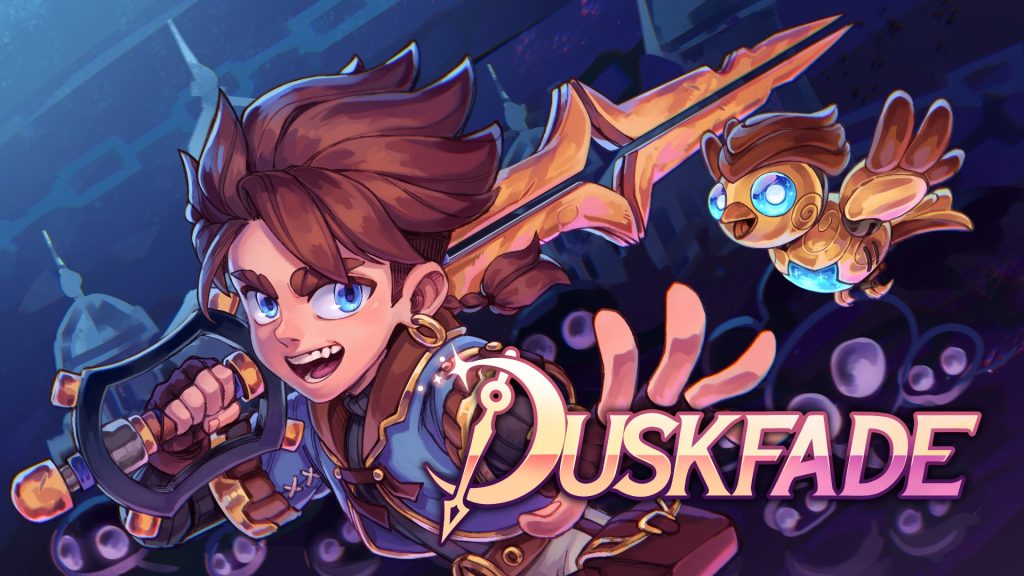
Duskfade – The PS2 Era Returns With All Its Strengths and Weaknesses
Duskfade is worth considering for players who miss colourful PS2-style action-platformers and can tolerate basic combat, floaty movement and backtracking.


If you enjoy independent indie game coverage, consider supporting Indie-Games.eu on Patreon. It helps keep the site independent.
Danger in Pompeii is an adventure game that transports you to the fateful last day of the ancient Roman city. Developed by DNA Studios in collaboration with students and historical experts from Institut Le Rosey, this title combines engaging storytelling, puzzles, and historical details to create a unique educational and entertaining experience.
At its heart, Danger in Pompeii is a story-driven tile with a strong emphasis on exploration and puzzle-solving. You play as a young Roman, either Flavia or Flavius, and are immediately dropped into the bustling streets of Pompeii in 79 AD. Your main goal is to help townsfolk with their mysterious problems, all to decipher messages from the god Mercury. Meanwhile, the looming threat of Mount Vesuvius is ever-present.
The gameplay unfolds through a series of main quests and numerous optional side quests. The first main quest serves as a tutorial, introducing you to the mechanics. After this, you gain a degree of freedom, choosing the order in which you tackle main quests, with some exceptions for narrative pacing. These quests are varied, ranging from calming down guests in tavern, to control an entire theater, or even tracking down sacred chickens. Each mission requires keen observation, interaction with over 60 unique characters, and gathering information to solve them.
The city itself is presented in a 2D side-scrolling perspective with a 3D street grid, creating an “open world” feel that encourages exploration. You can wander through faithfully reconstructed historical landmarks like the Forum, the Grand Theater, and the Amphitheatre. Navigation can sometimes be a little challenging due to the combination of 2D movement and a 3D layout, but an easy-to-read map is always accessible that helps you navigate around the world.
“Each mission requires keen observation.”
What truly sets Danger in Pompeii apart is its commitment to historical accuracy and educational value. This is a proper edutainment content, with every detail verified by historical experts but it’s up to us players to figure out how we want to approach this game. As you explore and complete quests, you will encounter over 20 points of interest: interactive elements that provide slideshows with facts and images about Roman society, food, politics, clothing, and more.
Many of these insights come with charming audio files, some even recorded by children and teens, making the learning process engaging and relatable. The game doesn’t shy away from sensitive historical topics like slavery, presenting them in an age-appropriate but honest manner.

Here’s my biggest problem with this game: it’s too boring. In most cases, you’ll be running around the map travelling from place to place without a proper goal, meaning the idea is to just educate yourself. Even though the game is cheap, it feels like a multimedia museum with a huge amount of information. While there are puzzles, they are often too easy and forgiving. If you fail a puzzle, you have to restart it, which can be frustrating.
However, the puzzles usually give hints from the start. There are also additional hints you can buy with “sesterces”, the game’s currency, which makes it even more accessible for younger players or those who get stuck. Sesterces are earned by completing side quests or by finding them hidden in amphorae throughout the city. This currency can also be used to buy cosmetic accessories or to utilize a sedan chair for faster travel.
“The puzzles usually give hints from the start.”
My another main issue with the game is the excessive free space and pointless exploration. While you occasionally find points of interest, the world could have been filled with more interesting images or short videos. It gets repetitive running past the same red walls over and over. The important locations are packed with content, but outside of them, there’s not much to see.

To conclude, the game’s story builds toward the inevitable eruption of Mount Vesuvius. The final part of the game changes pace dramatically, becoming a high-stress, timed sequence. Without giving away spoilers, this intense segment effectively conveys the tragedy of Pompeii, even though no actual deaths are shown.
While the gameplay in Danger in Pompeii isn’t groundbreaking, the game itself is incredibly important. As someone who lives in a country rich with Roman history, I found it fascinating to learn new things about a culture that’s all around me. If you can look past some of the slower parts and appreciate a meaningful experience over pure action, then this is a game you shouldn’t miss.
| Pros | Cons |
|---|---|
| Educational value. | Puzzles can be too simple. |
| Unique and charming art style. | Lots of pointless running around. |
| Story-driven quests. | |
| Impactful ending. |
Review copy provided by the publisher
Duskfade is worth considering for players who miss colourful PS2-style action-platformers and can tolerate basic combat, floaty movement and backtracking.
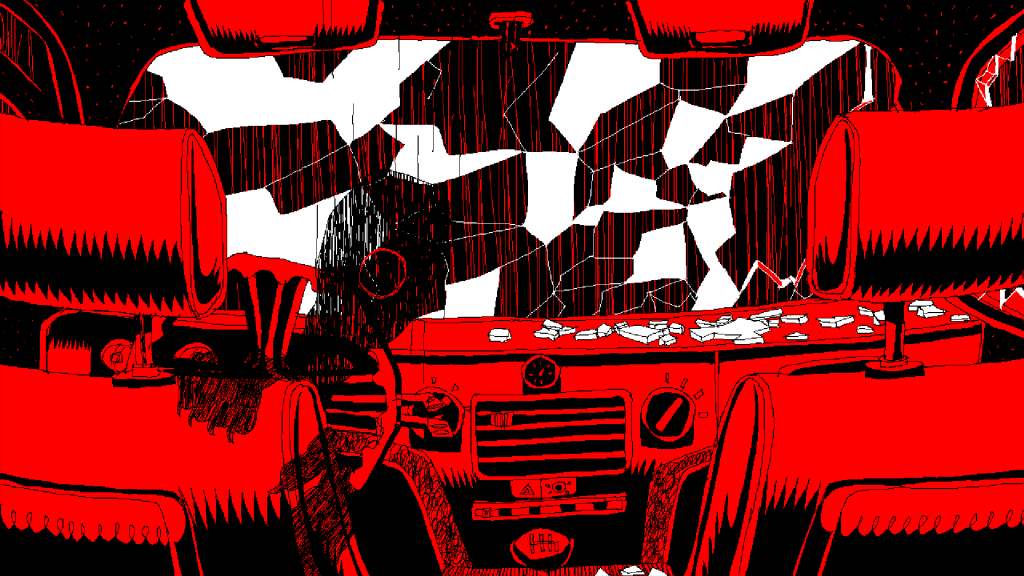
Man I Just Wanna Go Home is a noir crime story with visuals from MS Paint and life-or-death choices.
![[GAMESCOM 2026] Vikings Dynasty Preview – Expands the Dynasty Formula](https://www.indie-games.eu/wp-content/uploads/2026/09/Viking-Dynasty-09-21-26-2-1024x576.jpg)
After showing me Prospera at Gamescom 2026, Toplitz Productions' Mathias Oertel moved to a very different kind of settlement builder.…
![[GAMESCOM 2026] Prospera Preview – Production, Prosperity and Victorian Industry](https://www.indie-games.eu/wp-content/uploads/2026/09/Prospera-09-21-26-5-1024x576.jpg)
At Gamescom 2026, I met with Toplitz Productions' Mathias Oertel for a guided presentation of two upcoming games. One of…
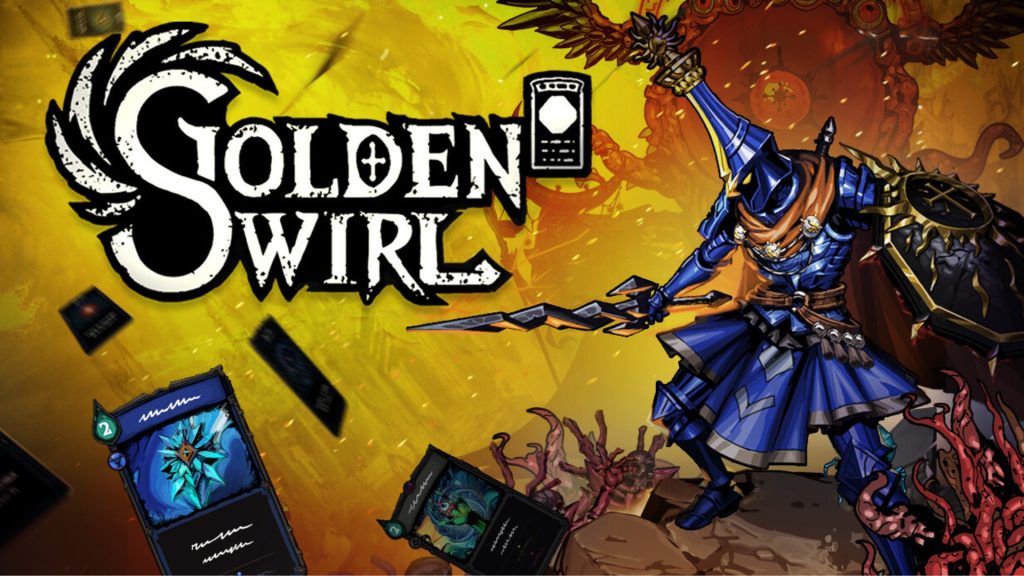
Golden Swirl inventive card combat carries the experience, but repetitive rooms, weak upgrades and excessive dialogue hold it back.
![[GAMESCOM 2026] Wilderdark Preview – Ambitious Dinosaur Horror Game That Still Has Plenty to Prove](https://www.indie-games.eu/wp-content/uploads/2026/09/Wilderdark-1024x576.jpg)
Dinosaur survival horror game Wilderdark has one of those premises that immediately makes you wonder why more games have not…
![[PREVIEW] Tiny Metal 2 – Strategy Game That Wants You to Learn From Every Mistake](https://www.indie-games.eu/wp-content/uploads/2026/09/Tiny-Metal-2-1024x576.jpg)
I rarely enjoy discovering that my opening strategy was completely wrong, but Tiny Metal 2 made that process one of…
![[PREVIEW] Remothered: Red Nun’s Legacy – Ambitious Survival Horror That Needs More Polish](https://www.indie-games.eu/wp-content/uploads/2026/09/Remothered-Red-Nuns-Legacy-4-1024x576.jpg)
Remothered: Red Nun’s Legacy has a gripping atmosphere and promising survival tools, but its repetitive hiding and rough visuals need…
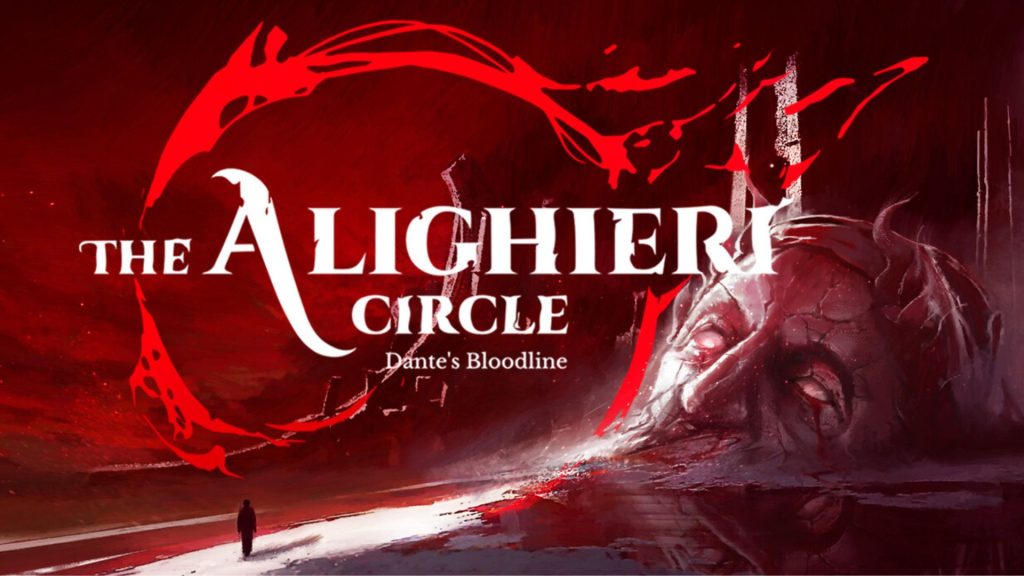
The Alighieri Circle: Dante’s Bloodline is difficult to recommend beyond players who are especially interested in Dante or enjoy solving…
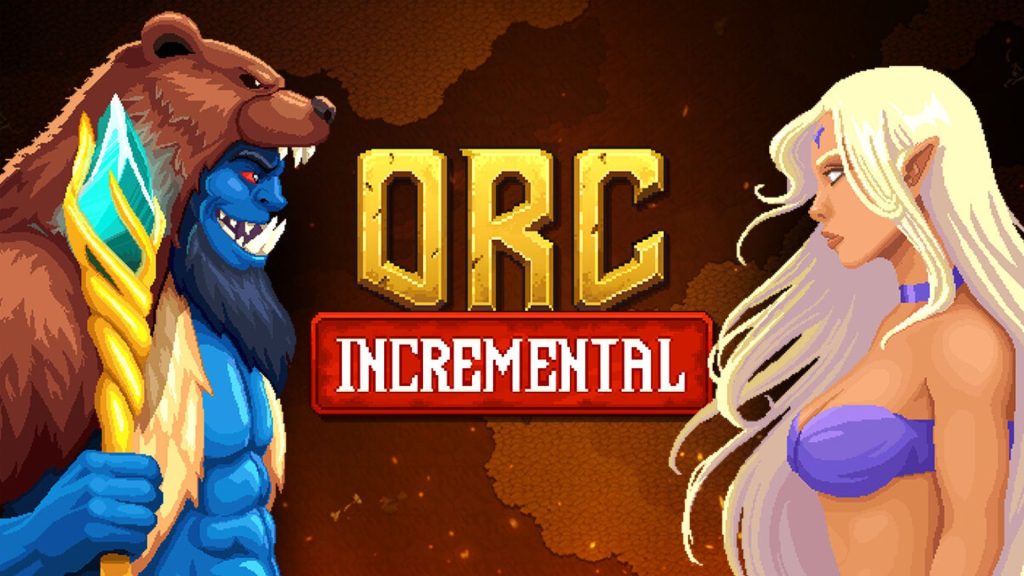
Orc Incremental offers satisfying progression, entertaining totem combinations and enough content to justify its affordable price.
![[GAMESCOM 2026] Chronoscript: The Endless End Preview – Beautiful Pages Hide Deliberate Combat](https://www.indie-games.eu/wp-content/uploads/2026/09/Chronoscript-The-Endless-End-1-1024x576.jpg)
Chronoscript: The Endless End stands out from other Metroidvanias by blending 2D manuscript worlds with exploration inside a 3D manor.
![[GAMESCOM 2026] MegaGum Preview – Combat Hits Hard in This Sticky Platforming Adventure](https://www.indie-games.eu/wp-content/uploads/2026/09/MegaGum-09-09-26-5-1024x576.jpg)
MegaGum combines hard-hitting combat, varied weapons and Gum-powered platforming in a promising Gamescom 2026 demo.
![[GAMESCOM 2026] Delphinium Preview – Cozy Routine Mixed With Enjoyable Minigames](https://www.indie-games.eu/wp-content/uploads/2026/03/Delphinium--1024x665.jpg)
Delphinium mixes cozy farming, exploration and relationships with enjoyable fishing, cooking and forging minigames in its Gamescom 2026 demo.
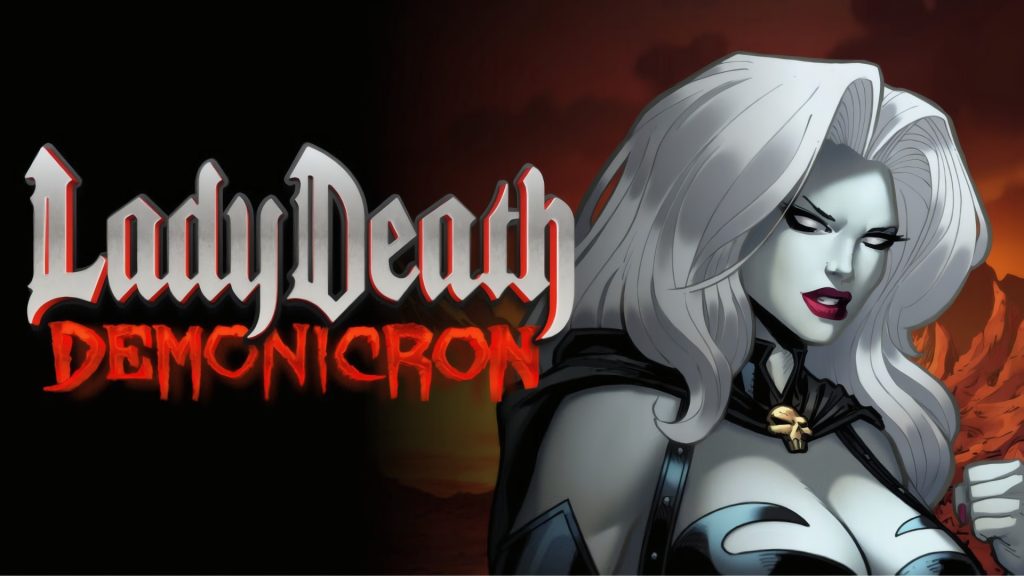
Lady Death: Demonicron looks the part, but underneath its excellent comic-book exterior is a clunky and painfully short brawler.
![[GAMESCOM 2026] Tomb Raider: Legacy of Atlantis Preview – Expands the Original Without Losing Its Identity](https://www.indie-games.eu/wp-content/uploads/2026/09/tomb-raider-legacy-of-atlantis-06-02-26-1-1024x576.jpg)
Tomb Raider: Legacy of Atlantis brings Lara back to her roots, but its Gamescom 2026 showing proved this is far…
![[GAMESCOM 2026] Clive Barker’s Hellraiser: Revival Preview – Ready to Open the Box](https://www.indie-games.eu/wp-content/uploads/2026/09/Clive-Barkers-Hellraiser-Revival-08-30-26-1-1024x576.jpg)
Hellraiser: Revival preserves the franchise’s sex, gore and psychological horror while delivering approachable survival-horror gameplay.

Swan Song creates a peaceful and forgiving puzzle space without removing the challenge that makes solving a difficult puzzle rewarding.
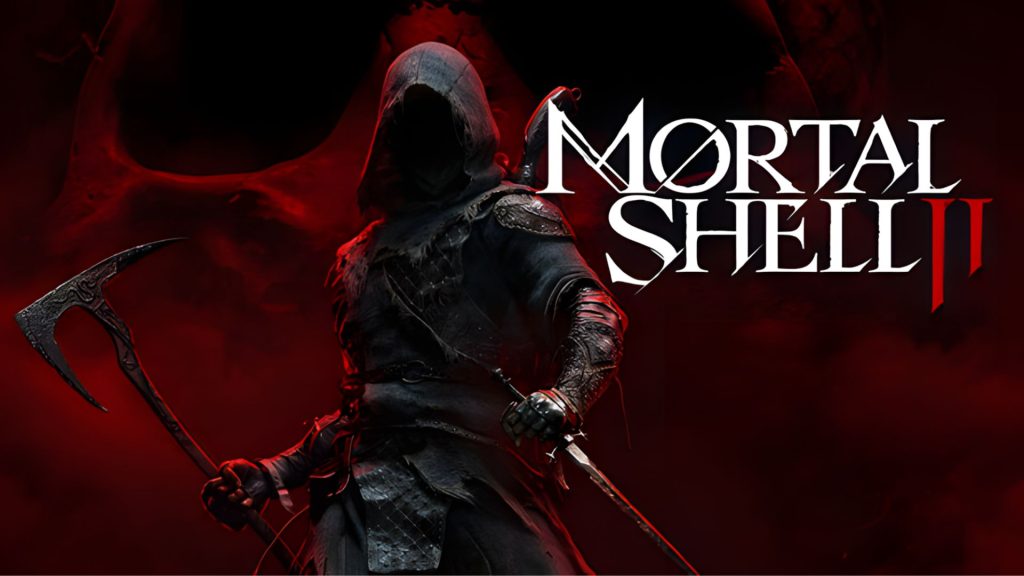
Mortal Shell II starts brilliantly but grows repetitive and exhausting, while remaining a rewarding and ambitious Soulslike sequel.
![[GAMESCOM 2026] Terranigma Preview – A Lost SNES Classic Returns in 2027](https://www.indie-games.eu/wp-content/uploads/2026/08/Terranigma-1-1024x576.jpg)
After more than three decades of limited availability, Terranigma is returning in 2027. We played its enhanced re-release at Gamescom…
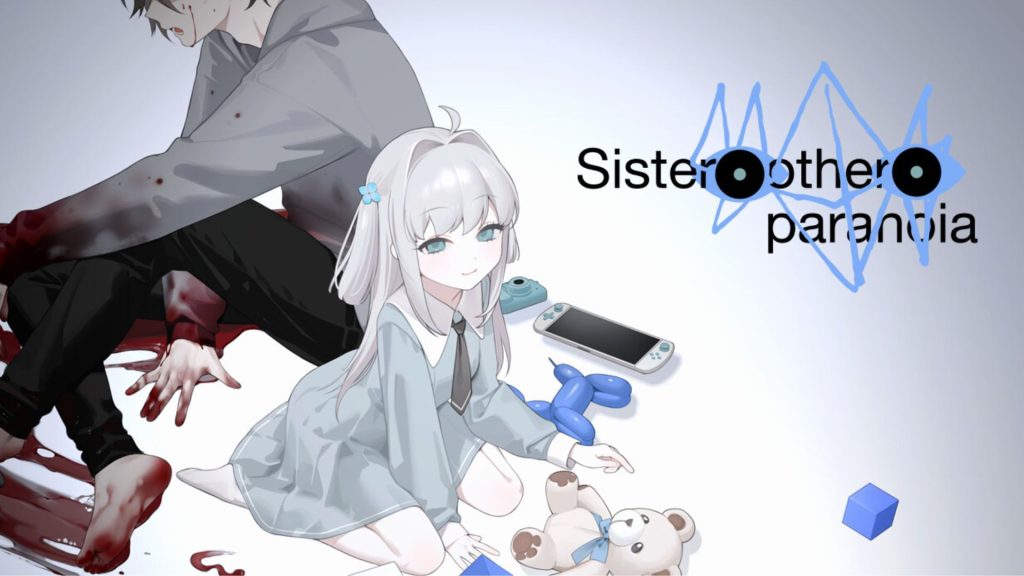
Reading another person’s mind is often presented as a desirable superpower, but Sister Other Paranoia immediately understands why it could…
