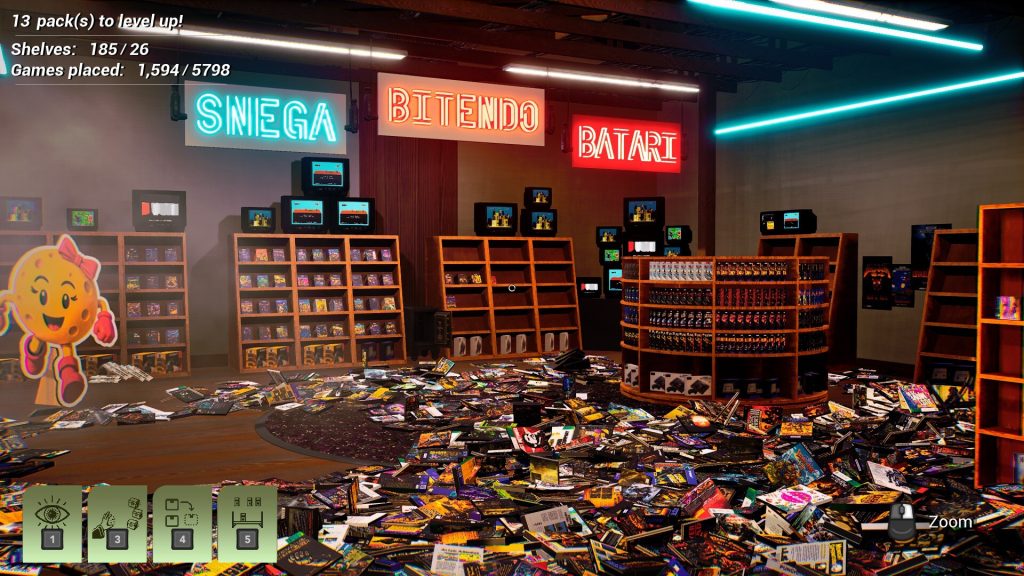
A Cat Scattered 5,798 Games Across This Cozy Supermarket Simulator
MY CAT SCATTERED GAMES asks players to organize 5,798 games and consoles before rescuing a cat trapped inside a claw…

If you enjoy independent indie game coverage, consider supporting Indie-Games.eu on Patreon. It helps keep the site independent.
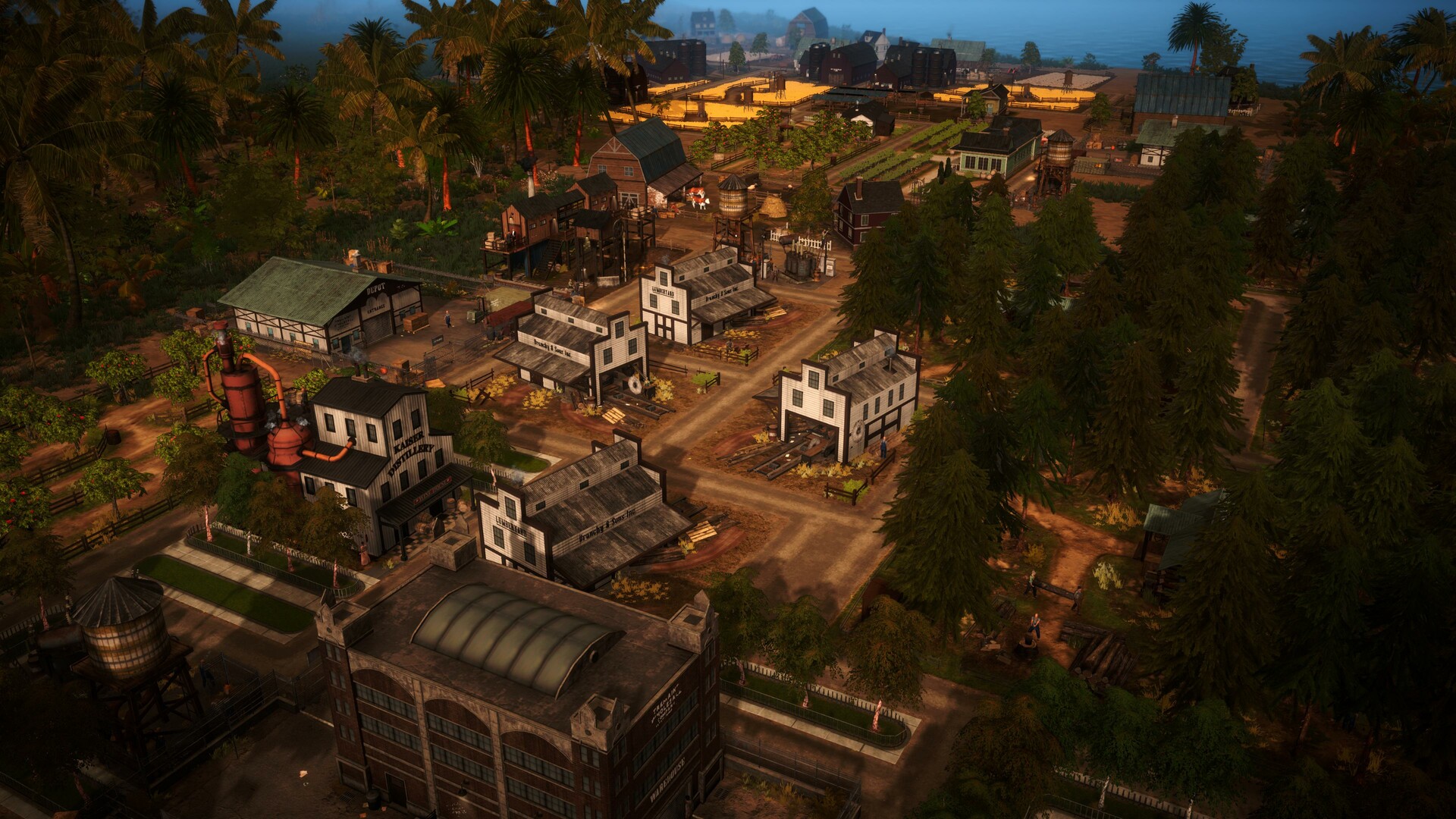
Just as we had the opportunity to meet Željko Kos and his game Pompeii: The Legacy, another interesting project is being developed in the same studio and office – Kaiserpunk. We sat down and spoke with Mario Mihoković, co-founder and CEO of Overseer Games, a small studio with 11 employees, who are intensely working on a unique city-builder title that will merge grand strategy elements.
We had the chance to tour the studio, see how the development process works, and they showed us the references and programs they use for animation, art design, and building modeling. For those who are not yet familiar with it, Kaiserpunk will be released on February 27th for PC via Steam. They also recently successfully concluded another playtest, during which more than 10,000 players tried the game.
“We can proudly say that our game connects fans of city-builder titles and grand strategy. Players who usually enjoy Paradox Interactive titles often find something that appeals to them in Kaiserpunk,” Mihoković told us. “The playtest and demo proved very successful. We are still working on improving certain strategic elements, especially the combat system, which many players had complaints about. However, we are nearing the end of the development cycle, and the game looks very good in its current state. Players most enjoy conquering territory and the setting itself—an alternate history of Europe.”
Mihoković specifically praised the AI system within the game, highlighting the numerous adjustments they’ve made: “The AI in Kaiserpunk is quite complex. It won’t be passive and just observe your moves. Each front has its own personality and approach. If you attack nearby provinces, the AI will react; it will arm itself, defend, and even form alliances to resist. It won’t take your expansion lightly.”

In Kaiserpunk, players begin as the leader of a faction with one capital city. The city-building aspect involves organizing production chains, managing the workforce, and efficiently connecting structures. As players gain control of new regions, the focus shifts. Instead of building new cities, they make strategic decisions about the development of those areas, through trade, diplomacy, or conquest.
Although the AI adds a significant layer of challenge to the game, Mihoković highlighted other crucial aspects: “You cannot win by focusing solely on the city-builder elements. You can progress to a certain point, but the game has several main objectives you must fulfill to complete it. At some point, you will run out of resources. While diplomacy and trade can help, most players have realized that the fastest way to achieve objectives is warfare.”
Mihoković noted that managing and controlling a larger number of provinces can be challenging if you don’t establish balance: “While the city-builder elements are present, the game forces you to make key decisions yourself. That is precisely why conquering new provinces can be risky, as it requires vast resources. The treasury quickly empties, and warfare is extremely expensive and not always profitable. Especially when enemies specifically target your key points, such as farms or industrial facilities, which can significantly weaken you and complicate further warfare.”

Creating a hybrid game that merges two complex genres, grand strategy and city-building, wasn’t easy. They faced challenges in balancing strategic depth with intricate building mechanics. They carefully simplified certain features while retaining meaningful gameplay. Additionally, they developed a notification system that helps players track global events while focused on construction. For example, if an enemy faction starts mobilizing troops on the border, players will receive a warning so they can prepare.
The game’s title reflects its era and aesthetic. “Kaiser” refers to the early 20th century, with a specific focus on the period under German influence after World War I. The “Punk” element symbolizes the game’s alternate history and imaginative technologies, adding a creative twist to traditional historical settings. This very element also allowed them a lot of freedom in customization, both through character avatars and the bonuses tied to the heritages (nations). This is especially true as each playthrough brings new stories, where you can choose a different approach to the gameplay every time.
Regarding multiplayer, Mihoković stated that it is planned, but nothing is certain yet: “We will see after the game is released. I can’t promise anything; it’s very difficult to add multiplayer to such a complex game.”

Towards the end of the conversation, we also touched upon the state of the Croatian gaming industry and the situation with publishers: “The situation in Croatia can always be better. Unfortunately, we aren’t at a level where we have domestic publishers, which would greatly simplify things, especially in marketing. The situation is improving, certain progress is being made and encouraged, but it’s still not enough. In most cases, we are left to fend for ourselves. Publishers are generally afraid to experiment, and that is the main reason why we don’t have a publisher behind our game; we dared to do something new, something that is currently working,” Mihoković pointed out.
He also shared an interesting anecdote: “When we first organized Develop Blue in Dubrovnik, it was a small event, mostly for people from the region. During a discussion about the state of the industry here, representatives from Serbia told us they were somewhat jealous because we are creating our own IPs and games, while they mostly rely on other studios and larger publishers, without the rights to their own projects. Now, the situation is changing; we are trying to reach the global market, while they are increasingly working on releasing their own games.”
MY CAT SCATTERED GAMES asks players to organize 5,798 games and consoles before rescuing a cat trapped inside a claw…
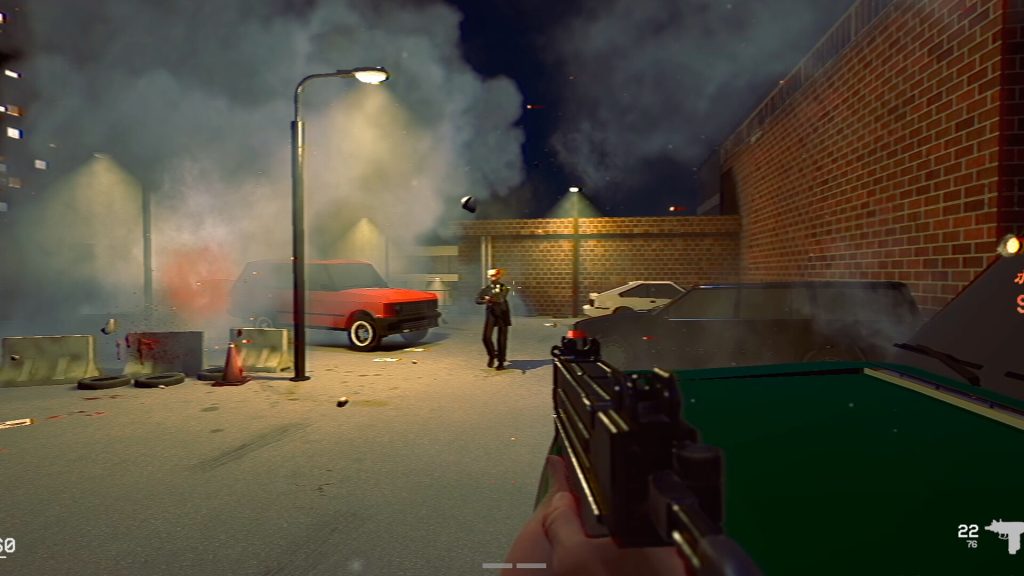
Retro corridor shooter Cop Bastard has partnered with Retrovibe for an October release, accompanied by a faster and more polished…
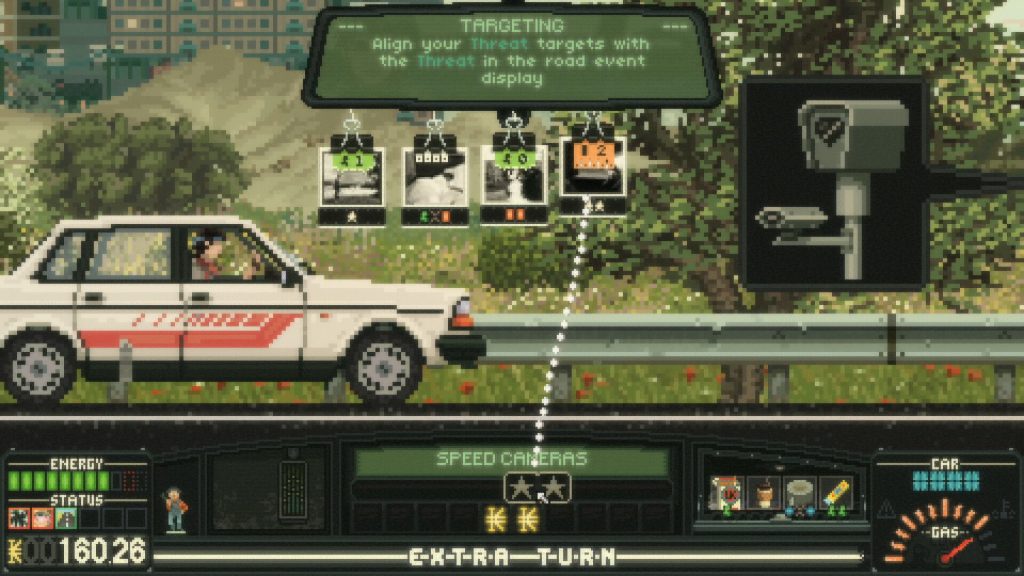
Keep Driving launches on Switch, PS5 and Xbox Series X|S on September 28 as its PC edition receives official Steam…
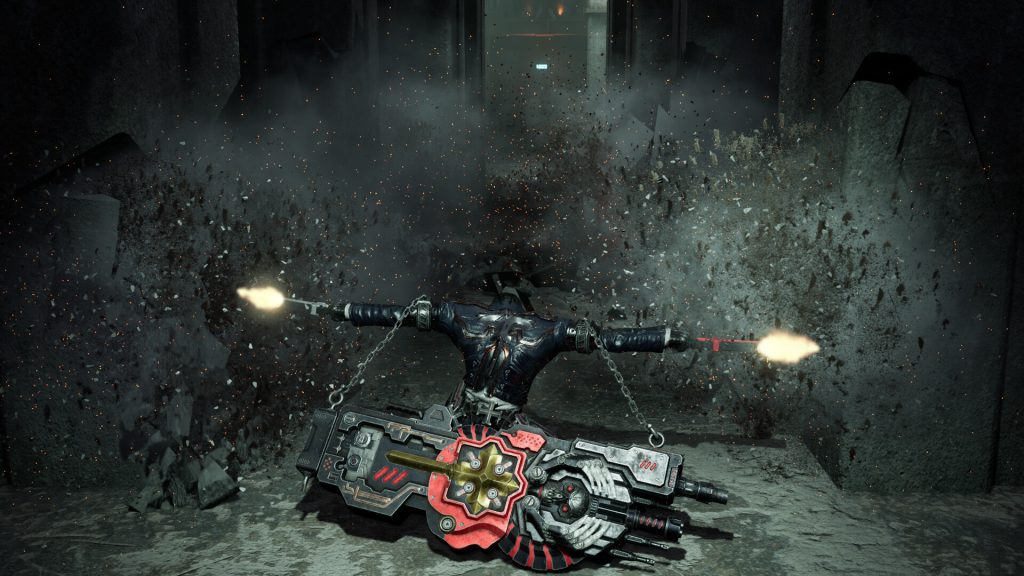
Gungrave G.O.R.E: Blood Heat shows its rebuilt combat, including parries, close-range attacks and faster 360-degree movement.
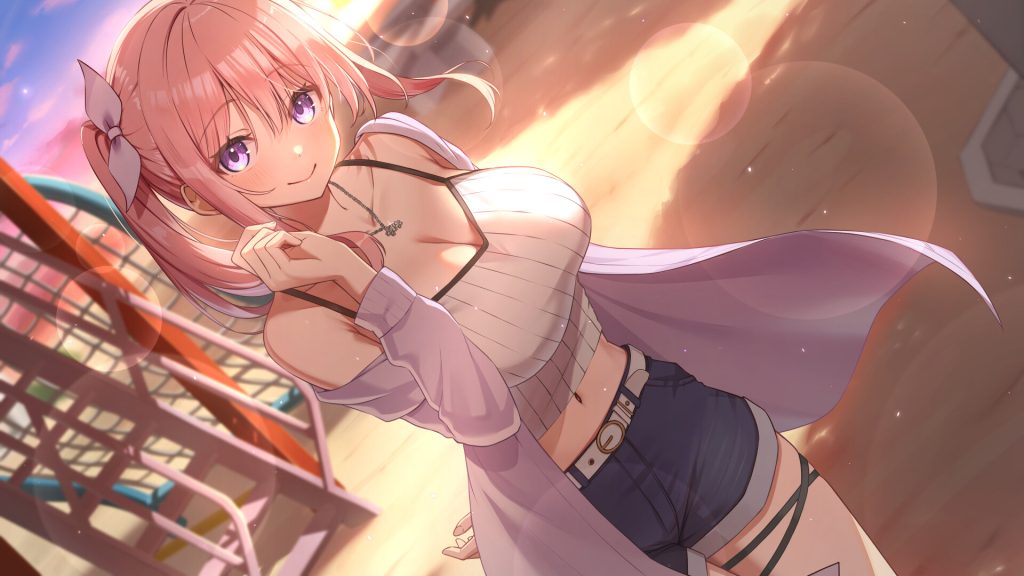
Sugar Lies follows a young man who hates dishonesty and a girl living behind a perfect persona when it launches…
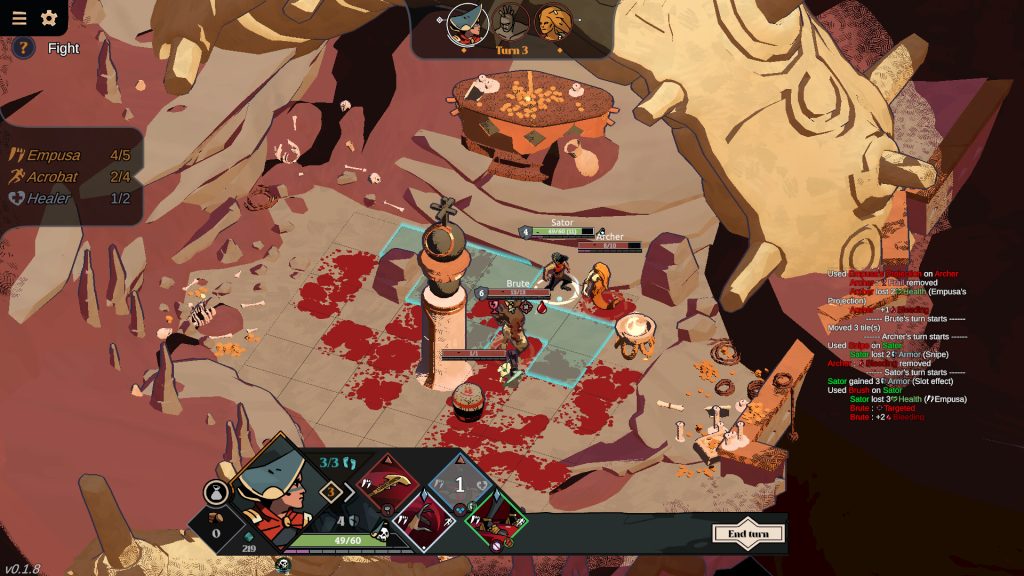
Deified leaves Steam Early Access on September 21 with its narrative ending, final boss floor, balance improvements and hidden content.
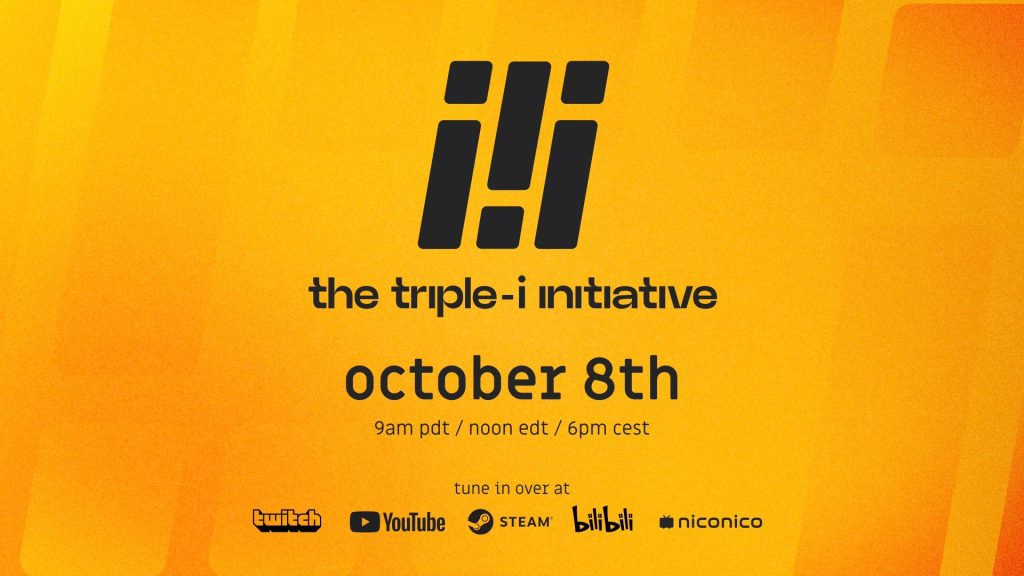
Triple-i Initiative returns October 8 with 40 games, eight world premieres and 45 minutes of trailers, release dates and reveals.
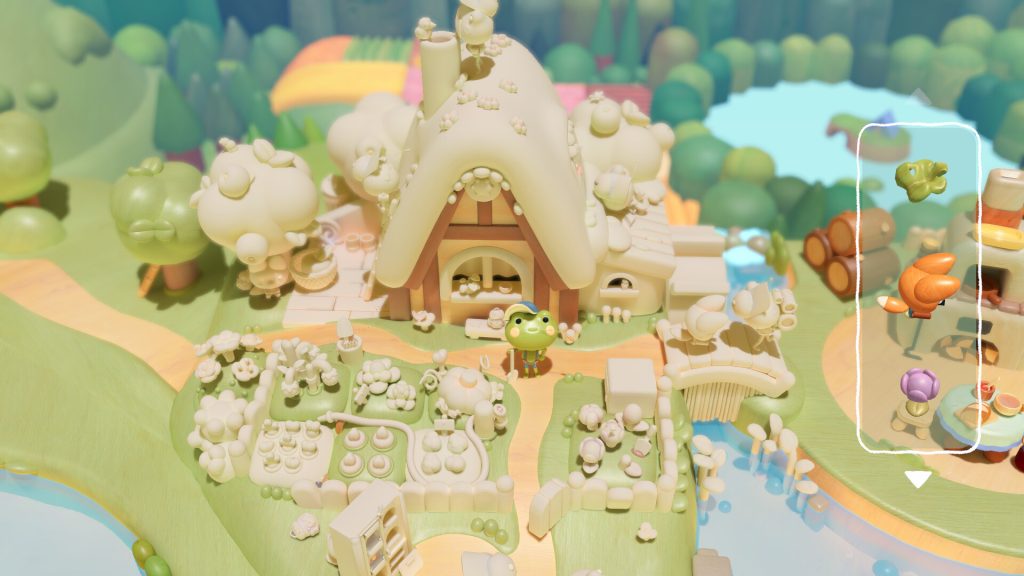
Woodo launches September 16, inviting players to rebuild childhood memories through cozy, handcrafted wooden dioramas.
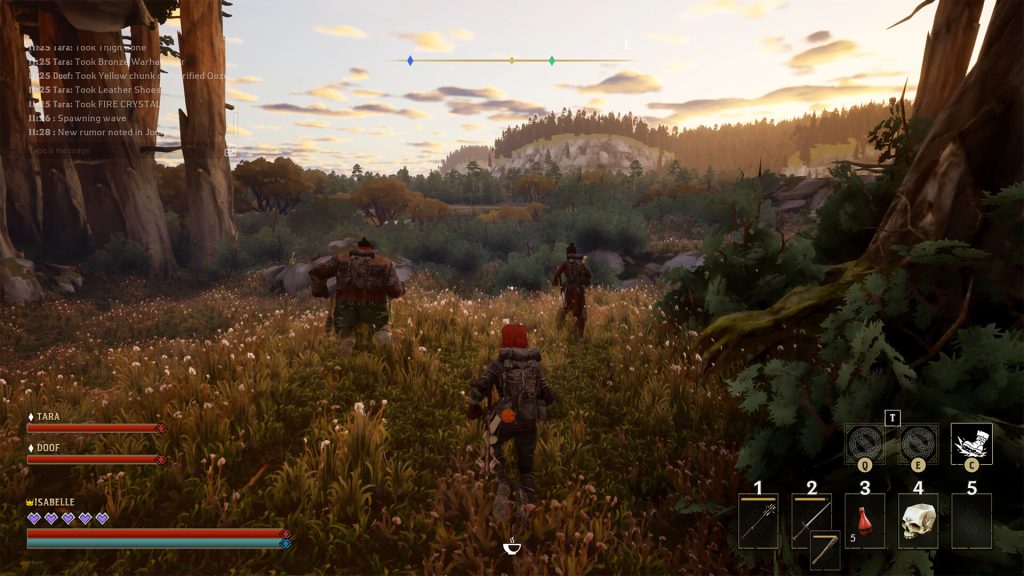
Curve Games signs Wyldheart in one of its biggest recent investments after the co-op RPG surpasses 375,000 Steam wishlists.
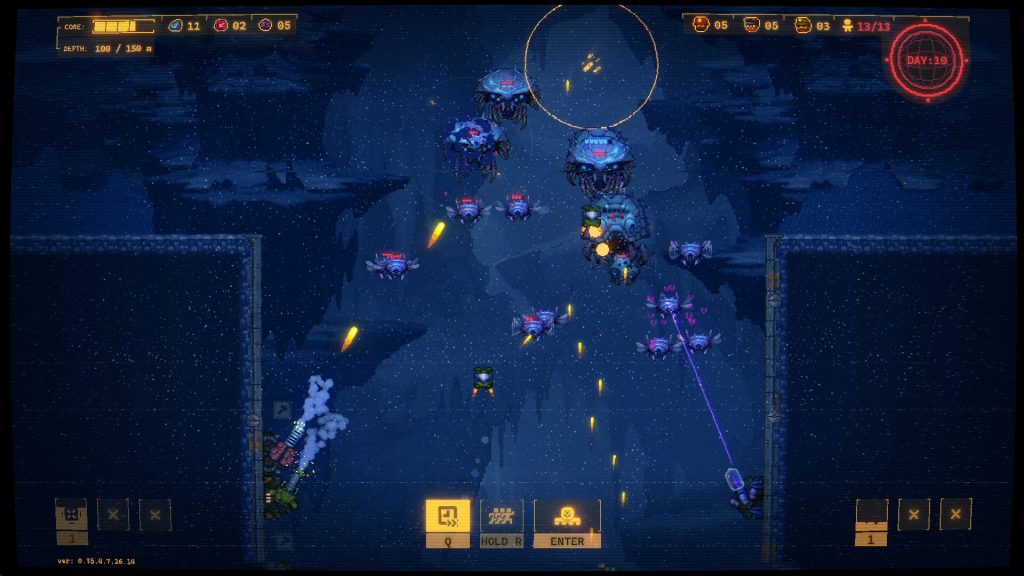
Drill Core’s free Anniversary Update adds Relaxed Mode, new bounties, specialists, platform skins and several quality-of-life improvements.
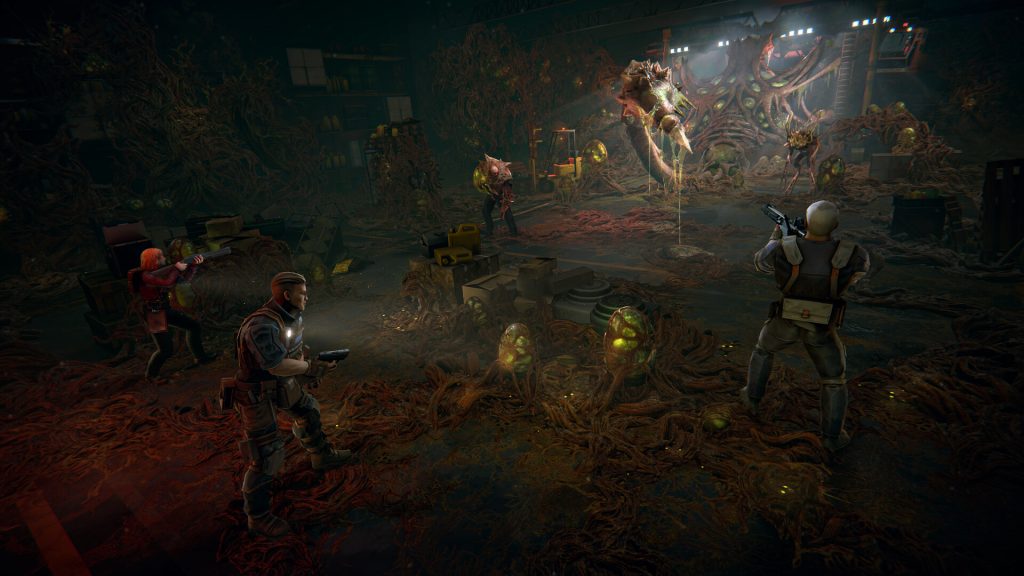
Critical Shift’s free two-hour demo combines real-time exploration with tactical combat inside a compromised Antarctic facility.
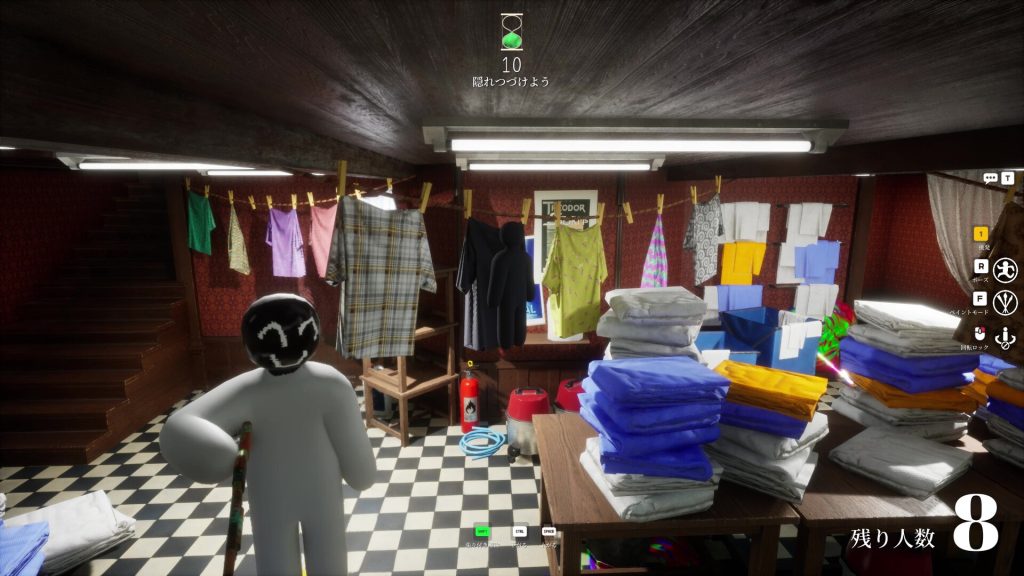
Meccha Chameleon brings its paint-based multiplayer hide-and-seek matches to Nintendo Switch 2 with a temporary $4.79 launch price.
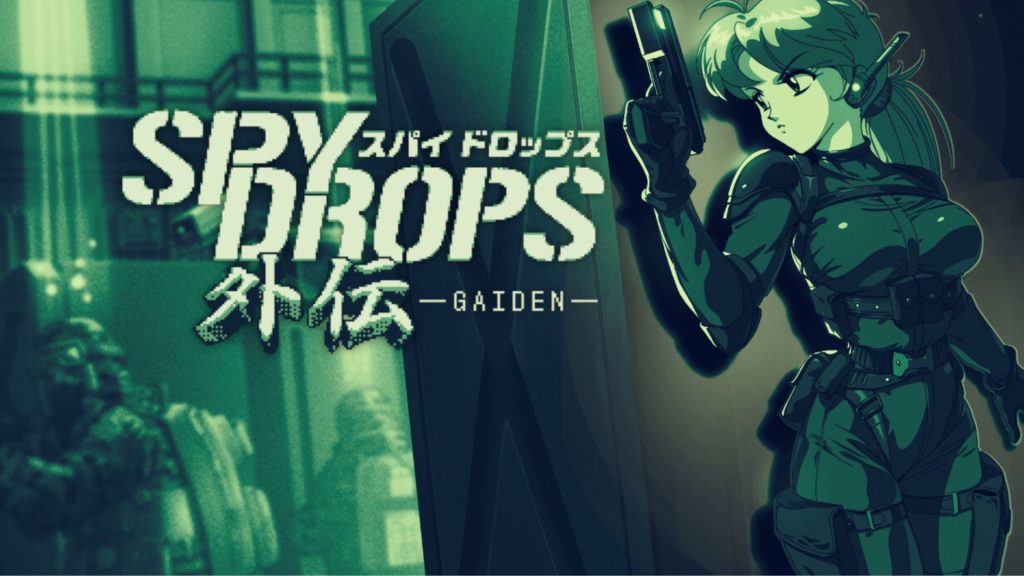
Spy Drops Gaiden brings Game Boy-style stealth, eight covert missions and intel extraction to Steam on October 12 for €4.99.
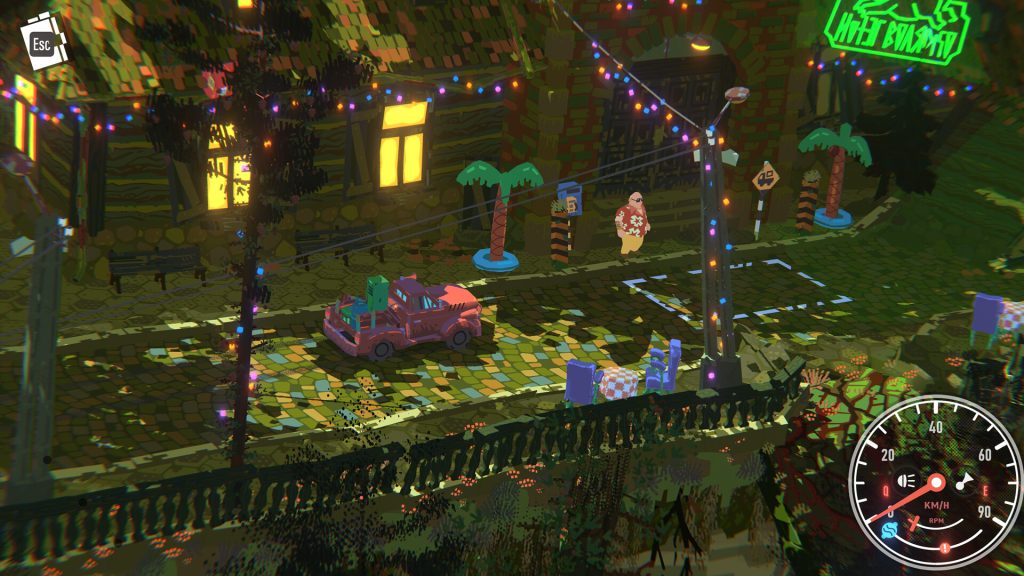
Truckful launches October 9 on Steam and Android, combining physics-based deliveries with vehicle upgrades and a mystery inside an ancient…
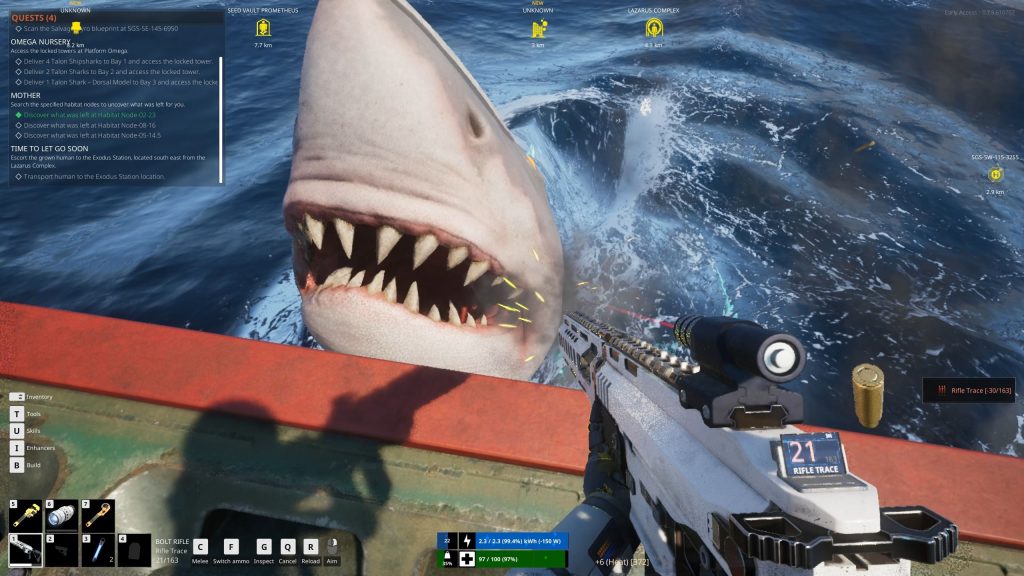
The Last Caretaker reaches version 1.0 in spring 2027 and joins Xbox Game Pass on day one after selling over…
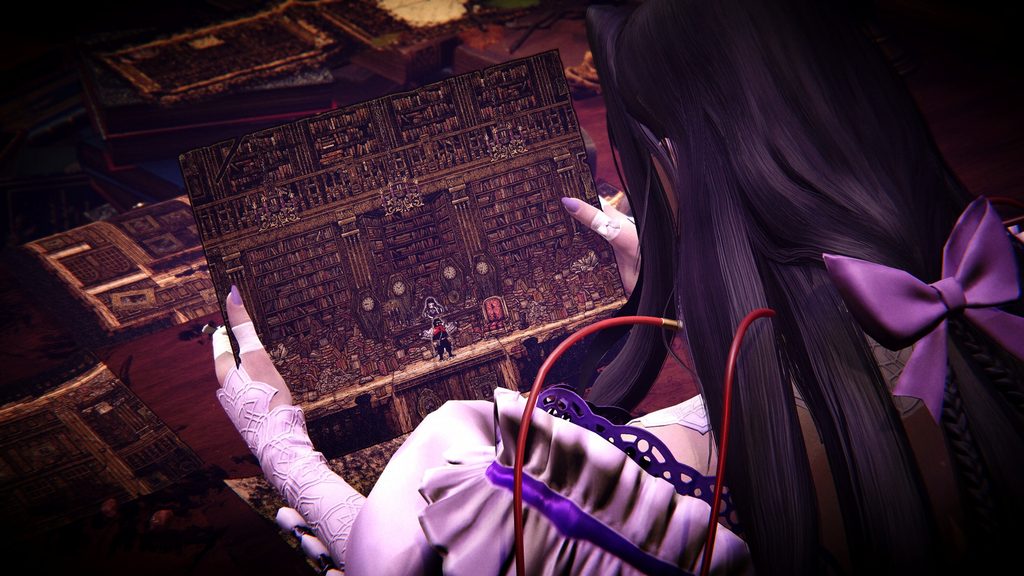
Chronoscript: The Endless End moves to early summer 2027 as DeskWorks! improves combat responsiveness, menus and visual readability.
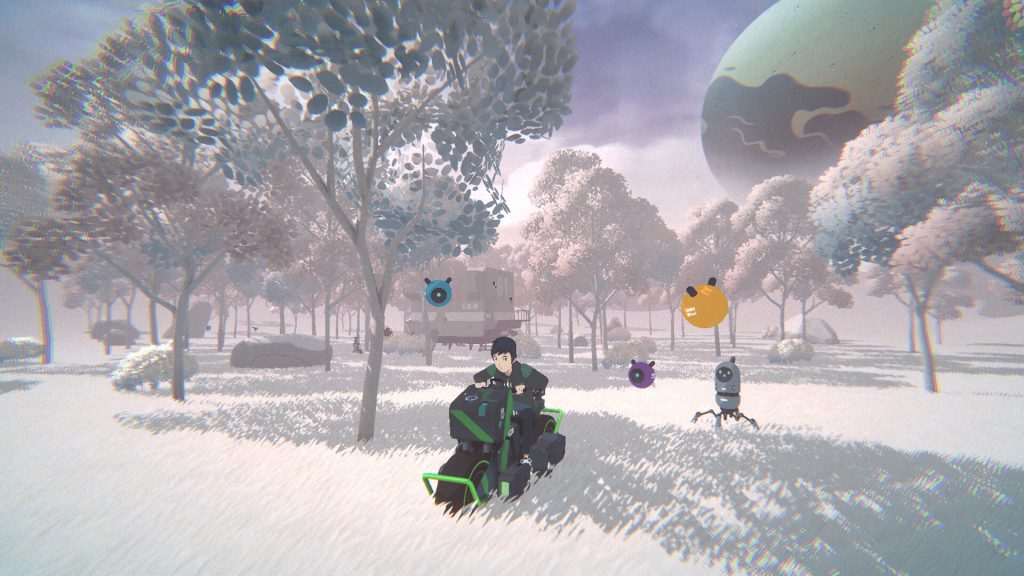
HEIMA is a parallel-world puzzle adventure from former Terra Battle developers, coming to PC in 2028 with SHIFT and HOLD…
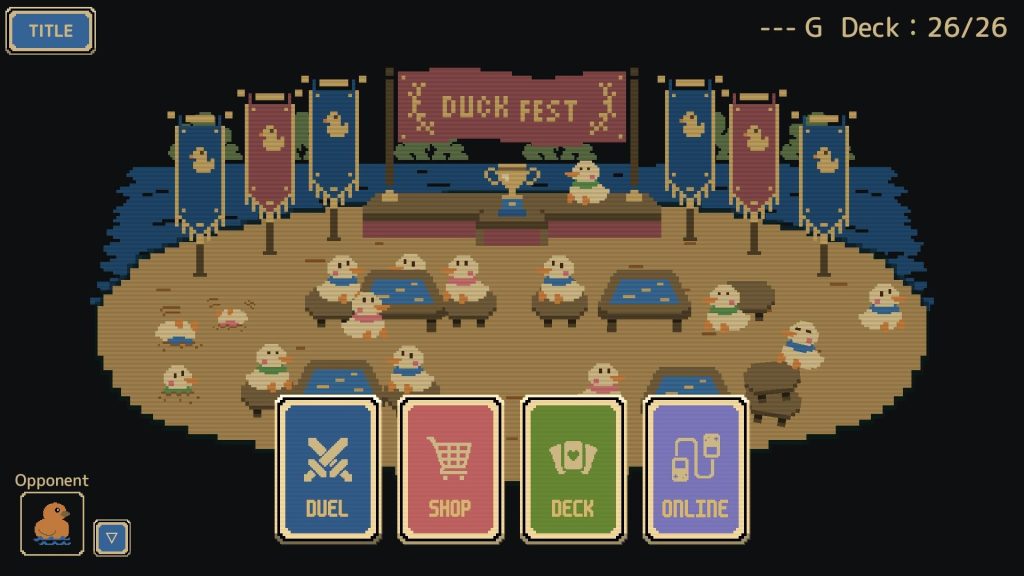
Duck Fest combines deck building and 1v1 battles with collectible cards that players can trade through the Steam Community Market.
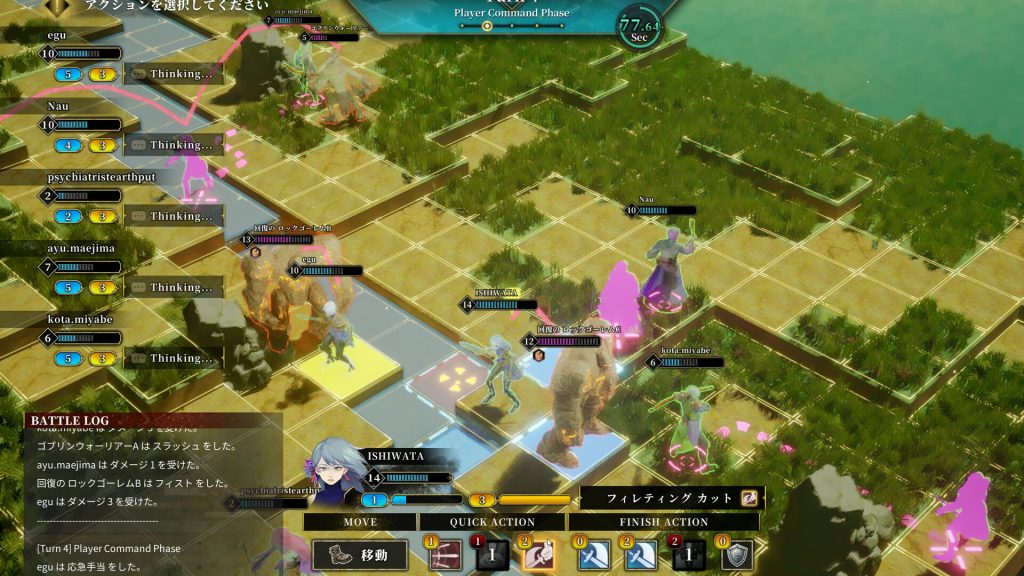
Tactful Tactics is a 1–6-player cooperative RPG where everyone plans and executes their actions simultaneously.
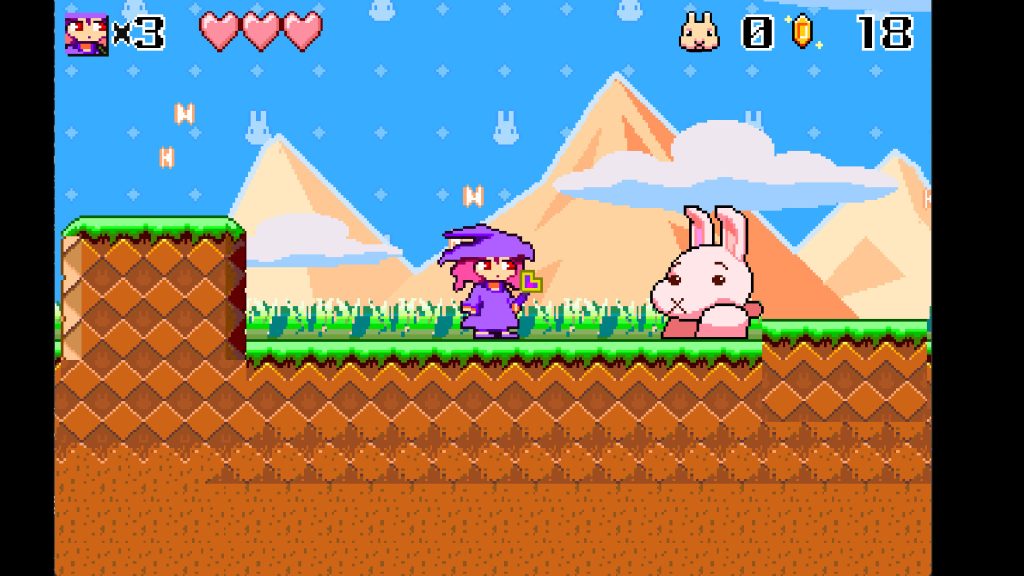
SakuSaku Witch is a retro-inspired 2D platformer about magic, bunny monsters and a suspicious toy company, coming to Steam in…
