
Sister Other Paranoia – Everyone Has Something Ugly to Hide
Reading another person’s mind is often presented as a desirable superpower, but Sister Other Paranoia immediately understands why it could…


If you enjoy independent indie game coverage, consider supporting Indie-Games.eu on Patreon. It helps keep the site independent.
For years, Pokémon games have disappointed me. Without plans to get a Nintendo Switch 2, since the prices are unreal and it seems like Nintendo is trying to bankrupt us, Digimon Story: Time Stranger came along at the perfect time. As the latest installment from Media.Vision and Bandai Namco Entertainment, the demo version genuinely surprised me.
I was genuinely impressed by how well the game played, how great it looked, and how much fun I had in just over an hour. Ultimately, it’s a monster-taming JRPG that builds on the foundation of the popular Digimon Story: Cyber Sleuth duology, and it aims to deliver a more authentic “Digimon” experience.
After a city is destroyed by an explosion, an agent from the organization ADAMAS is sent eight years into the past. They must unravel the central mystery: the cause of the world’s collapse and how a series of chance encounters will shape its fate. This time-travel narrative spans both the human world—specifically a government-sealed Shinjuku, and a new, detailed Digital World called Iliad.
The turn-based combat system uses the classic Digimon rock-paper-scissors framework of Virus, Vaccine, and Data types. You can easily see the turn order, with Virus beating Data, Data beating Vaccine, and Vaccine beating Virus. Additionally, elemental strengths and weaknesses play a major role in battles. Ultimately, the combat feels more flexible, dynamic, and faster thanks to quicker animations.
A new feature allows you to swap Digimon in and out of battle and use items without losing a turn. However, some boss fights can become tedious because of large health bars, which forces you to repeat the same strategy multiple times. Surprisingly, the sheer number of Digimon available was a major highlight. The demo showcased this well, giving us a look at some common, rare, and well-known Digimon.
The non-linear Digivolution and De-digivolution systems from past games also return, allowing you to raise a Digimon’s “talent” and unlock powerful evolutions. Therefore, grinding and repeating battles become very rewarding. I learned this the hard way: after failing to beat the first big enemy, I realized how important it is to prepare beforehand and not just rush in.

A brand-new mechanic, the Personality system, gives each Digimon one of 16 personality types. These personalities influence stat growth, skill acquisition, and even Digivolution requirements. For example, a “Daring” Digimon will have higher attack and defense growth, making it a better physical fighter. Additionally, you can use Cross Arts, powerful fusion techniques that combine your power with a Digimon’s to offer support effects like stat boosts.
Digimon Story: Time Stranger feels like the first Digimon game with a truly ambitious budget. Its beautiful graphics and high level of polish are comparable to games like Persona. I’m sure I’m not the only one who sees the resemblance to the Persona series in its art style and graphics. Furthermore, the Digimon models have been remade for the current generation, and the environments are more detailed and varied than in previous titles.
This title seems to be a promising step forward for the franchise. It successfully captures the essence and “spirit” of the Digimon series, while its new mechanics, such as the Personality system, add meaningful depth to the gameplay. Ultimately, the overall package, which includes a rich story, a huge roster of Digimon, and a solid JRPG foundation, suggests that Time Stranger will be highly appealing to both longtime fans and newcomers.
It is scheduled for a worldwide release on October 3, 2025 for PlayStation 5, Xbox Series X/S, and PC via Steam.

Reading another person’s mind is often presented as a desirable superpower, but Sister Other Paranoia immediately understands why it could…
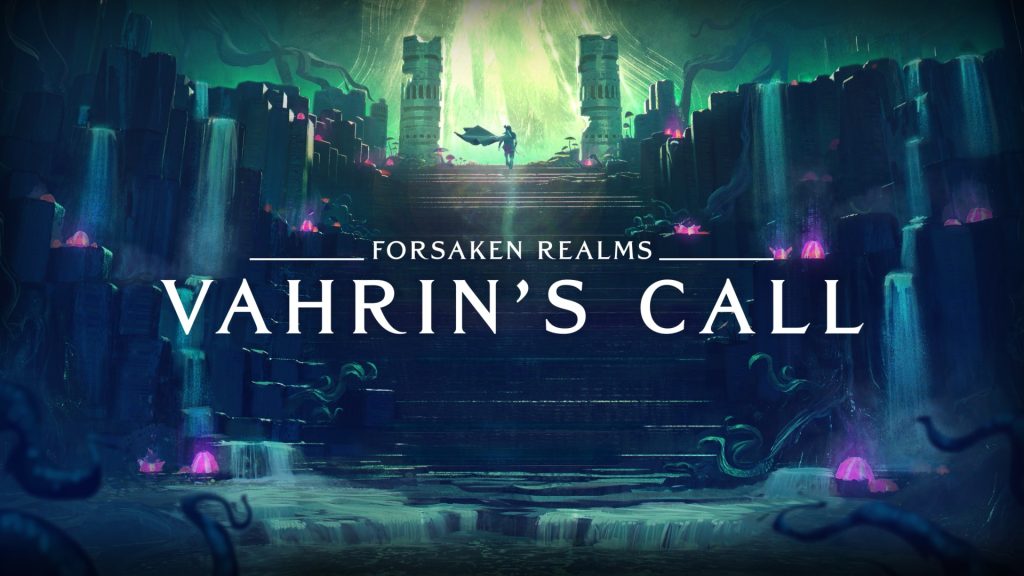
Forsaken Realms: Vahrin’s Call is exactly the kind of ambitious, slightly clumsy fantasy RPG that used to be far more…
![[Early Access] 2nd EVE – Sci-Fi Action RPG That Lacks a Sense of Stakes](https://www.indie-games.eu/wp-content/uploads/2026/08/2ND-EVE-1024x576.jpg)
2nd Eve is a space-set action RPG in which we strive to save humanity.
![[PREVIEW] Dreamcards – Strategic Exploration of Consciousness](https://www.indie-games.eu/wp-content/uploads/2026/08/Dreamcards_20260810_233631_0000-1024x576.jpg)
Dreamcards is a roguelike deckbuilder centered around dreams and nightmares.
![[Early Access] OFFBEAT – Incredibly Fun Way to Start a Music Career](https://www.indie-games.eu/wp-content/uploads/2026/08/Offbeat_20260808_201446_0000-1024x576.jpg)
In OFFBEAT, we play the role of a jobbing composer who is launching their music career.
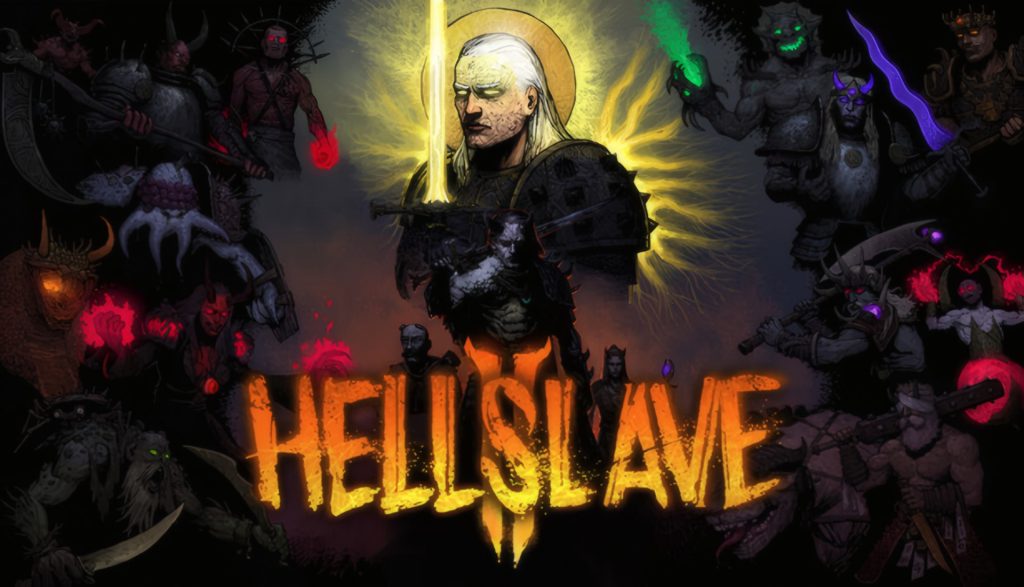
HellSlave II retains the original’s oppressive atmosphere, morally grey world and striking art while adding a larger world, randomized loot…
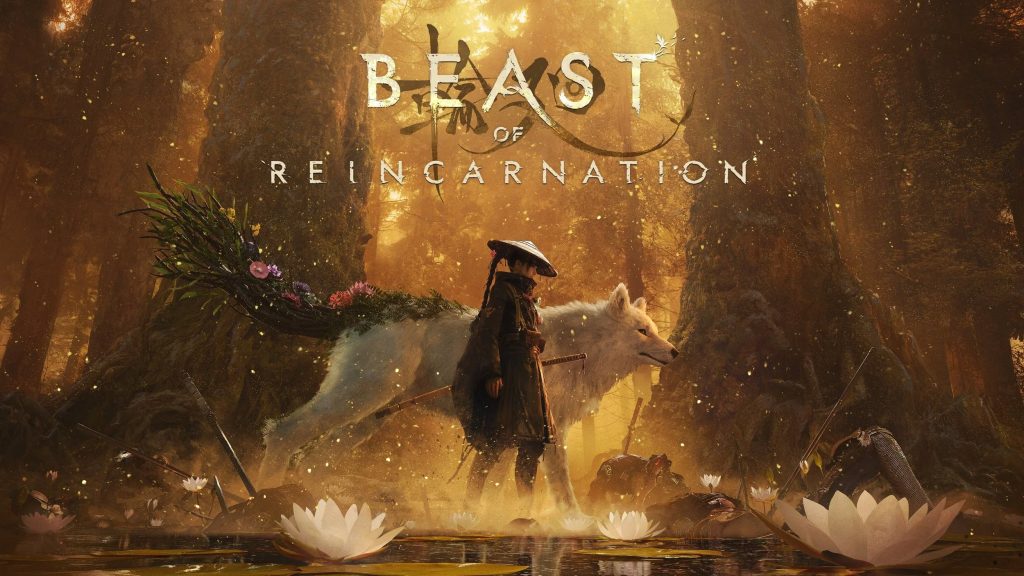
Beast of Reincarnation is an ambitious but uneven action RPG elevated by satisfying parry combat, beautiful art direction and the…

K-pop Idol Stories: Road to Debut captures the pressure of building idol group, but its management systems never explore that…
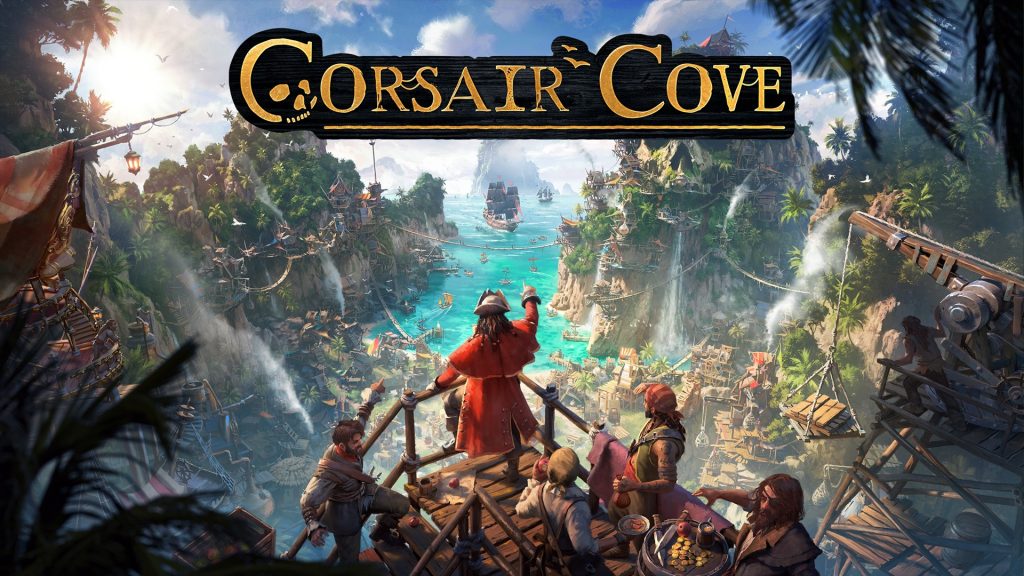
Hooded Horse keeps finding strategy games that know their audience, and Corsair Cove extends its impressive run of excellent city-builders.
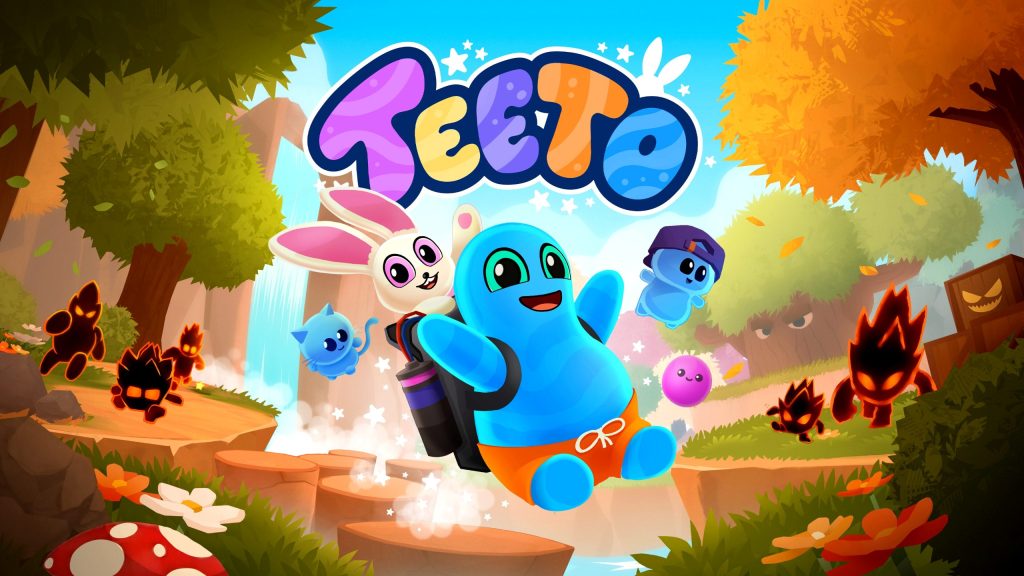
Teeto is a warm, cozy, creative and highly enjoyable 3D platformer that understands why classic collectathons remain so appealing.
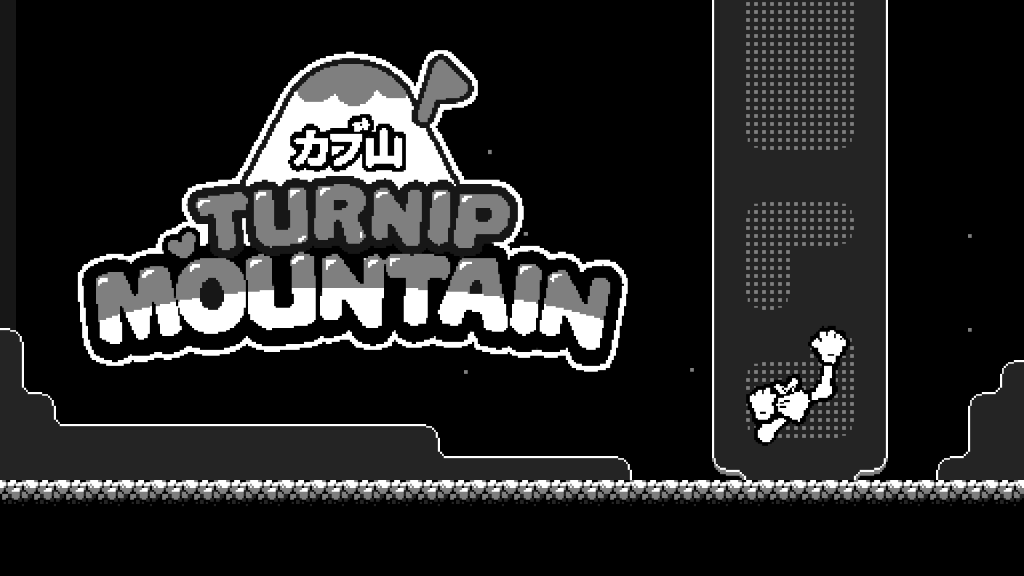
Turnip Mountain stands out for its combination of a unique control system and a minimalist approach.
Dystopicon is an imaginative and memorable narrative experiment with sharp social commentary, engaging world-building and several wonderfully absurd scenarios.
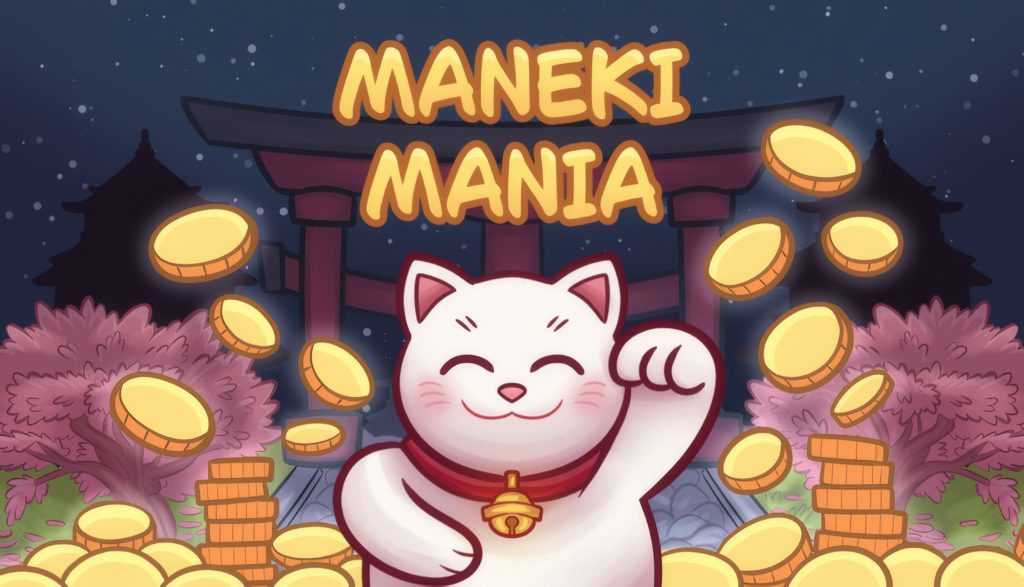
Maneki Mania is an incremental game centered around petting a lucky cat.
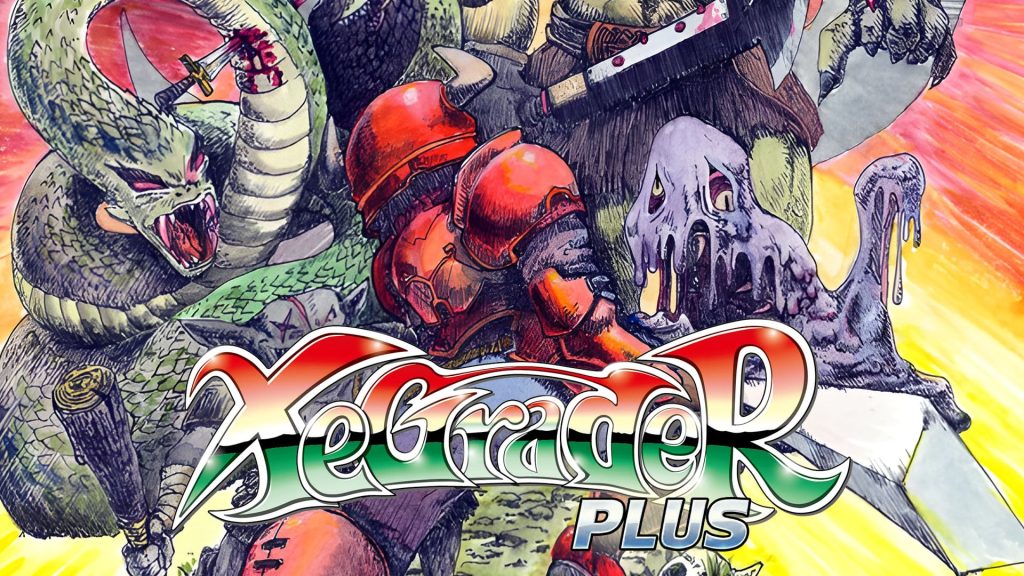
XeGrader Plus delivers colorful retro shooting, but basic mechanics, a short campaign and paid retro modes make its €20 price…
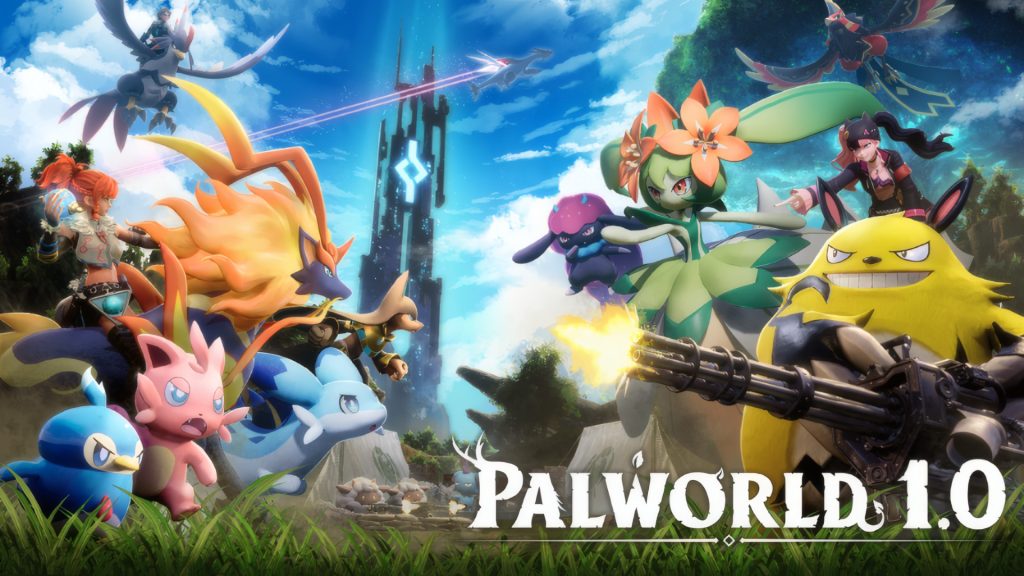
It has been roughly two and a half years since Palworld first entered Early Access, and quite a lot has…
![[EARLY ACCESS] The Last Caretaker – Survival Game I Cannot Stop Playing](https://www.indie-games.eu/wp-content/uploads/2026/07/The-last-Caretaker-Key-Art-1024x587.jpg)
The Last Caretaker is a compelling survival crafter with a flooded world and mobile base, but weak combat and performance…
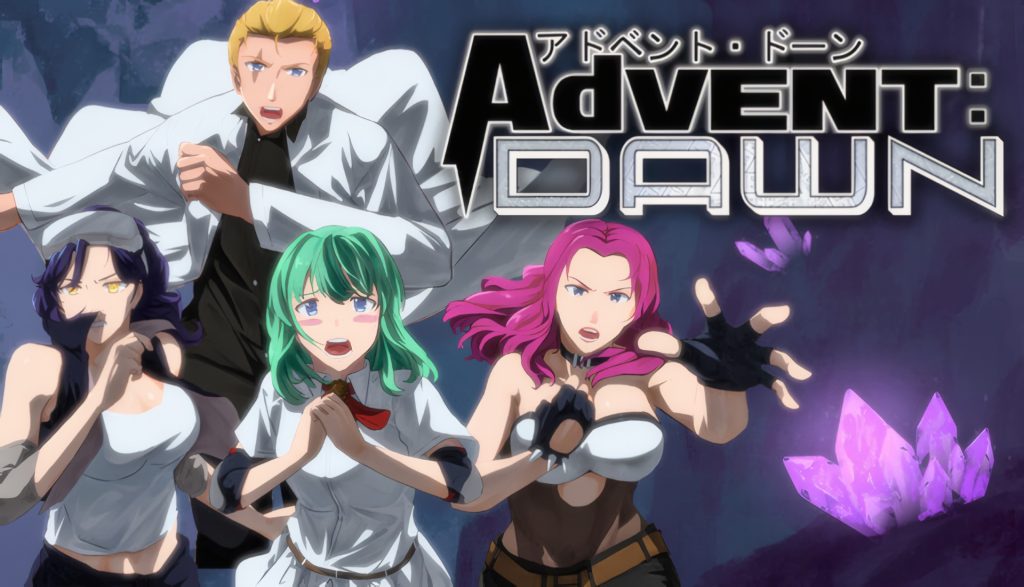
Advent: Dawn is an intriguing science-fiction visual novel elevated by a likable cast and one of the most convenient flowchart…
![[EARLY ACCESS] Hell Maiden – Beautiful but Uneven Journey Through Hell](https://www.indie-games.eu/wp-content/uploads/2025/06/HMD_screenshot_019-1024x576.jpg)
Bullet heaven and rougelite game Hell Maiden lands between a polished Early Access release and a promising game that still…
![[PREVIEW] Dark Queen of Samobor – Promising Croatian Adventure Still in Need of Polish](https://www.indie-games.eu/wp-content/uploads/2026/07/Dark-Queen-of-Samobor-1024x587.jpg)
Dark Queen of Samobor is a promising 2.5D side-scrolling action-adventure that combines Croatian folklore with combat, puzzles and cinematic platforming.
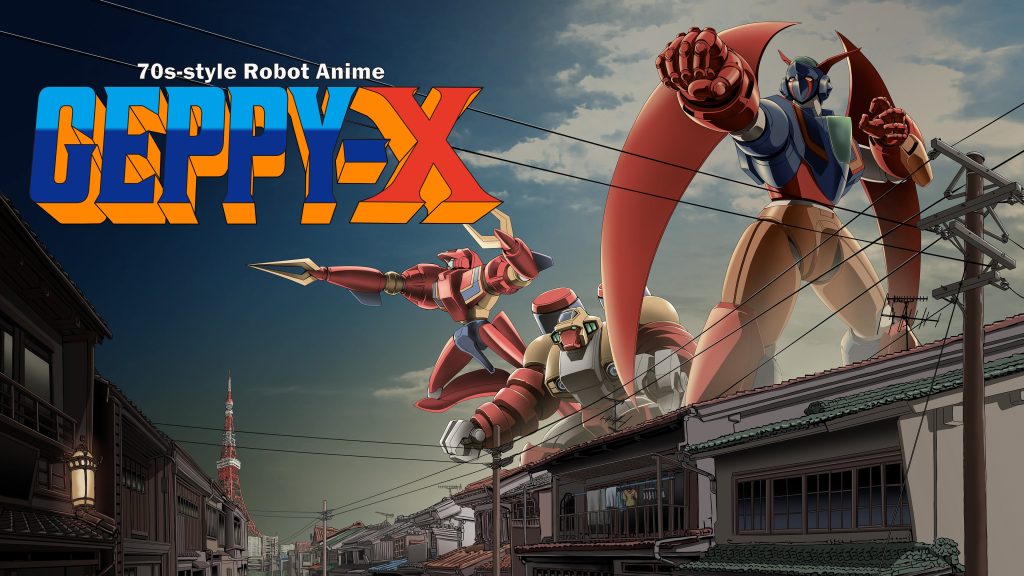
70s-style Robot Anime Geppy-X offers incredible animation, music and mecha nostalgia, but its average shooting make the €39 price difficult…
