
If you enjoy independent indie game coverage, consider supporting Indie-Games.eu on Patreon. It helps keep the site independent.
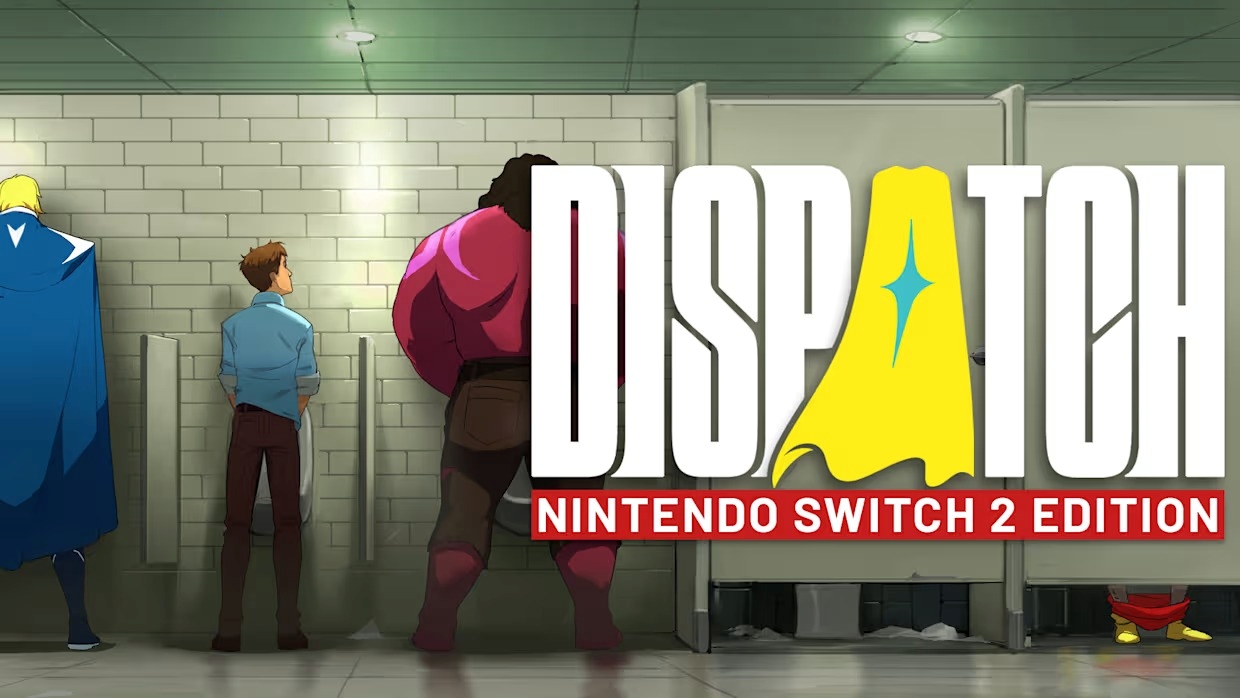
The release of Dispatch on Nintendo Switch and Switch 2 has become one of the most talked-about controversies surrounding Nintendo in recent months. What began as confusion and frustration among players has now turned into a clearer picture of what went wrong, thanks to a detailed statement from developer AdHoc Studio. At the center of the issue is unexpected censorship that made the Switch versions noticeably different from their PC and PlayStation counterparts, sparking backlash, refund requests, and accusations of poor communication.
For those unfamiliar with the situation, the controversy stems from how Dispatch handles mature content across platforms. On PC and PS5, the game includes several optional censorship toggles in its settings menu. Players can choose whether licensed music is replaced, whether visual elements are censored, and whether profanity is filtered. On Switch and Switch 2, however, the option to disable visual censorship is entirely absent. As a result, visual edits are permanently enabled, covering nudity with black boxes and muting at least one character’s moaning during a sex scene.
These changes were not communicated clearly at launch and many fans who purchased the game on Nintendo platforms expected the same uncensored experience available elsewhere. When players discovered the differences, frustration spread quickly across social media and community forums. Refund requests increased, and both Nintendo and AdHoc issued early statements that acknowledged the controversy but stopped short of explaining the full story.
That changed when Nick Herman, co-founder of AdHoc Studio, published a lengthy message on the official Dispatch Discord server. In it, he explained that the studio originally believed the game would be allowed to launch uncensored on Switch and Switch 2, just as it had on other platforms. During the porting process, however, it became clear that Nintendo’s content guidelines would not allow the game to be released in its original form.
Nintendo later reinforced this position in its own statement, emphasizing that all games on its platforms must meet established content and platform standards. While the company does not directly edit partner content, it requires developers to comply with these rules before release. According to Herman, Dispatch failed to meet those guidelines, leaving the team with two choices: censor the game or abandon the Nintendo release entirely.
AdHoc initially assumed that the presence of other mature titles, such as The Witcher 3 and Cyberpunk 2077, meant Dispatch would face no major restrictions. That assumption proved incorrect. Once the team realized changes were necessary, they worked with Nintendo to add a disclaimer to the store page explaining that content would differ from other versions.
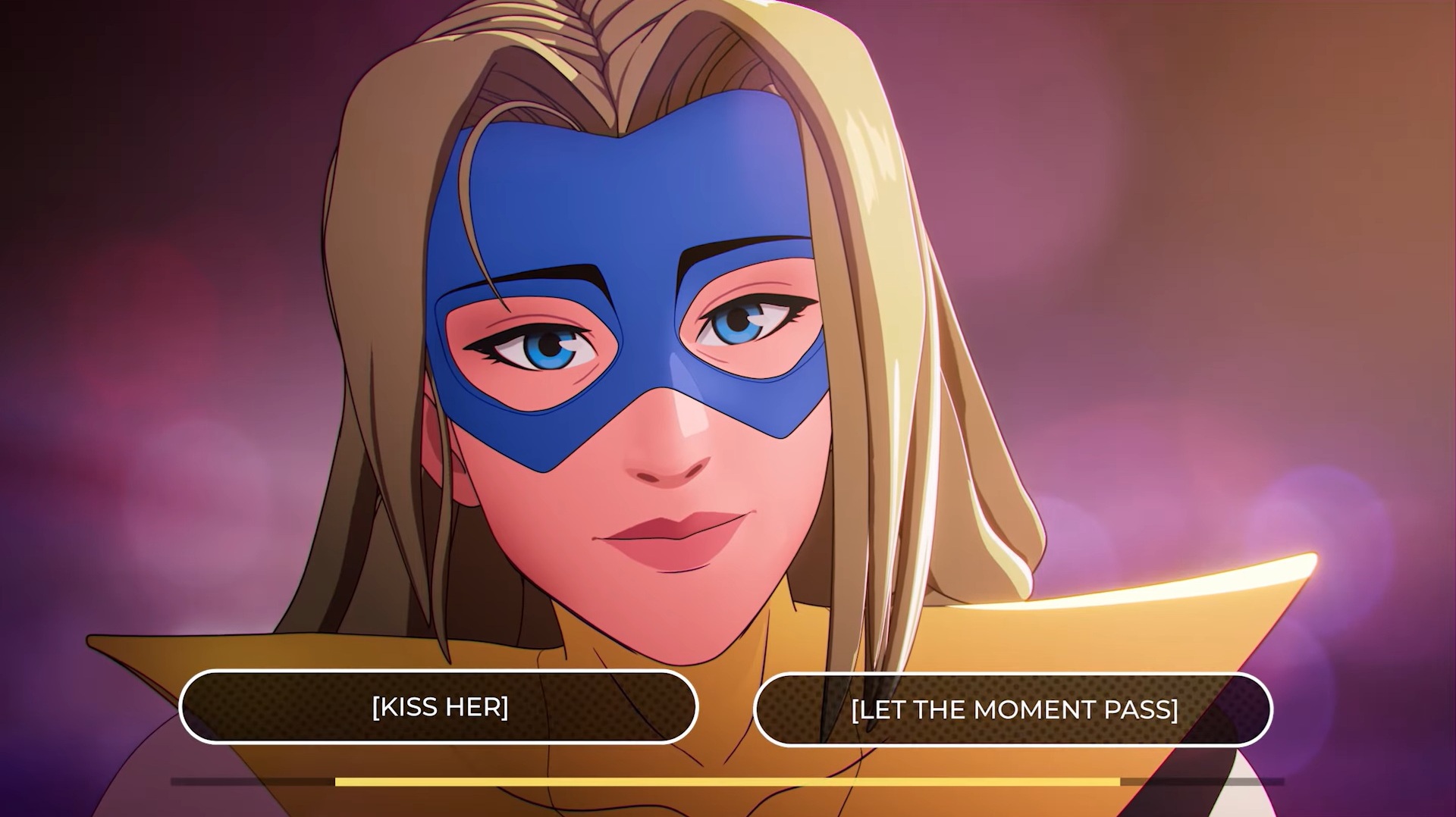
However, this is where AdHoc admits it made a major mistake. While the disclaimer technically existed at launch, it was placed in a poorly visible section labeled “Disclaimer” instead of the more prominent “About the Game” area. As a result, many customers never saw it before purchasing. Herman acknowledged that this placement made it appear as though the studio was trying to hide the censorship, even though that was not their intention.
In his statement, Herman took full responsibility for this communication failure and apologized directly to fans. He admitted that players had every right to feel upset and described the situation as a learning experience for the studio. Rather than deflecting blame, AdHoc emphasized that the lack of clarity was their fault, regardless of Nintendo’s policies.
From a broader perspective, the situation highlights the ongoing tension between platform guidelines and creative freedom. While Nintendo may not have explicitly ordered specific edits, its standards effectively forced AdHoc to alter the game to secure approval. For players, this raises questions about transparency, consistency, and whether they can expect equal versions of mature games across platforms.
Despite the disappointment, there may be reason for cautious optimism. Herman revealed that AdHoc is already working with Nintendo on a possible path forward. The team is exploring ways to reduce at least some of the censorship through future updates. While no firm promises have been made, he expressed confidence that improvements are possible.
That said, players should not expect immediate changes. Between development work and Nintendo’s console submission process, any update will likely take weeks rather than days. Still, the acknowledgment of the issue and the commitment to address it have helped ease some of the initial anger.
For fans of the game, the controversy is not just about censored scenes. It is about knowing what they are buying, having confidence in developers, and feeling respected as customers. With AdHoc now openly addressing the problem and working toward a solution, the focus shifts from blame to rebuilding that trust.
Whether future updates can fully satisfy disappointed players remains to be seen. But for now, the Dispatch censorship saga stands as a reminder that in today’s multiplatform landscape, clear communication can be just as important as the game itself.
Half Sword currently holds a “Mixed” rating on Steam, with only around 42 percent of reviews marked as positive from…
Rather than relying on frequent jump scares or combat, MOLE focuses on slow-burning tension and psychological unease.
In a market saturated with procedurally generated shooters and roguelike hybrids, Terrible Life Expectancy stands out by making progression feel…
Today’s edition spans everything from handcrafted stop-motion horror and cozy puzzle cats to ambitious RPG projects
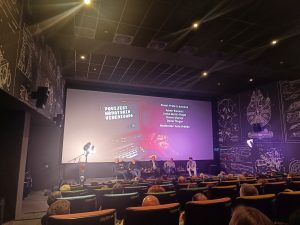
The exhibition was organized by the Video Game History Museum in Zagreb and represents the first systematic and chronological overview…
![[OPINION] Xbox Hardware Slips as Microsoft’s Earnings Expose a Growing Problem](https://www.indie-games.eu/wp-content/uploads/2026/01/Xbox-300x169.jpg)
Xbox gaming revenue fell 9 percent year over year. Hardware sales collapsed by 32 percent, while content and services dropped…

Another packed day in the indie and gaming world brings a wave of demos, release dates, major updates, industry shifts,…

Sezon relacji z różnych imprez rozpoczynamy koncertem Anime Symphony Kameralnie.
We are kicking off the 2026 season of events with Anime Symphony concert.

We’ve gathered today’s most important stories into one easy-to-read roundup.

Twin Sails Interactive has announced a new publishing partnership with Brazilian developer Orbit Studio.

Indie Fan Fest is a curated digital showcase focused on unreleased indie games.

Everplay’s new CEO, Mikkel Weidder, said he is confident about the group’s future.

You travel alongside a mysterious girl who has completely lost her memory, and the core of the experience revolves around…

Each run will be different thanks to roguelite mechanics, while additional depth comes from soulslike elements such as parrying.

Welcome to Daily Indie News Roundup #8, your one-stop destination for everything happening across the indie gaming world and beyond.
![[OPINION] How Nintendo Turned Switch 2 Upgrades Into a Money Trap](https://www.indie-games.eu/wp-content/uploads/2026/01/Nintendo-Switch-2-Upgrades-300x174.jpg)
Before the massive success of the Switch, the company offered options that respected different budgets.

Green Man Gaming has kicked off a massive New Year Sale, offering discounts of up to 90% on a huge…
Today’s roundup covers a wide range of stories shaping the future of independent games.
The indie games scene doesn’t slow down and neither do we.
Half Sword currently holds a “Mixed” rating on Steam, with only around 42 percent of reviews marked as positive from…
Rather than relying on frequent jump scares or combat, MOLE focuses on slow-burning tension and psychological unease.
In a market saturated with procedurally generated shooters and roguelike hybrids, Terrible Life Expectancy stands out by making progression feel…
Today’s edition spans everything from handcrafted stop-motion horror and cozy puzzle cats to ambitious RPG projects
The exhibition was organized by the Video Game History Museum in Zagreb and represents the first systematic and chronological overview…
Xbox gaming revenue fell 9 percent year over year. Hardware sales collapsed by 32 percent, while content and services dropped…
Another packed day in the indie and gaming world brings a wave of demos, release dates, major updates, industry shifts,…
Sezon relacji z różnych imprez rozpoczynamy koncertem Anime Symphony Kameralnie.
We are kicking off the 2026 season of events with Anime Symphony concert.
We’ve gathered today’s most important stories into one easy-to-read roundup.
Twin Sails Interactive has announced a new publishing partnership with Brazilian developer Orbit Studio.
Indie Fan Fest is a curated digital showcase focused on unreleased indie games.
Everplay’s new CEO, Mikkel Weidder, said he is confident about the group’s future.
You travel alongside a mysterious girl who has completely lost her memory, and the core of the experience revolves around…
Each run will be different thanks to roguelite mechanics, while additional depth comes from soulslike elements such as parrying.
Welcome to Daily Indie News Roundup #8, your one-stop destination for everything happening across the indie gaming world and beyond.
Before the massive success of the Switch, the company offered options that respected different budgets.
Green Man Gaming has kicked off a massive New Year Sale, offering discounts of up to 90% on a huge…
Today’s roundup covers a wide range of stories shaping the future of independent games.
The indie games scene doesn’t slow down and neither do we.
