
![[PREVIEW] Hangry – Cosmic Culinary Clash with Bite](https://www.indie-games.eu/wp-content/uploads/2025/03/Hangry.jpg)
If you enjoy independent indie game coverage, consider supporting Indie-Games.eu on Patreon. It helps keep the site independent.
Hangry is an upcoming action RPG developed by Game Pill, a well-established Toronto-based game development studio with over 15 years of experience and more than 100 game credits. Known for their work on licensed titles with major brands like Disney, Marvel, and Nickelodeon, Game Pill is now venturing into original IP with Hangry, a self-described “snack ‘n’ slash” game.
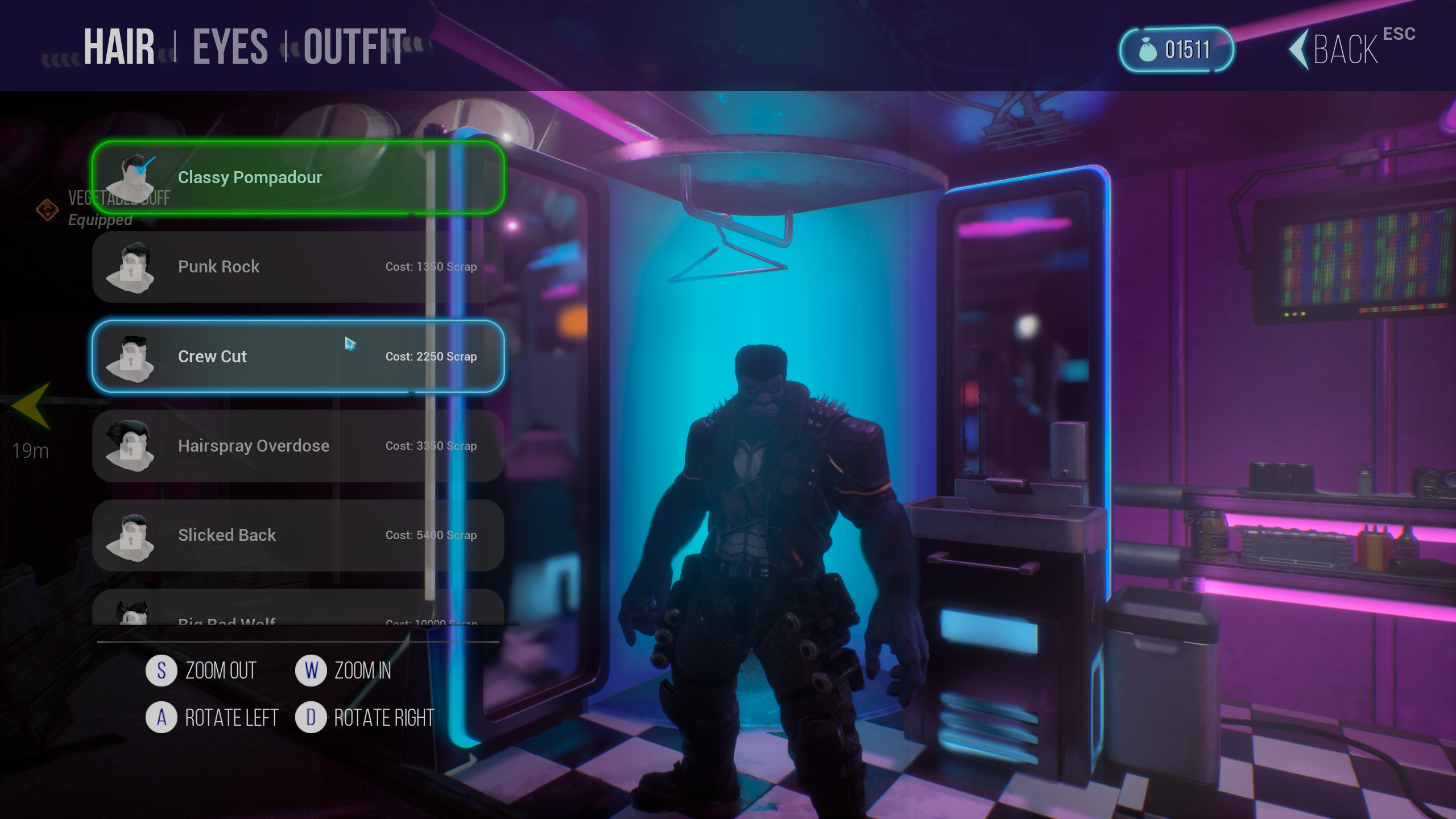
Considering the studio’s name, you would have expected a more polished and visually impressive game. Unfortunately, in this aspect, the game falls short. However, let’s not judge it too harshly, as it’s still in active development, and improvements are likely on the way. The visuals, powered by Unreal Engine, depict lush, edible landscapes, powdered sugar coasts, glowing candy forests, and ember-kissed woods, all brimming with personality. You’ll also encounter creatures like taco dogs and sushi hounds, which are as delicious as they are terrifying.
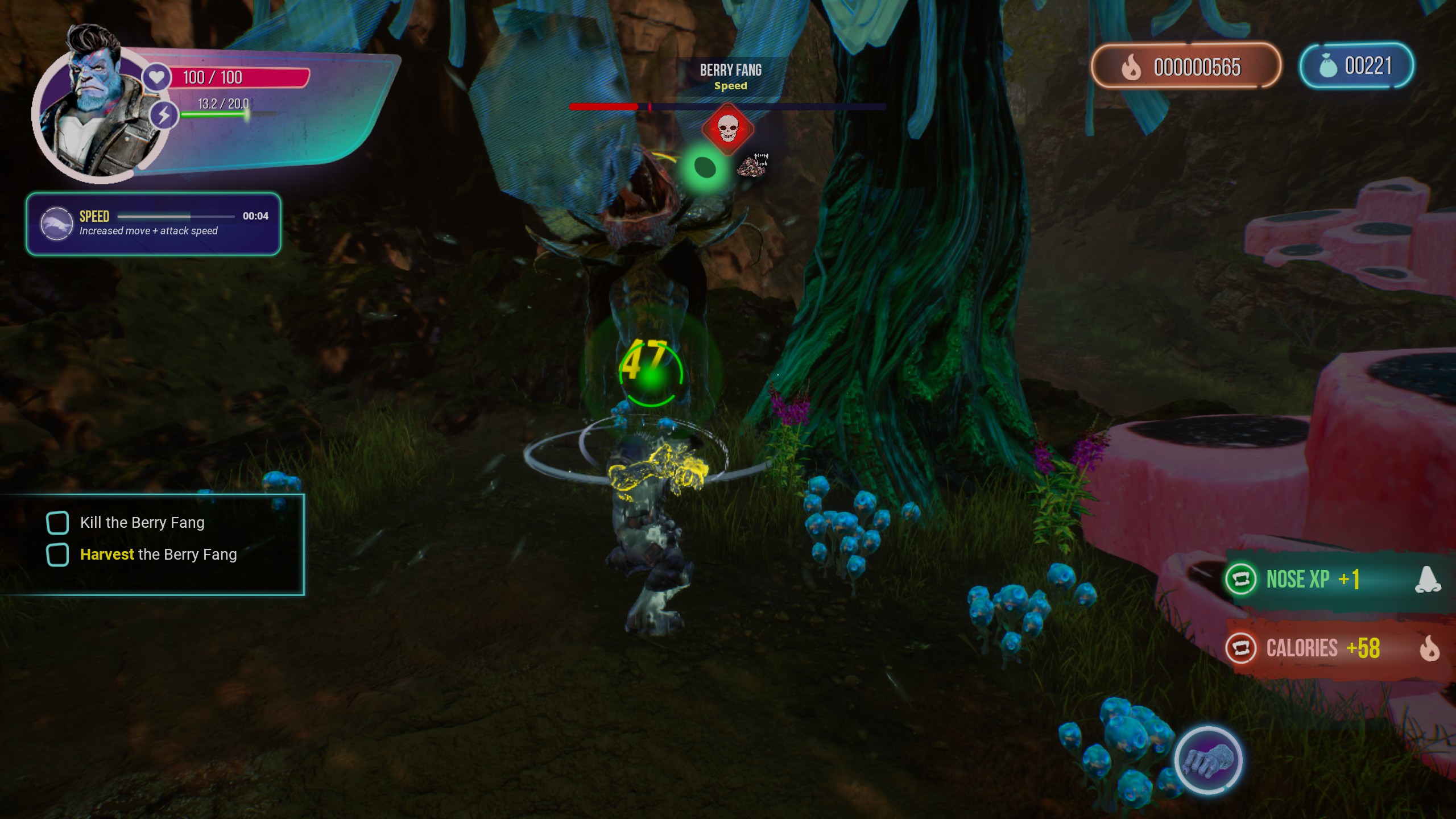
The “snack ‘n’ slash” hook is simple yet bold: hunt, eat, evolve. Hangry slashes through foes with claws, guns, and grenades, chaining light and heavy attacks into combos and finishers. Eating defeated enemies (raw for quick boosts or cooked for bigger gains) upgrades your stats, abilities, and weapons, replacing traditional leveling systems. Hangry Mode, a rage-fueled transformation, takes things to the next level, turning you into a hulking beast capable of massive takedowns.
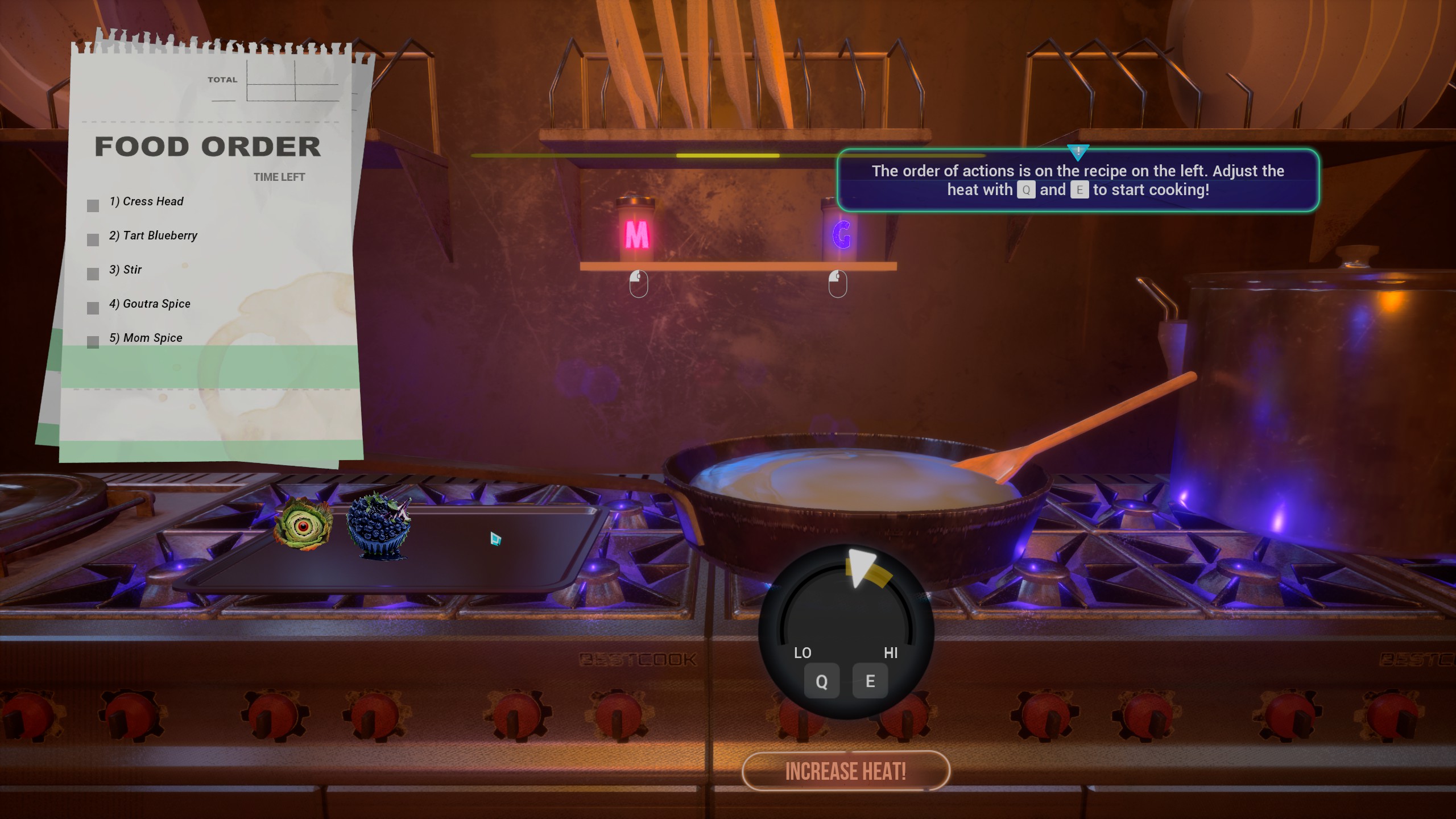
Outside the fighting, there’s eating and cooking, obviously. You can consume enemies raw on the spot to satisfy immediate hunger or harvest ingredients for later cooking (yes, you can cook in the game). Eating raw boosts Hangry’s abilities temporarily, while cooking dishes (using harvested parts) provides permanent upgrades. Recipes are tied to progression: cooking and serving dishes at Goutra’s diner unlocks new weapons, stat boosts (e.g., strength, speed), and abilities.
Additionally, you can “spend calories” to upgrade internal stats, abilities, and weaponry, allowing for customizable playstyles. For example, eating certain creatures might grant specific powers, like stealing a monster’s abilities. The game also introduces additional interesting mechanics, such as a tracking system that lets you follow footprints and stealthily approach enemies.
Hangry looks promising as a quirky, genre-blending action RPG. Its blend of fast combat, food-driven progression, and a unique hunger mechanic could carve a niche in the indie scene. However, its success may hinge on how well the hunting-eating-evolving loop holds up over time and whether the humor lands consistently. The lack of a firm release date suggests it’s still cooking, but the ingredients so far, pun intended, seem tasty.
In all fairness, Hangry was actually quite a fun game to play. Whether it’s the fast-paced combat, the wide variety of combos, or the different hack-and-slash attack styles, there’s something here that will keep you hooked. Another strong point is the variety of enemies, each requiring a different approach and featuring unique attack patterns that stand out from what you’ve seen in similar games.
For now, it’s a succulent starter to watch; by late 2025, it might just plate up a full-course banger, or leave us peckish for polish. I’m going to stay optimistic. The voice acting and cinematic cutscenes left a bitter taste, given how poorly they were executed, but the game is still worth keeping on your radar, considering the fresh ideas it brings to the table. Hangry seems decent so far, but it still needs more polish before reaching its full potential.

Last Flag is a third-person, 5v5 hero shooter with a bright, cartoonish presentation, simple mechanics, and a clear focus on…
Before I Go is a polished game with outstanding visuals and fantastic atmosphere, yet undermined by an nonexistent story.

After spending around 70 hours with Enshrouded, I can confidently say that this is one of the best survival games…

For newcomers, it’s an easy recommendation. It’s bigger, more refined, and more complete, offering a richer experience from start to…

Pompeii: The Legacy is a very good city builder that stands out through its grounded, historically accurate approach rather than…
![[EARLY ACCESS] Morbid Metal – Great Idea Still Finding Its Shape](https://www.indie-games.eu/wp-content/uploads/2025/04/Morbid-Metal-300x169.jpg)
Morbid Metal is a genuine surprise with a combat system that is fun and gives the game a strong identity,…
![[EARLY ACCESS] Road to Vostok – Hardcore Survival FPS with Rough Edges](https://www.indie-games.eu/wp-content/uploads/2026/04/Road-to-Vostok-300x169.jpg)
Road to Vostok delivers a great single-player Tarkov-like experience, backed by a well-structured zone progression, realistic gunplay, and a clean…

Crimson Desert isn't a masterpiece, nor is it consistently great, but it is compelling, unpredictable, and surprisingly hard to put…

Mama's Sleeping Angels is a bizarre yet intriguing co-op horror game that excels in atmosphere but struggles with repetition and…
Minishoot' Adventures starts as an interesting blend of top-down shooter and Zelda-like exploration that evolves into something much deeper.

This is a game that’s easy to enjoy in short sessions and revisit occasionally, but harder to stay invested in…

Hozy offers a calm experience centered around cleaning, painting, and decorating abandoned homes.

Ranger's Path: National Park Simulator offers a visually appealing, relaxing concept that will appeal to fans of slow-paced, task-oriented simulators.

Island of Hearts is a romantic FMV visual novel that promises choice-driven storytelling but fails to deliver on nearly every…

Project Songbird is an ambitious blend of psychological horror, puzzle-solving, narrative exploration, and light stealth elements.

Summer's Heartbeat is a well-produced but narrowly focused visual novel with polished presentation, solid acting, genuine humor, and strong replayability.

Machine Gun Fury is a retro-style arcade military shooter focused on fast-paced action and large-scale destruction.

The Steam page promises far more than the game actually delivers, to the point where it feels misleading.

FATAL FRAME II: Crimson Butterfly REMAKE looks great, with impressive detail and visual quality. However, the combat may not appeal…

Retro Rewind is a management simulation game that places you in the heart of an early 90s video rental store,…
Last Flag is a third-person, 5v5 hero shooter with a bright, cartoonish presentation, simple mechanics, and a clear focus on…
Before I Go is a polished game with outstanding visuals and fantastic atmosphere, yet undermined by an nonexistent story.
After spending around 70 hours with Enshrouded, I can confidently say that this is one of the best survival games…
For newcomers, it’s an easy recommendation. It’s bigger, more refined, and more complete, offering a richer experience from start to…
Pompeii: The Legacy is a very good city builder that stands out through its grounded, historically accurate approach rather than…
Morbid Metal is a genuine surprise with a combat system that is fun and gives the game a strong identity,…
Road to Vostok delivers a great single-player Tarkov-like experience, backed by a well-structured zone progression, realistic gunplay, and a clean…
Crimson Desert isn't a masterpiece, nor is it consistently great, but it is compelling, unpredictable, and surprisingly hard to put…
Mama's Sleeping Angels is a bizarre yet intriguing co-op horror game that excels in atmosphere but struggles with repetition and…
Minishoot' Adventures starts as an interesting blend of top-down shooter and Zelda-like exploration that evolves into something much deeper.
This is a game that’s easy to enjoy in short sessions and revisit occasionally, but harder to stay invested in…
Hozy offers a calm experience centered around cleaning, painting, and decorating abandoned homes.
Ranger's Path: National Park Simulator offers a visually appealing, relaxing concept that will appeal to fans of slow-paced, task-oriented simulators.
Island of Hearts is a romantic FMV visual novel that promises choice-driven storytelling but fails to deliver on nearly every…
Project Songbird is an ambitious blend of psychological horror, puzzle-solving, narrative exploration, and light stealth elements.
Summer's Heartbeat is a well-produced but narrowly focused visual novel with polished presentation, solid acting, genuine humor, and strong replayability.
Machine Gun Fury is a retro-style arcade military shooter focused on fast-paced action and large-scale destruction.
The Steam page promises far more than the game actually delivers, to the point where it feels misleading.
FATAL FRAME II: Crimson Butterfly REMAKE looks great, with impressive detail and visual quality. However, the combat may not appeal…
Retro Rewind is a management simulation game that places you in the heart of an early 90s video rental store,…
