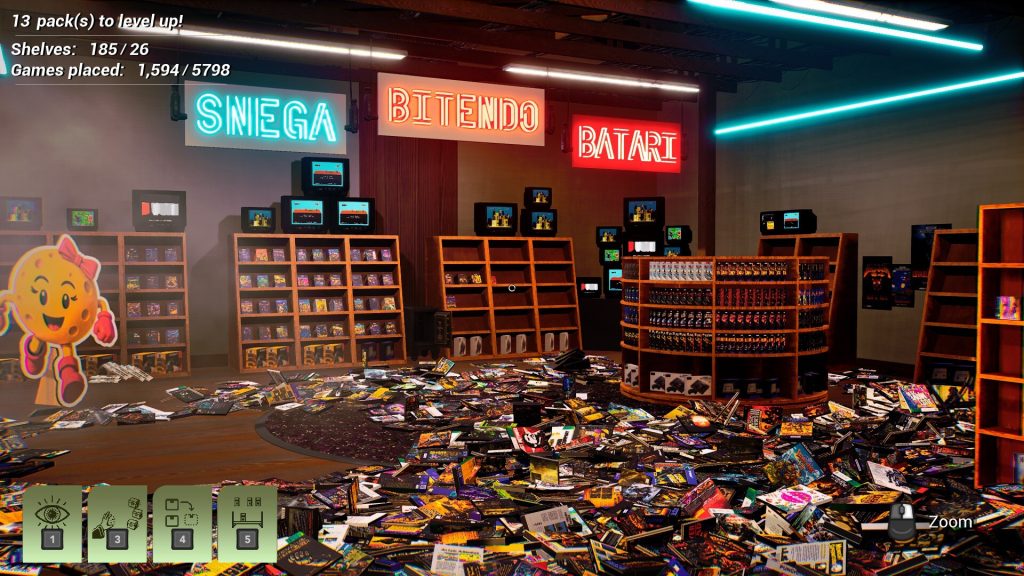
A Cat Scattered 5,798 Games Across This Cozy Supermarket Simulator
MY CAT SCATTERED GAMES asks players to organize 5,798 games and consoles before rescuing a cat trapped inside a claw…


If you enjoy independent indie game coverage, consider supporting Indie-Games.eu on Patreon. It helps keep the site independent.
If you haven’t yet followed our detailed breakdowns of Gilded Destiny, a strategy game reminiscent of the Victoria series and heavily inspired by Paradox titles, it’s not too late. A few days ago, the developers at Aquila Interactive released a new dev blog and video explaining how the population system will work in the game. The population system, or POPs, plays a key role in shaping a nation’s economy, politics, and societal development.
The entire mechanic allows you to manage complex societies defined by culture, religion, and profession. POPs, population groups, are not just numbers, but dynamic units that vary in size and characteristics depending on the province they inhabit. Different cultures and religions create diversity within the same profession, such as small farmers. Only part of the population actively works, depending on the country’s laws regarding the employment of women and children, while different professions have varying workforce ratios.

The game currently features 11 professions divided into three social classes: lower, middle, and upper. The lower class includes small farmers, laborers, factory workers, and soldiers. The middle class consists of artisans, clerks, intellectuals, bureaucrats, and officers, while the upper class is made up of aristocrats and capitalists. Small farmers, who live off the land with minimal mechanization, have low political awareness and are often politically unaligned.
Laborers perform physical tasks such as mining or transportation, while factory workers produce finished goods in industrial centers. Artisans craft goods by hand but risk losing their jobs due to industrial automation, whereas bureaucrats and intellectuals ensure the country runs smoothly and help drive research and development. Aristocrats and capitalists manage land and factories, reinvesting profits into further growth.
POPs are defined by key statistics: growth rate, literacy, happiness, and political power. Growth rate depends on natural population changes (births and deaths), medical advancements, and the fulfillment of basic needs. Migration, assimilation, or changes in profession can also alter a POP’s size. Literacy reflects the level of modern education and is crucial for industrialization, while happiness depends on satisfaction with the government, laws, and access to goods. Political power determines a POP’s influence on policy, with wealthier groups generally holding greater influence depending on the electoral system.

POP needs are divided into basic, comfort, and luxury categories, affecting their behavior. Basic needs such as food prevent deaths, while luxury needs increase happiness and literacy. A profession largely determines the type and quantity of goods required. Cultures and religions influence consumption habits, for example, the English preference for tea or religious prohibitions on meat or alcohol. Technological advancements introduce new needs, such as cars or telephones, even in countries that have not yet developed them.
The game’s goods system focuses on quantity rather than quality to avoid overcomplication. For example, aristocrats consume more clothing and grain per capita, representing higher-quality goods, while military units require more weapons as technology progresses, instead of creating separate categories for each weapon type. Additionally, players can modify this system using editing tools.
The game will be available on PC via Steam later this year, and a new publishing partnership with Hooded Horse was recently announced.
MY CAT SCATTERED GAMES asks players to organize 5,798 games and consoles before rescuing a cat trapped inside a claw…
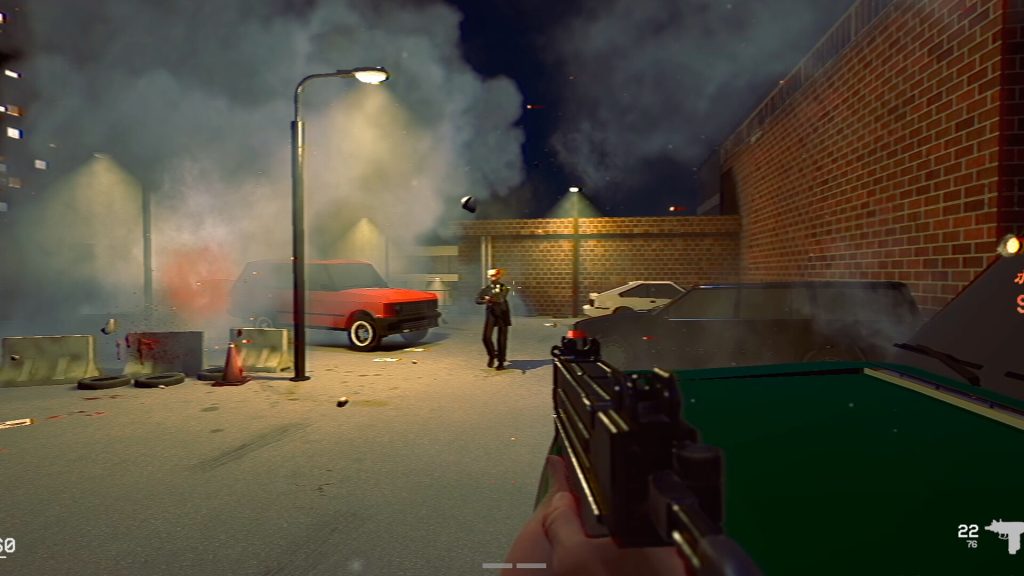
Retro corridor shooter Cop Bastard has partnered with Retrovibe for an October release, accompanied by a faster and more polished…
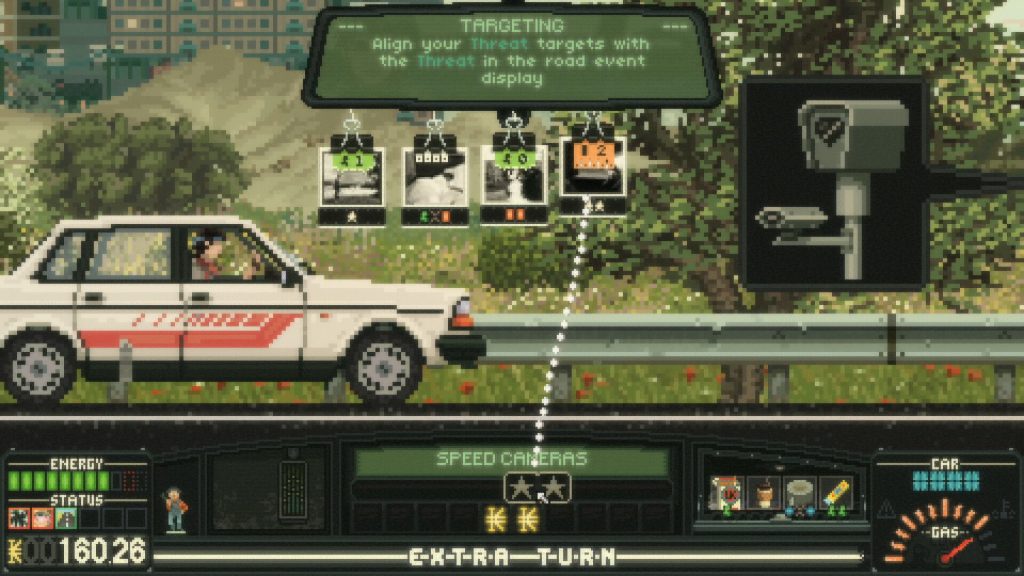
Keep Driving launches on Switch, PS5 and Xbox Series X|S on September 28 as its PC edition receives official Steam…
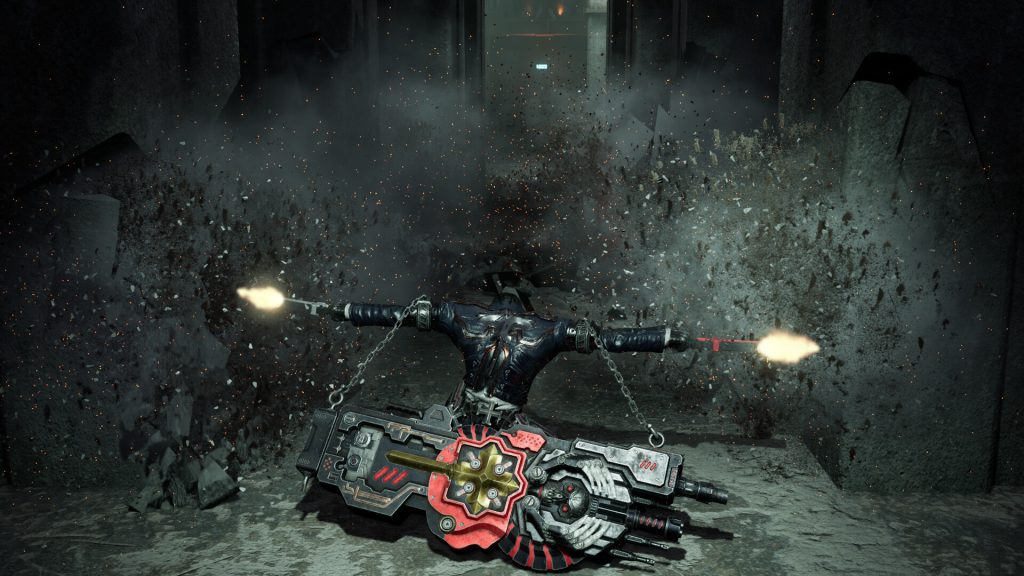
Gungrave G.O.R.E: Blood Heat shows its rebuilt combat, including parries, close-range attacks and faster 360-degree movement.

Sugar Lies follows a young man who hates dishonesty and a girl living behind a perfect persona when it launches…
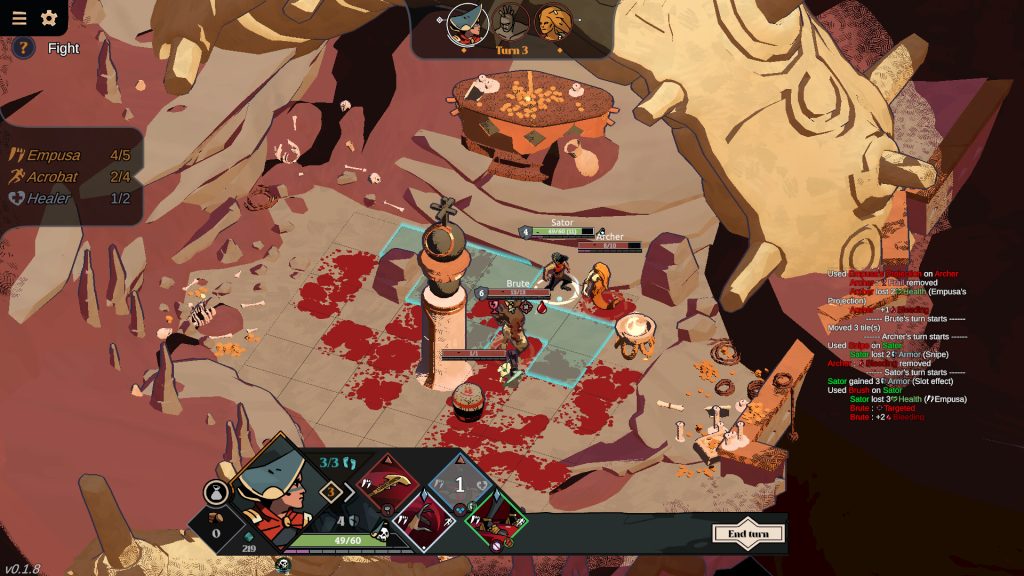
Deified leaves Steam Early Access on September 21 with its narrative ending, final boss floor, balance improvements and hidden content.
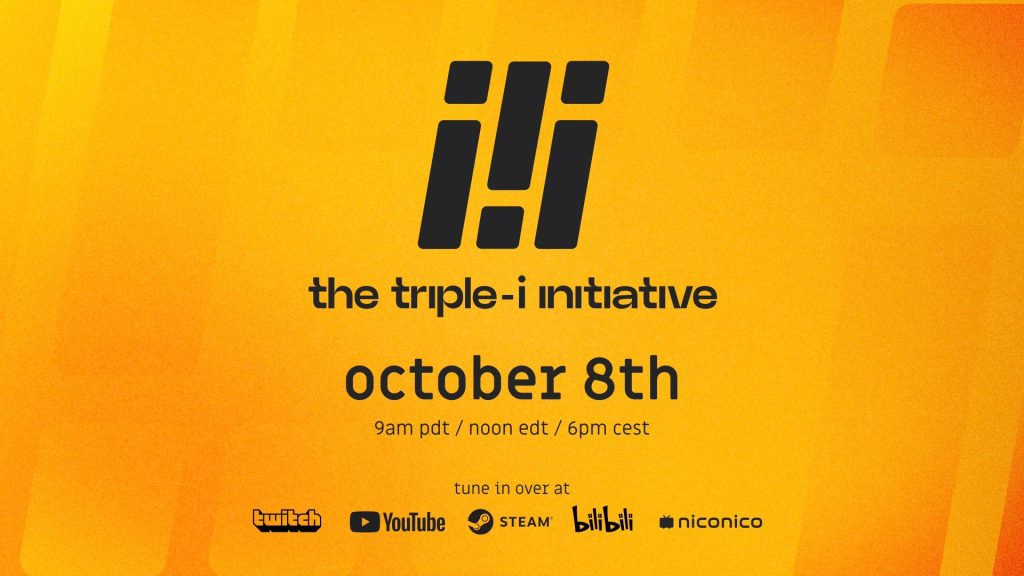
Triple-i Initiative returns October 8 with 40 games, eight world premieres and 45 minutes of trailers, release dates and reveals.
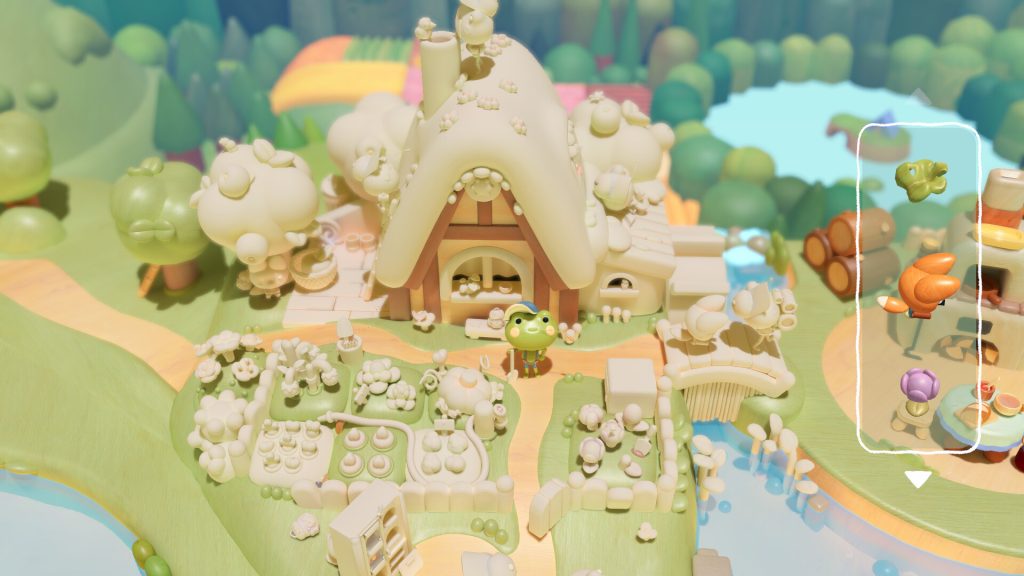
Woodo launches September 16, inviting players to rebuild childhood memories through cozy, handcrafted wooden dioramas.
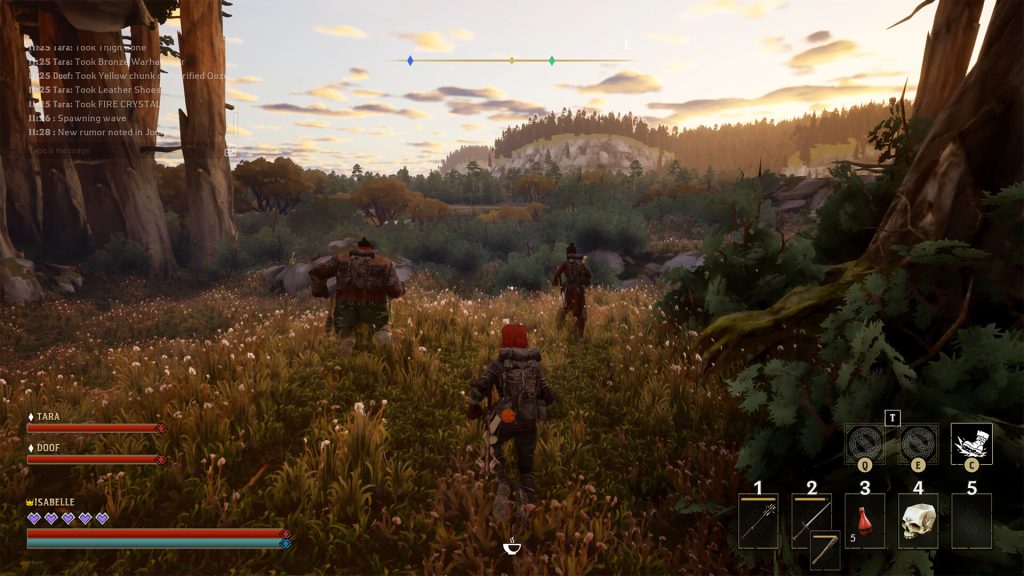
Curve Games signs Wyldheart in one of its biggest recent investments after the co-op RPG surpasses 375,000 Steam wishlists.
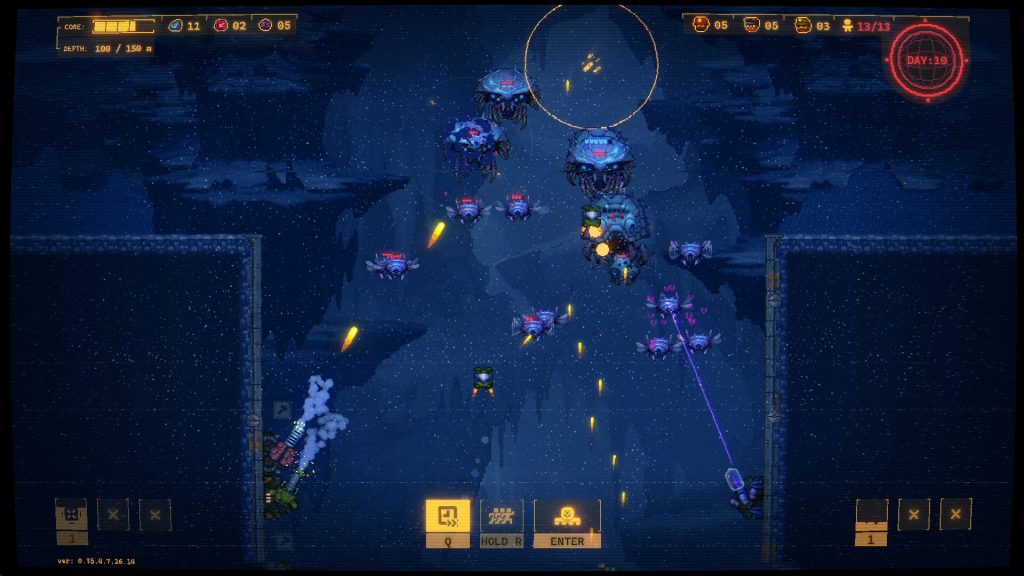
Drill Core’s free Anniversary Update adds Relaxed Mode, new bounties, specialists, platform skins and several quality-of-life improvements.
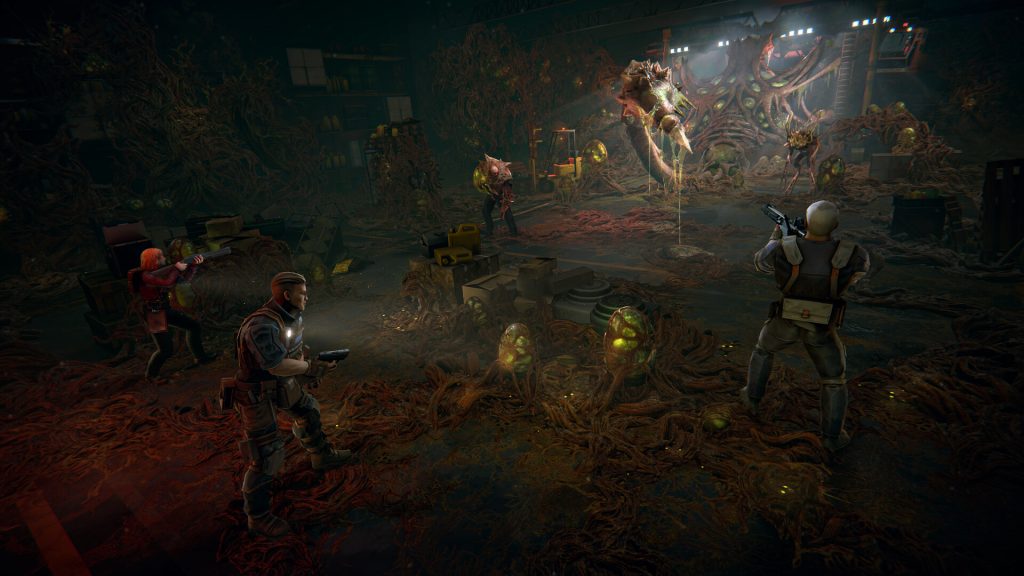
Critical Shift’s free two-hour demo combines real-time exploration with tactical combat inside a compromised Antarctic facility.
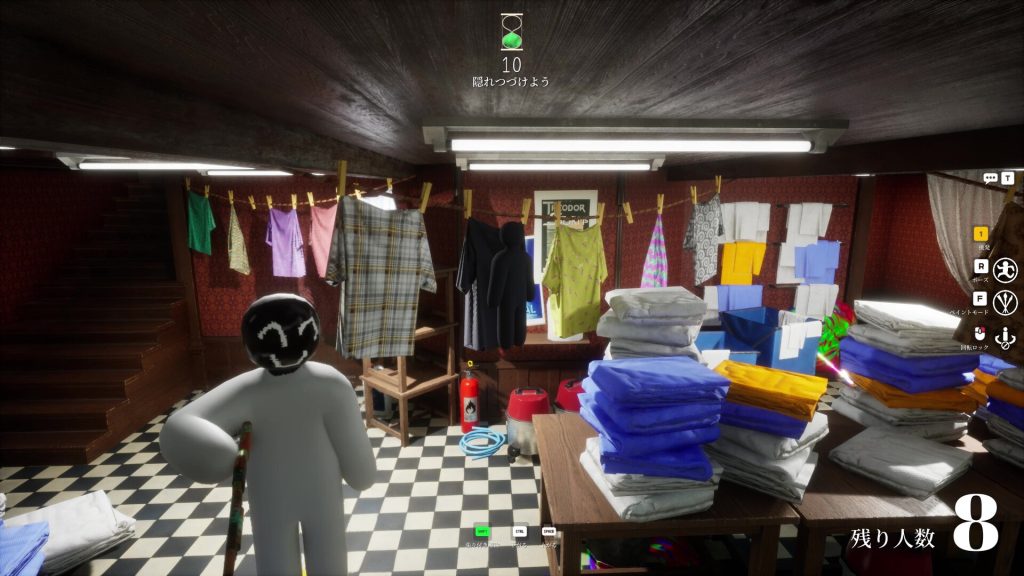
Meccha Chameleon brings its paint-based multiplayer hide-and-seek matches to Nintendo Switch 2 with a temporary $4.79 launch price.
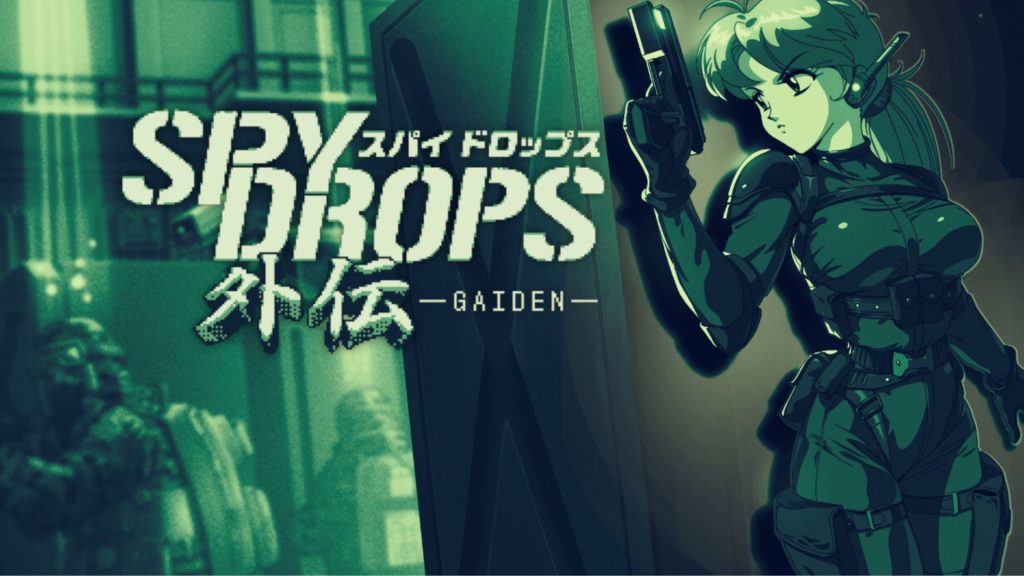
Spy Drops Gaiden brings Game Boy-style stealth, eight covert missions and intel extraction to Steam on October 12 for €4.99.
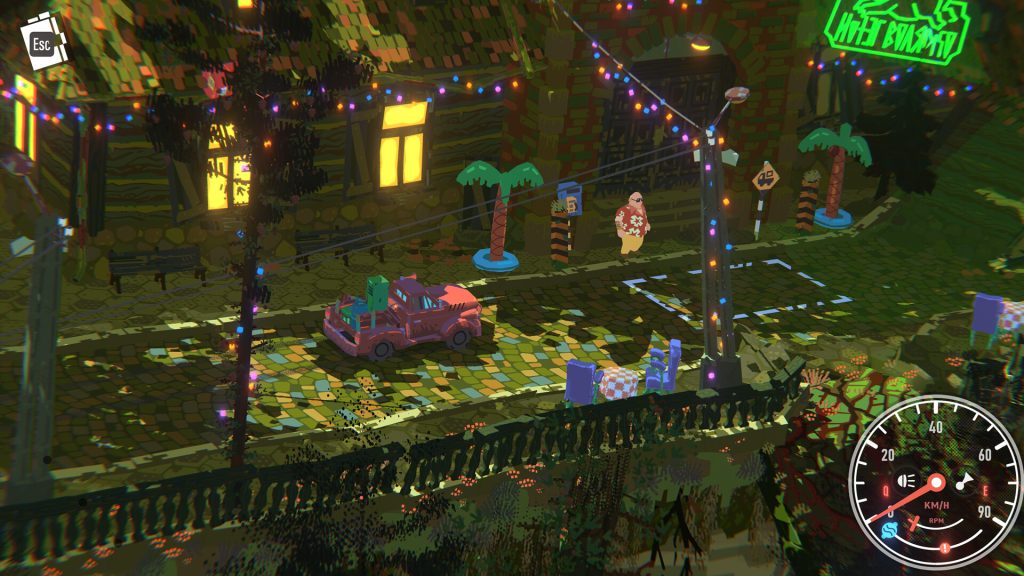
Truckful launches October 9 on Steam and Android, combining physics-based deliveries with vehicle upgrades and a mystery inside an ancient…
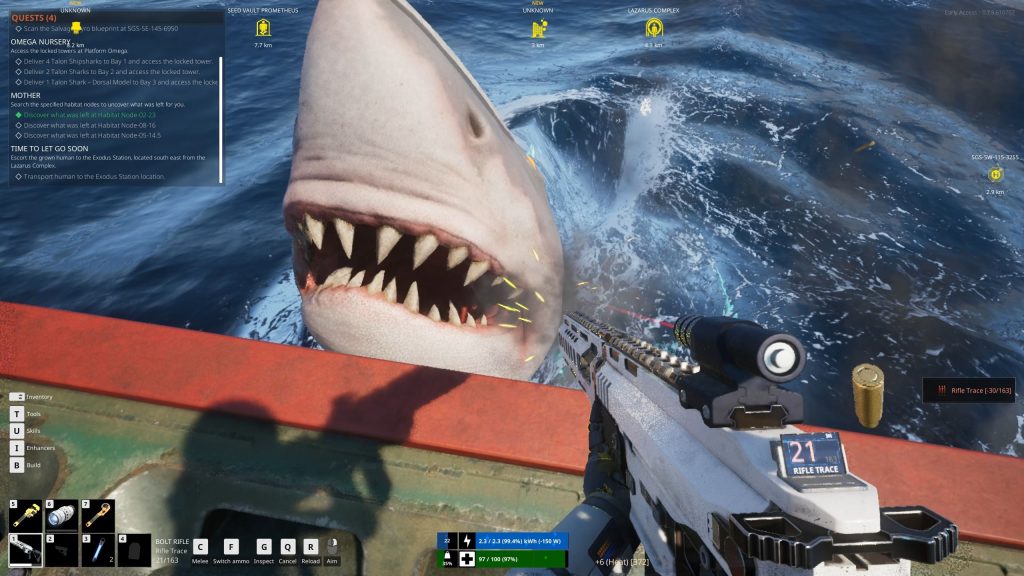
The Last Caretaker reaches version 1.0 in spring 2027 and joins Xbox Game Pass on day one after selling over…
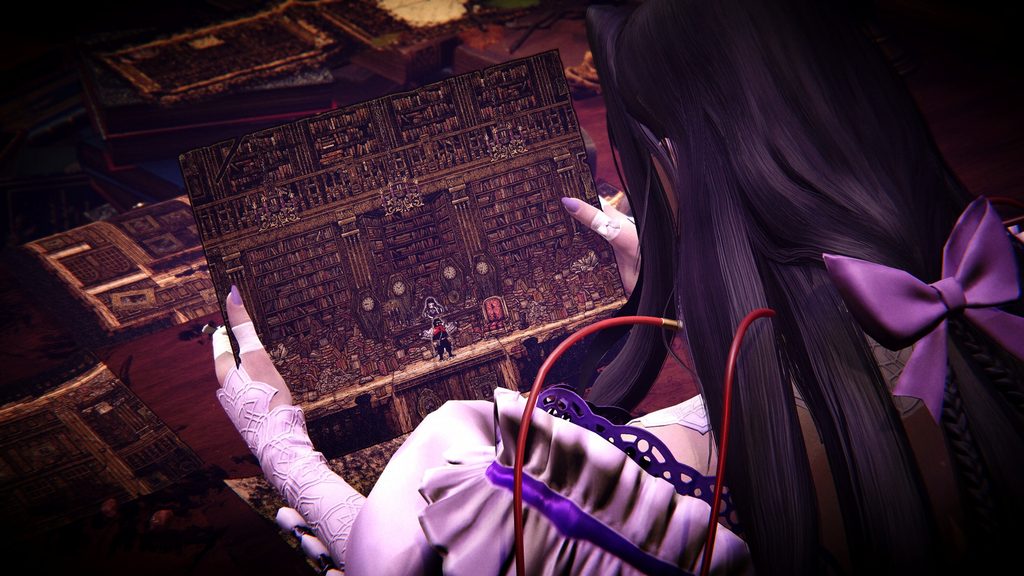
Chronoscript: The Endless End moves to early summer 2027 as DeskWorks! improves combat responsiveness, menus and visual readability.
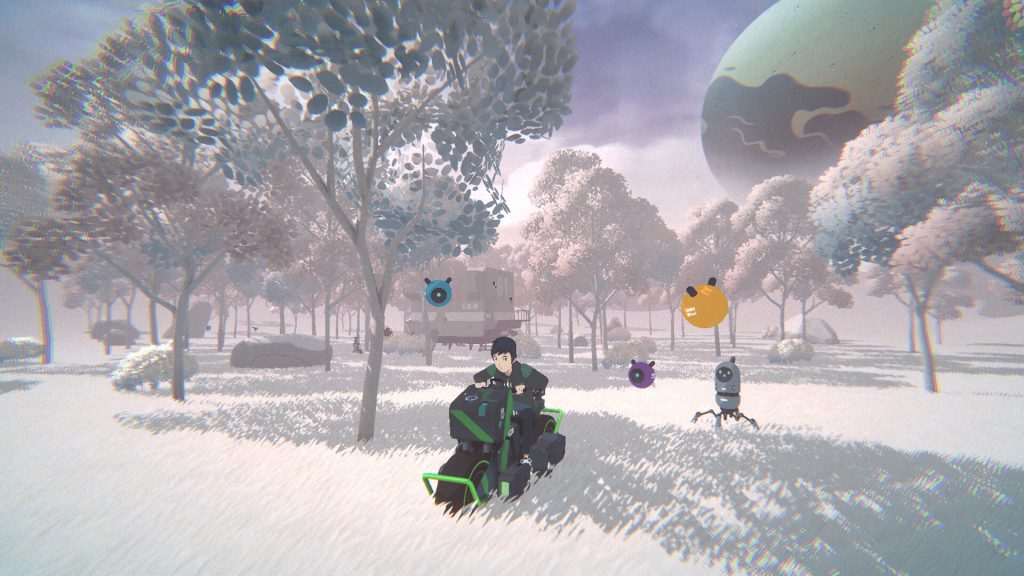
HEIMA is a parallel-world puzzle adventure from former Terra Battle developers, coming to PC in 2028 with SHIFT and HOLD…
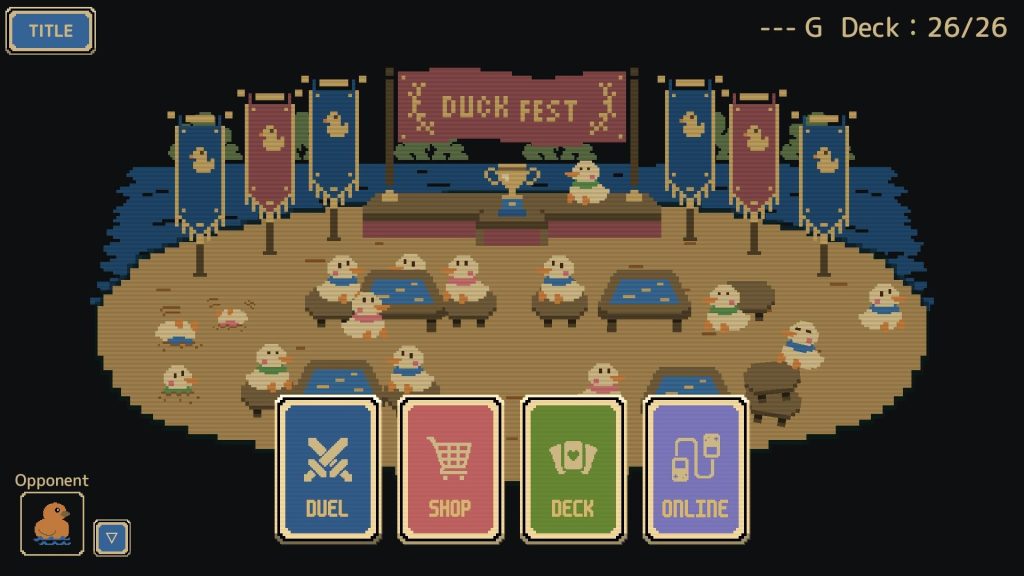
Duck Fest combines deck building and 1v1 battles with collectible cards that players can trade through the Steam Community Market.
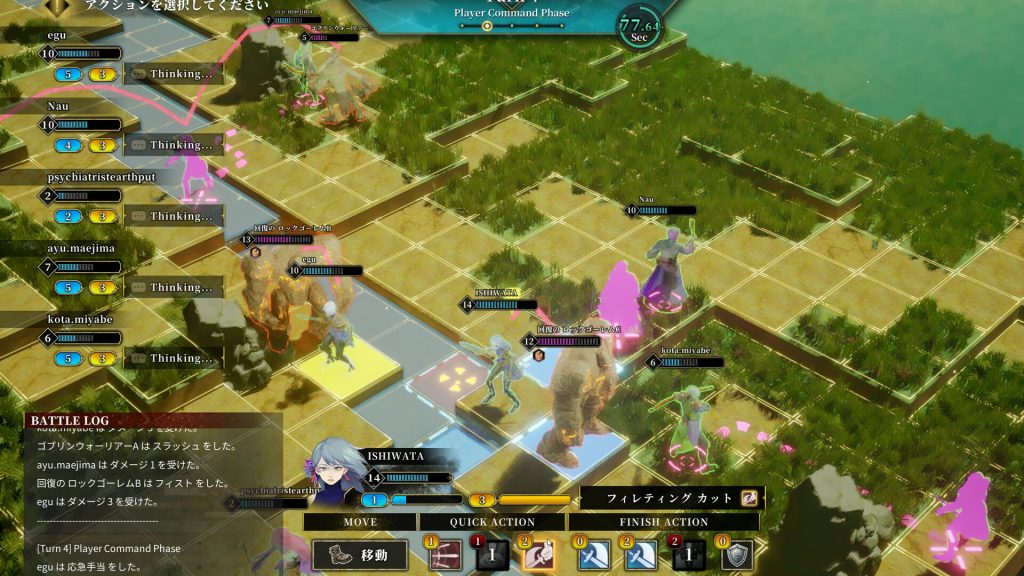
Tactful Tactics is a 1–6-player cooperative RPG where everyone plans and executes their actions simultaneously.
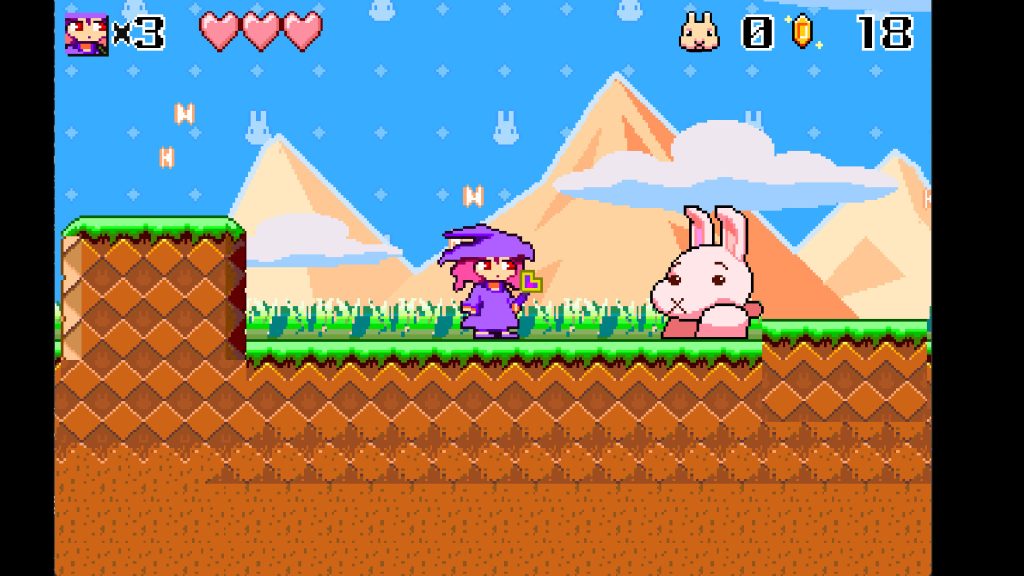
SakuSaku Witch is a retro-inspired 2D platformer about magic, bunny monsters and a suspicious toy company, coming to Steam in…
