Don’t Nod Could Face More Layoffs as Studio Struggles With Its Finances
Don’t Nod is considering another restructuring, raising concerns that further job cuts could follow as the Life is Strange studio…


If you enjoy independent indie game coverage, consider supporting Indie-Games.eu on Patreon. It helps keep the site independent.
From an indie developer’s standpoint, the leadership purge in Xbox is a flashing red warning light, signaling the potential end of Xbox as the golden gateway it once was for small teams scraping by on passion projects and low budgets. Phil Spencer didn’t just tolerate indies, he has been building ID@Xbox since 2013, greenlighting over 20,000 titles, handing out free dev kits, funding prototypes through the ID@Xbox Creators Program, and filling Game Pass with day-one indie tiles.
On the other hand, Sarah Bond, for all her flaws in the broader Xbox mess, was a merit-based force in business development who kept that pipeline flowing. Now both are gone, replaced by Asha Sharma, an AI platform scaler with zero gaming experience, whose memo drones on about “empowering studios” and “backing bold new ideas” without once mentioning ID@Xbox, indie, or even hinting at the program’s survival.
Matt Booty’s promotion to chief content officer has raised concerns for some people. He previously oversaw the closure of Tango Gameworks (the studio behind the game Hi-Fi Rush) and managed rounds of layoffs. Because of that, many question whether he’s the right person to support smaller, independent developers.
Statements from Sharma about “great games,” “trust from developers,” and “shared platforms and tools” can sound positive, but skeptics see them as generic corporate language. When you look closer, the focus seems to be on strengthening major franchises and expanding across platforms. That likely means more investment in Microsoft-owned brands like Halo and Call of Duty, while third-party and indie developers may receive less attention.
Game Pass has been an important source of visibility and income for indie developers. However, with constant price increases and signs of slower growth, some expect Microsoft to become more selective about what it promotes. The concern is that bigger, safer titles, possibly filled with AI tools, could be prioritized over smaller, riskier projects that don’t drive large subscription numbers.
There’s also skepticism around promises from Sharma to avoid “soulless AI content.” While leadership says creativity will remain central, many worry that AI integration could become a requirement, pressuring indie developers to adopt tools that may not fit their vision. Xbox built a strong reputation for supporting indie games, often offering more visibility than competitors. But some believe the company may now shift toward safer, more commercially proven projects, especially as it tries to strengthen its overall position. If that happens, experimental and unconventional games could receive fewer opportunities.
In that case, indie developers may focus more on platforms like Steam, Switch, or PlayStation, where opportunities are expanding. For players who subscribe to Game Pass mainly for indie discoveries, the value proposition could change if the catalog becomes more focused on large-scale releases. Whether this represents smart business strategy or a step away from what made Xbox unique will depend on how these policies play out in practice.
All of this raises the question of whether launching games on Xbox consoles is even worthwhile, and whether it justifies the time and resources required to port a title to the platform. For indie developers in particular, this could effectively mean having one fewer platform to build for, excluding Xbox Game Pass on PC.
It is worth noting that this remains speculative. We don’t yet know which direction Sharma will take or how much emphasis will be placed on indie titles. However, given the steady stream of indies currently hitting Game Pass, it’s safe to assume that ID@Xbox remains a vital pillar for the company.
Don’t Nod is considering another restructuring, raising concerns that further job cuts could follow as the Life is Strange studio…
One brutal week in August saw 720 games launch on Steam, showing just how difficult it is for indie developers…
PlayStation fans are no longer impressed by quantity alone, with many waiting for major first-party announcements to make State of…

Embracer Games Archive celebrates five years after cataloguing over 90,000 games, consoles, accessories and hardware for preservation.
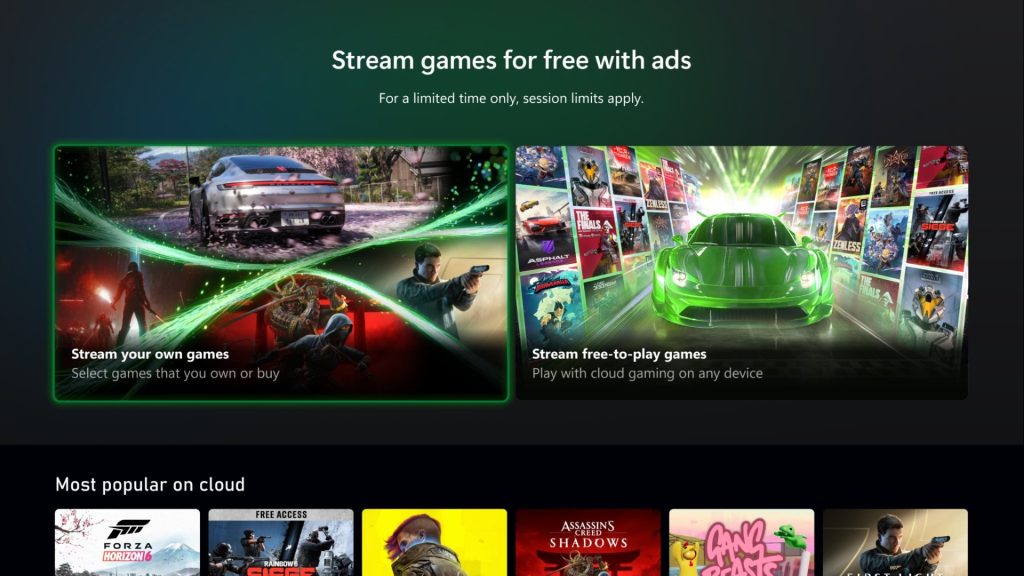
Xbox Cloud Gaming is about to become a lot less unlimited, as Microsoft has announced monthly streaming caps for Game…
Nightmere I blends detective mystery, psychological horror and RPG exploration as investigator Amelia searches for a missing student in 1991.
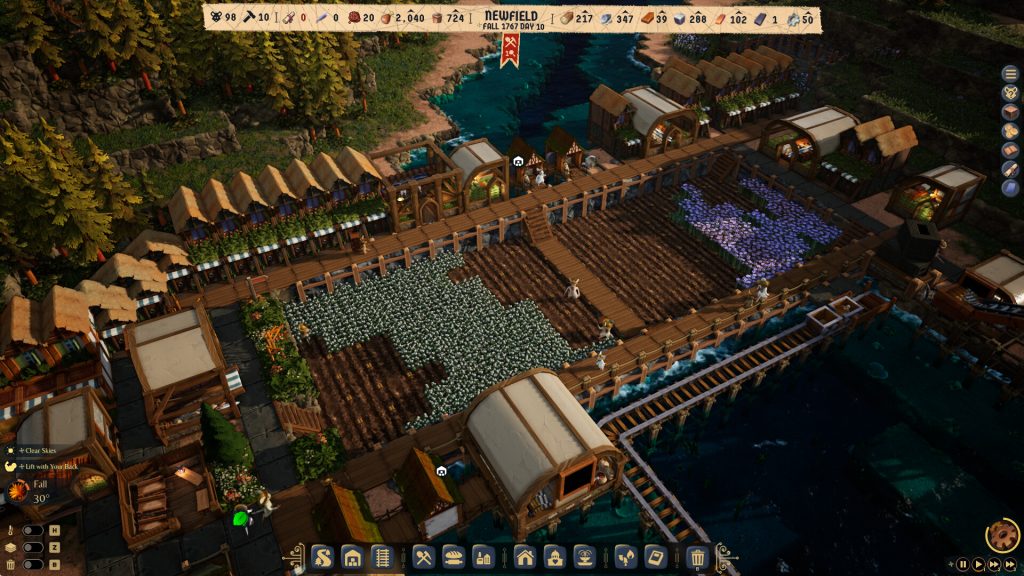
Whiskerwood is expanding its mouse colony with an entire ocean to worry about, bringing new challenges to the colony-building survival…
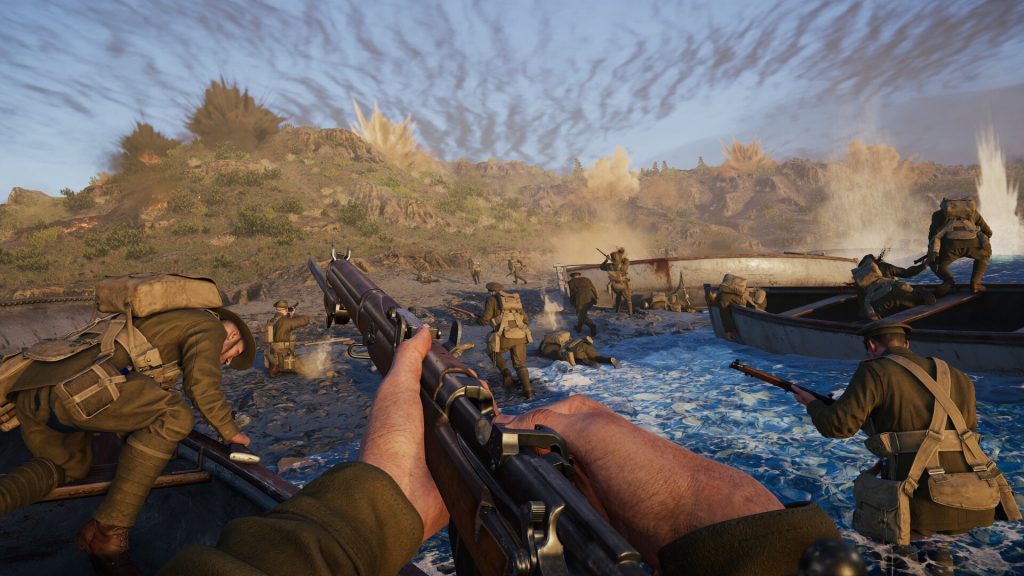
Gallipoli launched last month, but BlackMill Games is already preparing its first free expansion, adding something never before seen in…
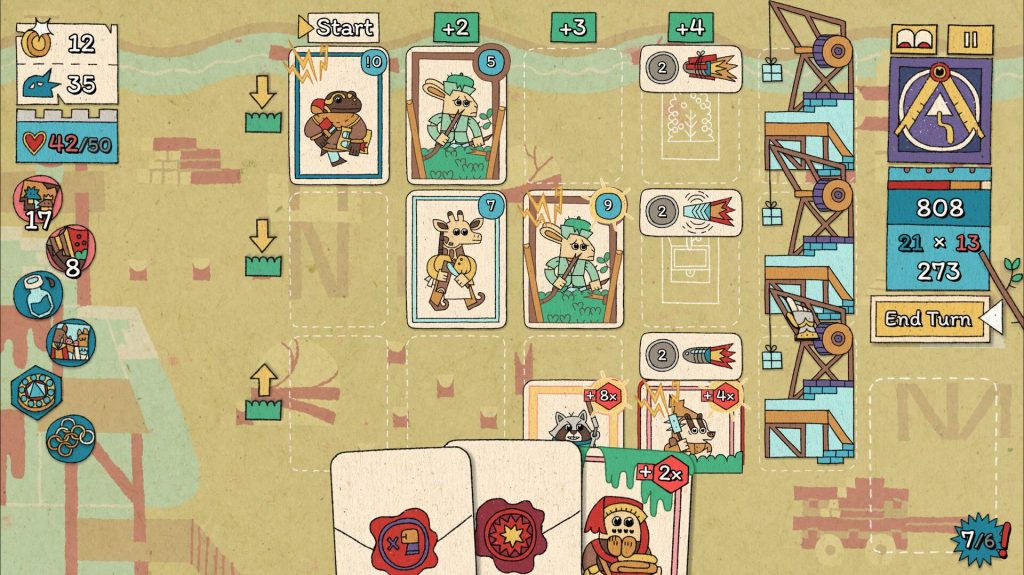
The Royal Writ will launch for PlayStation 5, Xbox Series X|S and Nintendo Switch on September 10th, alongside Xbox Game…
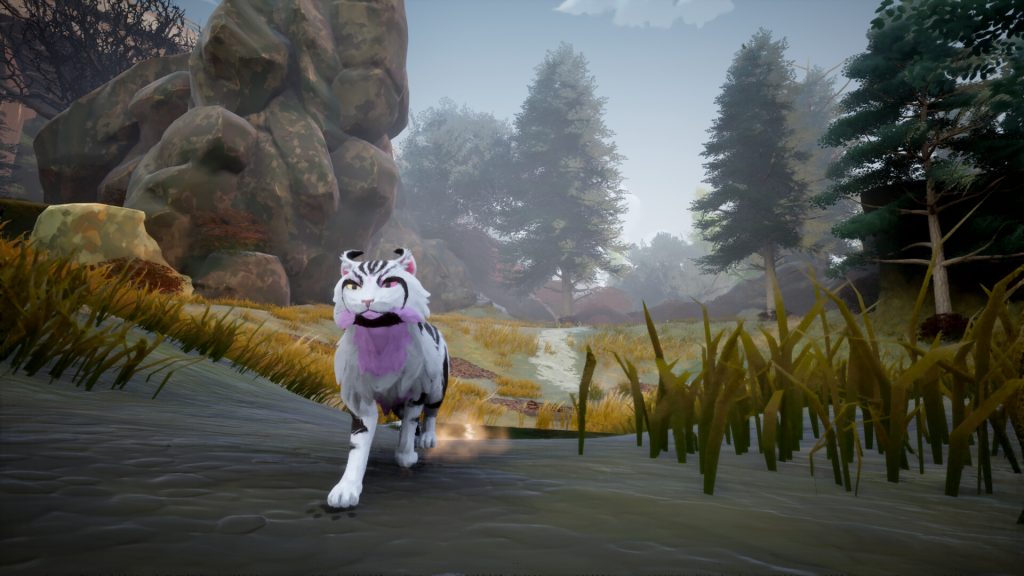
Warrior Cats: Clans of the Forest launches on October 23rd, 2026 for PC, PlayStation 5, Xbox Series X|S and both…
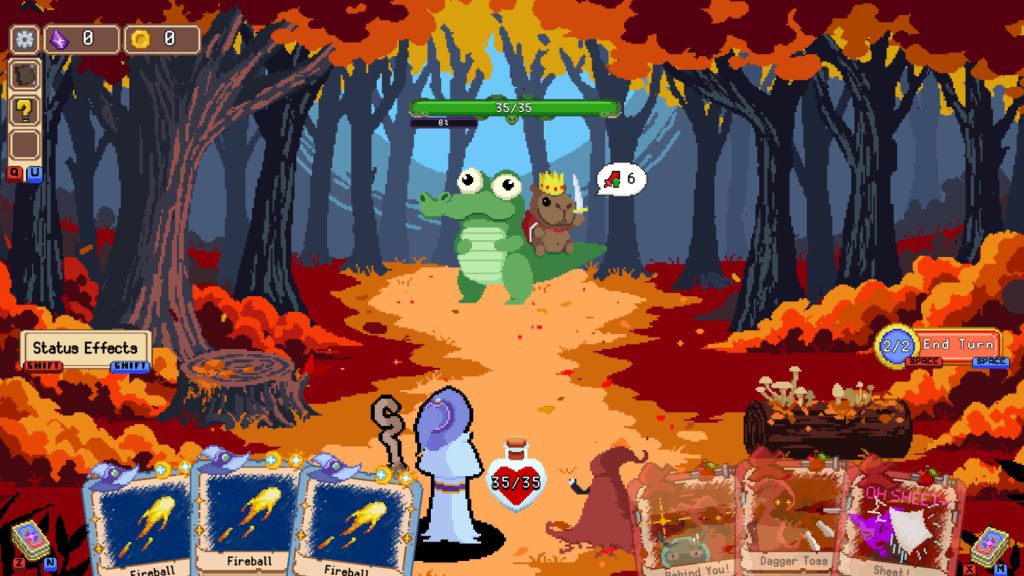
Duo Quest’s free Steam demo now supports online co-op ahead of the relationship-driven roguelite deckbuilder’s September 16th launch.
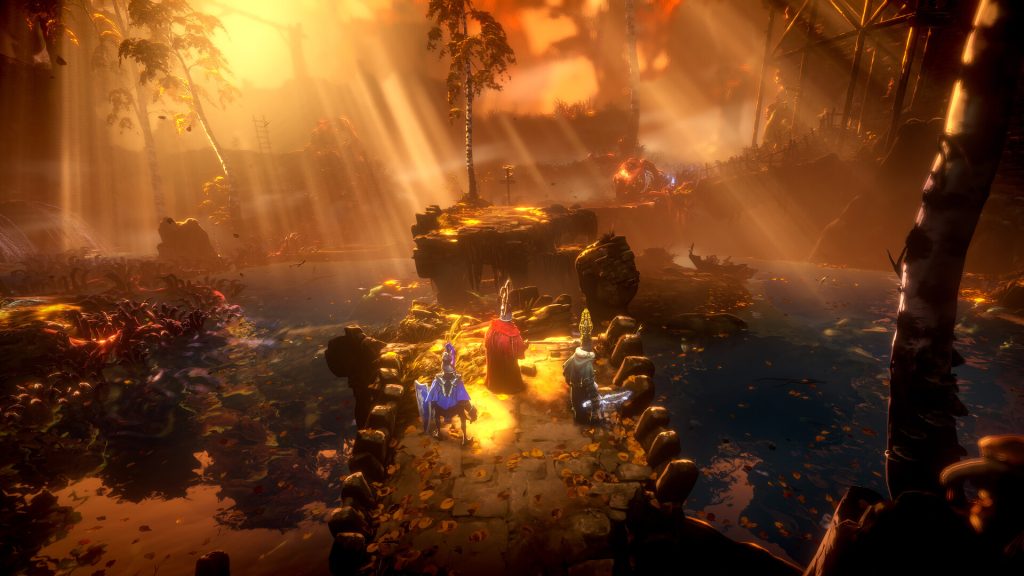
No Rest for the Wicked’s 1.0 release has been delayed to March 2027 on PC and PlayStation 5, with an…
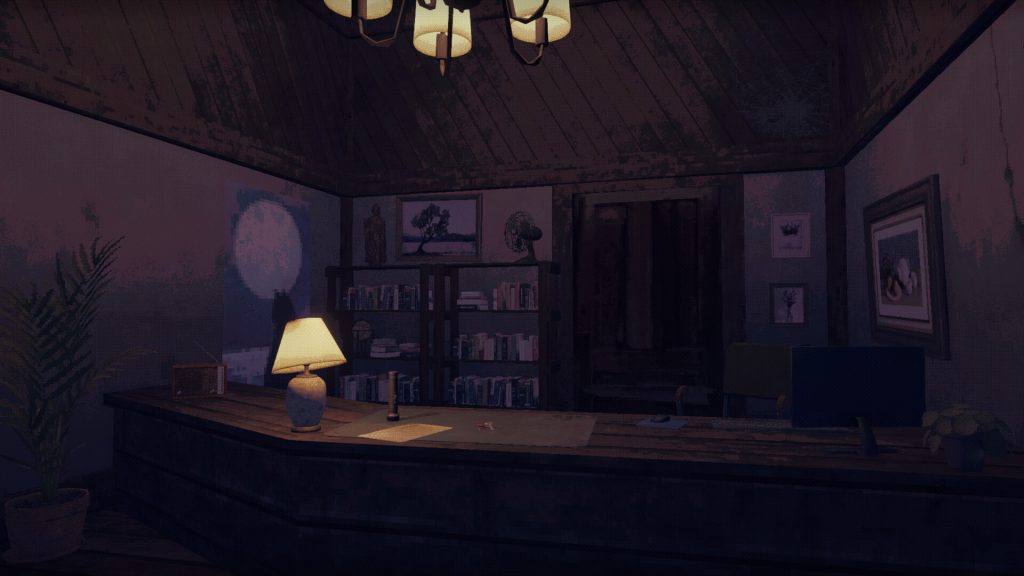
Springs, Eternal, the lo-fi narrative adventure from Fullbright and Serenity Forge, will launch for PC through Steam in November 2026.
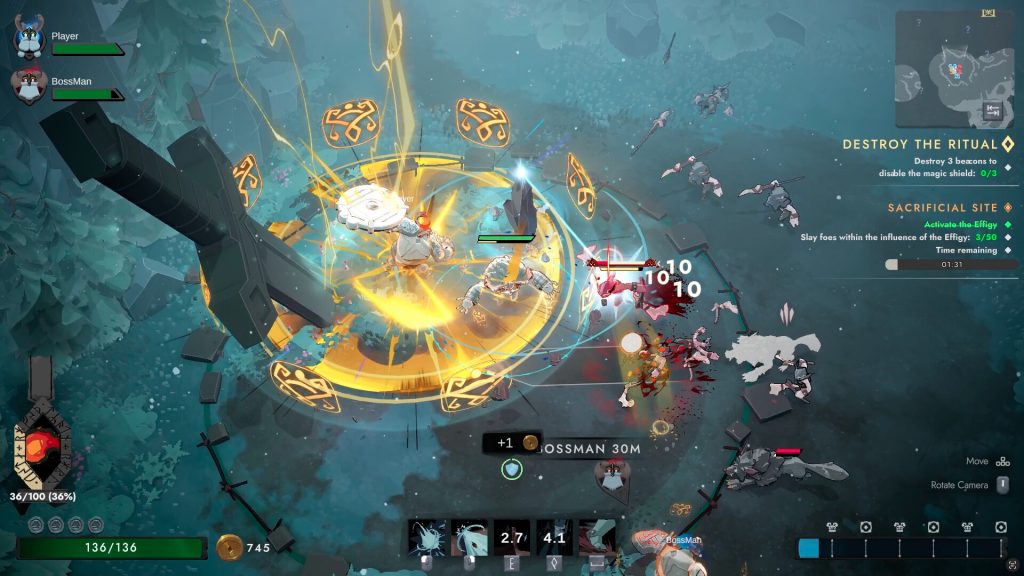
Chosen by Odin combines one-to-three-player co-op action, Norse mythology and shared dice-powered builds across dangerous roguelite expeditions.
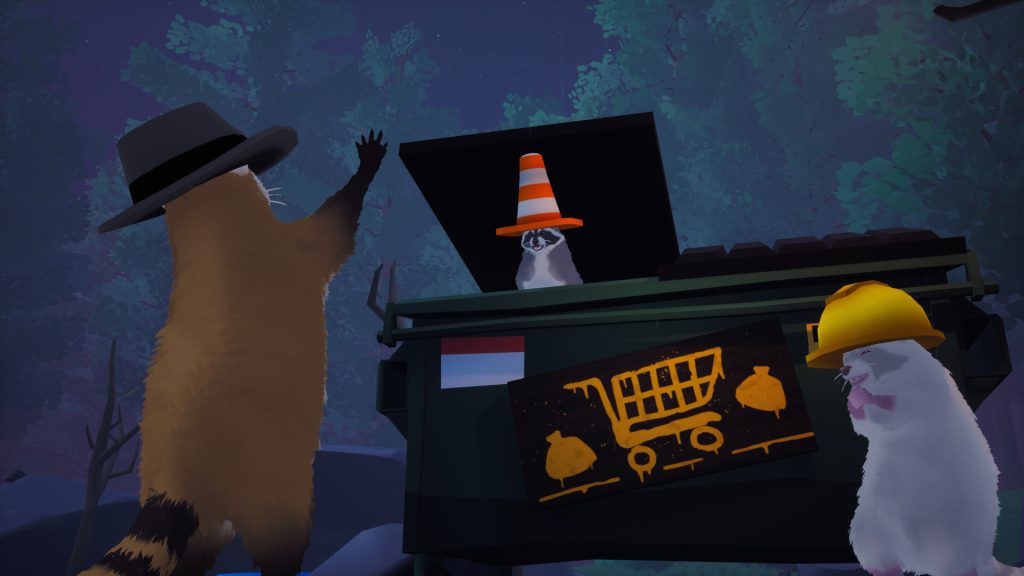
Dumpster Gang brings one-to-four-player raccoon chaos to PC in December 2026, with co-op missions, a customisable hideout and day-one PC…
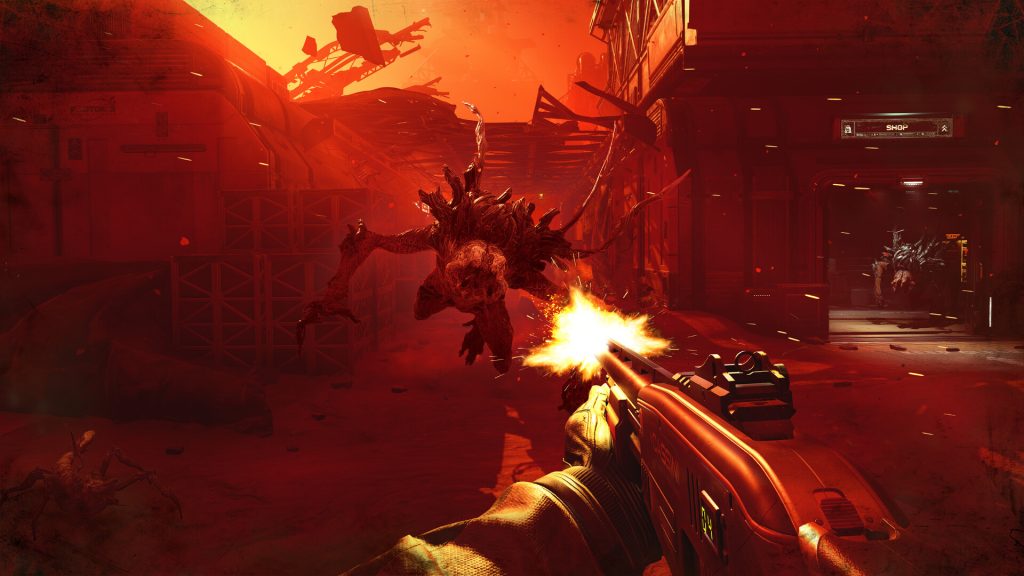
Alien Deathstorm launches in spring 2027 for PC, PlayStation 5 and Xbox Series X|S, with day-one Game Pass access and…

BUZZ or DIE turns prisoners’ darkest secrets into viral videos in a deadly game show visual novel coming to Steam…
![[GAMESCOM 2026] Chronicles: Medieval Looks Far More Ambitious Than a Simple Mount & Blade Rival](https://www.indie-games.eu/wp-content/uploads/2026/09/Chronicles-Medieval-10-1024x640.jpg)
Chronicles: Medieval was one of the most ambitious games I saw at Gamescom 2026. Raw Power Games is not merely…
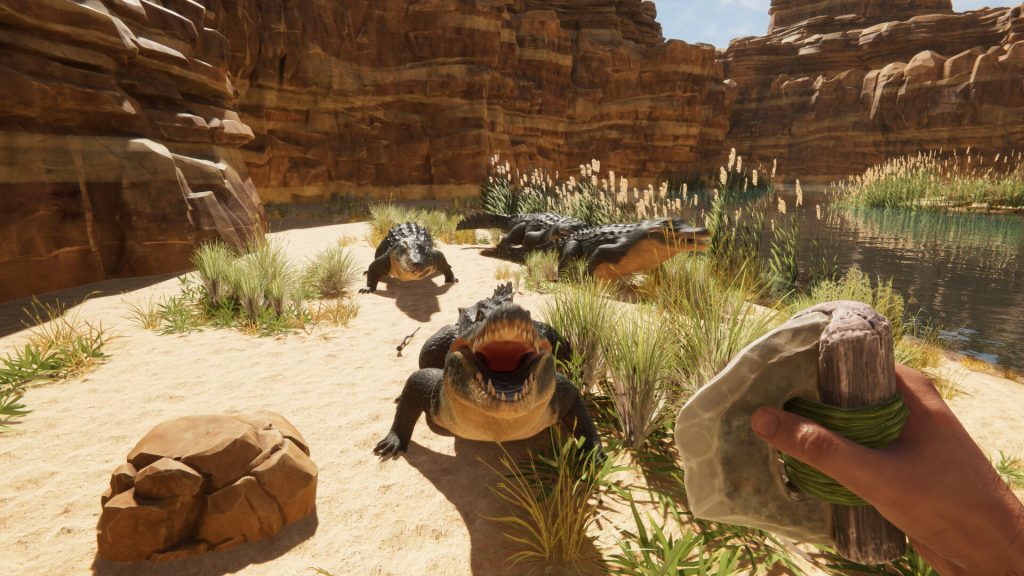
Stranded Deep 2 leaves the Pacific for an endless desert river world with mobile bases, dynamic terrain and co-op in…
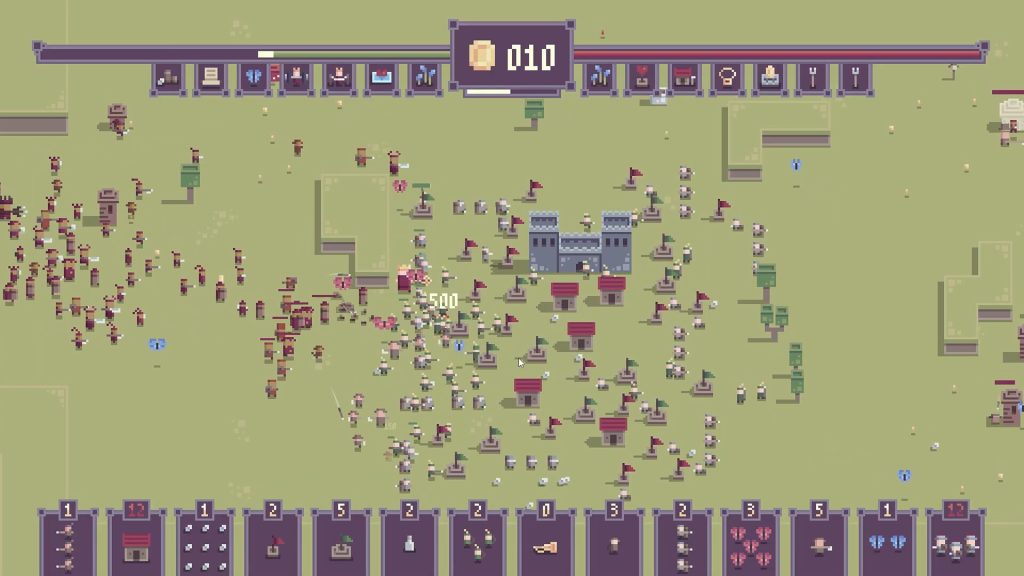
Kinghold’s Steam demo introduces its 20-second wave cycle, directly controlled king, autonomous armies and card-based battlefield strategy.
