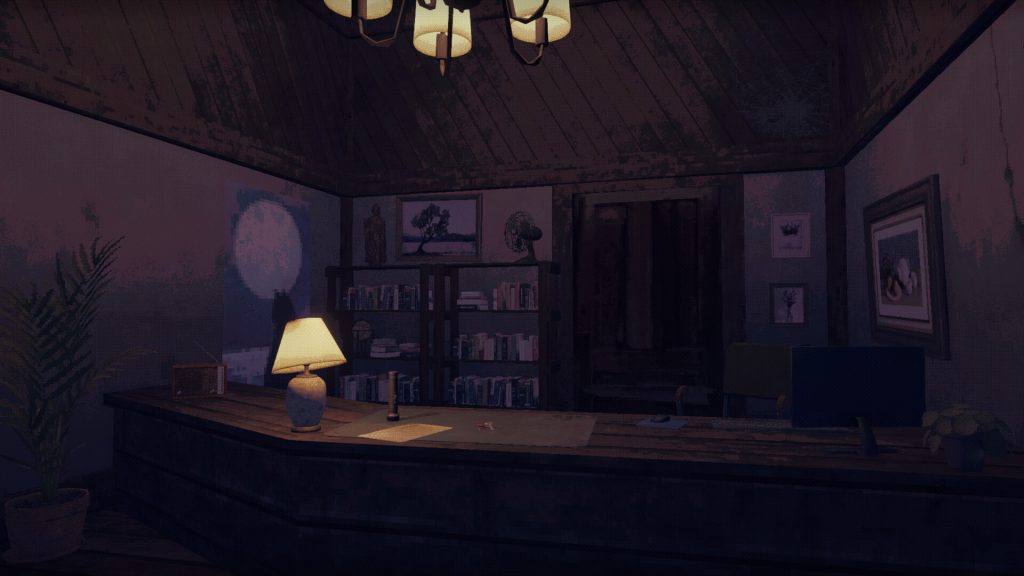
Springs, Eternal Comes to Steam in November 2026
Springs, Eternal, the lo-fi narrative adventure from Fullbright and Serenity Forge, will launch for PC through Steam in November 2026.

If you enjoy independent indie game coverage, consider supporting Indie-Games.eu on Patreon. It helps keep the site independent.
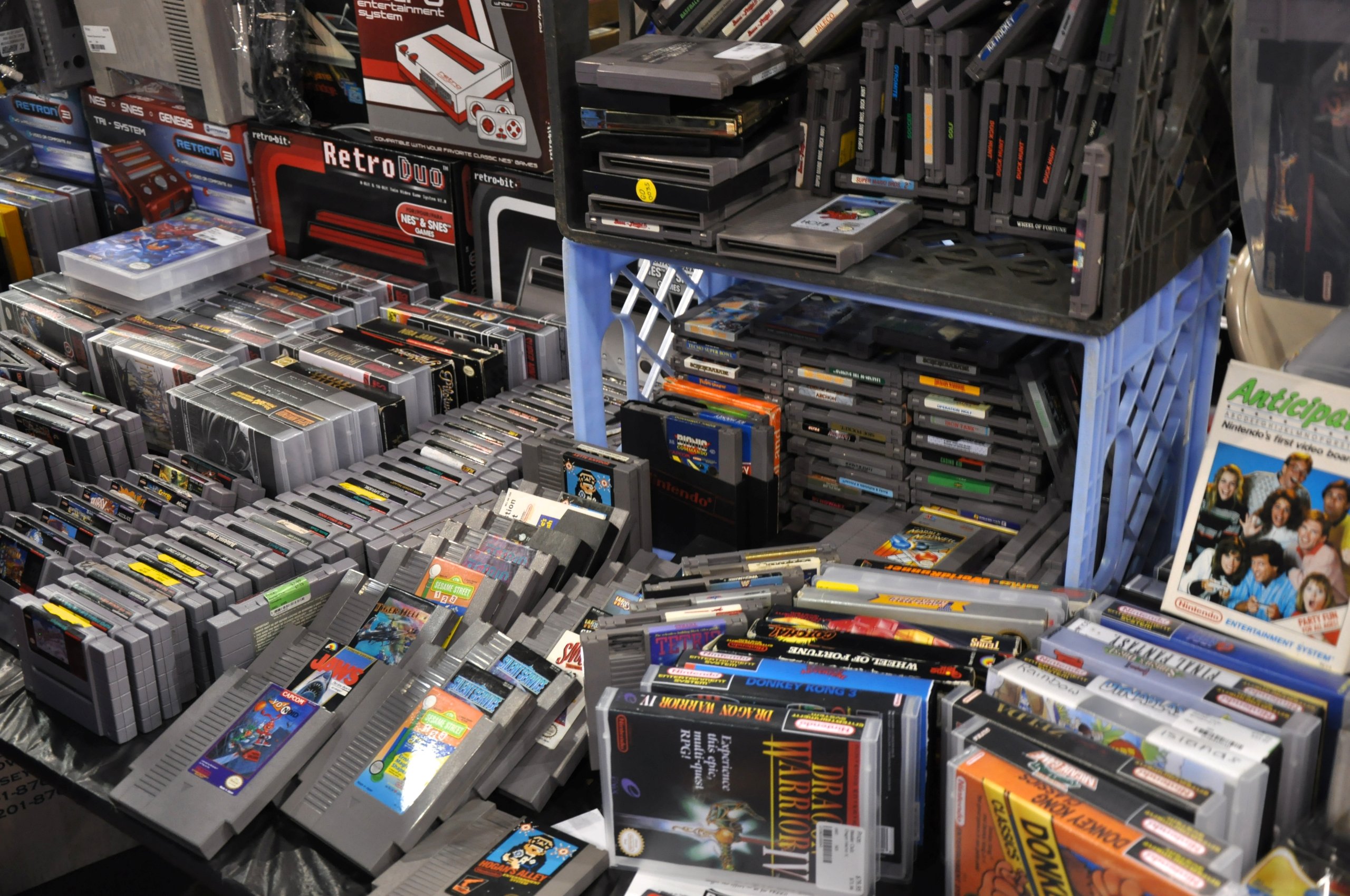
On March 31, 2026, Myrient, a massive 390-terabyte repository of gaming data, will go offline. For many in the emulation and preservation communities, this isn’t just another website disappearing. It marks a turning point in how digital history is stored, shared, and protected. However, its content may not be lost, as enthusiasts have united under Project Minerva with the goal of preserving every piece of content available on Myrient.
Unlike recent high-profile shutdowns tied to legal pressure from publishers such as Nintendo, Myrient’s closure is not the result of a corporate takedown. It is, instead, a story about economics. The site’s operator, Alexey, has been covering more than $6,000 per month in infrastructure costs, and those costs have surged due to skyrocketing demand for AI datacenters. As companies race to build large-scale AI systems, the price of RAM, SSDs, and HDD storage has climbed dramatically. Hosting nearly 400TB of data is no longer sustainable as a one-person effort.
But financial strain wasn’t the only factor. So-called “vampire” download tools, paywalled managers that bypassed donation prompts while charging users, drained both bandwidth and goodwill. For a project built on community support, that proved demoralizing. In the end, reliability and access, the very things that made Myrient valuable, became part of what pushed it toward collapse.
Now, attention has shifted to what happens next. Preservationist Jason Scott Sadofsky, best known for his work with the Internet Archive and as a co-founder of Archive Team, has stepped in to engage with the Minerva’s community. During a Q&A session on Minerva’s official Discord server, Scott discussed their massive effort to save Myrient’s data and why the Internet Archive is committed to supporting the cause.
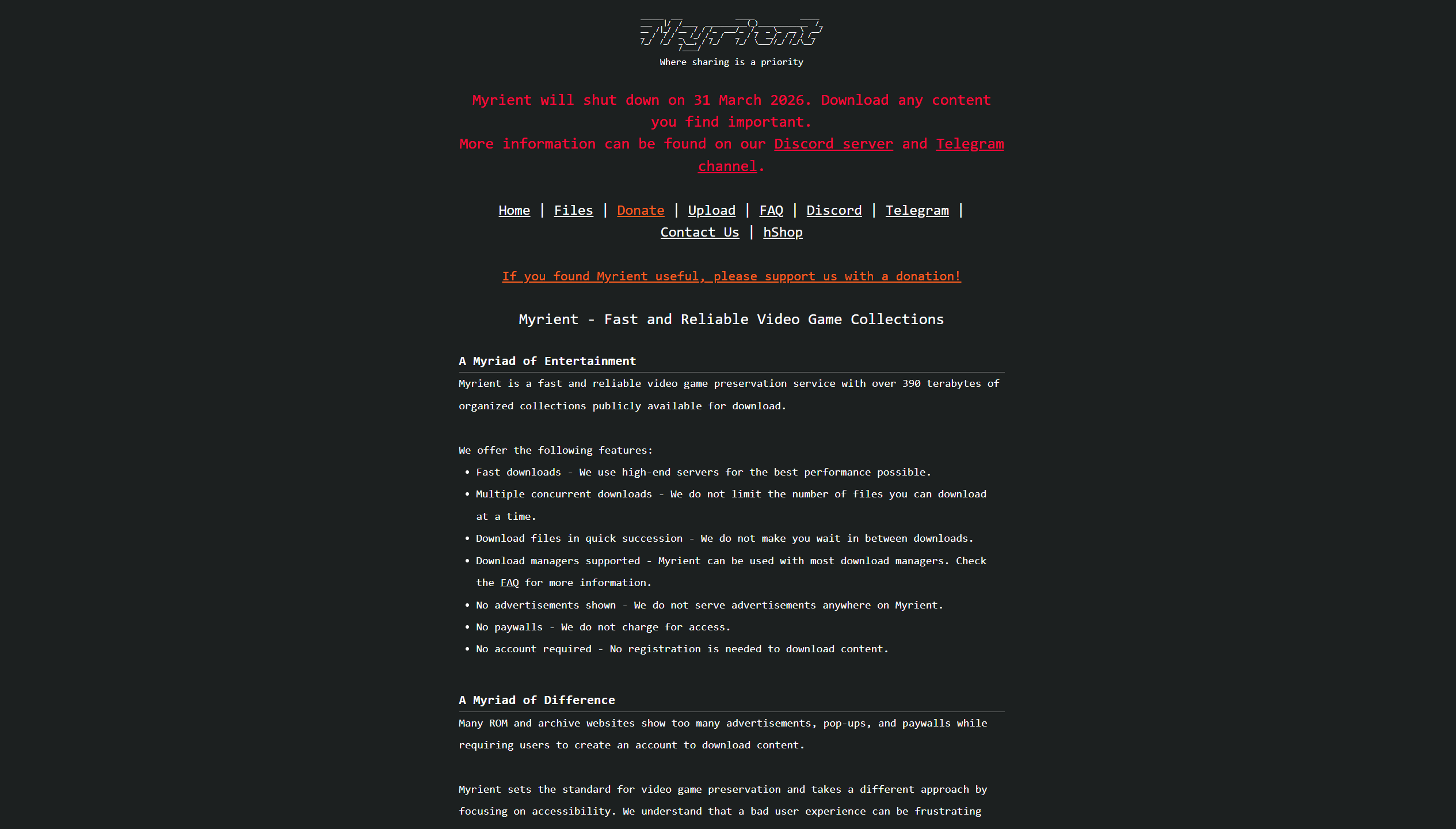
Scott made it clear that hundreds of people preparing to “blast terabytes of poorly-described material” into the Archive would create more harm than good. The goal, he said, is to “head off that situation.”. The issue isn’t just saving files, it’s understanding what they are. He confirmed that conversations are ongoing about how to handle the data responsibly and warned against chaotic, large-scale uploads to the Internet Archive.
His central question is blunt: “Determine if you’re actually archiving, or just saving away another file folder to a drive only you know.” Scott describes different levels of saving: “saved for myself,” “saved for the good of humanity,” or “saved because I’m legitimately concerned nobody else is thinking to.” Those, he argues, belong in very different categories. Simply copying data does not equal preservation.
The Internet Archive operates under specific library protections and legal frameworks. Myrient, by contrast, functioned in a legal gray area. Scott believes very little of Myrient is truly unique. “Even the arrangement of the directories was not unique,” he said. What made it special was “the relative access and dependability.” Rather than duplicating everything, he hopes the community will identify what is genuinely rare and “give it over to something like Hidden Palace or Video Game Preservation Collective.” If only a small percentage is unique, then that is what should be prioritized and made broadly accessible.
The broader questions raised by Myrient’s shutdown go beyond one site. How do you preserve a live-service game with countless patches and downloadable content? How do you archive online-only ecosystems or closed platforms? Scott argues that while games will likely remain well-preserved due to their cultural importance, other forms of software, industrial or business tools, may quietly disappear.

Each generation of games, he says, becomes more difficult to preserve. “What even is preserving Halo or Call of Duty now?” he asks. With countless versions, patches, and downloadable content, even publishers may struggle to track their own history. Yet he remains confident that games, as a beloved medium, will survive. “We might not get all 20,000 DLC guns,” he noted, “but we’ll understand what it was in some way, which is all history probably wants.”
There is also the ever-present legal tension. American copyright law continues to harden, influencing global standards. At the same time, the Internet Archive maintains multiple copies across countries and relies on endowments and partnerships to ensure long-term survival. Could it face restrictions in the future? Possibly. But as Scott notes, it is widely recognized as a crucial part of the internet’s infrastructure.
Storage is cheaper than ever on a personal scale, yet large-scale archiving is becoming more complex and expensive. AI is reshaping hardware markets. Publishers increasingly rely on third parties to issue takedowns. Communities are mobilizing in subreddits like r/DataHoarder and r/SBCGaming to mirror content before it vanishes.
Myrient’s end may feel like the implosion of a “nightclub everyone once visited” as Scott noted. But it also offers an opportunity. If handled thoughtfully, this moment could introduce a new generation to the realities of preservation: the balance between access and legality, the difference between saving and archiving, and the importance of coordination over chaos.
The site is still live until the end of March. What happens between now and then may define how future gaming history is remembered, or forgotten.
Springs, Eternal, the lo-fi narrative adventure from Fullbright and Serenity Forge, will launch for PC through Steam in November 2026.
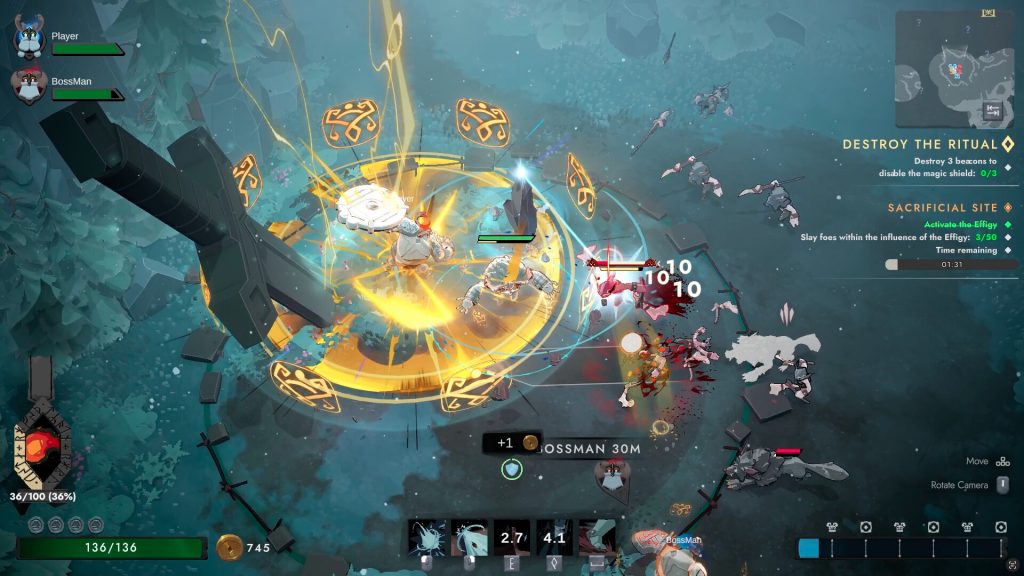
Chosen by Odin combines one-to-three-player co-op action, Norse mythology and shared dice-powered builds across dangerous roguelite expeditions.
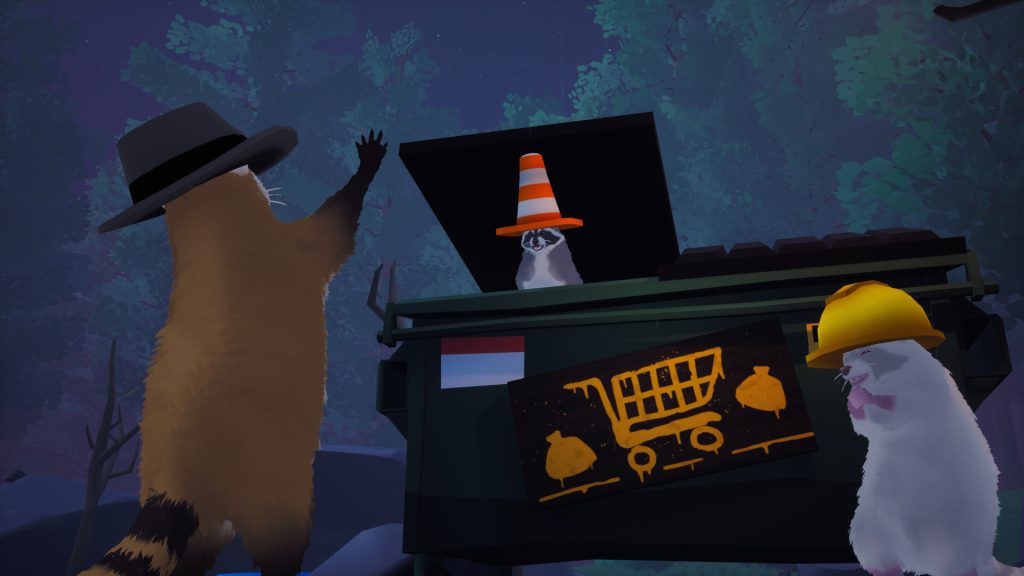
Dumpster Gang brings one-to-four-player raccoon chaos to PC in December 2026, with co-op missions, a customisable hideout and day-one PC…
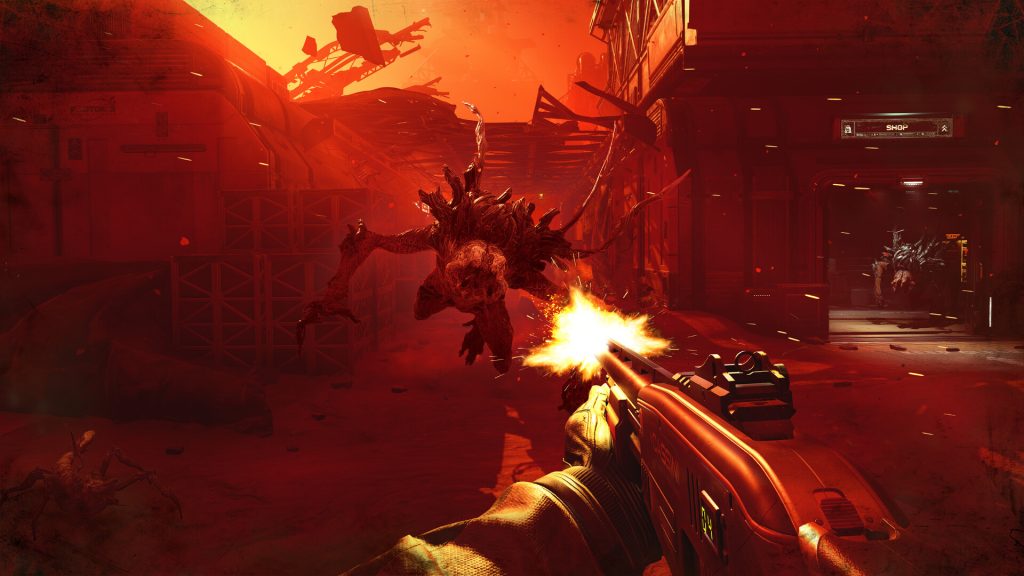
Alien Deathstorm launches in spring 2027 for PC, PlayStation 5 and Xbox Series X|S, with day-one Game Pass access and…

BUZZ or DIE turns prisoners’ darkest secrets into viral videos in a deadly game show visual novel coming to Steam…
![[GAMESCOM 2026] Chronicles: Medieval Looks Far More Ambitious Than a Simple Mount & Blade Rival](https://www.indie-games.eu/wp-content/uploads/2026/09/Chronicles-Medieval-10-1024x640.jpg)
Chronicles: Medieval was one of the most ambitious games I saw at Gamescom 2026. Raw Power Games is not merely…
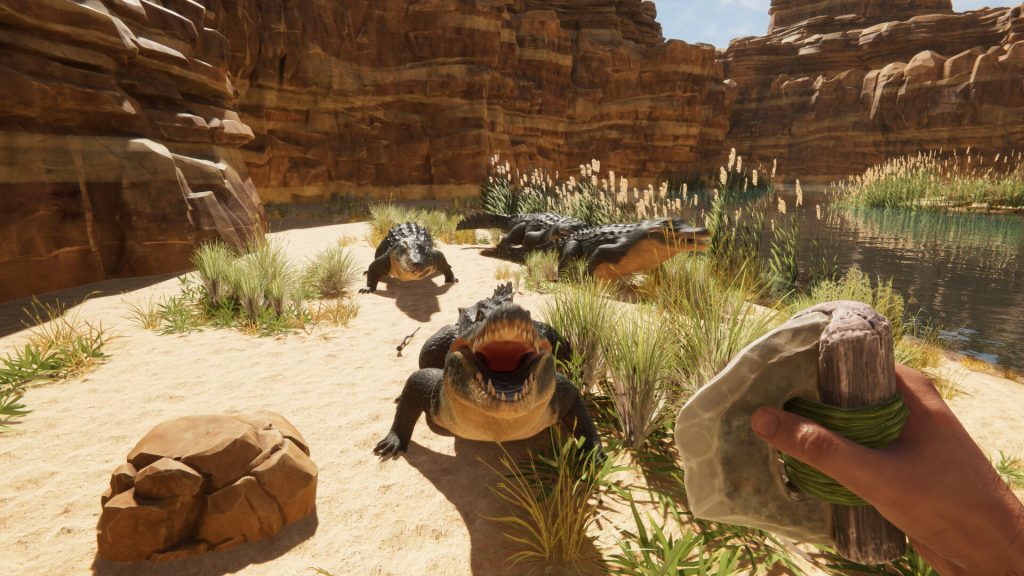
Stranded Deep 2 leaves the Pacific for an endless desert river world with mobile bases, dynamic terrain and co-op in…
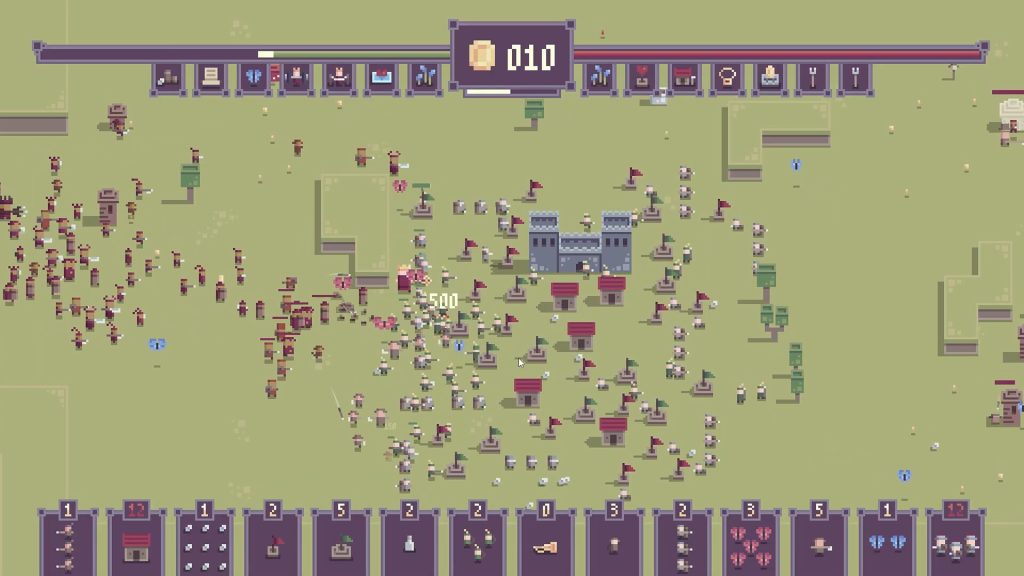
Kinghold’s Steam demo introduces its 20-second wave cycle, directly controlled king, autonomous armies and card-based battlefield strategy.
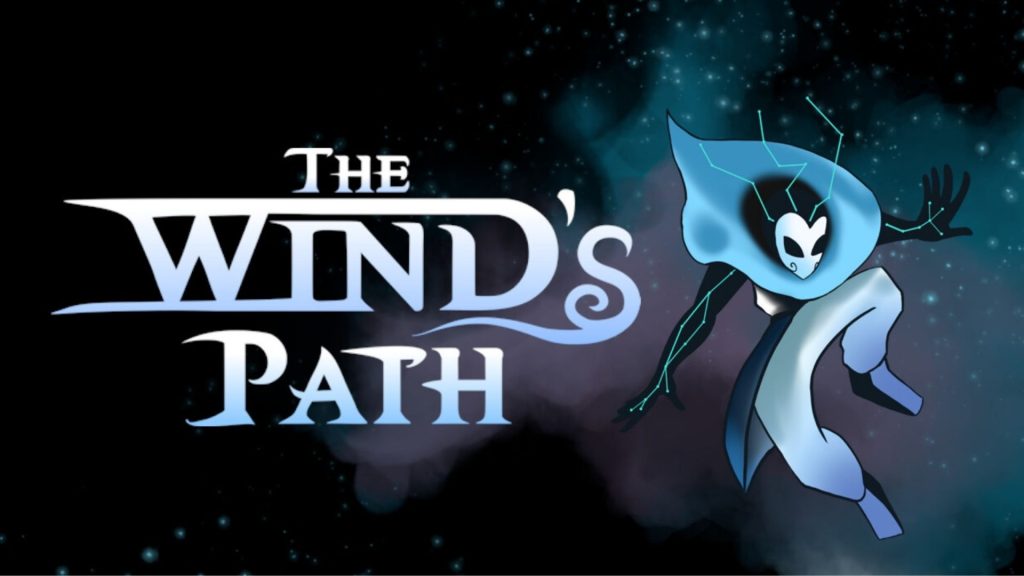
The Wind’s Path receives a DRM-free physical PC edition from We The Indies, preserving the fast top-down platformer on disc.
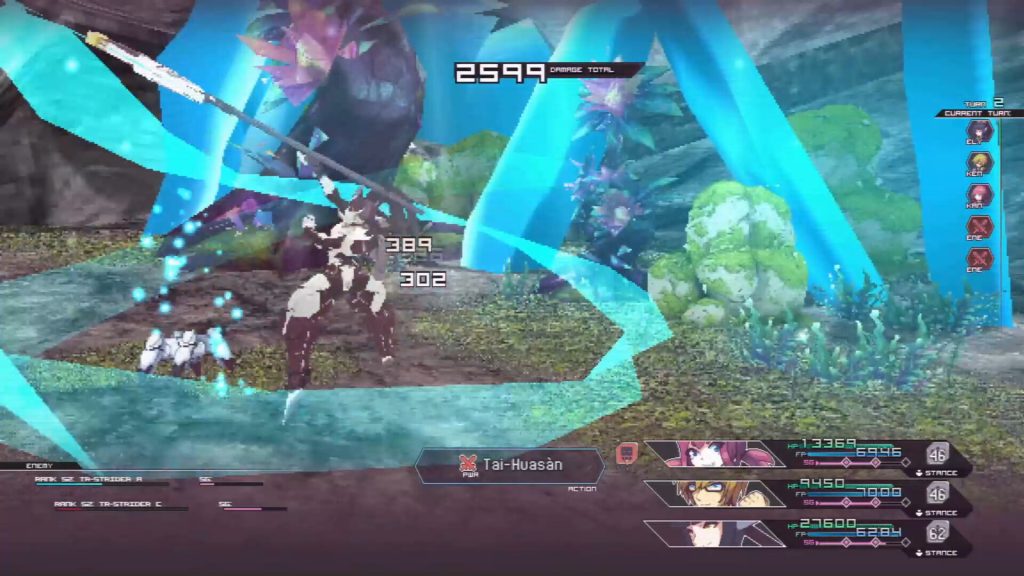
Lie of Caelum: Spirit launches a $34,000 Kickstarter for its retro-styled mecha JRPG, with Motoi Sakuraba attached as a guest…
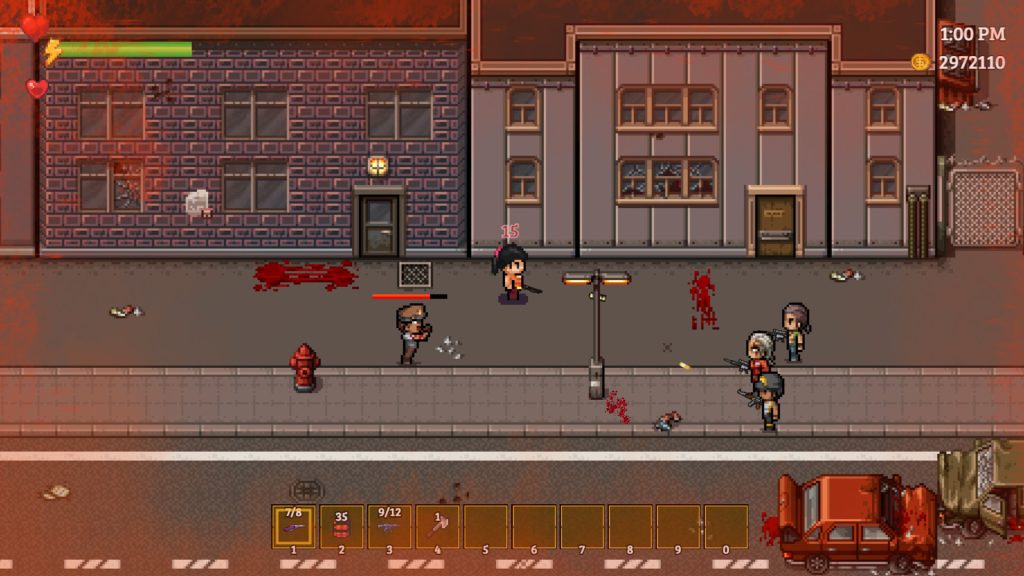
Ashfield Hollow launches a roughly ten-hour Steam demo covering 50 in-game days, with transferable saves and extensive sandbox settings.
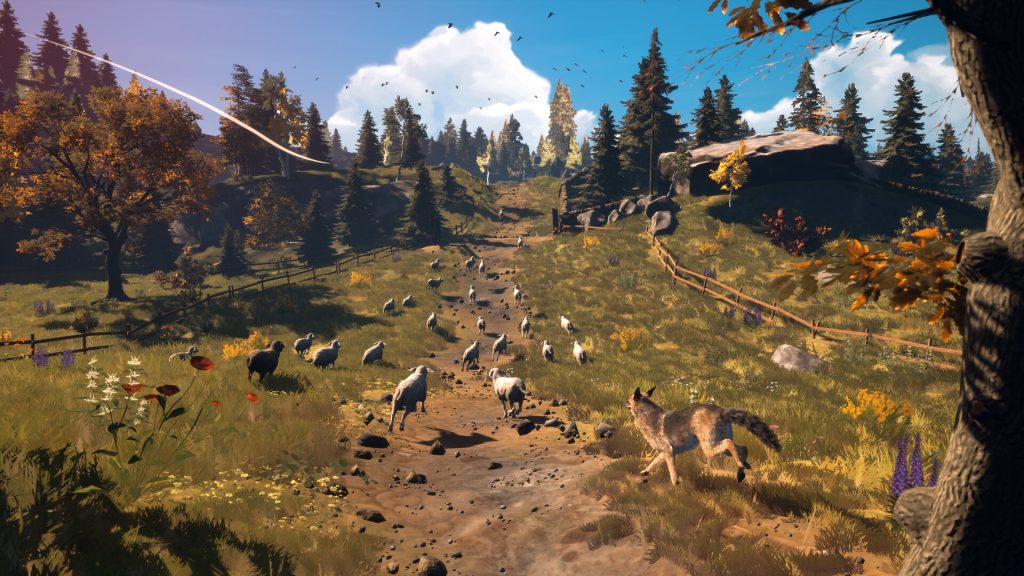
Hubert launches for PC through Steam in October 2026, placing players in the paws of a shepherd dog protecting his…
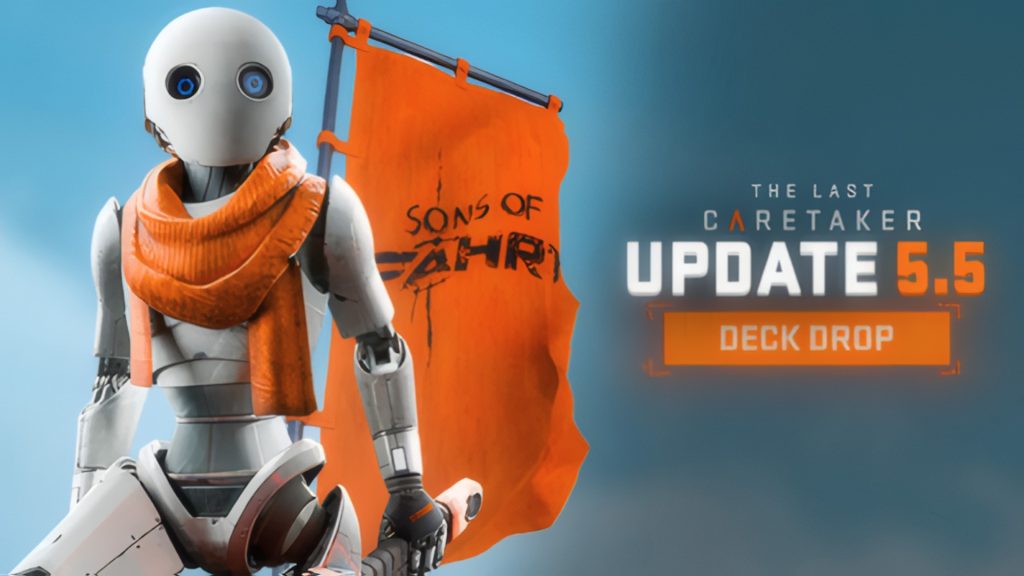
The Last Caretaker Update 5.5: Deck Drop adds 11 storage modules, new questlines, locations and extensive technical improvements.
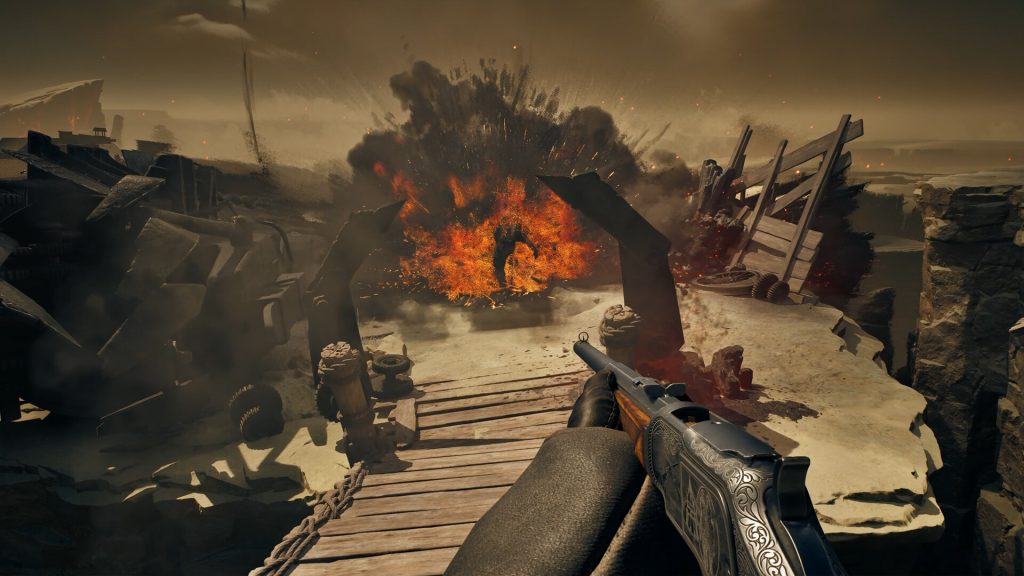
Guns of Eschaton targets a 2026 launch with deliberate Soulslike gunplay, cooperative progression and an occult Western setting.
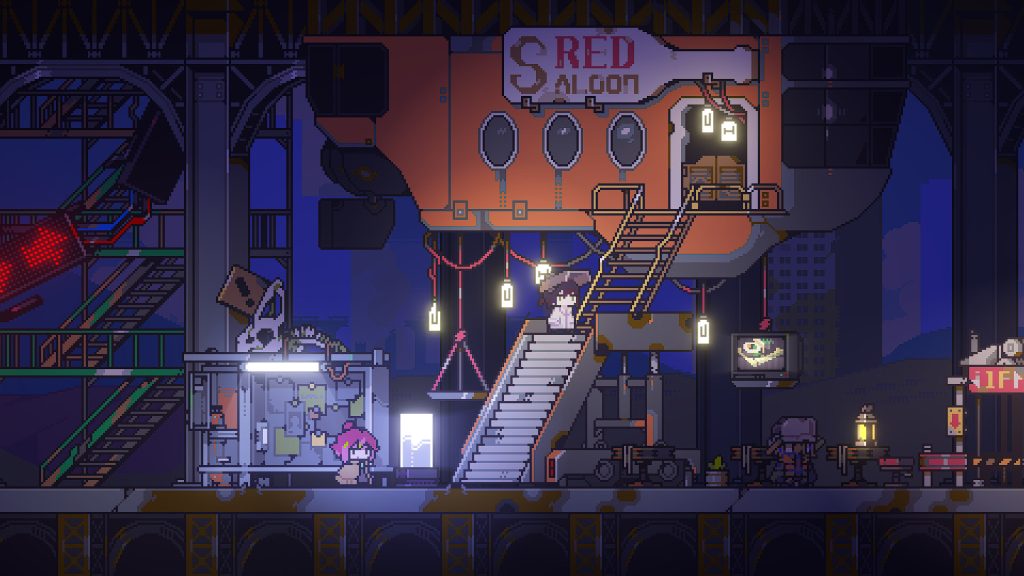
Doloc Town surpasses 180,000 lifetime sales after selling more than 80,000 copies during the first two weeks following its Version…
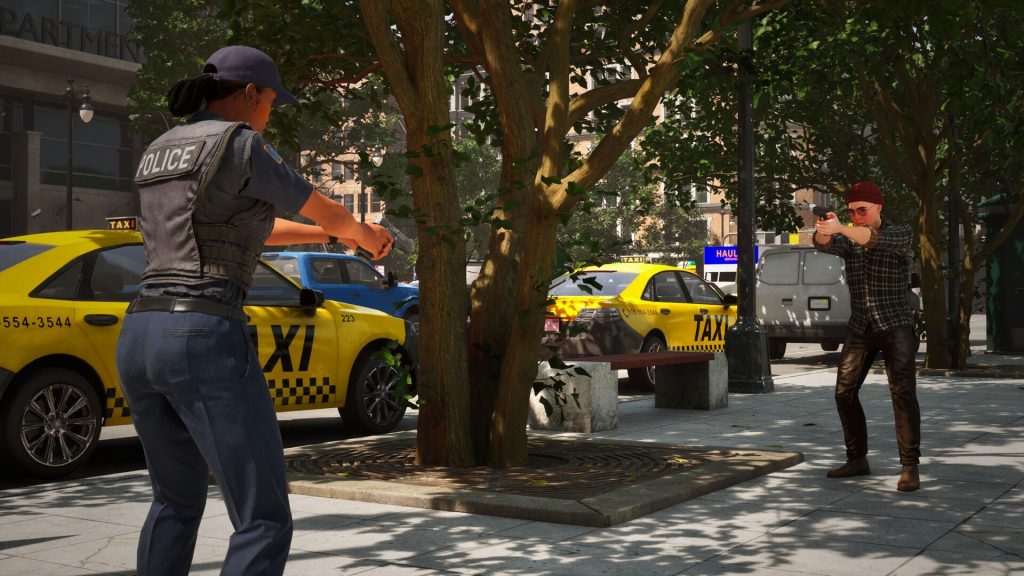
Police Simulator introduces K-9 patrols, more than 50 callouts and full cross-play when it launches for PC and consoles in…
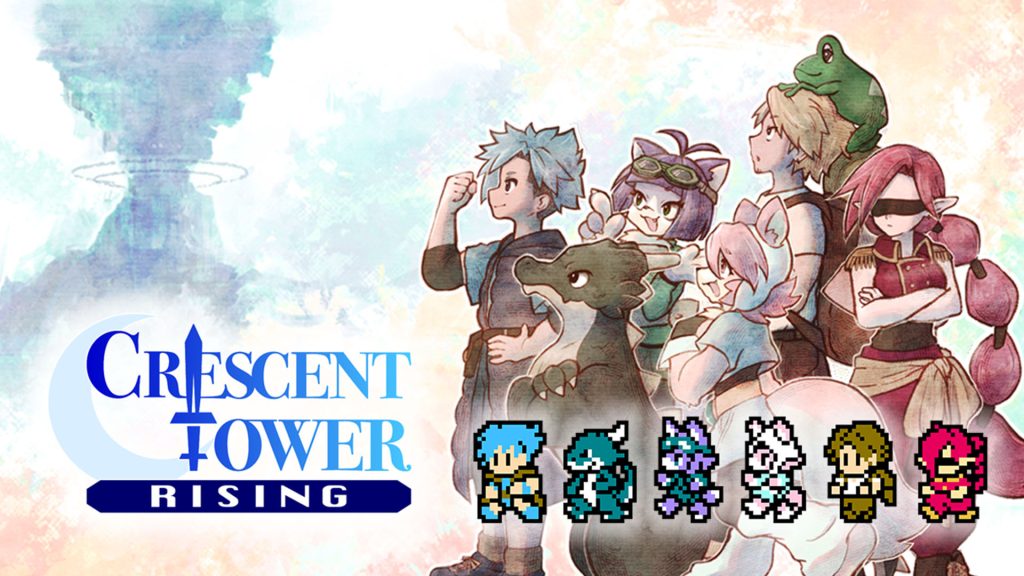
Crescent Tower: RISING brings five connected stories, 14 classes and a new Skill Blocks system to PC through Steam.
Gate Zero's first combat trailer sends Max into the time-corrupted EON World ahead of its spring 2027 launch.
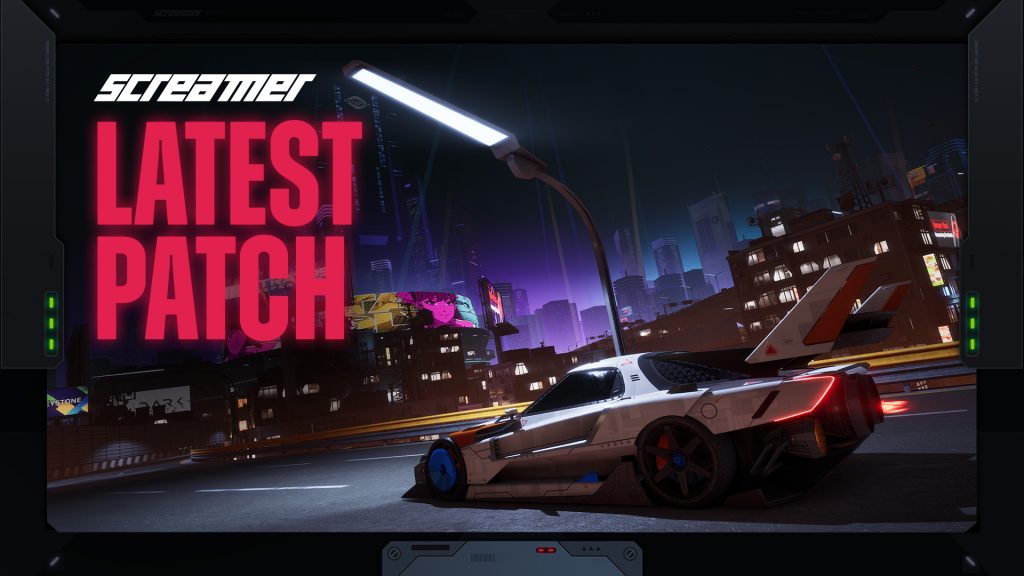
Screamer’s August 31st update buffs several characters, changes its first-boot behaviour and addresses leaderboard cheating.

Cloudgazer turns cloud watching into a relaxing hidden-object game when it launches for Steam, iOS and Android on September 3rd,…
