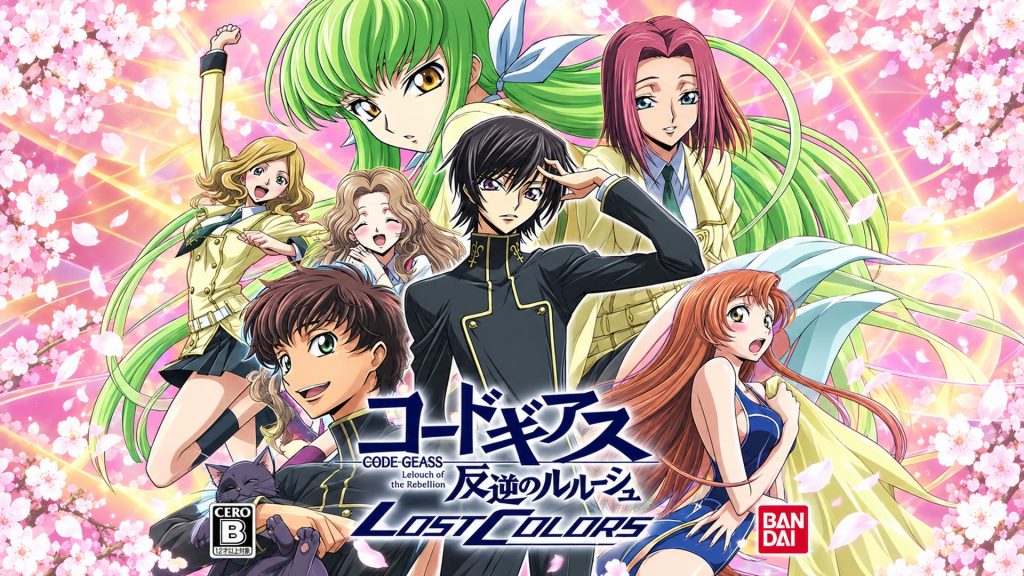
A Japan-Only Code Geass PS2 Game Finally Has a Complete English Patch
Code Geass: Lost Colors now has a complete fan-made English patch for PS2, including the platform-exclusive Blue Moon route.


If you enjoy independent indie game coverage, consider supporting Indie-Games.eu on Patreon. It helps keep the site independent.
I’ve never played a single game in the MLB The Show series, let alone one on the newer consoles like the PlayStation 5 or Xbox Series X/S, as I don’t own them. I recently completed Black from Criterion Games and was looking for something new to play when I stumbled upon MLB 11: The Show. While baseball is barely known in my home country of Croatia, I fell in love with the sport after watching the anime series Diamond no Ace and Major. I’ve always been curious to try a title in this series, so I decided to give it a shot.
Developed by San Diego Studio and published by Sony Interactive Entertainment, MLB 11: The Show was released in 2011. As the eleventh entry in the MLB The Show series, it holds the distinction of being the final installment released for both the PlayStation 2 (PS2) and the PlayStation Portable (PSP). It was also made available for the PlayStation 3 (PS3), making it the first game in the series compatible with the PlayStation Move motion controller.
MLB 11: The Show offers a realistic simulation experience, featuring all 30 Major League Baseball (MLB) teams, updated 2011 rosters, and their respective stadiums. The game provides deep management and career modes, supporting various singleplayer options, alongside multiplayer options. It’s important to note, however, that the PS2 version lacked several features found on other platforms, including the updated fifth generation of Road to The Show, the Challenge of the Week online mode, and support for stereoscopic 3D and PlayStation Move.
Maintaining the control scheme of MLB 10: The Show, the core gameplay revolves around analog stick-based batting, pitching, and fielding, utilizing timing-based mini-games for successful hits, strikes, and catches. This includes a meter system for pitching accuracy and break, and a contact/impact indicator for batting. In general, the gameplay felt remarkably immersive.
| Title | Key Innovations |
|---|---|
| MLB 06 | Debuted Road to The Show (RTTS); added “Game Time Decisions” for dynamic lineup choices in franchise mode. |
| MLB 07 | Expanded RTTS with minor league progression; introduced 40-man roster management. |
| MLB 08 | Introduced Progressive Batting Performance (rewards/penalties based on user control); enhanced online scouting tools. |
| MLB 09 | Improved RTTS with offense/defense duality; added MLB Network integration for immersive news coverage. |
| MLB 10 | Added Pure Analog controls; faster load times; EyeToy integration for interactive features. |
| MLB 11 | Introduced co-op mode; improved RTTS call-ups; added Challenge of the Week with online prizes. |
However, I was initially disappointed by the lack of proper tutorials like a practice arena; the game assumed you already have some knowledge how to play. Thankfully, this was offset by a significant number of accessibility options, such as adjustable difficulty settings and various assistants for batting, running, and fielding, which made learning the game much easier.
The game offered a great selection of modes. For quick play, there were Exhibition and Season matches, letting you play single games or full seasons with any of the 30 MLB teams, plus All-Star and classic teams. For deeper involvement, the Franchise mode let you manage your team over multiple seasons, handling things like trades, drafts, contracts, and roster decisions. The popular Road to The Show (RTTS) mode allowed you to create a custom player and guide them toward MLB stardom, focusing only on that player’s offensive and defensive moments.


Although the game offered several modes, I didn’t spend much time with most of them. I started with Exhibition and Season matches for the first couple of hours just to get the hang of the controls and learn how to play. The majority of my time was spent in Road to The Show. Even though this is a 2011 game that didn’t have groundbreaking graphics, the experience still felt surprisingly realistic and very enjoyable.
I initially played as a catcher for five hours, but I soon realized the role was underwhelming. You couldn’t call pitches, most defensive plays just meant catching a fly ball or throwing to second base, and the only truly exciting moments were when I was up to bat. Playing as a pitcher wasn’t for me; I found the challenge of perfectly aligning the meter to the green zone too stressful.
| System | Description |
|---|---|
| Hitting (Pure Hitting) | Use the right analog stick to stride, swing, and adjust timing for contact and power. Includes customizable batting stances for unique player feel. |
| Pitching (Pure Pitching) | Features a new Pitch Meter that controls velocity and location. Supports fastballs, curves, sliders, and more, with realistic break, accuracy, and fatigue systems. |
| Fielding (Pure Throwing) | Use the right analog stick to aim throws at bases; includes fake throws and no-assist options for enhanced realism and player control. |
But, there were things I truly enjoyed about pitching. I liked the intense moments, such as when the green bar disappears after you’ve been hit too many times, forcing you to focus. It was also fun to pick off runners and even intentionally walk the batter. Plus, the variety of pitches available and how easy it was to control the ball to hit the corners of the plate were great features.
My next playthrough as a left fielder felt much better, as that position gave me more options. I had to run for balls, make catches, correctly position myself, and throw the ball around the field, which created more defense chances. However, batting was easily my favorite part. Hitting RBIs always felt rewarding. You couldn’t just swing hard; you genuinely had to wait for the perfect timing and the right pitch, carefully aim your bat, and even try to guess the type of pitch coming.


The game gives you all the tools you need and success just depends on your skill and your knowledge of baseball. The graphics are neither great nor terrible -they’re just okay. Some background elements, like the carnival or amusement park rides, looked strange, and the crowd was also unrealistic. The game lacked advanced lighting and physics, and some animations, such as turning to tag out a runner, looked rough. However, the graphics shined when it came to the detailed stadiums and player models. The addition of real player images and faces was a nice touch that made those parts look really good.
My only real disappointment was the training system, mostly because it was just a simple matter of spending points to change your player’s abilities. Putting that minor issue aside, I was truly satisfied with what MLB 11: The Show offered, even though I haven’t played the earlier games in the series. It was fun and immersive, providing so much content that you could easily spend hours grinding away, finishing a whole season, and improving your player. This game requires a proper grind, but it’s definitely worth the effort if you enjoy baseball games or are looking for a nice piece of gaming nostalgia.
| Label | Meaning | Description |
|---|---|---|
| Timeless Classic | ⭐⭐⭐⭐⭐ | A retro game that remains outstanding today — endlessly replayable and still a joy to experience. |
| Aged but Golden | ⭐⭐⭐⭐ | Some mechanics have aged, but the fun, charm, or innovation still shines through. |
| Of Its Time | ⭐⭐⭐ | Enjoyable mainly for nostalgia — solid in context, but dated by today’s standards. |
| Left in the Past | ⭐⭐ | Historically interesting, but frustrating or dull to actually play now. |
| Retro Relic | ⭐ | Best remembered, not replayed — a museum piece more than a game. |
Code Geass: Lost Colors now has a complete fan-made English patch for PS2, including the platform-exclusive Blue Moon route.
DigiBitPlay presents digital game libraries through interactive 3D boxes, discs, cartridges, consoles and scanned manuals.
Project Cane shows new Sly Cooper PC footage, but the unofficial native port still needs menus, audio, saving, controls and…
Donkey Kong 64 now runs natively on Windows, Linux and macOS with widescreen, uncapped frame rates, modern controls and optional…
PCSX2 2.8.0 delivers major performance and graphics improvements alongside EyeToy support, interface upgrades and bundled FFmpeg.
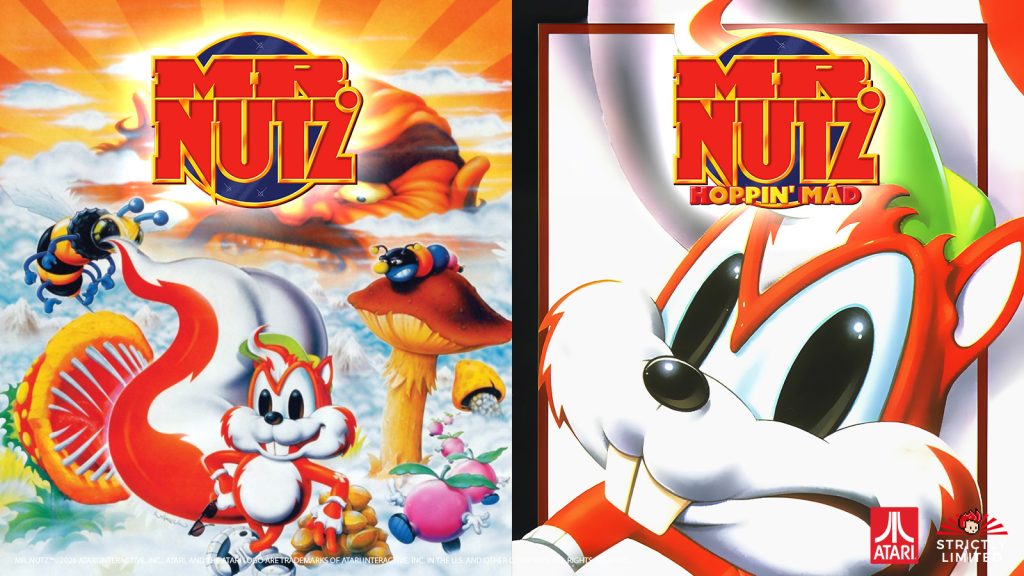
Mr. Nutz and the previously unreleased Mega Drive sequel Hoppin' Mad are receiving new physical cartridges from Strictly Limited Games…
Sony will close the PlayStation 3 Store in July 2027, while RPCS3 fully supports 75% of the console's library, highlighting…
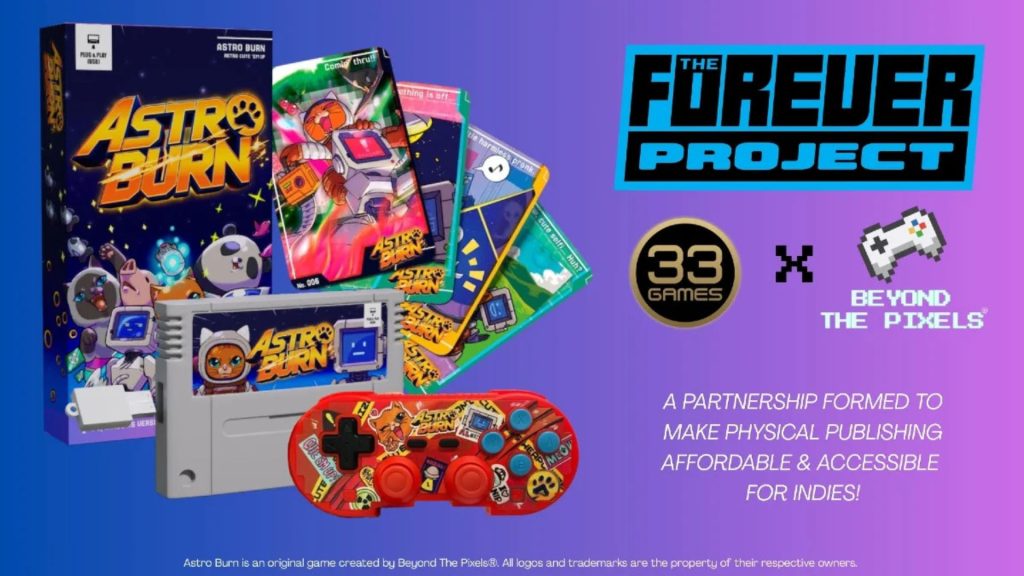
The Forever Project aims to make physical game releases more affordable for indie developers through a partnership between 33 Games…
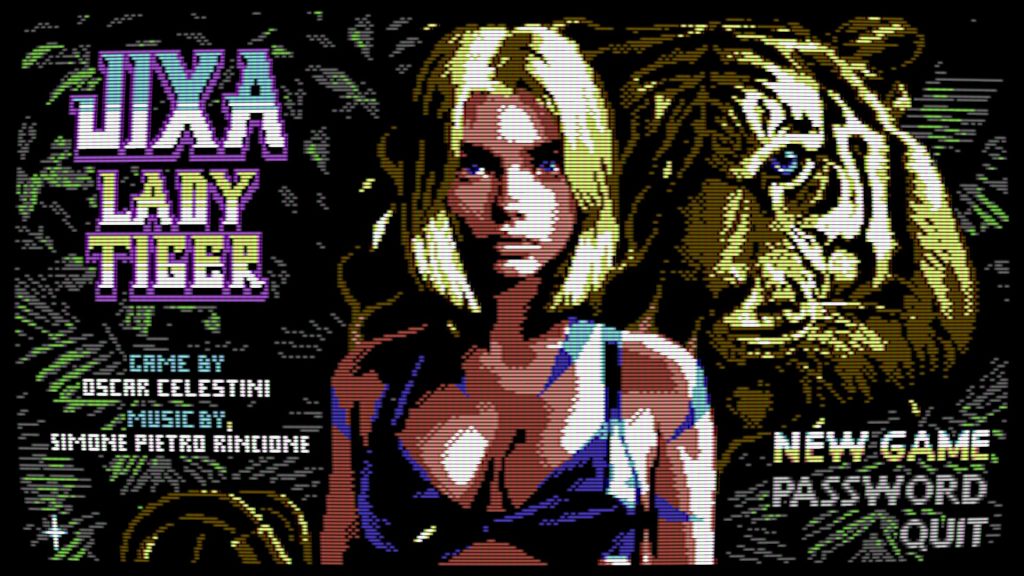
Indie developer Oscar Celestini is expanding his retro-inspired platformer with Jixa Lady Tiger Plus, an enhanced edition that significantly builds…
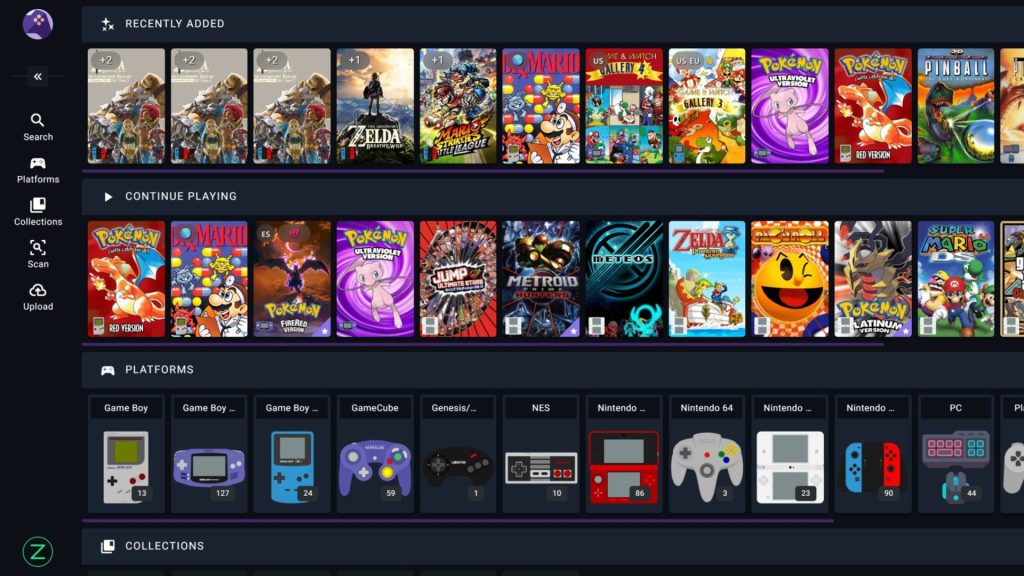
RomM is a free, open-source, self-hosted platform that organizes ROM libraries, fetches metadata, and supports browser-based emulation.
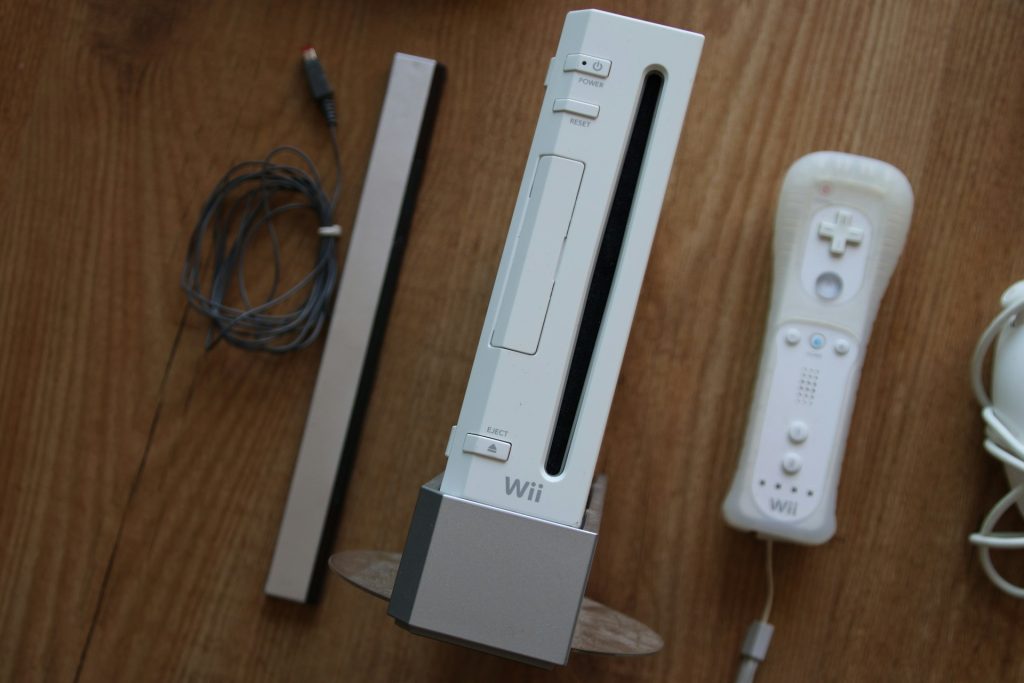
The developers behind Wii64 have released Beta 1.4, marking the Nintendo 64 emulator's first major update in more than five…
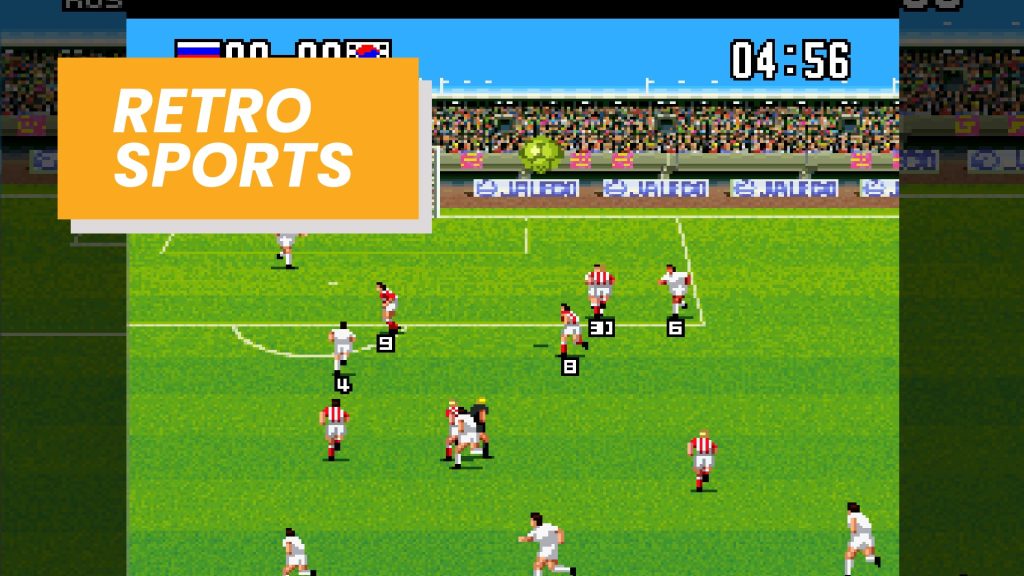
Rock It Games has brought Jaleco Sports: Bases Loaded II and Goal! Two to PC after successful Nintendo Switch and…
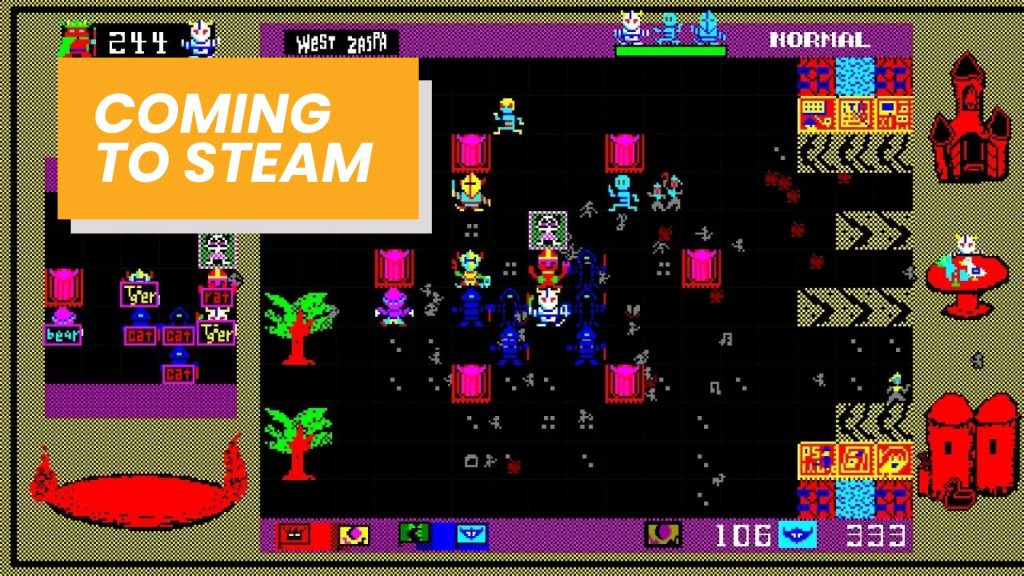
Developer Pygmy Studio has announced that Bokosuka Wars II will launch on PC via Steam in 2026, bringing the tactical…
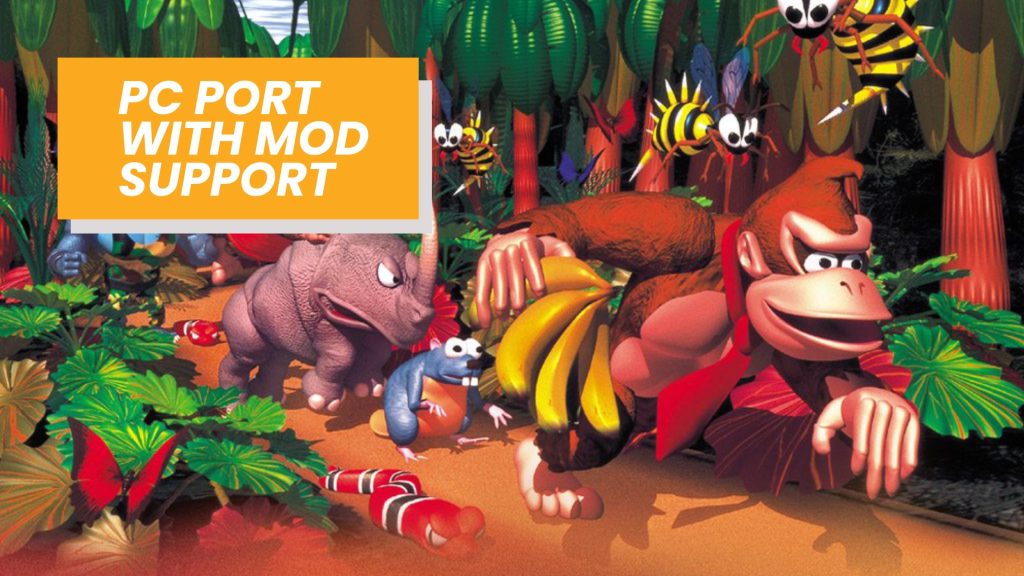
An unofficial native PC port of Donkey Kong 64 is in development, bringing rare's Nintendo 64 classic to modern hardware…
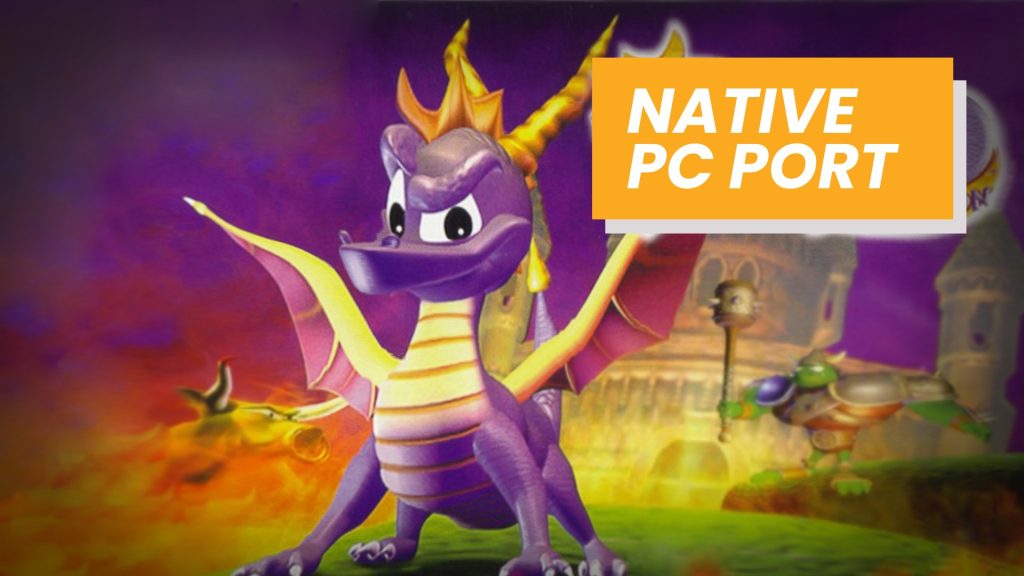
A fan-made native PC port of the original Spyro the Dragon is officially in development, bringing the 1998 PlayStation classic…
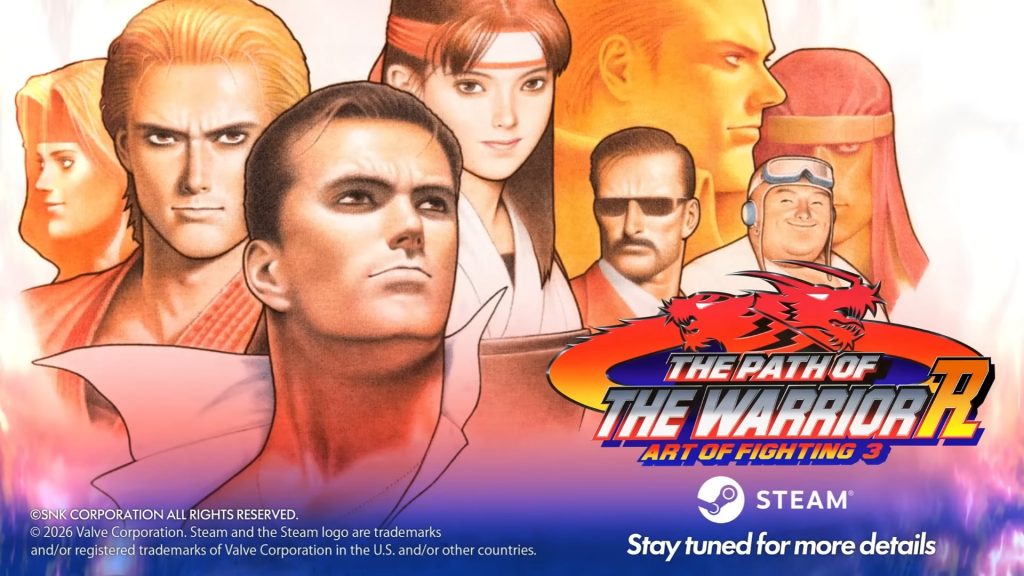
SNK has officially announced The Path of the Warrior: Art of Fighting 3 R, a modernized version of the 1996…
The developers behind ShadPS4 have introduced a major new feature that moves PlayStation 4 emulation closer to a complete experience.
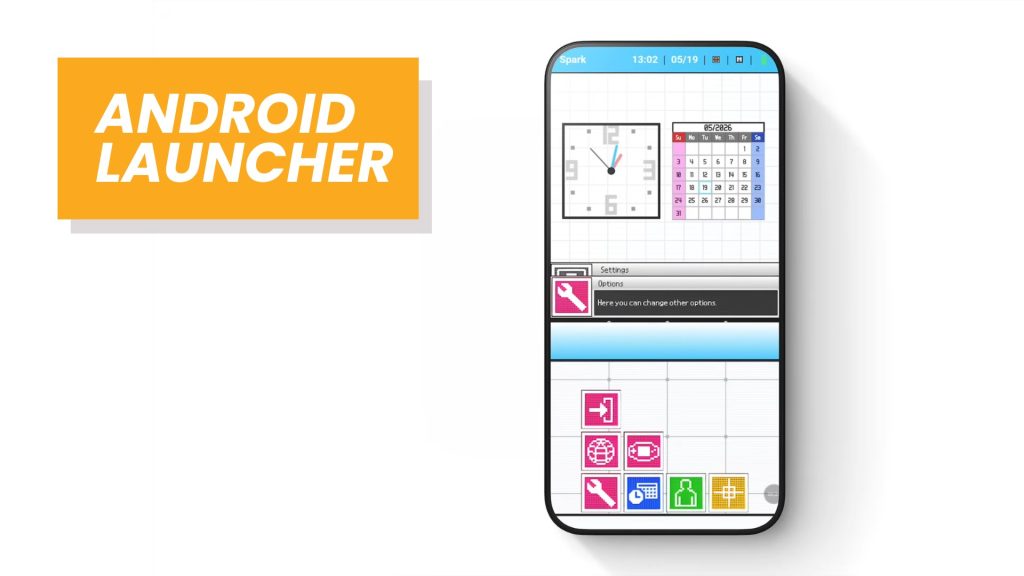
DS & DSi Launcher brings the classic Nintendo DS and DSi interface to Android, giving retro fans a nostalgic way…
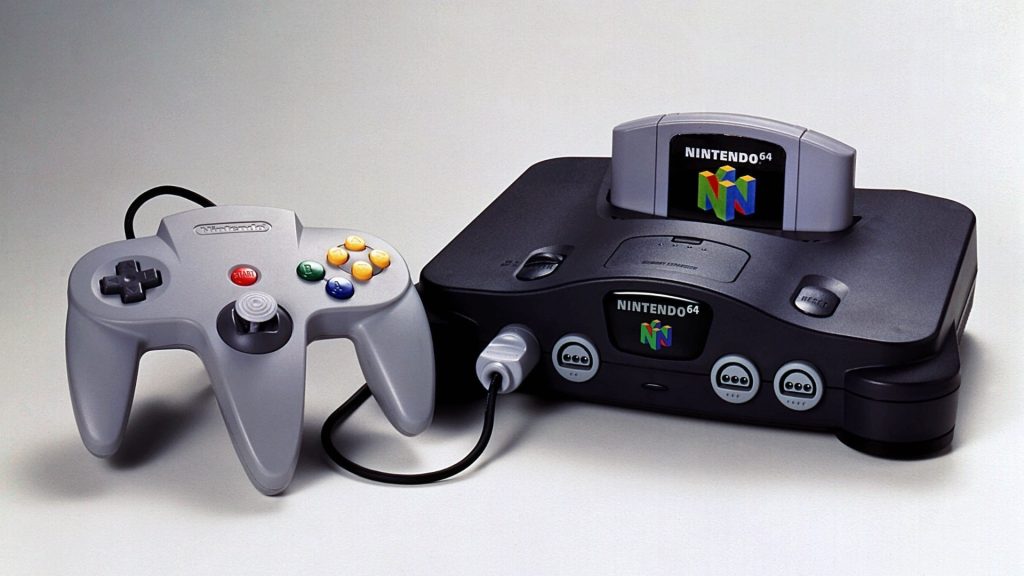
Today marks 30 years since the launch of the Nintendo 64 in Japan, and for many, that's enough to trigger…
It's hard to believe, but Batman: Arkham Knight is officially 11 years old today. This title was Rocksteady's final chapter…
