Forsaken Realms: Vahrin’s Call – Imperfect Journey Back to an Older RPG Era
Forsaken Realms: Vahrin’s Call is exactly the kind of ambitious, slightly clumsy fantasy RPG that used to be far more…

If you enjoy independent indie game coverage, consider supporting Indie-Games.eu on Patreon. It helps keep the site independent.
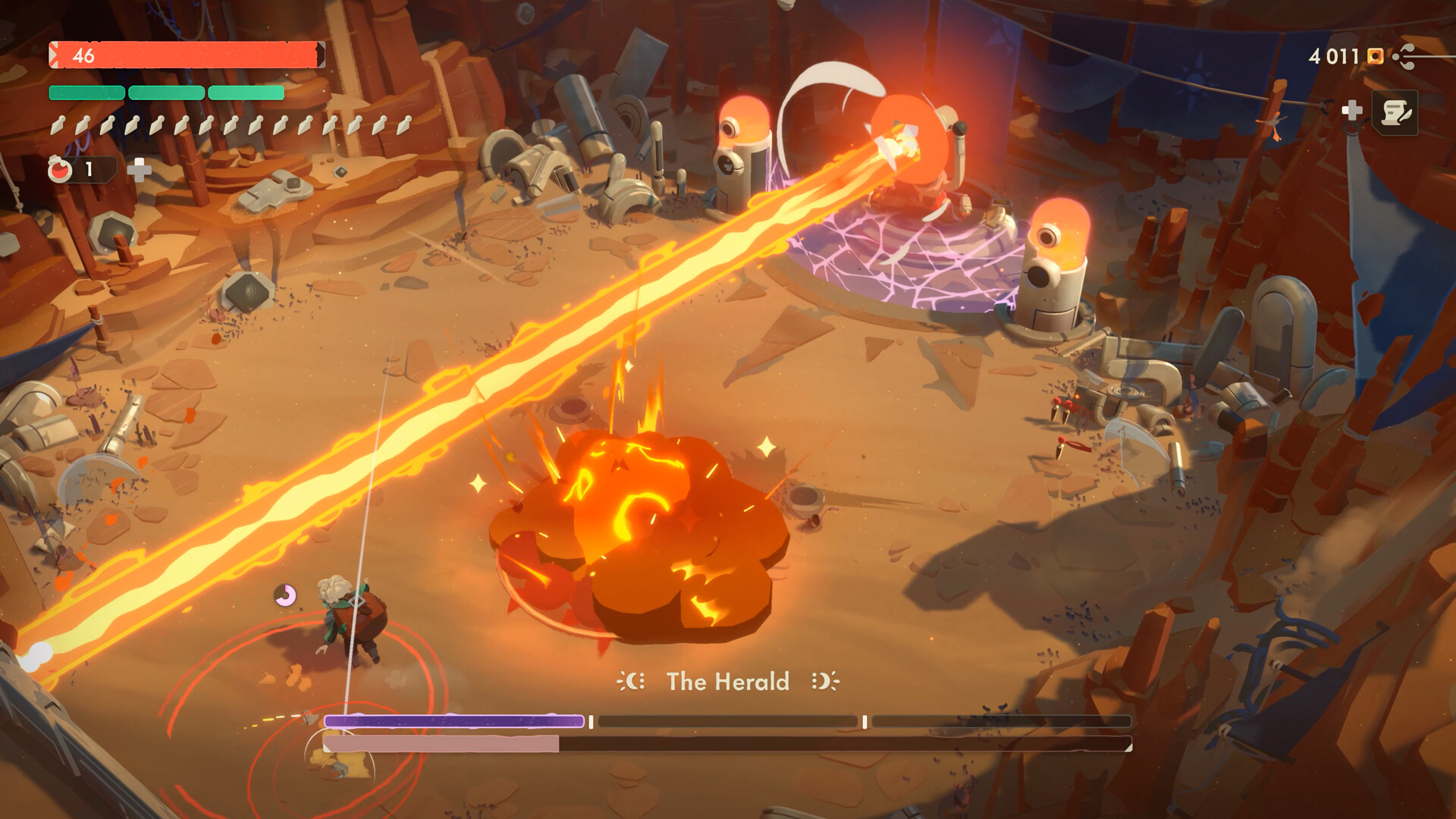
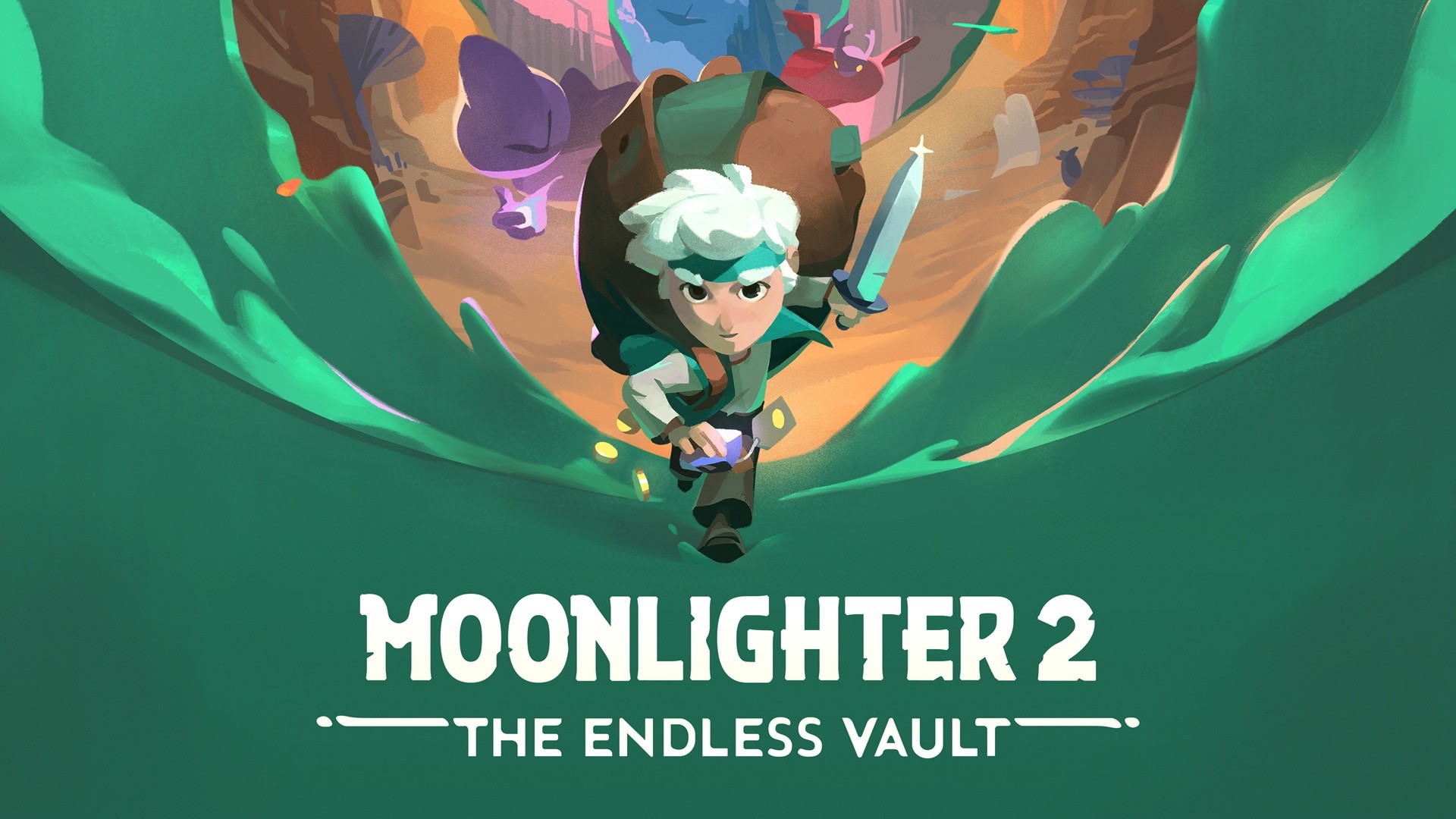
Moonlighter 2: The Endless Vault marks a significant evolution from its predecessor. It trades the pixel graphics of the first game for full 3D environments and character models, and introduces more meaningful challenges, though this comes with an even greater emphasis on grinding. Grinding is central to the Moonlighter 2 experience, as replaying areas is necessary to progress.
However, this isn’t really a bad thing: as you complete the main quest, your town expands and evolves alongside you. Keep in mind that the game is currently in Early Access. Content will continue to be added, but you can currently explore three distinct biomes, collect over 120+ relics of varying rarity, and encounter a diverse range of enemies in each area.
Moonlighter 2 is a proper action-RPG with roguelike elements and a tale about new beginnings. You play as Will, who, along with the others, ends up stuck in the far-off village of Tresna with no money. Your job is to bounce back and turn your small shop into the main source of wealth for the whole village. The game loop is simple: go into dungeons, collect relics, sell them, and spend that money on your friends’ shops. This helps you to upgrade your weapons, get new armor, new recipes, shop decorations, and boost your abilities.
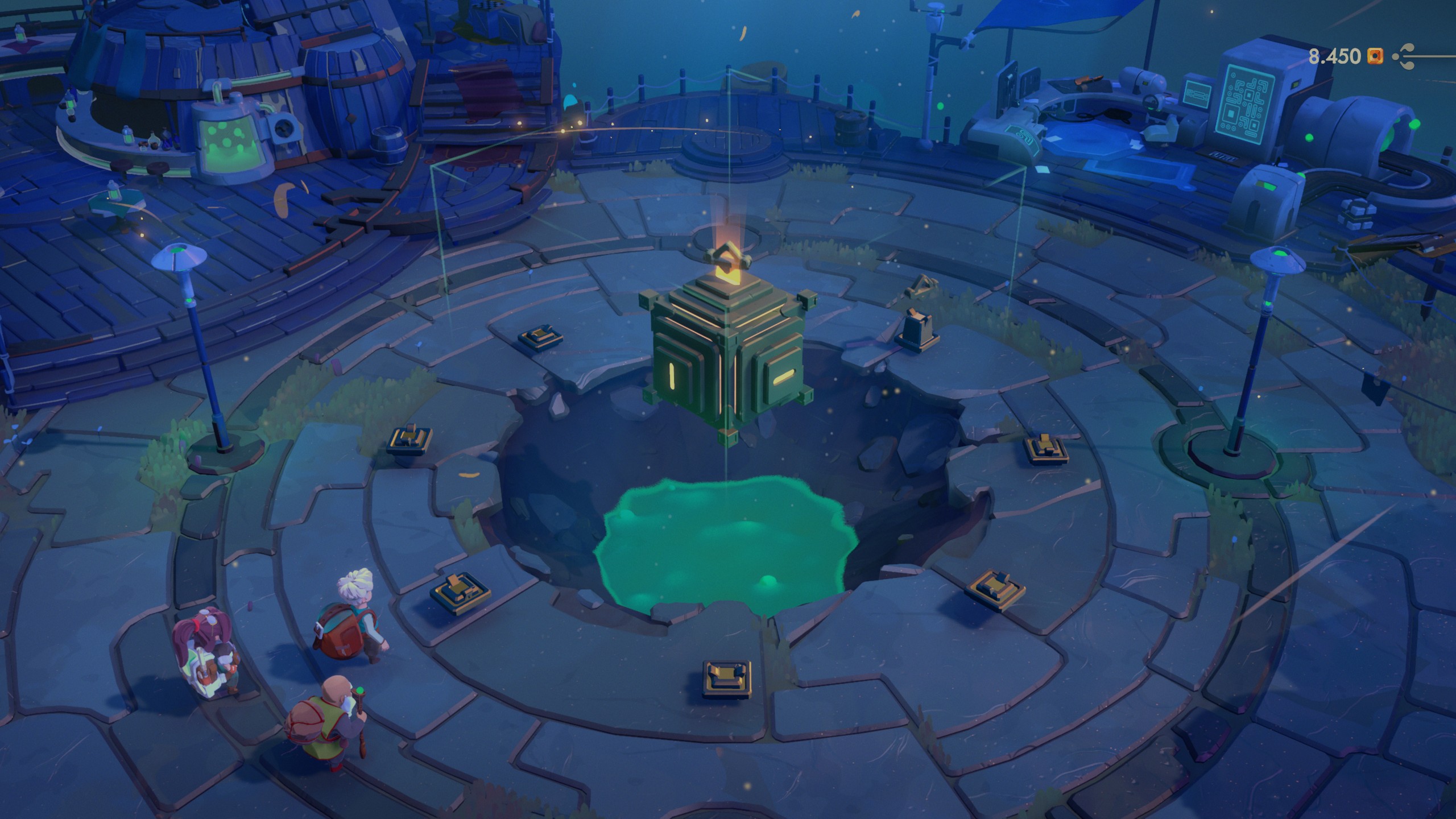
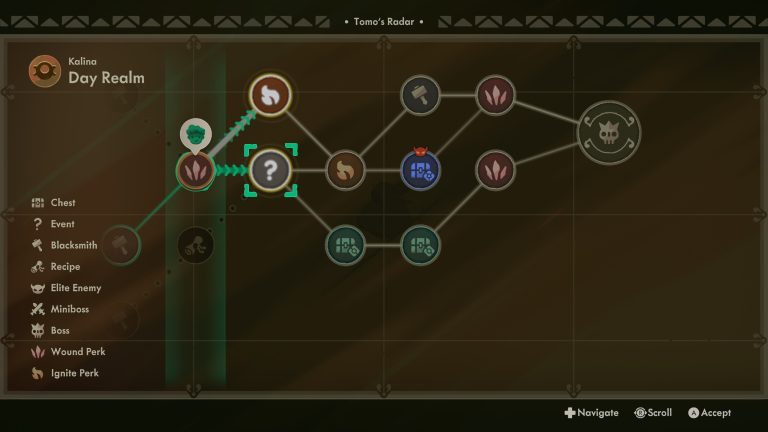
The game starts when a large chest (or box) called Endless Vault chooses you to complete its challenges, which mostly involve collecting money. Right away, you know the game will be a grind fiesta. You will spend most of your time exploring procedurally generated dungeons and these dungeons have many different paths and rooms you can choose from. They offer special bonuses, like passive and active effects based on electricity, fire, wounds, or poison, and many others.
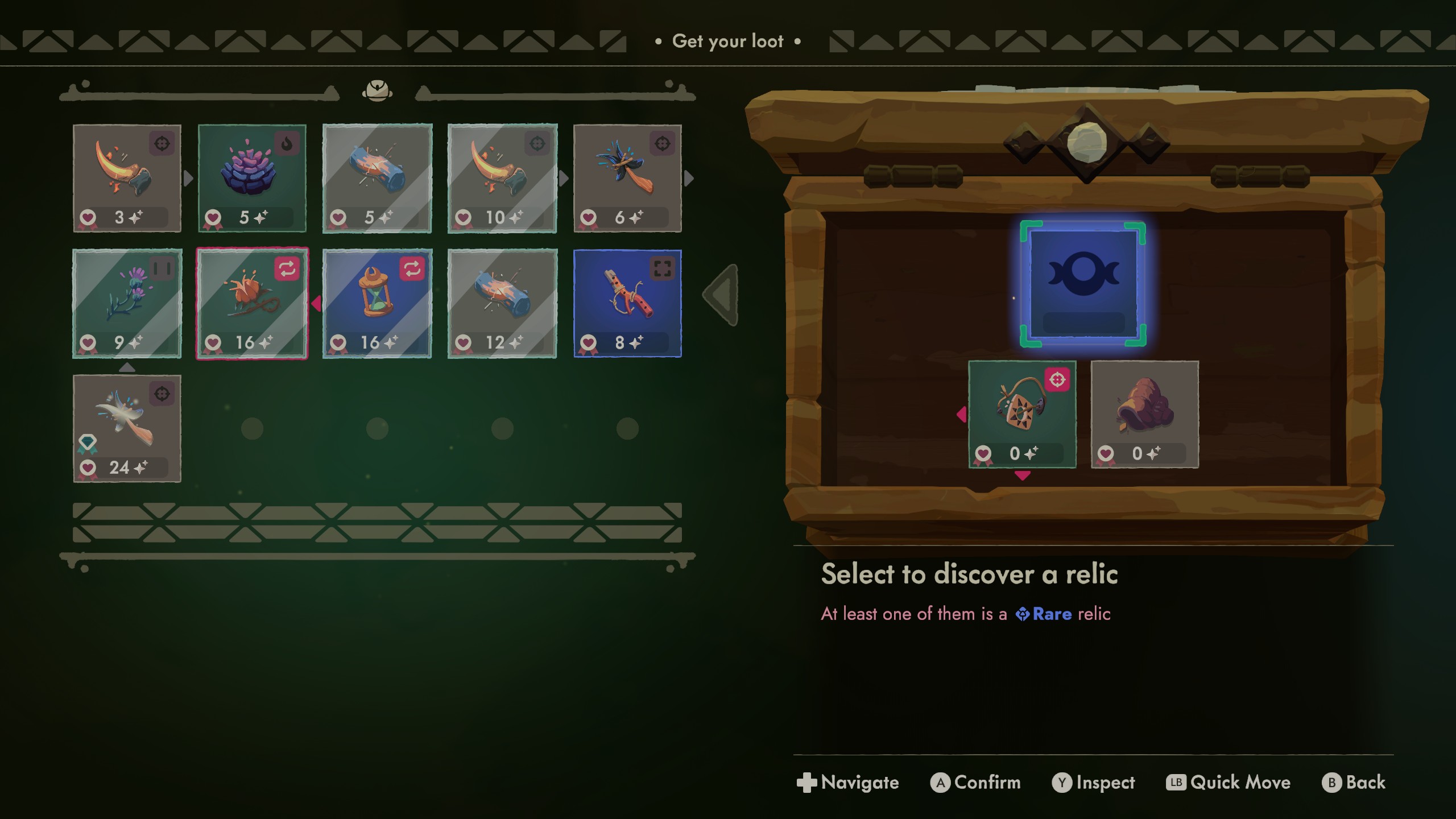
There are also rooms with chests, which come in different types, from common and uncommon to epic and deluxe, offering various relics. Along the way, you’ll meet many different NPC. You can take on challenges from some of them, get weapon upgrades from others, and even convince some to move to your village. Also, each major area (biome) ends with a big boss, and you will fight a mini-boss somewhere in the middle.
The first five hours offer an engaging experience, allowing you to unlock new biomes without needing to defeat a final boss. However, the game becomes overly repetitive after some time and hits a grind wall the longer you play. Despite this, the strong roguelike elements ensure the game is built around infinite replayability.
Progression system is thankfully deep: it’s not just about acquiring better loot for more money, but about strategically using relic placement, run bonuses, and shop mechanics to grow. Because there are so many upgrade paths (shop, weapons, village, relic buffs), the game’s systems can feel overwhelming at times, especially for those unfamiliar with deep roguelike loops.
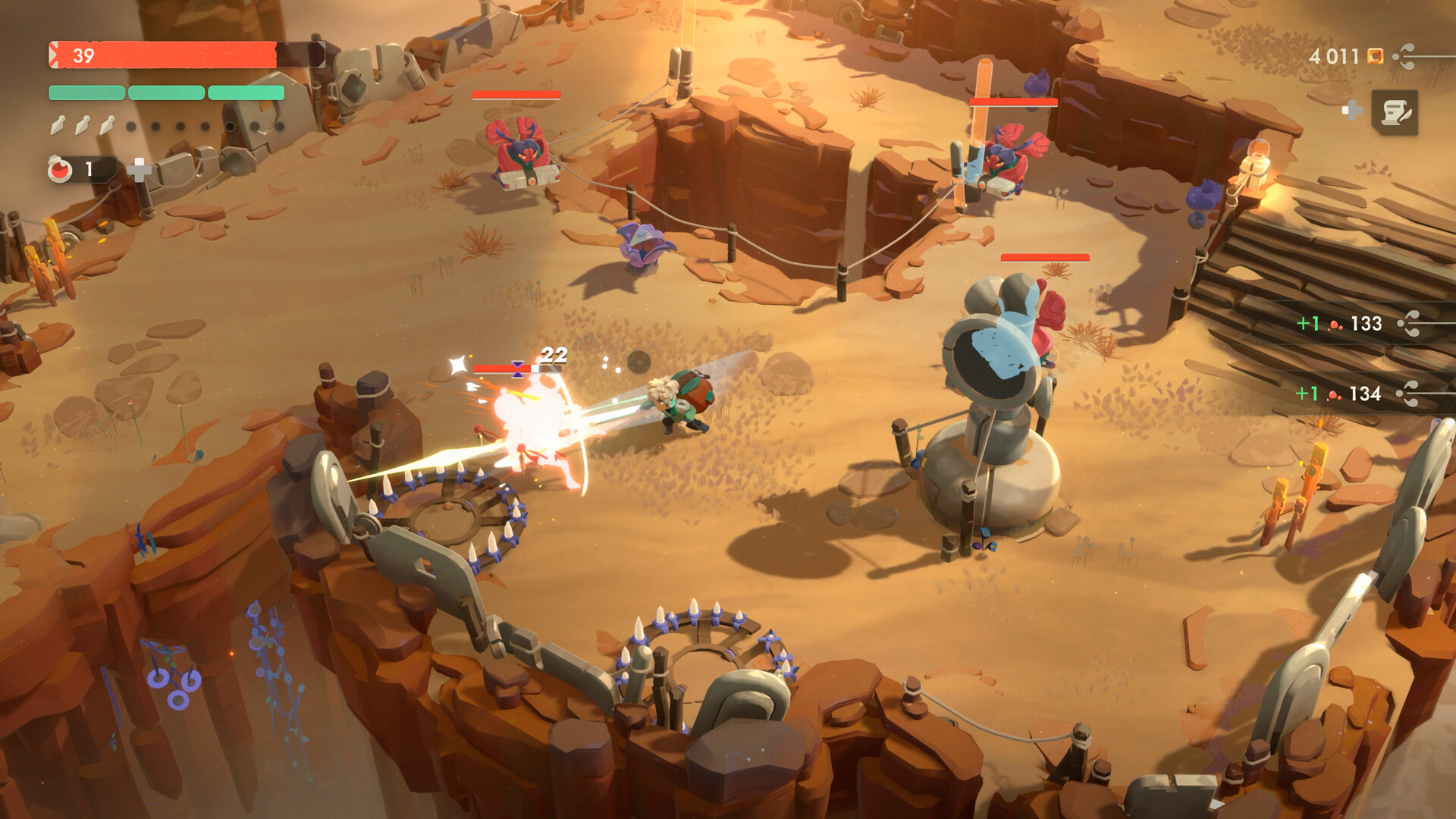
The variety in dungeon rooms feels somewhat limited in this early access version, and I cannot shake the feeling that the core combat remains samey throughout. The game features four main melee weapons (short sword/long sword/spear/gauntlets) plus a ranged pistol. Each weapon has a unique special mechanic, such as the gun recharging upon melee hits, but these systems don’t fully mask the repetitive nature.
Upgrades are mostly linear and do not significantly spice up the gameplay; they offer minor buffs and resistances that can largely be ignored if you are proficient at dodging and learning attack patterns. Despite this, combat remains tactical, especially due to environmental interactions, for example, certain plants react to being hit or in the Gallery biome you can freeze enemies.
Inventory system is far more than simple storage, it’s a grid-based mechanic where item placement strategically matters. How items are positioned next to one another can modify their value or even destroy neighboring items. This means the “backpack” itself is a strategic tool: you are constantly weighing risk versus reward when picking up relics. The decision is not just about rarity, but about optimizing placement to boost other items and maximize benefit when selling.
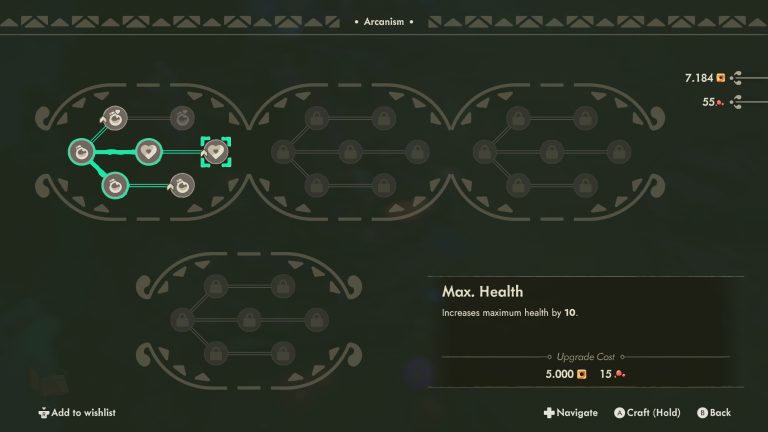
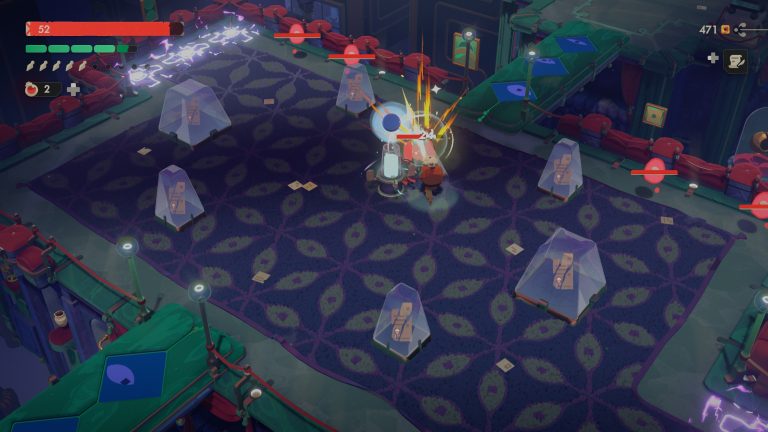
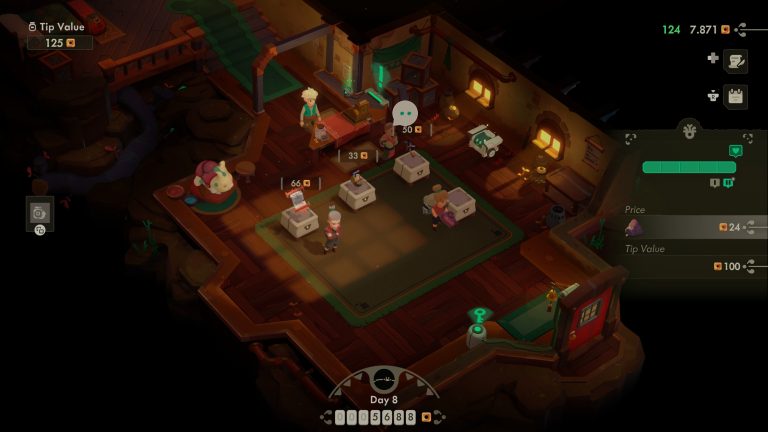
The shop returns, but the selling mechanic has evolved significantly, leaning heavily into perks and stacking bonuses rather than pure bartering. While the familiar elements of haggling and negotiation are still present, the system now feels more randomized and roguelike in the way the shop behaves during each run. Furthermore, the storefront management has gained depth, allowing you to decorate the shop, handle “unexpected messes,” and utilize temporary shop perks.
Moonlighter 2 is undoubtedly beautiful, conveying a cozy atmosphere that perfectly complements its narrative. However, it is plagued by technical problems and optimization issues. You will definitely need to tinker with the settings to find the configuration that best suits your PC, which is quite weird for a game of this caliber.
To be completely honest, if you enjoy games that demand consistent grinding, frequent combat, and a repetitive loop underpinned by meaningful progression and upgrades, then Moonlighter 2 will be perfect. Otherwise, the experience may become tedious over time. The combat itself may be divisive; it is heavily populated with long-range attacking enemies, which can be genuinely annoying. To progress, you must master dodging abilities and learn attack patterns, as this is the only viable path forward. Despite these flaws, it is a fun game to return to occasionally, just be sure to temper your expectations.
Review copy provided by the publisher
Forsaken Realms: Vahrin’s Call is exactly the kind of ambitious, slightly clumsy fantasy RPG that used to be far more…
![[Early Access] 2nd EVE – Sci-Fi Action RPG That Lacks a Sense of Stakes](https://www.indie-games.eu/wp-content/uploads/2026/08/2ND-EVE-1024x576.jpg)
2nd Eve is a space-set action RPG in which we strive to save humanity.
![[PREVIEW] Dreamcards – Strategic Exploration of Consciousness](https://www.indie-games.eu/wp-content/uploads/2026/08/Dreamcards_20260810_233631_0000-1024x576.jpg)
Dreamcards is a roguelike deckbuilder centered around dreams and nightmares.
![[Early Access] OFFBEAT – Incredibly Fun Way to Start a Music Career](https://www.indie-games.eu/wp-content/uploads/2026/08/Offbeat_20260808_201446_0000-1024x576.jpg)
In OFFBEAT, we play the role of a jobbing composer who is launching their music career.
HellSlave II retains the original’s oppressive atmosphere, morally grey world and striking art while adding a larger world, randomized loot…
Beast of Reincarnation is an ambitious but uneven action RPG elevated by satisfying parry combat, beautiful art direction and the…

K-pop Idol Stories: Road to Debut captures the pressure of building idol group, but its management systems never explore that…
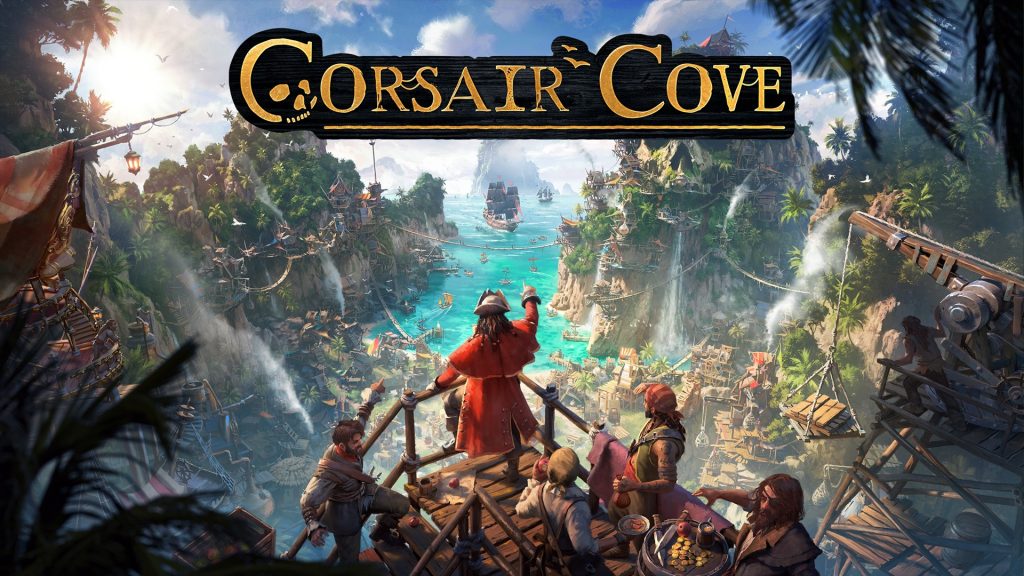
Hooded Horse keeps finding strategy games that know their audience, and Corsair Cove extends its impressive run of excellent city-builders.
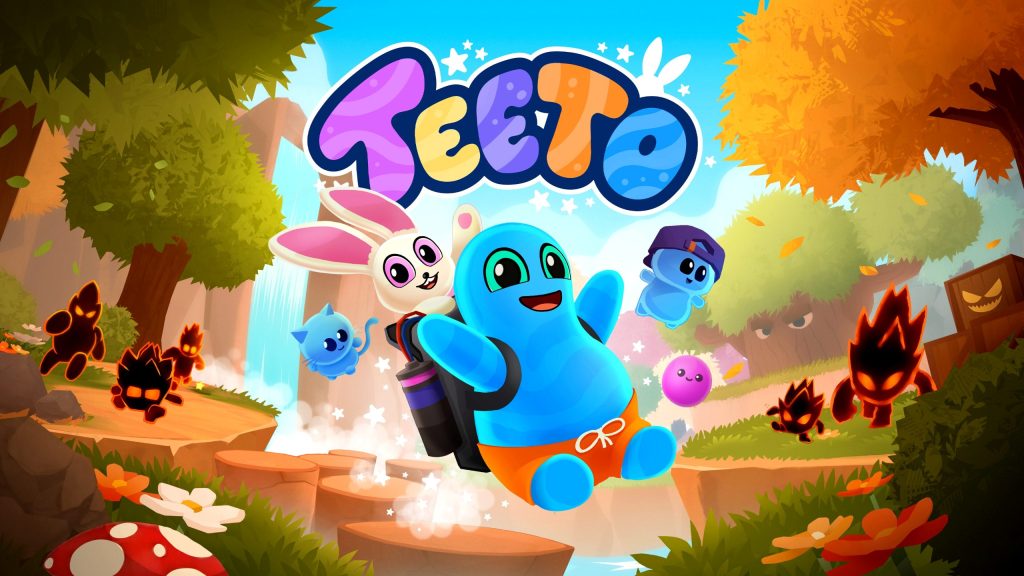
Teeto is a warm, cozy, creative and highly enjoyable 3D platformer that understands why classic collectathons remain so appealing.
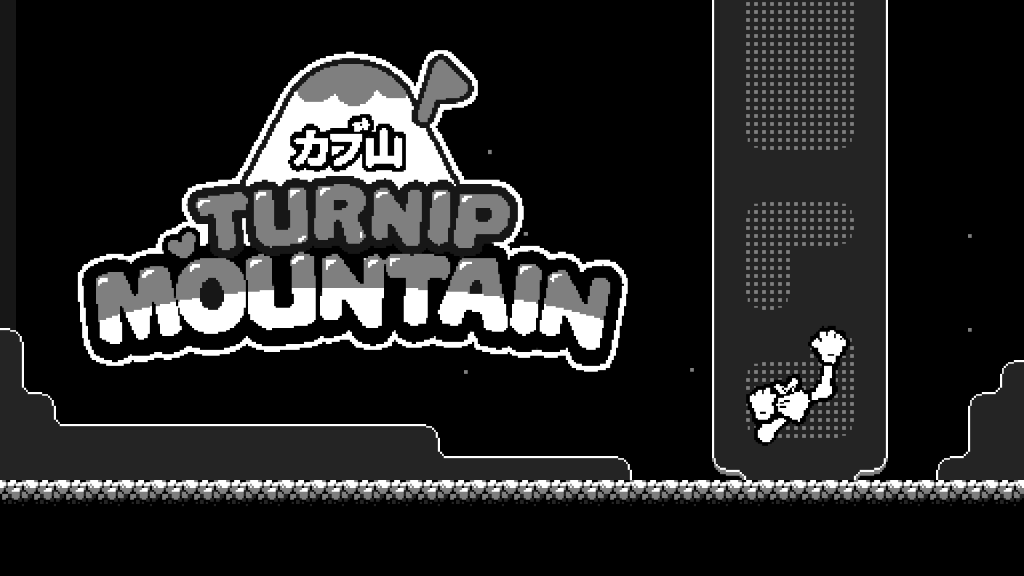
Turnip Mountain stands out for its combination of a unique control system and a minimalist approach.
Dystopicon is an imaginative and memorable narrative experiment with sharp social commentary, engaging world-building and several wonderfully absurd scenarios.
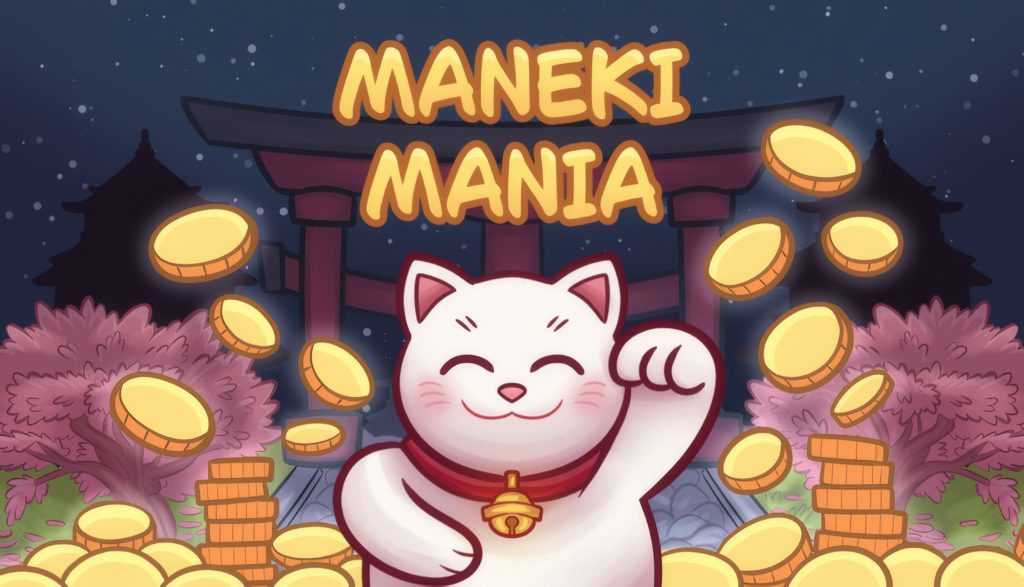
Maneki Mania is an incremental game centered around petting a lucky cat.
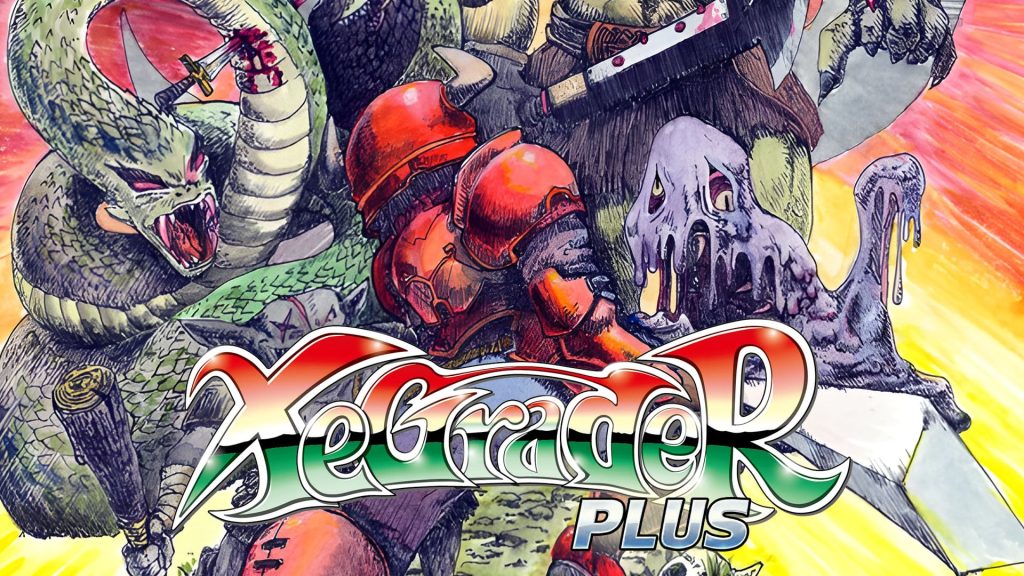
XeGrader Plus delivers colorful retro shooting, but basic mechanics, a short campaign and paid retro modes make its €20 price…
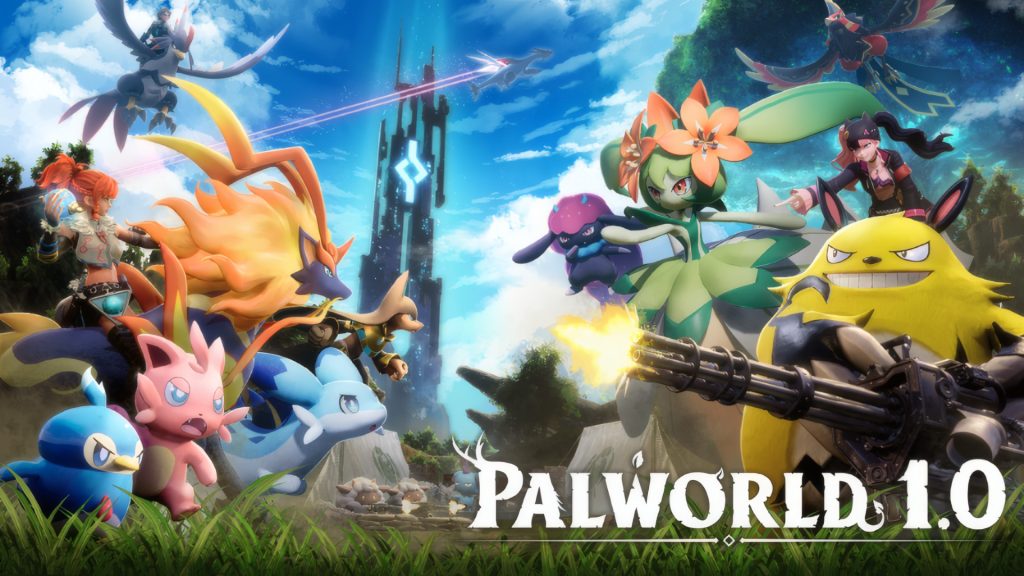
It has been roughly two and a half years since Palworld first entered Early Access, and quite a lot has…
![[EARLY ACCESS] The Last Caretaker – Survival Game I Cannot Stop Playing](https://www.indie-games.eu/wp-content/uploads/2026/07/The-last-Caretaker-Key-Art-1024x587.jpg)
The Last Caretaker is a compelling survival crafter with a flooded world and mobile base, but weak combat and performance…

Advent: Dawn is an intriguing science-fiction visual novel elevated by a likable cast and one of the most convenient flowchart…
![[EARLY ACCESS] Hell Maiden – Beautiful but Uneven Journey Through Hell](https://www.indie-games.eu/wp-content/uploads/2025/06/HMD_screenshot_019-1024x576.jpg)
Bullet heaven and rougelite game Hell Maiden lands between a polished Early Access release and a promising game that still…
![[PREVIEW] Dark Queen of Samobor – Promising Croatian Adventure Still in Need of Polish](https://www.indie-games.eu/wp-content/uploads/2026/07/Dark-Queen-of-Samobor-1024x587.jpg)
Dark Queen of Samobor is a promising 2.5D side-scrolling action-adventure that combines Croatian folklore with combat, puzzles and cinematic platforming.
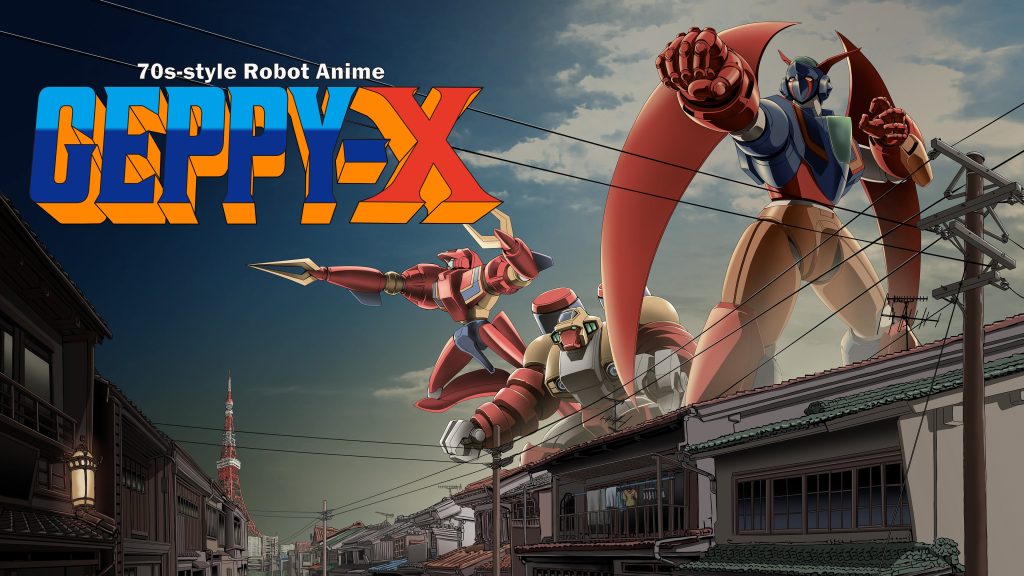
70s-style Robot Anime Geppy-X offers incredible animation, music and mecha nostalgia, but its average shooting make the €39 price difficult…

Denshattack! blends Tony Hawk, Jet Set Radio, and Japanese train culture into one of the year's most creative and unforgettable…
