Fire Emblem Awakening Retro Review – Unfulfilled Potential
Awakening is worth playing if you enjoy developing characters, experimenting with tactical partnerships, and shaping an army over a massive…


If you enjoy independent indie game coverage, consider supporting Indie-Games.eu on Patreon. It helps keep the site independent.
Netherworld Covenant is a surprisingly decent entry into the roguelike genre that blends soulslike mechanics. It feels solid, especially for an Early Access title, but it’s just “okay,” and that’s its biggest problem. I was genuinely surprised by how well the game looked and ran during Steam Next Fest earlier this year. However, the developers are entering dangerous territory; one misplaced mechanic or a bad progression could ruin the entire experience.
You play as the sole survivor of a catastrophic mission, wielding the Nether Lantern, a forbidden artifact that links the mortal and netherworld realms. When I say “soulslike,” I mean combat requiring precise dodging, attacking, and ability usage. The “roguelike” elements, on the other hand, provide procedural dungeons and meta-progression. You’ll venture into the abyss to cleanse corrupted souls, facing enemies and bosses in real-time battles across four chapters, each with two elite bosses and one final boss.
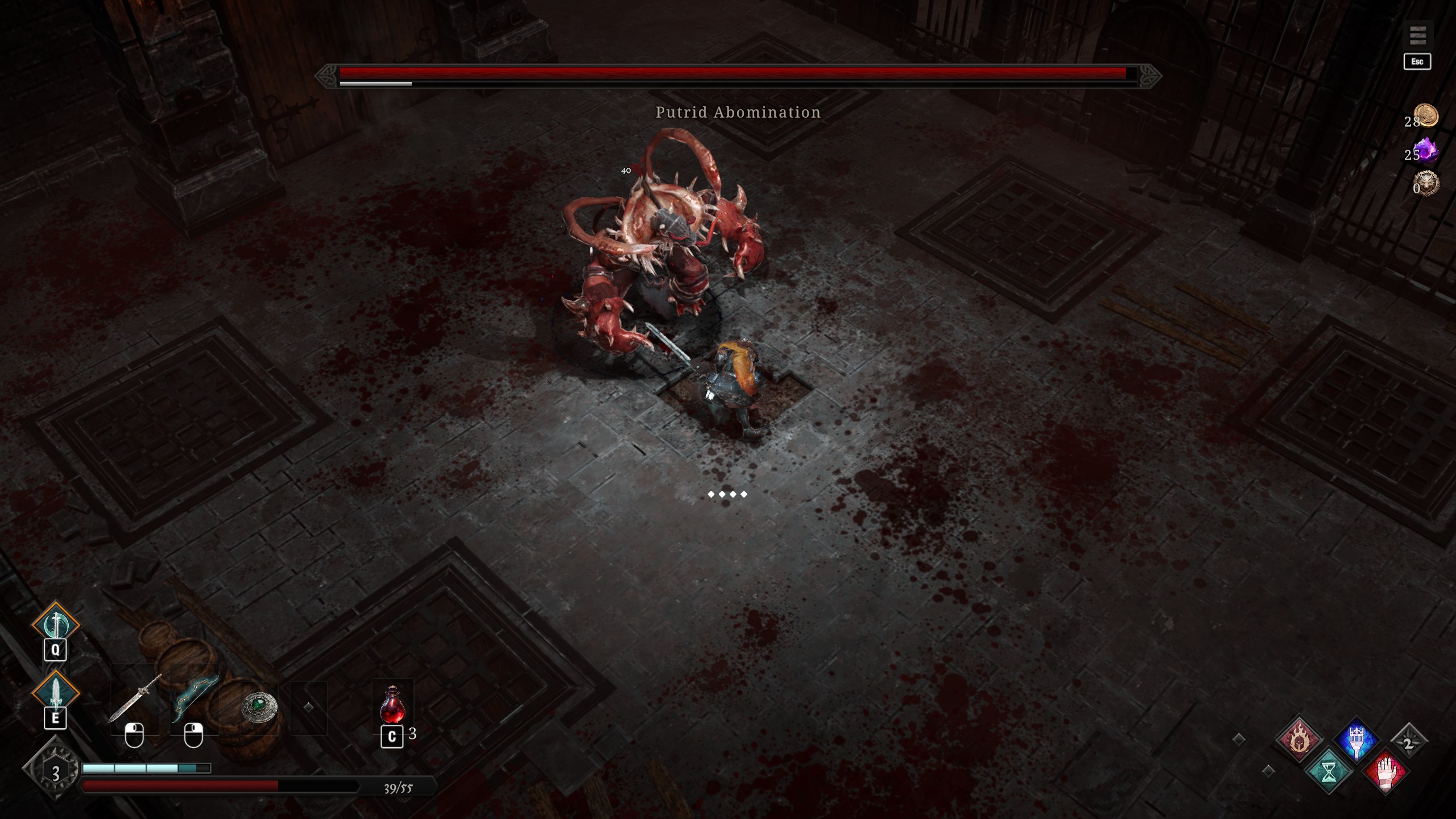
Let’s kick off by saying that combat is good. You rely on light and heavy attacks, dodges, and an Ethereal Dash. Stamina is dedicated solely to evasive maneuvers, not attacks, and its gauge is visible as a crystal below your character. The Nether Lantern serves as a secondary weapon (bow or sword), dealing bonus damage to stagger vulnerable enemies, or acting as a parry system against incoming attacks. You’ll encounter red attacks that must be dodged, and bright white ones that can either be parried or dodged. Additionally, a perfect dodge temporarily slows down time and can be further improved with upgrades.
The Soul Companion system is a great addition, allowing you to summon one of four spectral allies: Swordsman (melee DPS), Ranger (ranged attacks), Guardian (defensive support), or Rogue (agile ambusher). Each companion has unique abilities, for example, the Ranger can snipe enemies from afar. It takes some getting used to, but it’s fantastic that each ghost can be re-summoned to teleport you to its location, offering more ways to evade enemies.
While combat drives the game, it’s not perfect. Enemy attack cues are sometimes hard to see, and “stun” meters are often too small and short-lived. Bosses are also infuriating, forcing you to memorize specific patterns to beat them and often punish unoptimized builds, especially since progression is a weak point of the game. Fighting the souls of fallen comrades is also frustrating due to inconsistent design and misaligned cues.

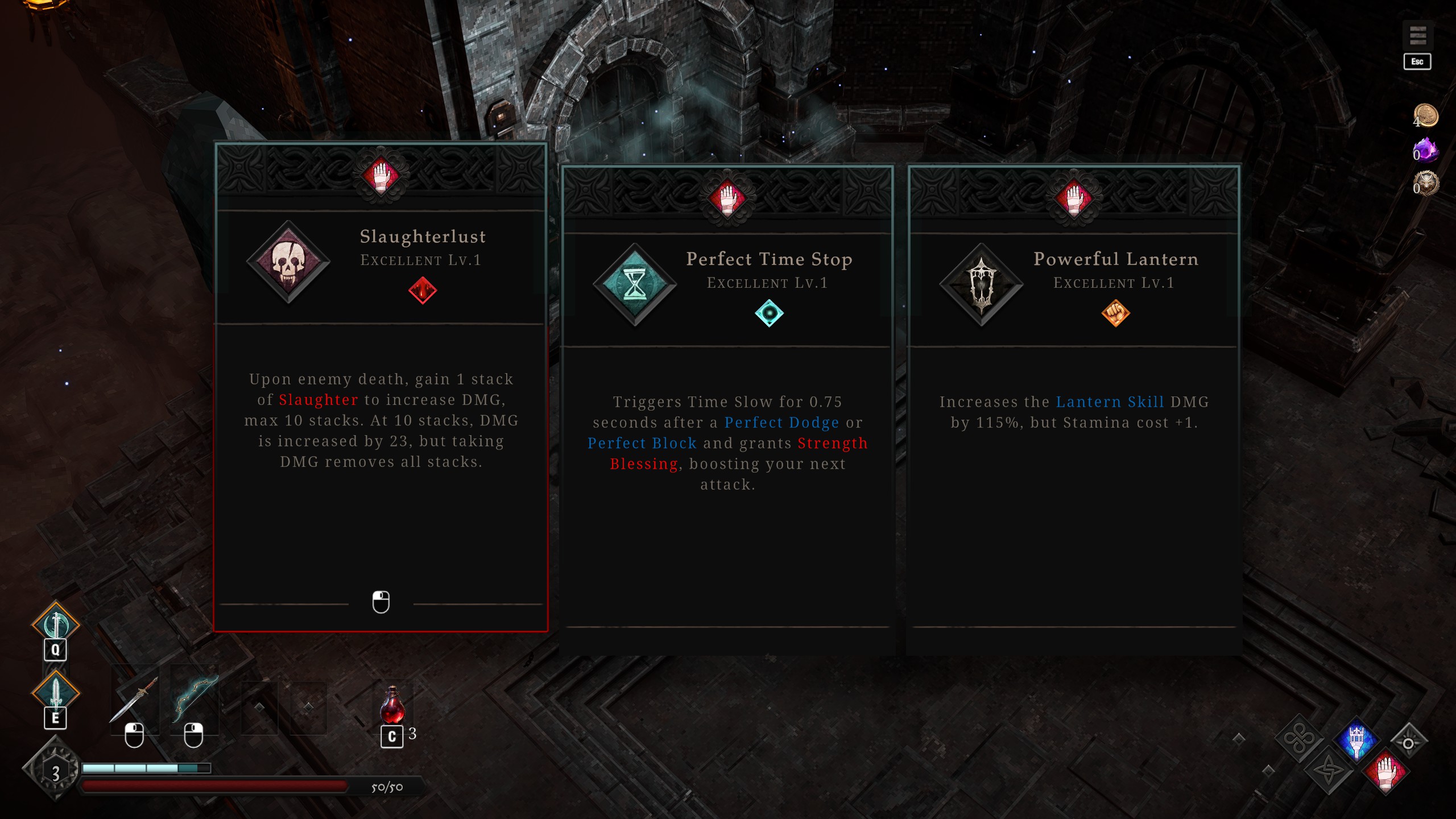
Replayability is decent, driven by procedurally generated labyrinths and meta-progression. At the borderland camp, your hub between runs, you’ll forge weapons, gather resources, and unlock upgrades like relics, auras, and skill enhancements. The Early Access offers nine main weapons, four sub-weapons, and over 100 skill combinations. Power-ups, while useful, often have niche triggers (buffs requiring specific conditions), making early-game builds lackluster until key upgrades are unlocked. There are also no re-roll mechanics to help focus builds.
This isn’t fun; it truly spoils the experience. You feel weak no matter what you do. Only a few builds seemed effective for me, mainly focusing on critical hits and attack damage. Everything else, like fire or freezing attacks, felt useless, though upgrading the time-slow ability was quite helpful. However, it’s really hard to create a proper build due to the sheer number of upgrades available, from your character and ghost aura upgrades to various currencies for merchants and the main hub. It’s just a grind fest, and the progression system only makes it worse.
As mentioned, later stages of the game become too unfair; you can even be one-shotted if not careful. You also don’t get enough opportunities to open chests that provide HP or attack bonuses. The system needs a complete overhaul, as even on normal difficulty, the balance feels off. While I haven’t tried every build yet, the game also fails to properly explain certain terms. For instance, what does “suppression” do? Is it an attack, or a specific skill?
While progression isn’t the game’s strong suit, the isometric perspective and environmental hazards demand strategic thinking. It’s always best to fight enemies one-on-one rather than facing multiple at once. It’s good that healing options are consistently available after completing chapters. The game, however, assumes you’re already familiar with the genre. There are also audio issues, like unnatural door closing sounds and boss dialogue.
Netherworld Covenant embraces a gloomy pixel art style, focusing on atmosphere rather than realistic detail. Environments are moody, featuring dark, demon-ravaged dungeons lit by the Nether Lantern’s blue flames. Enemy designs are also varied, each with unique movesets that truly add to the dark fantasy vibe, and bosses especially stand out visually.
In the end, Netherworld Covenant shows real promise as it’s still in Early Access and the developers are actively listening to feedback. If you can look past some current flaws and a bit of a grind, it’s definitely worth your time. The fluid combat is the most improtant thing of the game, but it’s currently held back by technical hiccups and limited content variety.
| Pros | Cons |
|---|---|
| Fluid combat. | Progression is not good. |
| Interesting ghost mechanics. | Repetitive landscapes and enemies. |
| Dark graphics. | Very grindy in the beginning parts. |
| Replayability is good. | Technical problems. |
Review copy provided by the publisher
Awakening is worth playing if you enjoy developing characters, experimenting with tactical partnerships, and shaping an army over a massive…
Duskfade is worth considering for players who miss colourful PS2-style action-platformers and can tolerate basic combat, floaty movement and backtracking.

Man I Just Wanna Go Home is a noir crime story with visuals from MS Paint and life-or-death choices.
![[GAMESCOM 2026] Vikings Dynasty Preview – Expands the Dynasty Formula](https://www.indie-games.eu/wp-content/uploads/2026/09/Viking-Dynasty-09-21-26-2-1024x576.jpg)
After showing me Prospera at Gamescom 2026, Toplitz Productions' Mathias Oertel moved to a very different kind of settlement builder.…
![[GAMESCOM 2026] Prospera Preview – Production, Prosperity and Victorian Industry](https://www.indie-games.eu/wp-content/uploads/2026/09/Prospera-09-21-26-5-1024x576.jpg)
At Gamescom 2026, I met with Toplitz Productions' Mathias Oertel for a guided presentation of two upcoming games. One of…
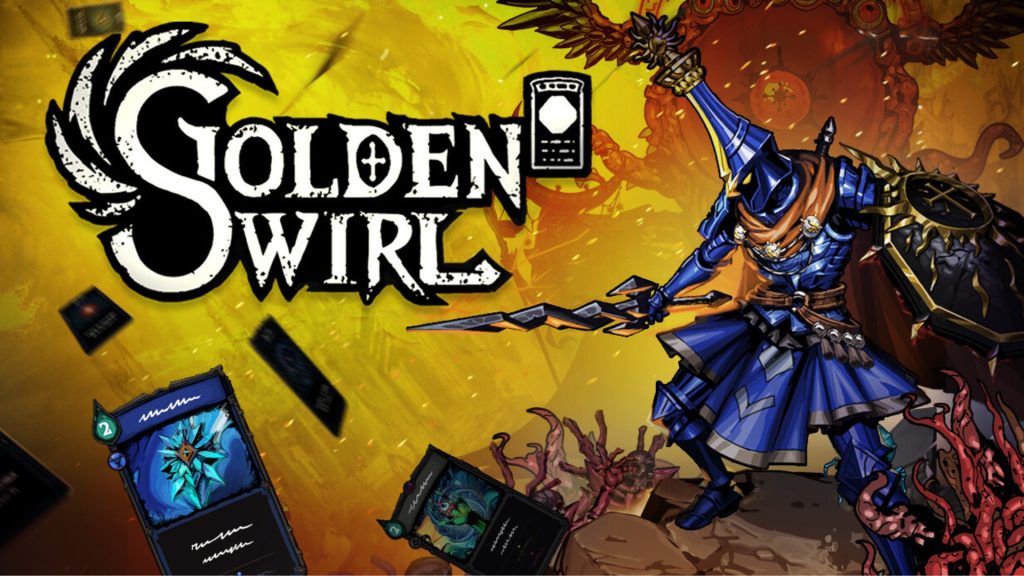
Golden Swirl inventive card combat carries the experience, but repetitive rooms, weak upgrades and excessive dialogue hold it back.
![[GAMESCOM 2026] Wilderdark Preview – Ambitious Dinosaur Horror Game That Still Has Plenty to Prove](https://www.indie-games.eu/wp-content/uploads/2026/09/Wilderdark-1024x576.jpg)
Dinosaur survival horror game Wilderdark has one of those premises that immediately makes you wonder why more games have not…
![[PREVIEW] Tiny Metal 2 – Strategy Game That Wants You to Learn From Every Mistake](https://www.indie-games.eu/wp-content/uploads/2026/09/Tiny-Metal-2-1024x576.jpg)
I rarely enjoy discovering that my opening strategy was completely wrong, but Tiny Metal 2 made that process one of…
![[PREVIEW] Remothered: Red Nun’s Legacy – Ambitious Survival Horror That Needs More Polish](https://www.indie-games.eu/wp-content/uploads/2026/09/Remothered-Red-Nuns-Legacy-4-1024x576.jpg)
Remothered: Red Nun’s Legacy has a gripping atmosphere and promising survival tools, but its repetitive hiding and rough visuals need…
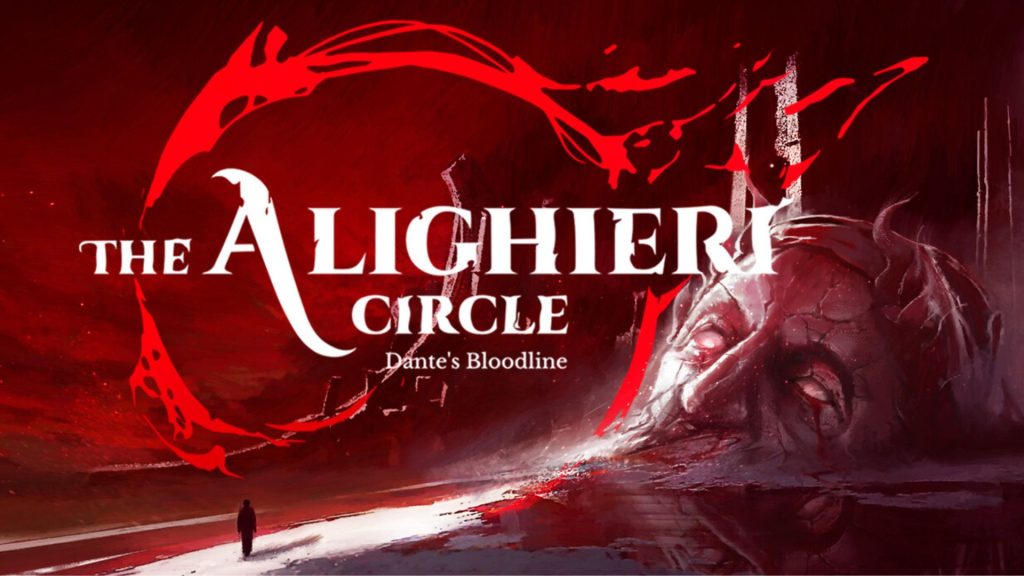
The Alighieri Circle: Dante’s Bloodline is difficult to recommend beyond players who are especially interested in Dante or enjoy solving…
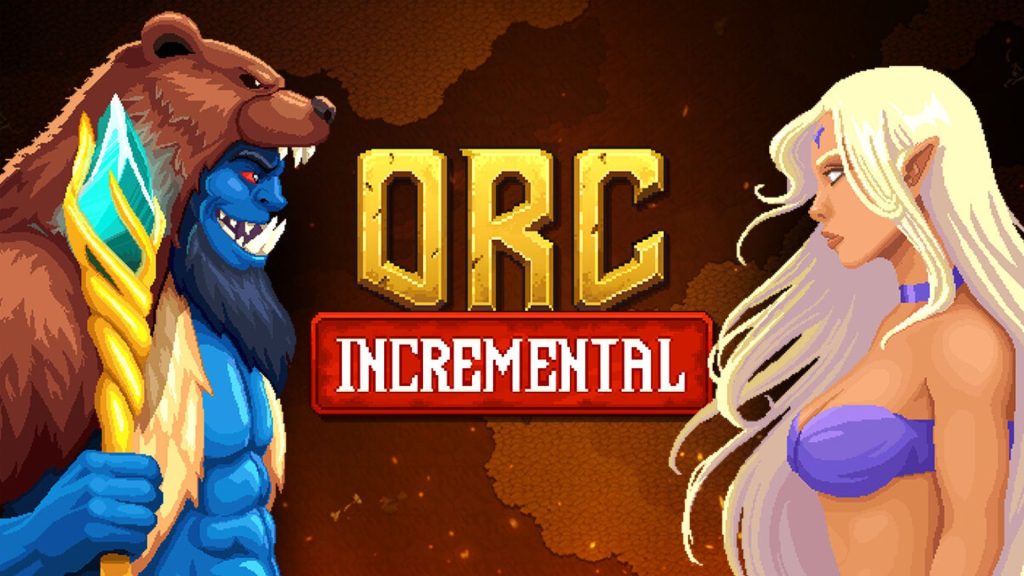
Orc Incremental offers satisfying progression, entertaining totem combinations and enough content to justify its affordable price.
![[GAMESCOM 2026] Chronoscript: The Endless End Preview – Beautiful Pages Hide Deliberate Combat](https://www.indie-games.eu/wp-content/uploads/2026/09/Chronoscript-The-Endless-End-1-1024x576.jpg)
Chronoscript: The Endless End stands out from other Metroidvanias by blending 2D manuscript worlds with exploration inside a 3D manor.
![[GAMESCOM 2026] MegaGum Preview – Combat Hits Hard in This Sticky Platforming Adventure](https://www.indie-games.eu/wp-content/uploads/2026/09/MegaGum-09-09-26-5-1024x576.jpg)
MegaGum combines hard-hitting combat, varied weapons and Gum-powered platforming in a promising Gamescom 2026 demo.
![[GAMESCOM 2026] Delphinium Preview – Cozy Routine Mixed With Enjoyable Minigames](https://www.indie-games.eu/wp-content/uploads/2026/03/Delphinium--1024x665.jpg)
Delphinium mixes cozy farming, exploration and relationships with enjoyable fishing, cooking and forging minigames in its Gamescom 2026 demo.
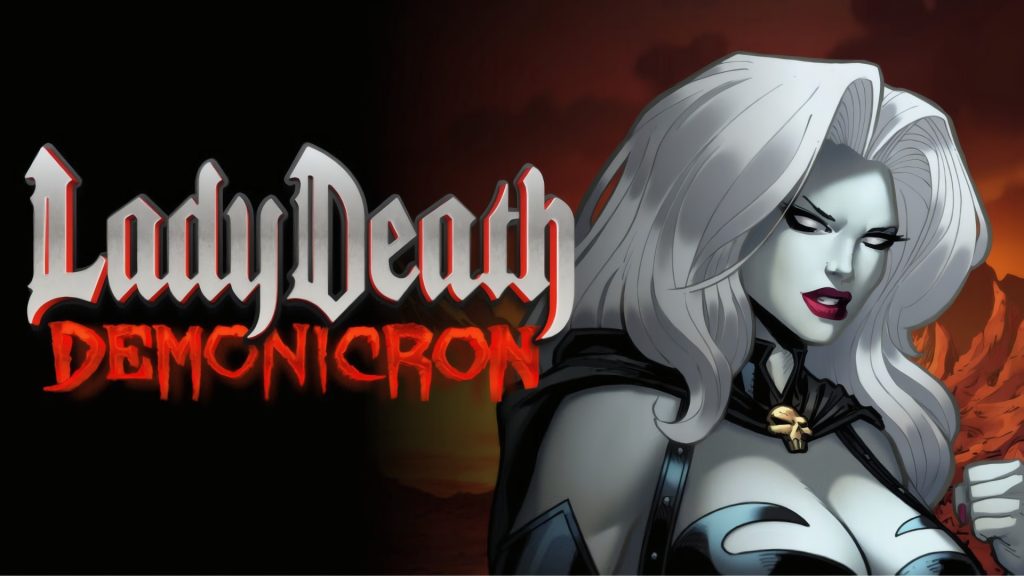
Lady Death: Demonicron looks the part, but underneath its excellent comic-book exterior is a clunky and painfully short brawler.
![[GAMESCOM 2026] Tomb Raider: Legacy of Atlantis Preview – Expands the Original Without Losing Its Identity](https://www.indie-games.eu/wp-content/uploads/2026/09/tomb-raider-legacy-of-atlantis-06-02-26-1-1024x576.jpg)
Tomb Raider: Legacy of Atlantis brings Lara back to her roots, but its Gamescom 2026 showing proved this is far…
![[GAMESCOM 2026] Clive Barker’s Hellraiser: Revival Preview – Ready to Open the Box](https://www.indie-games.eu/wp-content/uploads/2026/09/Clive-Barkers-Hellraiser-Revival-08-30-26-1-1024x576.jpg)
Hellraiser: Revival preserves the franchise’s sex, gore and psychological horror while delivering approachable survival-horror gameplay.

Swan Song creates a peaceful and forgiving puzzle space without removing the challenge that makes solving a difficult puzzle rewarding.
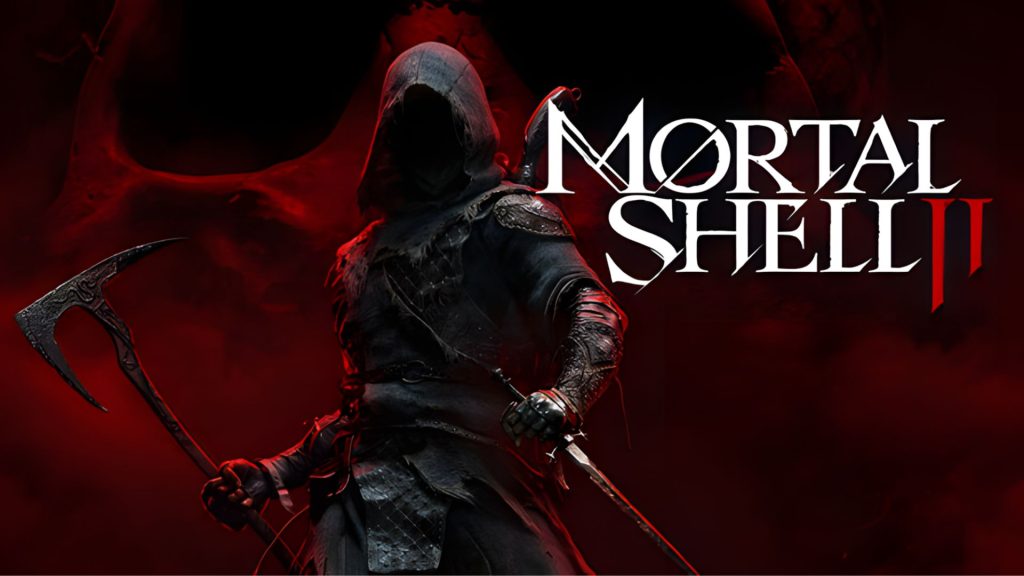
Mortal Shell II starts brilliantly but grows repetitive and exhausting, while remaining a rewarding and ambitious Soulslike sequel.
![[GAMESCOM 2026] Terranigma Preview – A Lost SNES Classic Returns in 2027](https://www.indie-games.eu/wp-content/uploads/2026/08/Terranigma-1-1024x576.jpg)
After more than three decades of limited availability, Terranigma is returning in 2027. We played its enhanced re-release at Gamescom…
