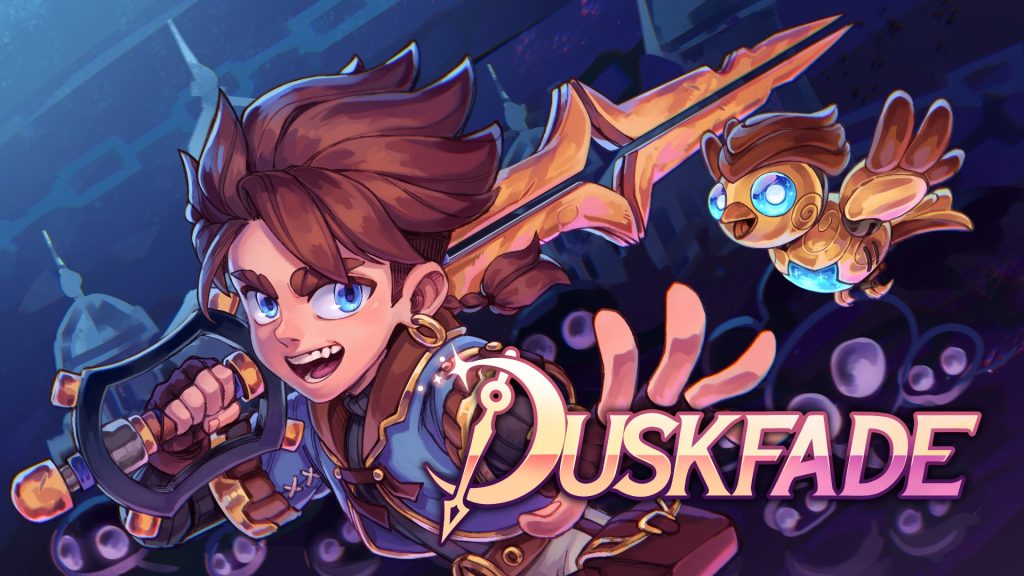
Duskfade – The PS2 Era Returns With All Its Strengths and Weaknesses
Duskfade is worth considering for players who miss colourful PS2-style action-platformers and can tolerate basic combat, floaty movement and backtracking.


If you enjoy independent indie game coverage, consider supporting Indie-Games.eu on Patreon. It helps keep the site independent.
Novus Orbis is a roguelike deckbuilder that stands out in a crowded genre thanks to its unique combo system and strategic depth. Developed with a clear love for card games, it brings a fresh approach to deckbuilding by introducing mechanics that encourage careful planning and synergy. While the game is challenging and rewarding, it also has certain drawbacks that may not appeal to everyone.
Your task is to explore the last remnants of a broken world, fight enemies, and uncover secrets to restore order. The narrative serves only as a backdrop, but it provides just enough context to keep you engaged, without overemphasizing the story relative to the card battles. The game’s focus is on its mechanics and replayability, and in that segment, it offers plenty of content to explore.
One of my favorite aspects of the game is the Blessing and Relic system. Blessings and relics are powerful upgrades that can significantly enhance your character, and they are obtained from bosses, in special rooms, and through secret interactions. On the other hand, pets provide additional support—they can attack, heal, or strengthen you with every turn. Once you understand how blessings work, it becomes clear that they are worth collecting first. For example, choosing a blessing that grants +2 evasion can significantly ease the fight against the second and third bosses.
Novus Orbis also relies heavily on status effects. The more strength or defense boosts you accumulate, the better your chances of winning. The game is full of hidden card interactions and events, which gives it extra depth and charm, but can also be frustrating. Some interactions are not clearly explained, and the consequences of your decisions sometimes feel random. I’m not a big fan of rooms that randomly heal you or deal damage. Although the game occasionally hints at whether enemies will be stronger or weaker, you never truly know what awaits you when you enter a new area.
The best strategy, at least for me, is to defeat as many mini-bosses and main bosses as possible. I particularly enjoyed the fight against the Mimic, and as I mentioned earlier, the stronger your status effects are, the easier it is to win. This led me to reflect on the importance of the cards themselves, as they seem to significantly change the course of the game, likely because they are well-balanced.
What definitely bothers me is the progression system, specifically how you unlock cards. To unlock new cards, you must complete achievements, or specific challenges. While this system is interesting, unlocking new things seems too difficult. After 10 hours of playing, I only completed 30% of what I should have, which shows that the game does not reward your effort. It might be a good idea to slightly ease or speed up this process, as not everyone has the time to complete every single achievement.


One of my favorite aspects of the game is the Blessing and Relic system. Blessings and relics are powerful upgrades that can significantly improve your character, and they are obtained from bosses, in special rooms, and through secret interactions. On the other hand, pets provide additional support—they can attack, heal, or strengthen you with every turn. Once you understand how blessings work, it becomes clear that they are worth collecting first. For example, choosing a blessing that grants +2 Evasion can significantly ease the fight against the second and third bosses.
Novus Orbis also relies heavily on status effects. The more strength or defense buffs you stack, the higher your chances of winning. The game is full of hidden card interactions and events, which gives it extra depth and charm, but can also be frustrating. Some interactions are not clearly explained, and the consequences of your decisions sometimes feel random. I’m not a big fan of rooms that randomly heal you or deal damage. Although the game occasionally hints at whether enemies will be stronger or weaker, you never truly know what awaits you when you enter a new area.
The best strategy, at least for me, is to defeat as many mini-bosses and main bosses as possible. I particularly enjoyed the fight against the Mimic, and as I mentioned earlier, the stronger your status effects are, the easier it is to win. This led me to reflect on the importance of the cards themselves, as they seem to significantly change the course of the game, likely because they are well-balanced.
What definitely bothers me is the progression system, specifically how you unlock cards. To unlock new cards, you must complete achievements, or certain challenges. While this system is interesting, unlocking new things seems too difficult. After 10 hours of playing, I only completed 30% of what I should have, which shows that the game doesn’t reward your effort. It might be a good idea to slightly ease or speed up this process, as not everyone has the time to complete every single achievement.


Visually, Novus Orbis is clean and functional, with a minimalist art style that keeps the focus on the gameplay. The card design is clear and easy to read, and the animations are smooth. The environments are simple but effective, with a dark, atmospheric aesthetic that suits the theme of a broken world. The music is pleasant and complements the game well, although it can become repetitive during longer play sessions. The sound effects, especially during combat, contribute to the overall experience.
For fans of deckbuilding games who love a challenge, Novus Orbis is an easy recommendation. Its unique mechanics and high replayability make it a standout title in the genre. However, if you prefer simpler gameplay or are deterred by trial-and-error mechanics, you might find it less appealing. All in all, Novus Orbis is a carefully crafted game that pushes the boundaries of what a deckbuilder can be and is worth trying if you are looking for a fresh and challenging experience.
| Advantages | Disadvantages |
|---|---|
| Innovative combo system. | Frustrating progression. |
| Very good replayability. | Repetitive enemies. |
| Highly challenging gameplay. | Bosses are very hard to defeat. |
| Very beautiful and simple graphics. | The game needs additional balancing. |
Review copy provided by the publisher
Duskfade is worth considering for players who miss colourful PS2-style action-platformers and can tolerate basic combat, floaty movement and backtracking.

Man I Just Wanna Go Home is a noir crime story with visuals from MS Paint and life-or-death choices.
![[GAMESCOM 2026] Vikings Dynasty Preview – Expands the Dynasty Formula](https://www.indie-games.eu/wp-content/uploads/2026/09/Viking-Dynasty-09-21-26-2-1024x576.jpg)
After showing me Prospera at Gamescom 2026, Toplitz Productions' Mathias Oertel moved to a very different kind of settlement builder.…
![[GAMESCOM 2026] Prospera Preview – Production, Prosperity and Victorian Industry](https://www.indie-games.eu/wp-content/uploads/2026/09/Prospera-09-21-26-5-1024x576.jpg)
At Gamescom 2026, I met with Toplitz Productions' Mathias Oertel for a guided presentation of two upcoming games. One of…
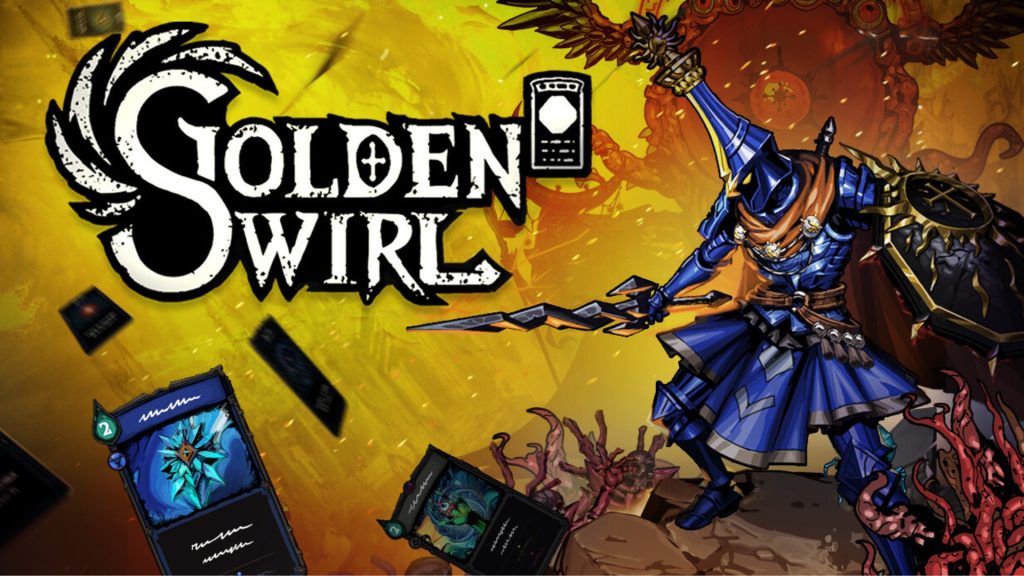
Golden Swirl inventive card combat carries the experience, but repetitive rooms, weak upgrades and excessive dialogue hold it back.
![[GAMESCOM 2026] Wilderdark Preview – Ambitious Dinosaur Horror Game That Still Has Plenty to Prove](https://www.indie-games.eu/wp-content/uploads/2026/09/Wilderdark-1024x576.jpg)
Dinosaur survival horror game Wilderdark has one of those premises that immediately makes you wonder why more games have not…
![[PREVIEW] Tiny Metal 2 – Strategy Game That Wants You to Learn From Every Mistake](https://www.indie-games.eu/wp-content/uploads/2026/09/Tiny-Metal-2-1024x576.jpg)
I rarely enjoy discovering that my opening strategy was completely wrong, but Tiny Metal 2 made that process one of…
![[PREVIEW] Remothered: Red Nun’s Legacy – Ambitious Survival Horror That Needs More Polish](https://www.indie-games.eu/wp-content/uploads/2026/09/Remothered-Red-Nuns-Legacy-4-1024x576.jpg)
Remothered: Red Nun’s Legacy has a gripping atmosphere and promising survival tools, but its repetitive hiding and rough visuals need…
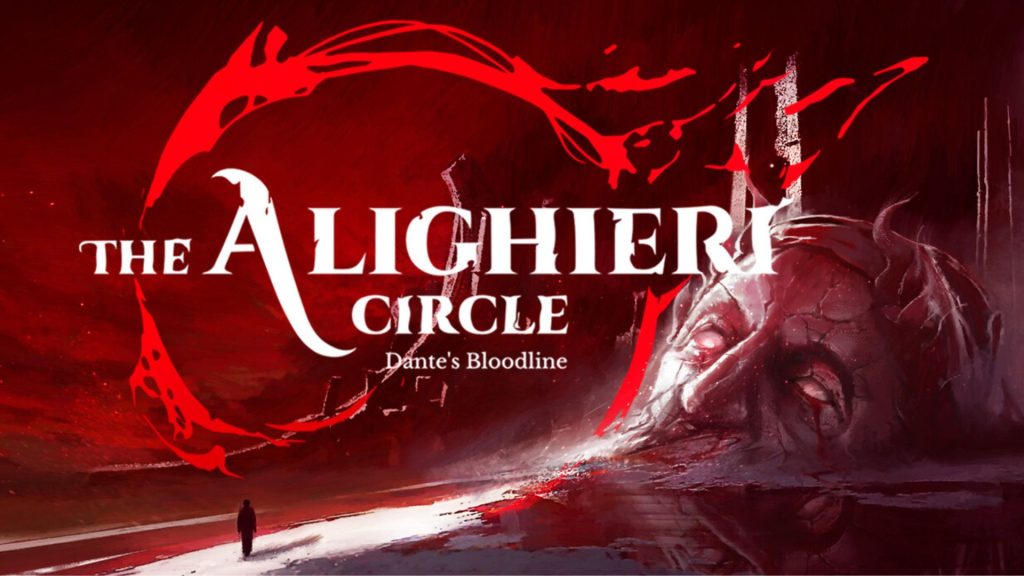
The Alighieri Circle: Dante’s Bloodline is difficult to recommend beyond players who are especially interested in Dante or enjoy solving…
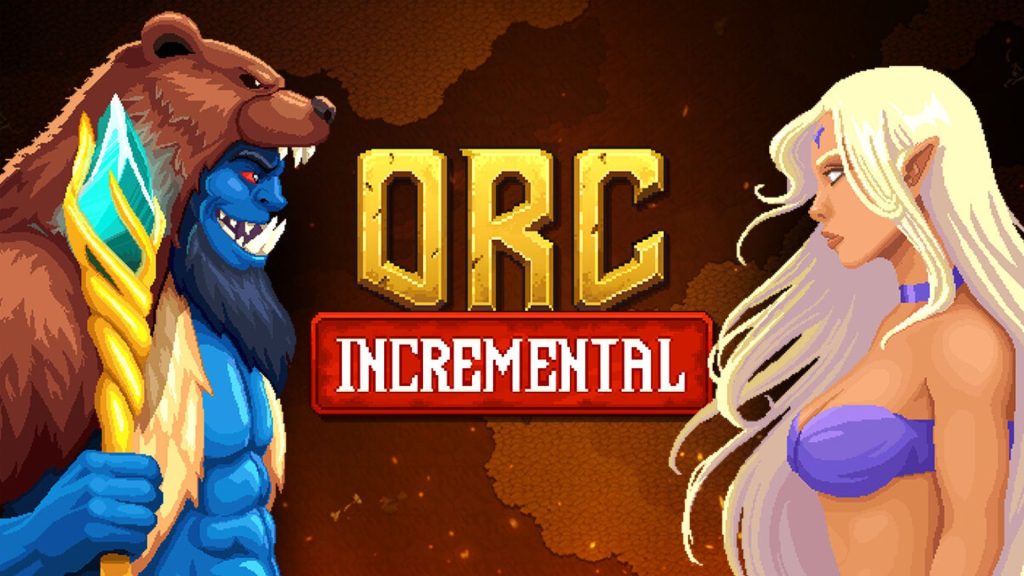
Orc Incremental offers satisfying progression, entertaining totem combinations and enough content to justify its affordable price.
![[GAMESCOM 2026] Chronoscript: The Endless End Preview – Beautiful Pages Hide Deliberate Combat](https://www.indie-games.eu/wp-content/uploads/2026/09/Chronoscript-The-Endless-End-1-1024x576.jpg)
Chronoscript: The Endless End stands out from other Metroidvanias by blending 2D manuscript worlds with exploration inside a 3D manor.
![[GAMESCOM 2026] MegaGum Preview – Combat Hits Hard in This Sticky Platforming Adventure](https://www.indie-games.eu/wp-content/uploads/2026/09/MegaGum-09-09-26-5-1024x576.jpg)
MegaGum combines hard-hitting combat, varied weapons and Gum-powered platforming in a promising Gamescom 2026 demo.
![[GAMESCOM 2026] Delphinium Preview – Cozy Routine Mixed With Enjoyable Minigames](https://www.indie-games.eu/wp-content/uploads/2026/03/Delphinium--1024x665.jpg)
Delphinium mixes cozy farming, exploration and relationships with enjoyable fishing, cooking and forging minigames in its Gamescom 2026 demo.
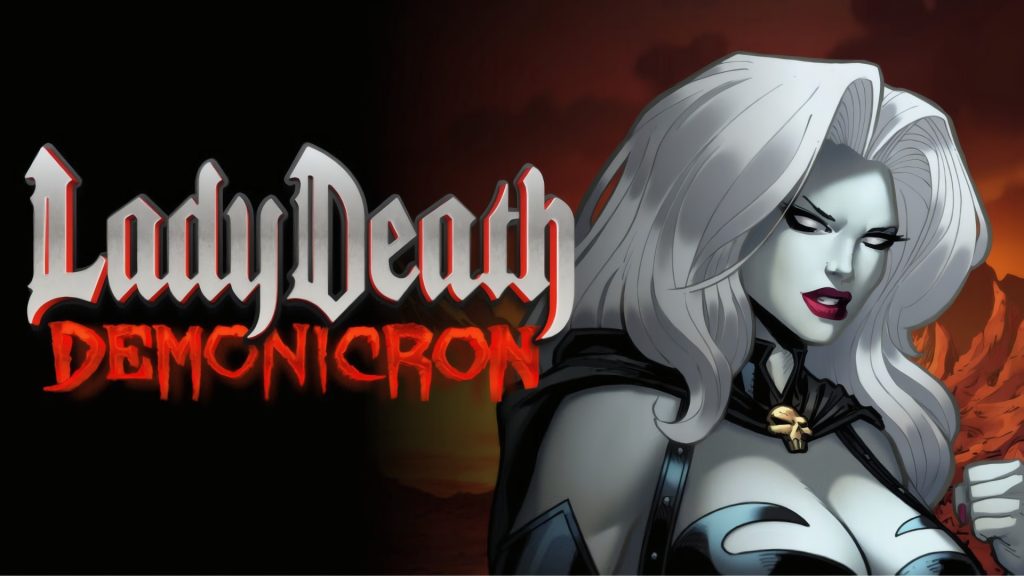
Lady Death: Demonicron looks the part, but underneath its excellent comic-book exterior is a clunky and painfully short brawler.
![[GAMESCOM 2026] Tomb Raider: Legacy of Atlantis Preview – Expands the Original Without Losing Its Identity](https://www.indie-games.eu/wp-content/uploads/2026/09/tomb-raider-legacy-of-atlantis-06-02-26-1-1024x576.jpg)
Tomb Raider: Legacy of Atlantis brings Lara back to her roots, but its Gamescom 2026 showing proved this is far…
![[GAMESCOM 2026] Clive Barker’s Hellraiser: Revival Preview – Ready to Open the Box](https://www.indie-games.eu/wp-content/uploads/2026/09/Clive-Barkers-Hellraiser-Revival-08-30-26-1-1024x576.jpg)
Hellraiser: Revival preserves the franchise’s sex, gore and psychological horror while delivering approachable survival-horror gameplay.

Swan Song creates a peaceful and forgiving puzzle space without removing the challenge that makes solving a difficult puzzle rewarding.
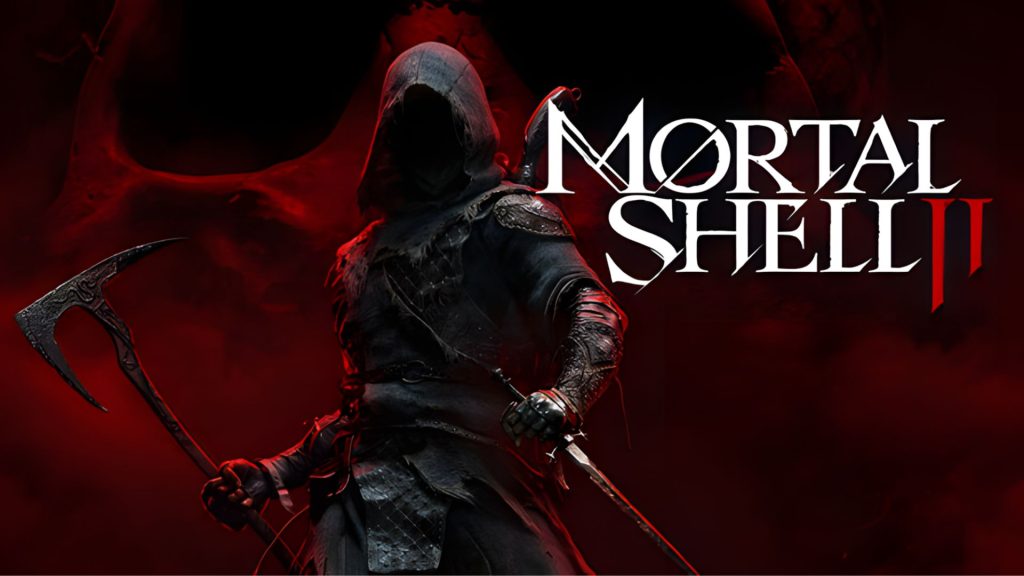
Mortal Shell II starts brilliantly but grows repetitive and exhausting, while remaining a rewarding and ambitious Soulslike sequel.
![[GAMESCOM 2026] Terranigma Preview – A Lost SNES Classic Returns in 2027](https://www.indie-games.eu/wp-content/uploads/2026/08/Terranigma-1-1024x576.jpg)
After more than three decades of limited availability, Terranigma is returning in 2027. We played its enhanced re-release at Gamescom…

Reading another person’s mind is often presented as a desirable superpower, but Sister Other Paranoia immediately understands why it could…
