
Don’t Nod Could Face More Layoffs as Studio Struggles With Its Finances
Don’t Nod is considering another restructuring, raising concerns that further job cuts could follow as the Life is Strange studio…

If you enjoy independent indie game coverage, consider supporting Indie-Games.eu on Patreon. It helps keep the site independent.
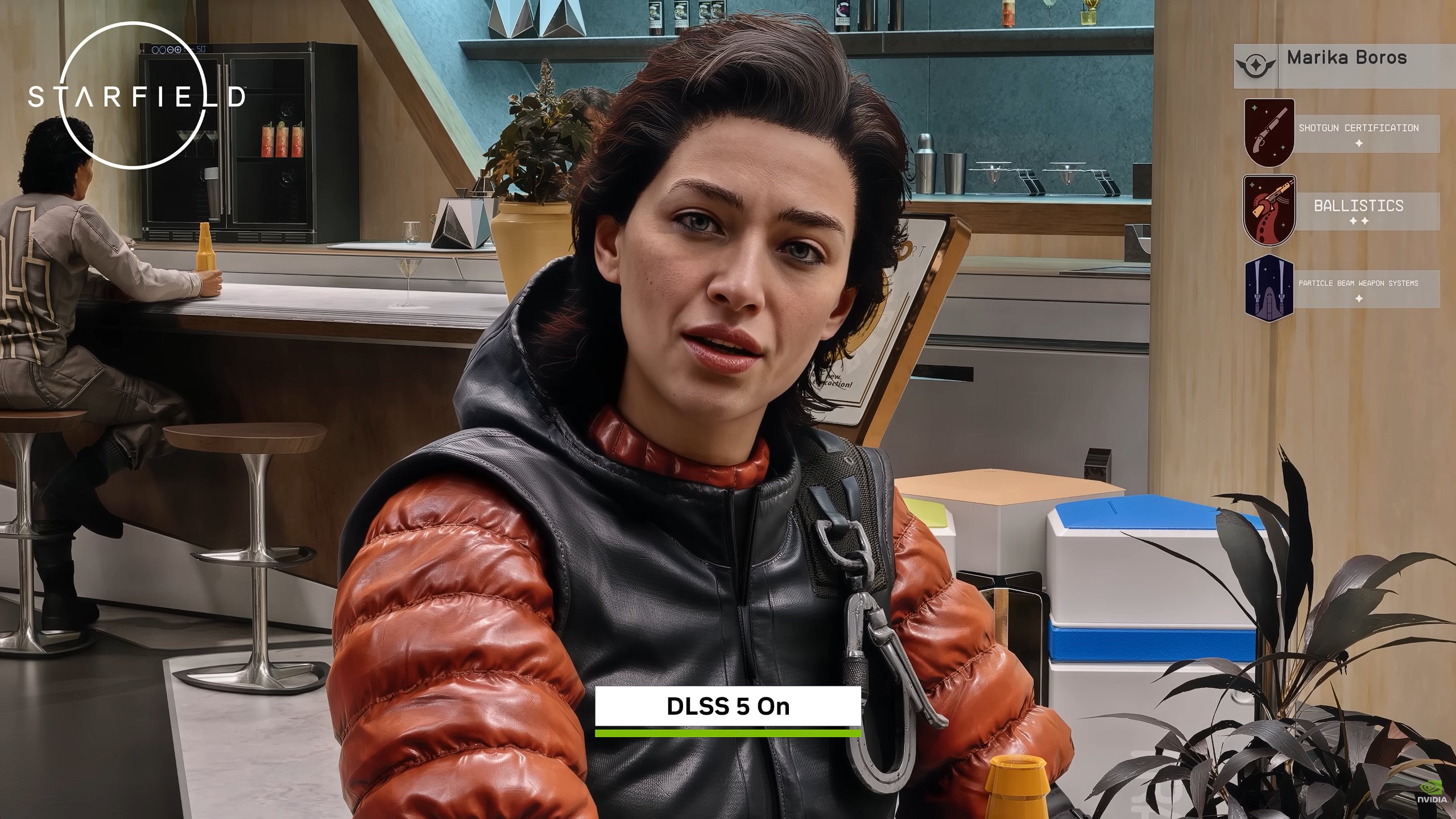
NVIDIA has officially revealed DLSS 5, and it may represent one of the biggest shifts in real-time graphics in years. Announced on March 16, 2026, the new version goes far beyond traditional upscaling, introducing what the company calls a real-time neural rendering model, technology that doesn’t just improve performance, but actively reshapes how games look at a fundamental level.
Unlike earlier iterations, DLSS 5 analyzes a single frame and enhances it with AI-driven details, adding photorealistic lighting, materials, and features like skin translucency, hair, and fabric behavior. According to NVIDIA, the system can understand how light interacts with characters in different scenarios and apply those changes dynamically, creating a more lifelike image. The company says it will run at up to 4K resolution on upcoming RTX 50-series GPUs, with a release planned for fall 2026.
The technology was showcased using games like Resident Evil Requiem and Starfield, where side-by-side comparisons highlighted more detailed faces, smoother skin textures, and improved lighting. CEO Jensen Huang described DLSS 5 as a “GPT moment” for graphics, framing it as a fusion of traditional rendering and generative AI, while emphasizing that developers remain in control of how the feature is applied.
However, the reaction from players has been far from universally positive. Many argue that the technology risks overriding artistic intent, pointing to examples where characters appear noticeably altered: faces becoming smoother, features reshaped, and overall visuals taking on what some describe as an artificial, “plastic” quality. For these players, DLSS 5 doesn’t just improve the visuals; it potentially homogenizes them, blurring the distinct styles that define different games.
The backlash has spread quickly online, with concerns ranging from uncanny valley effects to the idea that AI-driven enhancements could diminish the work of character artists. At the same time, several major studios, including Bethesda, Capcom, and Ubisoft, have publicly supported the technology, suggesting that the industry may be more open to its possibilities than early reactions suggest.
Don’t Nod is considering another restructuring, raising concerns that further job cuts could follow as the Life is Strange studio…

One brutal week in August saw 720 games launch on Steam, showing just how difficult it is for indie developers…
PlayStation fans are no longer impressed by quantity alone, with many waiting for major first-party announcements to make State of…

Embracer Games Archive celebrates five years after cataloguing over 90,000 games, consoles, accessories and hardware for preservation.

Xbox Cloud Gaming is about to become a lot less unlimited, as Microsoft has announced monthly streaming caps for Game…

Nightmere I blends detective mystery, psychological horror and RPG exploration as investigator Amelia searches for a missing student in 1991.
Whiskerwood is expanding its mouse colony with an entire ocean to worry about, bringing new challenges to the colony-building survival…

Gallipoli launched last month, but BlackMill Games is already preparing its first free expansion, adding something never before seen in…
The Royal Writ will launch for PlayStation 5, Xbox Series X|S and Nintendo Switch on September 10th, alongside Xbox Game…
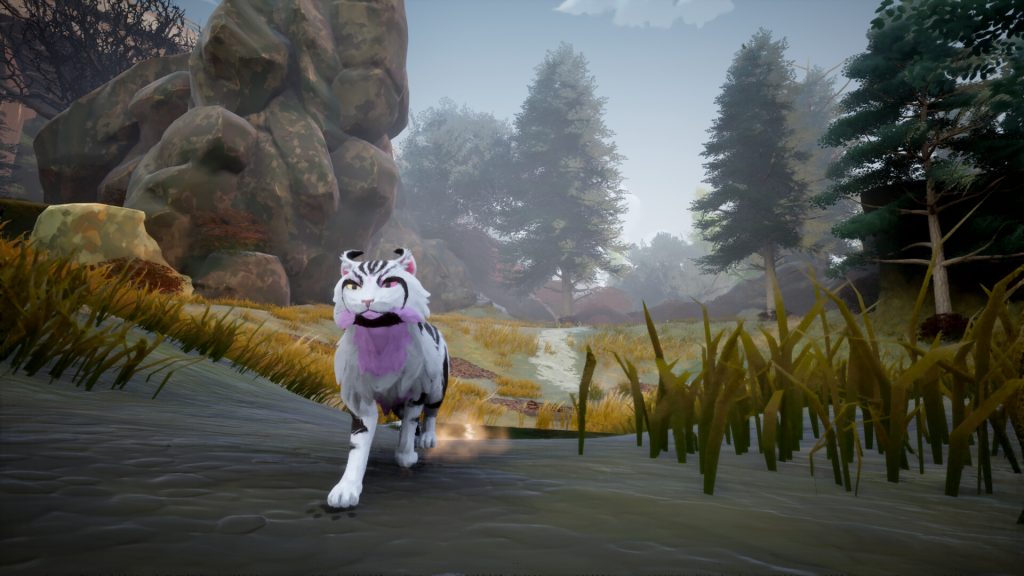
Warrior Cats: Clans of the Forest launches on October 23rd, 2026 for PC, PlayStation 5, Xbox Series X|S and both…
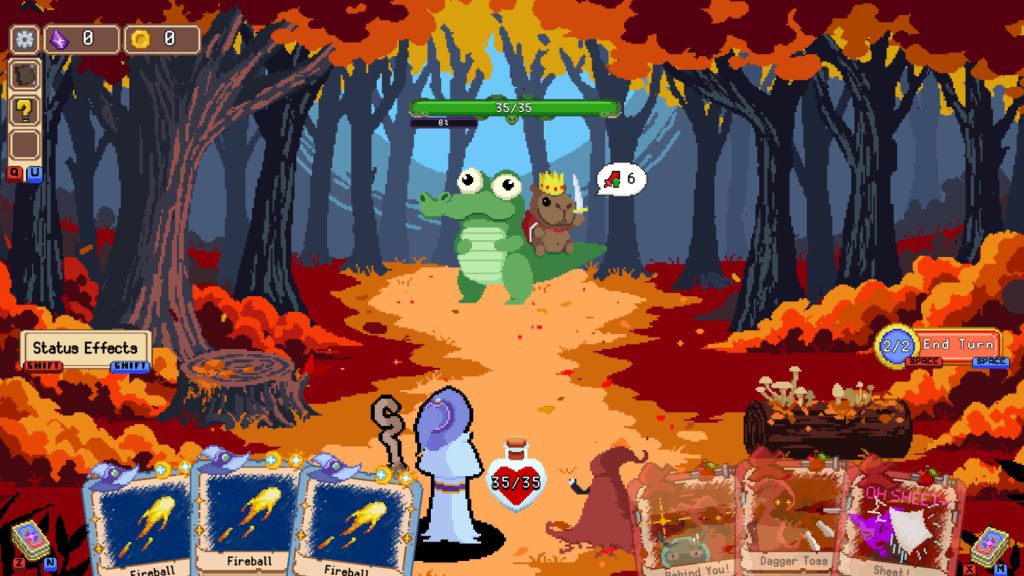
Duo Quest’s free Steam demo now supports online co-op ahead of the relationship-driven roguelite deckbuilder’s September 16th launch.
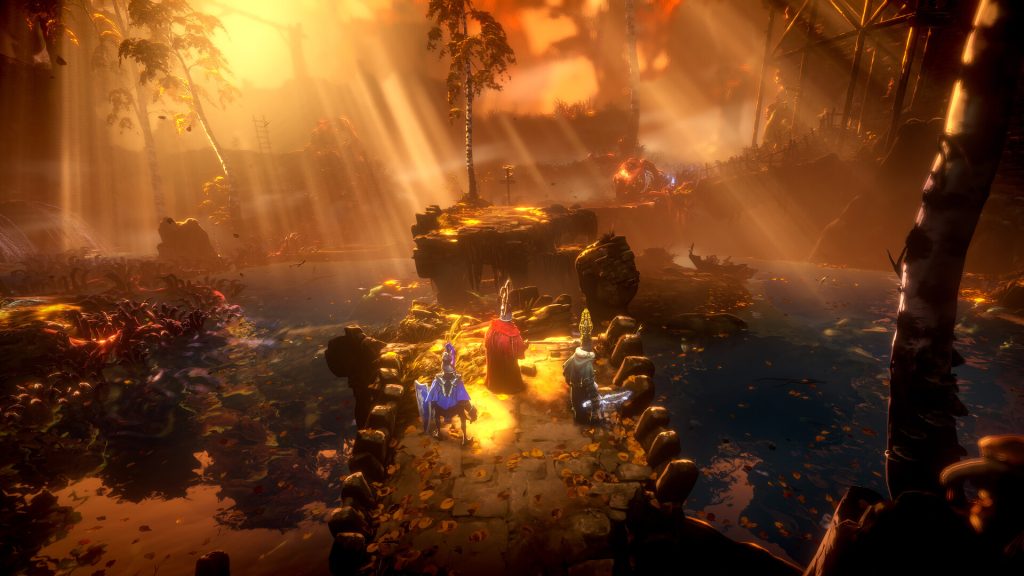
No Rest for the Wicked’s 1.0 release has been delayed to March 2027 on PC and PlayStation 5, with an…
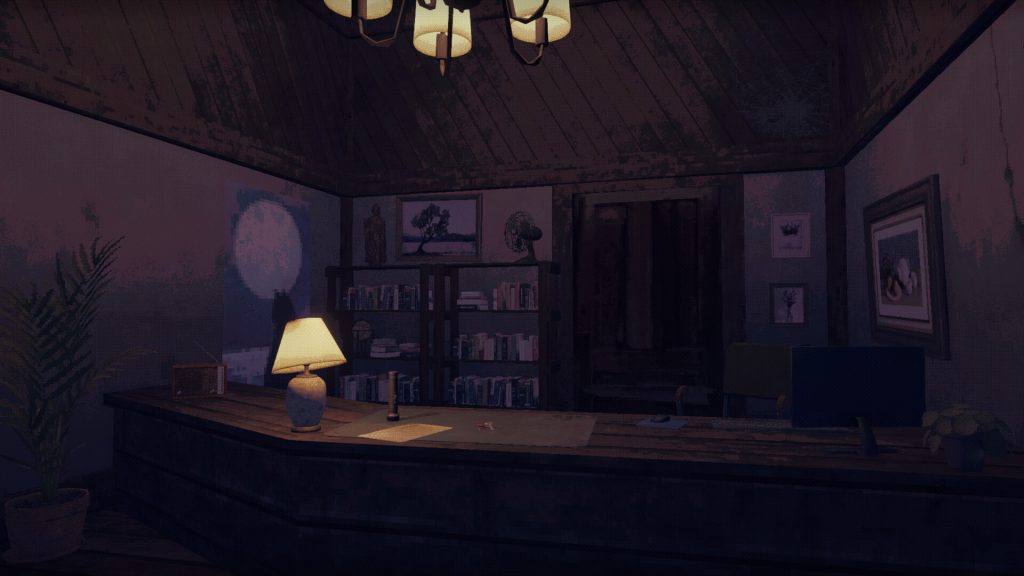
Springs, Eternal, the lo-fi narrative adventure from Fullbright and Serenity Forge, will launch for PC through Steam in November 2026.
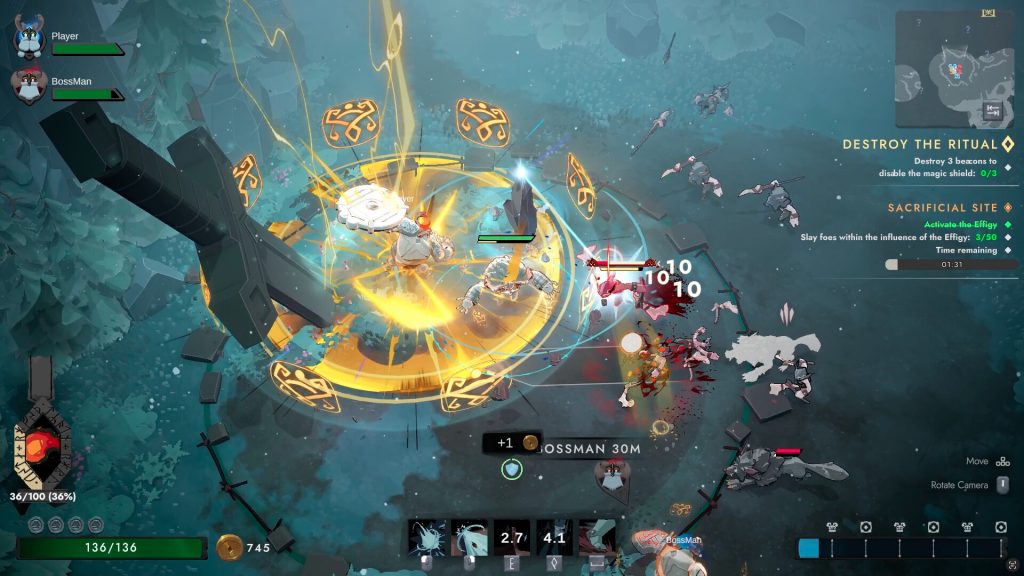
Chosen by Odin combines one-to-three-player co-op action, Norse mythology and shared dice-powered builds across dangerous roguelite expeditions.

Dumpster Gang brings one-to-four-player raccoon chaos to PC in December 2026, with co-op missions, a customisable hideout and day-one PC…
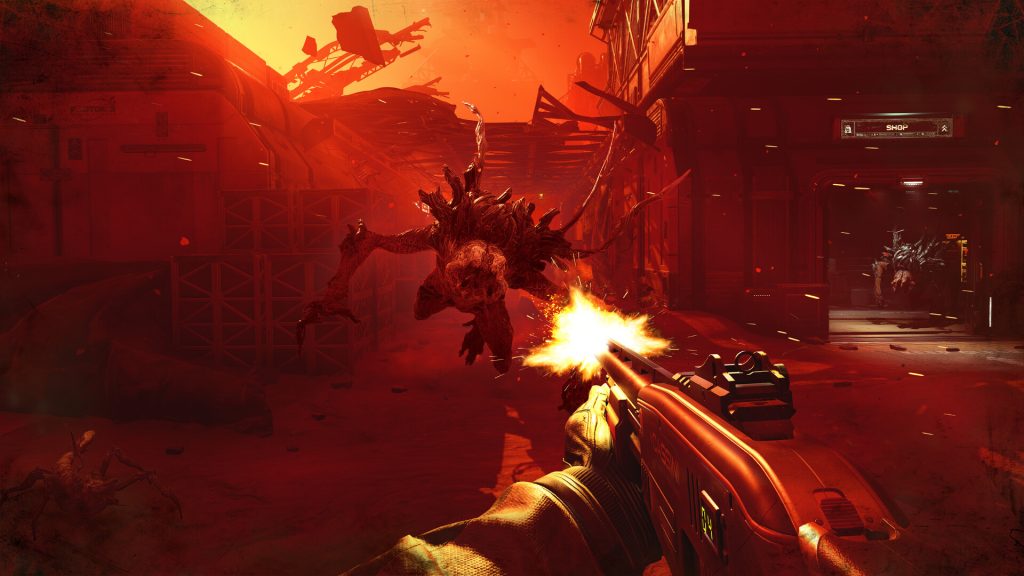
Alien Deathstorm launches in spring 2027 for PC, PlayStation 5 and Xbox Series X|S, with day-one Game Pass access and…

BUZZ or DIE turns prisoners’ darkest secrets into viral videos in a deadly game show visual novel coming to Steam…
![[GAMESCOM 2026] Chronicles: Medieval Looks Far More Ambitious Than a Simple Mount & Blade Rival](https://www.indie-games.eu/wp-content/uploads/2026/09/Chronicles-Medieval-10-1024x640.jpg)
Chronicles: Medieval was one of the most ambitious games I saw at Gamescom 2026. Raw Power Games is not merely…

Stranded Deep 2 leaves the Pacific for an endless desert river world with mobile bases, dynamic terrain and co-op in…
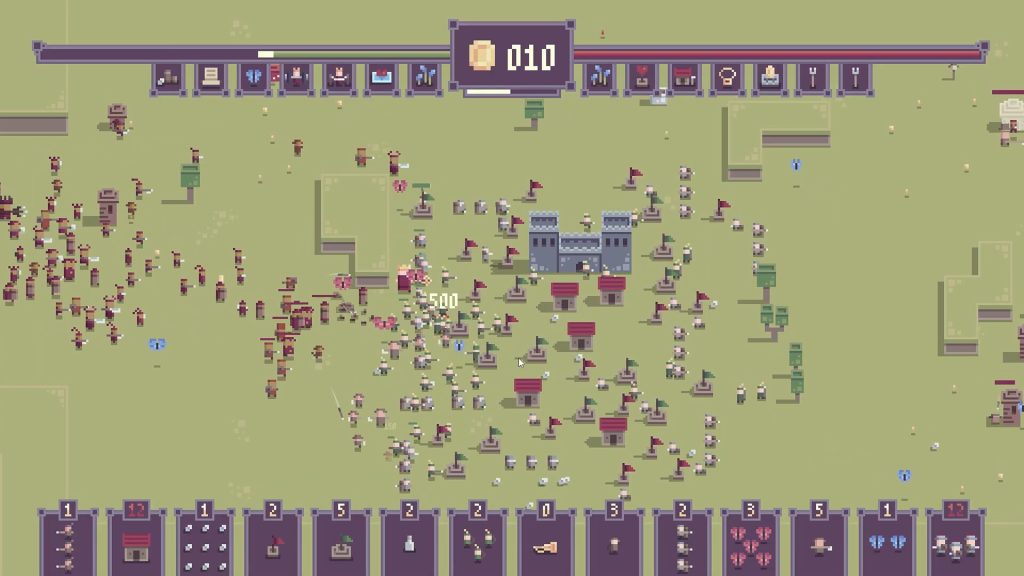
Kinghold’s Steam demo introduces its 20-second wave cycle, directly controlled king, autonomous armies and card-based battlefield strategy.
