Don’t Nod Could Face More Layoffs as Studio Struggles With Its Finances
Don’t Nod is considering another restructuring, raising concerns that further job cuts could follow as the Life is Strange studio…

![[OPINION] Gamers Push Back Against $70 AAA Pricing (Again)](https://www.indie-games.eu/wp-content/uploads/2026/03/Games-Pricing.jpg)
If you enjoy independent indie game coverage, consider supporting Indie-Games.eu on Patreon. It helps keep the site independent.
Social media lately has captured something a lot of gamers are feeling: frustration over AAA games now costing $70 instead of the long-standing $60. That extra $10 might not seem huge on paper, but psychologically it changes everything. Sixty dollars felt manageable, almost like getting a deal. Seventy, especially after taxes, suddenly feels expensive enough to stop impulse buys and turn day-one purchases into a rarity.
This isn’t just one person complaining. It’s a widespread reaction you can see across replies, forums, and wishlists. Many players now wait for sales and instead fill their libraries with highly rated indie games under $25. And it’s not hard to see why. A lot of $70 AAA releases don’t feel worth the price at launch. Many arrive buggy, incomplete, or unpolished, more like paid beta tests than finished games, only becoming stable months later, when they’re discounted to $40 or less.
In 2025 alone, several high-profile releases stumbled badly. MindsEye, heavily marketed as a GTA rival, collapsed with a Metacritic score of 28 amid technical issues and unmet promises. Black Ops 7 faced controversy over AI use, a poorly received campaign, and server problems at launch. These cases reinforce the perception that publishers rush games out to meet quarterly targets rather than deliver polished products.
At the same time, publishers charge $70 for what are now mostly digital downloads. There’s no physical manufacturing, shipping, or retailer cuts like in the past. Fallout co-creator Tim Cain has pointed out that digital distribution significantly reduces costs, yet those savings haven’t translated into lower prices for consumers. In fact, third-party publishers can make substantially more per digital copy than physical, while still justifying higher prices by citing inflation.

To many players, that feels less like necessity and more like greed. And the $70 price tag is often just the beginning. Unlike older games that delivered a complete experience upfront, modern AAA titles frequently include microtransactions, battle passes, and paid DLC layered on top. In 2024, microtransactions made up 58% of PC gaming revenue, far more than base game sales, suggesting that the initial purchase is just an entry point into ongoing monetization.
Publishers argue that rising development costs justify higher prices, pointing to budgets exceeding $300 million for some AAA titles. But critics say much of that cost comes from self-inflicted bloat: massive teams, long development cycles, and marketing budgets that can equal 50–100% of development costs. Scope creep and executive decisions drive expenses up, and consumers ultimately absorb the impact.
Meanwhile, sales trends show players gravitating toward cheaper games. In 2025, Steam’s charts were dominated by sub-$50 titles and breakout hits like Schedule I (8 million copies at $19.99) and PEAK ($7.99 with 15 million players). Many gamers now buy only a few new titles per year, skipping expensive releases unless they’re truly exceptional.
Some companies, like Nintendo, have tested even higher prices, $80 for certain Switch 2 titles, but analysts warn that pushing standard pricing to $80 or $100 could significantly limit adoption outside of massive franchises like GTA 6.
With wages largely stagnant and economic pressures mounting, many players see rising AAA prices as disconnected from reality. As a result, they’re turning to lower-priced, high-quality alternatives. Whether this shift becomes a lasting market correction remains to be seen, but it’s clear that publishers can no longer assume gamers will automatically pay more for less.
Don’t Nod is considering another restructuring, raising concerns that further job cuts could follow as the Life is Strange studio…
One brutal week in August saw 720 games launch on Steam, showing just how difficult it is for indie developers…
PlayStation fans are no longer impressed by quantity alone, with many waiting for major first-party announcements to make State of…
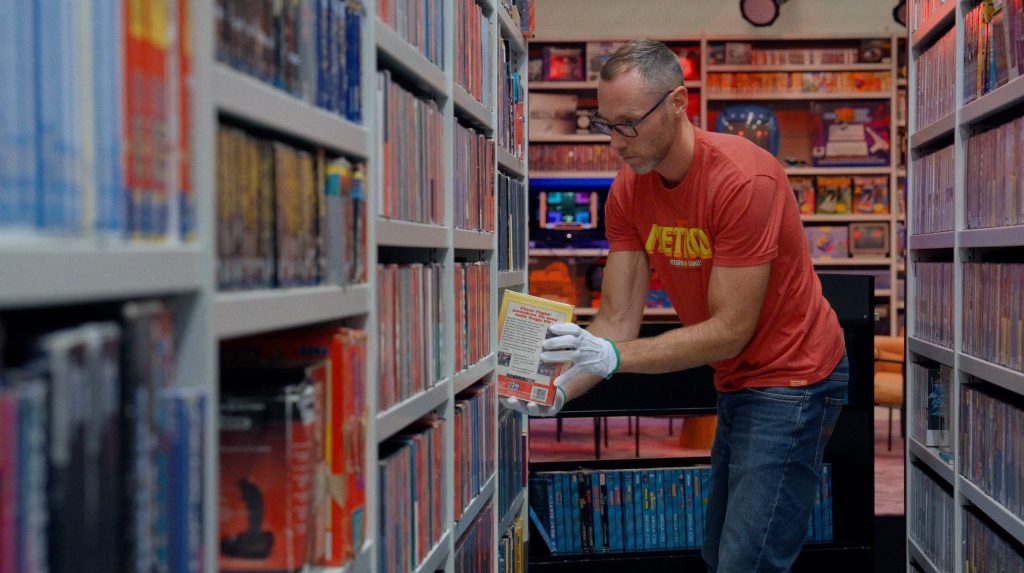
Embracer Games Archive celebrates five years after cataloguing over 90,000 games, consoles, accessories and hardware for preservation.
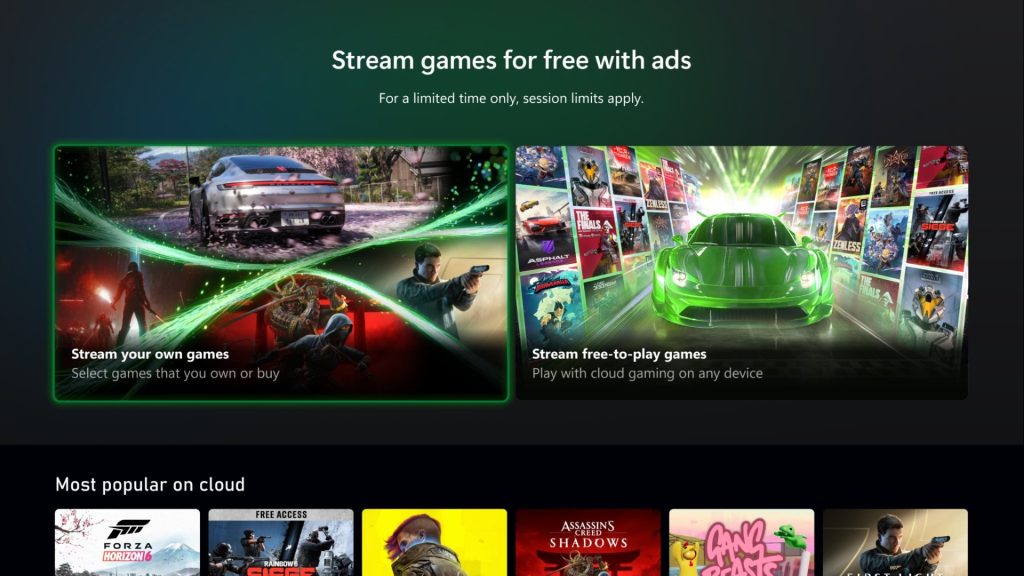
Xbox Cloud Gaming is about to become a lot less unlimited, as Microsoft has announced monthly streaming caps for Game…
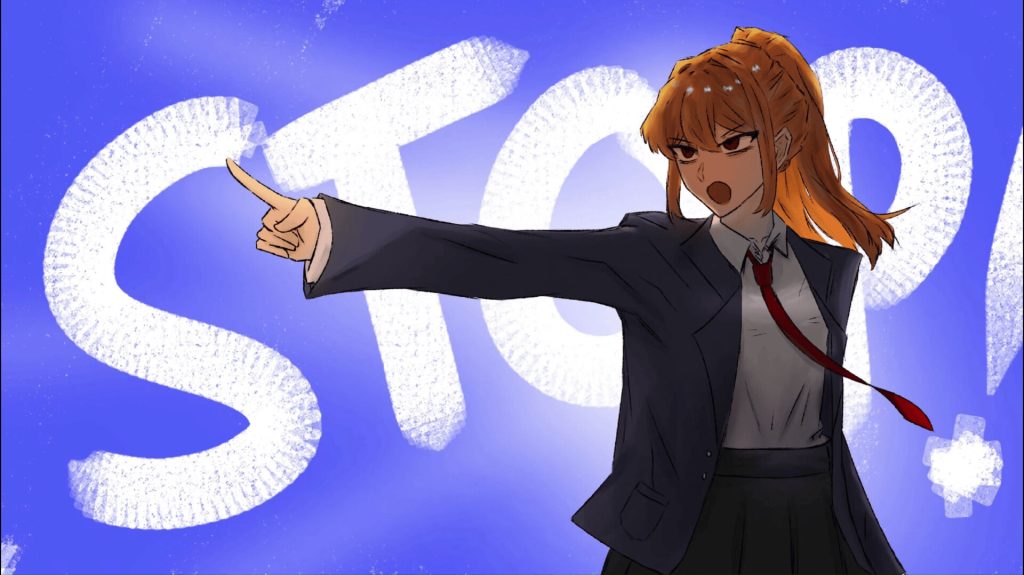
Nightmere I blends detective mystery, psychological horror and RPG exploration as investigator Amelia searches for a missing student in 1991.
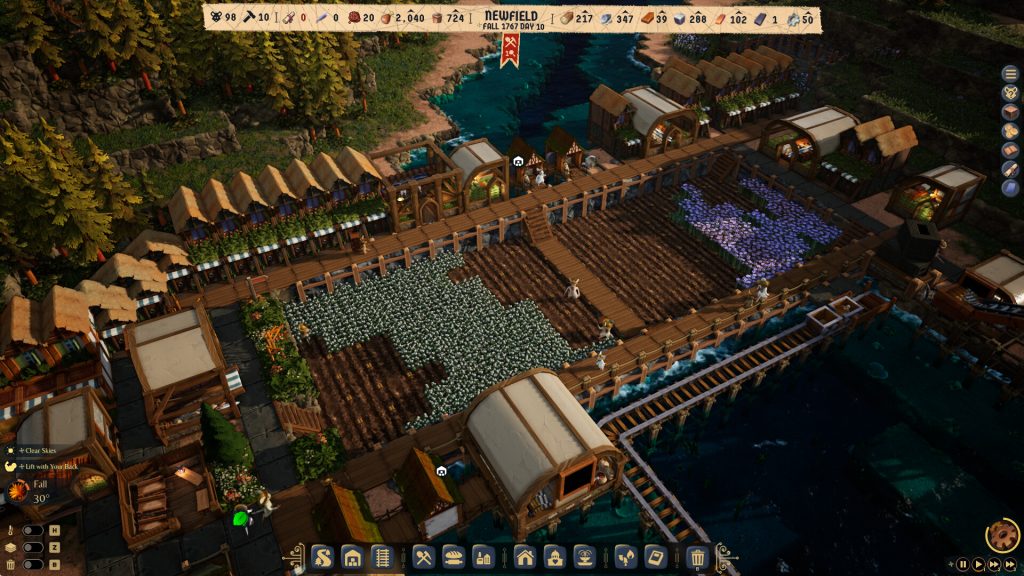
Whiskerwood is expanding its mouse colony with an entire ocean to worry about, bringing new challenges to the colony-building survival…
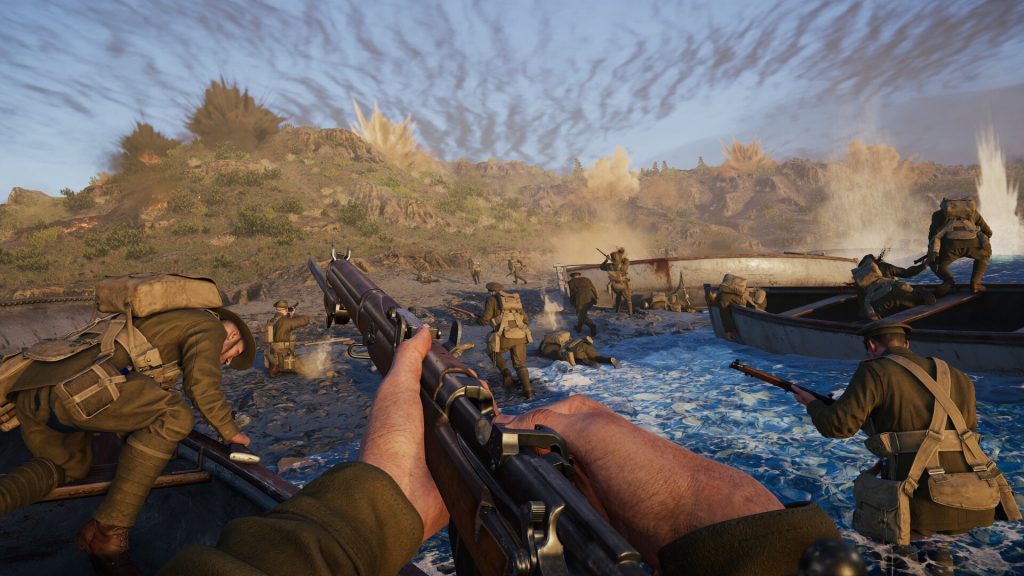
Gallipoli launched last month, but BlackMill Games is already preparing its first free expansion, adding something never before seen in…
The Royal Writ will launch for PlayStation 5, Xbox Series X|S and Nintendo Switch on September 10th, alongside Xbox Game…
Warrior Cats: Clans of the Forest launches on October 23rd, 2026 for PC, PlayStation 5, Xbox Series X|S and both…
Duo Quest’s free Steam demo now supports online co-op ahead of the relationship-driven roguelite deckbuilder’s September 16th launch.
No Rest for the Wicked’s 1.0 release has been delayed to March 2027 on PC and PlayStation 5, with an…
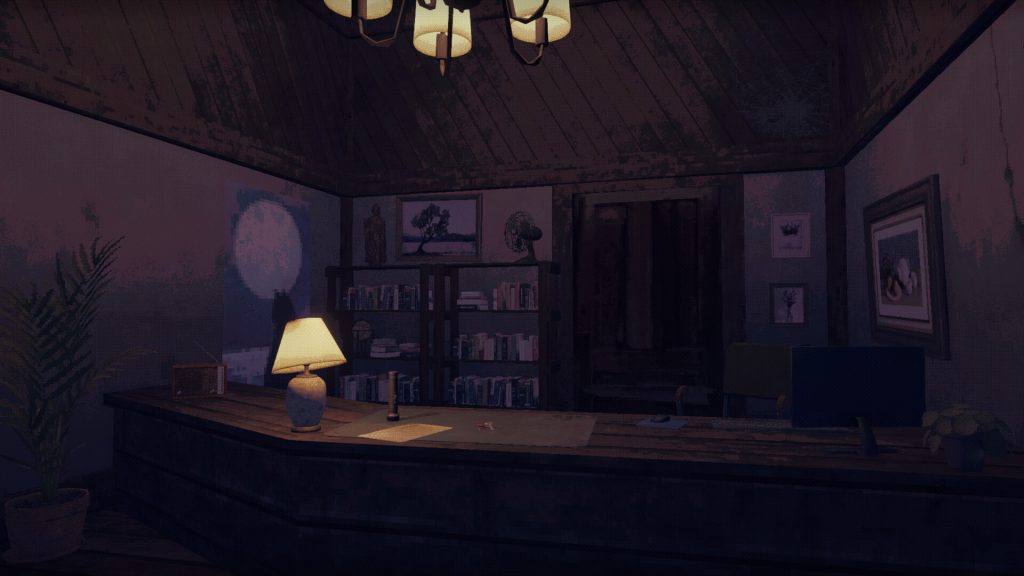
Springs, Eternal, the lo-fi narrative adventure from Fullbright and Serenity Forge, will launch for PC through Steam in November 2026.
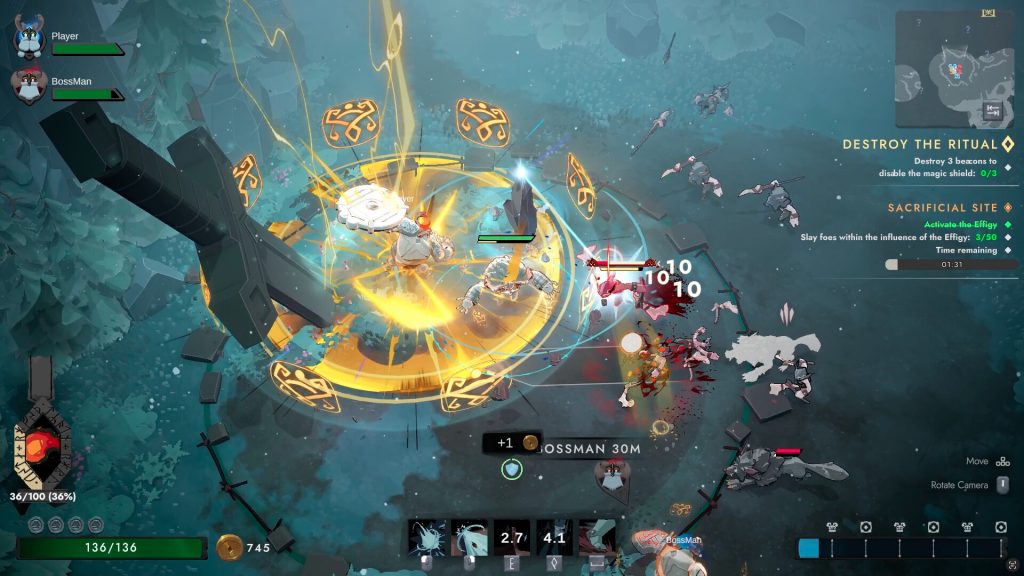
Chosen by Odin combines one-to-three-player co-op action, Norse mythology and shared dice-powered builds across dangerous roguelite expeditions.
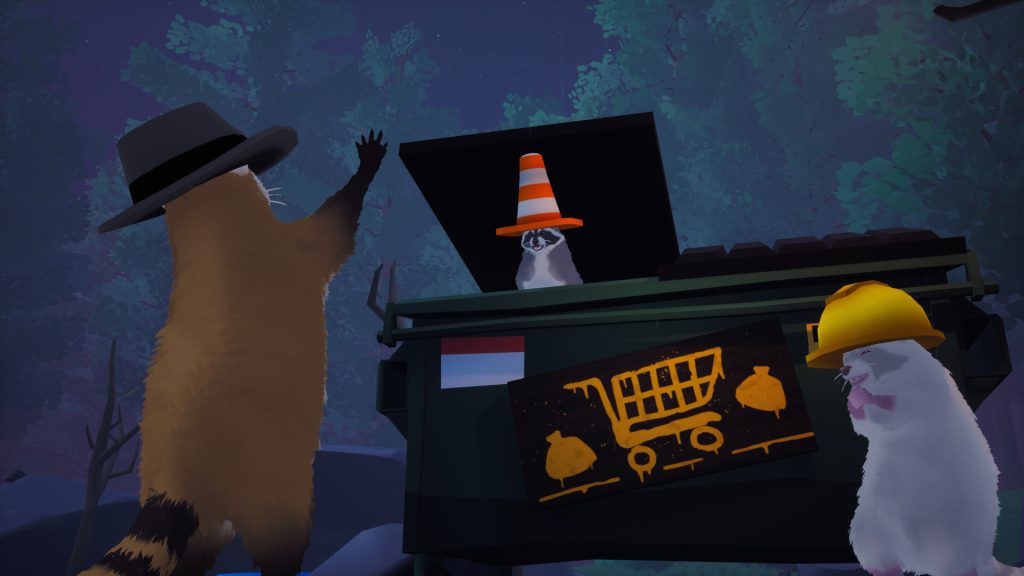
Dumpster Gang brings one-to-four-player raccoon chaos to PC in December 2026, with co-op missions, a customisable hideout and day-one PC…
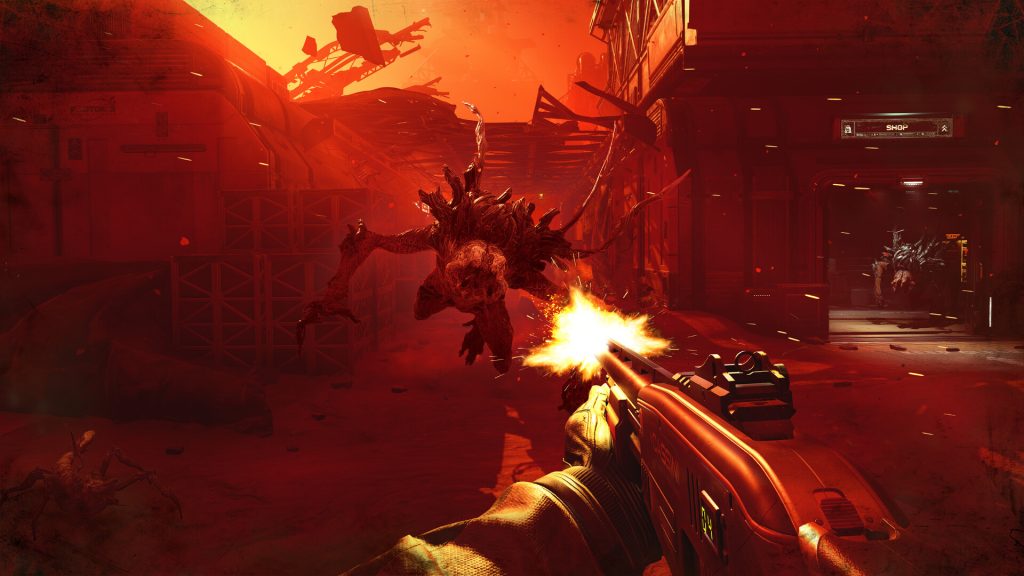
Alien Deathstorm launches in spring 2027 for PC, PlayStation 5 and Xbox Series X|S, with day-one Game Pass access and…

BUZZ or DIE turns prisoners’ darkest secrets into viral videos in a deadly game show visual novel coming to Steam…
![[GAMESCOM 2026] Chronicles: Medieval Looks Far More Ambitious Than a Simple Mount & Blade Rival](https://www.indie-games.eu/wp-content/uploads/2026/09/Chronicles-Medieval-10-1024x640.jpg)
Chronicles: Medieval was one of the most ambitious games I saw at Gamescom 2026. Raw Power Games is not merely…
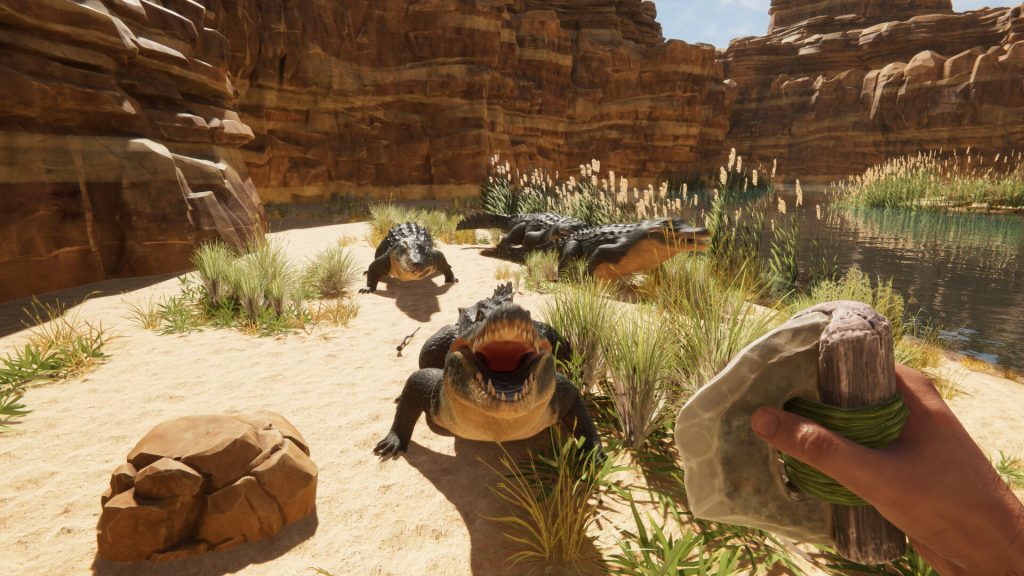
Stranded Deep 2 leaves the Pacific for an endless desert river world with mobile bases, dynamic terrain and co-op in…
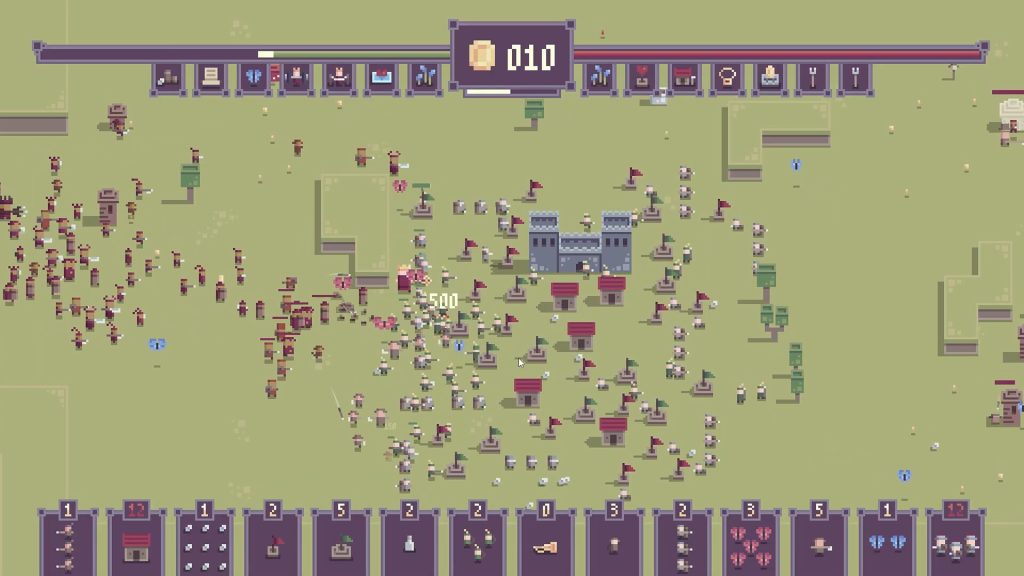
Kinghold’s Steam demo introduces its 20-second wave cycle, directly controlled king, autonomous armies and card-based battlefield strategy.
