Don’t Nod Could Face More Layoffs as Studio Struggles With Its Finances
Don’t Nod is considering another restructuring, raising concerns that further job cuts could follow as the Life is Strange studio…

![[OPINION] Switch 2 Hardware Momentum Is Undeniable. Its Software Strategy? Safe and Disappointing](https://www.indie-games.eu/wp-content/uploads/2026/02/Nintendo-Switch.jpg)
If you enjoy independent indie game coverage, consider supporting Indie-Games.eu on Patreon. It helps keep the site independent.
Nintendo Switch 2 launched half a year ago and has clearly been a hardware monster. By the end of December, it had sold over 17 million units worldwide in just seven months, even outpacing the PlayStation 5’s 2025 sales pace. In terms of pure demand, it proved a lot of doubters wrong.
But strong hardware sales don’t automatically mean a strong start in software. For me, the Switch 2’s lineup feels far less exciting than it should. Nintendo has leaned heavily on enhanced ports and paid “Switch 2 Editions” instead of delivering truly bold, generation-defining games.
At launch, the system was packed with third-party ports like Hogwarts Legacy, Hitman World of Assassination and Yakuza 0. They’re solid games, but they’re not what I buy a Nintendo console for. On the first-party side, we got Mario Kart World, which feels like a safe evolution. The biggest controversy, however, was paid Switch 2 upgrades for The Legend of Zelda: Breath of the Wild and The Legend of Zelda: Tears of the Kingdom. Asking existing owners to pay again for performance boosts and visual tweaks just doesn’t sit right with me.
And it doesn’t stop there. Titles like Kirby and the Forgotten Land, Super Mario Party Jamboree, and Xenoblade Chronicles X also received upgraded versions. Some of them feel minor at best. Instead of bold new projects, we’re getting polished re-releases and small add-ons sold at a premium.
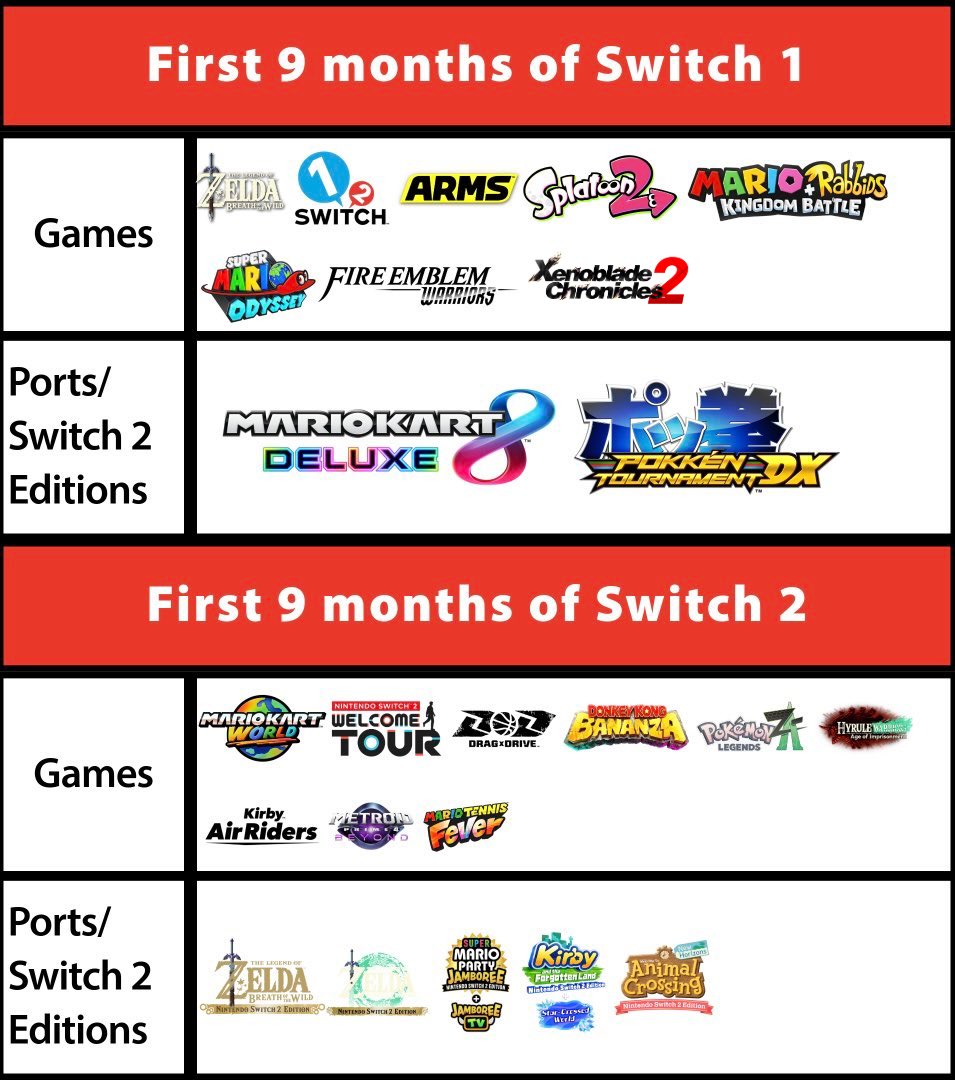
When you compare that to the original Switch’s first year in 2017, the difference is hard to ignore. The Legend of Zelda: Breath of the Wild launched day one and instantly justified the hardware. Then came Mario Kart 8 Deluxe and Splatoon 2. There weren’t dozens of releases, but the big ones felt essential.
Switch 2’s post-launch lineup feels more like filler. Donkey Kong Bananza is fun but not exactly a system-seller. Kirby Air Riders and Metroid Prime 4: Beyond finally showed up, but even there, the focus is on “editions” and upgrades. Mario Tennis Fever feels like another light sports entry that people will finish in a week.
Even Pokémon Legends: Z-A got an upgraded version, but where’s the brand-new Mario? Where’s the next revolutionary Zelda? Right now, it feels like recycled hits repackaged for another round of sales. Looking ahead to the Zelda, Pokemon and Mario anniversaries in 2026, I honestly worry we’ll see more remasters and safe nostalgia plays instead of daring new entries. Nintendo seems comfortable relying on hardware momentum and brand loyalty, but that only goes so far.
Some fans argue that attention spans are the problem. I don’t buy that. The original Switch era thrived on fewer, stronger releases. Switch 2, at least so far, feels like a steady drip of upgrades and reissues. The console itself is selling like crazy, but without a true killer app built specifically for it, I can’t shake the feeling that it’s coasting on past success instead of creating the next big moment.
This opinion piece was inspired by the video below and by a post on X.
Don’t Nod is considering another restructuring, raising concerns that further job cuts could follow as the Life is Strange studio…
One brutal week in August saw 720 games launch on Steam, showing just how difficult it is for indie developers…
PlayStation fans are no longer impressed by quantity alone, with many waiting for major first-party announcements to make State of…
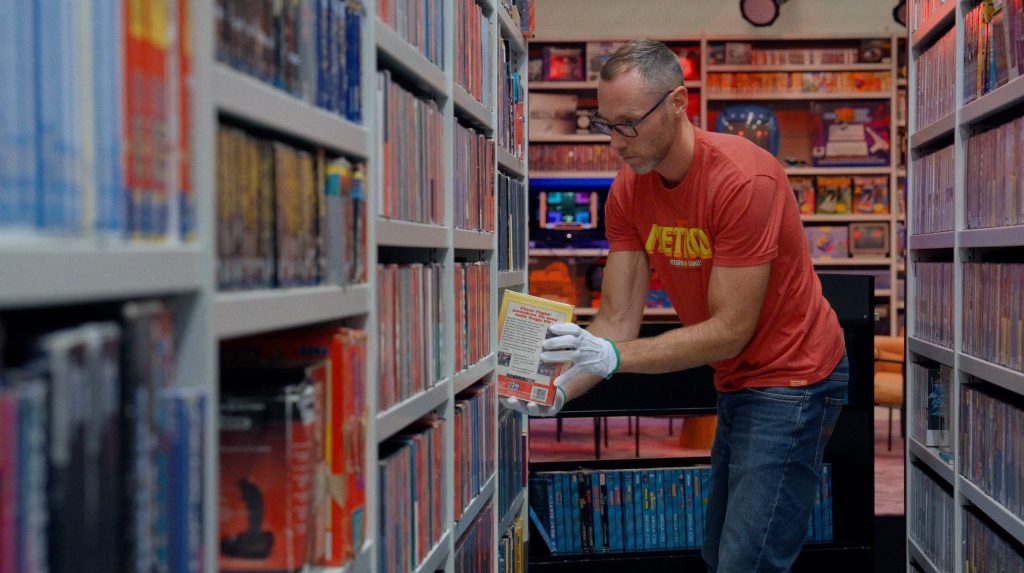
Embracer Games Archive celebrates five years after cataloguing over 90,000 games, consoles, accessories and hardware for preservation.
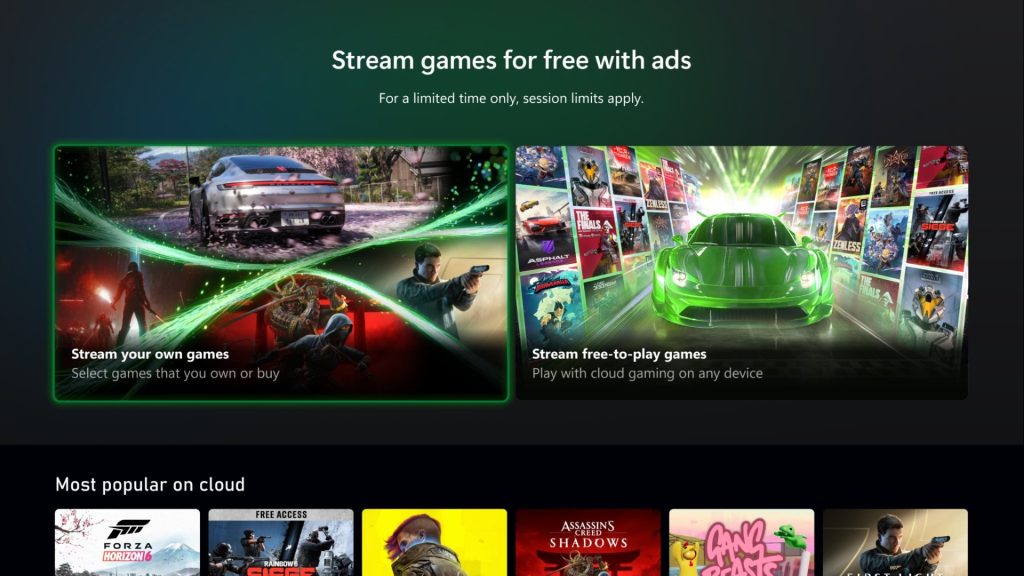
Xbox Cloud Gaming is about to become a lot less unlimited, as Microsoft has announced monthly streaming caps for Game…
Nightmere I blends detective mystery, psychological horror and RPG exploration as investigator Amelia searches for a missing student in 1991.
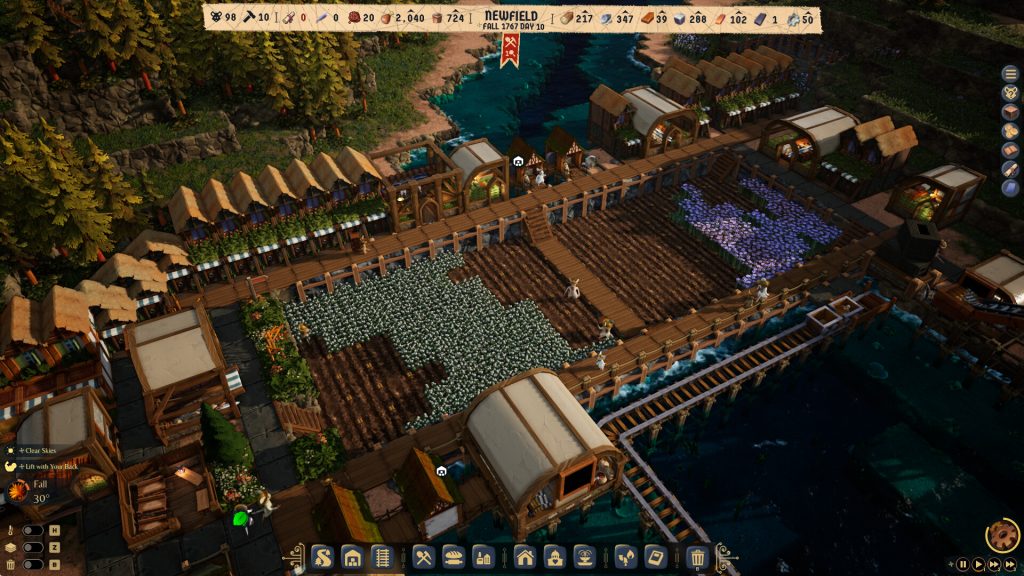
Whiskerwood is expanding its mouse colony with an entire ocean to worry about, bringing new challenges to the colony-building survival…
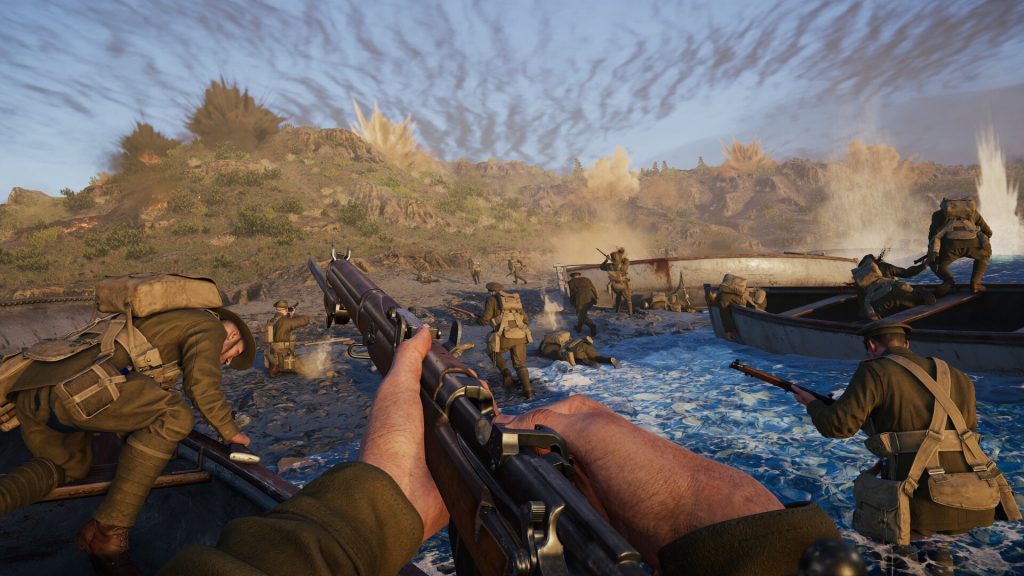
Gallipoli launched last month, but BlackMill Games is already preparing its first free expansion, adding something never before seen in…
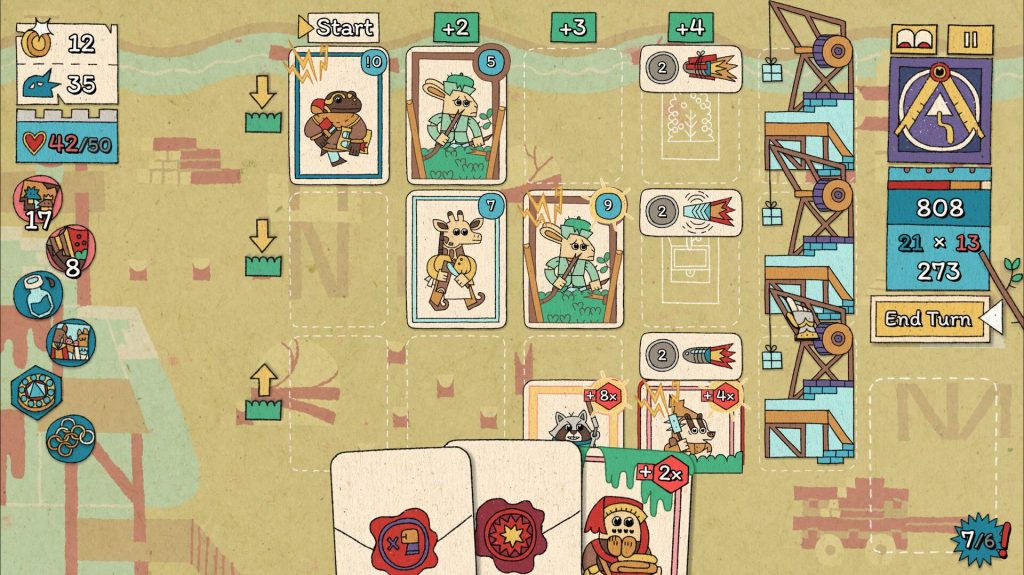
The Royal Writ will launch for PlayStation 5, Xbox Series X|S and Nintendo Switch on September 10th, alongside Xbox Game…
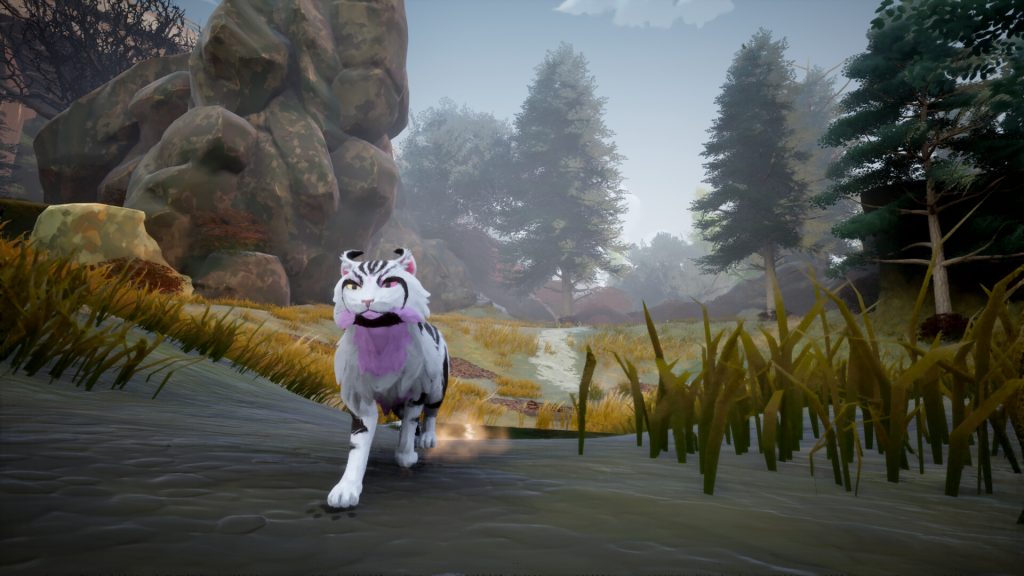
Warrior Cats: Clans of the Forest launches on October 23rd, 2026 for PC, PlayStation 5, Xbox Series X|S and both…
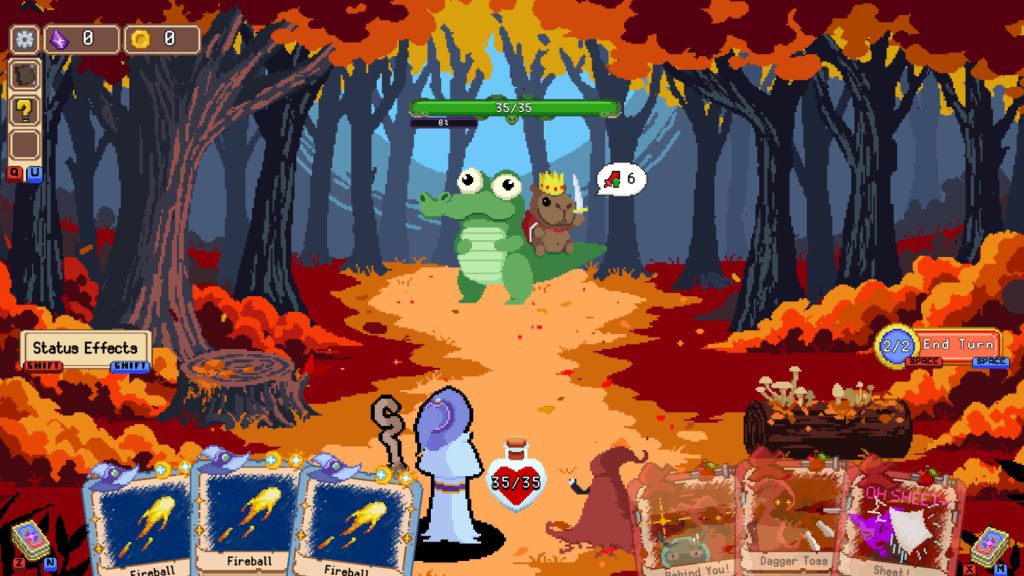
Duo Quest’s free Steam demo now supports online co-op ahead of the relationship-driven roguelite deckbuilder’s September 16th launch.
No Rest for the Wicked’s 1.0 release has been delayed to March 2027 on PC and PlayStation 5, with an…
Springs, Eternal, the lo-fi narrative adventure from Fullbright and Serenity Forge, will launch for PC through Steam in November 2026.
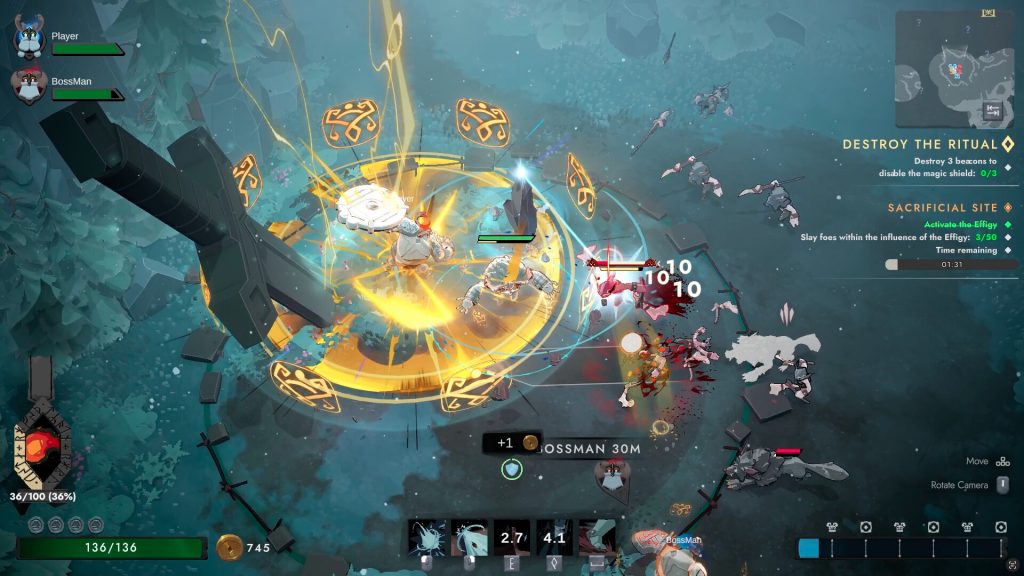
Chosen by Odin combines one-to-three-player co-op action, Norse mythology and shared dice-powered builds across dangerous roguelite expeditions.
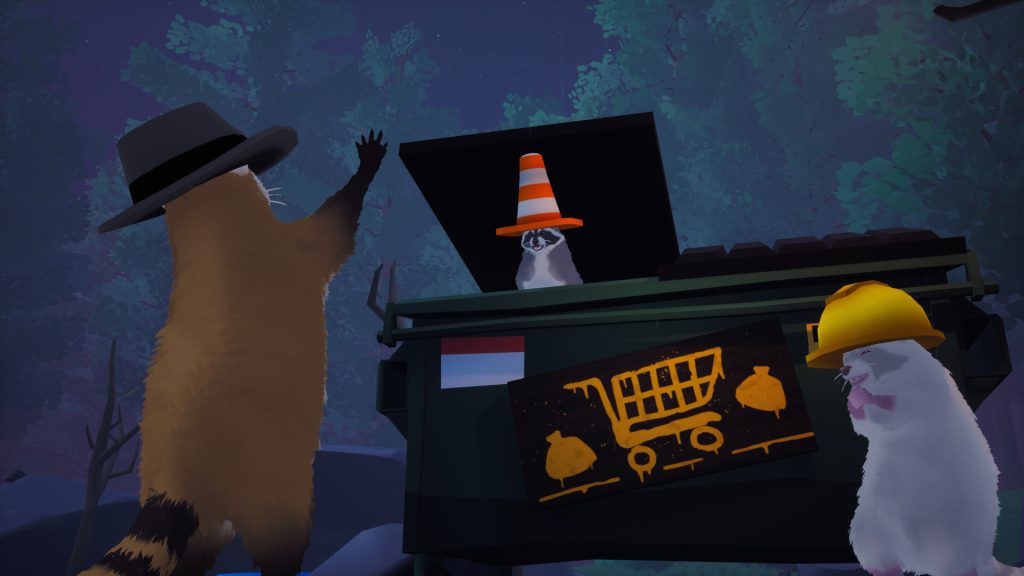
Dumpster Gang brings one-to-four-player raccoon chaos to PC in December 2026, with co-op missions, a customisable hideout and day-one PC…
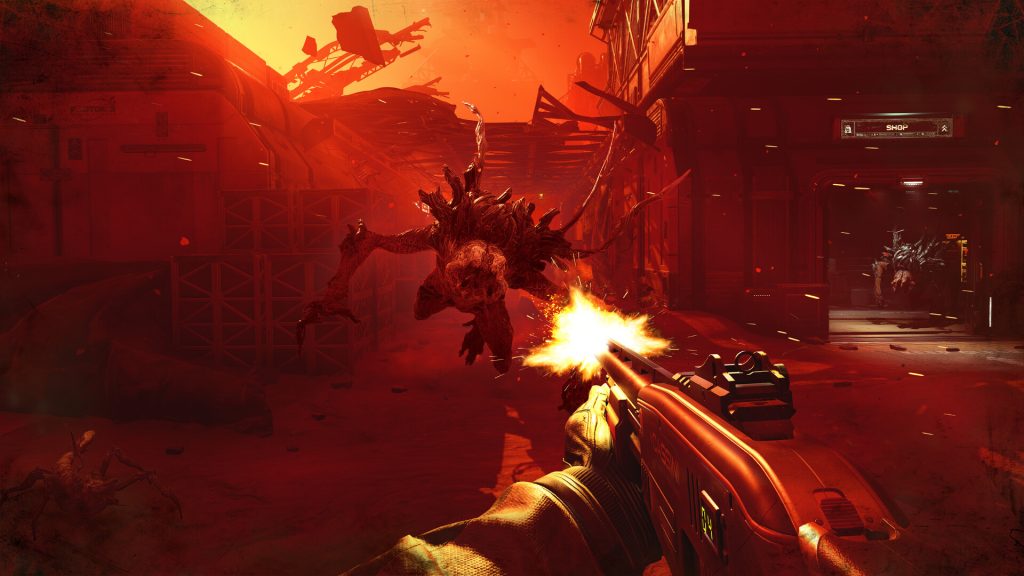
Alien Deathstorm launches in spring 2027 for PC, PlayStation 5 and Xbox Series X|S, with day-one Game Pass access and…
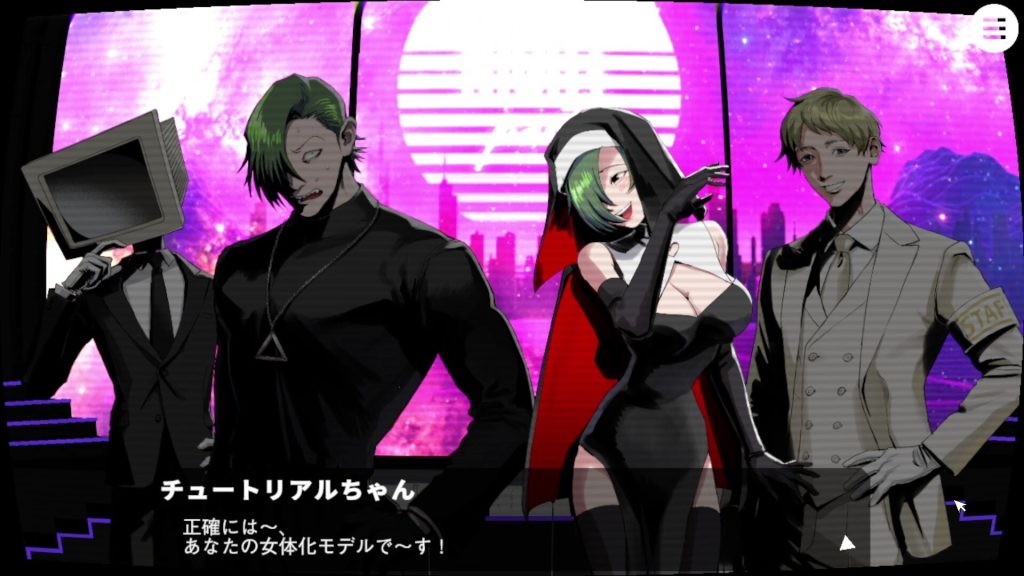
BUZZ or DIE turns prisoners’ darkest secrets into viral videos in a deadly game show visual novel coming to Steam…
![[GAMESCOM 2026] Chronicles: Medieval Looks Far More Ambitious Than a Simple Mount & Blade Rival](https://www.indie-games.eu/wp-content/uploads/2026/09/Chronicles-Medieval-10-1024x640.jpg)
Chronicles: Medieval was one of the most ambitious games I saw at Gamescom 2026. Raw Power Games is not merely…
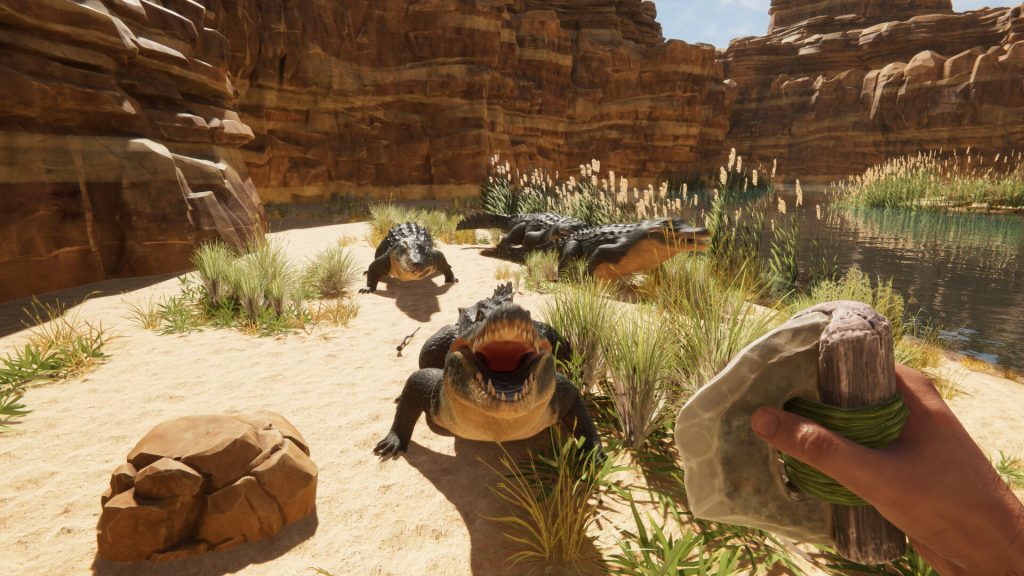
Stranded Deep 2 leaves the Pacific for an endless desert river world with mobile bases, dynamic terrain and co-op in…
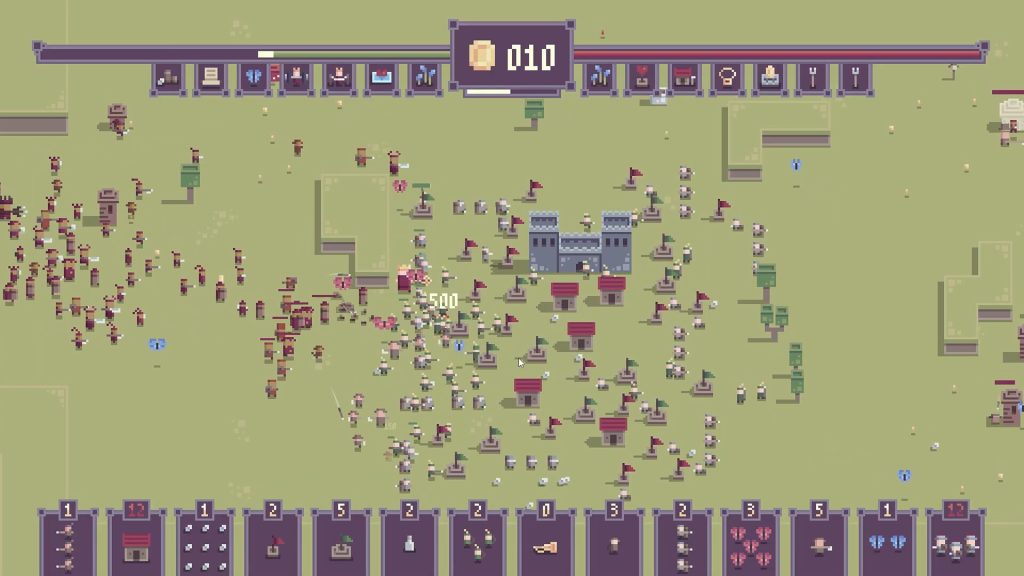
Kinghold’s Steam demo introduces its 20-second wave cycle, directly controlled king, autonomous armies and card-based battlefield strategy.
