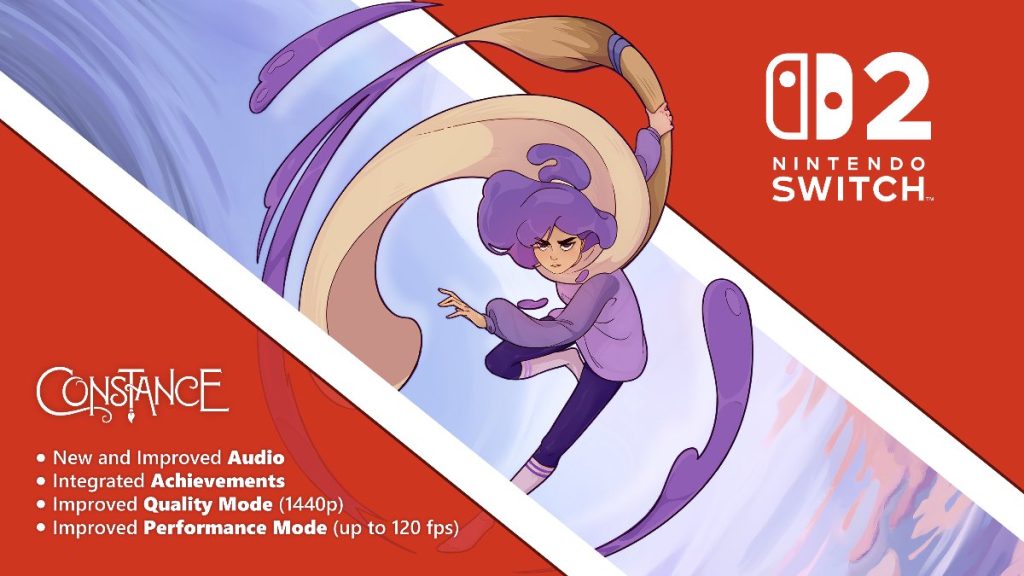
Constance Comes to Switch 2 With 120 FPS Support
The nonlinear world contains six biomes, each representing a different part of the protagonist’s psyche and history.

![[OPINION] The Gaming Industry Is Collapsing And No One Wants to Admit It](https://www.indie-games.eu/wp-content/uploads/2026/02/Modern-Top-10-Shocking-Moments-Youtube-Thumbnail.png)
If you enjoy independent indie game coverage, consider supporting Indie-Games.eu on Patreon. It helps keep the site independent.
Every single day, dozens of games are released. Depending on the month and the scale of launches, it can be anywhere from 30 to 70 new titles flooding storefronts daily. On paper, that sounds like a golden age for gaming industry. More games mean more creativity, more diversity of ideas, and more chances for players to find something they love. But in reality, this constant flood of releases has created an industry that feels bloated, oversaturated, and increasingly difficult to navigate.
Platforms like Steam, alongside consoles such as the PlayStation 5, Xbox Series X/S, and Nintendo Switch, are overwhelmed with content. While having options is good, too many options create noise. Great games disappear within days. Smaller developers struggle to gain visibility. And alongside genuine creativity, we see a wave of low-effort releases, asset flips, and AI-generated projects that dilute the overall quality of the market.
This oversaturation doesn’t just affect developers, it changes how players engage with games. When something new is always around the corner, games begin to feel disposable. We rarely sit with a title for months the way we once did. Instead, releases fade in and out of relevance within weeks. The constant churn reshapes gaming into something closer to scrolling social media than forming meaningful connections with art.
Ironically, becoming a game developer today is easier than ever. Tools like Unity and Unreal Engine have democratized development. Anyone with enough time and dedication can build a game. That accessibility is a triumph.
But it also means competition is fiercer than ever. Success is no longer just about making a good game. It is about marketing, branding, community management, and algorithmic visibility. Developers are expected to be influencers. They must maintain social media presence, create devlogs, engage constantly, and effectively sell themselves. The spotlight problem is real: even brilliant games drown in the flood.
Publishers don’t always help either. Some prioritize quick returns over long-term artistic value. Marketing budgets often determine success more than design quality. And with social media saturated by endless announcements, trailers, and hype cycles, both players and developers experience burnout.

Another issue shaping the modern industry is the growing toxicity in gaming discourse. Conversations around games increasingly revolve around outrage, controversy, and performative negativity. Instead of simply playing and forming thoughtful opinions, discussions often escalate into polarized battles.
Gaming media and influencers contribute to this dynamic. Historically, journalism was flawed, sometimes opportunistic, and not always the noble watchdog people imagine. But today, monetization pressures and engagement-driven algorithms push coverage toward extremes. Influencers, streamers, and journalists often rely on sponsorships, early access, and publisher relationships. Nuance gets lost. Outrage generates clicks.
The result is an echo chamber where many players absorb opinions rather than forming their own. Critical thinking takes a back seat to viral reactions. Gaming, once a deeply personal hobby, increasingly feels like a public battleground.
There is also growing tension around politics and activism in gaming. Representation and inclusion matter, but when they feel forced or tokenistic, they create backlash rather than progress. Meaningful diversity expands storytelling and creative perspectives. Superficial box-checking does not.
The problem is not inclusion itself, it is imbalance. When studios appear more focused on optics than on making a genuinely compelling game, trust erodes. Political tension inside companies, culture wars online, and endless debates about “wokeness” overshadow discussions about gameplay, innovation, and artistic integrity.
In many cases, the conversation about politics becomes louder than the games themselves. And when discourse is dominated by extremes, it becomes harder for players to simply enjoy what resonates with them personally.
Perhaps one of the most tangible problems today is cost. Games are more expensive than ever. Consoles are expensive. Add-ons, downloadable content, and premium editions push prices even higher. For many people, buying a new AAA title feels like a financial gamble.
Subscription services attempt to offer solutions. Xbox Game Pass, for example, provides significant value for certain players, especially those deeply invested in the ecosystem. Meanwhile, PlayStation Plus and Nintendo Switch Online have more mixed reception. Subscriptions lower entry barriers for some but don’t fit everyone’s habits. Casual players may not benefit enough. And there is always the lingering issue of ownership, access is not the same as permanence.
Gaming used to feel like an open hobby. Now it often feels like a luxury. When people must choose carefully which single game to buy each month, or skip releases entirely, the industry risks alienating parts of its audience.
Game preservation is another issue often overlooked. Titles are delisted. Licensing deals expire. Older classics become inaccessible. While some companies re-release or remaster beloved games, many simply disappear.
This reality fuels conversations about piracy and emulation. Some argue that piracy becomes morally defensible when companies fail to preserve their own history. Others point to the legal and ethical gray areas. Regardless of stance, the frustration is understandable: when cultural artifacts vanish, the industry loses part of its memory.
Preservation should not rely on unofficial channels. It should be a structured commitment from publishers and platform holders to respect gaming’s history.
At the corporate level, investors and executives often seem disconnected from players. Gaming is treated as a growth machine. Every project must be a blockbuster. Every release must break records. But creativity does not function on guaranteed returns.
Large studios operate through layers of management and approval. Risk aversion grows. Budgets inflate. When a project fails, the losses are enormous. Yet smaller, focused experiences, often what players genuinely want, are overshadowed by the pursuit of massive hits.
This is not just a creative issue. It is structural. The further decision-makers are from actual players, the harder it becomes to understand what truly resonates.

The future of gaming will likely be defined by tension and balance. Big studios will continue chasing blockbuster success. Investors will keep pushing for growth. But at the same time, indie developers will continue to innovate. Smaller teams will experiment. New tools and platforms will keep democratizing creation.
The industry is not collapsing, but it is in a period of identity crisis. It must find equilibrium between accessibility and sustainability, between inclusion and authenticity, between profit and passion. Gaming is more mainstream than ever. That means more voices, more perspectives, and more complexity. But at its core, it should remain what it always was: a space for immersion, creativity, challenge, and joy.
The question is whether the industry can remember that, and whether we, as players, can learn to step back from the noise and simply enjoy the games again.
The nonlinear world contains six biomes, each representing a different part of the protagonist’s psyche and history.
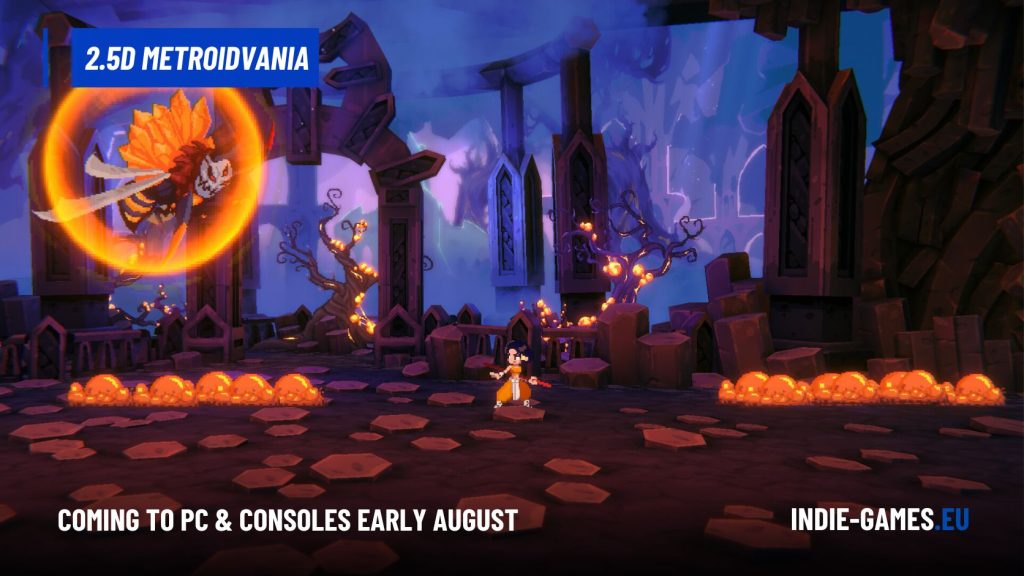
Akatori launches early August on PC and PlayStation and Xbox, featuring 2.5D Metroidvania action, parkour and staff-based combat.
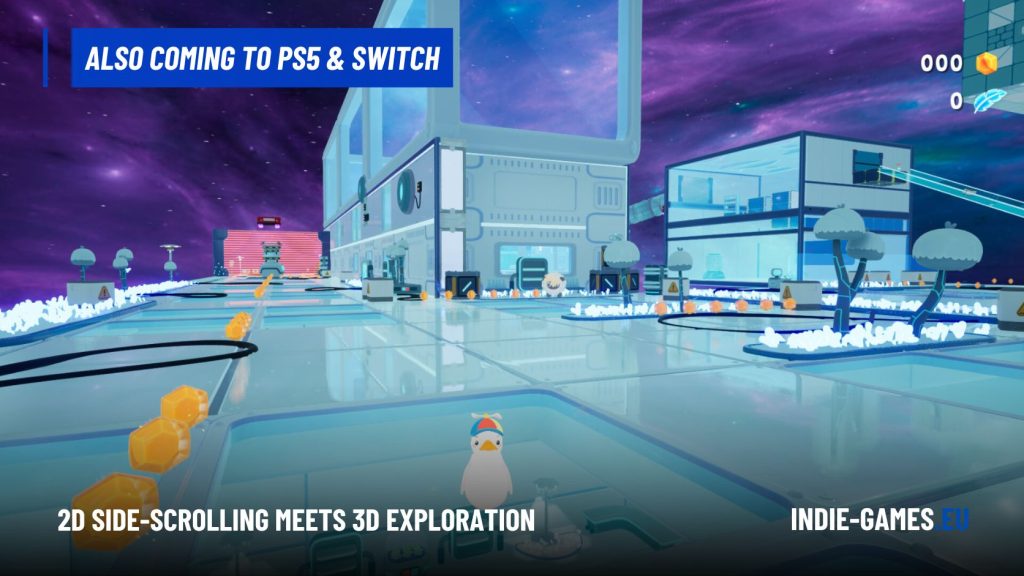
Dodo Duckie! launches on PC and Xbox today, with PS5 and Switch versions arriving later in 2026, featuring unique 2D…
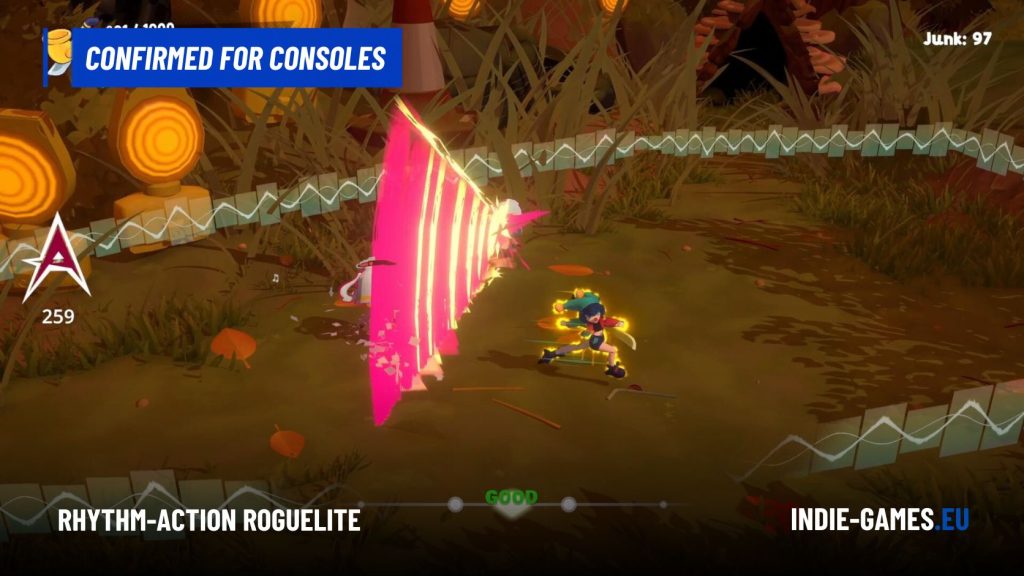
Alpha Nomos launches on PlayStation 5, Xbox Series and PC in 2026, featuring rhythm-based roguelite combat, live-recorded weapons and a…
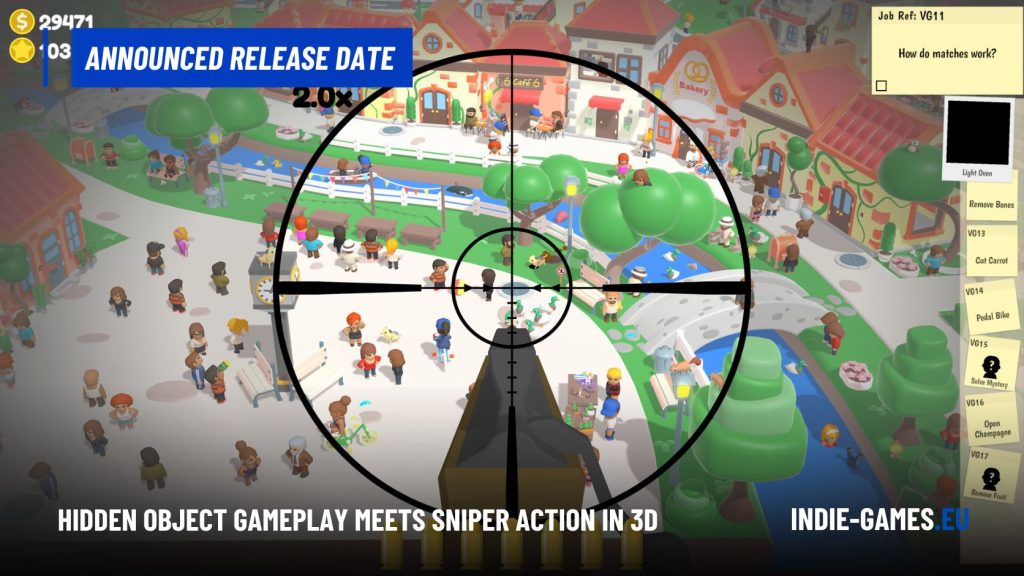
Sniper Dan launches in September for PlayStation 5, Xbox, Switch and PC, blending hidden object gameplay, puzzles and family-friendly sniper…
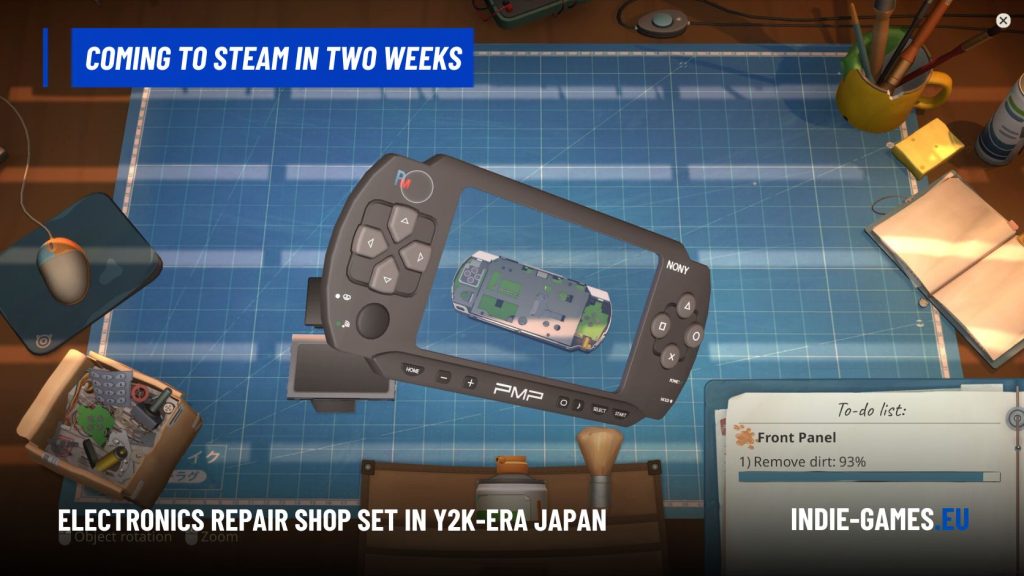
In ReStory, you will repair a wide range of early-2000s technology, including mobile phones, handheld gaming systems, digital pets, music…
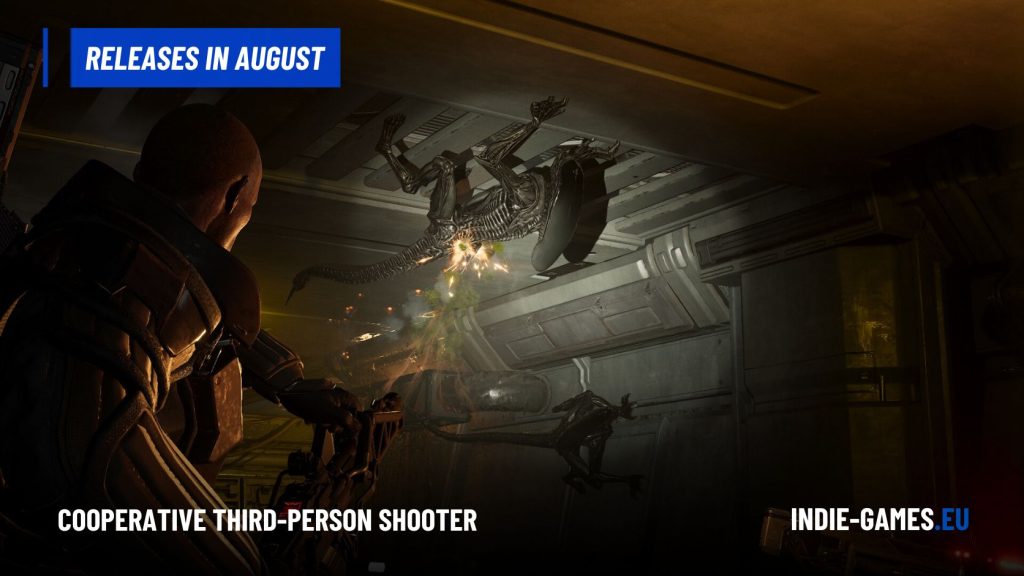
Aliens: Fireteam Elite 2 expands its fireteams to four players, who take control of Colonial Marines deployed across hostile locations…
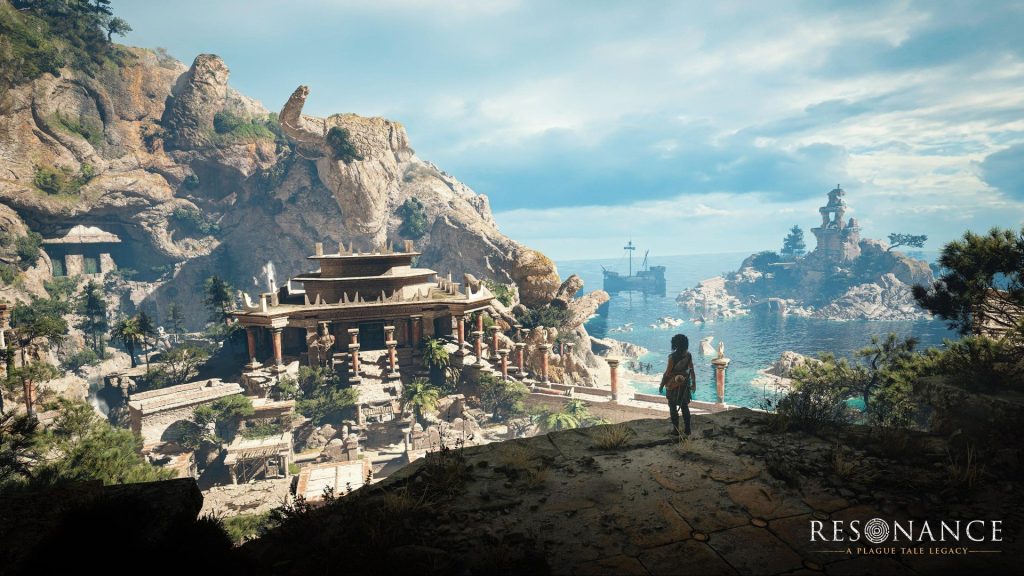
Asobo Studio has released a short scenic clip for Resonance: A Plague Tale Legacy, showcasing its Mediterranean-inspired locations.
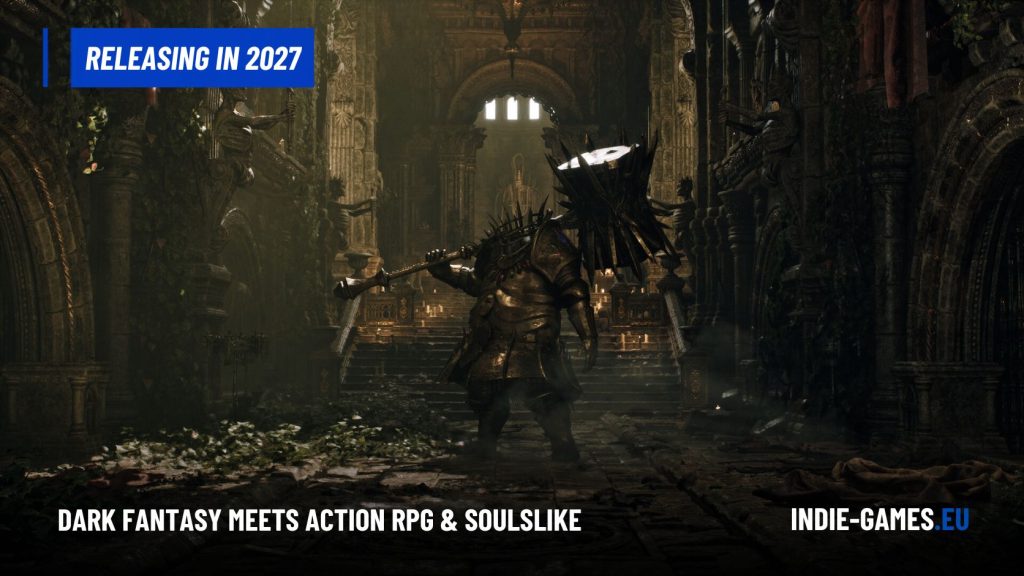
Turkish solo developer Celal Sahin has announced Godless Dawn, a dark fantasy action RPG targeting a Q1 2027 release on…
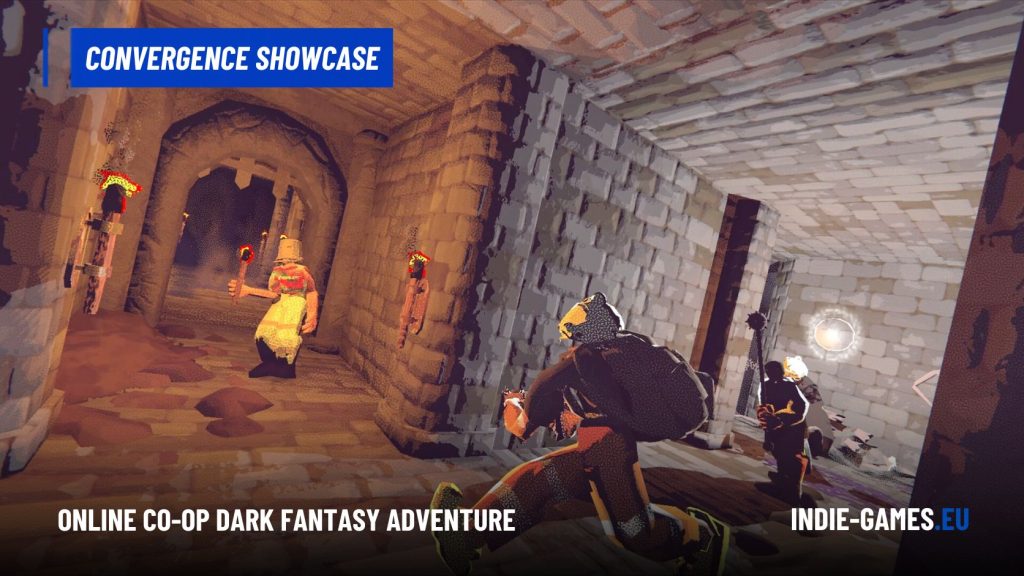
Vision Quench, an online co-op dark fantasy adventure from developer WizMUD Games and Pocketpair Publishing, is targeting an early 2027…
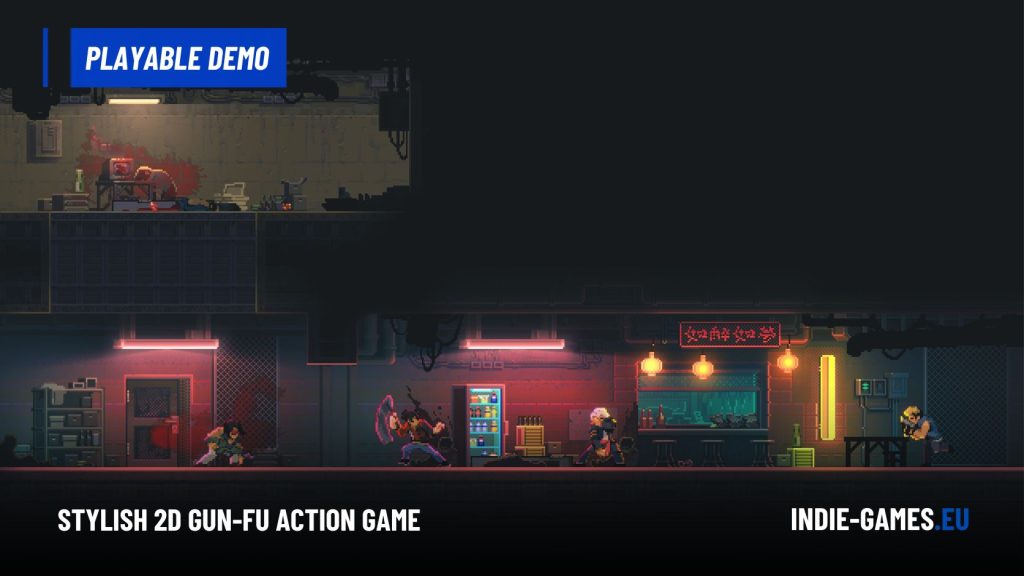
Named “The Bud Trial,” the playable preview offers an early look at the game ahead of its planned PC release…
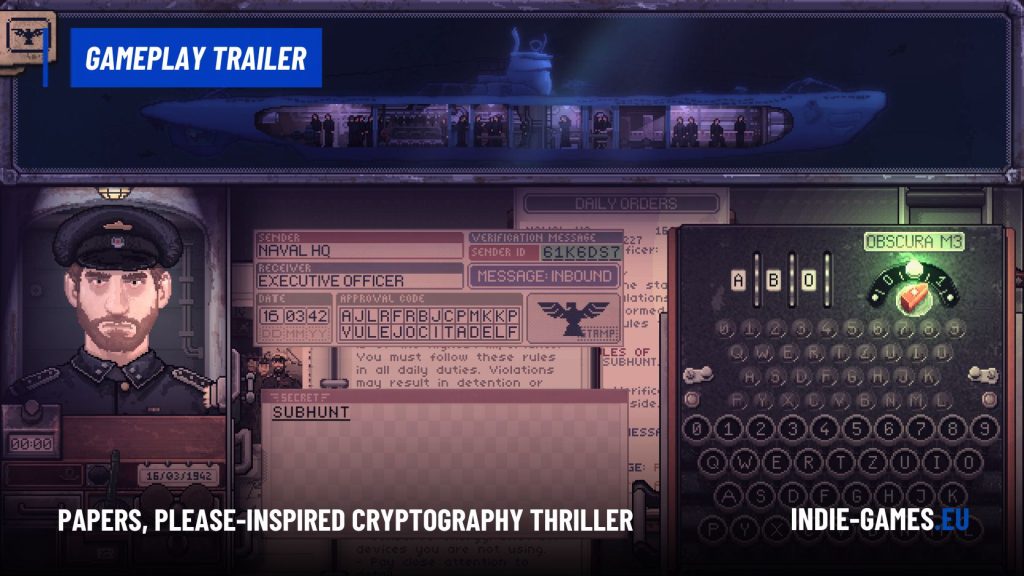
Serbian independent studio Retromagine has revealed False Echo, a narrative cryptography thriller inspired by Papers, Please and classic submarine dramas.
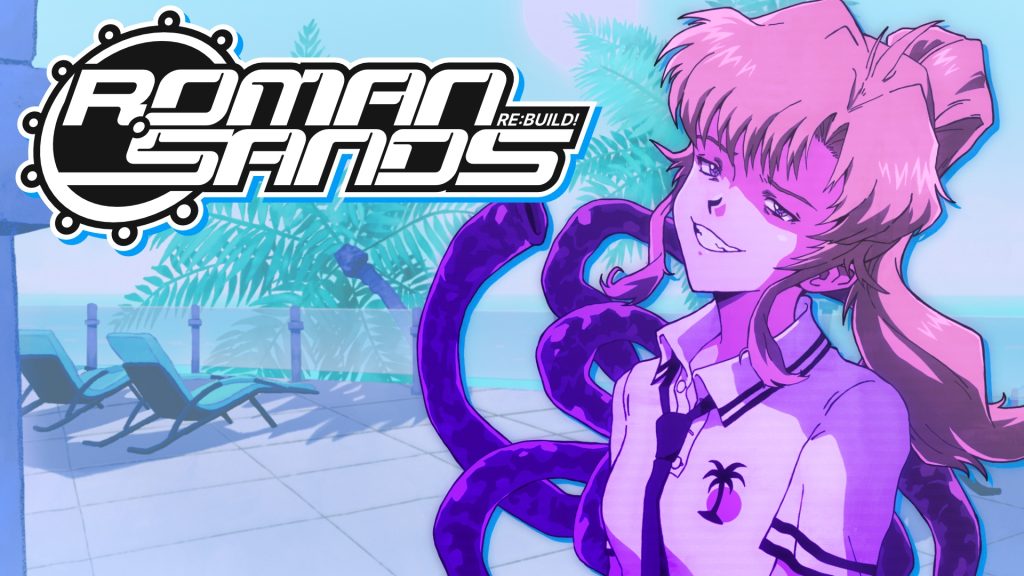
Surreal adventure Roman Sands RE:Build launches in September of this year on PC and consoles alongside the expanded Paratopic: Overdub.
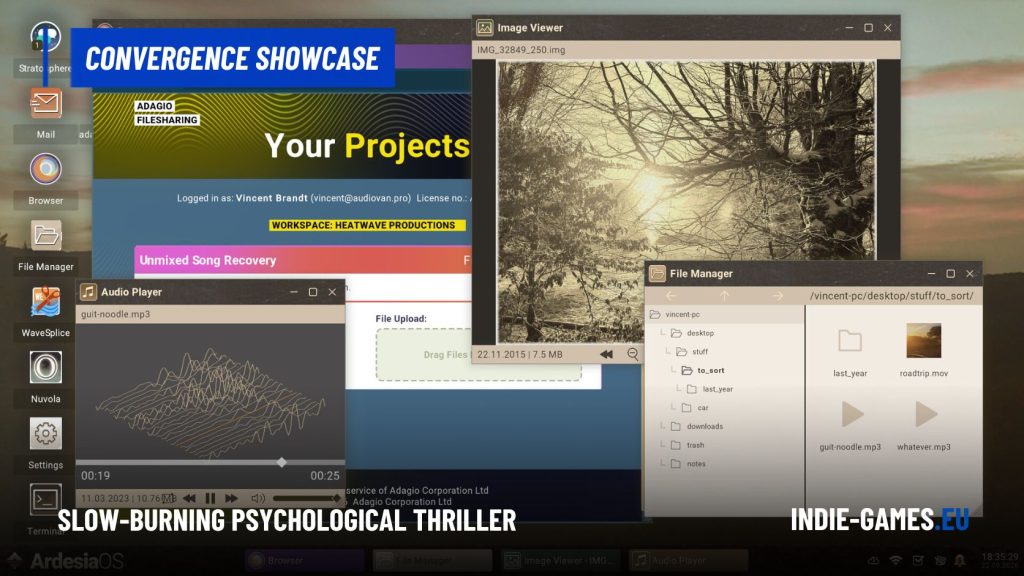
German indie studio Cobalt Lane has released a new trailer and Steam demo for Imprinted, a slow-burning psychological thriller.
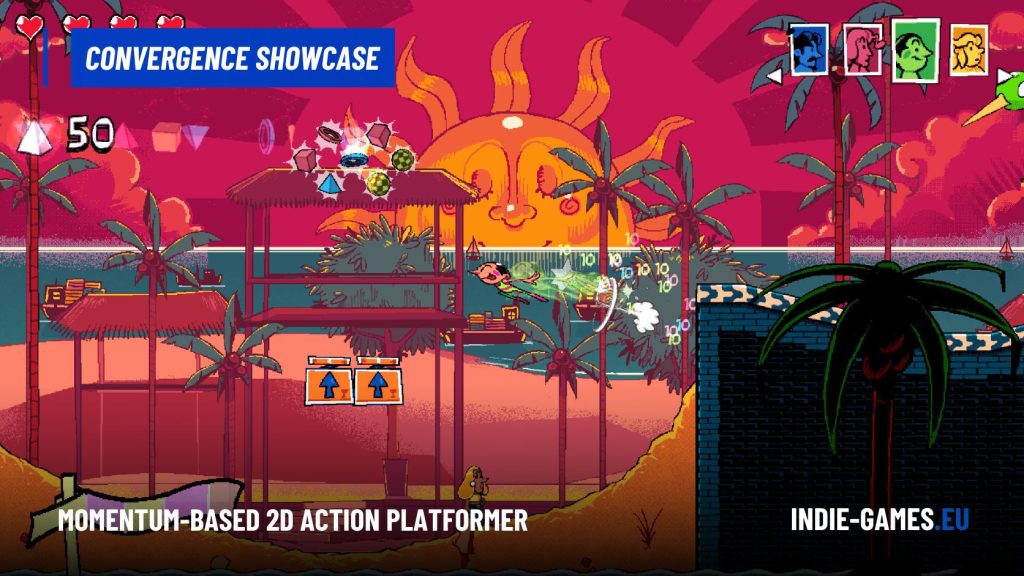
IndieArk and developer PVic Games have announced that momentum-based 2D action platformer ARTIUS: Pure Imagination will launch for PC via…
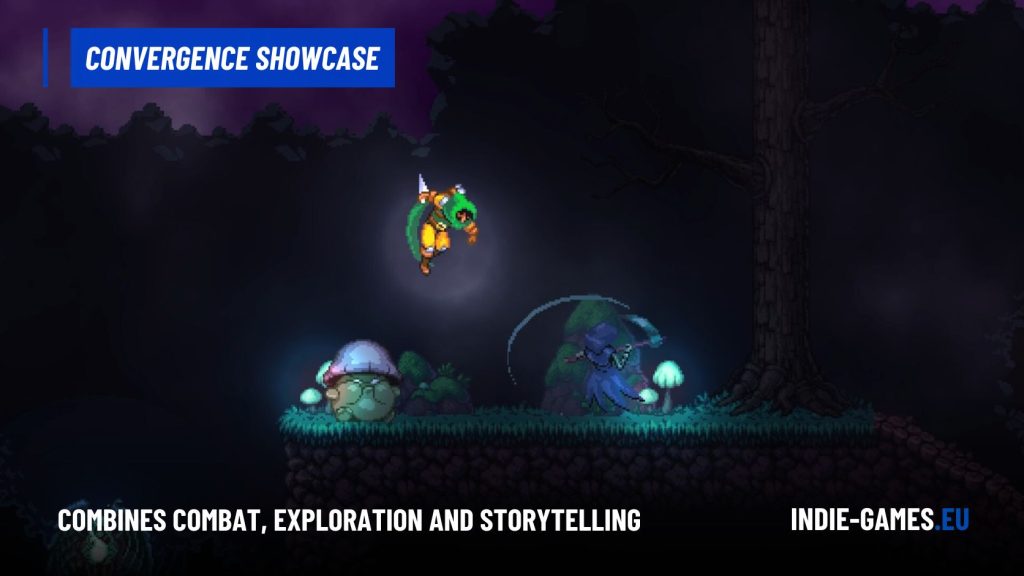
Decemberborn Interactive has released a new gameplay trailer for Cathedral: Crow’s Curse, an action-adventure prequel set in the world of…
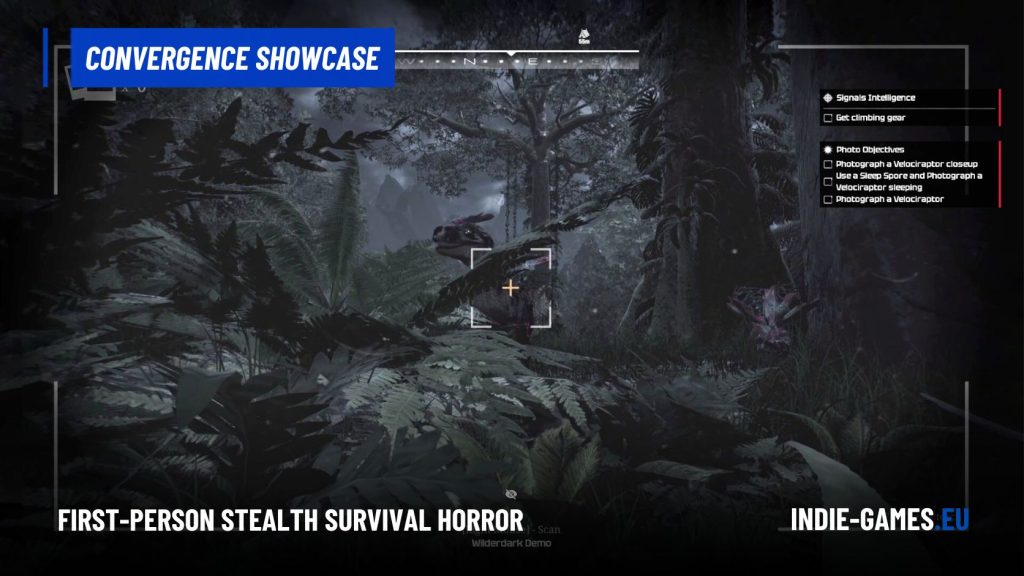
Wilderdark begins with the player crash-landing on an unnatural island overrun by hostile wildlife.
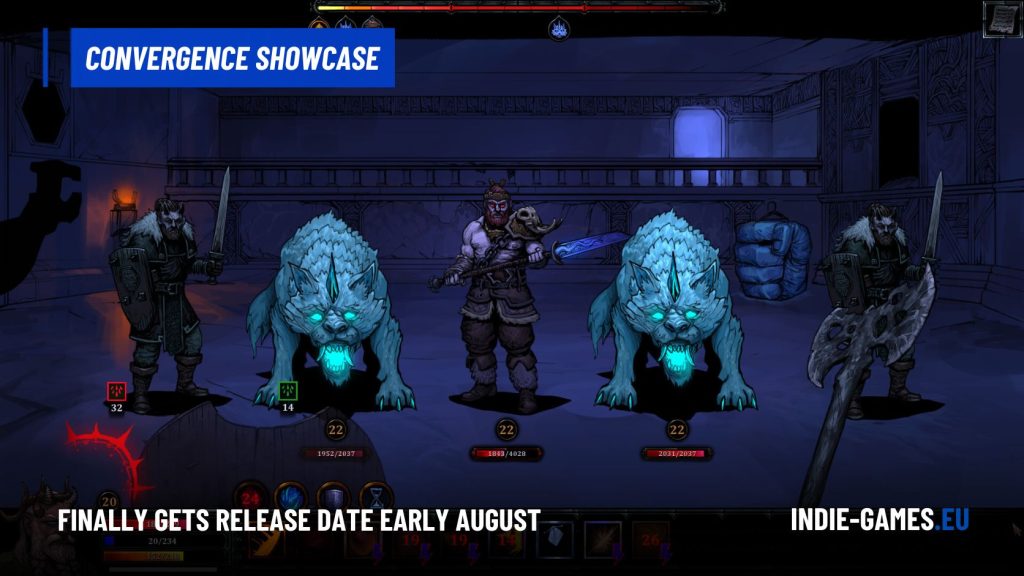
Independent French developer Ars Goetia and publisher Dear Villagers have announced that HellSlave II: Judgment of the Archon will launch…
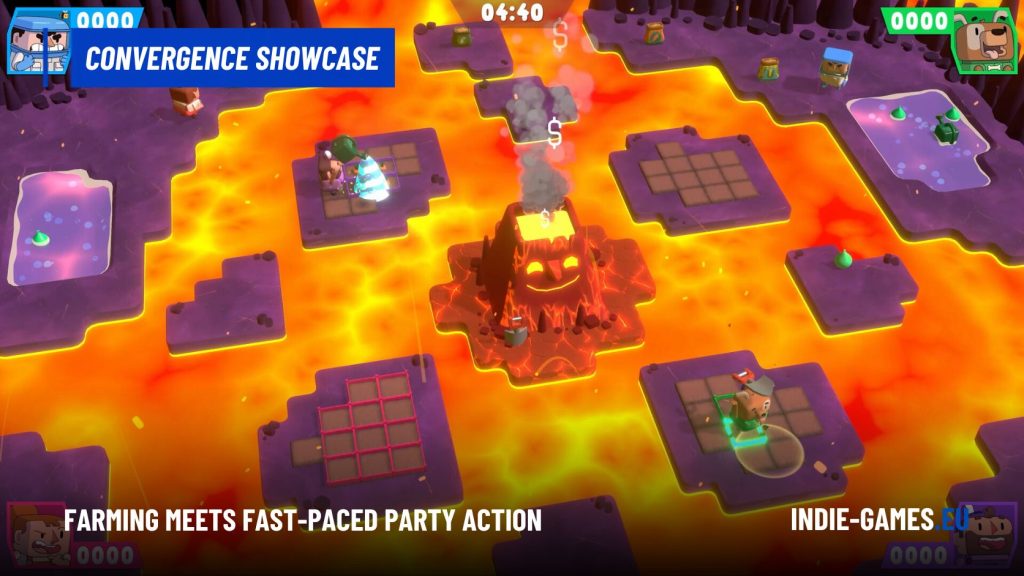
We got a new look at Planted! during the Convergence Showcase, where a brand-new Volcano level was revealed for the…
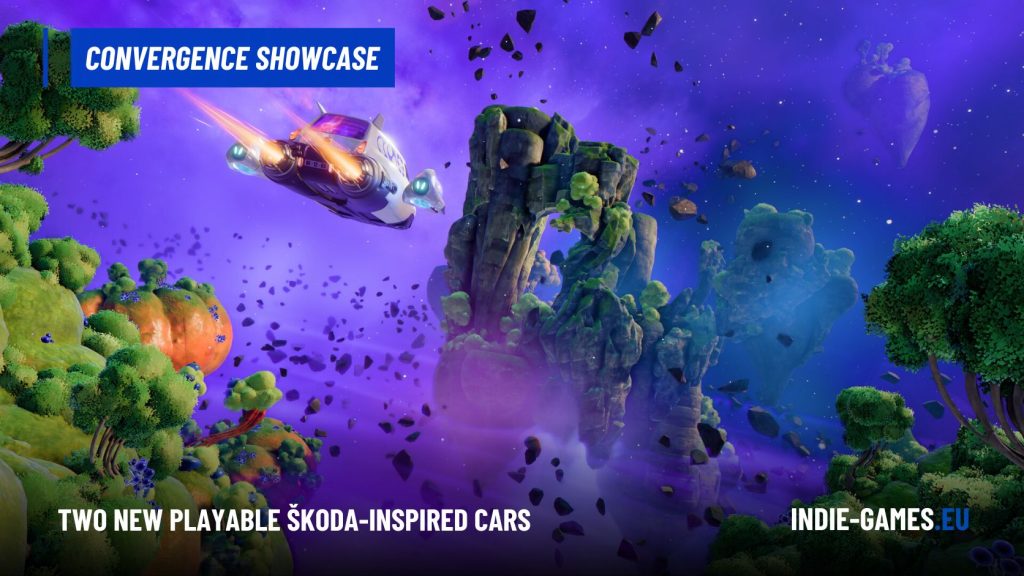
Bohemia Interactive has shared a brand-new look at Cosmo Tales during the Convergence Showcase, revealing two additional playable vehicles.
