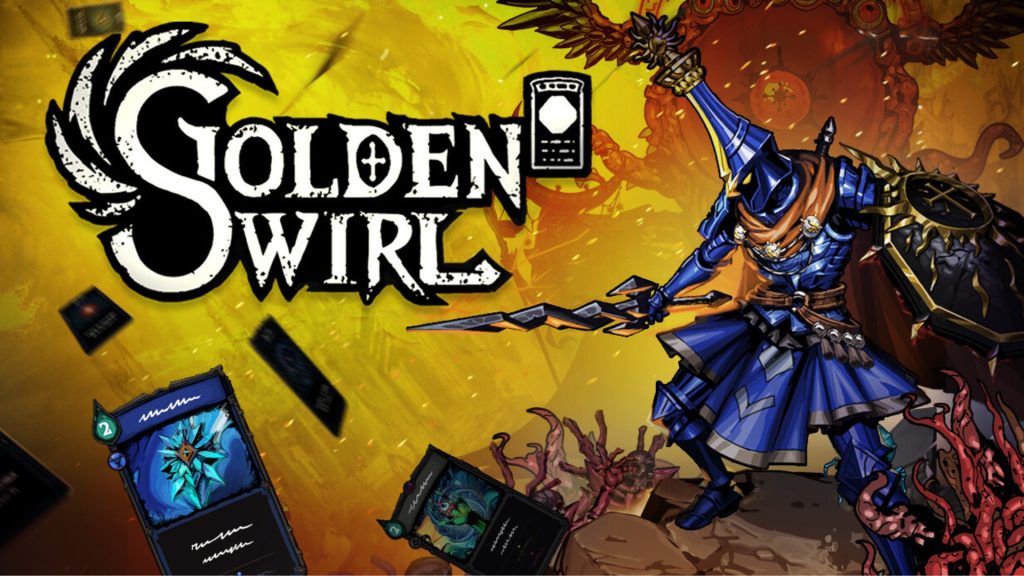
Golden Swirl – Brilliant Deckbuilding Buried Under Endless Dialogue
Golden Swirl inventive card combat carries the experience, but repetitive rooms, weak upgrades and excessive dialogue hold it back.

![[PREVIEW] Planet of Lana II – Brought Me Back to a World I Never Wanted to Leave](https://www.indie-games.eu/wp-content/uploads/2026/02/PLanet-of-lana-II-scaled.jpg)
If you enjoy independent indie game coverage, consider supporting Indie-Games.eu on Patreon. It helps keep the site independent.
Planet of Lana II: Children of the Leaf was a delightful surprise for me during this Steam Next Fest, especially since I adored the first game. The original was such a unique gem, its art style was stunning, the music was cinematic and emotionally rich, and the game just exuded charm and personality. While the puzzles in the first game were simple, they kept evolving over time, keeping that sense of wonder. It wasn’t a perfect 10, but it was truly special.
Now, with the sequel on the horizon, I’m diving back into the familiar platforming formula that made the first game so memorable. And this time, it’s clear they’re aiming much bigger. The developers have promised a larger world, deeper storytelling, and more mechanically intricate puzzles. What’s really exciting is how they’re expanding the companion dynamic, giving you a much more fleshed-out partner for this journey.
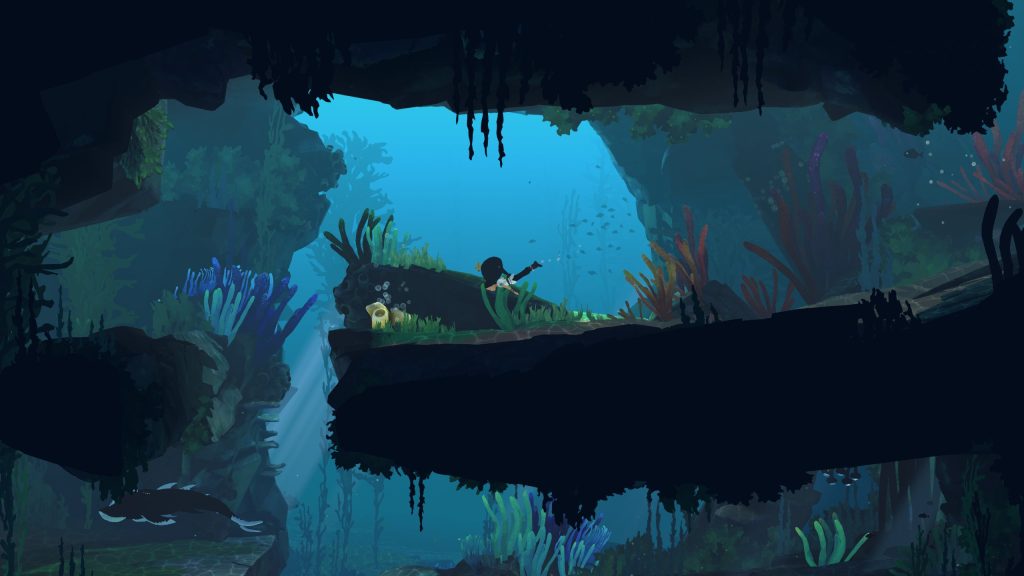
I can definitely say that Planet of Lana 2 has hooked me instantly. Once again, the story follows Lana and Mui, but this time the stakes are so much bigger. The conflict isn’t just about machines invading, it’s now about the planet Novo fracturing from within. Different tribes are manipulated, ecosystems are destabilizing, so now the threat is both ecological and political, not just technological. The tone is noticeably darker – less a fairytale, more a myth. We even see Lana now with her own kids, which I’m eager to see woven into the narrative.
In the demo, we’re treated to different chapters, almost like a journey, starting from a simple tutorial and progressing up to chapter fiive. And what’s amazing is how the puzzles evolve. There’s a whole new suite of multi-step environmental puzzles. Mui’s interactions have expanded, now he can distract creatures, activate organic mechanisms, and even control other animals. There’s one section in the demo where we use a fish to distract a bigger fish, like an octopus spraying ink, letting us slip past and open a new path. Mui also has this special ability to control objects, turning them on or off, so there’s this whole new layer of creativity.
And yes, stealth is back, but now it’s far more dynamic and timed, more fluid as well. You hide from cameras, dodge enemies and you have to time your moves carefully. It keeps that classic side-scrolling feel, but now every step feels a bit more purpose-driven. The puzzles might be simple platforming at heart, but now they demand more creativity, whether you’re growing plants to cross gaps or timing jumps.
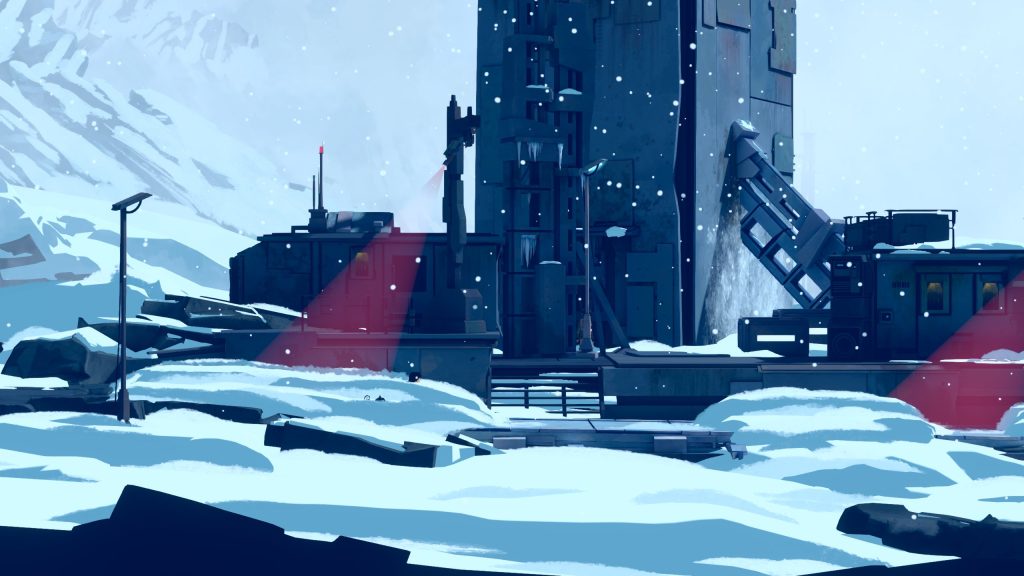
All of the flaws I had with the first game seem to be addressed in this sequel. Mui, for instance, now has so much more presence, he interacts with the environment more independently. While you still guide him, he really has a core role now, taking center stage in so many sequences. I was especially surprised by the chain puzzles since they’re so cleverly designed. In one of the later chapters, Lana, thanks to Mui’s help, actually controls a massive block. Mui activates a platform, the block drops, and then Lana uses her ability to shift this huge block, letting her jump on it and progress.
If you loved the first game, you’re going to fall for this one, too. The sequel bursts with color, the graphics are phenomenal, and the environmental storytelling is just as powerful as before. The same wordless vocalizations return, creating this intimate, crafted atmosphere. It feels like a natural evolution – familiar, but so much more expansive. I can’t wait to see how the story unfolds, this is firmly at the top of my list, and I’m counting down the days to the full release.
Golden Swirl inventive card combat carries the experience, but repetitive rooms, weak upgrades and excessive dialogue hold it back.
![[GAMESCOM 2026] Wilderdark Preview – Ambitious Dinosaur Horror Game That Still Has Plenty to Prove](https://www.indie-games.eu/wp-content/uploads/2026/09/Wilderdark-1024x576.jpg)
Dinosaur survival horror game Wilderdark has one of those premises that immediately makes you wonder why more games have not…
![[PREVIEW] Tiny Metal 2 – Strategy Game That Wants You to Learn From Every Mistake](https://www.indie-games.eu/wp-content/uploads/2026/09/Tiny-Metal-2-1024x576.jpg)
I rarely enjoy discovering that my opening strategy was completely wrong, but Tiny Metal 2 made that process one of…
![[PREVIEW] Remothered: Red Nun’s Legacy – Ambitious Survival Horror That Needs More Polish](https://www.indie-games.eu/wp-content/uploads/2026/09/Remothered-Red-Nuns-Legacy-4-1024x576.jpg)
Remothered: Red Nun’s Legacy has a gripping atmosphere and promising survival tools, but its repetitive hiding and rough visuals need…
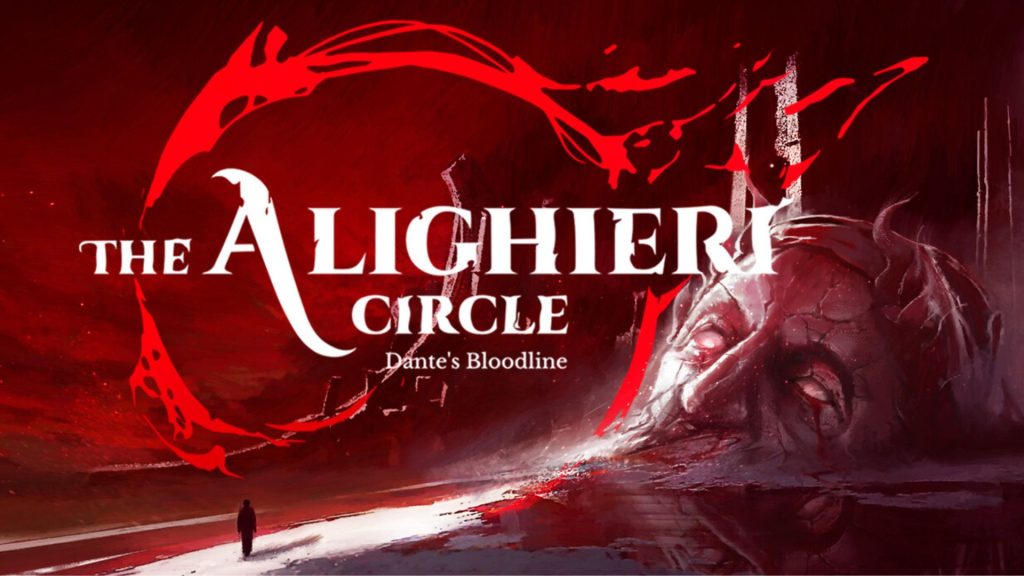
The Alighieri Circle: Dante’s Bloodline is difficult to recommend beyond players who are especially interested in Dante or enjoy solving…
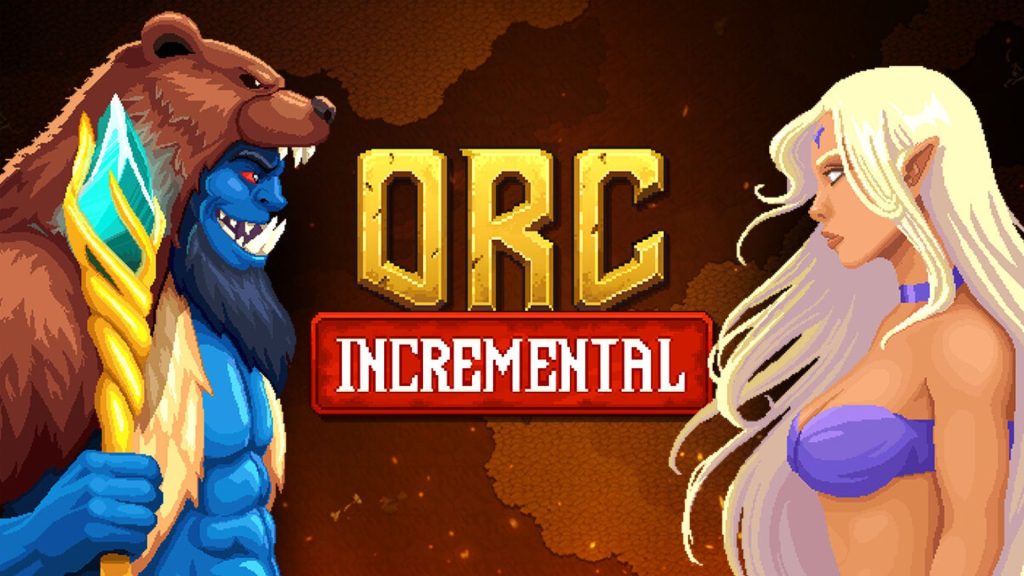
Orc Incremental offers satisfying progression, entertaining totem combinations and enough content to justify its affordable price.
![[GAMESCOM 2026] Chronoscript: The Endless End Preview – Beautiful Pages Hide Deliberate Combat](https://www.indie-games.eu/wp-content/uploads/2026/09/Chronoscript-The-Endless-End-1-1024x576.jpg)
Chronoscript: The Endless End stands out from other Metroidvanias by blending 2D manuscript worlds with exploration inside a 3D manor.
![[GAMESCOM 2026] MegaGum Preview – Combat Hits Hard in This Sticky Platforming Adventure](https://www.indie-games.eu/wp-content/uploads/2026/09/MegaGum-09-09-26-5-1024x576.jpg)
MegaGum combines hard-hitting combat, varied weapons and Gum-powered platforming in a promising Gamescom 2026 demo.
![[GAMESCOM 2026] Delphinium Preview – Cozy Routine Mixed With Enjoyable Minigames](https://www.indie-games.eu/wp-content/uploads/2026/03/Delphinium--1024x665.jpg)
Delphinium mixes cozy farming, exploration and relationships with enjoyable fishing, cooking and forging minigames in its Gamescom 2026 demo.
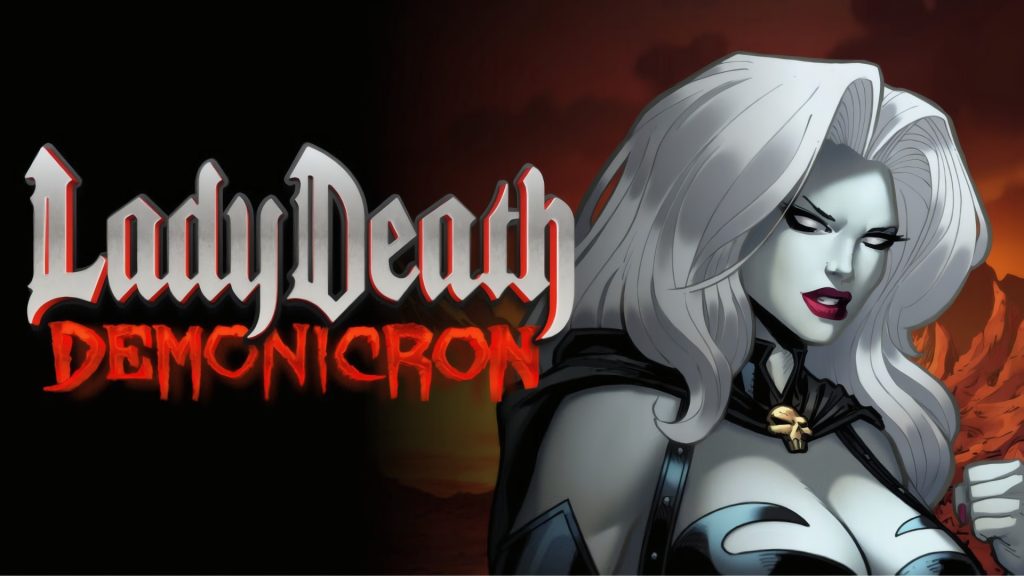
Lady Death: Demonicron looks the part, but underneath its excellent comic-book exterior is a clunky and painfully short brawler.
![[GAMESCOM 2026] Tomb Raider: Legacy of Atlantis Preview – Expands the Original Without Losing Its Identity](https://www.indie-games.eu/wp-content/uploads/2026/09/tomb-raider-legacy-of-atlantis-06-02-26-1-1024x576.jpg)
Tomb Raider: Legacy of Atlantis brings Lara back to her roots, but its Gamescom 2026 showing proved this is far…
![[GAMESCOM 2026] Clive Barker’s Hellraiser: Revival Preview – Ready to Open the Box](https://www.indie-games.eu/wp-content/uploads/2026/09/Clive-Barkers-Hellraiser-Revival-08-30-26-1-1024x576.jpg)
Hellraiser: Revival preserves the franchise’s sex, gore and psychological horror while delivering approachable survival-horror gameplay.

Swan Song creates a peaceful and forgiving puzzle space without removing the challenge that makes solving a difficult puzzle rewarding.
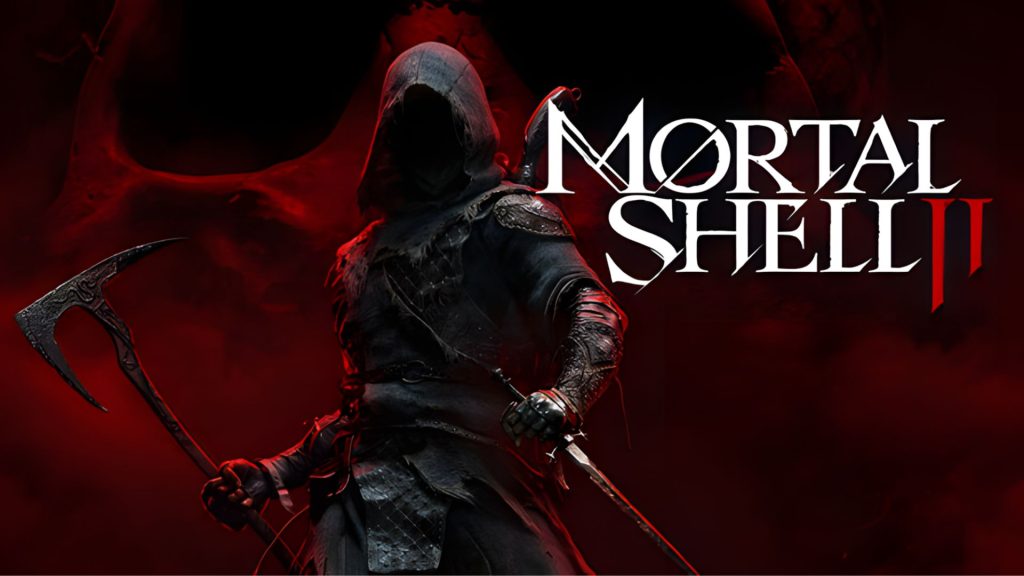
Mortal Shell II starts brilliantly but grows repetitive and exhausting, while remaining a rewarding and ambitious Soulslike sequel.
![[GAMESCOM 2026] Terranigma Preview – A Lost SNES Classic Returns in 2027](https://www.indie-games.eu/wp-content/uploads/2026/08/Terranigma-1-1024x576.jpg)
After more than three decades of limited availability, Terranigma is returning in 2027. We played its enhanced re-release at Gamescom…

Reading another person’s mind is often presented as a desirable superpower, but Sister Other Paranoia immediately understands why it could…
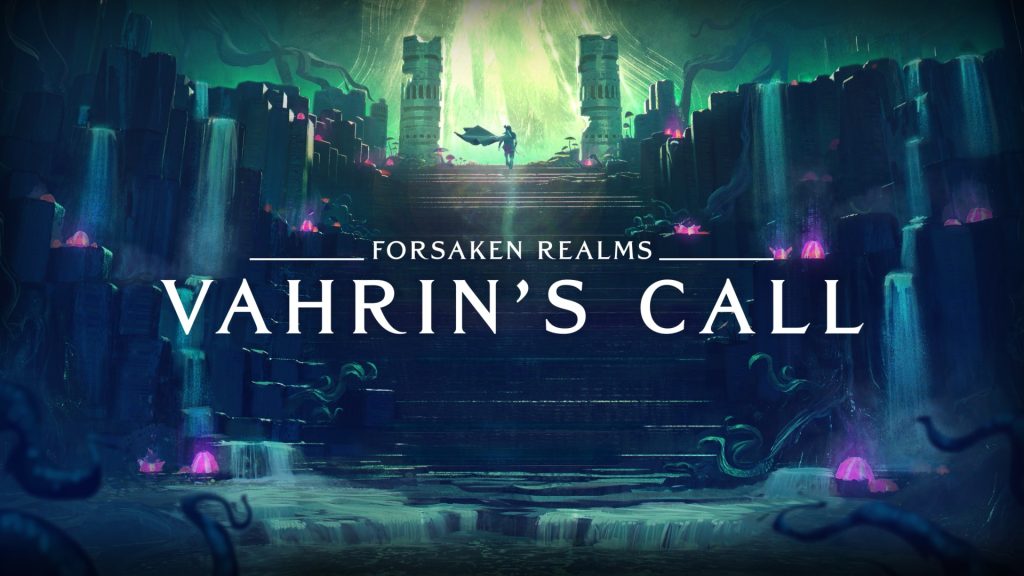
Forsaken Realms: Vahrin’s Call is exactly the kind of ambitious, slightly clumsy fantasy RPG that used to be far more…
![[Early Access] 2nd EVE – Sci-Fi Action RPG That Lacks a Sense of Stakes](https://www.indie-games.eu/wp-content/uploads/2026/08/2ND-EVE-1024x576.jpg)
2nd Eve is a space-set action RPG in which we strive to save humanity.
![[PREVIEW] Dreamcards – Strategic Exploration of Consciousness](https://www.indie-games.eu/wp-content/uploads/2026/08/Dreamcards_20260810_233631_0000-1024x576.jpg)
Dreamcards is a roguelike deckbuilder centered around dreams and nightmares.
![[Early Access] OFFBEAT – Incredibly Fun Way to Start a Music Career](https://www.indie-games.eu/wp-content/uploads/2026/08/Offbeat_20260808_201446_0000-1024x576.jpg)
In OFFBEAT, we play the role of a jobbing composer who is launching their music career.
