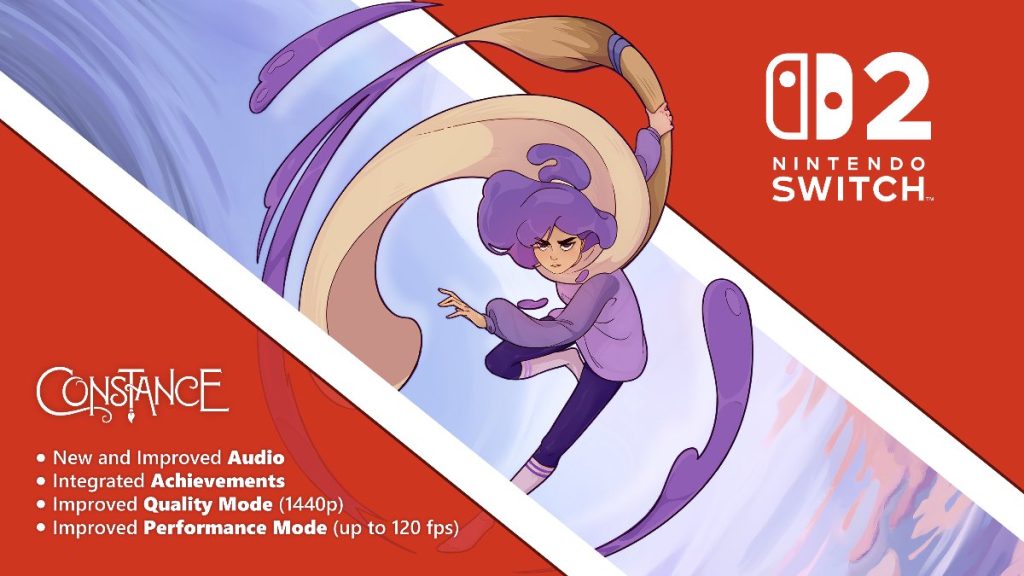
Constance Comes to Switch 2 With 120 FPS Support
The nonlinear world contains six biomes, each representing a different part of the protagonist’s psyche and history.


If you enjoy independent indie game coverage, consider supporting Indie-Games.eu on Patreon. It helps keep the site independent.
The legal battle between Nintendo and Pocketpair, the developer of the popular game Palworld, is ongoing, and the latest information about Pocketpair’s defense comes from the portal GamesFray, which specializes in legal topics in the gaming industry. Details presented to the Tokyo District Court reveal a strategy by which Pocketpair is challenging Nintendo’s accusations of patent infringement, which could have far-reaching consequences for the gaming industry.
Pocketpair claims that the patents cited by Nintendo are not original because similar mechanics are already in use in a host of other games and technologies, which in legal terms is called “prior art.” Their argument is that Nintendo should not have been granted those patents at all because the mentioned mechanics were already in use. As evidence, Pocketpair cites an impressive list of games, including their own title Craftopia (2021), ARK: Survival Evolved (2017), Rune Factory 5, and even Nintendo’s The Legend of Zelda. In addition, the defense includes mods like Pixelmon for Minecraft and Nukamon for Fallout 4.
Among the cited titles are Pokémon Legends: Arceus, Pokémon Sword and Shield, Final Fantasy XIV, Tomb Raider, Far Cry 5, Pikmin 3 Deluxe, Titanfall 2, Octopath Traveler, Monster Hunter 4G/Ultimate, and many others. Pocketpair points out that games like Rune Factory 5, Titanfall 2, and Pikmin 3 Deluxe demonstrate mechanics for throwing items or releasing characters, while Pocket Souls, Octopath Traveler, and Final Fantasy XIV demonstrate systems for targeting and assessing capture chances. Besides games, the Unity game engine is also cited as evidence.
According to Pocketpair, the combination of elements from these games proves that Nintendo’s patents are neither unique nor innovative, which is a key requirement for patent validity under Japanese law. This strategy sheds new light on the issue of patents in the gaming industry and could fuel discussions about the extent to which common mechanics can be protected. The Tokyo court has yet to make a ruling, but Pocketpair’s detailed defense shows they are prepared for a fight.
The nonlinear world contains six biomes, each representing a different part of the protagonist’s psyche and history.
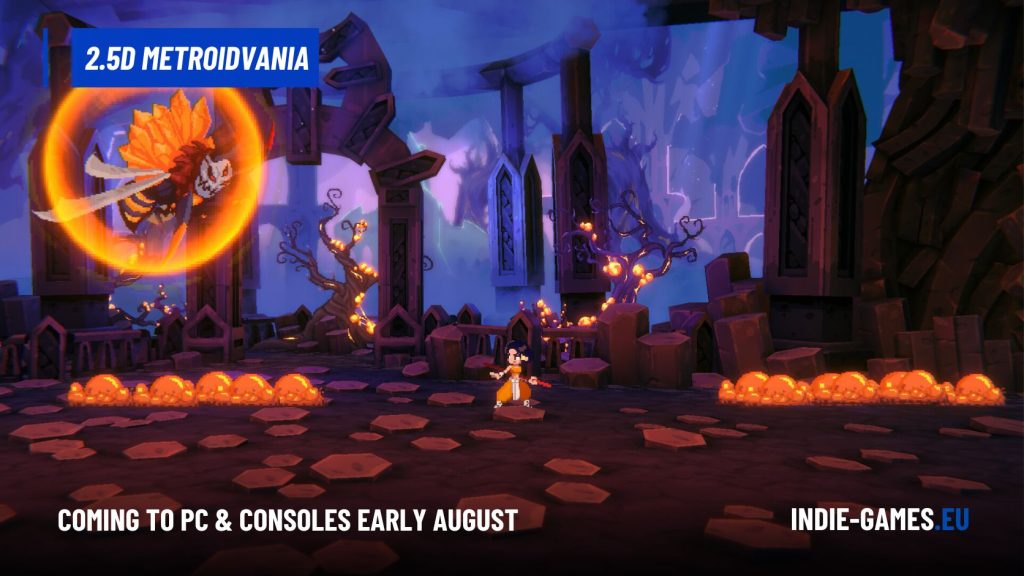
Akatori launches early August on PC and PlayStation and Xbox, featuring 2.5D Metroidvania action, parkour and staff-based combat.

Dodo Duckie! launches on PC and Xbox today, with PS5 and Switch versions arriving later in 2026, featuring unique 2D…
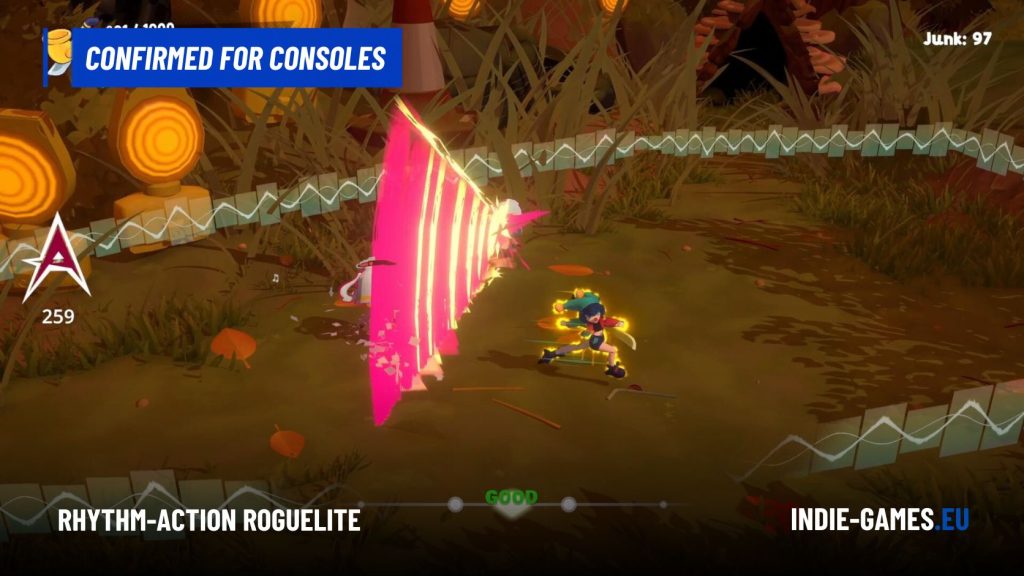
Alpha Nomos launches on PlayStation 5, Xbox Series and PC in 2026, featuring rhythm-based roguelite combat, live-recorded weapons and a…
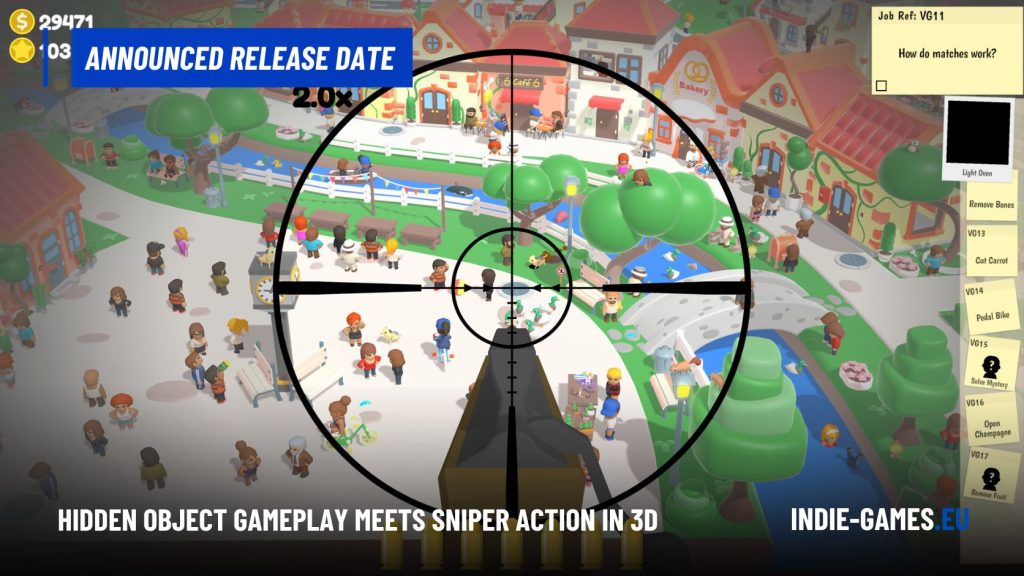
Sniper Dan launches in September for PlayStation 5, Xbox, Switch and PC, blending hidden object gameplay, puzzles and family-friendly sniper…
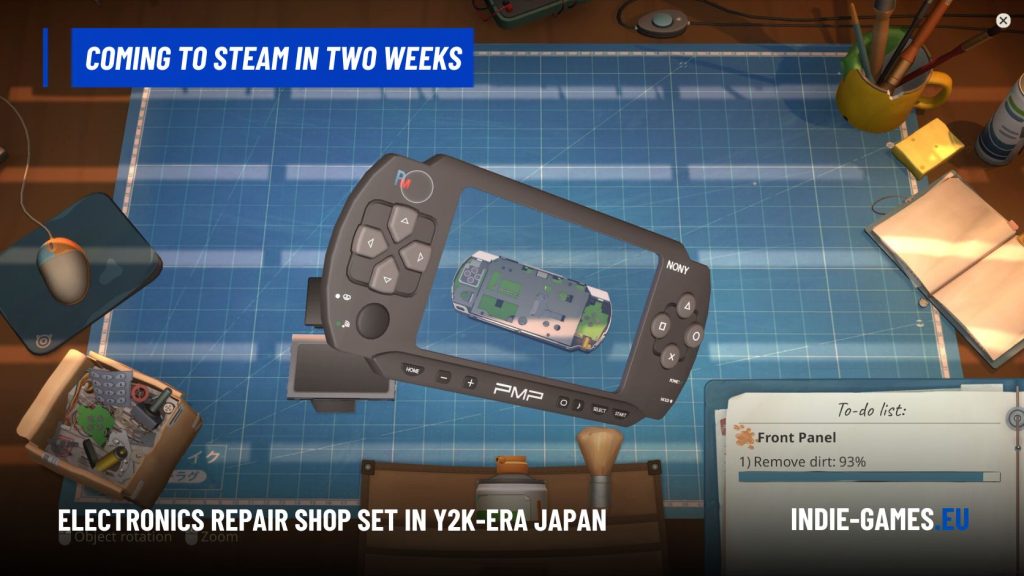
In ReStory, you will repair a wide range of early-2000s technology, including mobile phones, handheld gaming systems, digital pets, music…
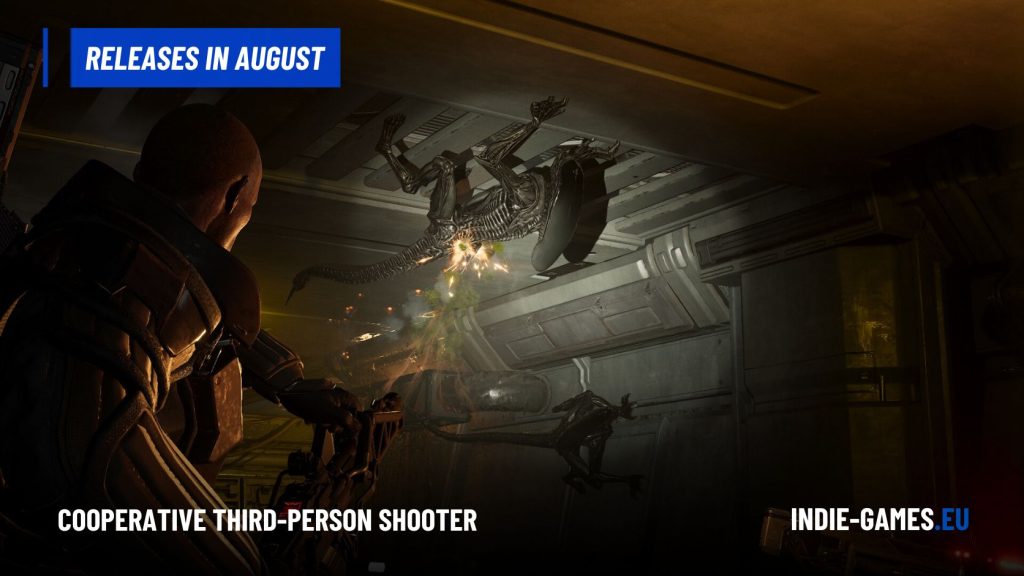
Aliens: Fireteam Elite 2 expands its fireteams to four players, who take control of Colonial Marines deployed across hostile locations…
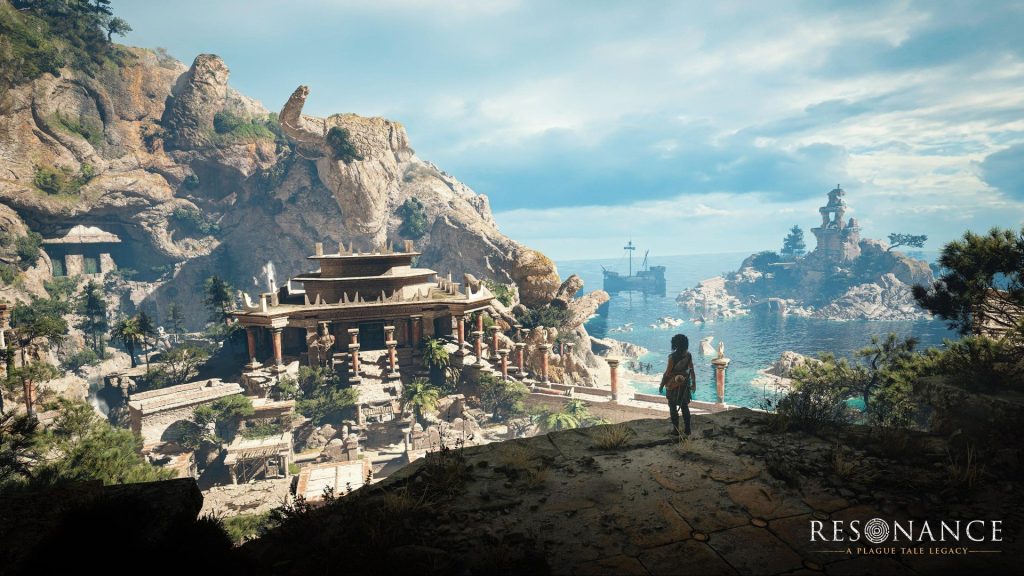
Asobo Studio has released a short scenic clip for Resonance: A Plague Tale Legacy, showcasing its Mediterranean-inspired locations.
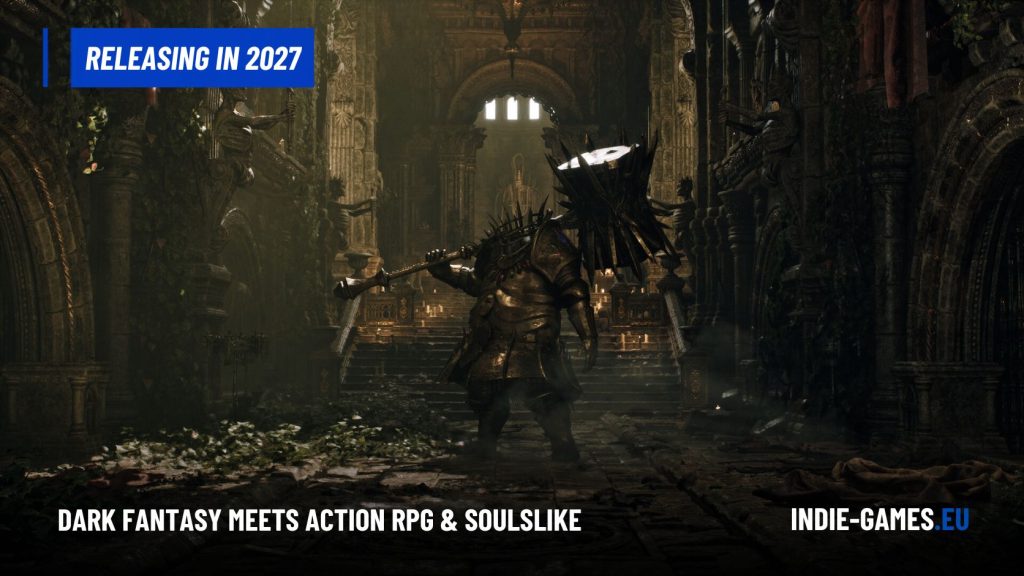
Turkish solo developer Celal Sahin has announced Godless Dawn, a dark fantasy action RPG targeting a Q1 2027 release on…
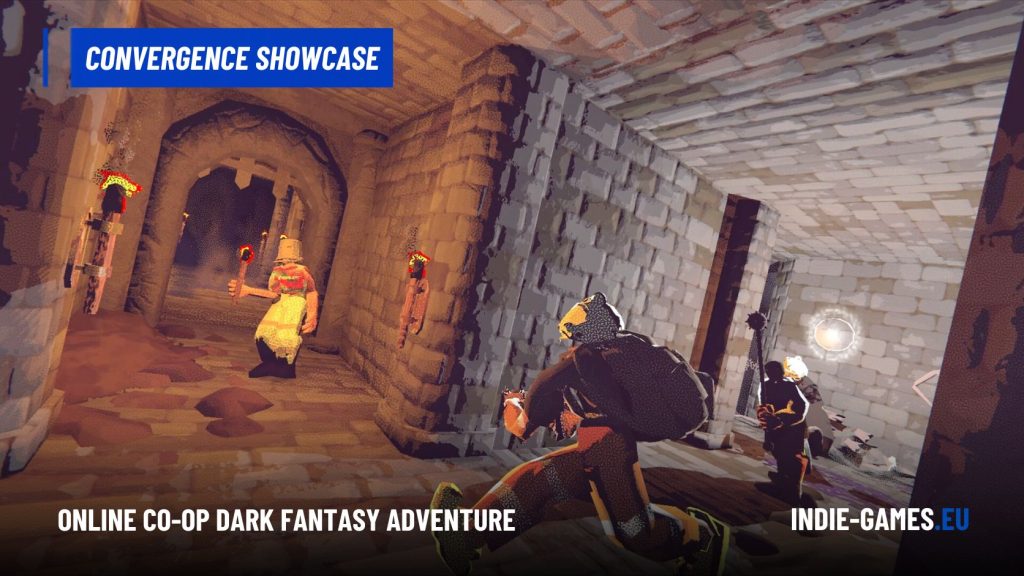
Vision Quench, an online co-op dark fantasy adventure from developer WizMUD Games and Pocketpair Publishing, is targeting an early 2027…
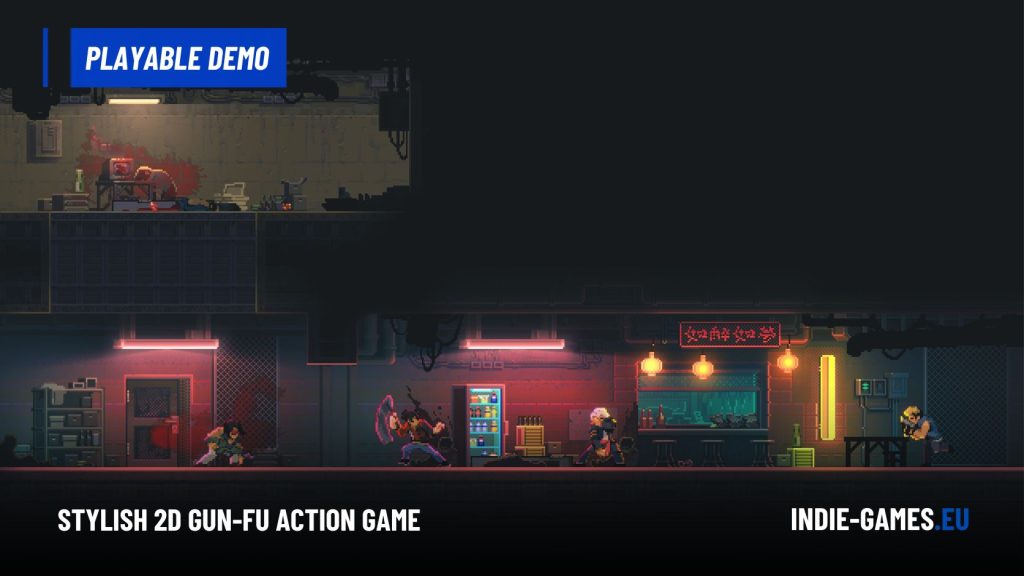
Named “The Bud Trial,” the playable preview offers an early look at the game ahead of its planned PC release…
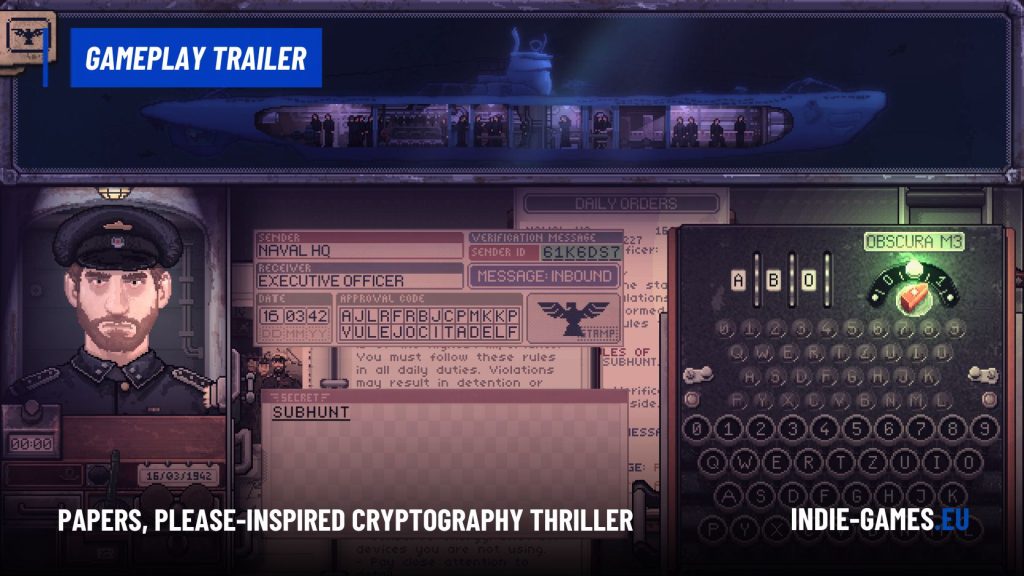
Serbian independent studio Retromagine has revealed False Echo, a narrative cryptography thriller inspired by Papers, Please and classic submarine dramas.

Surreal adventure Roman Sands RE:Build launches in September of this year on PC and consoles alongside the expanded Paratopic: Overdub.
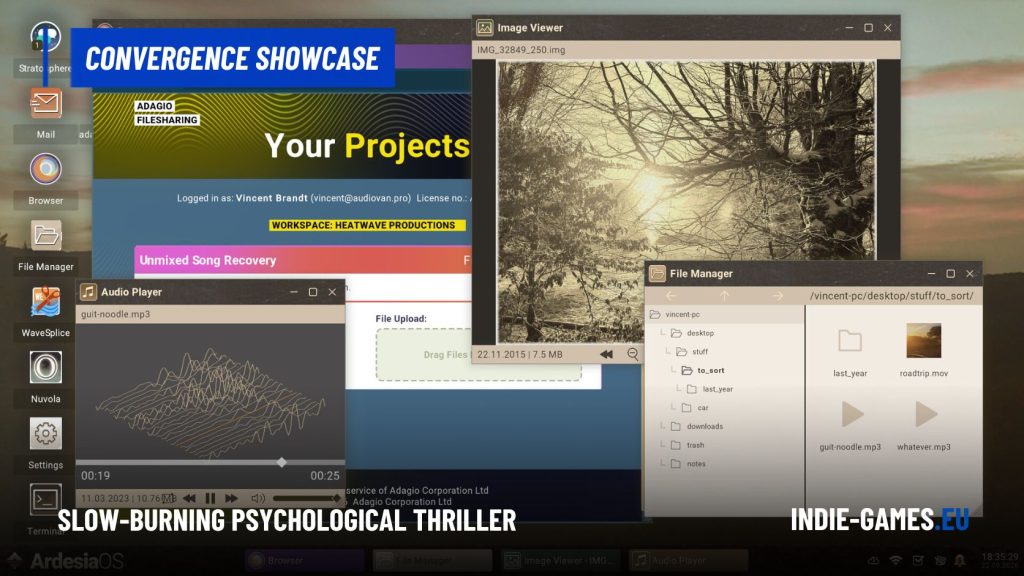
German indie studio Cobalt Lane has released a new trailer and Steam demo for Imprinted, a slow-burning psychological thriller.
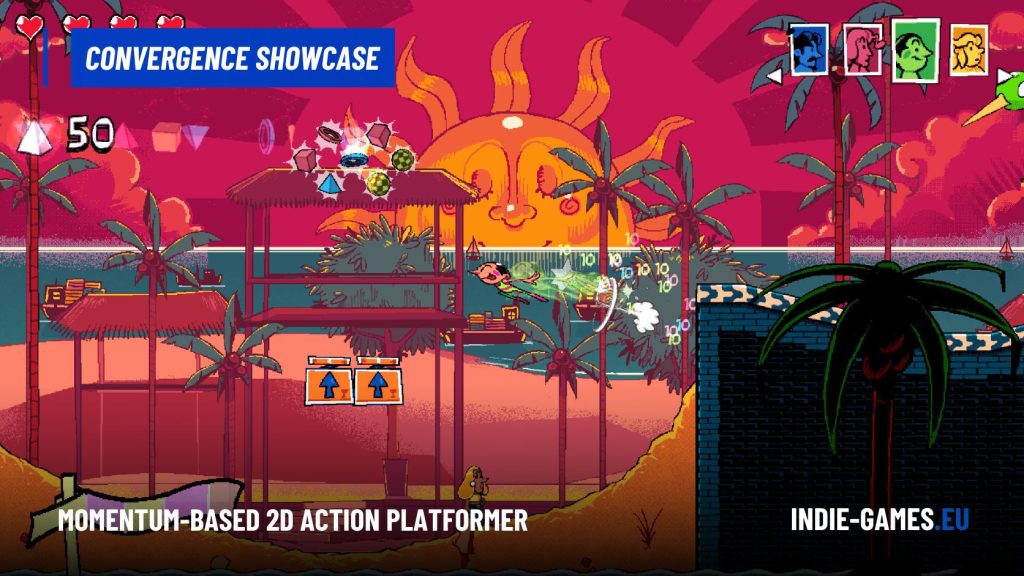
IndieArk and developer PVic Games have announced that momentum-based 2D action platformer ARTIUS: Pure Imagination will launch for PC via…
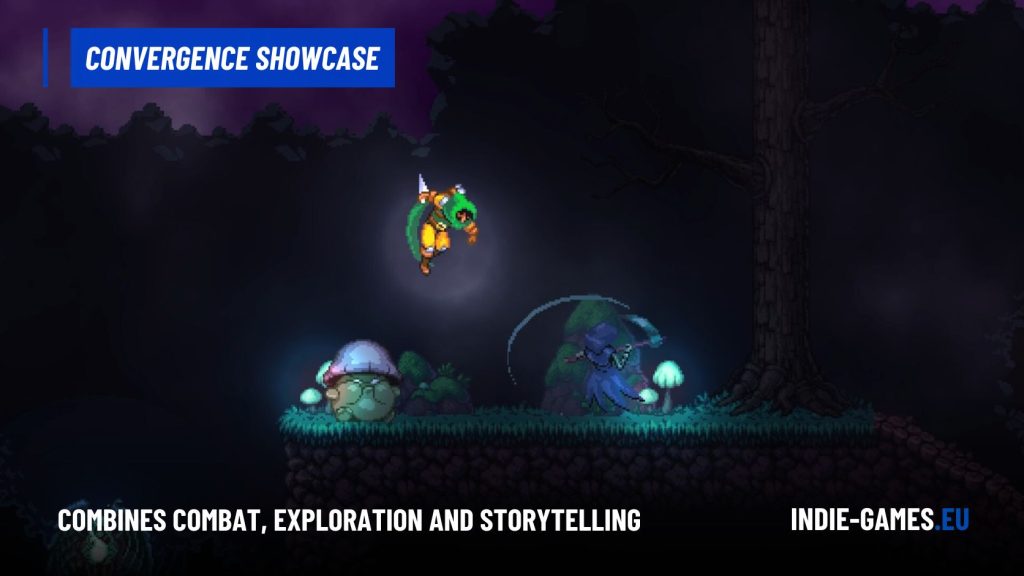
Decemberborn Interactive has released a new gameplay trailer for Cathedral: Crow’s Curse, an action-adventure prequel set in the world of…
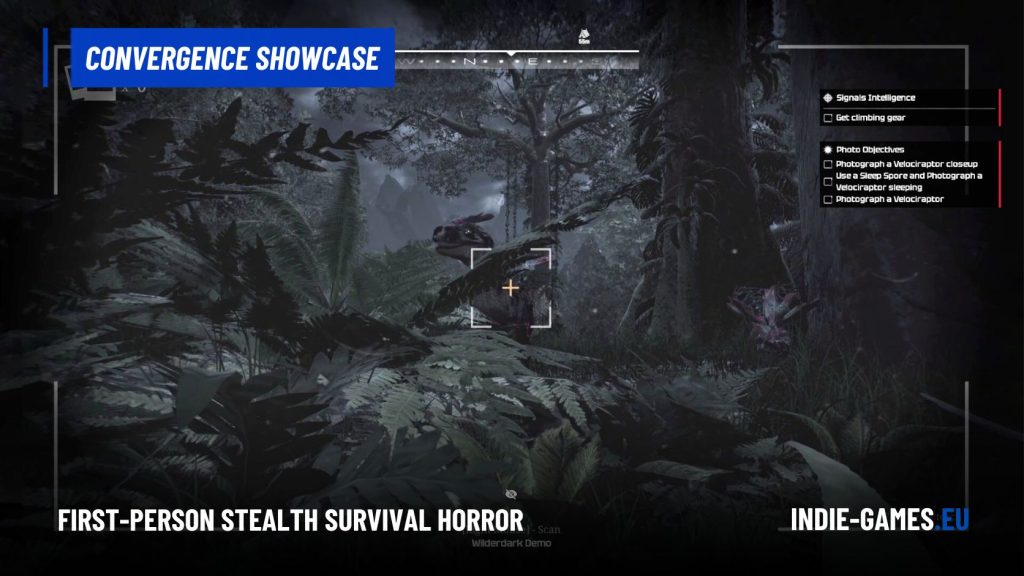
Wilderdark begins with the player crash-landing on an unnatural island overrun by hostile wildlife.
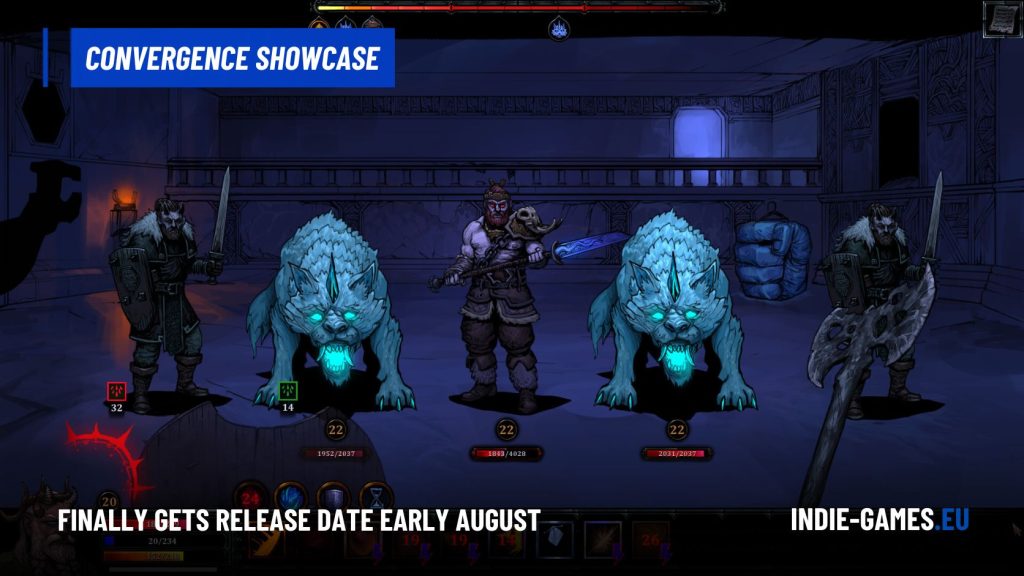
Independent French developer Ars Goetia and publisher Dear Villagers have announced that HellSlave II: Judgment of the Archon will launch…

We got a new look at Planted! during the Convergence Showcase, where a brand-new Volcano level was revealed for the…

Bohemia Interactive has shared a brand-new look at Cosmo Tales during the Convergence Showcase, revealing two additional playable vehicles.
