
Duskfade – The PS2 Era Returns With All Its Strengths and Weaknesses
Duskfade is worth considering for players who miss colourful PS2-style action-platformers and can tolerate basic combat, floaty movement and backtracking.

If you enjoy independent indie game coverage, consider supporting Indie-Games.eu on Patreon. It helps keep the site independent.
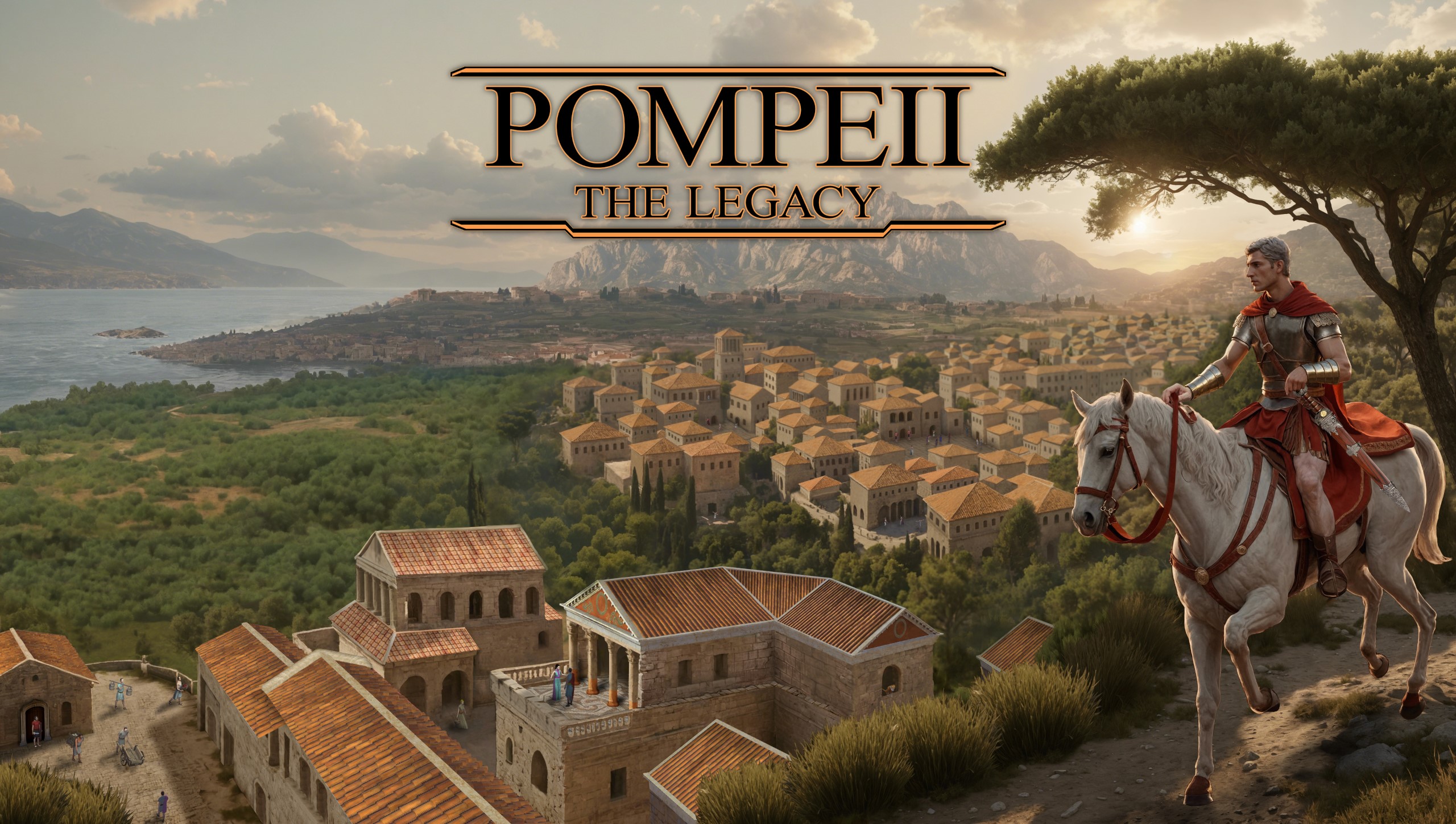
Ever wonder what it would be like to rebuild the famous city of Pompeii after its destruction by Mount Vesuvius? You can do exactly that in Pompeii: The Legacy, a city-builder title that fans of the genre will absolutely love. While it’s releasing in Early Access and might have some balancing issues and bugs now and there, it is a worthy and fun contender among recent Roman city-builders.
The first thing you do when you start the game is choose your game mode. Campaign mode functions like a tutorial, Sandbox mode gives you the campaign story but with more freedom, and Free Roam mode lets you build and construct as you please. After that, you create your dynasty emblem and choose a family to play as. Each family offers different bonuses, such as more gold or better farms. Once you’re done customizing, it’s time to have fun.
“What the game does exceptionally well is its progression system.”
In the early game, you’ll focus on building your city’s foundation. A great feature is the freedom to settle anywhere on the massive map, which offers a lot of replayability. You can choose to nestle closer to a mountain or down by a river, with each starting location providing different options. Pompeii: The Legacy is a typical city-builder, where you’ll construct houses, manage food, develop technology, and even build armies (though limited in Early Access). However, what the game does exceptionally well is its progression system. Once you’ve streamlined the early stages and built the trading port, the complexity increases significantly.
The game offers a good mix of micromanagement and macromanagement, with resources ranging from basic materials like iron and clay to luxury goods like cakes and medicine. Production chains require multiple buildings, but the game never overwhelms you. In fact, the technology system is one of the easiest to understand in the genre, allowing you to improve your city procedurally over time. The only complexity comes from managing two separate tech trees: one for production and one for society.

It’s been a while since I’ve seen a game with so many building options. There are things for storage, like warehouses, entertainment buildings like an odeum and fighting arenas, and even a lot of decorative options you can switch between. The UI can be overwhelming at first, but there’s a hidden option to see all the details, from production lines to your family members. This gives you the option to see which buildings need upgrades, what production looks like, and what your usage and quantity are. All of this while juggling your finances and your citizens’ happiness, which gets more demanding the more you progress.
Trading is by far the most important thing in the game, since it’s the main way to earn money and acquire resources you can’t produce yourself. The map is huge, spanning the entire Mediterranean Sea. However, you’ll start small with only a few trading options, and as your city grows, more cities will be unlocked for trade. Another important system is health, which allows you to build things like barber shops and healer houses. Then there’s the water system. At first, you’ll only have a well, but later you can construct famous aqueducts to get fountains working and provide clean water throughout your city.
“The UI can be overwhelming at first, but there’s a hidden option to see all the details.”
This is what you’ll be doing in the mid-game. Once you reach the late-game your city will look enormous. You’ll be building bridges to expand across the land and upgrading shelters, insulas, and domuses for your citizens. The game has a ranking system, ranging from slaves to normal people and then the rich. Let’s just say you’ll be spending many hours understanding how everything functions and plays.

Here’s what I really like about the game: it doesn’t nitpick you with excessive micromanagement. You don’t have to worry about a mushroom yield getting lower or a stone quarry disappearing. Instead, this game uses a simple input/output system. Once buildings are placed, they stay there, and the more you upgrade them, the higher their output becomes.
“The game has the perfect amount of humor, which is never cringey or excessive.”
My favorite thing is also the freedom to scatter your production lines across the entire city. You don’t have to stick to one location, although certain buildings work great together and give bonuses to each other, such as the sawmill and forester. Since you’ll also be building different roads, transportation can be made significantly faster. In general, Pompeii has a really great balance for streamlining your production rates. If you need more bread, just build another bakery. If you need more pots, build another pot workshop.
The game also includes religious buildings, with various temples that provide different bonuses. Furthermore, there’s an education system, the ability to enact laws as a governor, and many more things you’ll discover as you play. But, how historically accurate is the game? I had the chance to interview developer Željko Kos, and he told me himself he took great care to make everything look authentic. From the building animations to the way people dress, there’s a strong dose of historical accuracy here.

Since the game is still in Early Access, a lot of content is missing. For instance, the military system is not fully functional, so your armies don’t have a proper use yet. You also can’t interact with other cities or do things with your family, like proposing marriage or making allies. The game also tells you what features are not yet available. In addition, it still needs a lot of balancing in terms of production rates to make everything easier to manage.
Additionally, I really wish the game had more events. In Campaign mode, for example, you see ash from the volcano, which harms your farming production. The game also lacks a lot of interactivity beyond just building and expanding. You can destroy and collect things from the previous city’s ruins, but this feature is quite minimal. Overall, you can expect to spend at least 10–15 hours on it before you feel like you’ve seen everything.
In the end, Pompeii: The Legacy was a really fun experience. You can see a lot of effort and love has been put into it, and it’s genuinely a well-structured city-builder. Once you get the hang of it and start playing, you won’t be able to put it down, at least, that’s what happened to me. I think this is due to the sheer amount of content already in the game, a progression system that is neither too fast nor too slow, and the fact that you’re able to control what and how you do things. This game is perfect for newcomers to the city-builder genre, but also for veterans who will find a lot of interesting ideas.
| Pros | Cons |
|---|---|
| Mix of micromanagement and macromanagement. | Missing content. |
| Progressive and well-structured. | Limited interactivity. |
| Extensive building options. | Needs balancing. |
| Freedom in city design. |
Review copy provided by the publisher
Duskfade is worth considering for players who miss colourful PS2-style action-platformers and can tolerate basic combat, floaty movement and backtracking.

Man I Just Wanna Go Home is a noir crime story with visuals from MS Paint and life-or-death choices.
![[GAMESCOM 2026] Vikings Dynasty Preview – Expands the Dynasty Formula](https://www.indie-games.eu/wp-content/uploads/2026/09/Viking-Dynasty-09-21-26-2-1024x576.jpg)
After showing me Prospera at Gamescom 2026, Toplitz Productions' Mathias Oertel moved to a very different kind of settlement builder.…
![[GAMESCOM 2026] Prospera Preview – Production, Prosperity and Victorian Industry](https://www.indie-games.eu/wp-content/uploads/2026/09/Prospera-09-21-26-5-1024x576.jpg)
At Gamescom 2026, I met with Toplitz Productions' Mathias Oertel for a guided presentation of two upcoming games. One of…
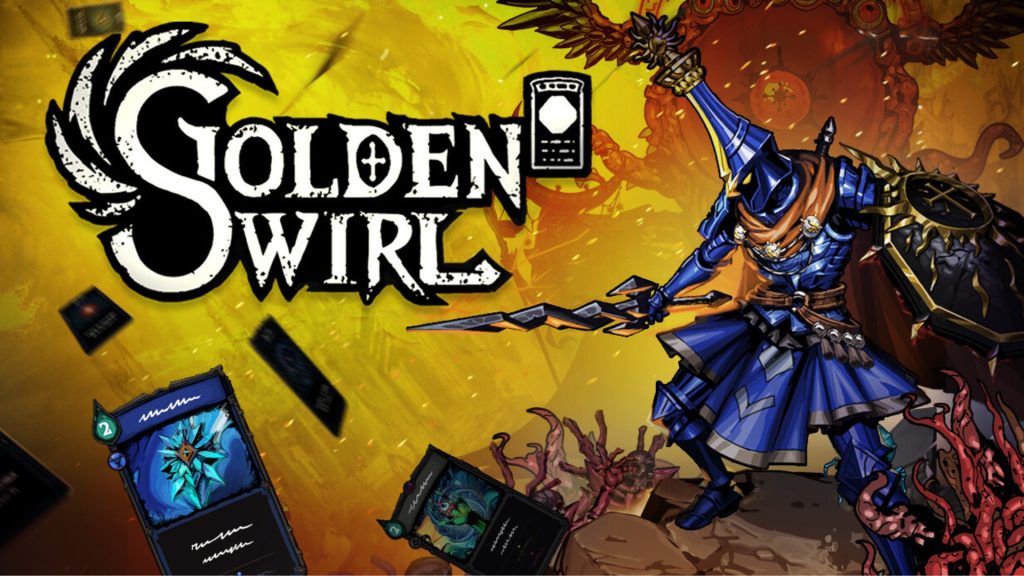
Golden Swirl inventive card combat carries the experience, but repetitive rooms, weak upgrades and excessive dialogue hold it back.
![[GAMESCOM 2026] Wilderdark Preview – Ambitious Dinosaur Horror Game That Still Has Plenty to Prove](https://www.indie-games.eu/wp-content/uploads/2026/09/Wilderdark-1024x576.jpg)
Dinosaur survival horror game Wilderdark has one of those premises that immediately makes you wonder why more games have not…
![[PREVIEW] Tiny Metal 2 – Strategy Game That Wants You to Learn From Every Mistake](https://www.indie-games.eu/wp-content/uploads/2026/09/Tiny-Metal-2-1024x576.jpg)
I rarely enjoy discovering that my opening strategy was completely wrong, but Tiny Metal 2 made that process one of…
![[PREVIEW] Remothered: Red Nun’s Legacy – Ambitious Survival Horror That Needs More Polish](https://www.indie-games.eu/wp-content/uploads/2026/09/Remothered-Red-Nuns-Legacy-4-1024x576.jpg)
Remothered: Red Nun’s Legacy has a gripping atmosphere and promising survival tools, but its repetitive hiding and rough visuals need…
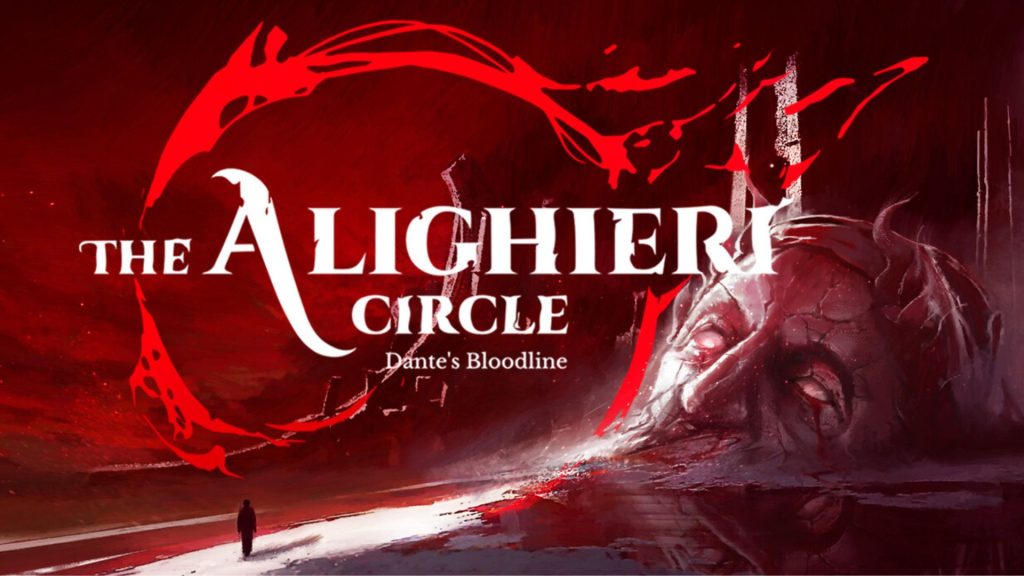
The Alighieri Circle: Dante’s Bloodline is difficult to recommend beyond players who are especially interested in Dante or enjoy solving…
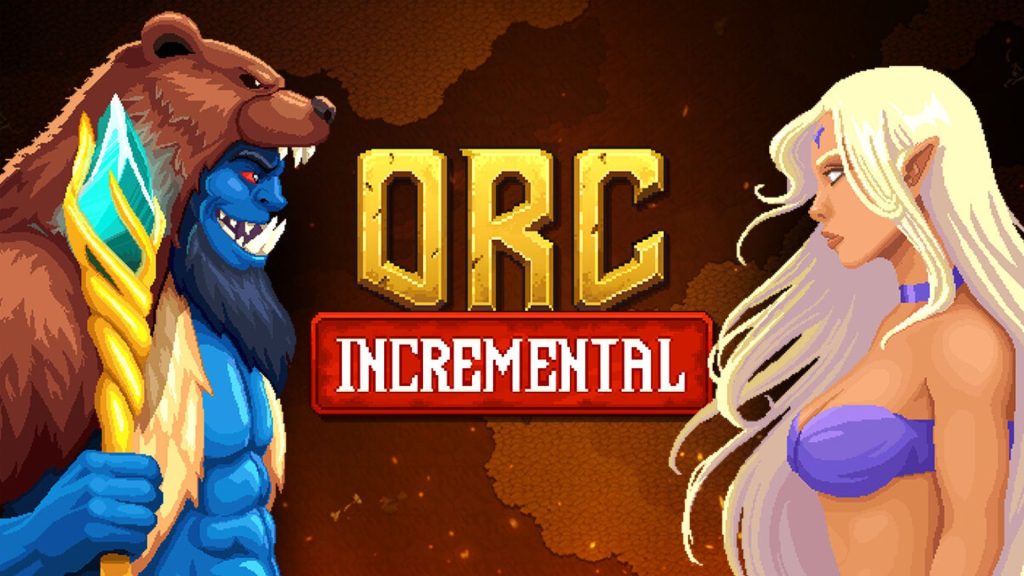
Orc Incremental offers satisfying progression, entertaining totem combinations and enough content to justify its affordable price.
![[GAMESCOM 2026] Chronoscript: The Endless End Preview – Beautiful Pages Hide Deliberate Combat](https://www.indie-games.eu/wp-content/uploads/2026/09/Chronoscript-The-Endless-End-1-1024x576.jpg)
Chronoscript: The Endless End stands out from other Metroidvanias by blending 2D manuscript worlds with exploration inside a 3D manor.
![[GAMESCOM 2026] MegaGum Preview – Combat Hits Hard in This Sticky Platforming Adventure](https://www.indie-games.eu/wp-content/uploads/2026/09/MegaGum-09-09-26-5-1024x576.jpg)
MegaGum combines hard-hitting combat, varied weapons and Gum-powered platforming in a promising Gamescom 2026 demo.
![[GAMESCOM 2026] Delphinium Preview – Cozy Routine Mixed With Enjoyable Minigames](https://www.indie-games.eu/wp-content/uploads/2026/03/Delphinium--1024x665.jpg)
Delphinium mixes cozy farming, exploration and relationships with enjoyable fishing, cooking and forging minigames in its Gamescom 2026 demo.
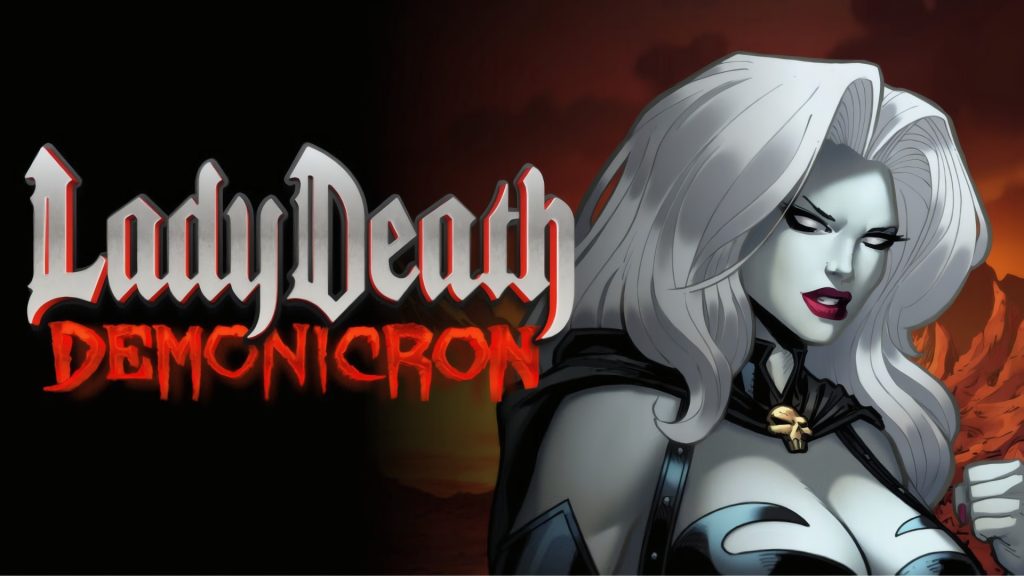
Lady Death: Demonicron looks the part, but underneath its excellent comic-book exterior is a clunky and painfully short brawler.
![[GAMESCOM 2026] Tomb Raider: Legacy of Atlantis Preview – Expands the Original Without Losing Its Identity](https://www.indie-games.eu/wp-content/uploads/2026/09/tomb-raider-legacy-of-atlantis-06-02-26-1-1024x576.jpg)
Tomb Raider: Legacy of Atlantis brings Lara back to her roots, but its Gamescom 2026 showing proved this is far…
![[GAMESCOM 2026] Clive Barker’s Hellraiser: Revival Preview – Ready to Open the Box](https://www.indie-games.eu/wp-content/uploads/2026/09/Clive-Barkers-Hellraiser-Revival-08-30-26-1-1024x576.jpg)
Hellraiser: Revival preserves the franchise’s sex, gore and psychological horror while delivering approachable survival-horror gameplay.

Swan Song creates a peaceful and forgiving puzzle space without removing the challenge that makes solving a difficult puzzle rewarding.
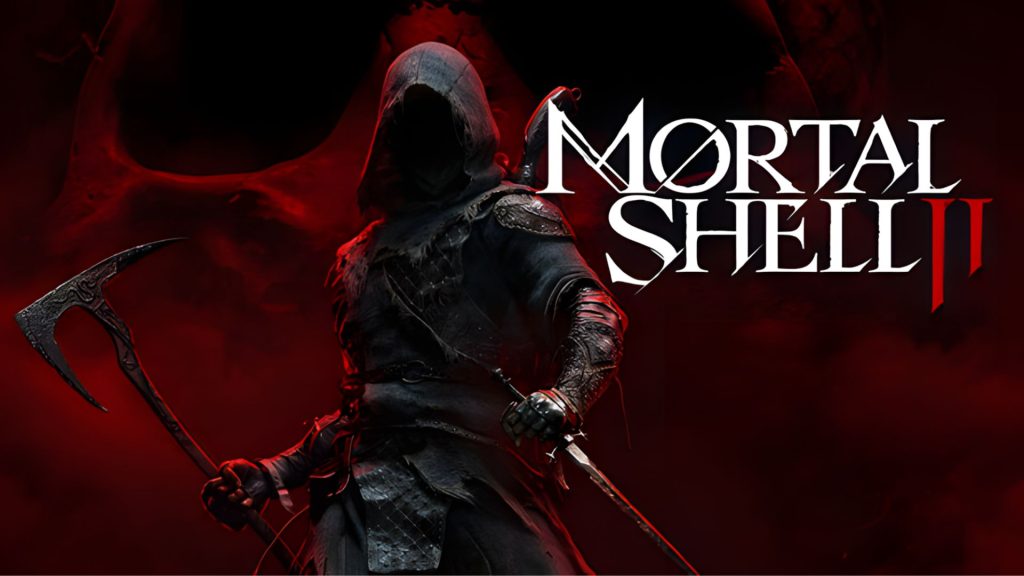
Mortal Shell II starts brilliantly but grows repetitive and exhausting, while remaining a rewarding and ambitious Soulslike sequel.
![[GAMESCOM 2026] Terranigma Preview – A Lost SNES Classic Returns in 2027](https://www.indie-games.eu/wp-content/uploads/2026/08/Terranigma-1-1024x576.jpg)
After more than three decades of limited availability, Terranigma is returning in 2027. We played its enhanced re-release at Gamescom…

Reading another person’s mind is often presented as a desirable superpower, but Sister Other Paranoia immediately understands why it could…
