![[GAMESCOM 2026] Tomb Raider: Legacy of Atlantis Preview – Expands the Original Without Losing Its Identity](https://www.indie-games.eu/wp-content/uploads/2026/09/tomb-raider-legacy-of-atlantis-06-02-26-1-1024x576.jpg)
[GAMESCOM 2026] Tomb Raider: Legacy of Atlantis Preview – Expands the Original Without Losing Its Identity
Tomb Raider: Legacy of Atlantis brings Lara back to her roots, but its Gamescom 2026 showing proved this is far…

![[Preview] Space Tales](https://www.indie-games.eu/wp-content/uploads/2024/10/Space-Tales-e1730139818983.jpg)
If you enjoy independent indie game coverage, consider supporting Indie-Games.eu on Patreon. It helps keep the site independent.
Space Tales successfully evokes the nostalgic feeling of classic RTS games with modern upgrades. The story is more interesting than expected and reminded me of games such as Warhammer: Soulstorm or Dark Crusade. However, Space Tales brings its own style. The graphics are smooth and polished, with nice animations and character design that avoids the pixelated look of older games. One drawback is that the game world sometimes feels empty, with large open spaces and too much aimless movement.
Set in a retro-futuristic universe, you play as a commander for the Intergalactic Planetary Expansion (I.P.E.), leading missions to explore and conquer new planets for humanity. In this demo, you can try out several campaign chapters and a survival mode where you fight against waves of enemies. The gameplay features classic RTS elements like base building and unit control. Your units can use special abilities, and there is a nice variety, from underground turrets and fast robots to tanks and healers. Each unit type has strengths and weaknesses, and using them wisely makes the game engaging and rewarding.
What is really frustrating is that you cannot select a single unit from a group of soldiers. There is no shortcut to select just one soldier, so you have to do it manually, which is inconvenient because their abilities are very important. Exploration in the game also doesn’t feel rewarding; as mentioned, there is too much empty space. You mostly wander around looking for hidden items like chips and molecules in the campaign. Although they provide additional story details and offer skill upgrades after each mission, just finding them isn’t worthwhile. I would like there to be something more to find besides these things.
I liked the building system in the game, it’s simple and easy to understand. However, the game should more clearly explain how to unlock higher tiers; initially, I was confused until I later figured out how it works. There are three main resources, and multiple types can be collected from the same mine. Higher tiers allow you to unlock more units, and upgrades at the university become more powerful. Unfortunately, the building area is minimal and arbitrarily limited, so building walls proved to be a bad idea, a waste of resources and space.
Another interesting mechanic is related to the main HUB. You can connect smaller HUBs to it, which can be upgraded to form a key network that supports the base’s growth and expansion. However, the game doesn’t clearly explain how this system works or why it is useful. These HUBs actually provide additional manpower.
After each campaign mission, you can choose upgrades, and side missions occasionally appear. In one mission, for example, you have to save allies within a time limit while being hunted by a giant monster. The different types of mini-bosses were fun, like the one that shoots lasers or the large sand kraken. However, they have too much HP, so it takes a very long time to defeat them, especially since you have to dodge their attacks. If you don’t have the appropriate army, it can feel like a waste of time. Mini-bosses are a great idea, but they need a little balancing so they don’t feel like actual bosses.


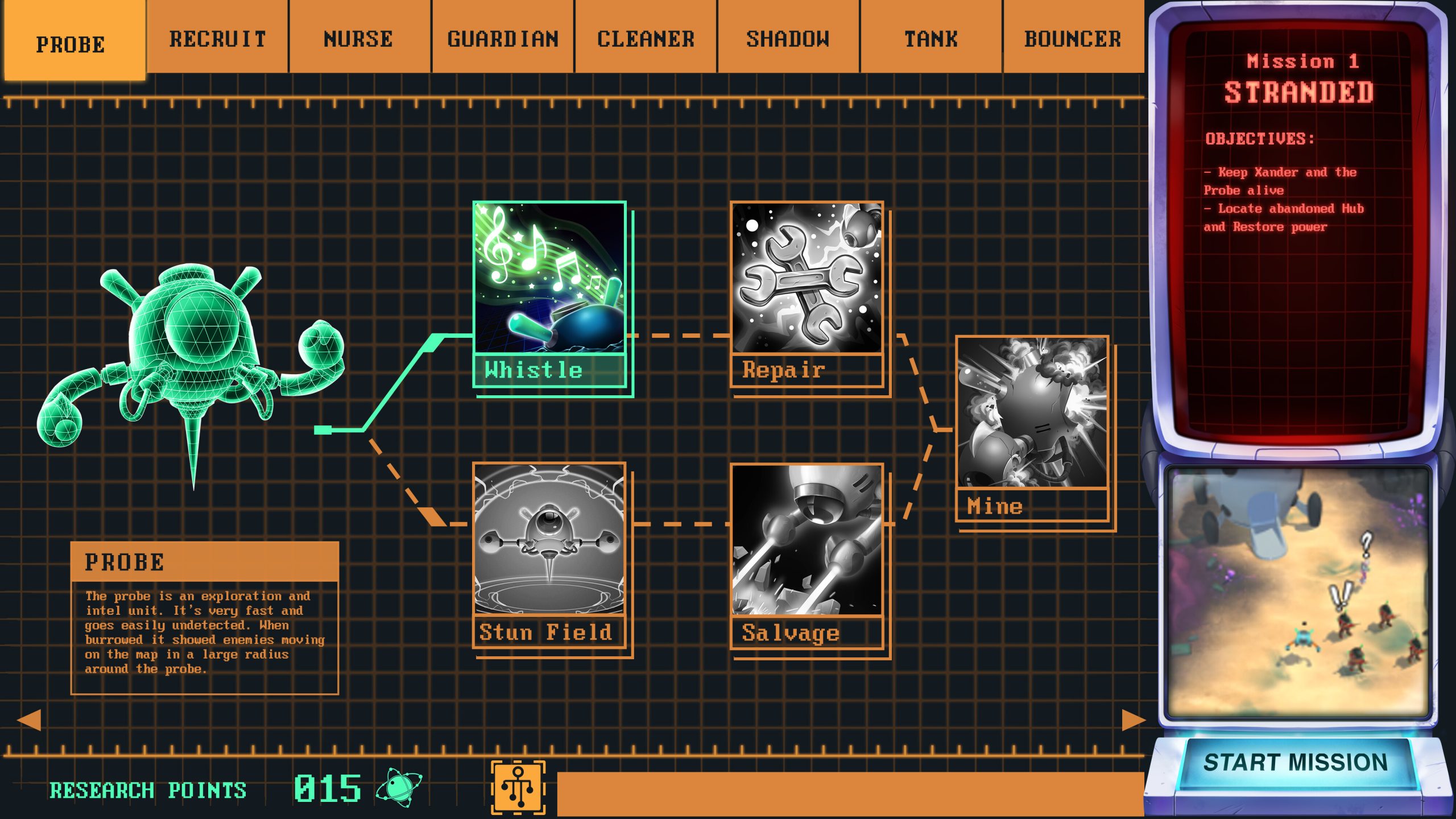
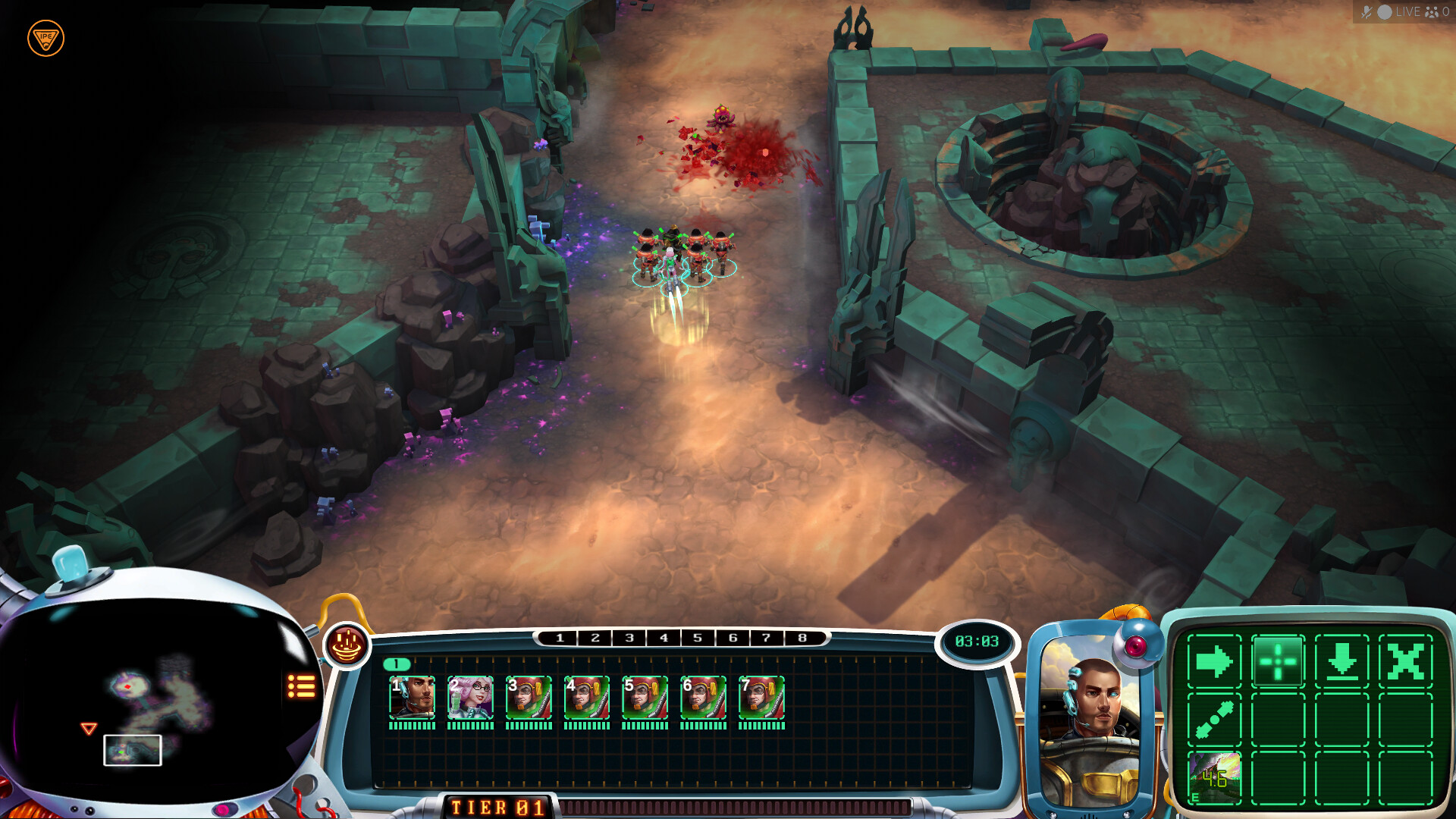
In the demo, you mostly fight the same types of common enemies, such as small worms and octopus-like creatures. They are not too challenging except when there are many of them at once, which made the game feel a bit repetitive. However, given that it’s a demo, this is expected. Stronger enemies also had problems: the long-range ones seemed too powerful, while the large monster, for example, was too weak. Most enemies die quickly, and you have a small cheat code in the form of healers who can help keep your units alive.
The upgrades in the campaign proved to be quite good, with each group offering something different, such as a stronger start, a better base, or more powerful units. The variety of units also kept things interesting, especially as you experiment with recruiting new ones. I look forward to seeing how the campaign will develop because it has a lot of potential. The free mode was less exciting, waves of enemies just keep coming, and you barely have time to build a base. I hope it will be possible to play against AI later, as the free mode currently feels a bit boring.
All in all, I liked Space Tales. It’s interesting enough to keep you playing. It differs somewhat from typical RTS games because it doesn’t have fixed factions and focuses more on exploring the world at your own pace. If they add more things to explore on the map and improve the building system a bit, this could be an excellent game. Additionally, the sound effects and voice levels urgently need fixing, as the music was too quiet while everything else was too loud.
Tomb Raider: Legacy of Atlantis brings Lara back to her roots, but its Gamescom 2026 showing proved this is far…
![[GAMESCOM 2026] Clive Barker’s Hellraiser: Revival Preview – Ready to Open the Box](https://www.indie-games.eu/wp-content/uploads/2026/09/Clive-Barkers-Hellraiser-Revival-08-30-26-1-1024x576.jpg)
Hellraiser: Revival preserves the franchise’s sex, gore and psychological horror while delivering approachable survival-horror gameplay.

Swan Song creates a peaceful and forgiving puzzle space without removing the challenge that makes solving a difficult puzzle rewarding.
Mortal Shell II starts brilliantly but grows repetitive and exhausting, while remaining a rewarding and ambitious Soulslike sequel.
![[GAMESCOM 2026] Terranigma Preview – A Lost SNES Classic Returns in 2027](https://www.indie-games.eu/wp-content/uploads/2026/08/Terranigma-1-1024x576.jpg)
After more than three decades of limited availability, Terranigma is returning in 2027. We played its enhanced re-release at Gamescom…
Reading another person’s mind is often presented as a desirable superpower, but Sister Other Paranoia immediately understands why it could…
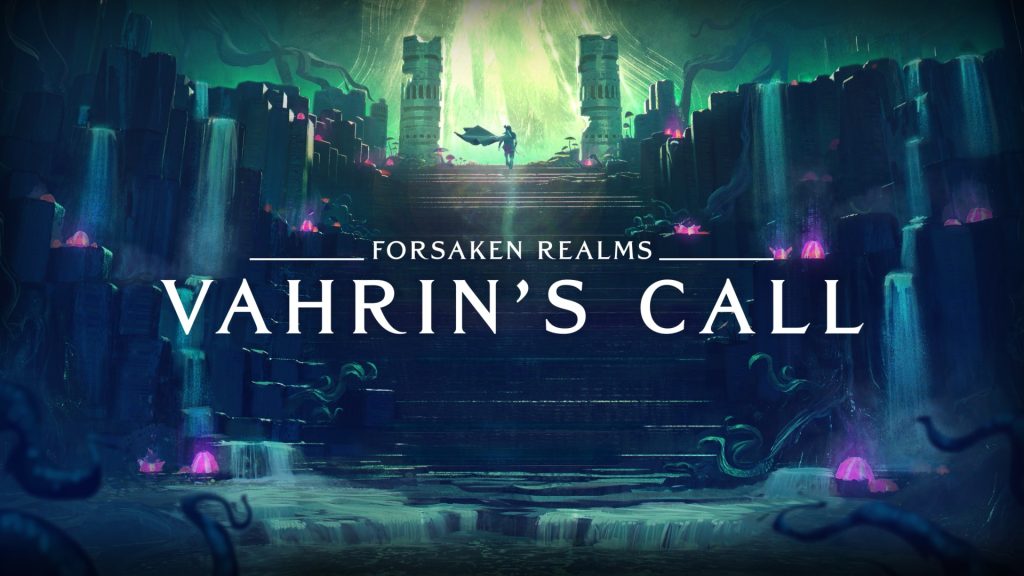
Forsaken Realms: Vahrin’s Call is exactly the kind of ambitious, slightly clumsy fantasy RPG that used to be far more…
![[Early Access] 2nd EVE – Sci-Fi Action RPG That Lacks a Sense of Stakes](https://www.indie-games.eu/wp-content/uploads/2026/08/2ND-EVE-1024x576.jpg)
2nd Eve is a space-set action RPG in which we strive to save humanity.
![[PREVIEW] Dreamcards – Strategic Exploration of Consciousness](https://www.indie-games.eu/wp-content/uploads/2026/08/Dreamcards_20260810_233631_0000-1024x576.jpg)
Dreamcards is a roguelike deckbuilder centered around dreams and nightmares.
![[Early Access] OFFBEAT – Incredibly Fun Way to Start a Music Career](https://www.indie-games.eu/wp-content/uploads/2026/08/Offbeat_20260808_201446_0000-1024x576.jpg)
In OFFBEAT, we play the role of a jobbing composer who is launching their music career.
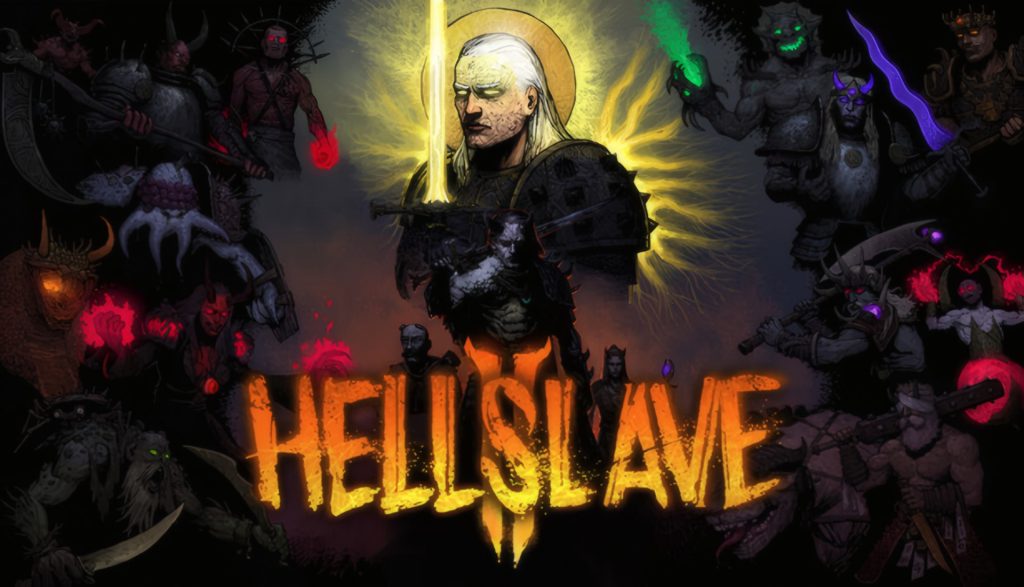
HellSlave II retains the original’s oppressive atmosphere, morally grey world and striking art while adding a larger world, randomized loot…
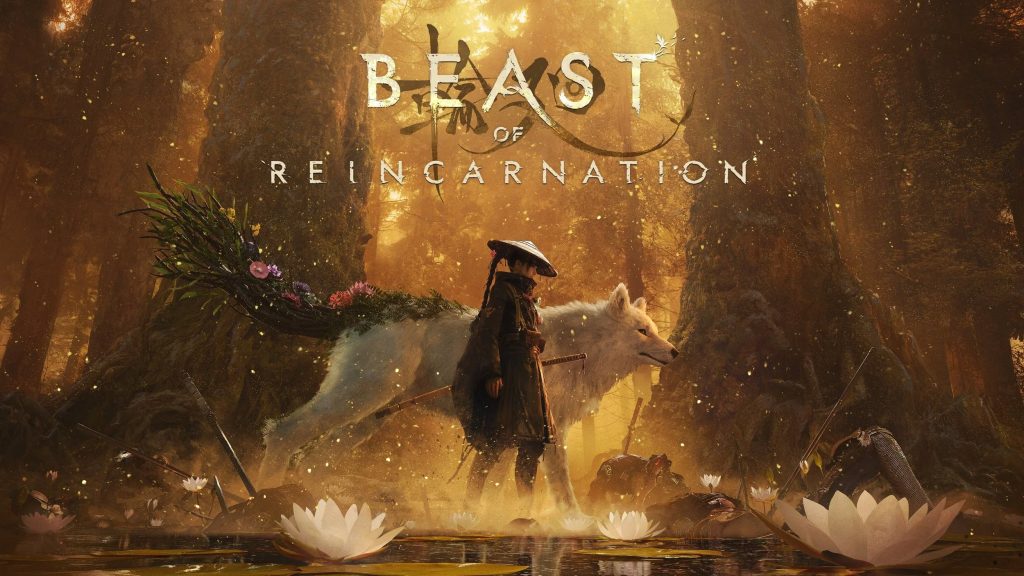
Beast of Reincarnation is an ambitious but uneven action RPG elevated by satisfying parry combat, beautiful art direction and the…

K-pop Idol Stories: Road to Debut captures the pressure of building idol group, but its management systems never explore that…
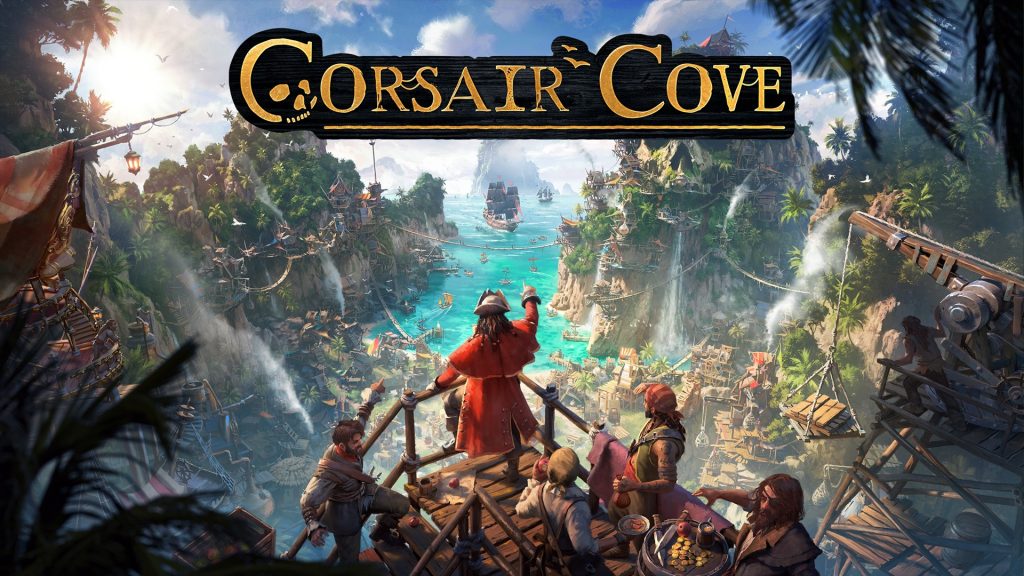
Hooded Horse keeps finding strategy games that know their audience, and Corsair Cove extends its impressive run of excellent city-builders.
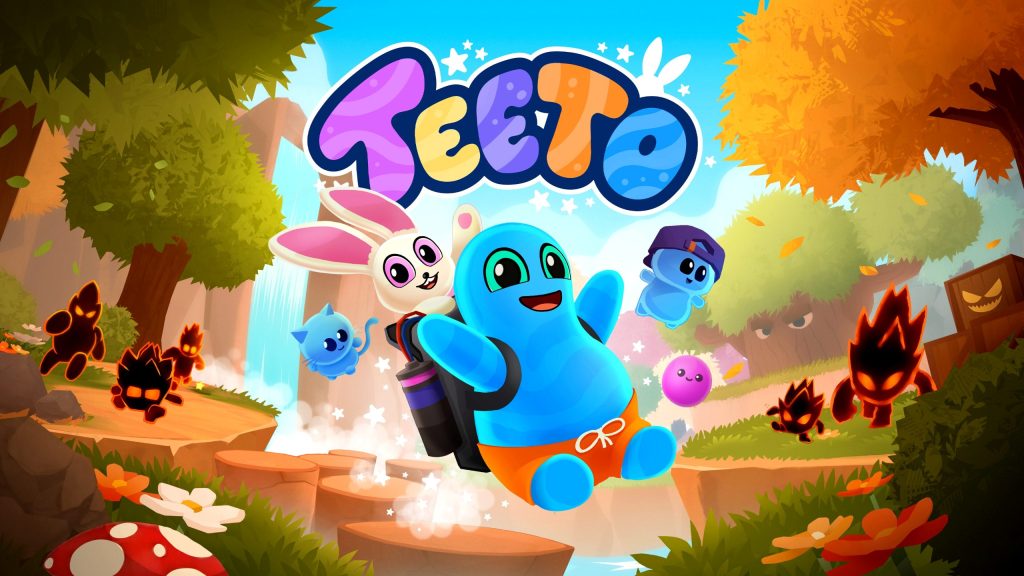
Teeto is a warm, cozy, creative and highly enjoyable 3D platformer that understands why classic collectathons remain so appealing.
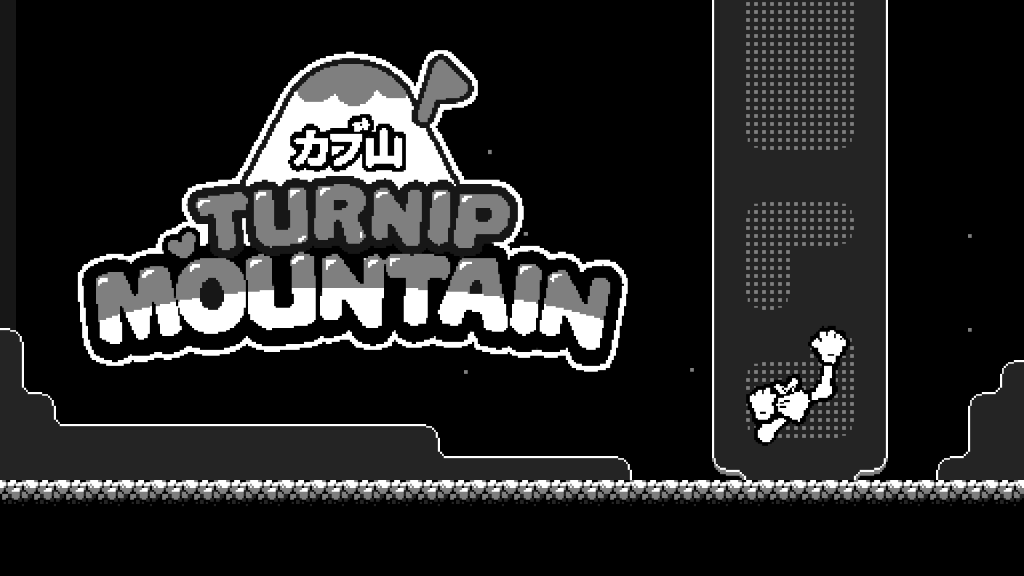
Turnip Mountain stands out for its combination of a unique control system and a minimalist approach.
Dystopicon is an imaginative and memorable narrative experiment with sharp social commentary, engaging world-building and several wonderfully absurd scenarios.
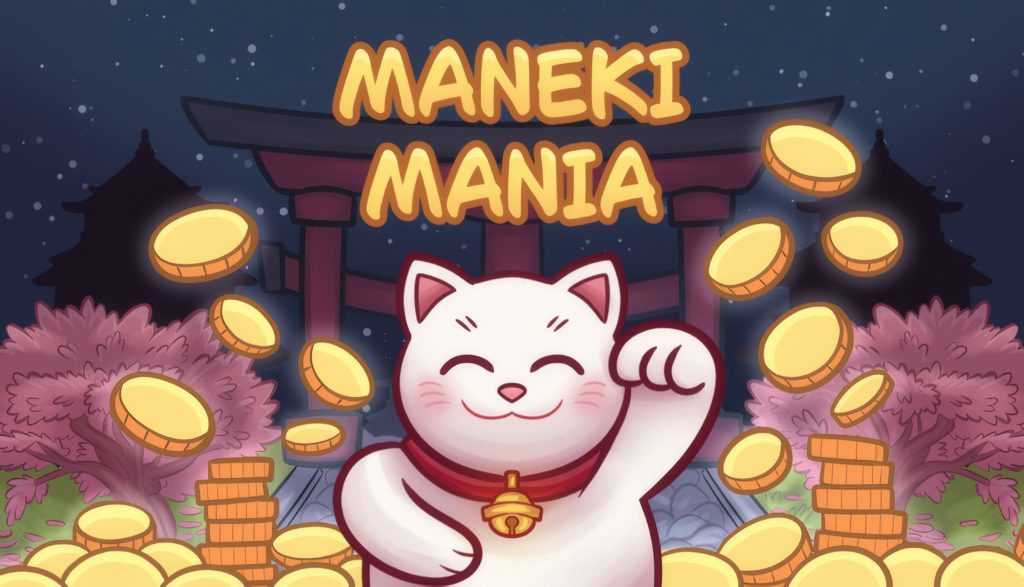
Maneki Mania is an incremental game centered around petting a lucky cat.
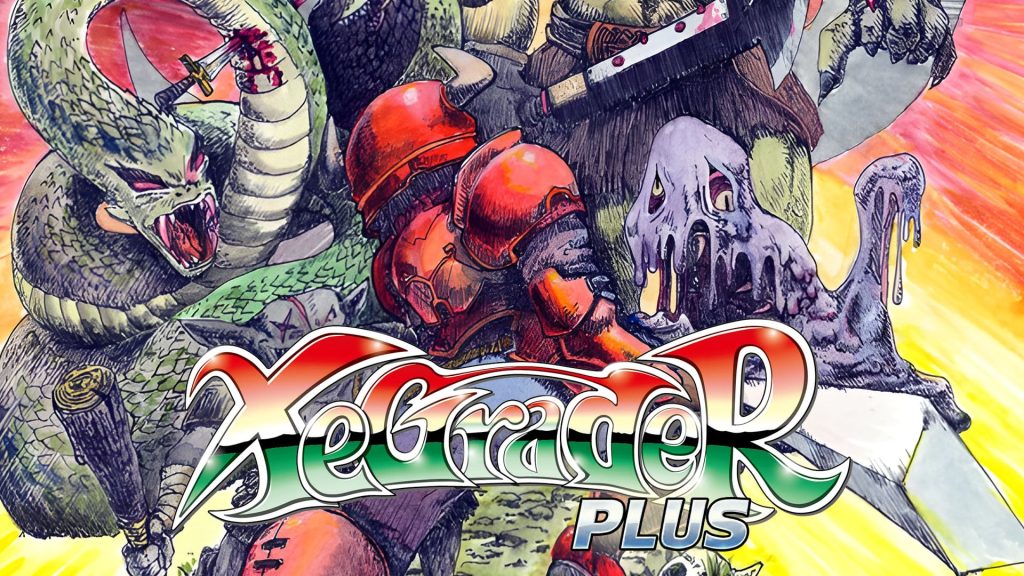
XeGrader Plus delivers colorful retro shooting, but basic mechanics, a short campaign and paid retro modes make its €20 price…
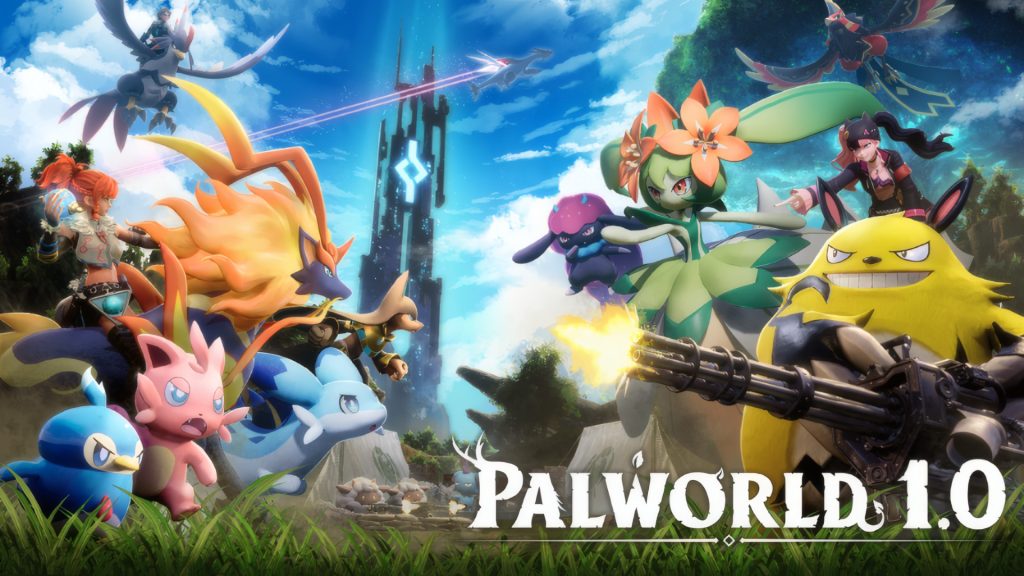
It has been roughly two and a half years since Palworld first entered Early Access, and quite a lot has…
