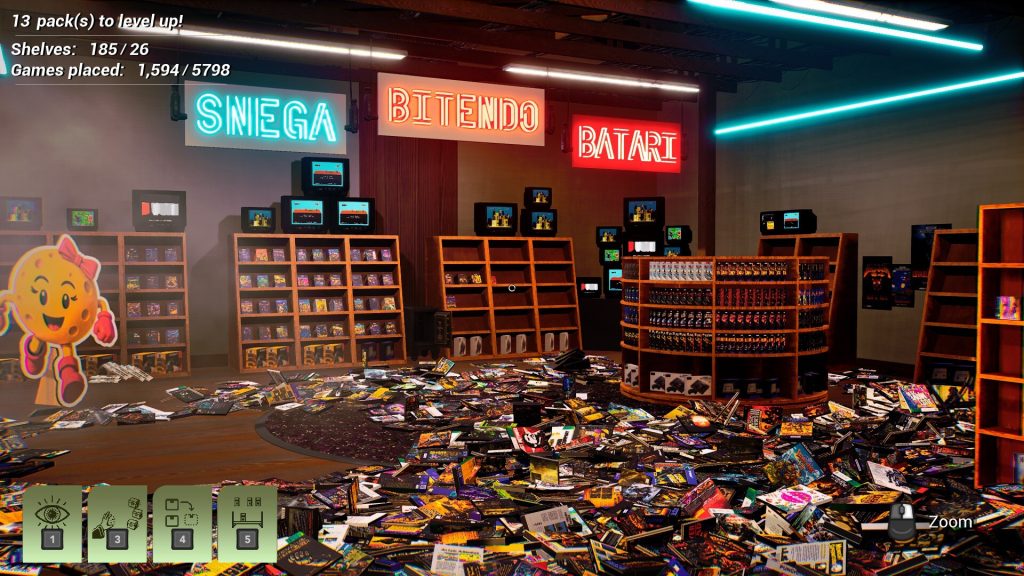
A Cat Scattered 5,798 Games Across This Cozy Supermarket Simulator
MY CAT SCATTERED GAMES asks players to organize 5,798 games and consoles before rescuing a cat trapped inside a claw…


If you enjoy independent indie game coverage, consider supporting Indie-Games.eu on Patreon. It helps keep the site independent.
The European games industry workforce is experiencing a significant period of instability, according to the latest Big Games Industry Employment Survey conducted by InGame Job and Values Value. The report reveals that over a quarter of game developers in Europe experienced layoffs in 2024/25, with 10.4% of those still actively searching for new roles.
Findings highlight a clear shift in the job market, characterized by job insecurity, a sharp drop in voluntary job changes, and the rise of salary as the primary factor when choosing an employer.
The increase in involuntary job loss is evident: the percentage of unemployed respondents who were laid off rose from 6.2% in the 2024 survey to 10.4% this year. Furthermore, the rate of developers who changed jobs voluntarily dropped significantly, from 23.2% to 17.5%. Job searches are taking longer, with 15% of all respondents still looking for work. Programmers reported the most extended search times, with 18% needing a year or more to find a new role.

Data pinpoints which roles were most affected:
The current job climate has fundamentally reshaped developers’ priorities. Salary level has now surpassed traditional motivators like exciting projects and growth opportunities, becoming the single most important factor for 87% of professionals when seeking a new employer. Work format (remote/hybrid/office) and work-life balance tied for second place at 59% each.
Games industry also continues to struggle with structural issues, particularly regarding the gender pay gap. Women remain underrepresented in leadership and high-paying technical roles, contributing to lower average salaries. The data suggests women tend to ask for less compensation as their expected salaries are, on average, lower than those stated by male respondents in similar roles.
Adding to the concerning structural trends, the report highlighted a negative trend in diversity and inclusion (D&I) initiatives. The percentage of respondents reporting that their company has no dedicated D&I specialist has increased by 67% since 2023, suggesting these efforts are not a priority for many employers.
In a bright spot of technological change, AI adoption has doubled over the past two years, reaching 63% in the EU and 69% in non-EU regions. The number of developers who have never used AI, and don’t plan to, has dropped by more than a third since 2023. This indicates that skepticism is declining, with AI increasingly viewed as a practical tool rather than a threat.

MY CAT SCATTERED GAMES asks players to organize 5,798 games and consoles before rescuing a cat trapped inside a claw…
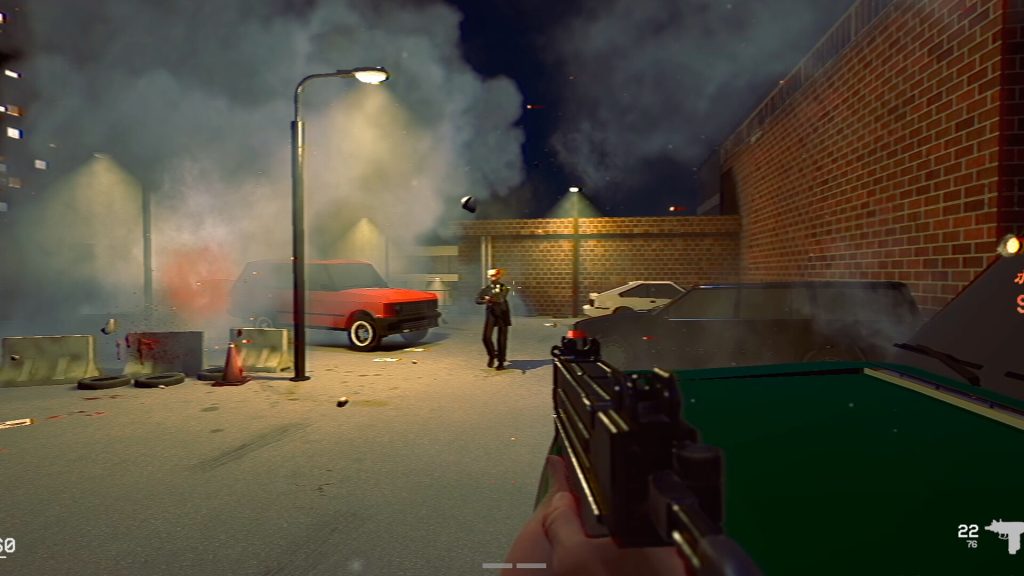
Retro corridor shooter Cop Bastard has partnered with Retrovibe for an October release, accompanied by a faster and more polished…
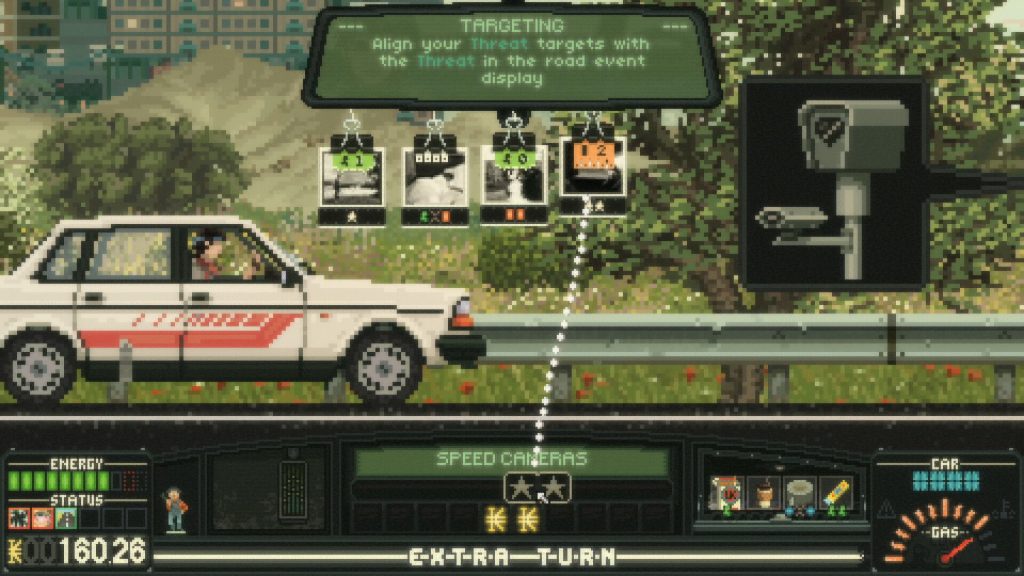
Keep Driving launches on Switch, PS5 and Xbox Series X|S on September 28 as its PC edition receives official Steam…
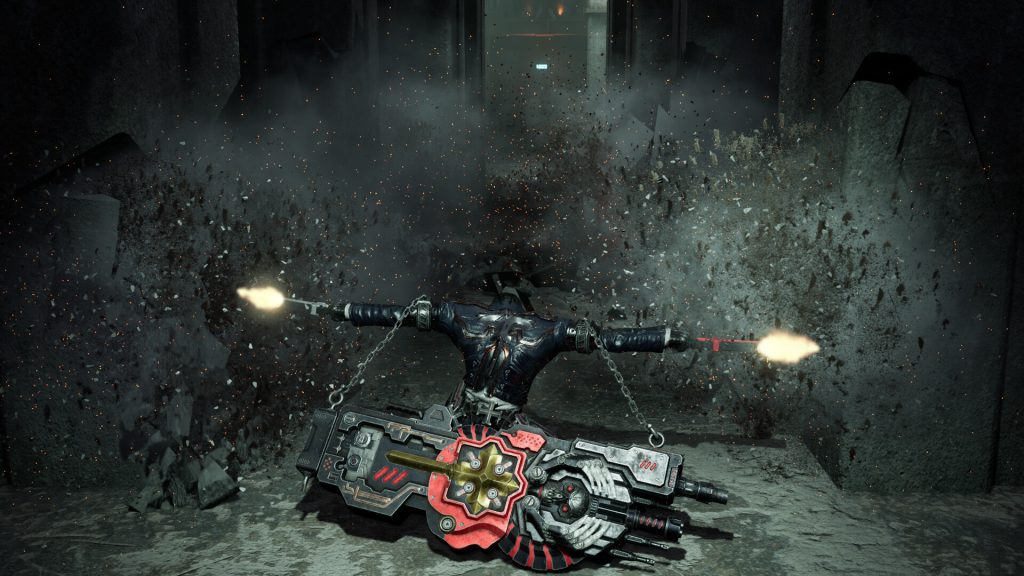
Gungrave G.O.R.E: Blood Heat shows its rebuilt combat, including parries, close-range attacks and faster 360-degree movement.

Sugar Lies follows a young man who hates dishonesty and a girl living behind a perfect persona when it launches…
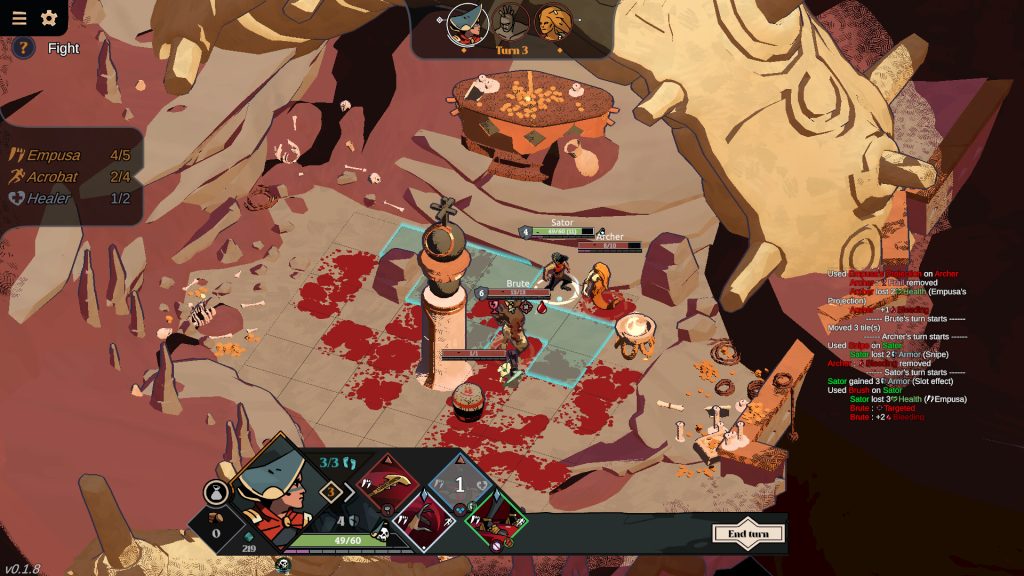
Deified leaves Steam Early Access on September 21 with its narrative ending, final boss floor, balance improvements and hidden content.
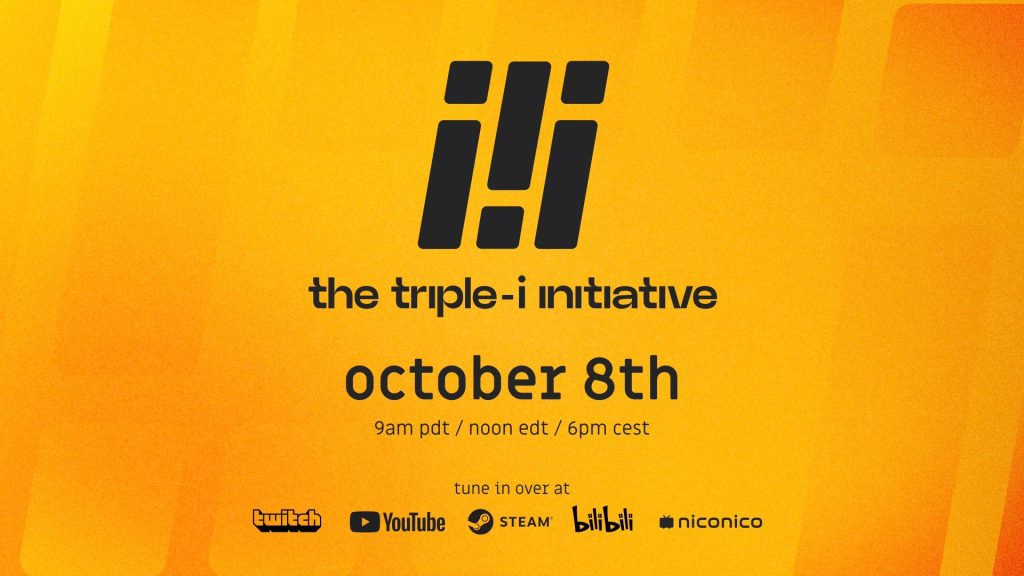
Triple-i Initiative returns October 8 with 40 games, eight world premieres and 45 minutes of trailers, release dates and reveals.

Woodo launches September 16, inviting players to rebuild childhood memories through cozy, handcrafted wooden dioramas.
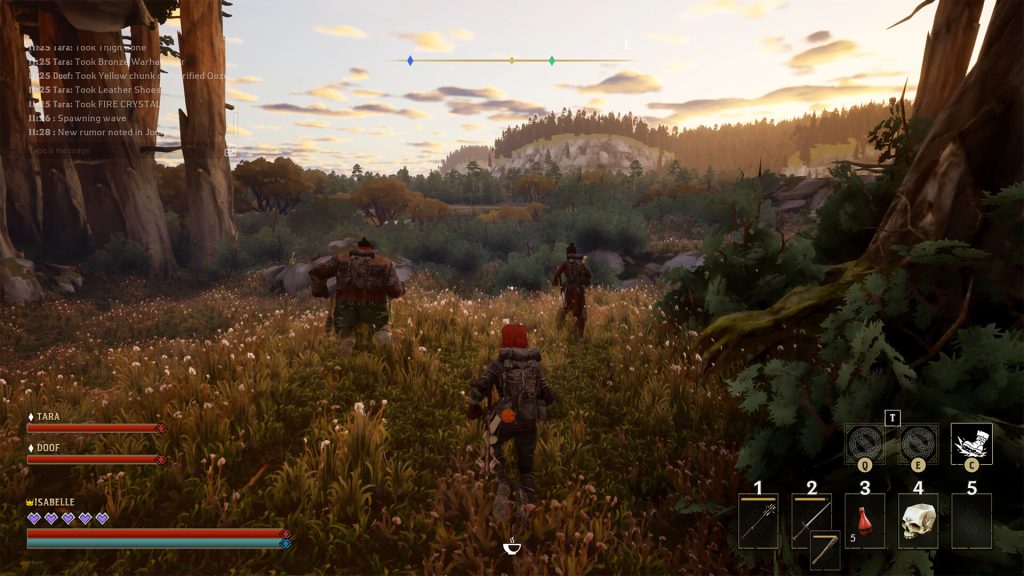
Curve Games signs Wyldheart in one of its biggest recent investments after the co-op RPG surpasses 375,000 Steam wishlists.
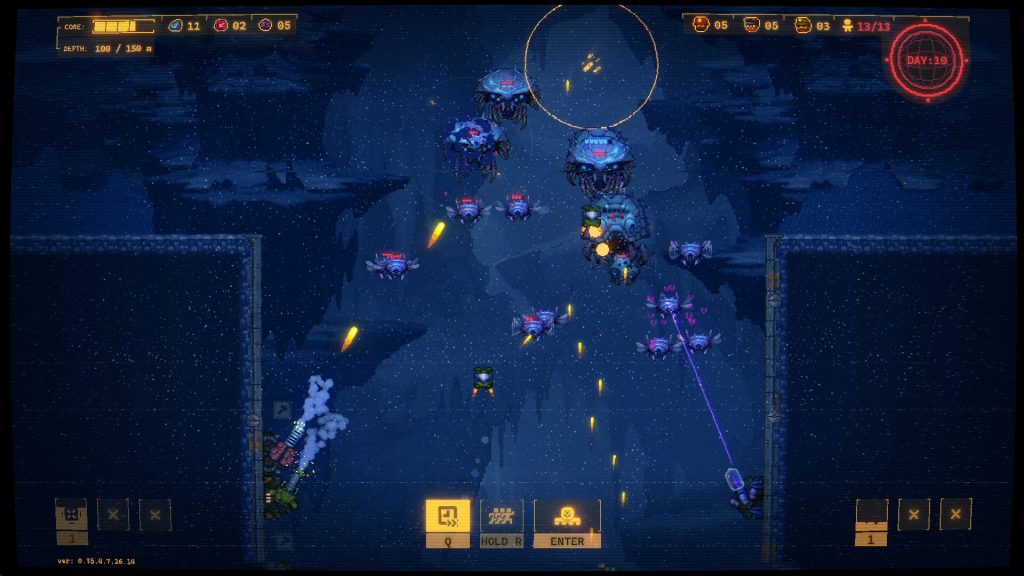
Drill Core’s free Anniversary Update adds Relaxed Mode, new bounties, specialists, platform skins and several quality-of-life improvements.
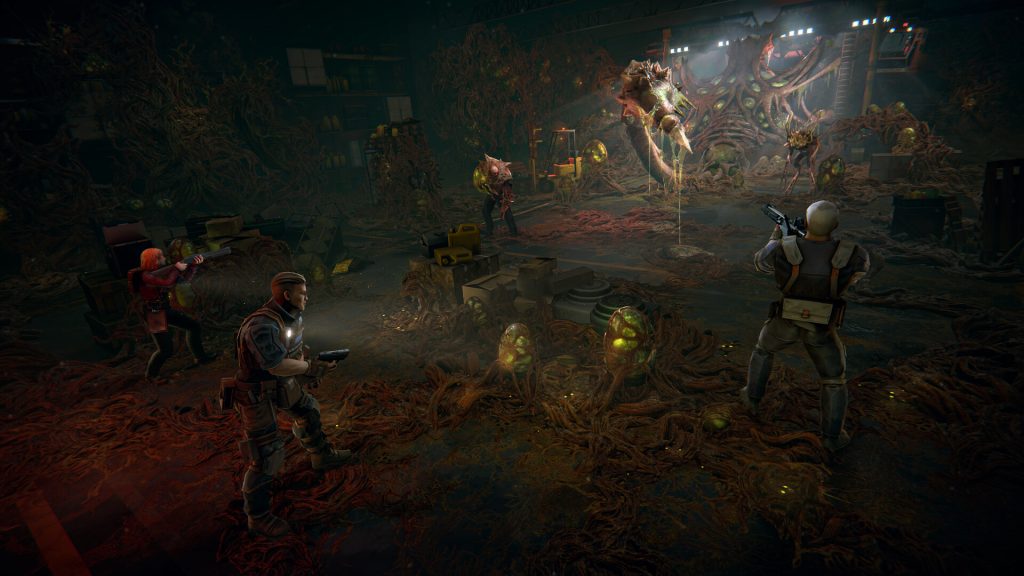
Critical Shift’s free two-hour demo combines real-time exploration with tactical combat inside a compromised Antarctic facility.
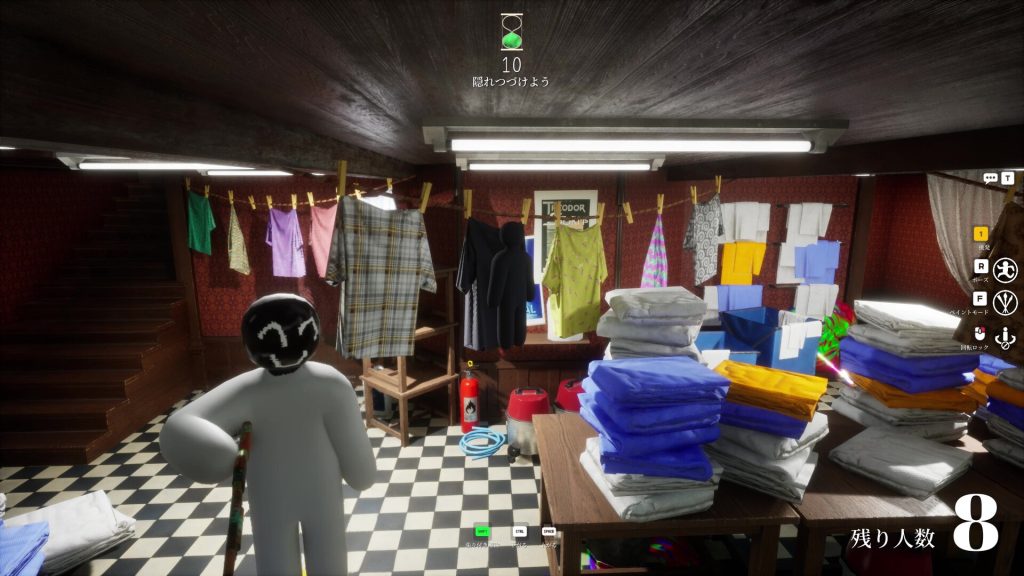
Meccha Chameleon brings its paint-based multiplayer hide-and-seek matches to Nintendo Switch 2 with a temporary $4.79 launch price.
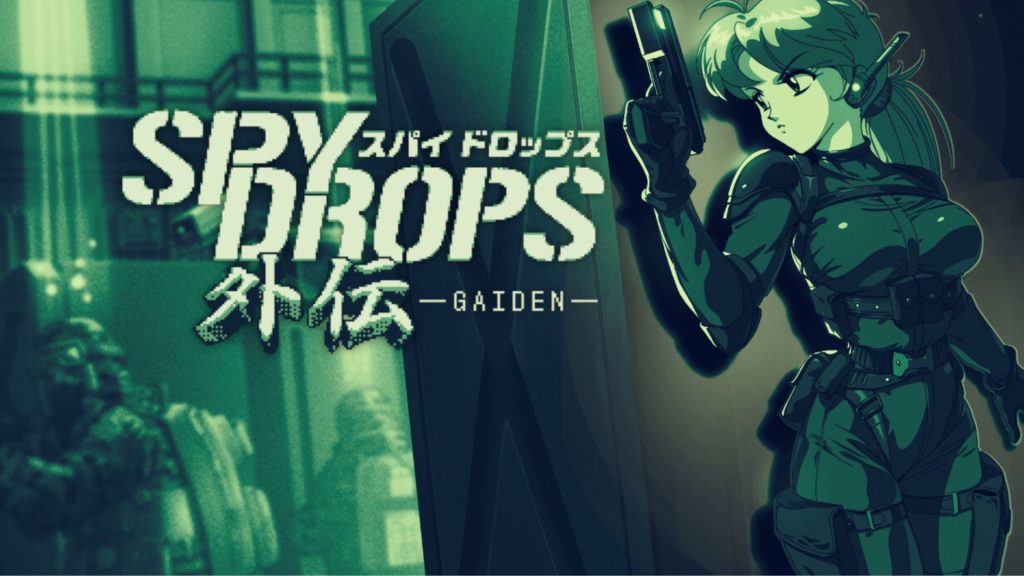
Spy Drops Gaiden brings Game Boy-style stealth, eight covert missions and intel extraction to Steam on October 12 for €4.99.
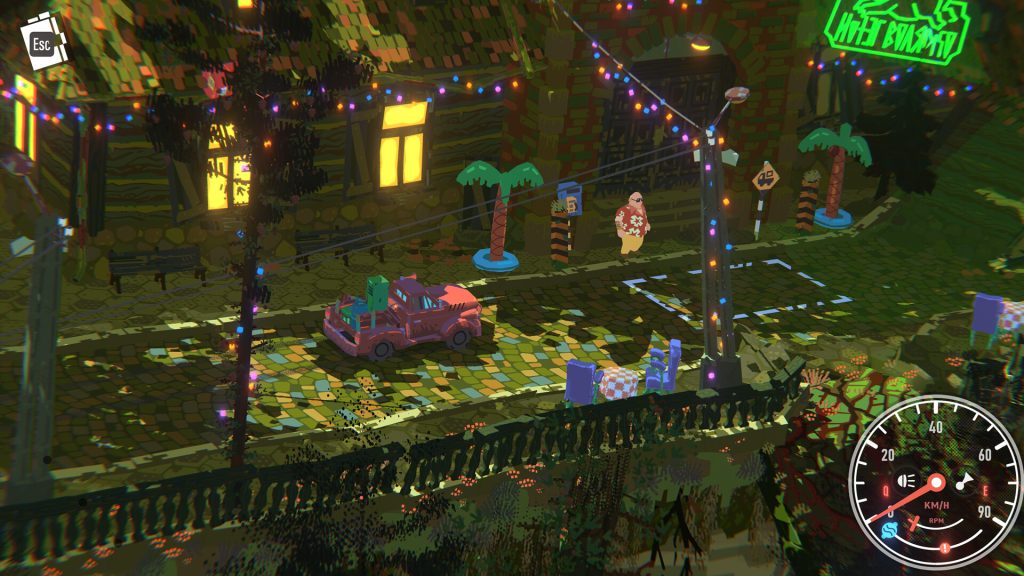
Truckful launches October 9 on Steam and Android, combining physics-based deliveries with vehicle upgrades and a mystery inside an ancient…
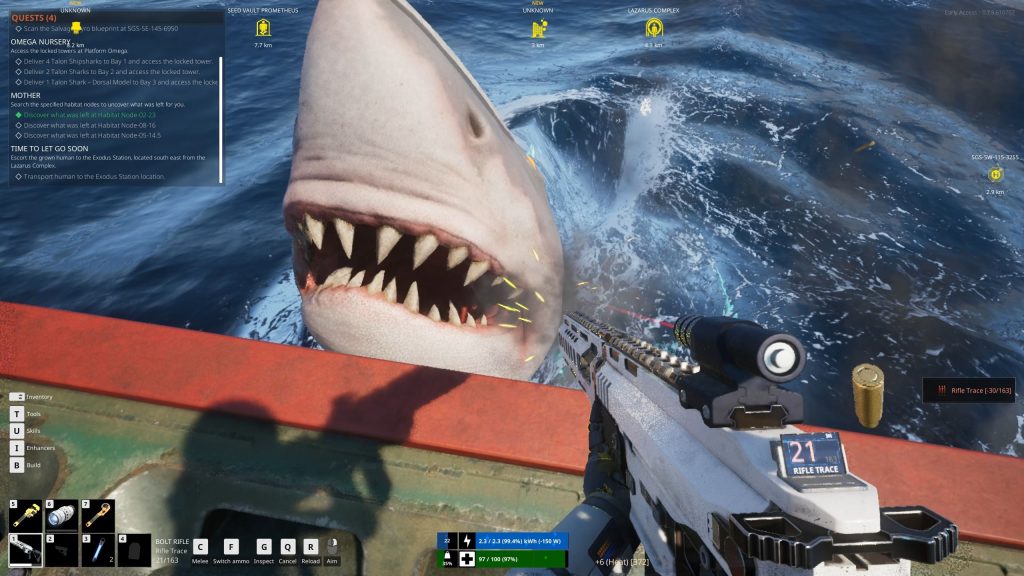
The Last Caretaker reaches version 1.0 in spring 2027 and joins Xbox Game Pass on day one after selling over…

Chronoscript: The Endless End moves to early summer 2027 as DeskWorks! improves combat responsiveness, menus and visual readability.
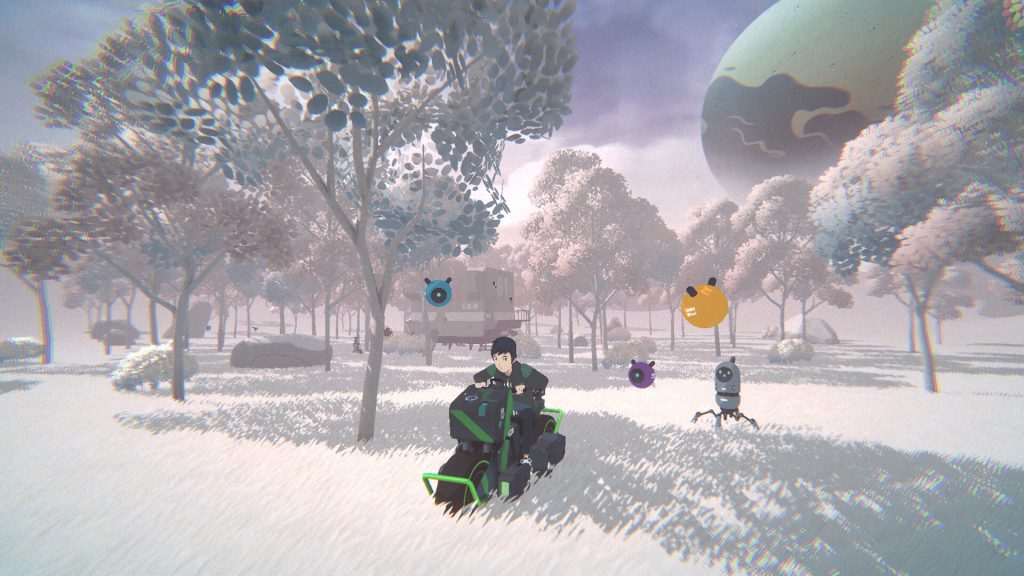
HEIMA is a parallel-world puzzle adventure from former Terra Battle developers, coming to PC in 2028 with SHIFT and HOLD…
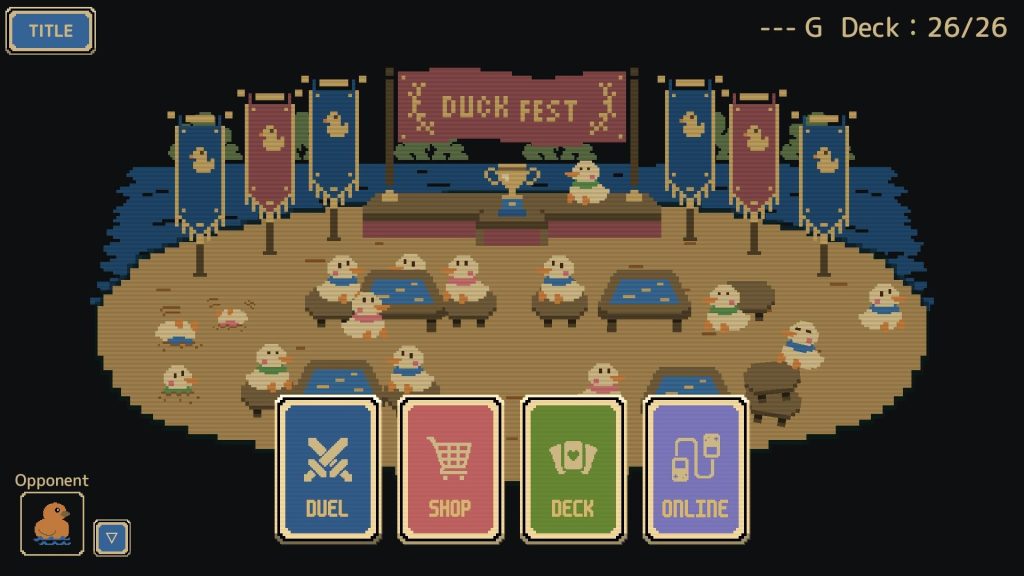
Duck Fest combines deck building and 1v1 battles with collectible cards that players can trade through the Steam Community Market.
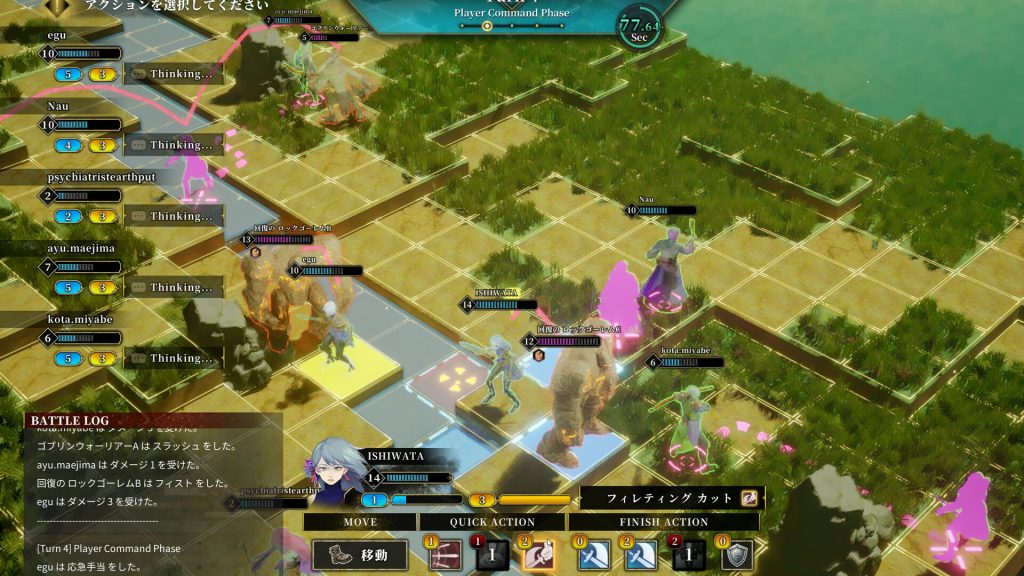
Tactful Tactics is a 1–6-player cooperative RPG where everyone plans and executes their actions simultaneously.
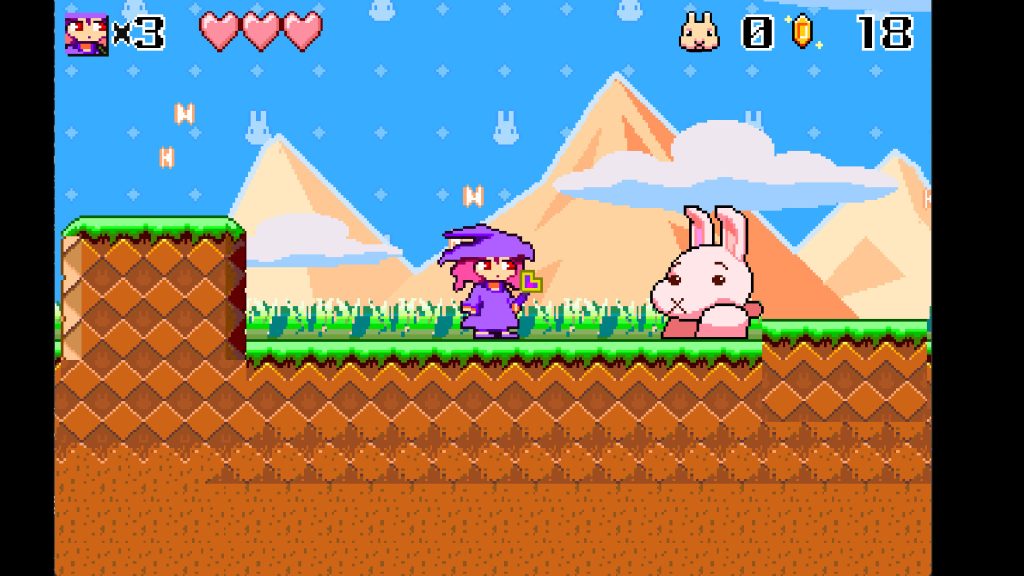
SakuSaku Witch is a retro-inspired 2D platformer about magic, bunny monsters and a suspicious toy company, coming to Steam in…
